Choosing the right mailer box is one of the most critical decisions in packaging — especially for e-commerce businesses and retail brands where product protection, shipping efficiency, and brand presentation all matter.A well-designed custom mailer box does far more than simply contain your product. It plays a key role across the entire fulfillment process — from packing and shipping to delivery and customer unboxing. The right packaging solution can:
- Protect your products during transit, reducing damage, returns, and negative reviews
- Lower shipping and logistics costs by optimizing box size and minimizing dimensional weight
- Elevate your brand image with high-quality materials and professional printing
- Create a memorable unboxing experience that encourages repeat purchases and social sharing
However, choosing the wrong mailer box — whether it’s oversized, structurally weak, or poorly designed — can quickly lead to higher costs, damaged goods, and a disappointing customer experience.That’s why selecting the right packaging is not just an operational task, but a strategic decision for your business.
In this guide, we’ll break down how to choose the ideal mailer box size, material, and strength, so you can achieve the perfect balance between product protection, cost efficiency, and brand impact.
When choosing packaging, it is important to first understand what a mailer box is and how it works in packaging systems
→ What Is a Mailer Box? Complete Guide to Mailer Packaging
Choosing the Right Mailer Box Size
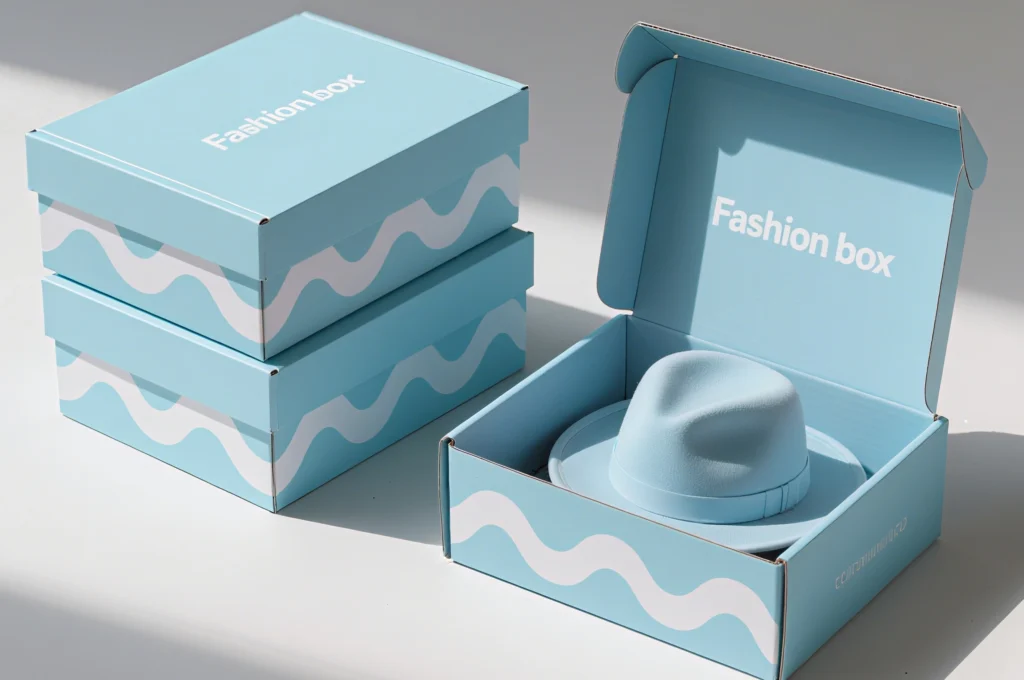
Size is often the first factor buyers consider when selecting a mailer box — but it’s also one of the most commonly misjudged. Getting the size right is essential not only for product protection, but also for cost control and overall presentation.
Selecting an incorrect box size can create multiple issues throughout the shipping and customer experience:
- Product damage (too loose)
When the box is too large, excess empty space allows the product to move during transit. This increases the risk of impact, scratches, or breakage — especially for fragile items. Additional fillers may help, but they also increase material and packing costs. - Increased shipping costs (too large)
Most carriers calculate fees based on dimensional weight, not just actual weight. Oversized packaging can significantly raise shipping costs, even for lightweight products, directly affecting your profit margins. - Poor presentation (too tight or deformed)
A box that is too small can compress or deform the product, damaging both the item and its packaging. It also creates a negative unboxing experience, making your brand appear less professional and lower in quality.
The ideal mailer box should provide a snug and secure fit, leaving just enough room for necessary protective inserts (if needed), while avoiding unnecessary empty space. This balance ensures your product arrives safely, keeps shipping costs under control, and delivers a clean, well-presented package to your customer.
How to Select the Correct Mailer Box Size
Choosing the right size isn’t complicated, but it does require a structured approach. A properly sized mailer box ensures your product is protected, your costs are controlled, and your packaging looks clean and intentional.
Follow This Simple Method
Step 1: Measure Your Product (Length × Width × Height)
Start by measuring the exact dimensions of your product. Always use the maximum outer dimensions, including any protruding parts or primary packaging (such as inner boxes, bottles, or lids).Measure in millimeters for higher accuracy, especially for custom packaging.
Step 2: Add Space for Inserts or Padding
If your product requires protection, you’ll need to allocate space for inserts such as paper padding, foam, or molded pulp.
- Lightweight, non-fragile items: minimal or no extra space needed
- Fragile or high-value items: allow sufficient room for protective materials on all sides
This step ensures the product remains stable and protected during transit.
Step 3: Leave a Small Tolerance (Usually 5–10 mm)
Add a small tolerance to your final dimensions to allow for easy packing and manufacturing variations.
- Too little tolerance → difficult packing, risk of deformation
- Too much tolerance → unnecessary movement and higher shipping costs
A 5–10 mm buffer is typically ideal for most mailer boxes.
To better understand standard sizing and packaging dimensions, you can refer to
→ Mailer Box Sizes: Standard Dimensions & How to Choose the Right Size
Choosing the Right Material
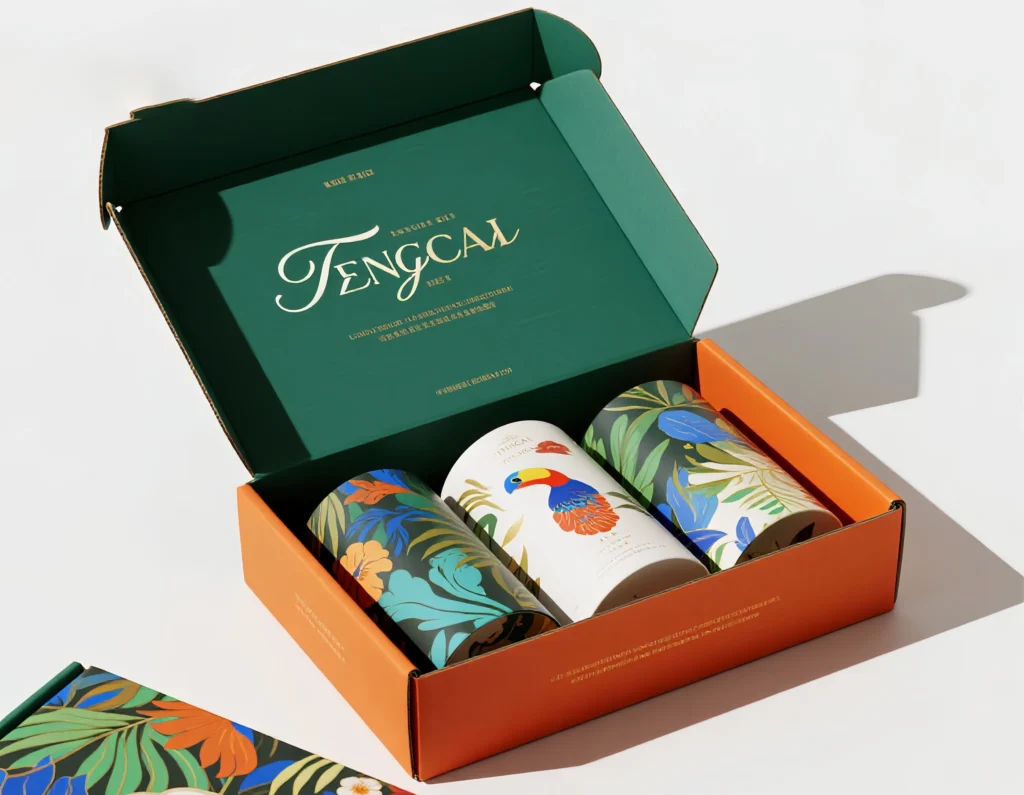
The material of a mailer box directly determines its strength, durability, printing quality, and overall protection performance. While most mailer boxes are made from corrugated cardboard, different flute types offer very different levels of rigidity and suitability depending on the product being shipped.Understanding these differences helps you choose a packaging solution that balances protection, cost, and brand presentation.
Common Mailer Box Materials:
E-Flute Corrugated Board
E-flute is one of the most commonly used materials for retail and e-commerce packaging due to its smooth surface and lightweight structure. It has a relatively thin profile, which makes it ideal for high-quality printing and detailed branding designs.Because of its fine corrugation, E-flute offers a clean, premium look while still providing basic protection for everyday shipping needs. However, it is better suited for lighter products rather than heavy or highly fragile items.
Ideal for: cosmetics, apparel, small accessories, subscription boxes
B-Flute Corrugated Board
B-flute is thicker and more rigid compared to E-flute, offering improved compression resistance and better overall structural strength. It provides a good balance between protection and material cost, making it a popular choice for standard e-commerce packaging.This material performs well during stacking and long-distance transportation, helping reduce the risk of box deformation under pressure. It is commonly used when products require moderate protection without significantly increasing packaging weight or cost.
Ideal for: medium-weight products, general e-commerce shipping, retail goods
Double-Wall Corrugated Board (BC Flute)
Double-wall corrugated board combines two layers of fluting, significantly increasing durability, impact resistance, and stacking strength. This makes it suitable for heavier, more fragile, or higher-value products that require stronger protection during transit.Although it is thicker and slightly more expensive, it provides excellent security in demanding shipping conditions, especially for long-distance or international logistics. It is often chosen when product safety is the top priority.
Ideal for: electronics, glass products, industrial items, bulk shipping, fragile goods
If you want to compare different material options in more detail, including corrugated structures and cardboard types
→ Corrugated vs Cardboard Mailer Boxes: Materials, Strength & Selection Guide
Choosing the Right Strength
Strength is often one of the most overlooked aspects of packaging, yet it is directly responsible for protecting your products throughout storage, handling, and transportation. Even if the box looks good and fits well, insufficient strength can still lead to deformation, damage, or product failure during transit.A properly selected strength level ensures your packaging remains stable under real-world shipping conditions.
What Determines Box Strength?
Mailer box strength is influenced by a combination of material and structural factors. Each plays a different role in overall performance:
- Flute type (E, B, or double-wall)
The corrugated flute structure is the main contributor to compression resistance and impact protection. Thicker or multi-layer flutes provide better durability under pressure, especially during stacking or long-distance shipping. - Paper weight (GSM)
GSM determines the density and rigidity of the paper used in the corrugated board. Higher GSM improves resistance to bending and crushing, while lower GSM is more suitable for lightweight, low-risk products. - Structural design
The way a box is engineered also affects its strength. Reinforced folding structures, locking mechanisms, and load-distribution design can significantly improve durability without increasing material thickness.
Matching Strength to Product Weight
Selecting the correct strength level based on product weight helps achieve a balance between protection and cost efficiency.
| Product Weight | Recommended Material |
|---|---|
| < 1 kg | E-flute |
| 1 – 5 kg | B-flute |
| > 5 kg | Double-wall |
Consider Your Shipping & Handling Conditions
Even a well-designed and high-quality mailer box can underperform if it is not suited to real-world logistics conditions. Packaging must be chosen not only based on the product itself, but also on how it will be handled, stored, and transported throughout the supply chain.
Understanding these external factors helps ensure your packaging performs consistently from warehouse to final delivery.
Key Factors to Evaluate
1. Shipping Distance (Local vs International)
The longer the shipping route, the more handling stages a package goes through — including sorting centers, customs processing, and multiple transportation modes.
- Local shipping: Generally involves fewer handling points and shorter transit time, allowing for standard protection levels
- International shipping: Requires stronger packaging due to extended transit time, increased movement, and higher risk of impact or compression
Long-distance shipping also increases exposure to temperature and humidity changes, making material stability more important.
2. Handling Frequency (Manual vs Automated)
How your packages are processed plays a major role in determining required durability.
- Manual handling: Typically more careful, but still involves dropping, stacking, and repeated lifting
- Automated systems (sorting machines, conveyor belts): Can apply sudden pressure, impact, or friction to boxes at high speed
If your products pass through automated fulfillment centers, your packaging must be strong enough to withstand repeated mechanical handling without deformation.
3. Stacking Pressure in Warehouses
During storage and transportation, boxes are often stacked to maximize space efficiency. This creates continuous vertical pressure on lower cartons.
Weak packaging may compress over time, leading to crushed products or damaged presentation.
High stacking environments require better compression resistance and structural stability to maintain box shape.
4. Moisture & Environmental Conditions
Packaging is often exposed to varying environmental conditions during transit and storage.
- Humidity can weaken cardboard fibers over time
- Moist environments may reduce structural strength and cause softening
- Temperature changes can affect adhesive performance and material rigidity
For shipments passing through coastal regions, refrigerated logistics, or long transit routes, moisture resistance becomes an important consideration.
Balance Cost vs Performance
Many buyers focus heavily on reducing packaging costs, but selecting the cheapest option often results in higher overall expenses due to product damage, returns, and customer dissatisfaction. A smarter approach is to choose packaging specifications that are properly matched to your product’s weight, fragility, and shipping conditions—avoiding both over-packaging, which wastes material and increases cost, and under-packaging, which risks damage during transit. The key is to find the optimal balance between cost efficiency and product protection, ensuring your packaging supports both profitability and customer experience.
Custom vs Standard Mailer Boxes
Standard mailer boxes are pre-made packaging options that come in fixed sizes and specifications. They are typically more cost-effective and available for immediate production or even off-the-shelf use, which makes them a practical choice for businesses with simple packaging needs or tight budgets. However, because the sizes are limited, they may not always fit products perfectly, which can lead to extra void space or less efficient shipping.
Custom mailer boxes, on the other hand, are designed specifically around your product dimensions and branding requirements. This ensures a precise fit that improves product protection and reduces unnecessary space inside the box. In addition, custom packaging allows full control over printing, colors, and finishing, helping to create a stronger and more memorable brand presence that enhances the overall customer experience.
In general, standard boxes are suitable for cost-sensitive and fast-moving needs, while custom mailer boxes are better for brands that want stronger differentiation and a more professional presentation. They are especially recommended for growing brands, subscription box businesses, and premium products where packaging plays a key role in customer perception.
For a deeper understanding of custom packaging solutions and how they improve branding
→ Custom Mailer Boxes for E-commerce Packaging Introduction
FAQs
Q1: How do I choose the right size for a mailer box?
To choose the right size, first measure your product’s length, width, and height, then add extra space for protective inserts such as paper or foam. Finally, leave a small tolerance (around 5–10 mm) to ensure easy packing. The goal is to achieve a snug fit that prevents movement while avoiding unnecessary empty space.
Q2: What is the best material for mailer boxes?
The best material depends on your product type. E-flute corrugated board is ideal for lightweight items and high-quality printing. B-flute provides better strength for medium-weight products, while double-wall corrugated board is recommended for heavy or fragile items that require maximum protection during shipping.
Q3: How strong should my mailer box be for shipping?
Box strength should match your product weight, fragility, and shipping conditions. Lightweight products can use E-flute, while heavier items need B-flute or double-wall structures. If your products are shipped long distances, stacked in warehouses, or handled by third-party logistics, stronger materials are recommended.
Q4: What happens if I choose the wrong mailer box size?
Choosing the wrong size can lead to several issues, including product damage due to movement inside the box, higher shipping costs caused by oversized packaging, and poor customer experience if the product arrives deformed or poorly presented.
Q5: Are custom mailer boxes better than standard mailer boxes?
Custom mailer boxes are generally better for branding and product protection because they are designed to fit your product exactly. They also improve unboxing experience and can reduce shipping costs by eliminating excess space. Standard boxes are more suitable for simple, low-cost packaging needs.
Q6: Do mailer box materials affect shipping cost?
Yes. Heavier and thicker materials may increase packaging weight, while oversized or weak boxes can increase dimensional weight charges. Choosing the right balance of material strength and box size helps optimize both protection and shipping cost efficiency.
Conclusion
Selecting the right mailer box is not just a packaging decision — it is a balance between product protection, cost control, and brand presentation. To achieve the best result, you need to evaluate three key factors together rather than in isolation.
Size ensures your product fits properly inside the box without unnecessary movement or wasted space. A well-matched size helps reduce shipping costs, minimizes the need for extra fillers, and creates a cleaner, more professional unboxing experience.
Material determines how well the box performs in real shipping conditions. Different corrugated types and paper qualities affect printability, durability, and overall protection, making it essential to choose a material that matches both your product type and shipping requirements.
Strength focuses on the box’s ability to withstand handling, stacking, and transportation pressure. Proper strength selection helps prevent damage during transit and ensures your product arrives in perfect condition, even under challenging logistics environments.
When these three elements—size, material, and strength—are carefully aligned, you achieve packaging that not only protects your product effectively but also enhances your brand image and improves overall cost efficiency.
Need Help Choosing the Right Mailer Box?
At Hainan Lucklin Technology, we specialize in custom paper packaging solutions for apparel & fashion, candles, cosmetics, and shipping packaging industries. With years of manufacturing experience, we help brands create packaging that not only protects products during transit but also strengthens brand identity and improves customer unboxing experience.
We support you with:
- Selecting the right box structure based on your product and shipping requirements
- Optimizing material, strength, and cost efficiency for better performance
- Developing fully custom branded mailer boxes tailored to your brand
👉 Contact us today for a free consultation and quotation — our team will respond quickly with professional packaging suggestions.