In e-commerce packaging, choosing the right mailer box material is not just about cost—it directly impacts product protection, shipping efficiency, and overall brand perception. The right packaging helps ensure your products arrive safely while supporting a better customer experience.
Different products, from apparel to cosmetics and electronics, require different levels of strength and durability. Using the wrong material can lead to damage, higher return rates, and unnecessary shipping costs, especially during long-distance transportation.
A key decision is understanding corrugated vs cardboard. Although they may look similar, their structure and strength differ significantly. In this guide, we’ll break down material types, strength differences, and how to choose the best option for your packaging needs.
What Is a Mailer Box Material?
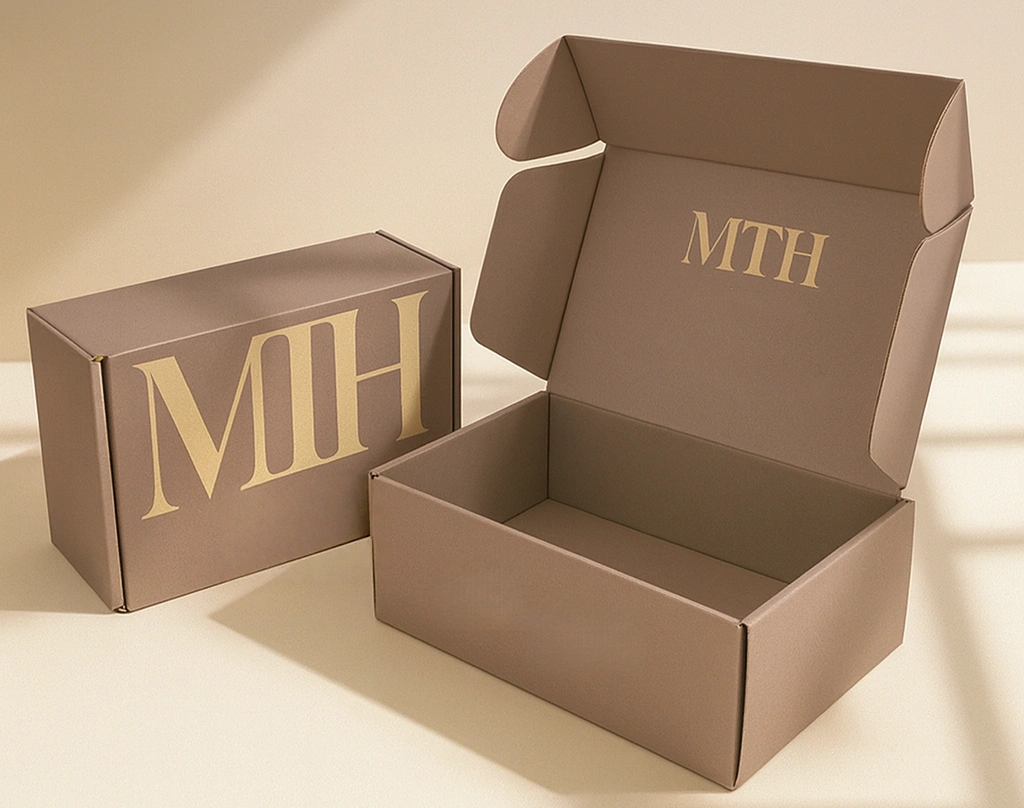
A mailer box material refers to the type of paper-based board used to manufacture packaging boxes for shipping and e-commerce delivery. It determines the box’s strength, durability, weight, and overall performance during transit.
The most commonly used materials include corrugated cardboard, paperboard (commonly called cardboard), kraft paper-based materials, and rigid paperboard used for premium packaging. Each material has a different structure—for example, corrugated board features a fluted inner layer for cushioning, while paperboard is thinner and smoother, making it ideal for lightweight products and printing.
Choosing the right material depends on your product type, shipping distance, and budget. Stronger materials provide better protection but may increase costs, while lighter options are more cost-effective but offer less durability.
Corrugated vs Cardboard: What’s the Difference?
This is one of the most important decisions in packaging, as it directly affects product protection, shipping performance, and cost. While corrugated and cardboard may look similar, their structure and strength are very different.
1. Corrugated
Corrugated board is a multi-layer material made of an outer liner, an inner liner, and a fluted (wavy) middle layer. This fluted core creates air pockets that provide cushioning and absorb impact, giving the box strong protection and structural stability during shipping.
Advantages:
- High strength and impact resistance, reduces damage during transit
- Good cushioning and compression performance, suitable for stacking and long-distance shipping
- Multiple flute types (E, B, C flute) to balance strength, thickness, and printing needs
- Flexible structure—can be single wall, double wall, or customized based on product weight
Best for:
- E-commerce shipping boxes and subscription boxes
- Fragile items (e.g., cosmetics, glass, electronics)
- Medium to heavy products requiring reliable protection
2. Cardboard (Paperboard)
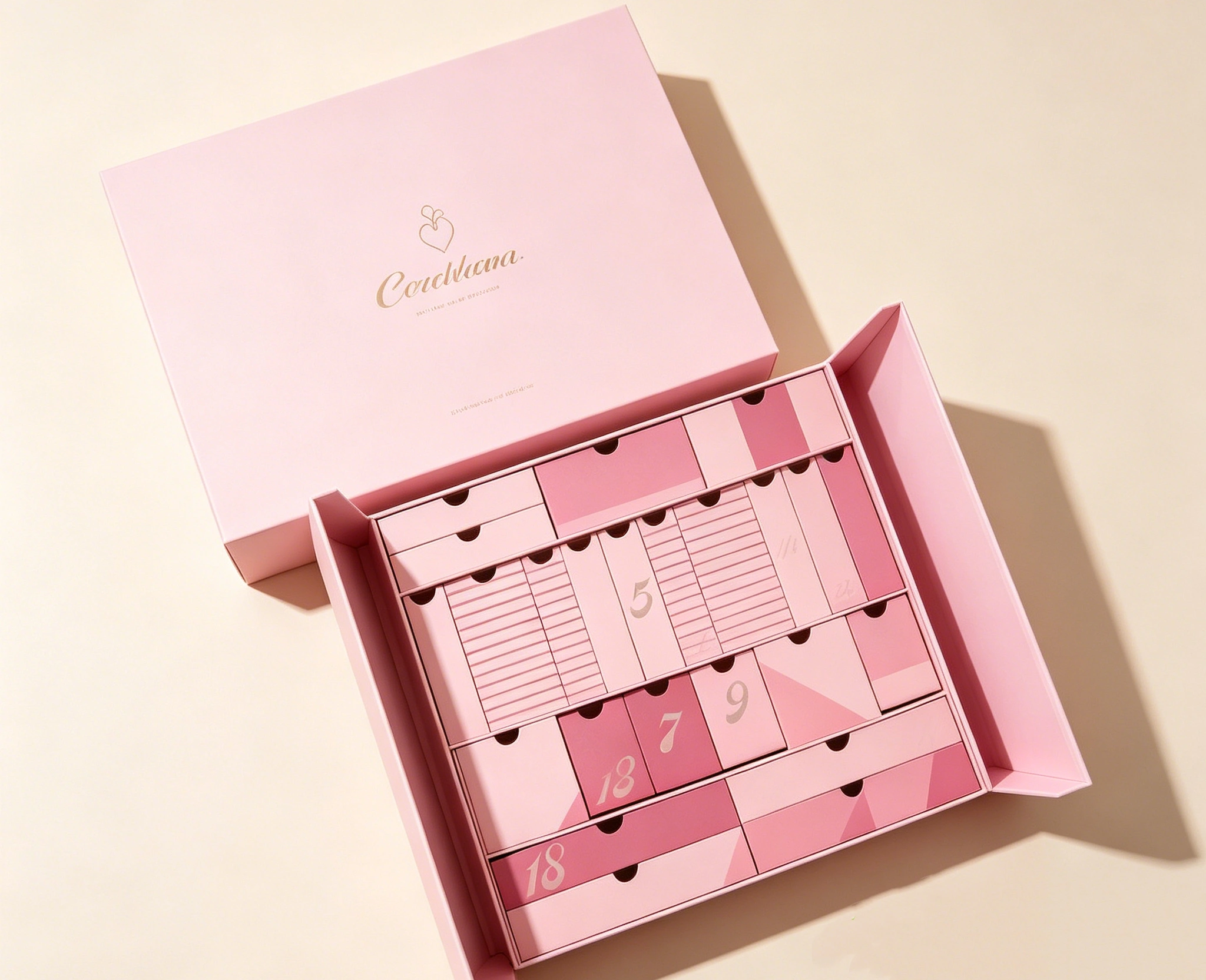
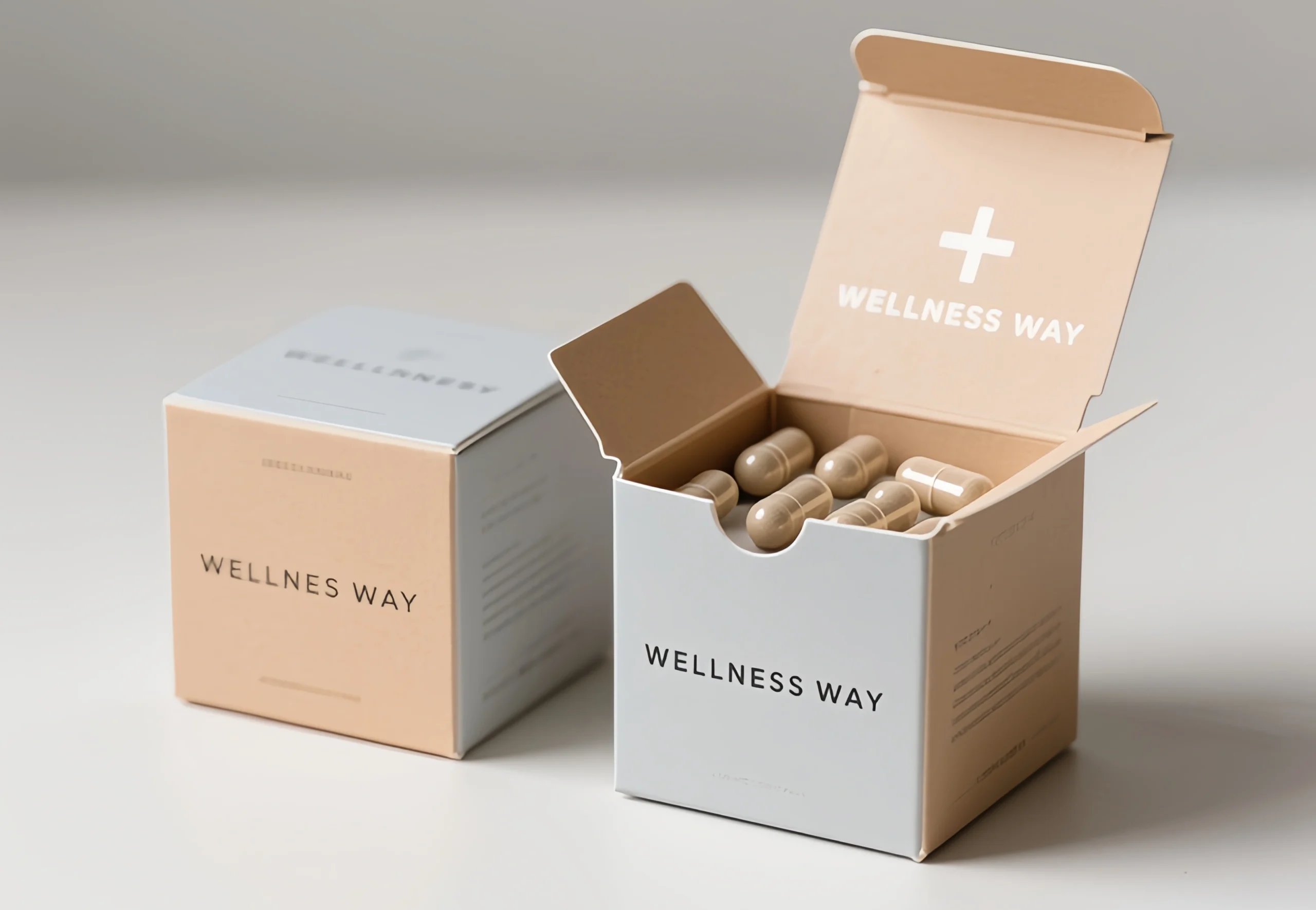
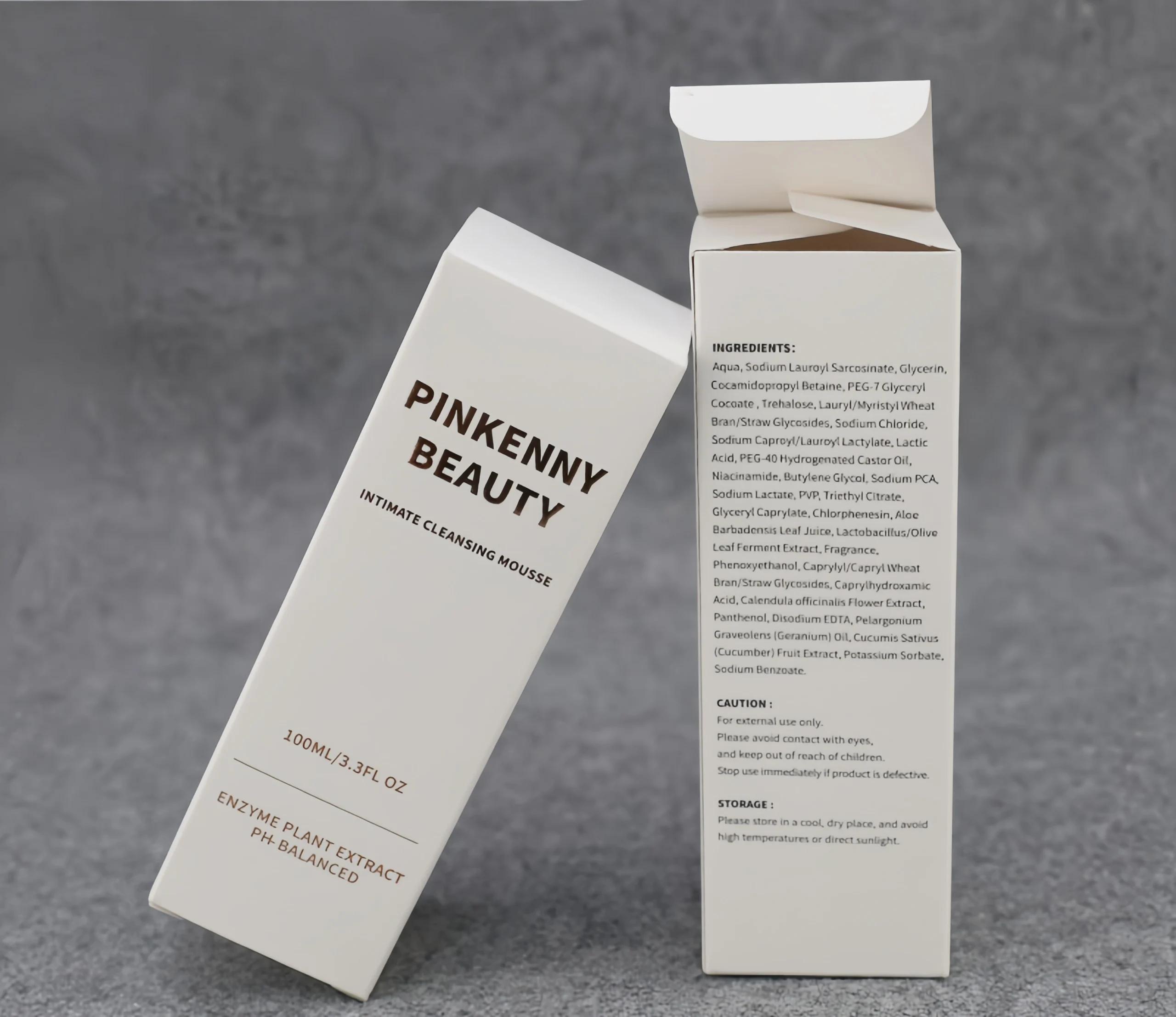
Cardboard, also known as paperboard, is a single-layer paper-based material without a fluted inner structure. Compared to corrugated board, it is thinner, lighter, and designed more for visual presentation than heavy-duty protection.
Advantages:
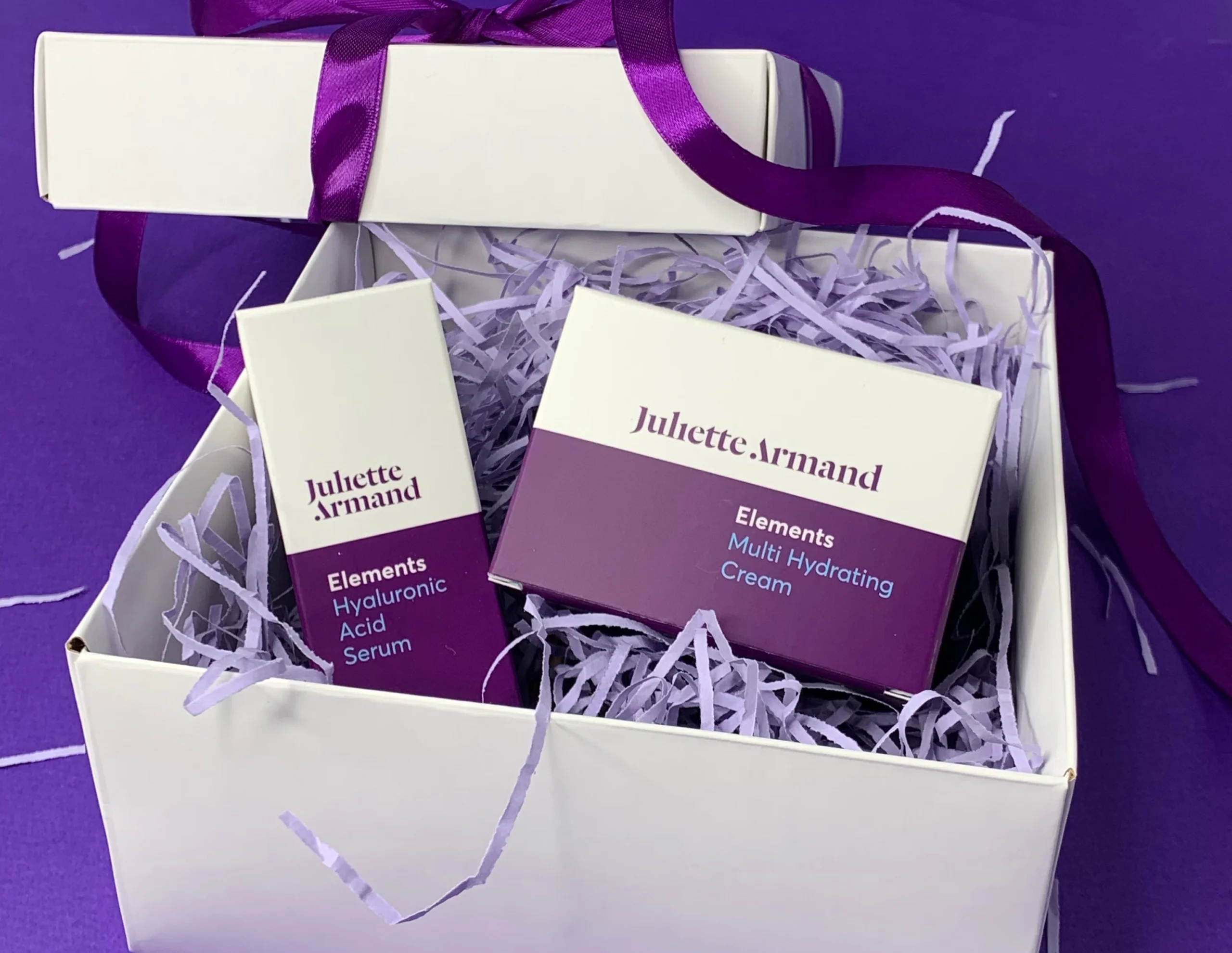
- Smooth surface, ideal for high-quality printing, branding, and luxury finishes
- Lightweight and cost-effective, especially for short-distance or low-risk shipping
- Excellent for retail packaging where appearance and shelf impact matter more than strength
- Easy to cut, fold, and customize into various packaging designs
Limitations:
- Lower structural strength and limited resistance to impact or compression
- Provides minimal cushioning, not suitable for fragile or heavy products
- Less ideal for long-distance shipping without additional protection
Best for:
- Retail packaging and product display boxes
- Lightweight items such as apparel, cosmetics, and accessories
- Inner packaging, inserts, or secondary packaging layers
Learn more with a detailed comparison of cardboard vs corrugated boxes:Cardboard Box vs. Corrugated Box: Which Is Right for You?
Quick Comparison Table
| Feature | Corrugated Board | Cardboard (Paperboard) |
|---|---|---|
| Structure | Multi-layer board with fluted inner layer for shock absorption | Single-layer paperboard with smooth surface |
| Strength | High strength, suitable for shipping and stacking | Low to medium strength, suitable for light-duty use |
| Weight Capacity | Supports medium to heavy products depending on flute type | Best for lightweight products only |
| Printing Quality | Good printability on outer liner | Excellent surface for high-end printing |
| Cost | Medium | Low |
Types of Corrugated Mailer Box Materials
If you are choosing corrugated mailer boxes, understanding flute types is essential, as they directly affect strength, thickness, and printing performance. Below are the most commonly used options:
1. E-Flute (Most Popular for Mailer Boxes)
Thickness: ~1.5mm
E-flute is the most widely used option for e-commerce mailer boxes due to its thin structure and smooth surface. It provides a good balance between strength and print quality, making it ideal for high-end branding and custom printing.
Best for products that require both protection and strong visual presentation.
Best for:
- Custom printed mailer boxes
- Cosmetics, skincare, and apparel
- Lightweight e-commerce products
2. B-Flute
Thickness: ~3mm
B-flute is thicker and more rigid than E-flute, offering improved stacking strength and better resistance to crushing. It is commonly used when products need extra protection during shipping.
Best for:
- Medium-weight products
- Items requiring stronger structural support
- Shipping boxes for longer transportation distances
3. C-Flute
Thickness: ~4mm
C-flute is one of the most durable common corrugated types. It provides excellent cushioning and compression resistance, making it suitable for heavier or more fragile shipments.
Best for:
- Heavy or fragile products
- Industrial or bulk packaging
- High-protection shipping needs
4. Kraft Corrugated Board
Kraft corrugated board uses natural brown kraft paper as the outer liner, giving it a more eco-friendly and rustic appearance while maintaining good strength and recyclability.
Best for:
- Eco-friendly packaging solutions
- Brands with natural or sustainable positioning
- Shipping boxes that prioritize sustainability and strength
How to Choose the Right Mailer Box Material
Choosing the right material depends on several key factors that affect both product protection and overall packaging performance. Below are the main considerations:
1. Product Weight
The weight of your product is one of the most important factors in material selection, as it determines how much strength the box needs to provide.
- Light items → Cardboard or E-flute is usually sufficient
- Medium-weight items → E-flute or B-flute for better support
- Heavy items → B-flute or C-flute for stronger load-bearing capacity and durability
2. Shipping Distance
The longer the shipping route, the more pressure the packaging will face during handling, stacking, and transportation.
- Local delivery → Lighter materials can be used safely
- Long-distance or international shipping → Strong corrugated materials are recommended to reduce risk of damage
3. Product Fragility
Fragile products require not only a strong outer box but also additional protection inside the packaging.
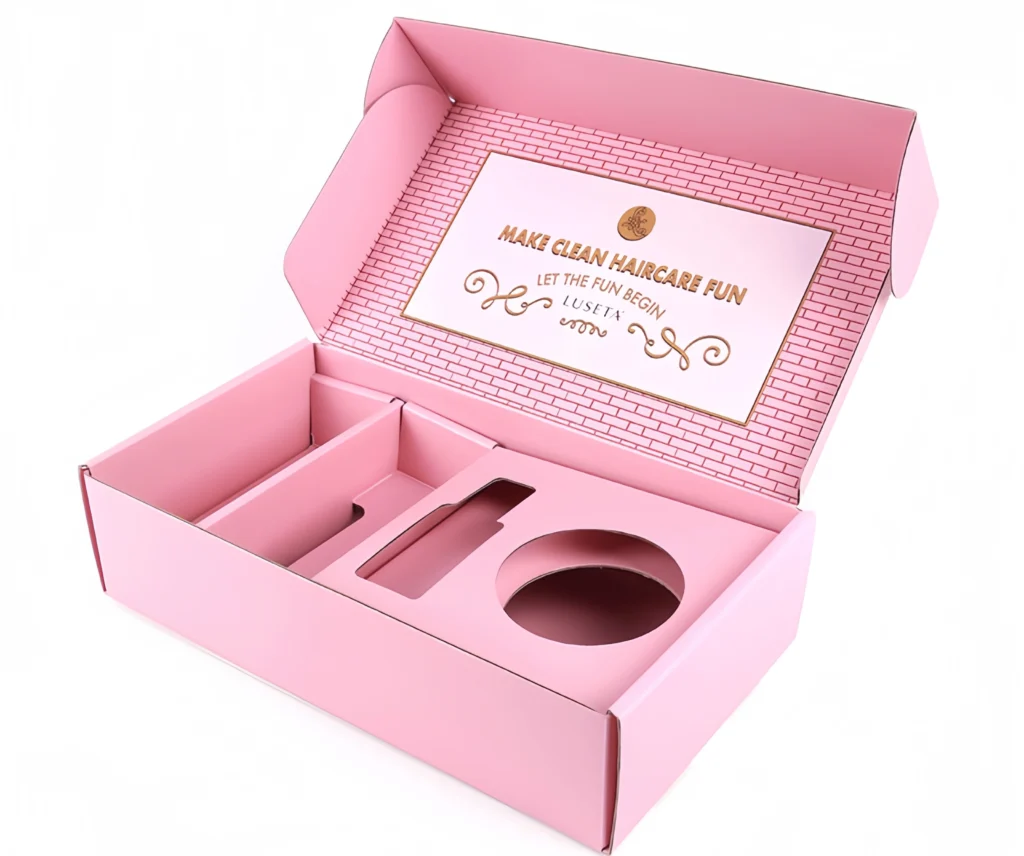
- Fragile items (e.g., glass, cosmetics, electronics) → Corrugated boxes with inserts or padding
- Non-fragile items → Standard mailer boxes without extra reinforcement may be sufficient
4. Branding Requirements
Packaging is also a key part of brand presentation, so material choice should support your visual and positioning goals.
- High-end printing and premium branding → Cardboard or coated corrugated for smoother print results
- Eco-friendly branding → Kraft corrugated material for a natural and sustainable look
Pro Tip: Balance Cost and Protection
Many buyers assume that “thicker means better protection,” but in packaging design, this is not always the case. Over-engineering your packaging can significantly increase costs without adding real value to product safety.
The real goal is to find the most cost-efficient material that still provides enough protection for your specific product and shipping conditions. A well-optimized packaging solution balances durability, weight, and shipping efficiency.
For example:
- Switching from B-flute to E-flute for lightweight products can reduce material costs by around 10–20%, while still maintaining sufficient protection for most e-commerce needs
- Optimizing box dimensions to closely match product size can reduce void space, lower dimensional weight charges, and significantly cut shipping fees over time
In many cases, smart material selection and size optimization deliver more savings than simply choosing the strongest possible box.
FAQs
1. What is the best material for mailer boxes?
The best material depends on your product type. Corrugated board is ideal for shipping and protection, while cardboard is better for lightweight and retail packaging.
2. Which is stronger, corrugated or cardboard?
Corrugated board is significantly stronger due to its fluted inner layer, which provides cushioning and impact resistance.
3. Can cardboard be used for shipping?
Yes, but only for lightweight and short-distance shipping. It is not suitable for heavy or fragile products.
4. Which mailer box material is strongest?
Among common options, C-flute corrugated board is the strongest, followed by B-flute and E-flute.
If maximum protection is needed (e.g., heavy or fragile items), thicker corrugated materials are recommended.
5. Can cardboard mailer boxes be used for shipping?
Cardboard mailer boxes can be used for shipping only if:
- The product is very lightweight
- The shipping distance is short
- No heavy stacking pressure is involved
For most e-commerce shipping scenarios, corrugated boxes are safer.
6. How do I choose the right mailer box material?
To choose the right mailer box material, consider:
- Product weight
- Fragility
- Shipping distance
- Branding requirements
- Budget
A gLightweight = cardboard
Shipping & protection = corrugated
Conclusion
Understanding different mailer box material options is essential for making the right packaging decision, especially in e-commerce where packaging directly affects product safety, customer experience, and overall cost efficiency.
When comparing corrugated vs cardboard, the key takeaway is simple:
- Use corrugated materials when your priority is shipping strength, product protection, and long-distance logistics
- Use cardboard (paperboard) when your focus is on product presentation, branding, and lightweight or retail packaging
Each material serves a different purpose, and choosing correctly depends on your product type, shipping conditions, and branding goals rather than just cost alone.
If you’re still unsure, the most effective approach is to test physical samples and work closely with a packaging supplier. This helps you evaluate strength, printing quality, and cost efficiency before moving into mass production, ensuring the final solution is both practical and optimized.

Get the Right Mailer Box for Your Product
Choosing the right mailer box material directly impacts your product safety, shipping cost, and brand image.
If you are still comparing corrugated vs cardboard, our team can help you select the most cost-effective and protective solution based on your product.
At Hainan Lucklin Technology Co., Ltd., we offer:
- Custom mailer box design and material selection
- Free structural consultation before production
- Sample testing for strength and printing quality
- Flexible MOQ for different business needs
Contact us to get a tailored recommendation and quotation within 24 hours.