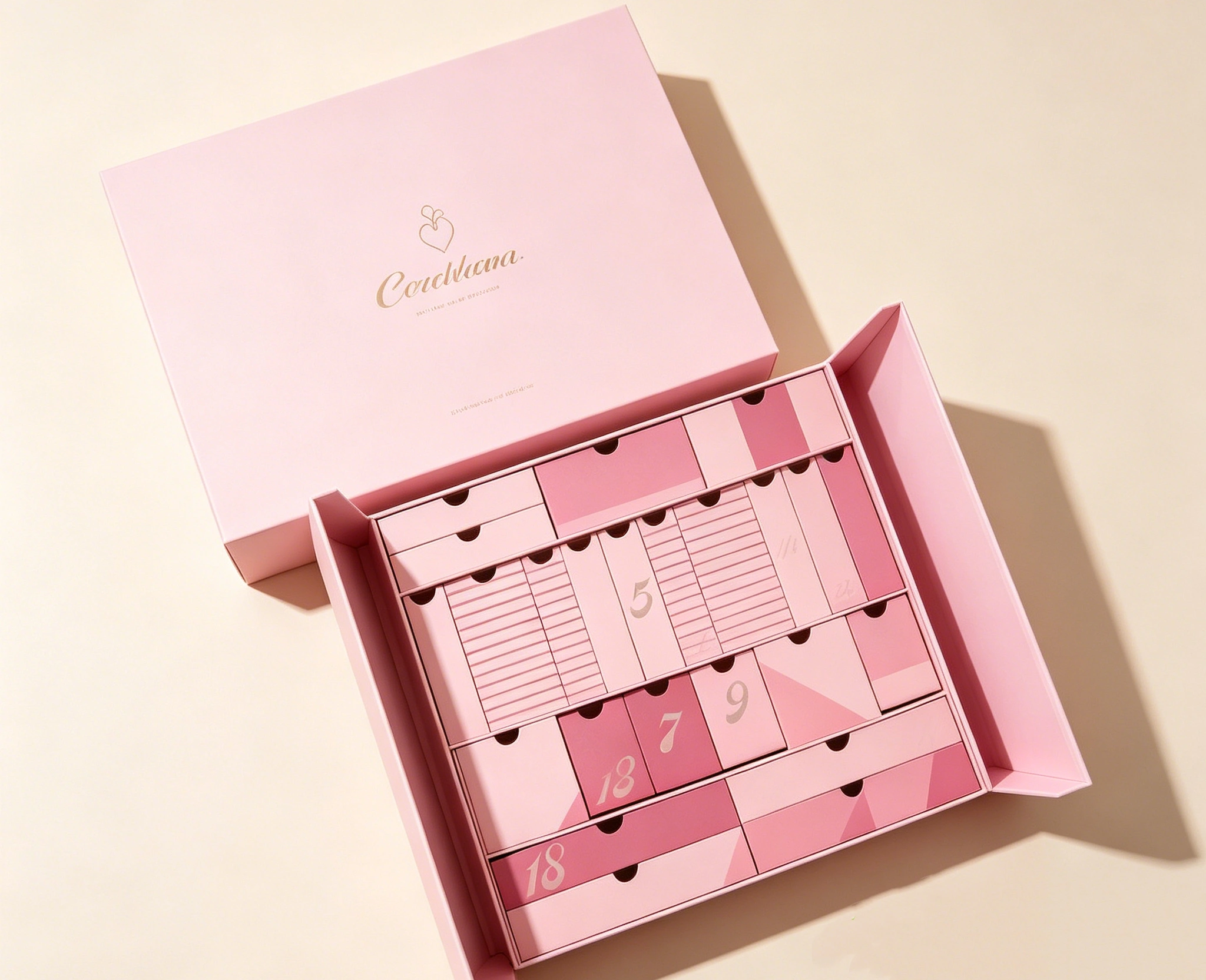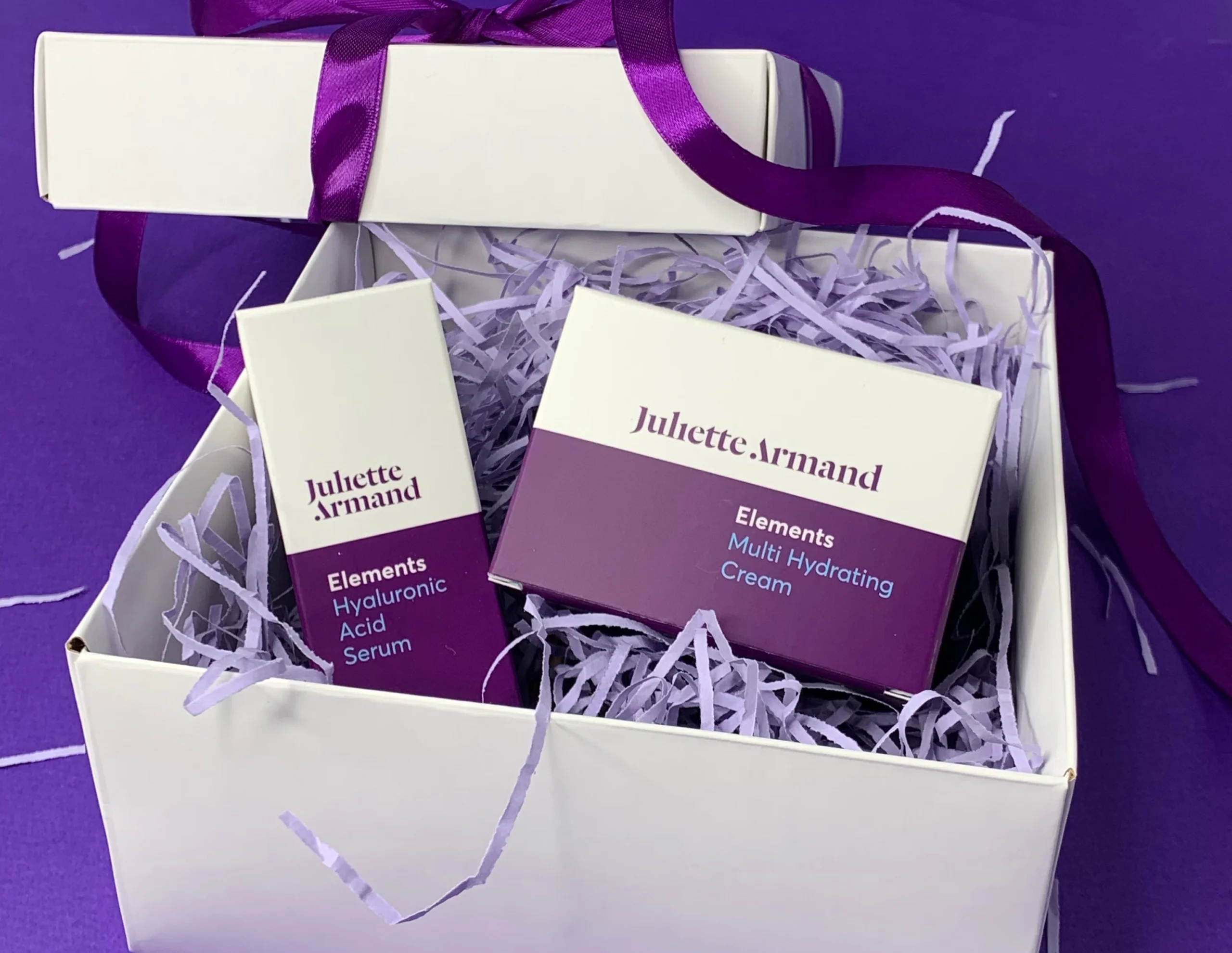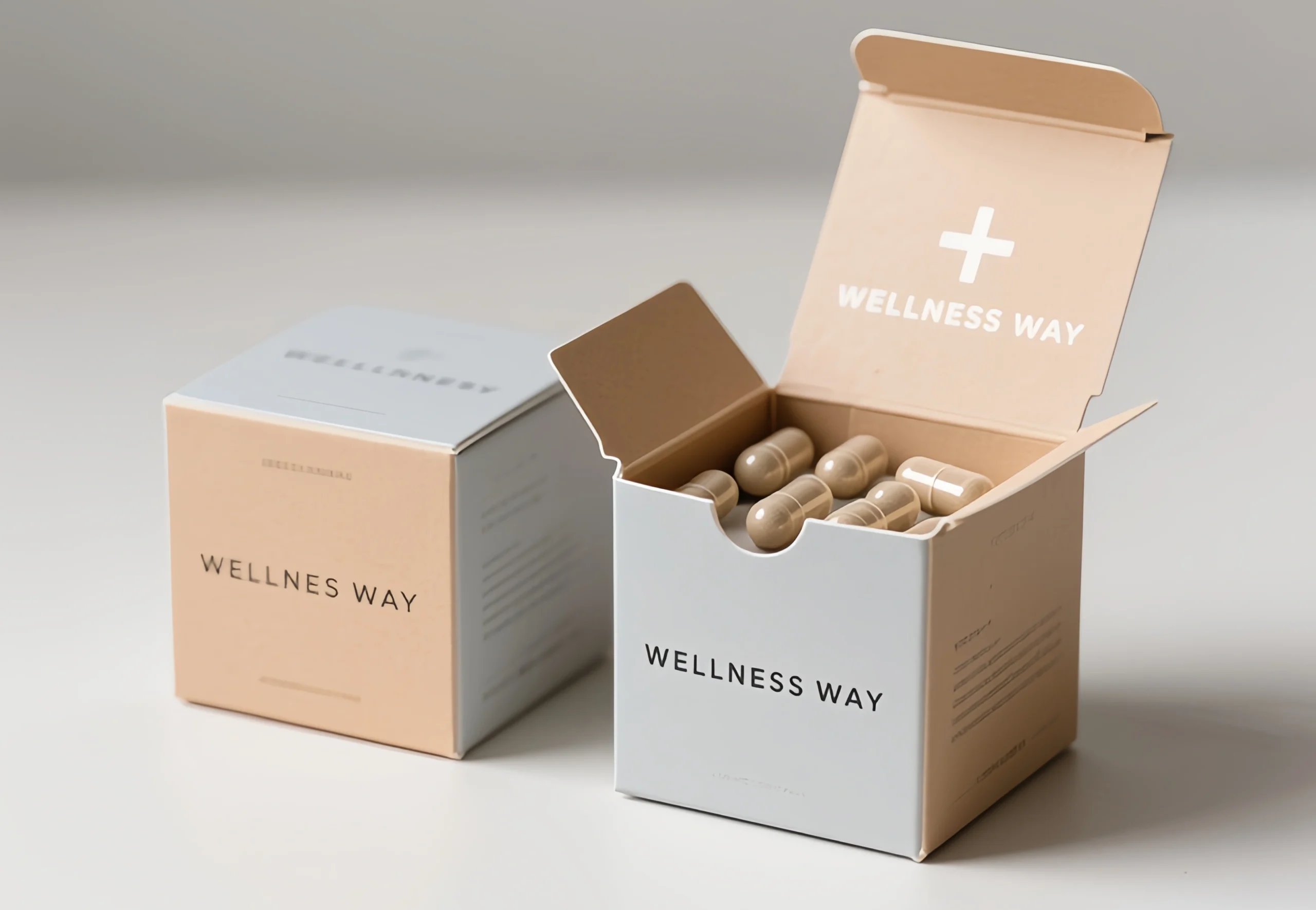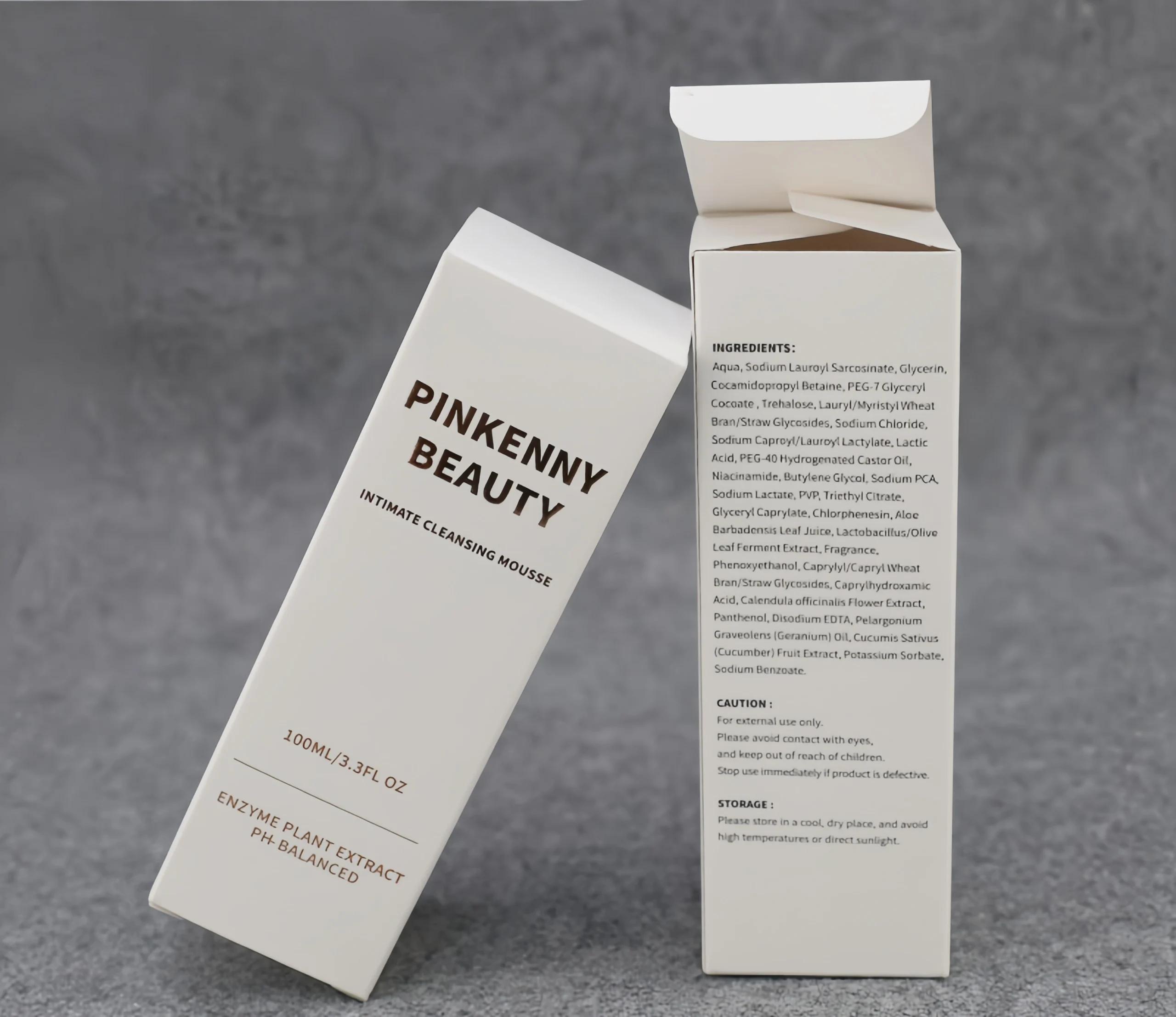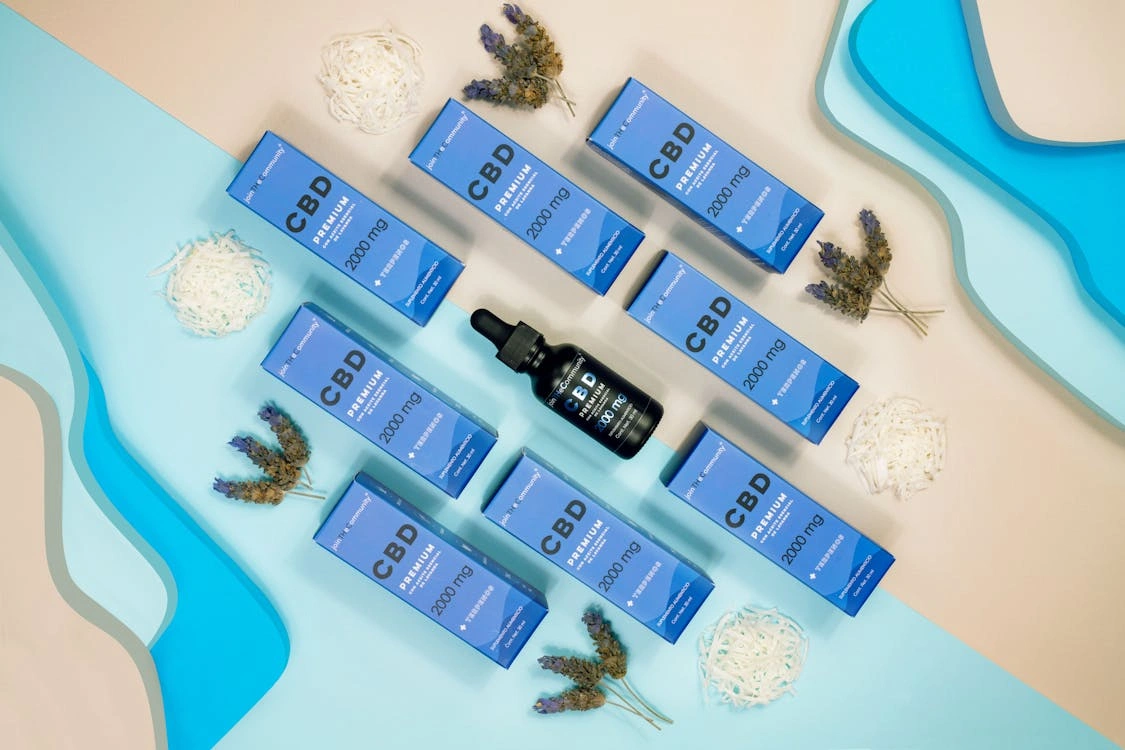
In today’s highly competitive marketplace, packaging is no longer just a protective container—it is a powerful marketing tool that influences purchasing decisions, strengthens brand identity, and enhances customer experience.
Among the many packaging solutions available, custom folding cartons have become the go-to choice for brands across industries. From cosmetics and food products to electronics and pharmaceuticals, folding carton packaging offers an ideal balance of:
- Affordability & Functionality: Cost-effective yet highly durable.
- Sustainability: Eco-friendly materials that modern consumers love.
- Premium Presentation: Unlimited design potential to stand out on shelves.
Whether you are launching a new product or upgrading your existing retail packaging, this comprehensive guide will help you navigate everything you need to know about custom folding cartons.For more industry insights, you can also explore our companion guide, The Ultimate Guide to Custom Folding Cartons: Elevate Your Brand and Unbox Success.
What Are Custom Folding Cartons?
Custom folding cartons are premium paperboard packaging boxes manufactured from a single sheet of paperboard that is printed, die-cut, folded, and glued into a specific shape.
Unlike heavy rigid boxes, custom folding cartons are shipped flat, drastically reducing warehouse storage space and international transportation costs. They can be assembled quickly and efficiently on production lines, making them a highly cost-effective packaging solution for businesses of all sizes—from startups to large enterprises.If you are torn between these two popular options, read our deep-dive comparison: Folding Carton vs Rigid Box: Which Packaging Is Best for Your Brand?
Common industries utilizing folding carton packaging include:
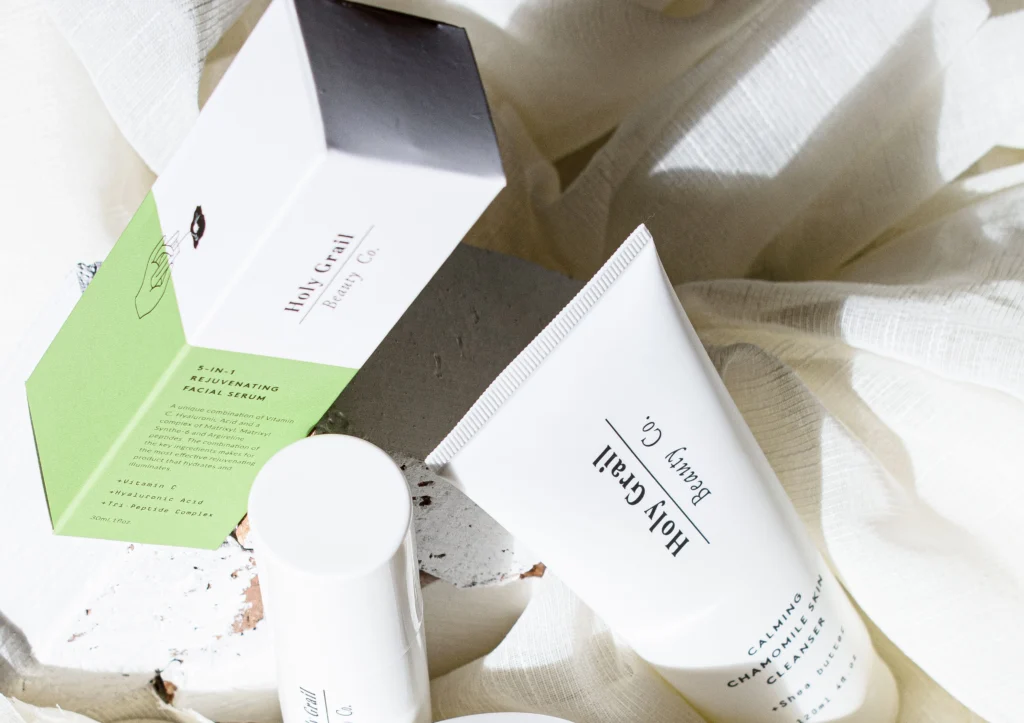
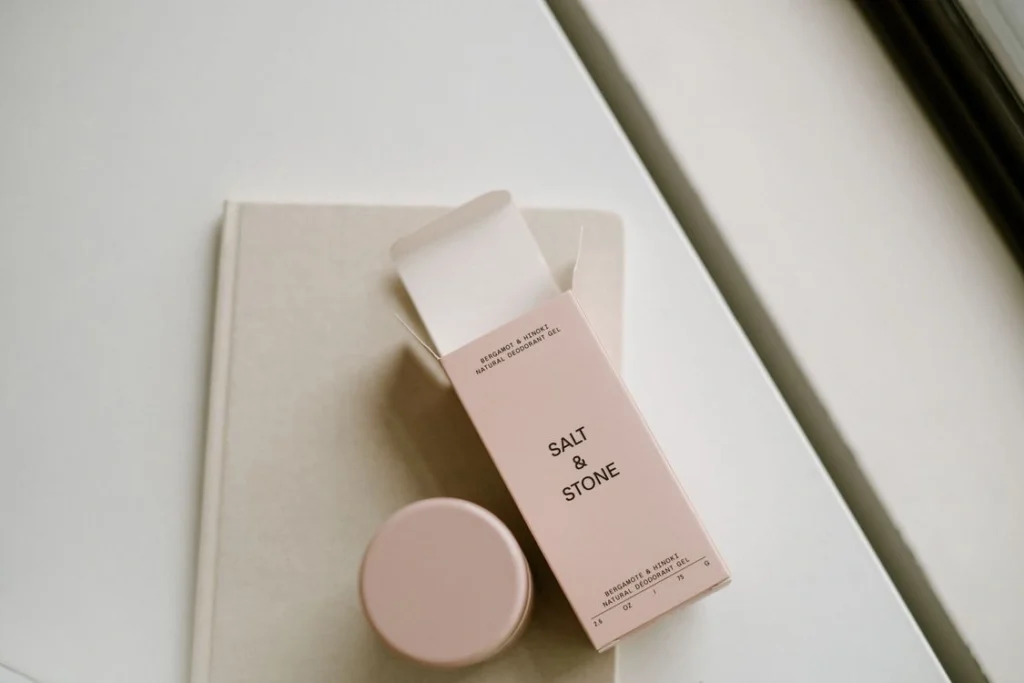
- Cosmetics & Skincare: Premium boxes for luxury creams, serums, and makeup.
- Food & Beverages: Food-grade packaging for tea, snacks, and confectionery.
- Consumer Electronics: Sleek, protective packaging for tech gadgets.
- Apparel & Retail Goods: Branded clothing boxes and subscription packaging.
Why Custom Folding Cartons Are Essential for Branding
In today’s crowded marketplace, product packaging serves as the critical first physical touchpoint between your brand and your customers. A well-designed custom folding carton does far more than just hold a product; it acts as a silent salesman by dramatically increasing brand recognition and enhancing shelf appeal. By consistently incorporating your unique logos, brand colors, typography, and captivating graphics, custom cartons instantly command attention in retail environments, driving impulse purchases and ensuring your products stand out from competitors on the shelf.
Beyond initial visual attraction, custom folding carton packaging elevates the entire customer experience through premium printing, tactile finishes, and functional design, creating a memorable unboxing experience that modern consumers love to share on social media. Furthermore, these cartons provide ample, highly strategic real estate to seamlessly communicate vital product information. From detailed product descriptions and ingredients to regulatory compliance, certifications, and marketing messages, folding cartons bridge the gap between high-end brand storytelling and essential consumer education, ultimately building long-term brand loyalty.
Common Types of Custom Folding Cartons
Different products require different packaging structures to ensure safety, cost-efficiency, and shelf appeal. Check out our comprehensive breakdown at Types of Folding Cartons: A Complete Guide to Folding Carton Packaging. Here are the most widely used folding carton styles in the packaging industry:
Straight Tuck End (STE) Boxes
The most traditional and widely used folding carton style.
- Features: Top and bottom closing flaps fold and tuck in the same direction (from front to back or back to front). It offers a clean, seamless look on the front facade.
- Advantages: Easy manual or automated assembly; highly cost-effective production.
- Best For: High-end cosmetics, health supplements, and small luxury retail products.
Reverse Tuck End (RTE) Boxes
Highly similar to STE but designed for maximum manufacturing efficiency.
- Features: The top and bottom flaps tuck in opposite directions.
- Advantages: Allows for tighter interlocking nesting during the die-cutting process, leading to less paperboard waste and lower manufacturing costs.
- Best For: Pharmaceuticals, personal care products, and lightweight retail goods.
Auto-Lock Bottom Boxes (Crash Lock)
Engineered for heavy-duty applications and rapid fulfillment lines.
- Features: The bottom flaps are pre-glued during manufacturing. When the box is popped open, the bottom automatically locks into place.
- Advantages: Lightning-fast assembly, reduced manual labor costs, and maximum weight support.
- Best For: Glass bottles, food jars, heavy liquids, and premium tech devices.
Snap-Lock Bottom Boxes (1-2-3 Bottom)
A highly secure, sturdy structure that requires manual bottom assembly.
- Features: Four flaps at the bottom are manually folded and interlocked in a 1-2-3 sequence to form a secure base.
- Advantages: Offers enhanced bottom strength and excellent product protection without requiring pre-gluing, making it cheaper than auto-lock boxes.
- Best For: Medium-weight consumer electronics, heavier retail packaging, and hardware.
Sleeve and Tray Cartons (Slide Boxes)
A two-piece packaging solution where an outer sleeve slides over an inner tray.
- Features: A friction-fit custom sleeve combined with a sturdy corrugated or paperboard drawer tray.
- Advantages: Offers a modern, high-end appearance and an interactive, premium unboxing presentation.
- Best For: Luxury cosmetics, gift packaging, watches, and boutique electronics.
Counter Display Folding Cartons (PDQ / POP Displays)
Dual-purpose packaging designed for both shipping and retail shelf merchandising.
- Features: Ships flat like a standard carton but easily tears or folds into an open-faced countertop display unit.
- Advantages: Maximizes product visibility, boosts impulse buys at checkout, and enhances point-of-purchase (POP) marketing.
- Best For: Promotional snack bars, lip balms, small impulse retail goods, and marketing campaigns.
Choosing the Right Materials for Custom Folding Cartons
Solid Bleached Sulfate (SBS): The Gold Standard for Luxury Packaging
For brands aiming to deliver a flawless, high-end aesthetic, Solid Bleached Sulfate (SBS) paperboard is the premium choice. Manufactured from chemically bleached virgin wood fibers, SBS features an ultra-smooth, clay-coated surface that offers unmatched brightness and superior print quality. This pristine white substrate ensures maximum color fidelity, making it highly responsive to intricate finishing techniques such as embossing, debossing, and hot foil stamping. As a result, SBS is the industry standard for luxury cosmetics, high-end skincare, electronics, and premium pharmaceutical packaging where a clean, sophisticated, and pristine appearance is essential to justify a premium price point.
Kraft Paperboard: The Perfect Blend of Strength and Eco-Friendliness
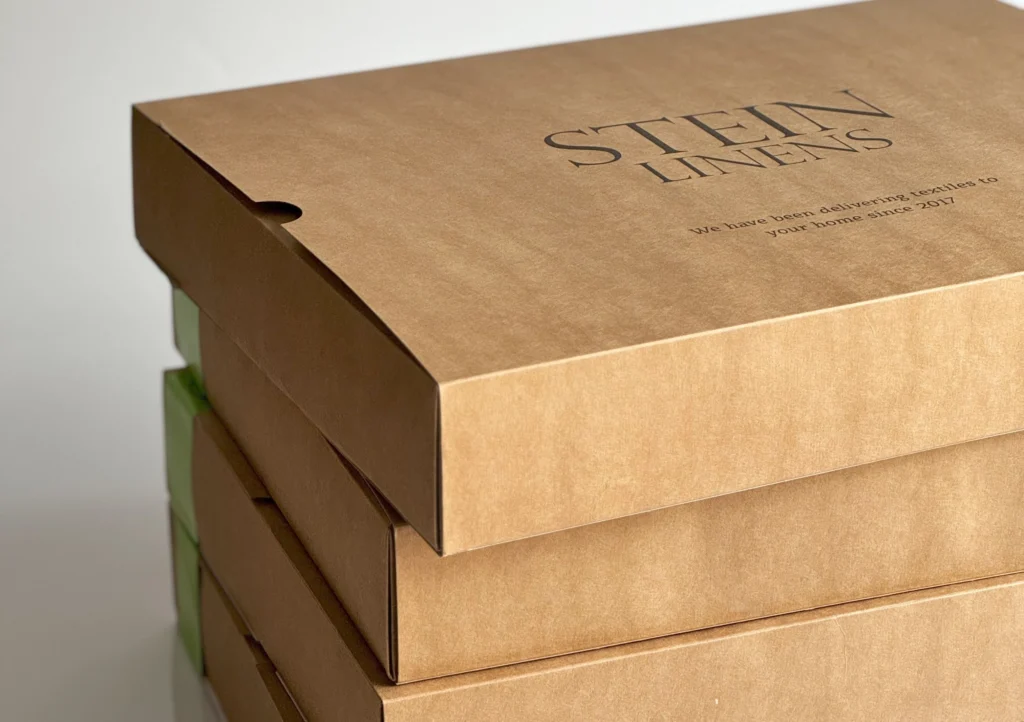
As global consumer behavior shifts toward environmental awareness, Kraft paperboard has become immensely popular for sustainable brands. Made from natural, unbleached wood fibers using the kraft chemical process, this material retains its distinct brown, rustic appearance, which instantly communicates an organic and eco-friendly brand identity to shoppers. Beyond its green appeal, Kraft paperboard is celebrated for its exceptional structural integrity, offering superior tear resistance and stiffness compared to other paper grades. This incredible durability, combined with its 100% recyclable nature, makes it the go-to packaging solution for organic foods, heavy-duty retail goods, and industrial consumer products.
Recycled Paperboard: Cost-Effective Circular Economy Solutions
For businesses seeking an optimal balance between strict budget management and corporate sustainability initiatives, Recycled Paperboard—often referred to in the industry as Coated Recycled Board (CRB) or Clay Coated News Back (CCNB)—presents an ideal solution. Manufactured entirely from post-consumer and post-industrial recovered paper materials, this substrate drastically minimizes landfill waste and reduces the carbon footprint associated with virgin fiber harvesting. While it may not offer the extreme structural stiffness of Kraft or the pristine whiteness of SBS, modern manufacturing allows for top-layer clay coating that still yields excellent multi-color printing. It stands as a highly cost-effective, eco-conscious choice for high-volume retail consumer goods, household products, and dry food packaging.
Printing Options and Color Management for Folding Cartons
High-quality printing transforms ordinary paperboard into a powerful branding tool. Depending on your design and order volume, here are the industry-standard printing methods and color systems:
Offset Printing (Lithography): Best for High Volumes
Offset printing remains the industry gold standard for mass production. By transferring ink from metal plates to rubber blankets, this method delivers exceptional photographic quality, razor-sharp text, and flawless consistency across large print runs. It is the most cost-effective and premium choice for high-volume wholesale orders.
CMYK Full-Color Printing: Best for Vibrant Graphics
Also known as four-color process printing, CMYK mixes Cyan, Magenta, Yellow, and Key (Black) inks to create a limitless spectrum of shades. It is the ideal, budget-friendly option for reproducing intricate multi-color graphics, complex gradients, and realistic product photography on your retail boxes.
Pantone (PMS) Spot Colors: Best for Brand Consistency
The Pantone Matching System (PMS) uses pre-mixed, standardized spot inks to guarantee absolute color accuracy. It eliminates color shifts between different production batches, ensuring your logo looks identical every single time. It is also required for printing specialty metallic or neon inks.
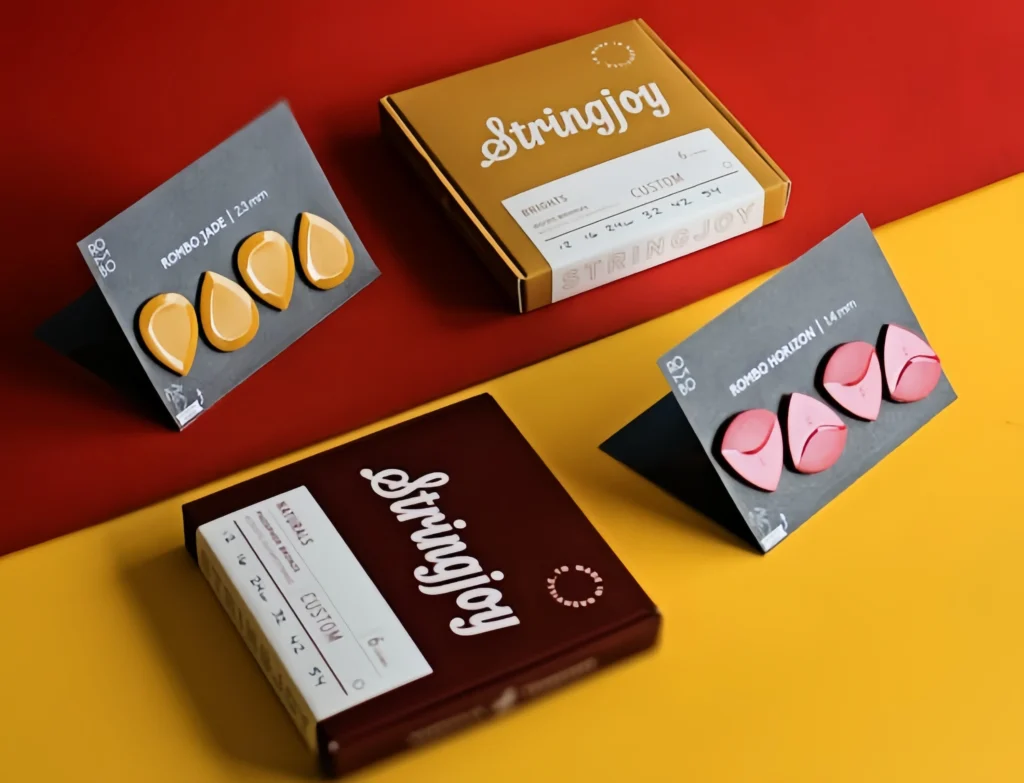
Premium Finishing Options for Folding Cartons
Finishing techniques add tactile textures and luxury visual elements that transform standard cardstock into an extraordinary sensory experience. Here are the top premium finishes used to elevate custom packaging:
Matte vs. Gloss Lamination: Visual & Tactile Foundations
Matte lamination applies a protective film that creates an elegant, non-reflective appearance and a soft, smooth texture, making it perfect for high-end minimalist designs. Conversely, gloss lamination provides a high-shine, reflective surface that dramatically enhances color vibrancy, contrast, and shelf impact.
Spot UV Coating: Creating High-Contrast Brilliance
Spot UV applies a glossy, liquid gloss finish over selected matte areas, curing the ink instantly under ultraviolet light. This creates a striking contrast of textures that is highly effective for highlighting specific design elements like logos, brand names, and key graphic accents.
Hot Foil Stamping: Adding Metallic Luxury
Hot foil stamping uses heat and pressure to bond metallic or holographic foils—including gold, silver, rose gold, and prismatic sheets—onto the paperboard surface. It catches the light perfectly and stands as the premier method for conveying luxury, sophistication, and a high-end market price point.
Embossing and Debossing: Crafting Memorable Tactile Textures
Embossing presses the paperboard upward to create a raised 3D effect, while debossing depresses the material to create a clean, indented design. These premium tooling techniques add a tactile dimension to your branding, increasing customer interaction and making the unboxing experience truly unforgettable.
The Sustainability Benefits of Custom Folding Cartons
As eco-consciousness heavily drives today’s consumer purchasing decisions, custom folding cartons offer brands a highly effective way to meet green initiatives without sacrificing premium design. Manufactured from renewable, responsibly managed forestry resources, these paperboard boxes are naturally biodegradable and 100% recyclable through standard municipal waste systems. Furthermore, their flat-packed nature drastically optimizes cargo space during shipping, which significantly reduces warehouse footprints and carbon emissions during transit. When combined with sustainable production practices—such as utilizing FSC-certified materials, soy-based inks, and water-based coatings—folding cartons stand as one of the most eco-friendly packaging solutions available on the market.
Target Industries for Custom Folding Carton Packaging
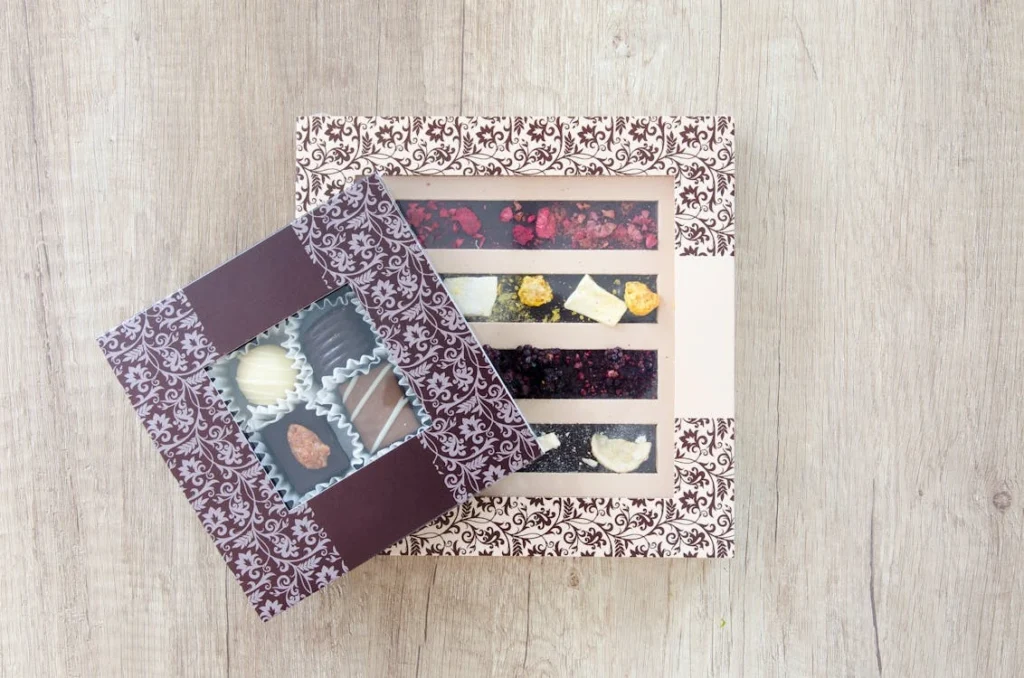
Custom folding cartons are incredibly versatile, serving as a vital packaging backbone for a wide range of global industries. In the cosmetics and beauty sector, they deliver the premium shelf presence and high-end visual appeal necessary for luxury skincare, makeup, and perfume brands. For food, beverage, and pharmaceuticals, these cartons offer a crucial balance of structural product protection, tamper-evident security, and ample surface space for mandatory regulatory labeling and ingredients lists. Finally, in the consumer electronics and fashion apparel markets, folding boxes act as a premium marketing tool—providing organized, protective housing for devices, tech accessories, jewelry, and clothing, while creating an exceptional, shareable unboxing experience that builds long-term brand loyalty.To review how these elements come together, see our summary on Folding Carton Packaging: Types, Materials, and Benefits.
How to Choose the Right Folding Carton Supplier
Selecting the right packaging manufacturer is a strategic decision that directly impacts your product safety, brand reputation, and bottom line. To ensure a seamless production experience, corporate buyers and sourcing managers should evaluate potential partners based on the following critical criteria:
- Custom Engineering & Design Capabilities: A reliable supplier shouldn’t just print boxes; they should offer robust structural design support. Look for manufacturers that provide accurate structural dielines, 3D digital mockups, and prototyping services to ensure your custom inserts and carton dimensions fit your product flawlessly.
- Comprehensive Material & Printing Options: Your supplier must have stable access to diverse paperboard grades (like premium SBS, natural Kraft, and recycled CCNB) and master both high-volume Offset printing and exact Pantone (PMS) color matching. This guarantees your packaging quality remains identical across different production batches.
- Verified Sustainability Certifications: In today’s market, green credentials are non-negotiable. Ensure your manufacturer operates with verified eco-friendly standards, such as providing FSC-certified paperboard, soy-based inks, and energy-efficient facilities to comply with international environmental regulations.
- Production Lead Times & Capacity: Timely delivery is everything in retail. Inquire about their standard production turnaround times, peak-season capacities, and automated manufacturing setups to ensure they can scale up production seamlessly as your brand grows.
- International Logistics & Shipping Support: For global businesses, shipping flat-packed cartons requires smart logistics. A great manufacturing partner should offer secure export packaging (like heavy-duty palletizing and moisture-proof wrapping) and have extensive experience handling international sea freight, air cargo, and customs clearance.
- Transparent and Competitive Wholesale Pricing: Look for a partner that offers clear, itemized quotes with no hidden tooling or setup fees. A reliable factory will help you optimize your box structures to reduce material waste, saving you money on mass-production runs.
💡 Pro Buying Tip: Always Request Physical Samples Before signing off on a massive wholesale order, always request a physical sample. Start with a digital sample (unprinted structural prototype) to test the exact size and fit of your product, then upgrade to a pre-production printed sample to verify the exact color accuracy, material stiffness, and finishing quality before mass production begins.
FAQ
1: What is the minimum order quantity (MOQ) for custom folding cartons?
Minimum order quantities vary depending on the box structure and printing complexity. Generally, because offset printing requires initial machine setup and plate-making costs, MOQs for custom folding cartons start around 1,000 to 2,000 pieces per design to ensure the most cost-effective unit price for your business.2: What is the difference between folding cartons and corrugated boxes?
The main difference lies in material structure and usage. Folding cartons are made from a single sheet of paperboard (like SBS or Kraft) and are ideal for lightweight retail products (cosmetics, tech gadgets). Corrugated boxes feature a fluted wavy inner layer sandwiched between linerboards, offering heavy-duty stacking strength perfect for shipping master cartons and subscription boxes.3: Do you provide free structural dielines for custom packaging designs?
Yes! Once you provide your product’s exact dimensions (Length x Width x Depth) and select your preferred box style (such as STE or Auto-lock), an experienced manufacturer like LucklinPak will provide a complimentary digital dieline template. Your graphic designer can then easily lay out your artwork directly onto the lines.4: Can folding carton packaging be made entirely eco-friendly?
Absolutely. To achieve a 100% sustainable folding carton, you should combine unbleached natural Kraft paperboard or recycled board with FSC-certified sourcing. Additionally, ensure your factory utilizes non-toxic, soy-based or vegetable-based inks and water-based gloss/matte coatings instead of traditional plastic laminations.5: How long does the production and shipping process usually take?
On average, standard sample prototyping takes 3 to 5 business days. Once the physical pre-production sample is approved, mass production typically takes 10 to 15 business days. International shipping times vary: air cargo takes about 5 to 7 days, while traditional ocean freight takes 20 to 45 days depending on your destination port.6: Can I get a physical printed sample before placing a bulk wholesale order?
Yes, and it is highly recommended. You can first request a free unprinted structural sample to test your product’s fit. Before bulk manufacturing, you can upgrade to a physical pre-production printed sample, which allows you to inspect the exact color matching, material rigidity, and finish options (like Spot UV or Foil Stamping) in hand.Conclusion
Custom folding cartons have proven to be one of the most versatile, cost-effective, and brand-enhancing packaging solutions in today’s competitive marketplace. By balancing structural product protection with premium shelf appeal, these paperboard boxes offer brands across the cosmetics, food, electronics, and retail sectors an unmatched opportunity to elevate their unboxing experience and meet modern sustainability goals. As consumer expectations continue to rise, choosing the right combination of box styles, eco-friendly materials, and high-precision printing techniques will play a definitive role in your brand’s long-term retail success.
Ready to Elevate Your Brand Packaging?
Partnering with an experienced packaging manufacturer is the fastest way to turn your standard boxes into powerful marketing assets. At LucklinPak, we specialize in manufacturing high-quality, custom folding cartons tailored specifically to your product dimensions and branding requirements. Whether you need an eco-friendly Kraft box, a luxury SBS cosmetic carton, or a rapid assembly auto-lock bottom structure, our team is here to bring your vision to life with competitive wholesale pricing and low MOQs.
Get a Free Quote & Sample Mockup Today! Want to see how your design looks? Contact Our Packaging Experts or email your specifications directly to info@lucklinpak.com. Our engineering team will provide a custom dieline template and wholesale pricing within 24 hours!