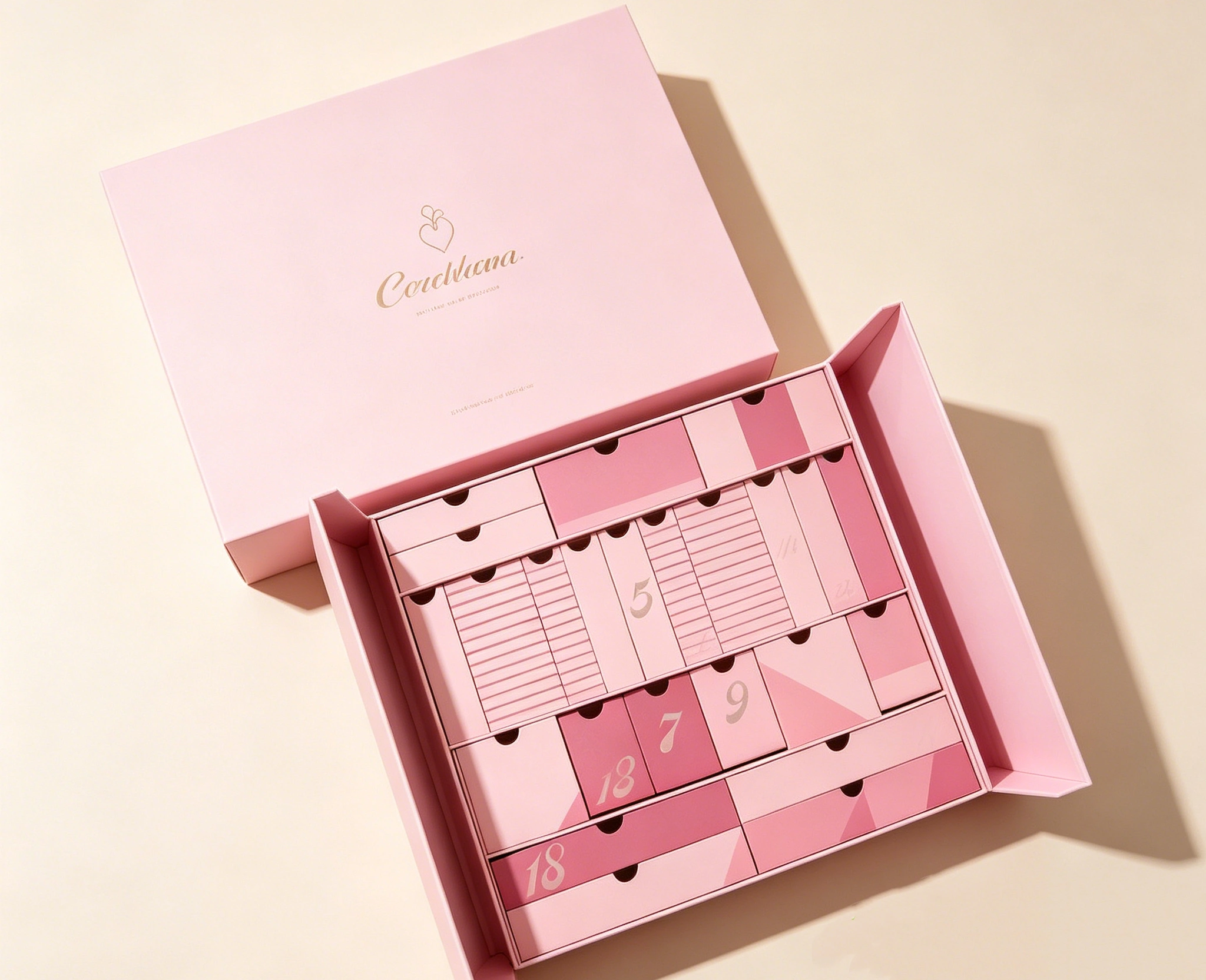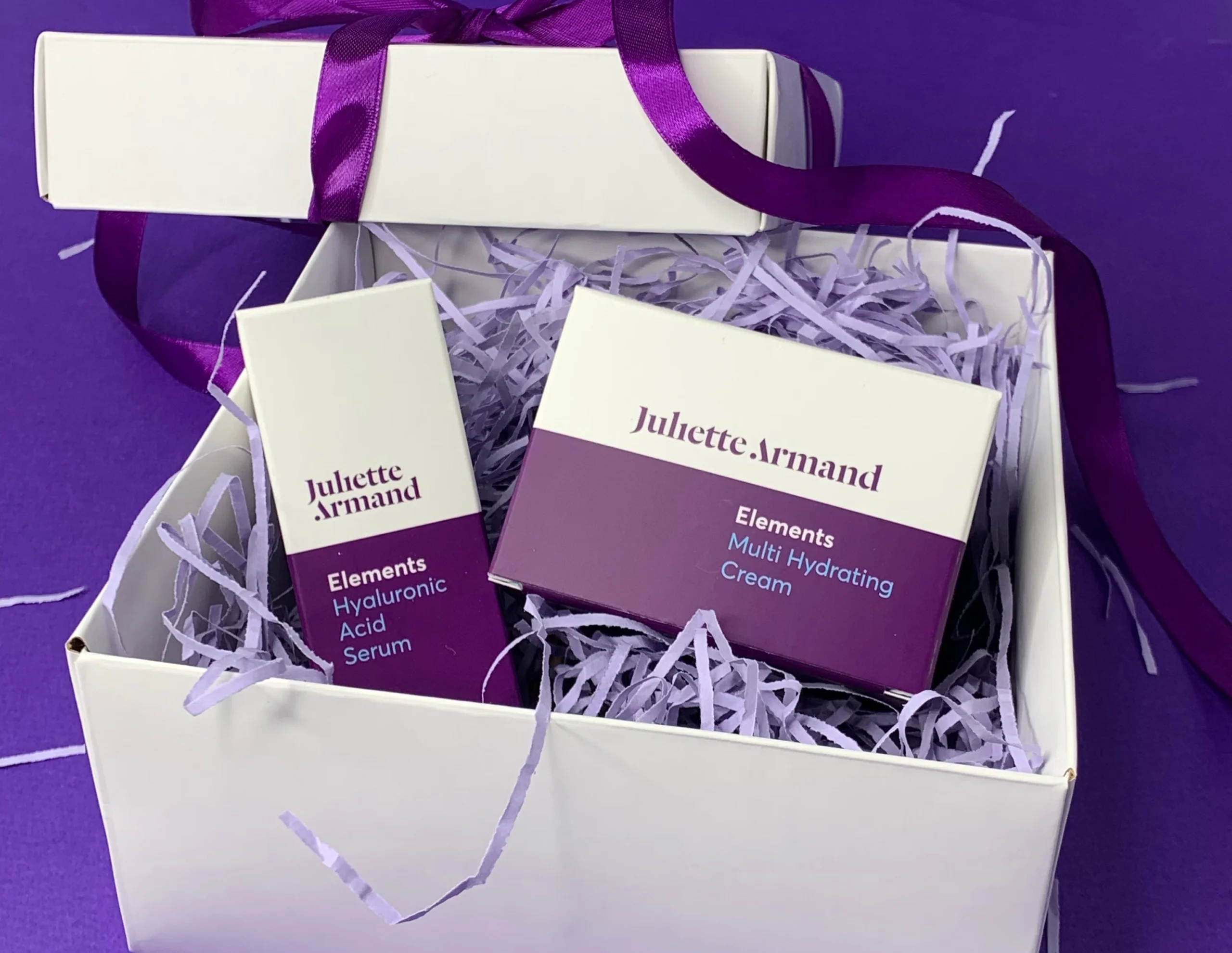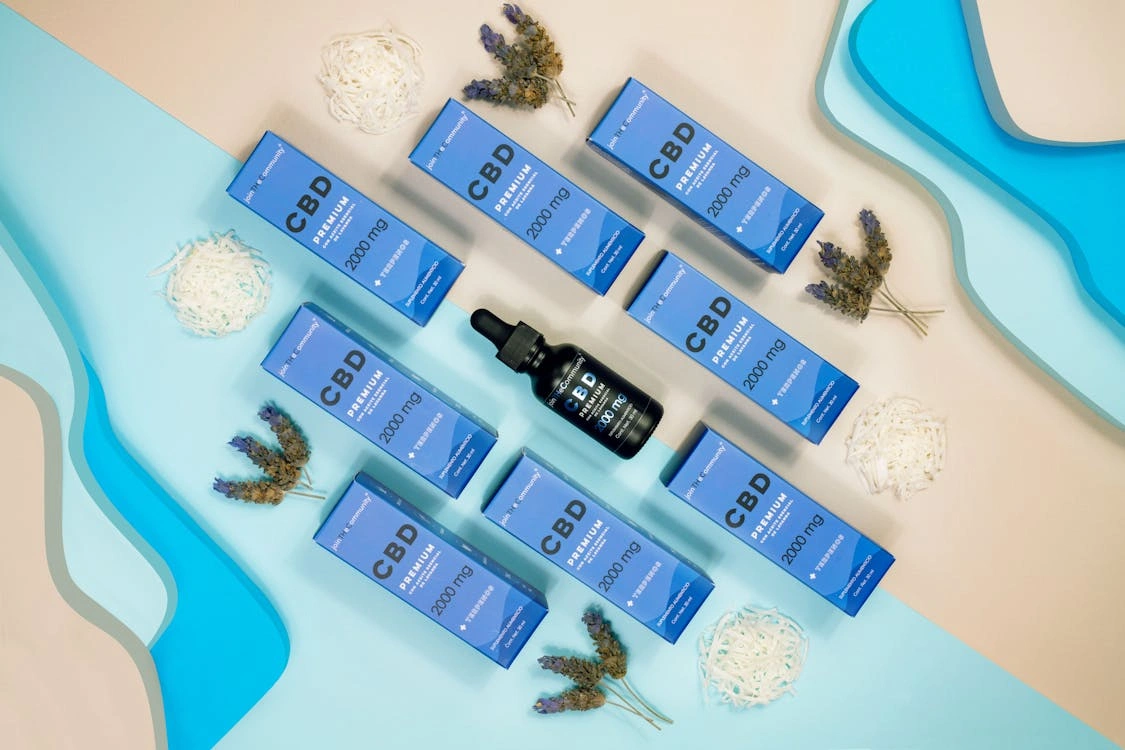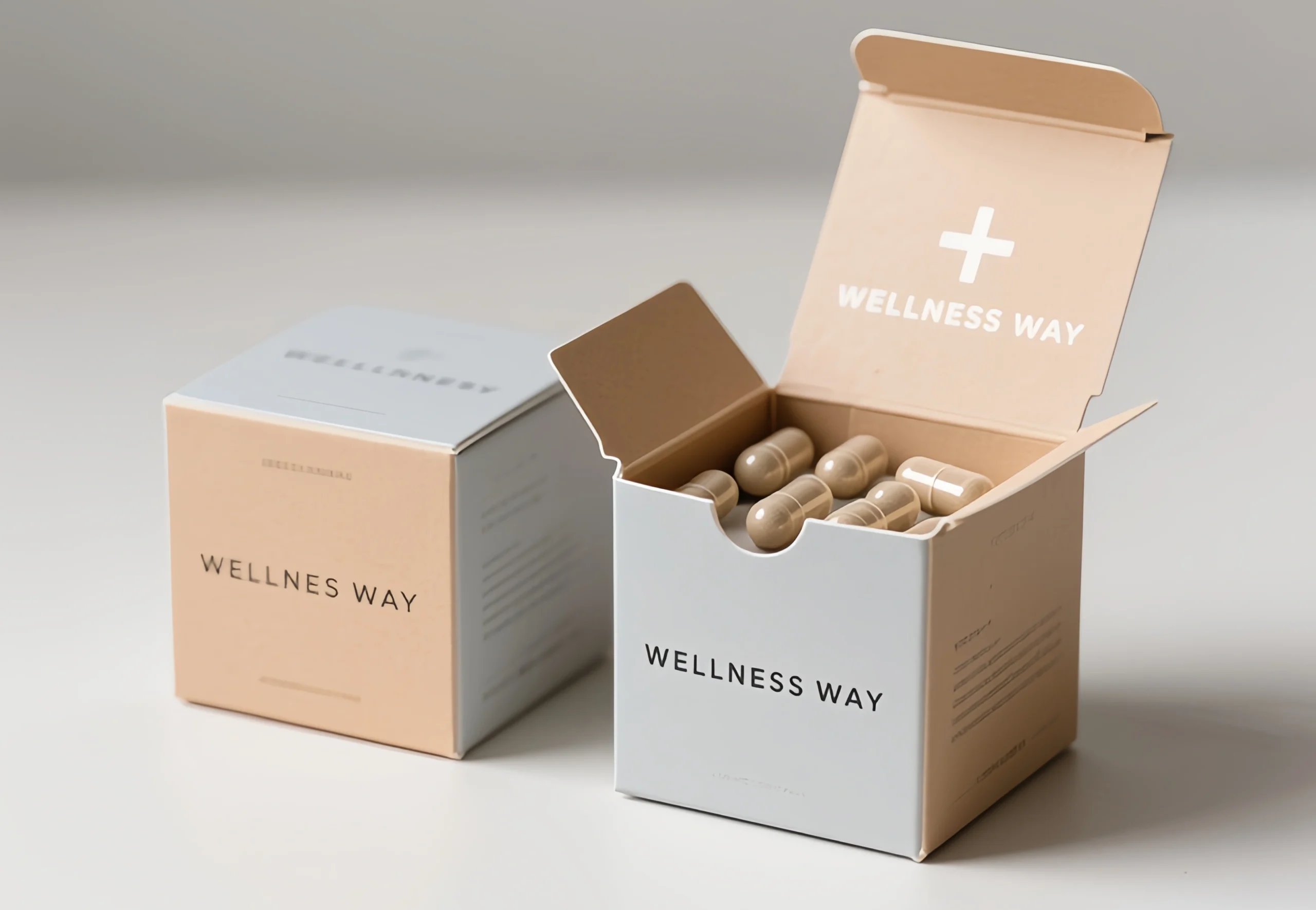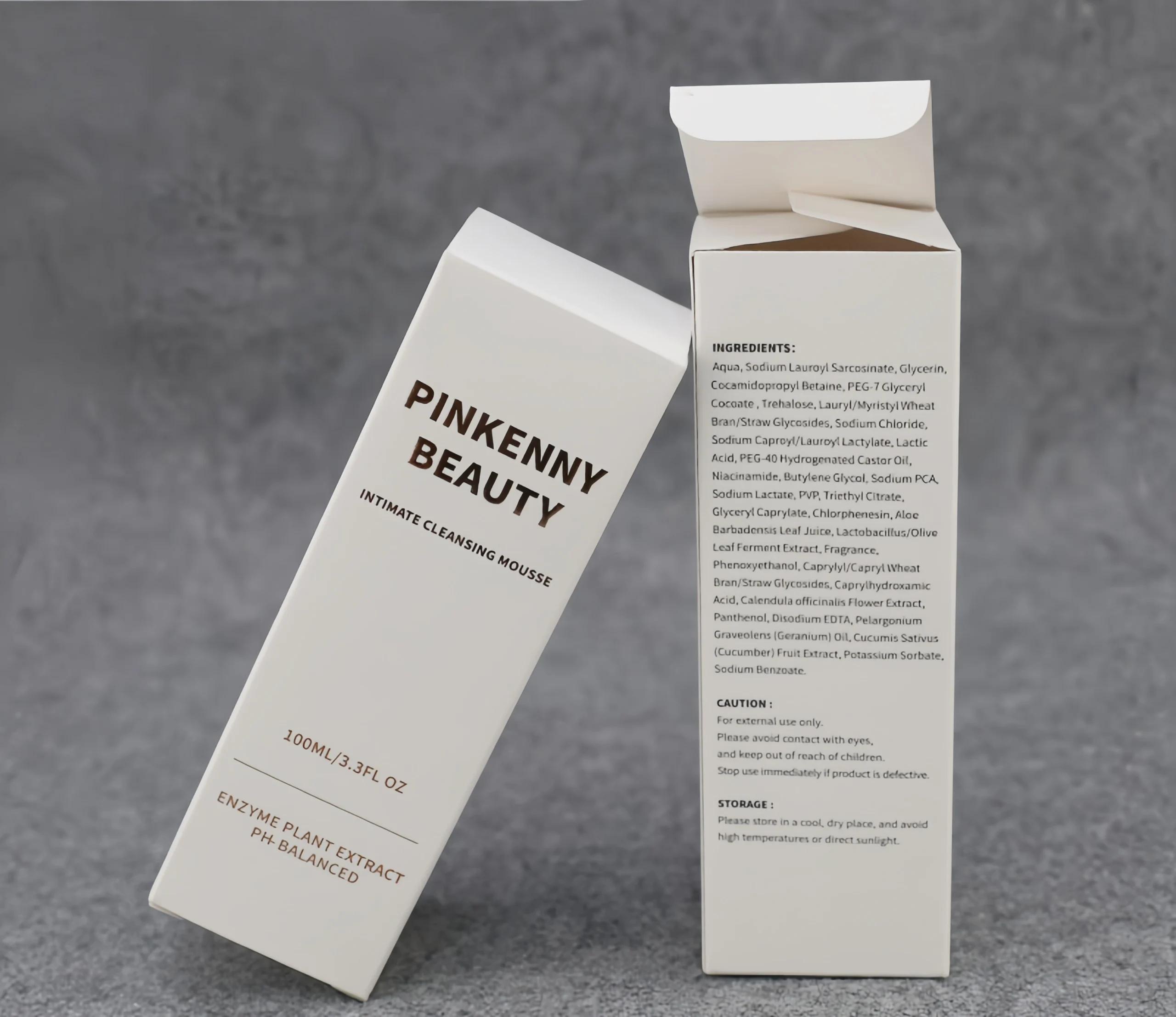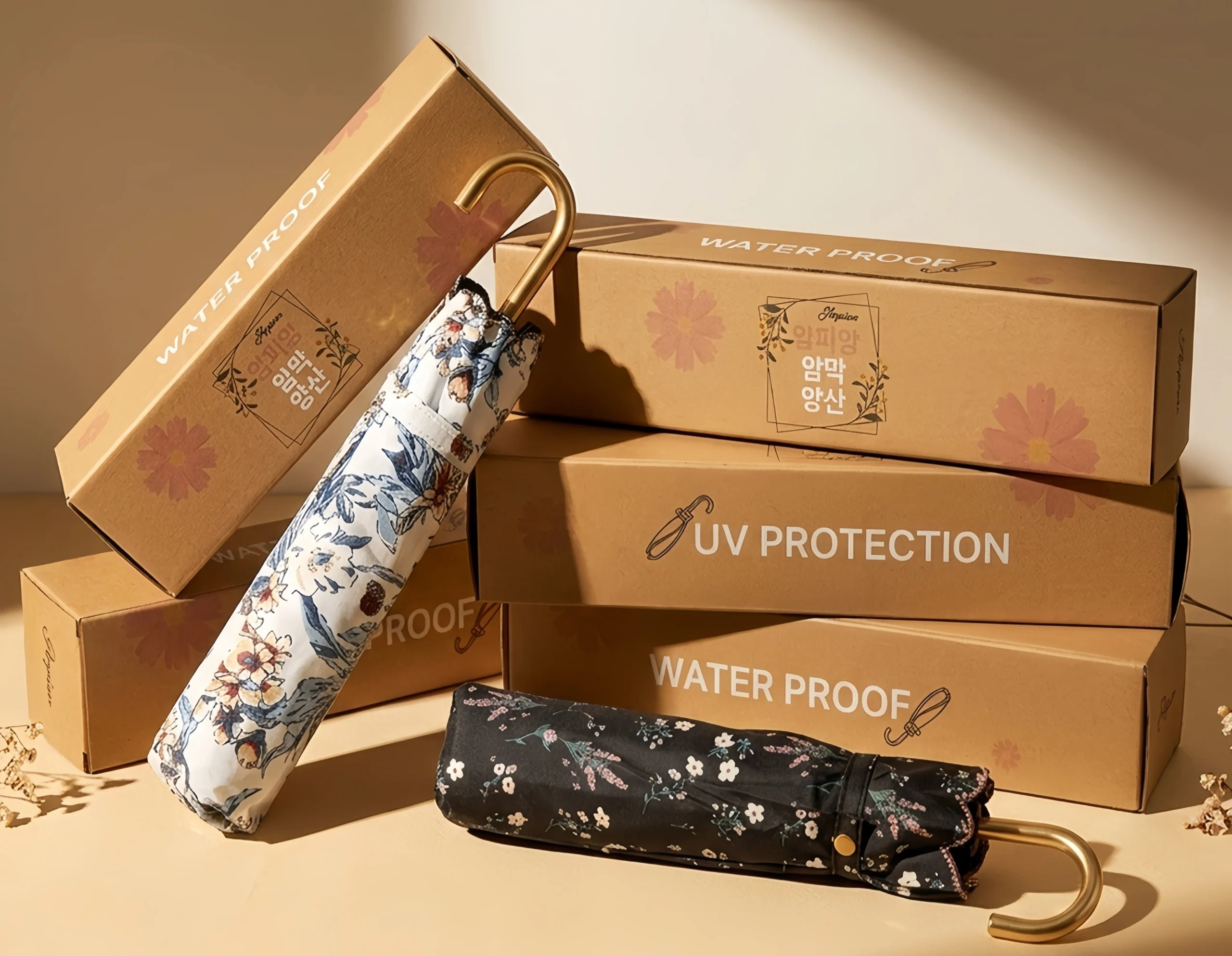
Folding carton packaging is one of the most widely used packaging solutions in the retail industry. It is widely adopted across industries such as cosmetics, skincare products, food, candles, electronics, and everyday consumer goods due to its lightweight structure, cost efficiency, and excellent printing performance. Whether for emerging brands or established retailers, folding cartons provide reliable support in product presentation, basic protection, and brand communication, making them suitable for a wide range of market applications.
Custom folding boxes are highly popular because they offer great design flexibility and strong adaptability to different packaging needs. Brands can customize box structures, paper materials, color schemes, as well as various printing techniques and finishing options to create a more distinctive and visually appealing packaging identity. In addition, folding cartons are typically shipped and stored in a flat form, which helps reduce warehousing and logistics costs while improving overall supply chain efficiency. Compared to rigid boxes, they are lighter, faster to produce, and especially suitable for large-scale retail packaging demands, offering an effective balance between brand presentation and cost control.
In this guide, we’ll explain the different types of folding cartons, common materials, printing techniques, and the key benefits of folding carton packaging, helping you better understand how to choose the right solution for your product.
What Is Folding Carton Packaging?
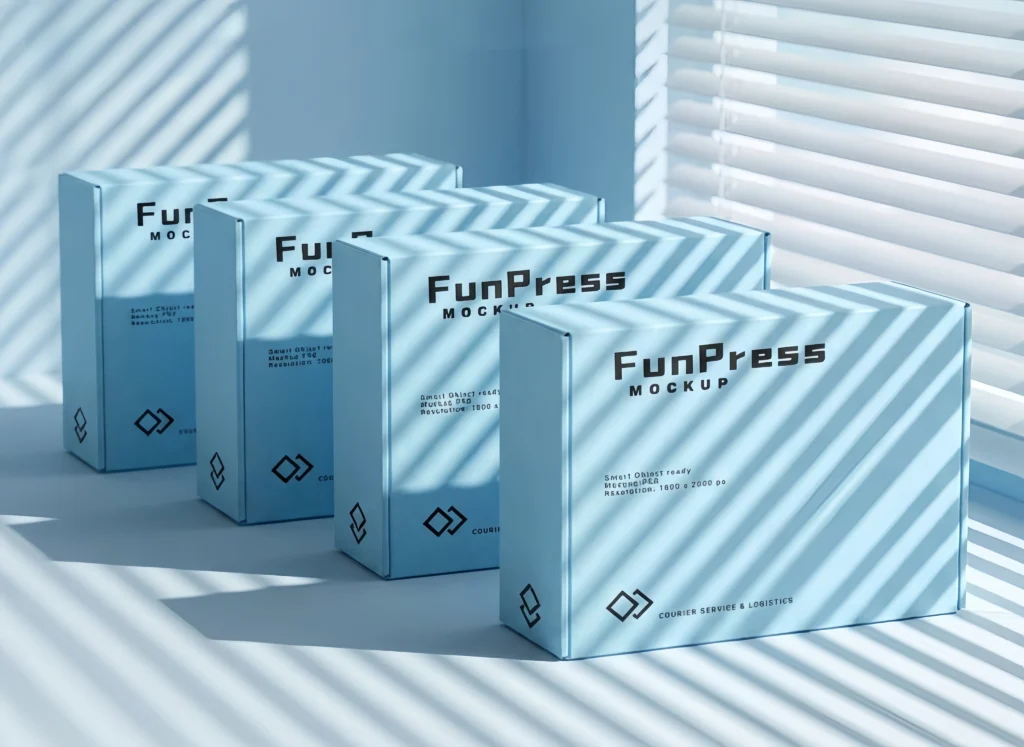
Folding carton packaging refers to a type of paperboard packaging that is printed, die-cut, folded, and then assembled into a finished box for retail products. It is one of the most common packaging solutions in the consumer goods industry. Unlike rigid boxes, folding cartons are supplied in a flat form before assembly, which makes them highly efficient in terms of storage, transportation, and overall logistics cost.
Once needed, the cartons are quickly folded into shape and used for product packaging, making them a practical choice for high-volume production and fast-moving retail environments. They also offer strong printing compatibility, allowing brands to showcase high-quality graphics, brand messaging, and product information on all sides of the packaging.
Folding cartons are commonly used for a wide range of industries, including:
- Cosmetic packaging
- Skincare packaging
- Food packaging
- Candle packaging
- Electronics packaging
- Retail gift packaging
Because of their versatility, structural flexibility, and ability to achieve premium visual effects through advanced printing and finishing techniques, folding cartons are widely adopted by both luxury brands and everyday consumer brands. They provide an effective balance between product protection, brand presentation, and cost efficiency, making them a key packaging choice in modern retail.
Common Types of Folding Carton Packaging
Folding carton packaging comes in various structural styles depending on product size, weight, and display requirements. Each design offers different levels of strength, assembly efficiency, and shelf presentation impact. Choosing the right structure helps brands improve both functionality and branding performance.
Reverse Tuck End (RTE) Box
The Reverse Tuck End (RTE) box is one of the most widely used folding carton structures in retail packaging. In this design, the top and bottom flaps fold in opposite directions, creating a simple and efficient locking mechanism.
This structure is easy to assemble and cost-effective for mass production, making it ideal for lightweight products and high-volume packaging needs.
Common applications:
- Cosmetics packaging such as creams and lotions
- Essential oils and small bottles
- Small retail consumer goods
- Lightweight promotional products
RTE boxes are particularly popular for brands looking for a balance between functionality, speed of production, and affordability.
Straight Tuck End (STE) Box
The Straight Tuck End (STE) box features top and bottom flaps that fold in the same direction. This creates a cleaner and more visually consistent front panel, making it highly suitable for retail display and branding.
Because of its smooth front appearance, STE boxes are often preferred when product presentation is a key marketing factor.
Best suited for:
- Premium skincare packaging
- Beauty and cosmetic products
- Electronics accessories and small devices
- Retail products requiring strong shelf impact
STE boxes are widely used by brands that prioritize a more refined and professional packaging appearance.
Auto Lock Bottom Box
The Auto Lock Bottom box (also known as crash lock bottom) features a pre-glued base structure that automatically locks into place when assembled. This design provides enhanced bottom strength and significantly improves packing efficiency.
It is one of the most practical options for heavier or fragile products that require extra support during storage and transportation.
Ideal for:
- Heavier retail products
- Glass bottles and jars
- Food packaging such as sauces or dry goods
- Cosmetic containers with higher weight
This structure is commonly chosen for its combination of durability and fast assembly speed.
Sleeve Packaging Box
The Sleeve packaging box consists of an inner tray and an outer sleeve that slides over it. This two-part structure creates a smooth and engaging unboxing experience, making it popular for premium product presentation.
It is widely used when brands want to enhance perceived value through layered packaging design.
Common uses:
- Luxury retail products
- Gift packaging sets
- Candle packaging and home fragrance products
- Promotional or seasonal packaging
Sleeve boxes are especially effective in creating a premium “sliding reveal” effect that enhances customer experience.
Tray and Sleeve Box
The Tray and Sleeve box is a variation of sleeve packaging that combines a rigid inner tray with an outer sliding sleeve. This structure offers a balance between functionality and high-end presentation.
It is often used for products that require secure placement inside the box while still maintaining a premium unboxing experience.
Typically used for:
- Luxury retail packaging
- High-end gift sets
- Cosmetic and skincare bundles
- Promotional kits and brand collections
This style is widely favored by brands seeking a more structured and visually impactful packaging solution.
Materials Used for Folding Cartons
The material used for folding carton packaging plays a crucial role in determining its durability, print performance, and overall visual appeal. Different paperboard types are selected based on product positioning, brand identity, and sustainability requirements.To better understand the differences between packaging materials, you can also read our guide on Packaging Materials 101: Best Materials for Your Brand
Solid Bleached Sulfate (SBS) paperboard is one of the most commonly used premium materials for folding cartons. It features a bright white surface and a smooth coating, which allows for sharp printing results and vibrant color reproduction. Because of its clean and refined finish, SBS is widely used in luxury packaging such as cosmetics, perfumes, and high-end retail products where presentation quality is essential.
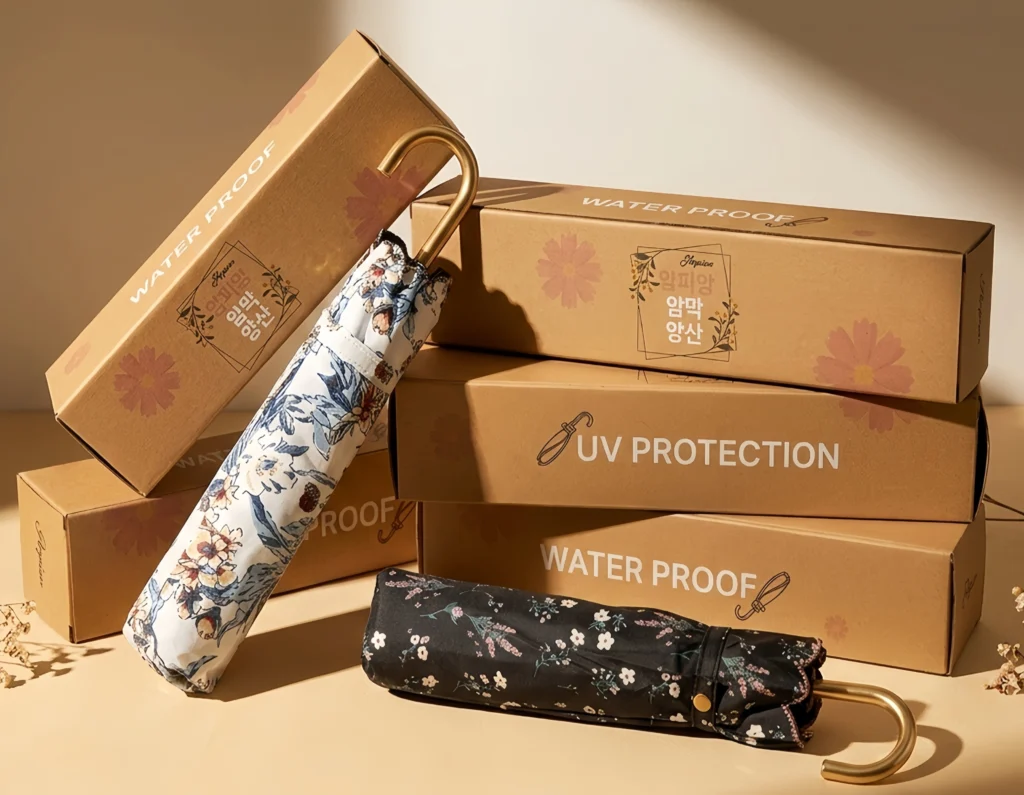
In contrast, kraft paperboard is known for its natural brown appearance and eco-friendly characteristics. It is often chosen by brands that want to highlight sustainability and organic positioning. Kraft material works particularly well for organic products, handmade goods, and environmentally conscious packaging solutions, offering a more raw and natural brand image.
Another widely used option is recycled paperboard, which is produced from post-consumer recycled fibers. This material supports sustainable packaging initiatives while still maintaining reliable strength and printability. It is commonly used for brands that prioritize environmental responsibility without compromising structural performance.
Printing and Finishing Options for Folding Cartons
Printing and finishing techniques are essential elements in folding carton packaging, as they directly influence shelf impact and brand perception. High-quality printing ensures accurate color representation and strong visual consistency across product lines.
Most folding cartons are produced using CMYK full-color printing, which is suitable for complex artwork and photographic designs. For brands that require strict color consistency, especially in corporate branding, Pantone (PMS) printing is often preferred. It ensures precise color matching across different production batches. Offset printing is also widely used for large-volume orders due to its high efficiency and stable output quality.
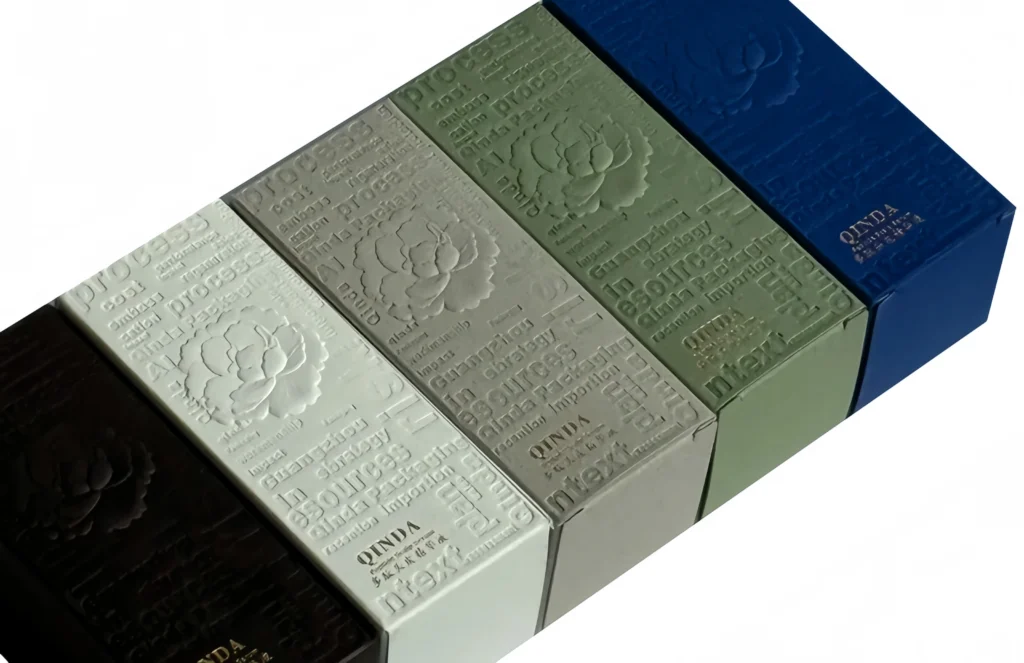
To further enhance the appearance of folding cartons, various finishing techniques can be applied. Matte lamination creates a soft and elegant surface, while gloss lamination delivers a brighter and more vibrant finish. For premium branding effects, techniques such as spot UV coating, foil stamping, embossing, and debossing are commonly used. These finishing options help add depth, texture, and a more luxurious feel to the packaging, making products stand out on retail shelves.Learn more about Foil Stamping, Embossing & UV for Premium Packaging
Benefits of Folding Carton Packaging
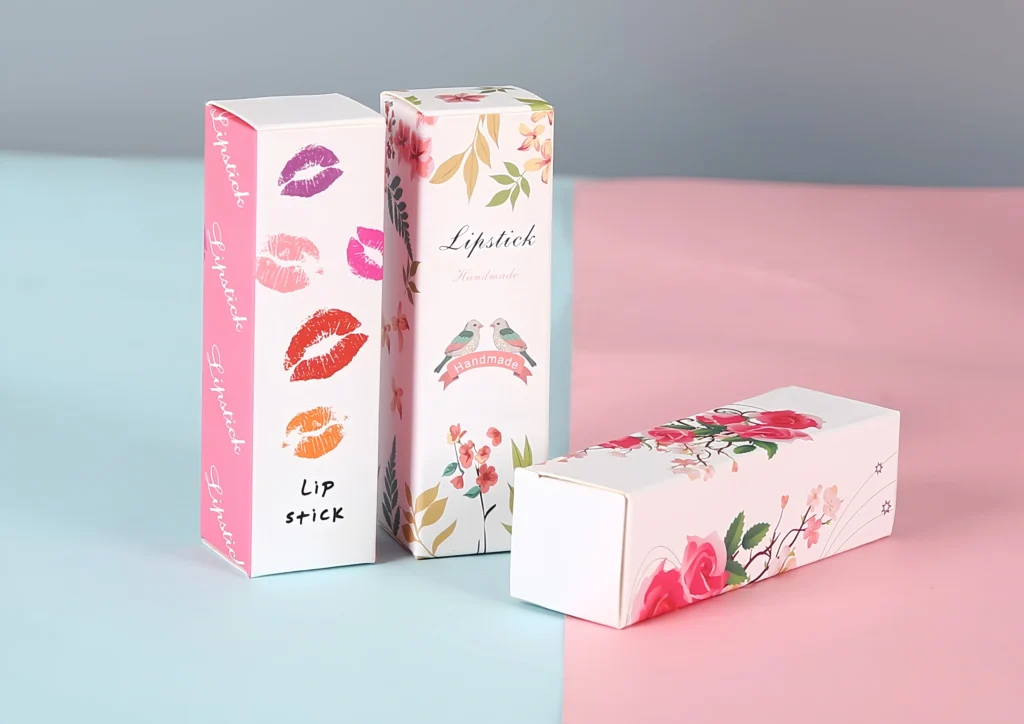
Folding carton packaging provides a range of practical and commercial advantages, making it a preferred choice for many retail brands and manufacturers.
Cost-effective packaging solution
One of the key benefits is its efficiency in logistics. Folding cartons are shipped flat, which significantly reduces transportation costs and storage space compared to rigid packaging. This makes them ideal for large-scale production and retail distribution.
Lightweight and efficient storage
Due to their lightweight paperboard structure, folding cartons are easy to handle, store, and assemble. This helps brands streamline packaging operations, especially for high-volume retail products.
Highly customizable for branding
Folding cartons offer strong flexibility in design and branding. Brands can fully customize box dimensions, printing styles, paper materials, internal inserts, finishing options, and structural design. This allows packaging to align closely with brand identity and different product requirements.
Eco-friendly packaging option
Sustainability is another major advantage. Many folding cartons are made from recyclable materials and can be produced using FSC-certified or recycled paperboard. This makes them a more environmentally responsible packaging choice, especially for brands focusing on sustainable development and eco-friendly packaging strategies.
Folding Carton vs Rigid Box
Both folding cartons and rigid boxes are widely used in retail packaging, but they differ in structure, cost, and application. The table below provides a clear comparison:
| Feature | Folding Carton | Rigid Box |
|---|---|---|
| Structure | Lightweight paperboard packaging | Thick, strong chipboard structure |
| Shipping | Shipped flat for efficiency | Pre-assembled and takes more space |
| Cost | Lower production and logistics cost | Higher cost due to material and labor |
| Application | Suitable for mass retail products | Ideal for luxury and gift packaging |
| Branding Experience | Flexible printing and design options | Premium unboxing experience with strong structure |
| Production Efficiency | Fast and scalable for large orders | Slower production with more manual processes |
In general, folding cartons are best suited for cost-effective retail packaging and high-volume products, while rigid boxes are preferred when brands want a more premium feel and luxury presentation.
Why Choose Custom Folding Cartons?
Custom folding cartons are an effective packaging solution that helps brands improve product presentation, strengthen brand identity, and stand out in competitive retail markets. Beyond basic protection, they act as a marketing tool by enhancing shelf visibility and communicating brand value directly at the point of sale.
One of the main advantages of custom folding carton packaging is its high level of flexibility. Brands can fully customize box structure, size, materials, and printing to match different product requirements. Advanced finishing options such as foil stamping, spot UV, embossing, and matte or gloss lamination further enhance visual impact and create a more premium look. Combined with recyclable paperboard materials, folding cartons also support sustainable packaging goals, making them suitable for cosmetics, skincare, food, candles, and retail gift products.
Custom folding cartons are also highly practical for production and logistics. They are lightweight, easy to ship flat, and cost-efficient for large-volume manufacturing, making them ideal for both established brands and fast-growing businesses that need scalable packaging solutions.
FAQ
1. What is a folding carton used for?
Folding cartons are widely used for retail packaging such as cosmetics, skincare, food, candles, and electronics. They are lightweight, customizable, and suitable for high-volume product packaging.
2. What is the difference between folding cartons and rigid boxes?
Folding cartons are made from lightweight paperboard and shipped flat, making them cost-effective for mass production. Rigid boxes are made from thicker chipboard and offer a more premium, luxury packaging experience.
3. What materials are used for folding carton packaging?
Common materials include SBS paperboard, kraft paperboard, and recycled paperboard. Each material is selected based on branding needs, product type, and sustainability requirements.
4. Can folding cartons be fully customized?
Yes, folding cartons can be fully customized in size, structure, printing, and finishing. Options include CMYK printing, Pantone color matching, foil stamping, embossing, and UV coating.
5. Are folding cartons eco-friendly?
Yes, most folding cartons are recyclable and can be produced using eco-friendly or FSC-certified paper materials, making them a sustainable packaging solution for modern brands.
6. What is the minimum order quantity (MOQ) for custom folding cartons?
The MOQ depends on the size and design, but typically starts from 500–1000 pieces per design. We can also support flexible solutions for different project requirements.
Start Your Custom Folding Carton Packaging Project Today
If you are looking for a reliable custom folding carton packaging manufacturer, LucklinPak provides tailored solutions including custom sizes, premium printing, and eco-friendly materials.
Contact us today to get a free quotation and professional packaging recommendation for your product.