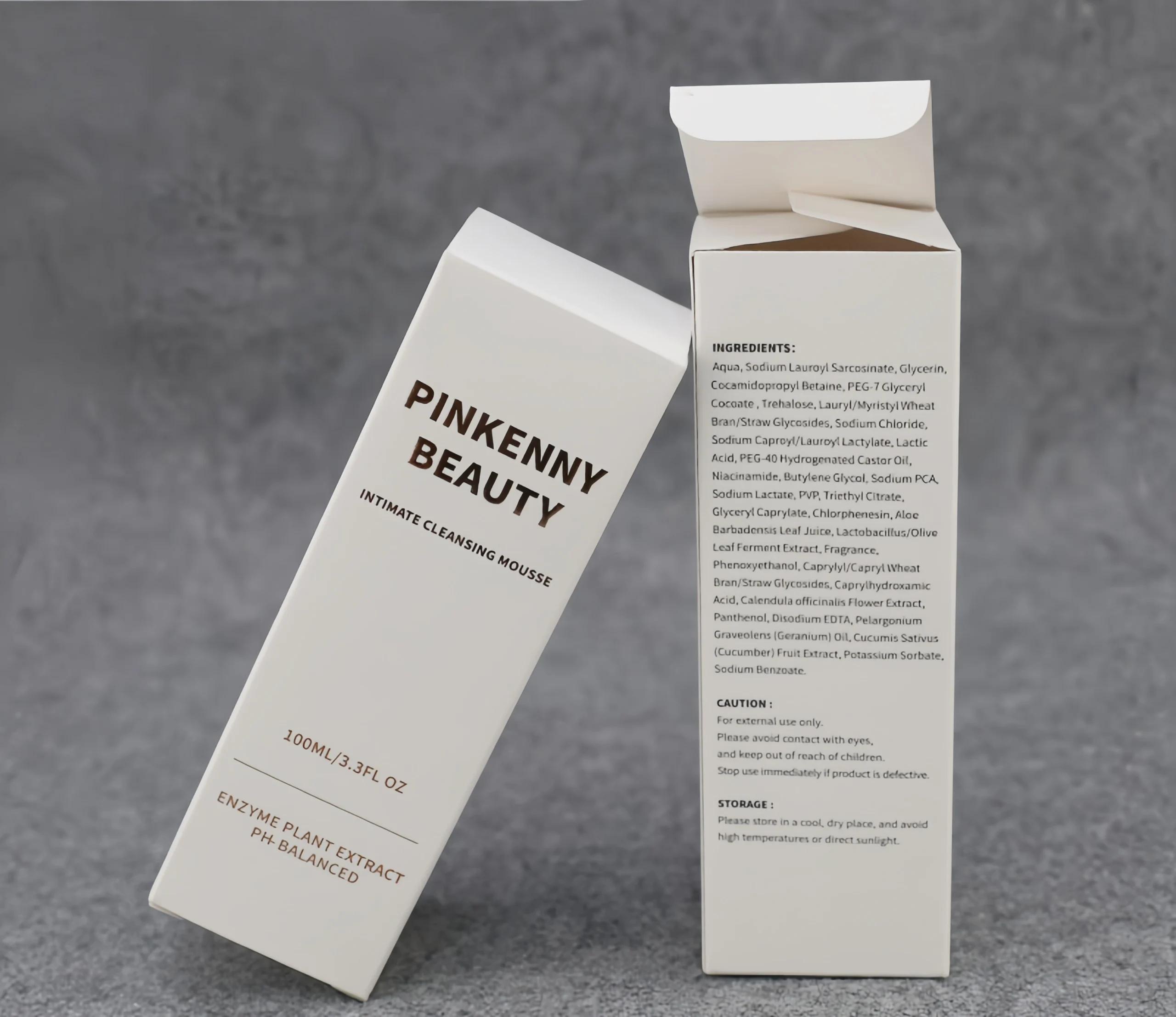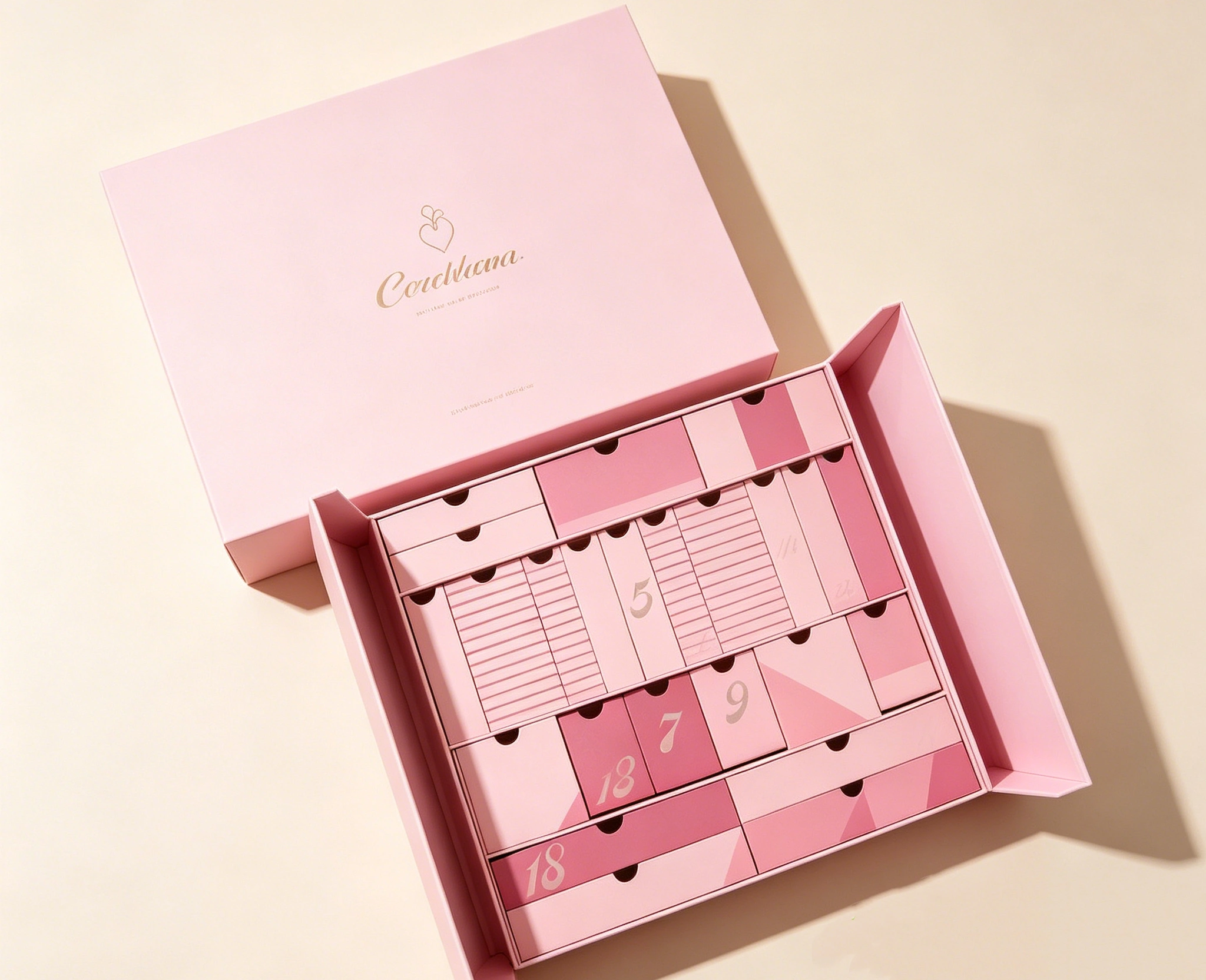
Ordering custom luxury gift boxes involves more than choosing a box style and adding your logo.Before production starts, you need to confirm the product dimensions, box structure, materials, inserts, printing, finishing, quantity, budget, and shipping requirements. Missing one detail can lead to sizing problems, unexpected costs, production delays, or packaging that does not protect the product properly.
Use this 15-point checklist to review the most important details before placing a custom gift box order.
1. Confirm Your Product Dimensions
Start with the product you want to package.Measure the:
- Length
- Width
- Height
- Diameter, if applicable
Measure the product in its final form, including any components that will be placed inside the box.For example, a perfume bottle with a cap may require more internal height than the bottle itself. Similarly, a jewelry set may need additional space for individual pieces or accessories.Accurate product measurements are the foundation of a well-fitting custom gift box.
2. Confirm the Product Weight
Product weight can affect both the box structure and the type of insert you need.A lightweight jewelry item may work well with a small rigid or magnetic box, while heavier products may require stronger materials or additional internal support.
Before production, provide your packaging supplier with the approximate weight of the finished product or product set.This helps determine whether the proposed box structure is suitable for the intended application.
3. Consider the Product Shape
Product shape is just as important as product size.A rectangular product is usually straightforward to package, but irregular, cylindrical, or unusually shaped products may require additional internal support.
Consider whether the product:
- Has an unusual shape
- Contains protruding parts
- Needs to remain upright
- Requires a custom-shaped insert
- Includes multiple components
If the product has an unusual shape, sending a physical sample or accurate drawings to your packaging supplier can make the design process easier.
4. Evaluate Product Fragility
Think about how easily the product could be damaged during handling and transportation.Fragile products such as glass bottles, watches, electronics, and delicate accessories may need additional protection inside the box.
Depending on the product, you may consider:
- Foam inserts
- EVA inserts
- Velvet inserts
- Paperboard inserts
- Custom trays
- Dividers
- Protective padding
The goal is to prevent the product from moving excessively inside the box and reduce the risk of damage during shipping.
5. Confirm the Box’s Internal Dimensions
Do not choose the box size based only on the external dimensions.The internal dimensions need to accommodate the product as well as any insert, padding, or additional packaging components.
For example, if your product measures 10 × 8 × 3 cm, a box with exactly those internal dimensions may not be suitable if you also need a 1 cm thick insert.Before production, confirm:
- Internal length
- Internal width
- Internal height
- Insert thickness
- Clearance around the product
A sample box is often useful for checking the fit before committing to a large production order.
6. Choose the Right Box Style
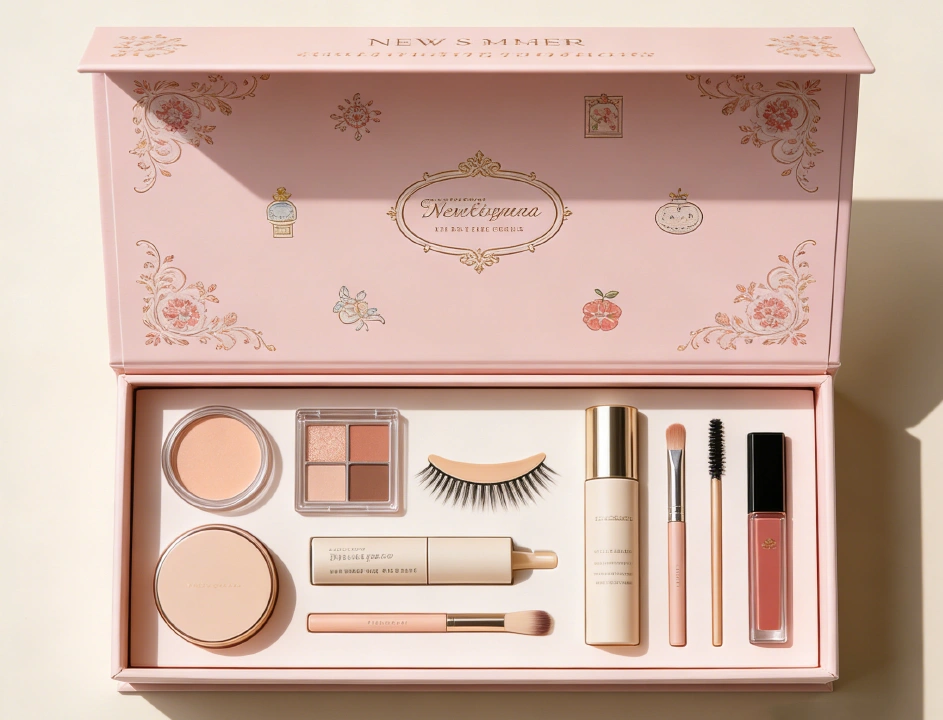
The box structure should match your product and the experience you want to create.Common luxury gift box styles include:
Magnetic Gift Boxes
Magnetic gift boxes are popular for jewelry, cosmetics, skincare, fashion accessories, and gift sets. They provide a convenient opening experience and a premium appearance.
Rigid Lid-and-Base Boxes
These boxes have a separate lid and base and offer a solid, substantial feel. They are commonly used for jewelry, watches, electronics, and luxury gift sets.Rigid boxes often use a thick paperboard structure covered with printed or specialty paper.
Drawer Boxes
Drawer boxes consist of an inner tray and an outer sleeve. They can create a distinctive opening experience while working well for smaller products.
Folding Gift Boxes
Folding boxes are lighter and generally easier to store and transport. They can be a practical option when packaging cost and shipping efficiency are important.
Choose the structure based on the product rather than selecting a box simply because it looks luxurious.
7. Select the Box Material
The material affects the box’s appearance, strength, weight, and cost.Common materials for custom gift boxes include:
- Coated paper
- Art paper
- Kraft paper
- Specialty paper
- Greyboard
- White cardboard
Rigid gift boxes often use a thick paperboard structure covered with printed or specialty paper.When selecting a material, consider the product weight, desired appearance, printing requirements, environmental goals, and target budget.For premium packaging, the material should support the overall brand experience without adding unnecessary cost.
8. Confirm the Insert Type
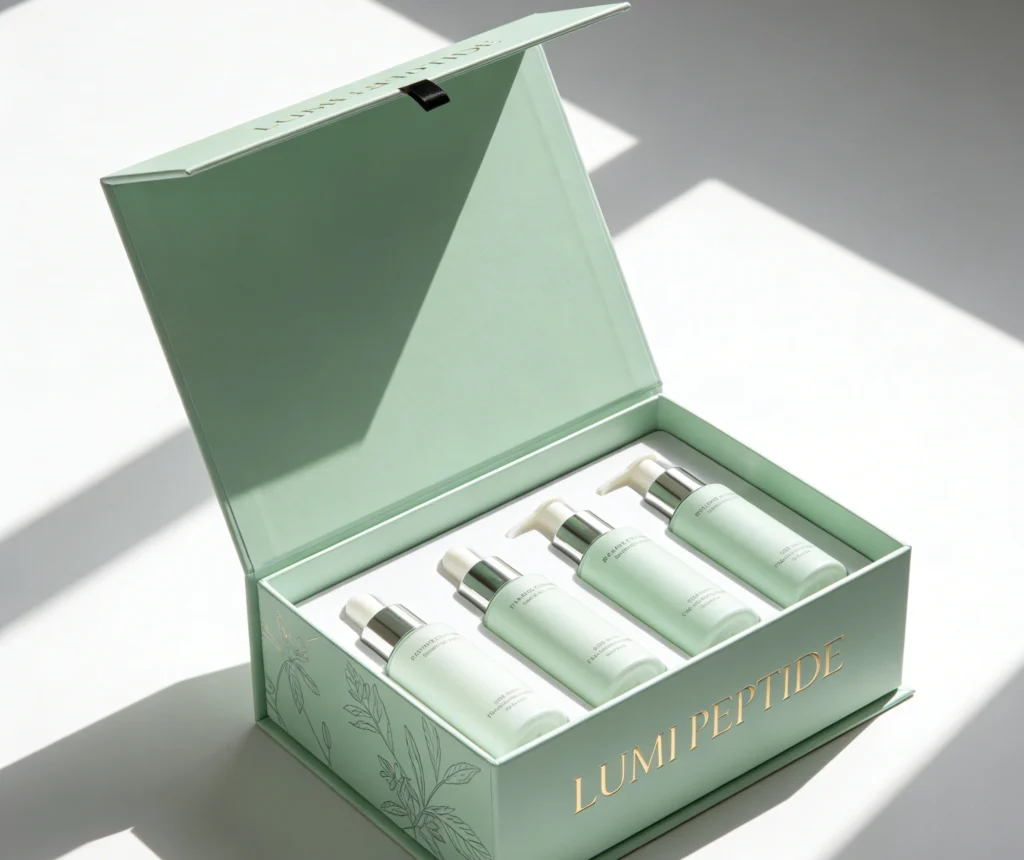
If the product needs to stay securely in place, confirm the insert design before production.Common insert options include:
Foam or EVA inserts: Suitable for products requiring stronger protection and precise positioning.
Velvet inserts: Often used for jewelry, watches, and other luxury products where a soft premium appearance is important.
Paperboard inserts: A lightweight option for organizing products while keeping the packaging relatively simple.
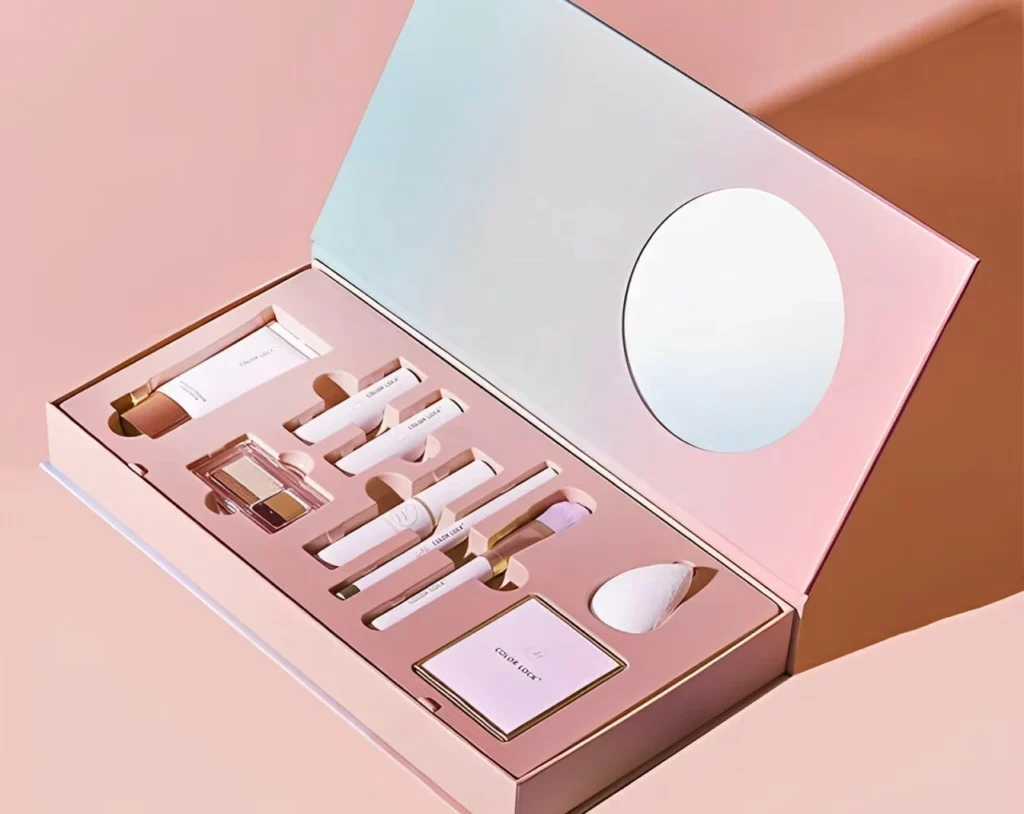
Dividers and compartments: Useful for gift sets containing several products.
The right insert should fit both the product and the box structure. If you are still deciding on the overall packaging format, explore our custom gift boxes for different box structures and customization options.
9. Confirm the Insert Dimensions
Choosing an insert type is not enough. Its dimensions also need to be confirmed.The insert should fit securely inside the box without putting unnecessary pressure on the product.
Before production, check:
- Insert length
- Insert width
- Insert thickness
- Product cut-out dimensions
- Product placement
- Clearance between the insert and box walls
For products with precise cut-outs, it is particularly important to verify the dimensions using a sample before mass production.
10. Confirm Printing and Colors
If the box will include your branding, confirm the printing method and colors before production.You may need to provide:
- Logo artwork
- Brand colors
- Pantone references, if applicable
- Printing artwork
- Text and graphics
- Artwork file format
Keep in mind that colors can appear different depending on the paper, printing process, and finishing.If color accuracy is important to your brand, ask your packaging supplier about a printed proof or physical sample before mass production.
11. Choose the Finishing Options
Finishing can significantly change the appearance and feel of a gift box.Common options include:
- Matte lamination
- Gloss lamination
- Soft-touch lamination
- Foil stamping
- Embossing
- Debossing
- Spot UV
- Textured paper
You do not need to use every finishing technique.For example, a minimalist jewelry box may look better with a matte finish and simple foil logo, while a high-end gift set may benefit from textured paper, embossing, or other decorative details.Choose finishing based on your brand style and budget.
12. Confirm Logo Placement
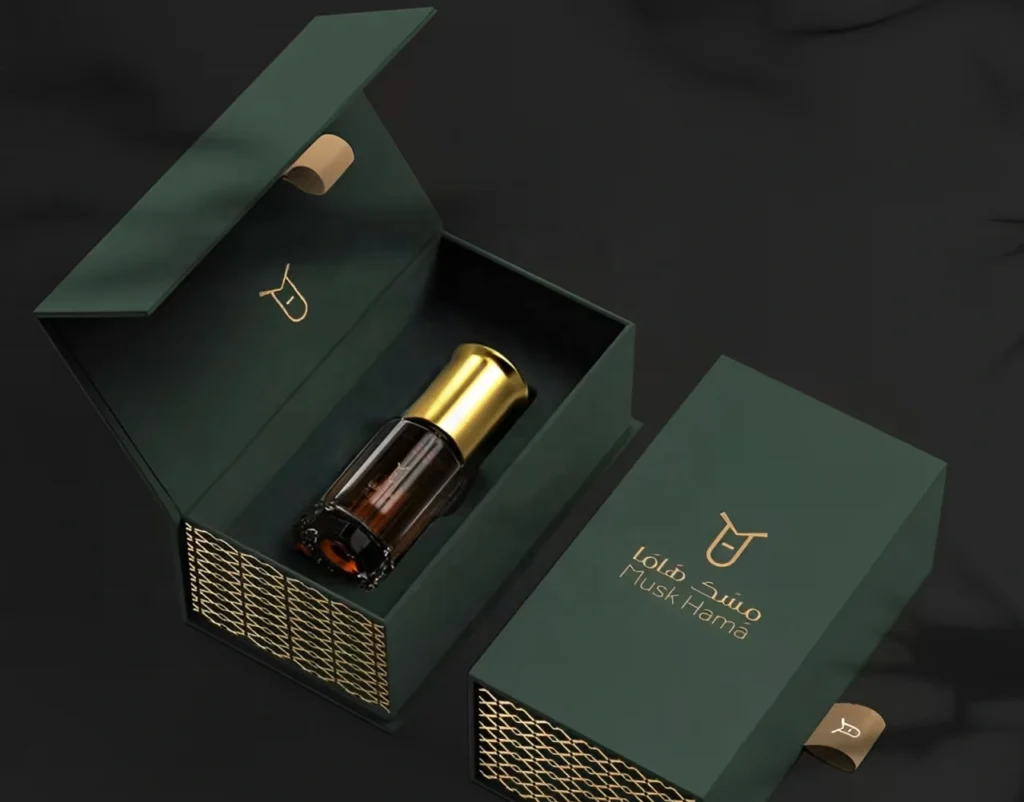
Before production, confirm exactly where your logo will appear.The logo could be placed:
- On the lid
- Inside the lid
- On the front panel
- On the sleeve
- On an insert
- On a combination of locations
Also check the logo size, position, orientation, and distance from the edges.A simple logo placement can often create a more sophisticated appearance than excessive branding.Always approve the final artwork and placement before production begins.
13. Confirm Your Order Quantity
Quantity has a direct impact on the unit cost of custom gift boxes.Before requesting a final quotation, determine your expected order quantity as accurately as possible.
For example, you may want to compare pricing at:
- 500 pieces
- 1,000 pieces
- 2,000 pieces
- 5,000 pieces
- 10,000 pieces
The actual MOQ will depend on the packaging supplier, box structure, materials, and customization requirements.If you expect to reorder regularly, it can also be useful to discuss future order quantities with your supplier.
14. Set Your Target Budget
Before finalizing the design, establish a realistic packaging budget.The total cost of a custom gift box can depend on:
- Box size
- Material
- Box structure
- Printing
- Finishing
- Insert
- Order quantity
- Packaging method
- Shipping
A more complicated box is not necessarily a better box.If the budget is limited, you may be able to reduce the cost by simplifying the structure, using fewer finishing techniques, or choosing a more economical insert while maintaining a premium overall appearance.The goal is to find the right balance between quality, presentation, protection, and cost.
15. Confirm Shipping and Storage Requirements
The final step is to consider what happens after production.
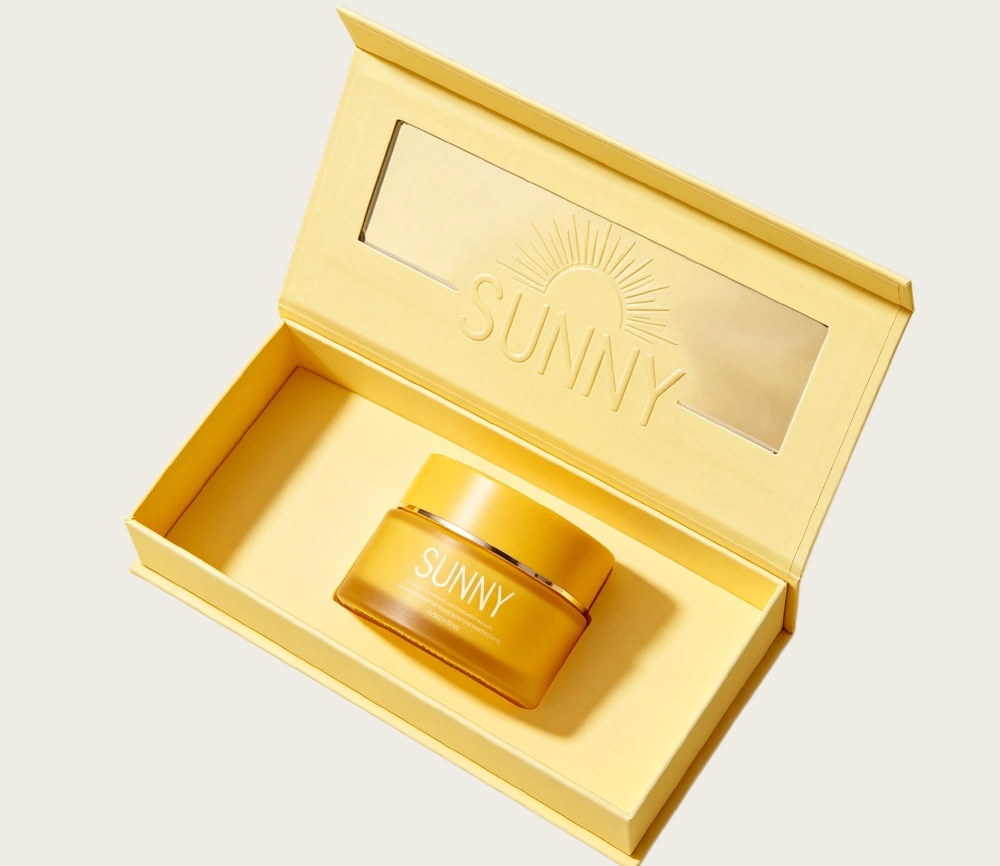
Large rigid gift boxes can take up significant space, and bulky packaging may increase shipping costs because of its dimensional weight.
Before production, confirm:
- Finished box dimensions
- Box weight
- Carton quantity
- Carton dimensions
- Estimated total volume
- Shipping method
- Delivery destination
- Storage requirements
If the packaging will be shipped internationally, ask your supplier to provide the estimated carton dimensions and total shipping volume before placing the order.
A packaging design that looks excellent but is unnecessarily large or heavy can increase logistics costs throughout the supply chain.
Final Gift Box Ordering Checklist
Before approving your custom gift box for production, make sure you have confirmed all 15 items:
What to Confirm:
1 Product dimensions
2 Product weight
3 Product shape
4 Product fragility
5 Box internal dimensions
6 Box style
7 Box material
8 Insert type
9 Insert dimensions
10 Printing and colors
11 Finishing options
12 Logo placement
13 Order quantity
14 Target budget
15 Shipping and storage requirements
If all 15 points have been reviewed and approved, you will have a much clearer packaging specification for your supplier.
Conclusion
A successful luxury gift box is not simply about choosing an attractive design. It needs to fit the product, provide the right level of protection, represent your brand, and remain practical to manufacture and ship.Taking the time to confirm these details before production can help reduce sizing problems, unexpected costs, and production changes later.If you are ordering custom gift boxes, start with your product dimensions, quantity, and desired packaging style. From there, your packaging supplier can help you determine the appropriate box structure, materials, inserts, and finishing options.
Need help choosing the right gift box for your product?
Send LucklinPak your product dimensions, quantity, and packaging requirements. We can help you compare box structures, materials, inserts, and finishing options to develop a custom packaging solution that fits your product and budget.