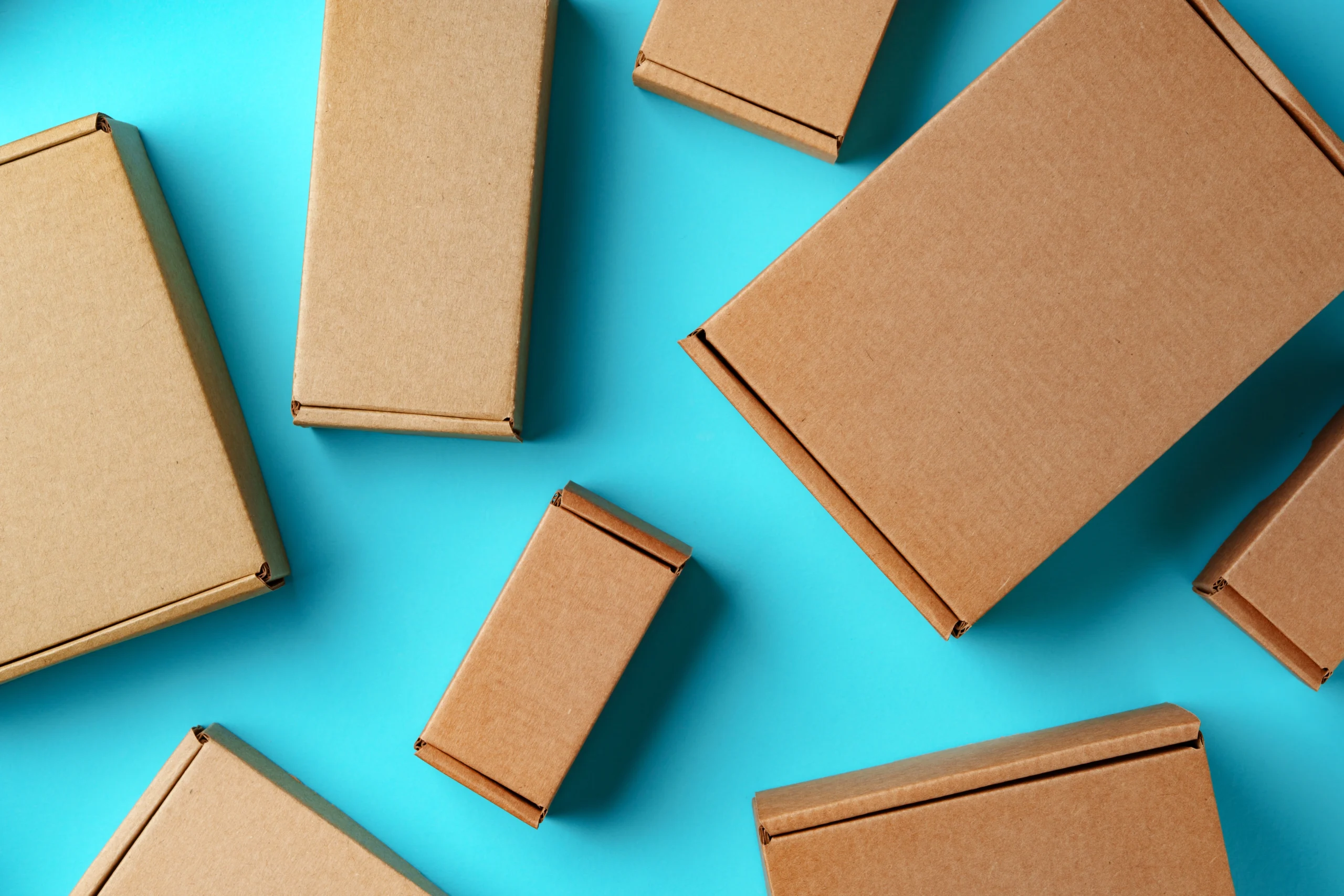
Modern packaging is no longer just about looking good—it must also express personality, sustainability, and intelligence. For businesses looking for the perfect custom paper box solutions, balancing aesthetics with functionality is key. For example, corrugated boxes look light but are stronger than solid boards of the same thickness, while rigid paper boxes can achieve a luxurious visual impact through special surface finishing and structure.
Among all materials, paper packaging stands out for its eco-friendliness, printability, and affordability. Whether it’s a sturdy corrugated shipping box or a delicate gift box, the choice of paper material and structure directly affects product safety, brand perception, and consumer satisfaction.
Today, packaging goes far beyond protection—it’s a strategic tool for brand storytelling and customer experience.
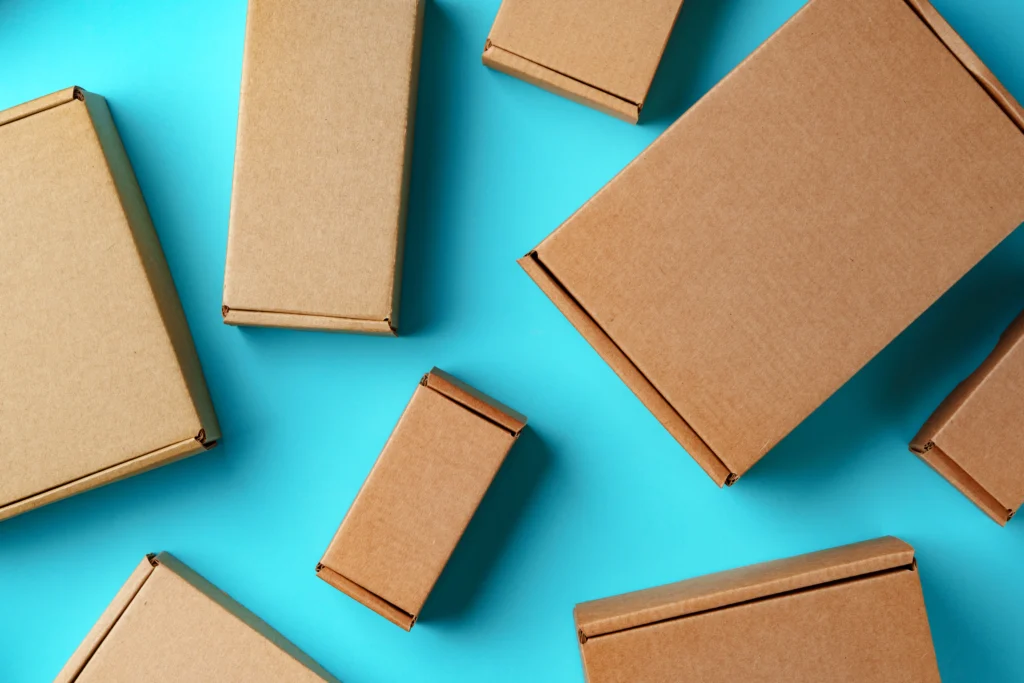
Corrugated Boxes: Strength, Structure, and Efficiency
The core of corrugated paper is like a “sandwich” structure. Its strength comes from the wave-shaped fluted layer between flat linerboards. This unique construction combines light weight with excellent cushioning and shock absorption. The air channels formed by the flutes distribute external pressure evenly, protecting the product inside.
Corrugated boards come in different flute types for various applications:
- A-Flute: Best cushioning—ideal for fragile products.
- B-Flute: Hard and compression-resistant—suitable for canned or bottled goods.
- C-Flute: Balanced—versatile and widely used.
- E & F-Flute (micro flutes): Thin, smooth, and strong—perfect for retail or luxury packaging with high-quality printing.
Choosing the Right Corrugated Flute Type
| Flute Type | Average Thickness | Best Applications | Key Benefit |
|---|---|---|---|
| A-Flute | ~4.8 mm (3/16″) | Fragile products, heavy industrial items | Maximum cushioning & shock absorption |
| B-Flute | ~3.2 mm (1/8″) | Canned goods, glass bottles, counter displays | High puncture & compression resistance |
| C-Flute | ~4.0 mm (5/32″) | Shipping cartons, e-commerce master boxes | Best all-around versatility for logistics |
| E & F-Flute | 0.8 – 1.6 mm | Cosmetics, jewelry, high-end retail packaging | Ultra-smooth surface for high-quality printing |
Because of their efficiency, corrugated boxes are widely used from industrial shipping to retail packaging. They deliver outstanding protection at a low cost-to-weight ratio—making them indispensable in modern logistics and e-commerce. From home appliances to cosmetics and wine packaging, corrugated boxes perfectly balance protection, cost control, and brand display.
Cardboard and Rigid Boxes: From Practicality to Prestige
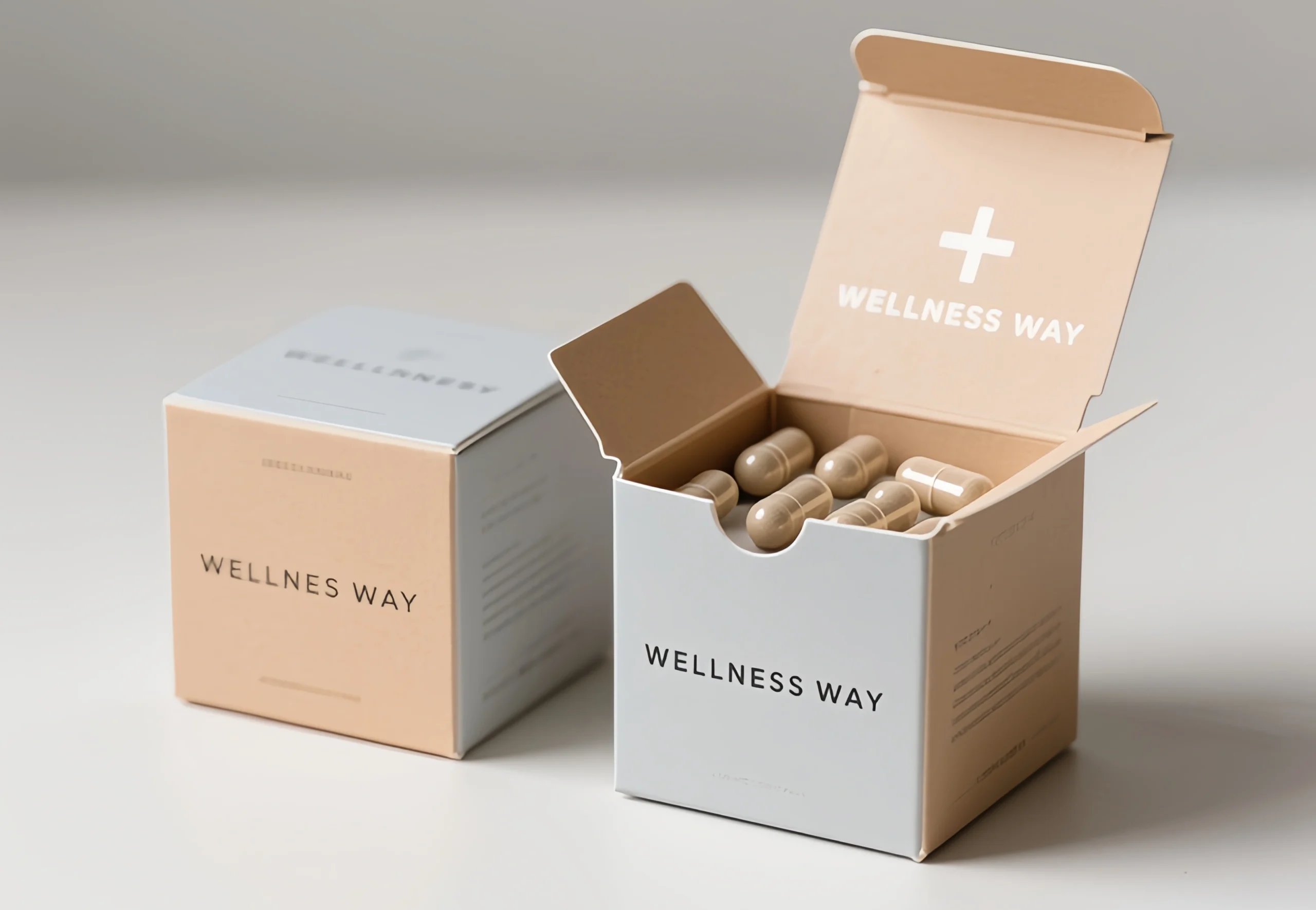
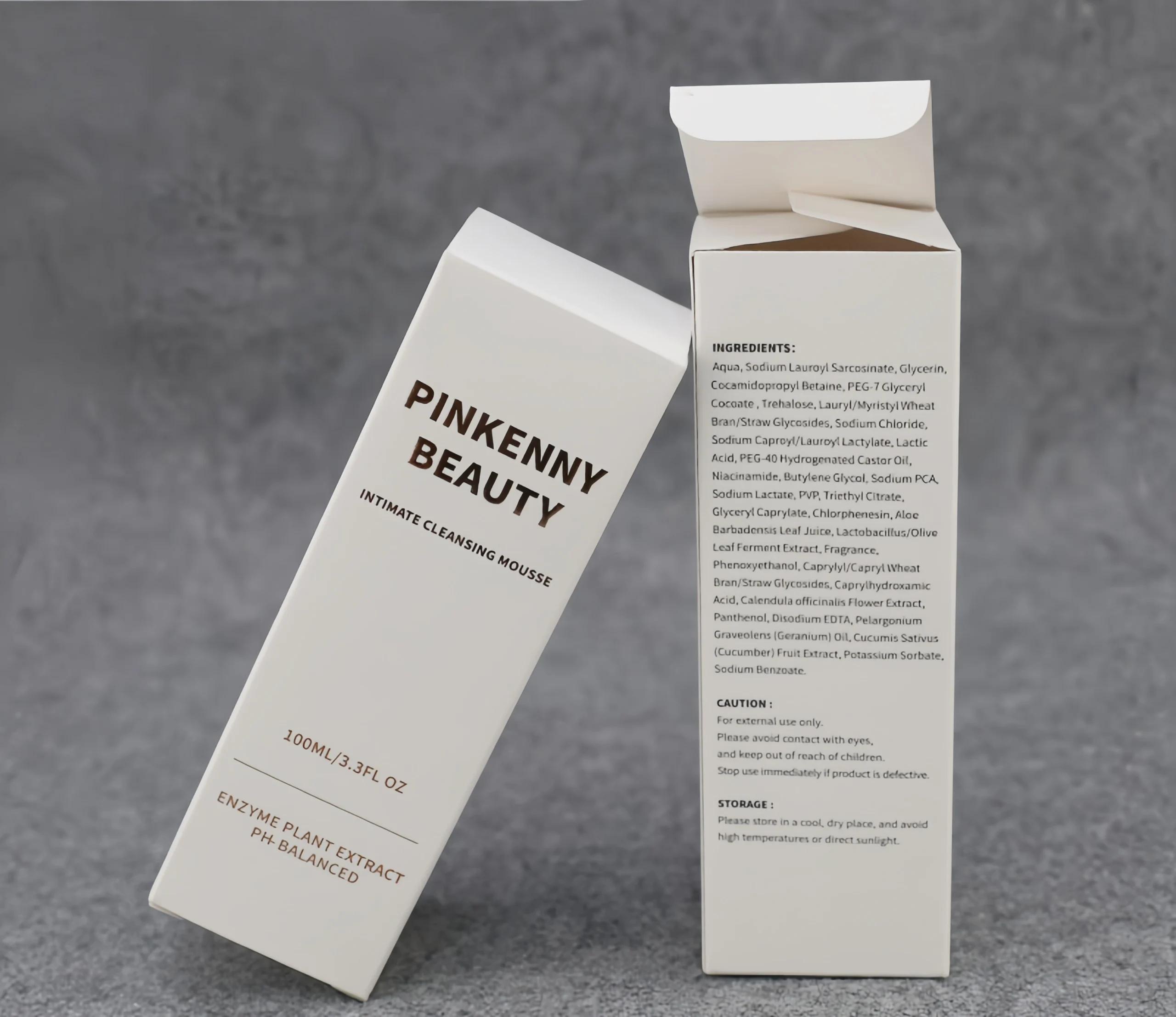
Cardboard boxes (folding boxes) are made from solid paperboard—lightweight, stiff, and highly printable. They’re cost-effective and perfect for cosmetics, food, and small electronics. With high-quality printing and finishing, they act as an excellent visual communication tool for brand storytelling.
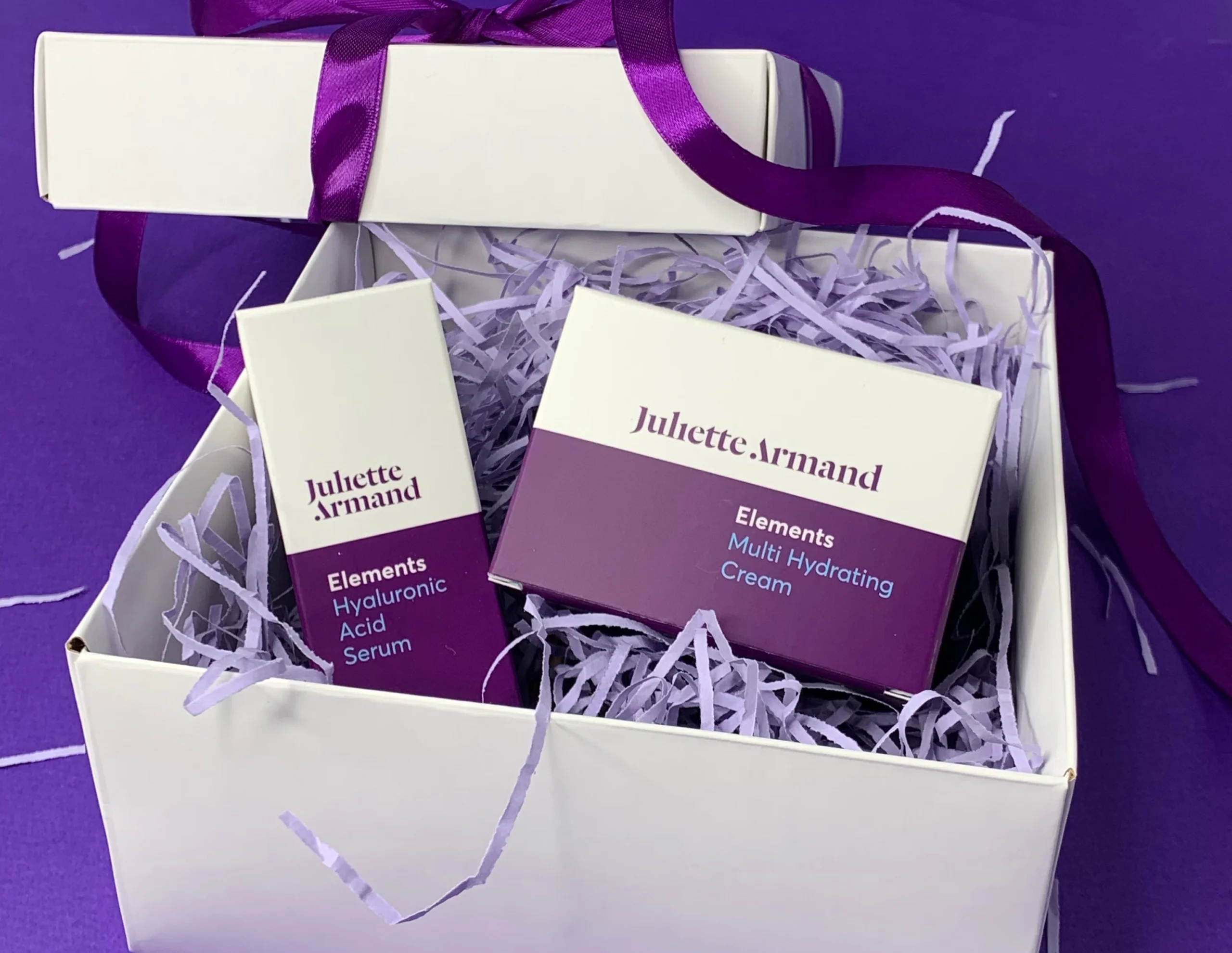
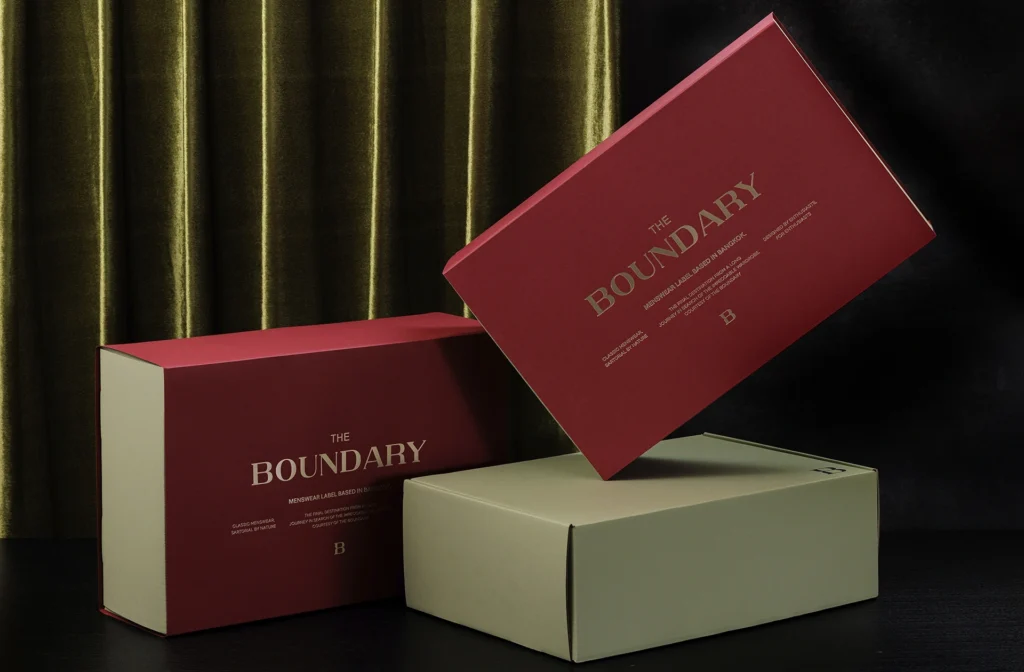
Rigid boxes, on the other hand, are the premium evolution of paper packaging. Made by laminating paper over thick greyboard, they are durable, heavy, and luxurious. Their solid structure supports advanced finishing techniques—embossing, debossing, hot stamping, and spot UV—creating a tactile, three-dimensional effect that evokes luxury.
Rigid boxes are favored by high-end brands in industries such as jewelry, perfume, watches, spirits, and luxury electronics. They are more than containers—they are physical expressions of brand value, transforming the unboxing moment into a sensory experience that enhances perceived product value.
Industry Case Study: Think of the iconic Apple iPhone unboxing experience. That precise, 3-second air resistance you feel when lifting the lid isn’t an accident—it’s achieved by calculating the exact tolerances of the rigid greyboard and the air channels. High-end brands leverage this physical feedback to create an immediate perception of premium quality.
Two-Piece Rigid Boxes (Lid and Base Boxes)
The lid-and-base box (also called telescopic or two-piece box) consists of two separate parts: the “lid” (top) and the “base” (bottom). The lid fits over the base, creating a clean, structured appearance and excellent protection.This design delivers a refined unboxing experience, often associated with high-end gifts and luxury brands.
Its simplicity and strength make it ideal for jewelry, watches, electronics, cosmetics, tea, or wine. Beyond its protective role, it transforms unboxing into a moment of ceremony, enhancing emotional connection and brand prestige.

Drawer Boxes: Elegant, Interactive, and Functional
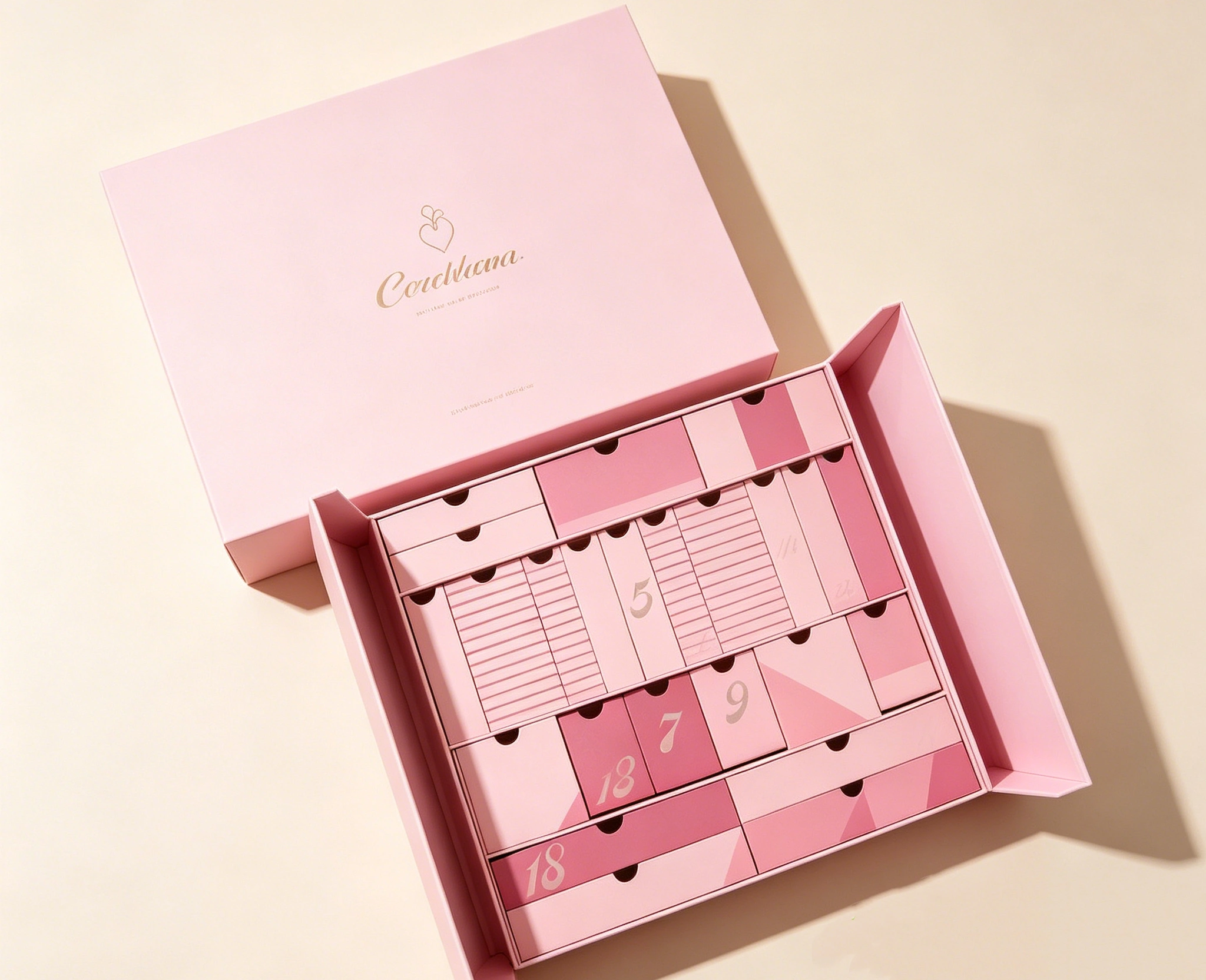
Drawer boxes feature a sliding inner tray that pulls out from an outer sleeve, creating a smooth and elegant “unboxing ritual.” They can be easily reused and provide space-efficient internal organization.
This structure allows for custom inserts or partitions, ensuring delicate items remain secure during shipping. It’s perfect for chocolates, jewelry, stationery, candles, or collectibles, offering both protection and repeated usability.Drawer boxes combine practicality, sophistication, and interaction, turning packaging into a keepsake that strengthens brand loyalty.
The Role of Material in Brand Identity
1. Material Is the Brand’s First Impression
Packaging material is like the clothes your brand wears. A recycled paper box says eco-conscious and approachable, while a rigid box with foil stamping communicates luxury and attention to detail. Before customers even touch the product, the look and feel of the packaging shape their expectations.
2. Paper Packaging: Eco-Friendly Doesn’t Mean Simple
Paper can be sustainable and elegant. Recycled paper shows social responsibility, while micro-corrugated paperboard offers strength, protection, and printability—ideal for eco-luxury brands that balance sustainability with sophistication.
3. Rigid Board: The Secret to Luxury
That weight and firmness you feel when opening a premium perfume or watch box? It’s the rigid board. It enables deep embossing, hot foil stamping, and smooth textures that make unboxing feel luxurious. The resistance when lifting the lid or sliding the drawer subtly signals quality and exclusivity.
4. Good Material Builds Emotional Connection
A thoughtfully crafted paper box enhances customer trust and loyalty. When the texture feels premium and the design thoughtful, consumers associate these feelings with the brand itself—willing to pay more for that positive experience.
Investing in quality packaging is, therefore, an investment in long-term brand equity.
How to Choose the Right Packaging Structure
Choosing the right packaging structure involves balancing product protection, brand positioning, logistics, and customer experience. Here’s how it plays out in different industries:
1. Skincare & Cosmetics Packaging: Balance of Protection and Luxury
- Premium Creams & Serums: Use Two-piece rigid boxes with custom EVA foam or molded pulp inserts for stability and luxury presentation.
- Lipsticks & Palettes: Utilize Drawer boxes (sliding boxes) to create an interactive, reusable, and engaging user experience.
- Mid-range Sets: Opt for Folding paperboard cartons with inner partitions for cost-effective yet high-quality shelf display.
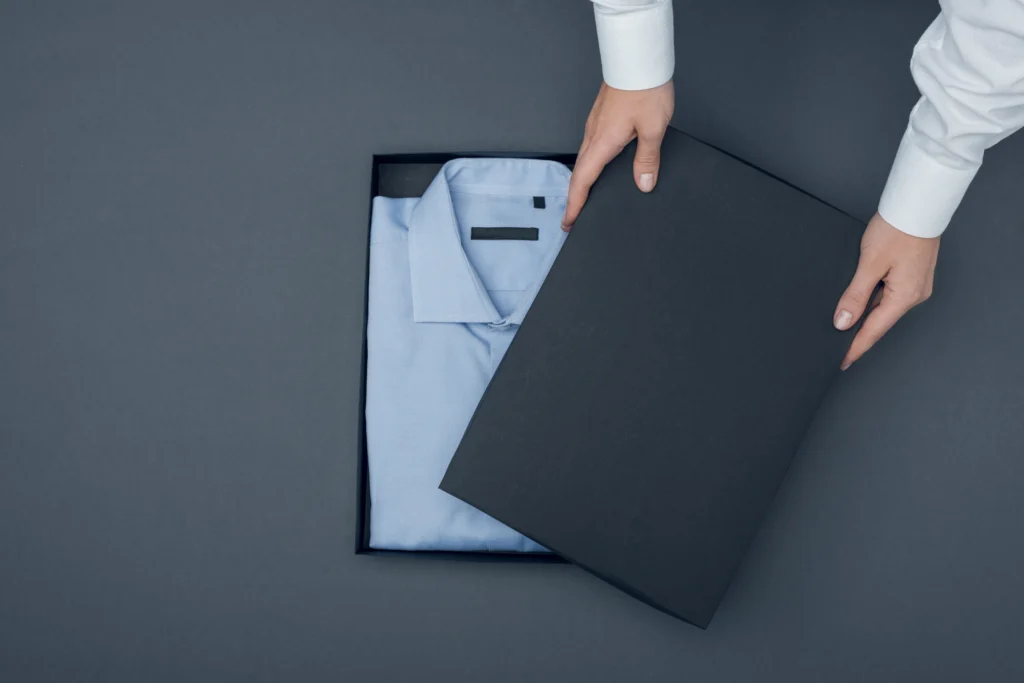
2. Apparel & Fashion Packaging: Protection Meets Unboxing Surprise
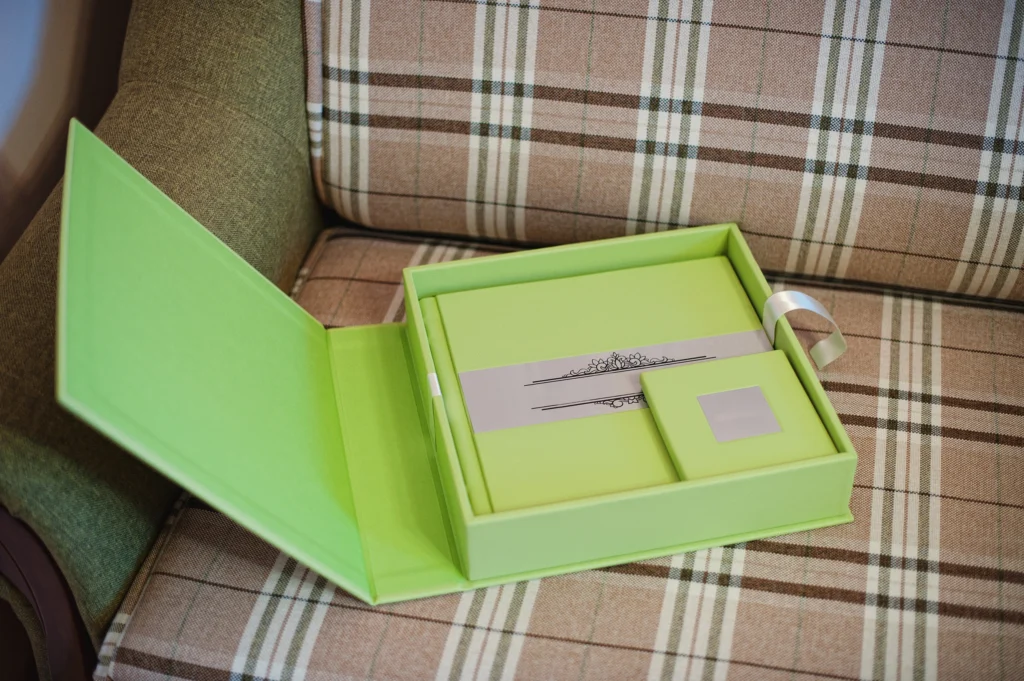
- Luxury Fashion: Deploy Magnetic rigid boxes or book-style gift boxes to preserve garment shapes and deliver a high-end ritual.
- Casual Wear (E-commerce): Choose Corrugated mailer boxes—lightweight, highly secure, and 100% customizable for branding.
3. Candle & Food Packaging: Sensory Design and Freshness
- Luxury Candles: Implement Lid-and-base rigid boxes with a custom internal neck or cardboard tray to prevent shifting during transit.
- Artisanal Chocolates: Use Slide-out drawer boxes that keep products safe while allowing easy, elegant access.
Ultimately, successful packaging finds the sweet spot between cost and experience.
A mid-range skincare brand may use a simple yet beautifully printed folding carton to control costs, while a premium candle brand should invest in a luxurious rigid box that elevates its gifting value.
The goal is simple: when customers open your box, they should feel—“This was worth every penny.‘’
FAQ
1: What is the main difference between corrugated boxes and rigid boxes?
The primary difference lies in their structure and purpose. Corrugated boxes utilize a fluted “sandwich” layer, making them lightweight, impact-resistant, and ideal for e-commerce shipping and outer protection. Rigid boxes, made from thick, non-bendable greyboard, do not collapse. They are designed for premium luxury retail (like jewelry, tech, and perfume), focusing heavily on structural prestige, weight, and a high-end unboxing experience.
2: How do I choose the right corrugated flute type for my product?
It depends on your balancing act between cushioning and printing quality:
- Choose A or C-Flute if you are shipping heavy, fragile, or large industrial goods that require maximum shock absorption.
- Choose B-Flute for structural rigidity, perfect for canned products or internal dividers.
- Choose E or F-Flute (Micro-flutes) if you are designing retail subscription boxes or cosmetics packaging where sharp, high-resolution printing is more important than heavy cushioning.
3: Is luxury rigid packaging eco-friendly?
Yes, it can be! While rigid boxes historically used mixed materials, modern sustainable packaging practices allow them to be crafted from 100% recycled greyboard and wrapped in FSC-certified paper. To ensure they remain completely eco-friendly and curbside recyclable, brands should opt for soy-based inks, water-based coatings, and avoid plastic lamination or non-separable magnetic closures.
4: How can custom paper packaging reduce my e-commerce shipping costs?
Custom-engineered paper packaging reduces costs by optimizing Dimensional Weight (DIM weight). Instead of using oversized standard boxes filled with plastic bubble wrap, designing a custom-fit corrugated mailer box minimizes dead space. This drastically cuts down on both material waste and the dimensional volume fees charged by logistics carriers like FedEx, UPS, or DHL.
5: What printing and finishing techniques work best on rigid paper boxes?
A: Because rigid board provides a completely flat and sturdy surface, it supports premium, tactile finishing techniques that folding cartons cannot handle. The most effective methods include deep embossing or debossing for tactile texture, hot foil stamping (gold, silver, or holographic) for luxury branding, and Spot UV coatings to contrast matte paper with brilliant, glossy accents.
6: Can paper packaging be integrated with “Smart Packaging” features?
Absolutely. Paper packaging is an excellent carrier for Smart and Intelligent Packaging technologies. Brands can seamlessly embed scannable QR codes, AR (Augmented Reality) triggers, or low-cost RFID/NFC tags directly into the paperboard or under the liner. This allows companies to fight counterfeiting, track supply chains in real-time, and connect consumers to digital brand experiences directly from the box.
Conclusion
Packaging today is the face of your brand—it must protect, impress, and connect emotionally. A good paper box doesn’t just hold a product; it tells your brand’s story through texture, structure, and thoughtful design.From corrugated shipping boxes that safeguard your products, to rigid luxury boxes that communicate exclusivity, smart packaging turns ordinary products into extraordinary experiences.
Because the best packaging doesn’t just wrap your product—it wraps your brand philosophy.
Ready to Elevate Your Brand’s Packaging?
Don’t let poor packaging compromise your product’s value and customer experience. Whether you need heavy-duty corrugated mailers or ultra-luxury rigid boxes, our team of structural experts is here to bring your vision to life.
👉 Get a Free Custom Packaging Quote & Design Consultation Today!