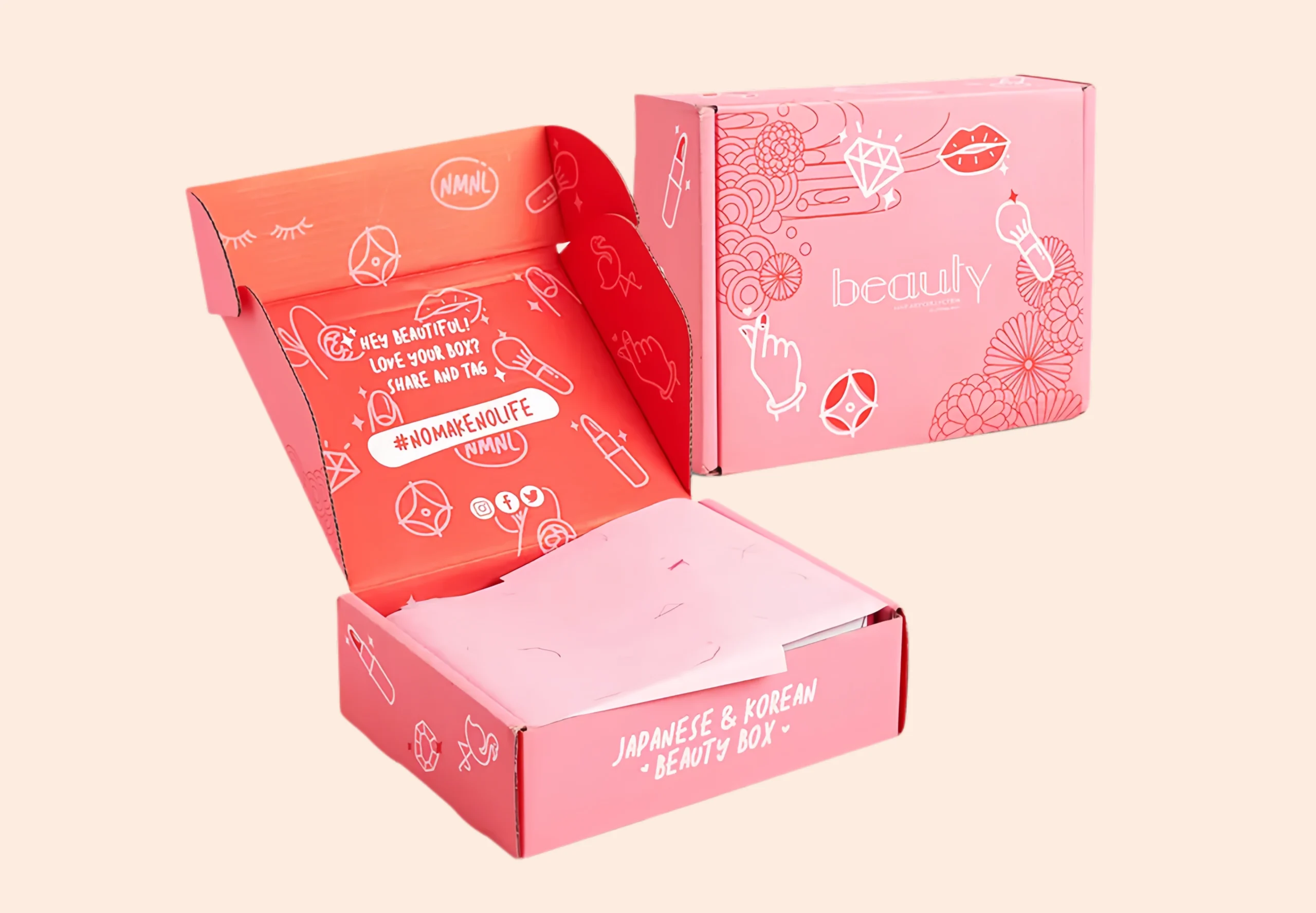
Choosing the right packaging materials is one of the most important decisions in product development, logistics, and branding. In today’s competitive market, packaging is no longer just a protective layer—it directly affects product safety, shipping efficiency, customer experience, and how your brand is perceived. The right material can help reduce damage during transit, control costs, and create a more professional and memorable unboxing experience.
Different products require different packaging solutions depending on their weight, fragility, and usage scenario. For example, fragile or high-value items often need stronger structural protection and cushioning, while lightweight products may focus more on cost efficiency and compact design. At the same time, e-commerce businesses must also consider shipping durability, dimensional weight costs, and ease of handling throughout the supply chain.
Sustainability is also becoming a key factor in packaging decisions. More businesses are turning to recyclable, biodegradable, or reusable materials to reduce environmental impact and meet growing consumer expectations for eco-friendly solutions. Whether you are operating an online store, retail brand, or manufacturing company, choosing the right packaging material can significantly improve efficiency, reduce risk, and strengthen your brand image. This guide will help you understand the main packaging materials available and how to select the most suitable option for your needs.
How to Choose the Right Packaging Material
If you want a deeper understanding of material selection, check our Packaging Materials 101 guide
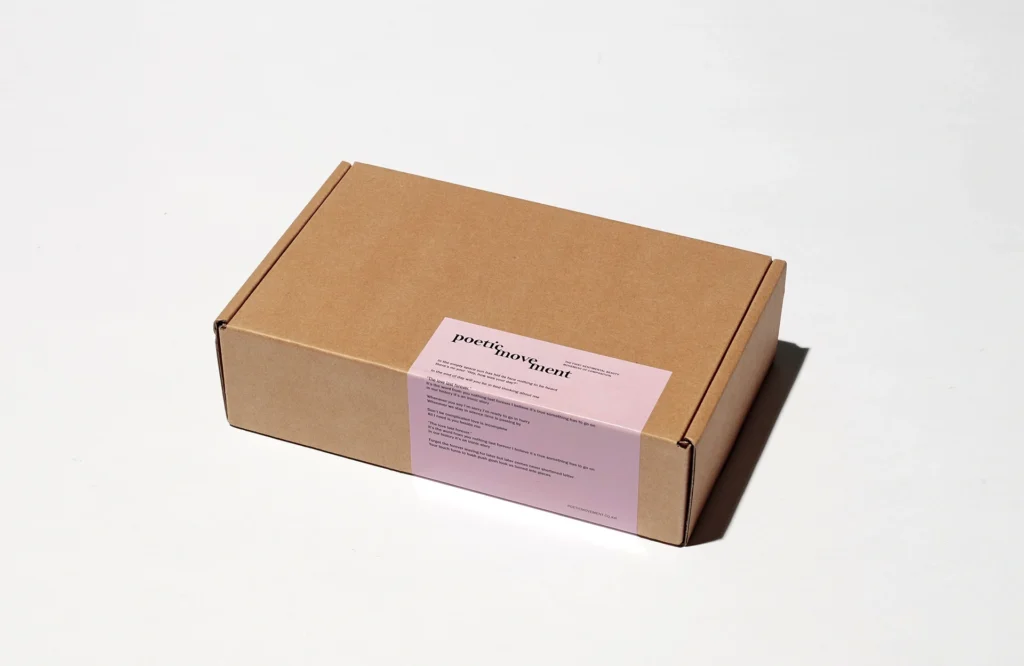
Why Packaging Materials Matter
Packaging materials play a critical role in modern business operations, far beyond simply holding or covering a product. They directly influence product safety, customer experience, operational costs, and even a brand’s long-term sustainability strategy.
Product Protection
The most fundamental function of packaging is to protect products throughout storage, handling, and transportation. Proper packaging helps minimize risks such as physical damage from impact, vibration, or compression during shipping. It also provides a barrier against external factors like moisture, dust, and temperature fluctuations, which can affect product quality. In some industries, packaging is also essential to prevent contamination and ensure products arrive in safe, usable condition.
Branding and Marketing
Packaging is often the first physical touchpoint between a brand and its customer, making it a powerful marketing tool. Well-designed, high-quality packaging can significantly enhance brand recognition and create a strong first impression. It also influences how customers perceive product value—even before they open the package. A thoughtful unboxing experience can increase customer satisfaction, encourage repeat purchases, and even generate organic social media exposure.
Cost Efficiency
Choosing the right packaging materials can have a direct impact on overall business costs. Efficient packaging design helps reduce shipping weight and volume, which can lower transportation expenses. At the same time, durable and well-structured packaging reduces the risk of product damage, helping to minimize return rates and replacement costs. Optimized material usage also helps avoid unnecessary waste, improving overall operational efficiency.
Sustainability
Sustainability has become an increasingly important factor in packaging decisions. Many consumers today prefer brands that use recyclable, biodegradable, or reusable materials. By adopting eco-friendly packaging solutions, businesses can reduce their environmental footprint while also strengthening their brand reputation. In many cases, sustainable packaging is not only a responsibility but also a competitive advantage in the market.
Main Types of Packaging Materials
Kraft Paper Packaging
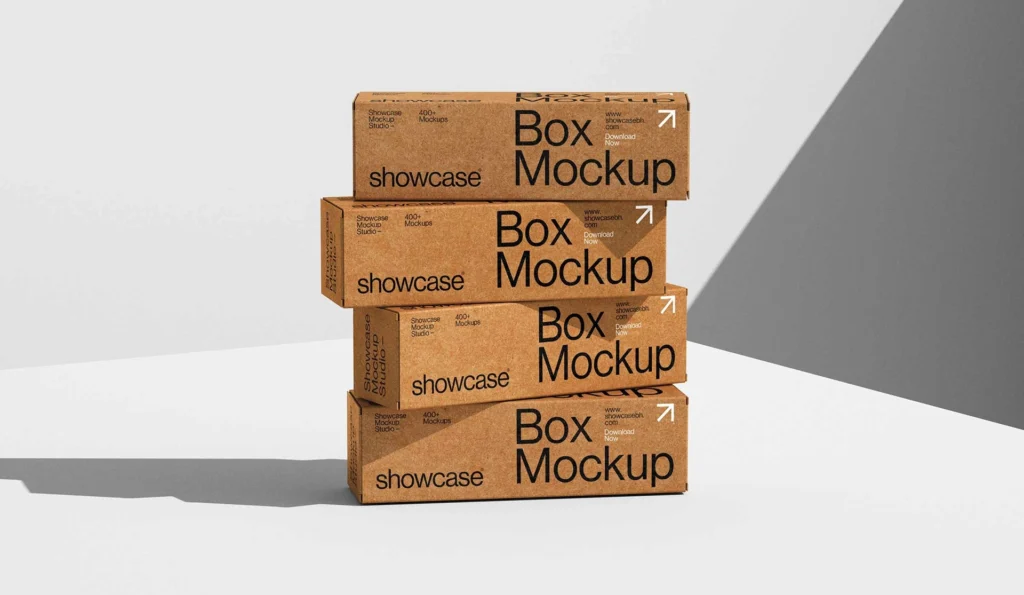
Kraft paper is one of the most widely used eco-friendly packaging materials, made from long wood fibers that give it high strength, flexibility, and durability. It is commonly used by brands that want a natural, sustainable, and minimalistic packaging look while still ensuring reliable product protection.
Kraft paper offers strong tear resistance and good load-bearing capacity, making it suitable for both lightweight and moderately heavy products. It is fully recyclable and biodegradable, which makes it an environmentally responsible choice. In addition, its natural brown texture gives a clean, organic appearance that is popular among eco-conscious brands.If you want to explore more about sustainable material selection, you can read our Packaging Materials 101 guide, which explains how different packaging materials are evaluated for performance and branding impact.Kraft paper is widely used for e-commerce shipping bags, protective wrapping for products, and packaging for heavier or bulk goods that require basic surface protection during transit.
Corrugated Cardboard
Corrugated cardboard is a highly functional structural packaging material made from multiple layers, typically including outer linerboards and a fluted inner layer. This design provides excellent strength while remaining lightweight, making it ideal for transportation and logistics.
It offers strong cushioning and shock absorption, helping protect products from impact during shipping. Its high compression strength allows boxes to be stacked safely in warehouses or during transport. Despite its durability, it remains lightweight, which helps reduce shipping costs.
Flute Types:
A-flute provides the best cushioning performance for fragile items.
B-flute offers stronger stacking strength and puncture resistance.
C-flute delivers a balanced combination of strength and cushioning.
E/F-flute features a finer structure, making it ideal for high-quality printing and retail packaging.
.Corrugated cardboard is commonly used for shipping boxes, e-commerce packaging, and industrial logistics where durability and cost efficiency are essential.For a deeper understanding of how structural packaging choices affect cost and performance, check our packaging material selection guide.
White Cardboard
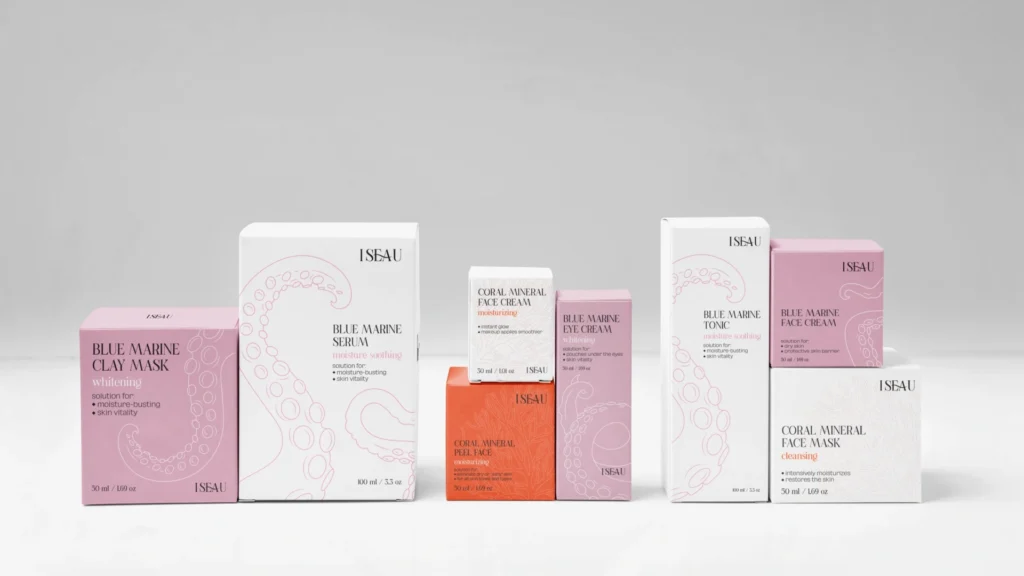
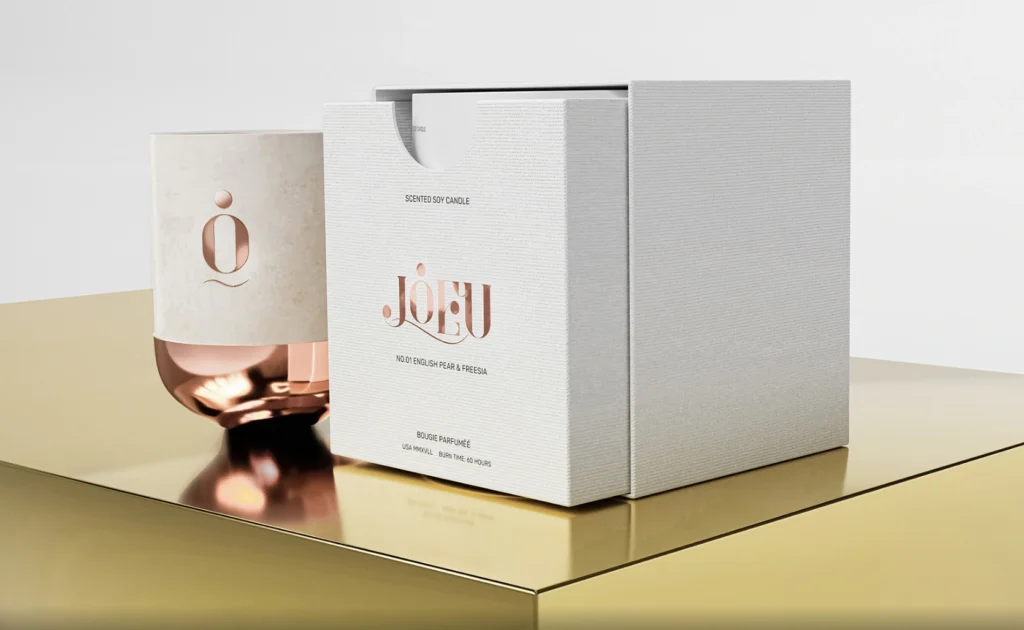
White cardboard is a coated paperboard widely used in premium packaging applications where appearance and print quality are important. It provides a clean, bright surface that enhances branding and visual presentation.Its smooth surface allows for high-resolution printing, making colors appear more vivid and detailed. It also supports advanced finishing techniques such as embossing, foil stamping, and UV coating, which help create a more premium look. It is available in different finishes, including matte, glossy, and soft-touch, depending on branding needs.
White cardboard is commonly used in cosmetics packaging, electronics boxes, and high-end retail packaging where visual appeal plays a key role in customer perception.Not sure whether white cardboard is the best option for your packaging project? Our guide on how to choose paper for packaging design breaks down different materials to help you make the right decision.
Grey Board (Rigid Board)
Grey board, also known as rigid board, is a dense and highly durable paperboard used for premium structural packaging. It is significantly thicker and stronger than standard paperboard materials, making it ideal for luxury and high-value product packaging.It offers excellent stiffness and structural stability, ensuring that packaging maintains its shape even under pressure. Grey board is commonly used as the base structure for rigid boxes and can be combined with various surface materials for enhanced aesthetics. It also supports advanced finishing techniques such as lamination, embossing, and specialty coatings.
Grey board is widely used for gift boxes, jewelry packaging, and premium product packaging where both protection and presentation are equally important.For luxury packaging projects, you can explore our custom rigid box packaging solutions, which combine grey board structure with premium finishing techniques.
How to Choose the Right Packaging Material
Based on Product Characteristics
Packaging should match the product’s weight, fragility, and shape. Heavy items require stronger materials like corrugated cardboard or kraft paper, while lightweight products can use white cardboard or folding cartons. Fragile goods need layered protection such as corrugated boxes combined with bubble wrap or inserts. For irregular shapes, flexible materials like kraft paper or custom inserts help secure the product and reduce movement.
Based on Shipping Requirements
Different shipping distances require different protection levels. Long-distance or international shipping needs durable corrugated boxes that can withstand rough handling and environmental changes. Local deliveries can use lighter folding cartons to reduce cost. For international logistics, moisture-resistant and sturdy materials are especially important to ensure product safety.
Based on Brand Positioning
Packaging should reflect brand identity. Luxury brands often use rigid grey board boxes with premium finishes, while eco-friendly brands prefer kraft paper with simple, natural designs. Tech or modern brands usually choose clean white cardboard packaging for a minimal and professional look.
Based on Budget
Budget directly affects material selection. Low-cost options include kraft paper and basic corrugated boxes. Mid-range packaging often uses printed corrugated or white cardboard. High-end packaging typically involves rigid boxes with premium finishes for a more refined appearance.
Based on Sustainability Goals
Sustainable packaging is increasingly important. Options like FSC-certified paper, recycled materials, and biodegradable packaging help reduce environmental impact. Many brands are also moving toward plastic-free solutions, which not only support the environment but also enhance brand reputation and customer trust.
Common Packaging Applications
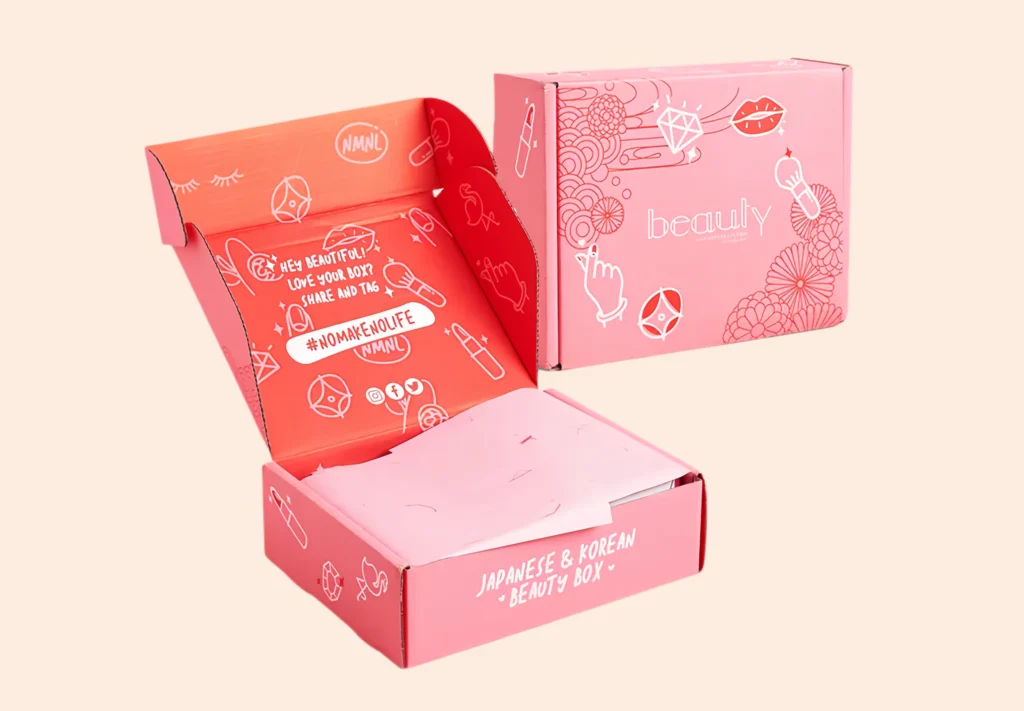
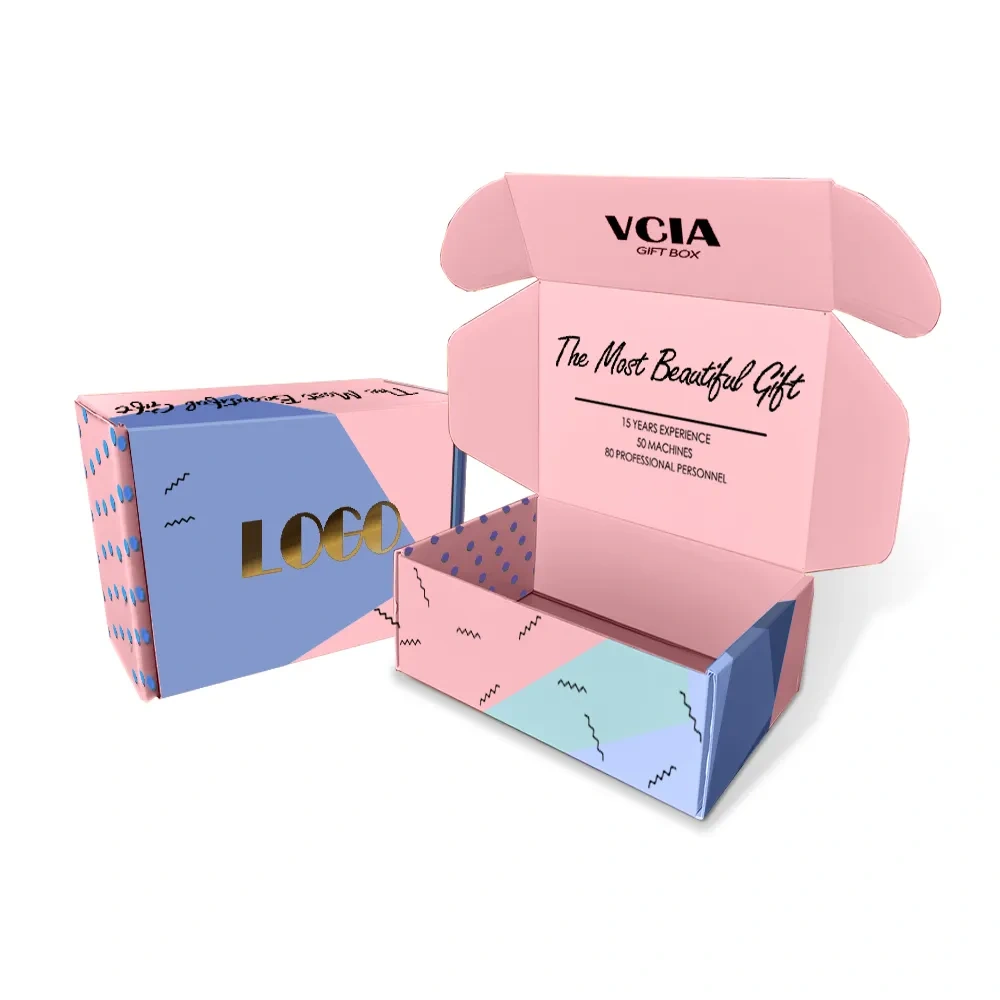
E-commerce packaging needs to balance protection, cost efficiency, and brand presentation, since products often go through multiple handling and shipping stages before reaching customers. Common solutions include corrugated cardboard boxes, mailer boxes, and protective kraft paper fillers.
Corrugated boxes are widely used because they provide strong structural support and help prevent damage during transit. Mailer boxes are especially popular for online brands as they are easy to assemble and create a clean, branded unboxing experience. Inside the package, kraft paper fillers or paper-based cushioning materials are often used to secure products, reduce movement, and provide additional shock absorption.
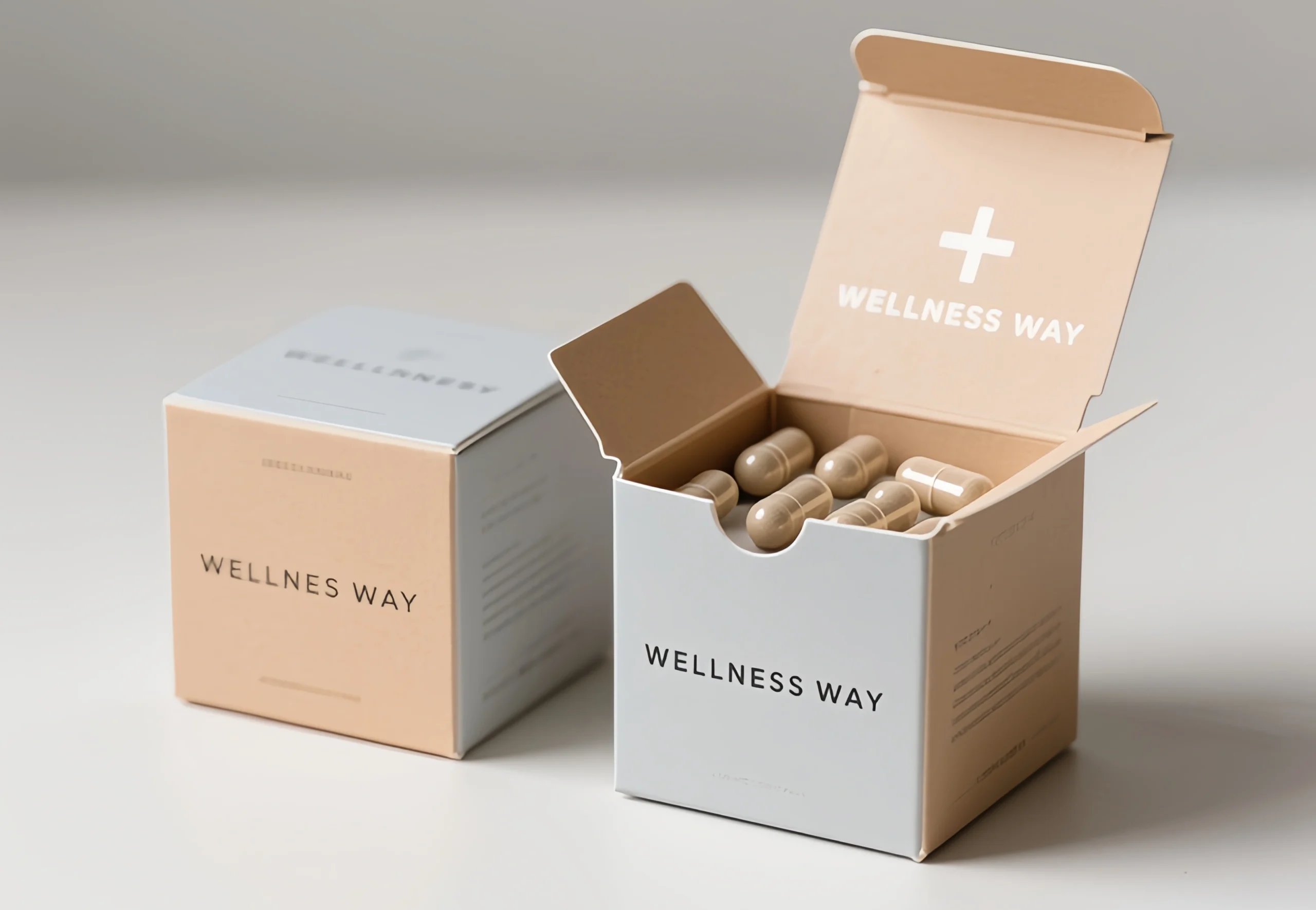
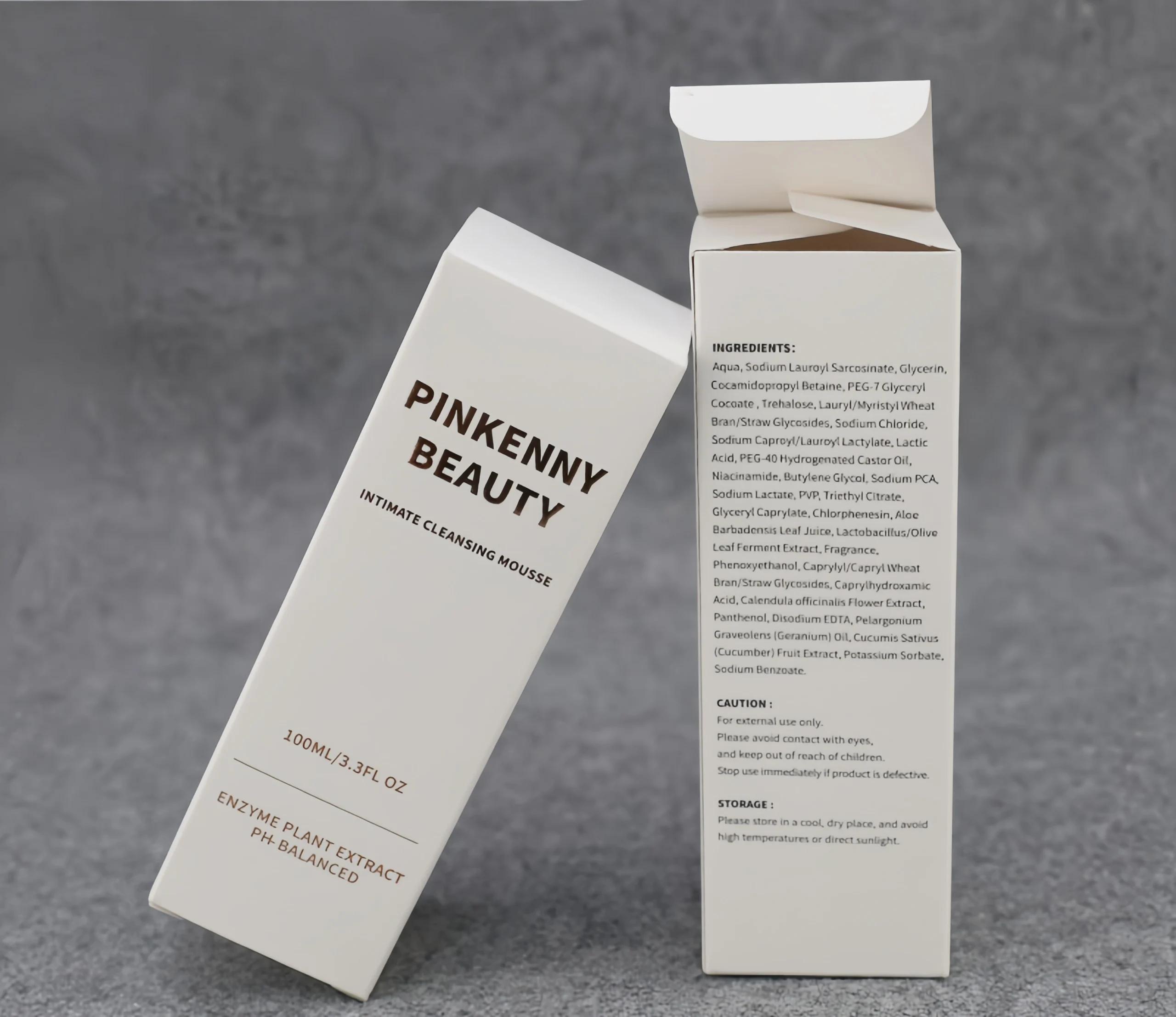
Retail packaging is designed to attract attention on shelves and communicate brand identity instantly. It needs to be visually appealing while still offering sufficient protection for storage and display. Common materials include white cardboard cartons and printed folding boxes.
White cardboard is often chosen for its smooth surface, which allows high-quality printing and vibrant color representation. Printed folding boxes are widely used in retail environments because they can be easily customized with brand visuals, product information, and marketing elements. These packaging types help products stand out in competitive retail spaces and influence purchasing decisions.
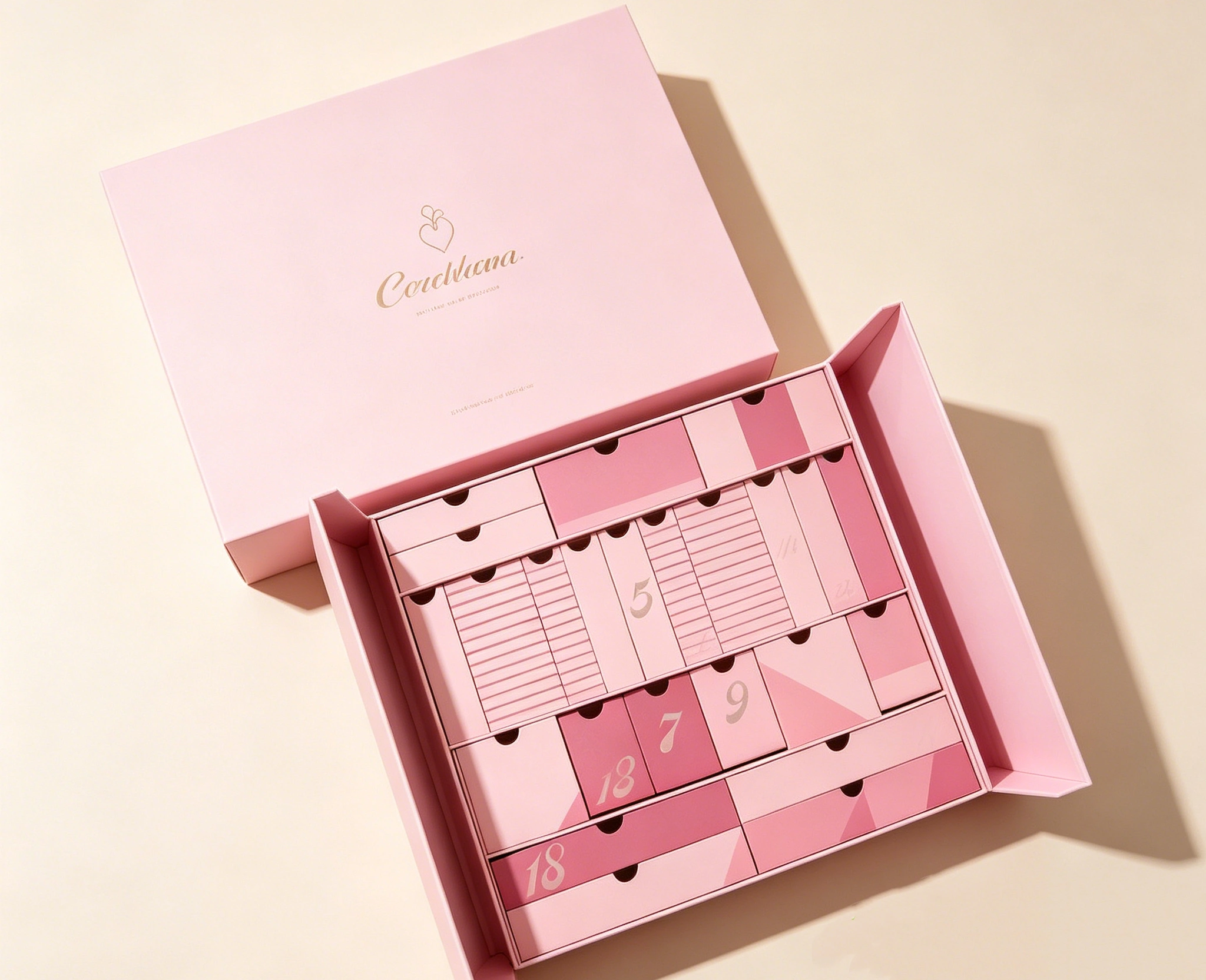
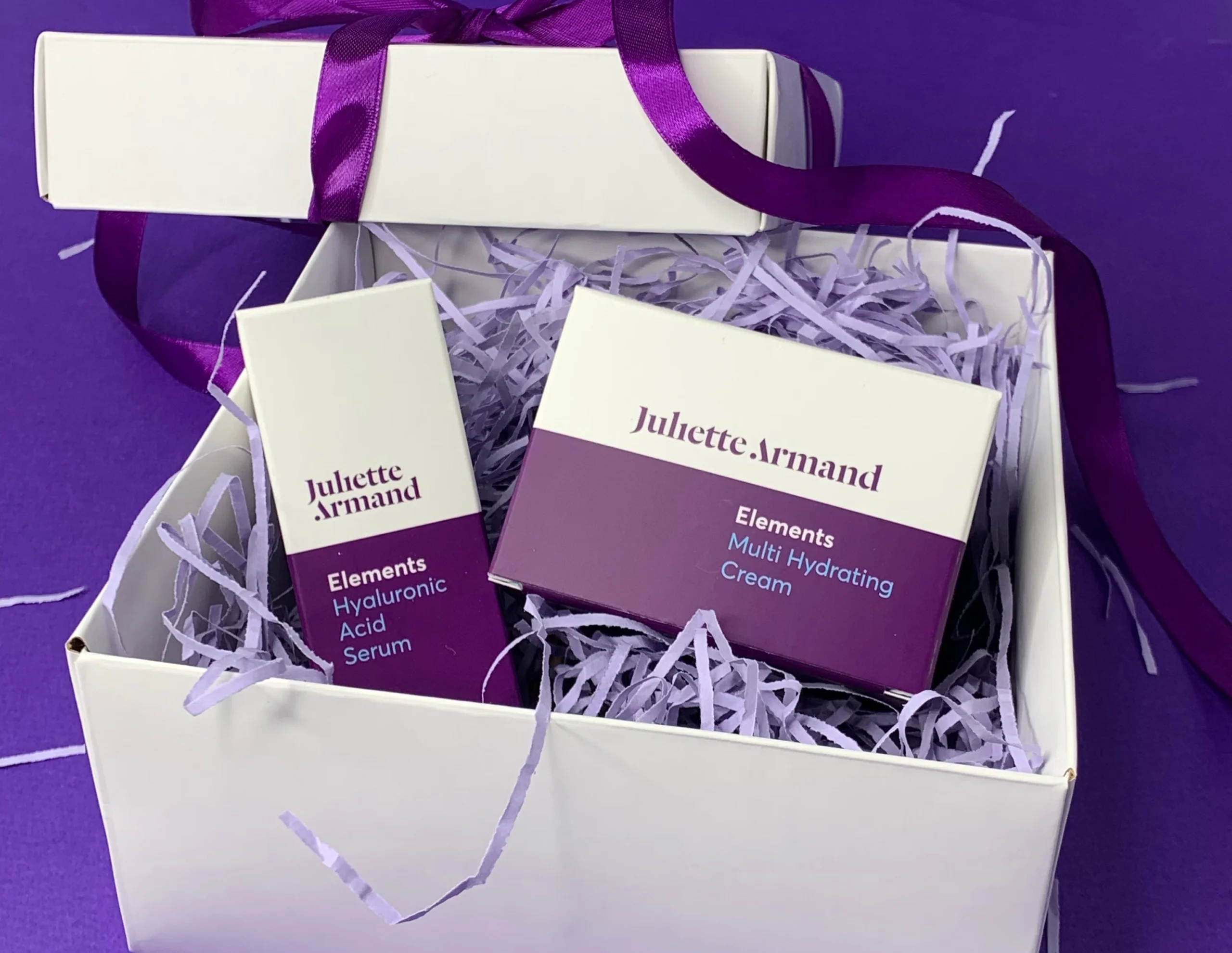
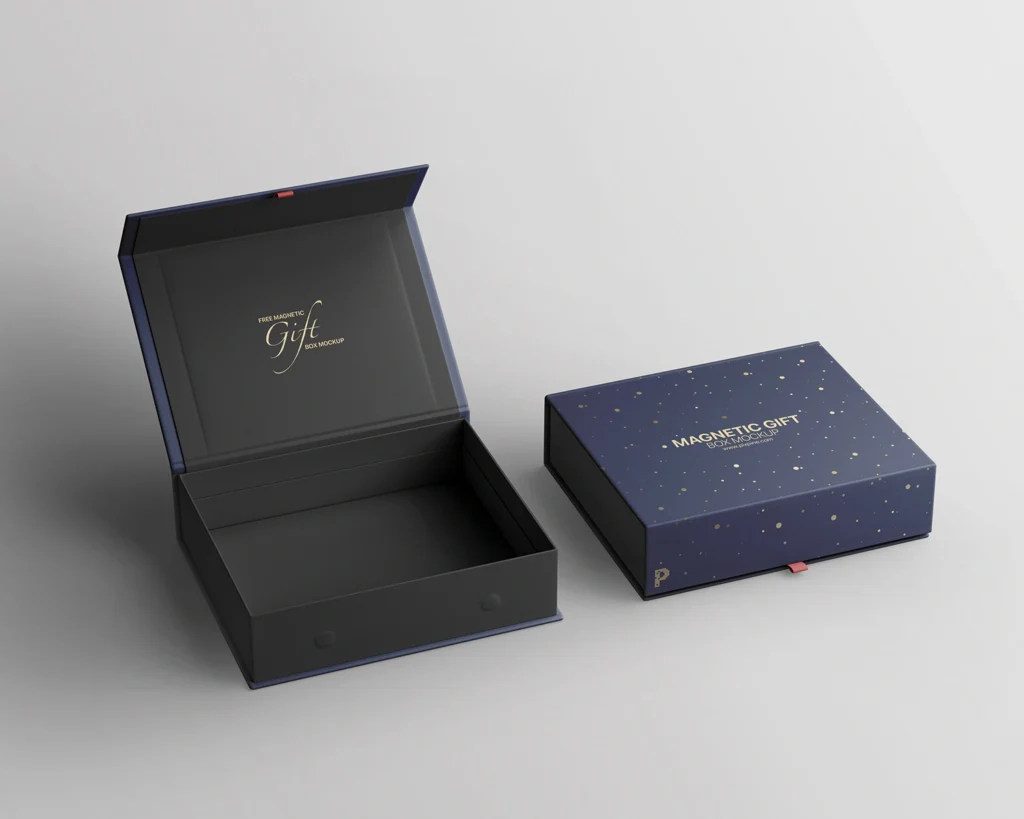
Gift packaging focuses heavily on presentation and emotional value, as it enhances the overall experience of receiving a product. Common options include grey board rigid boxes and decorative paper packaging.
Rigid boxes made from grey board provide a strong and premium structure, making them ideal for high-value or luxury gifts. They can be combined with finishing techniques such as soft-touch lamination, foil stamping, or embossing to enhance the tactile and visual experience. Decorative paper packaging adds aesthetic value and is often used to create a more personalized or festive look.
Food packaging must prioritize safety, hygiene, and regulatory compliance while also maintaining practicality and visual appeal. Common materials include food-grade kraft paper and grease-resistant paper.
Food-grade kraft paper is widely used for bakery items, snacks, and takeaway packaging due to its safety and eco-friendly nature. Grease-resistant paper is specially treated to prevent oil or moisture penetration, making it suitable for fast food, fried items, and ready-to-eat meals. In all cases, food packaging must meet strict hygiene standards to ensure product safety and consumer trust.
Professional Packaging Tips
Optimize Material Thickness
Choosing the correct material thickness is essential for balancing protection and cost. Using overly thick or heavy materials can unnecessarily increase production and shipping costs without adding real value. Instead, packaging should be selected based on product weight and fragility. For example, corrugated cardboard should be chosen with the appropriate flute type, while paper-based materials should use suitable GSM levels to ensure enough strength without over-engineering the packaging.
Improve Structural Design
Good packaging is not only about material strength but also structural design. Well-designed packaging can significantly improve product protection during transit. Features such as die-cut structures, custom inserts, and internal partitions help secure the product in place and reduce movement inside the box. These structural elements also help distribute external pressure more evenly, reducing the risk of damage even when the packaging is handled roughly.
Enhance Unboxing Experience
The unboxing experience has become an important part of modern branding, especially in e-commerce and premium retail. Small details can greatly influence how customers perceive your brand. Adding elements such as printed logos, custom tissue paper, branded inserts, or thank-you cards can make the packaging feel more thoughtful and professional. These enhancements not only improve customer satisfaction but can also encourage repeat purchases and social media sharing.
Reduce Shipping Costs
Packaging decisions directly affect logistics expenses, especially in large-scale shipping operations. Using lightweight yet durable materials, such as corrugated cardboard, can significantly reduce shipping weight and dimensional costs. Optimizing box size to fit products more efficiently also helps avoid wasted space, which further reduces shipping fees. A well-balanced packaging strategy ensures both product protection and cost efficiency across the supply chain.
Future Trends in Packaging Materials
The packaging industry is shifting toward more sustainable, intelligent, and brand-focused solutions driven by both consumer demand and environmental regulations.
Sustainable and Plastic-Free Materials
More brands are replacing plastic with recyclable, biodegradable, and renewable materials such as kraft paper and molded pulp. This shift helps reduce environmental impact and meets growing consumer expectations for eco-friendly packaging.
Smart Packaging with QR Codes
Smart packaging is becoming more popular by integrating QR codes or digital tags. This allows customers to access product details, instructions, or brand content instantly, creating a more interactive and connected experience.
Minimalist Luxury Packaging
Luxury brands are moving toward simple, clean designs with subtle textures and premium finishes. This minimalist approach reduces visual clutter while enhancing elegance and perceived product value.
Fully Recyclable Mono-Material Packaging
Mono-material packaging uses a single type of material, making recycling easier and more efficient. It supports circular economy goals and reduces waste caused by mixed-material packaging.Overall, brands that adopt these trends early can improve sustainability, strengthen brand image, and gain a competitive advantage in the market.
FAQs
1. What is the most commonly used packaging material?
Corrugated cardboard is the most widely used packaging material due to its strength, lightweight structure, and cost efficiency. It is suitable for shipping, e-commerce, and logistics applications.
2. How do I choose between kraft paper and corrugated cardboard?
Kraft paper is better for wrapping, lightweight protection, and eco-friendly branding, while corrugated cardboard is better for structural protection and shipping boxes. The choice depends on product weight and protection needs.
3. What packaging material is best for luxury products?
Grey board rigid boxes are the best choice for luxury products. They offer a strong structure and support premium finishes like embossing, foil stamping, and soft-touch lamination.
4. Is eco-friendly packaging more expensive?
Not always. Some eco-friendly materials like kraft paper and recycled cardboard are cost-effective. While certain premium sustainable materials may cost slightly more, they can improve brand value and customer trust.
5. What packaging is best for e-commerce businesses?
Corrugated cardboard boxes combined with protective fillers (such as kraft paper or inserts) are ideal for e-commerce. They provide durability, cost efficiency, and good unboxing experience.
6. Why is packaging important for branding?
Packaging is often the first physical interaction customers have with your brand. Good packaging improves perceived product value, enhances customer experience, and strengthens brand recognition.
Conclusion
Selecting the right packaging materials is not just a technical choice, but a strategic business decision that influences the entire product lifecycle—from production and storage to transportation, branding, and customer experience. The right packaging helps ensure products arrive safely, reduces operational risks, and enhances the overall perception of your brand in the market.
By carefully understanding material properties, product characteristics, and different market demands, businesses can develop packaging solutions that achieve the right balance between protection, cost efficiency, and visual appeal. A well-planned packaging strategy also helps improve supply chain efficiency and reduce unnecessary waste or damage-related losses.
In today’s highly competitive global market, effective packaging goes beyond basic protection. The most successful packaging solutions are those that combine functionality, sustainability, cost control, and strong brand identity. Businesses that invest in thoughtful packaging design are better positioned to build customer trust, improve satisfaction, and achieve long-term growth.
Looking for custom packaging solutions that combine quality, branding, and sustainability?
At Hainan Lucklin Technology Co., Ltd, we provide tailor-made packaging for e-commerce, retail, and luxury brands.
Contact us today to get a custom quote for your packaging project.