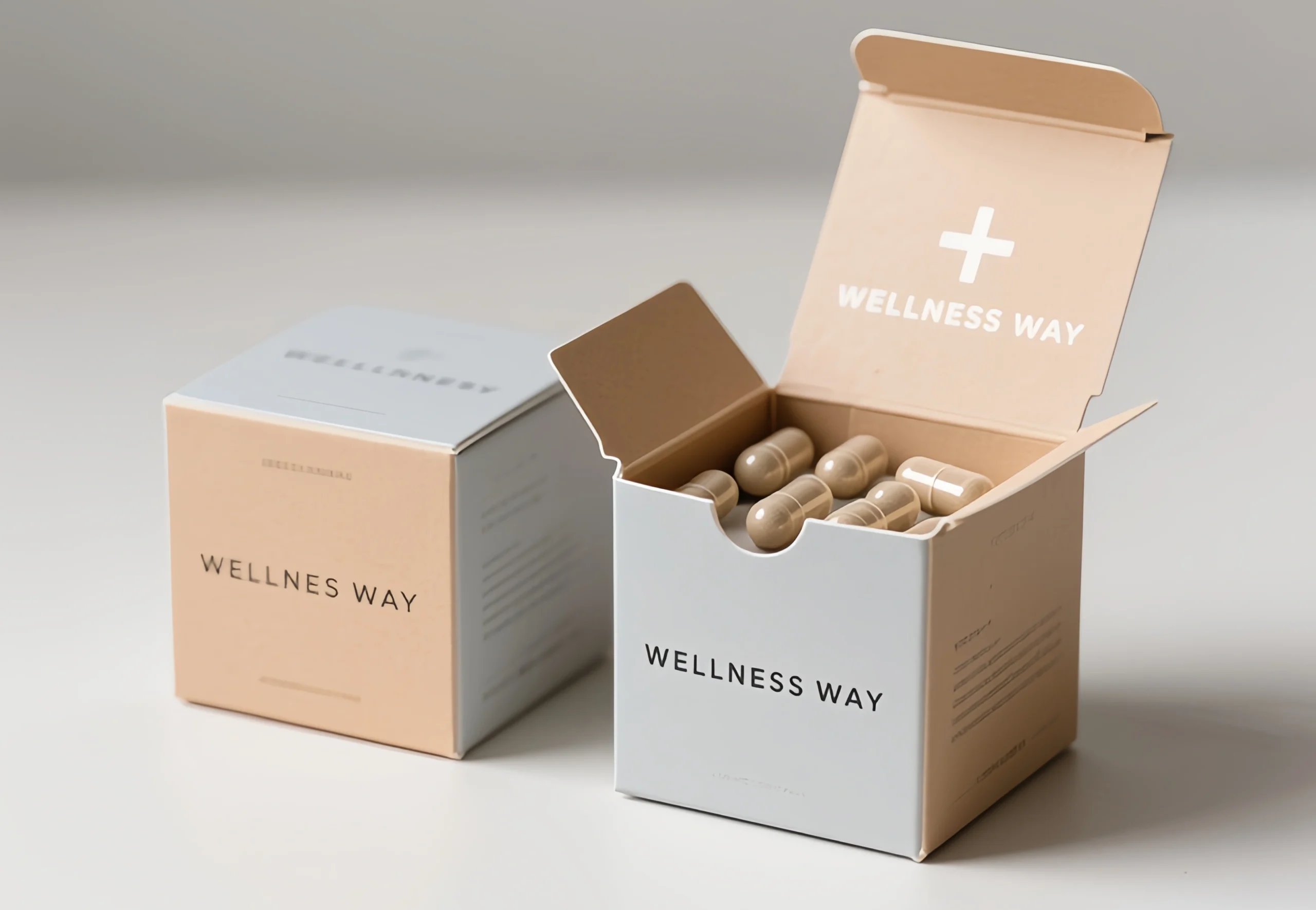
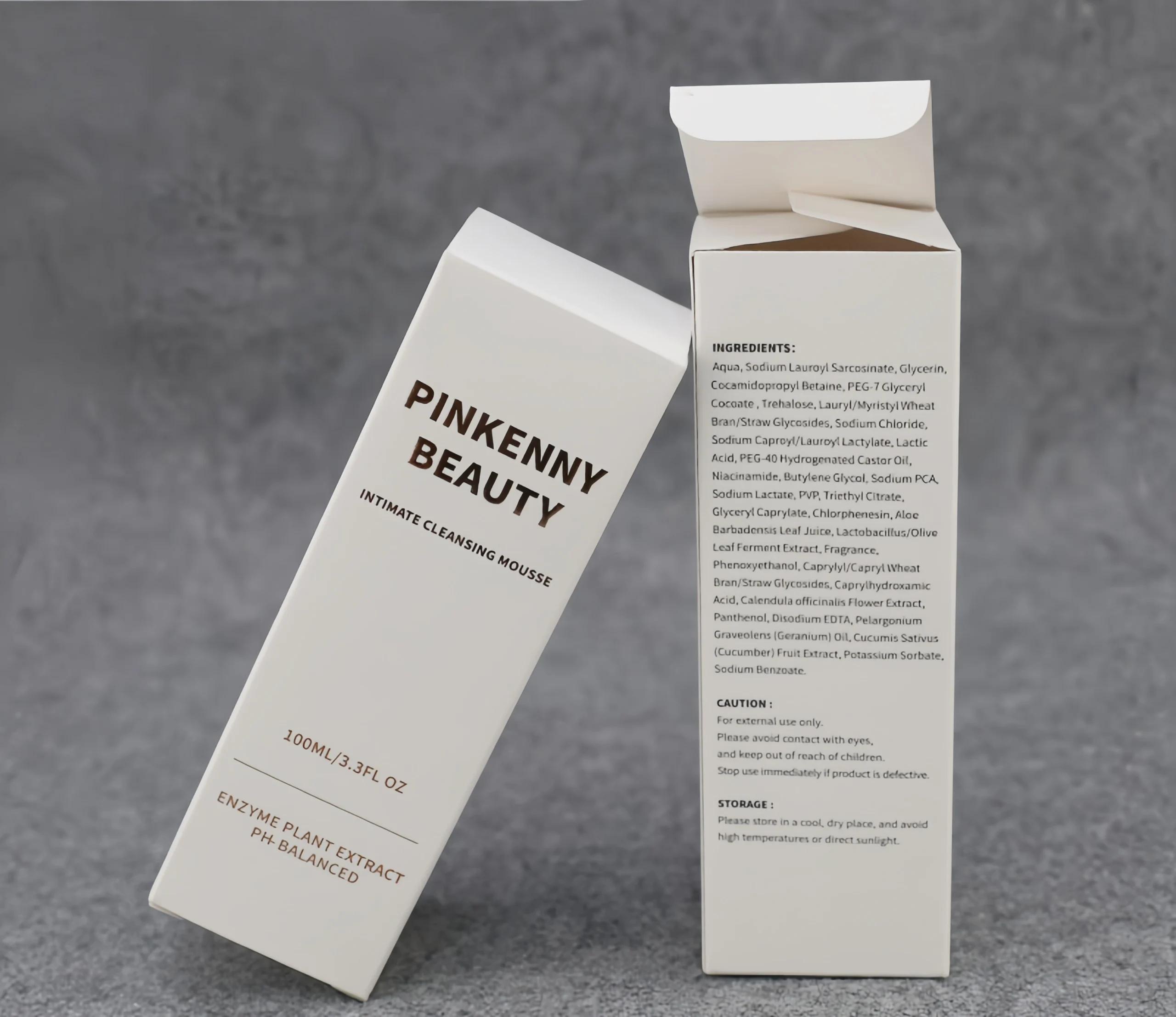
In today’s retail and e-commerce environment, packaging plays a role far beyond simply protecting clothing. Thoughtfully designed packaging not only prevents damage during transportation but also leaves a lasting impression on customers through its appearance and unboxing experience. Receiving beautiful packaging often brings delight to customers, which can strengthen brand recall and make them more likely to choose your products next time.
For brands targeting overseas markets, packaging serves not only as a protective shell but also as a vehicle to convey brand story and style.Customers often ask: Are the materials eco-friendly? Are they suitable for international shipping? Are there beautiful yet cost-effective options? Can the packaging reflect our brand style? These questions indicate that customers want packaging that is both practical and enhances brand perception.
Define Brand Positioning and Target Audience
Before choosing fashion packaging, it is essential to define your brand positioning and target audience. Different brand styles and customer groups have varied packaging requirements. Understanding your brand’s identity and your consumers’ preferences ensures packaging that is both attractive and functional, while effectively engaging customers.
Impact of Brand Style on Packaging
- Luxury Brands: Use rigid boxes, high-quality matte or glossy coatings, and foil stamping to convey premium quality. Sleek and elegant designs, drawer-style boxes, compartments, or ribbons enhance the ceremonial unboxing experience.
- Budget-Friendly Brands: Use corrugated boxes, eco-friendly paper bags, or recyclable materials. Designs are simple with subtle printing techniques like spot UV or embossing, focusing on durability and storage efficiency.
- Trendy / Youth-Oriented Brands: Lightweight, easily printed, or reusable materials with bold colors and playful graphics. Incorporate QR codes or social media tags, innovative folding, drawer, or multi-layer designs for interactive unboxing.
Understanding Customer Needs
- Young Consumers: Seek creative, photogenic packaging suitable for social media sharing. Prefer sustainable and recyclable materials.
- Business & Mature Consumers: Value quality, practicality, and elegance. Focus on protection, durability, and professional presentation.
Choose Packaging Materials and Printing Techniques
Packaging Material Selection
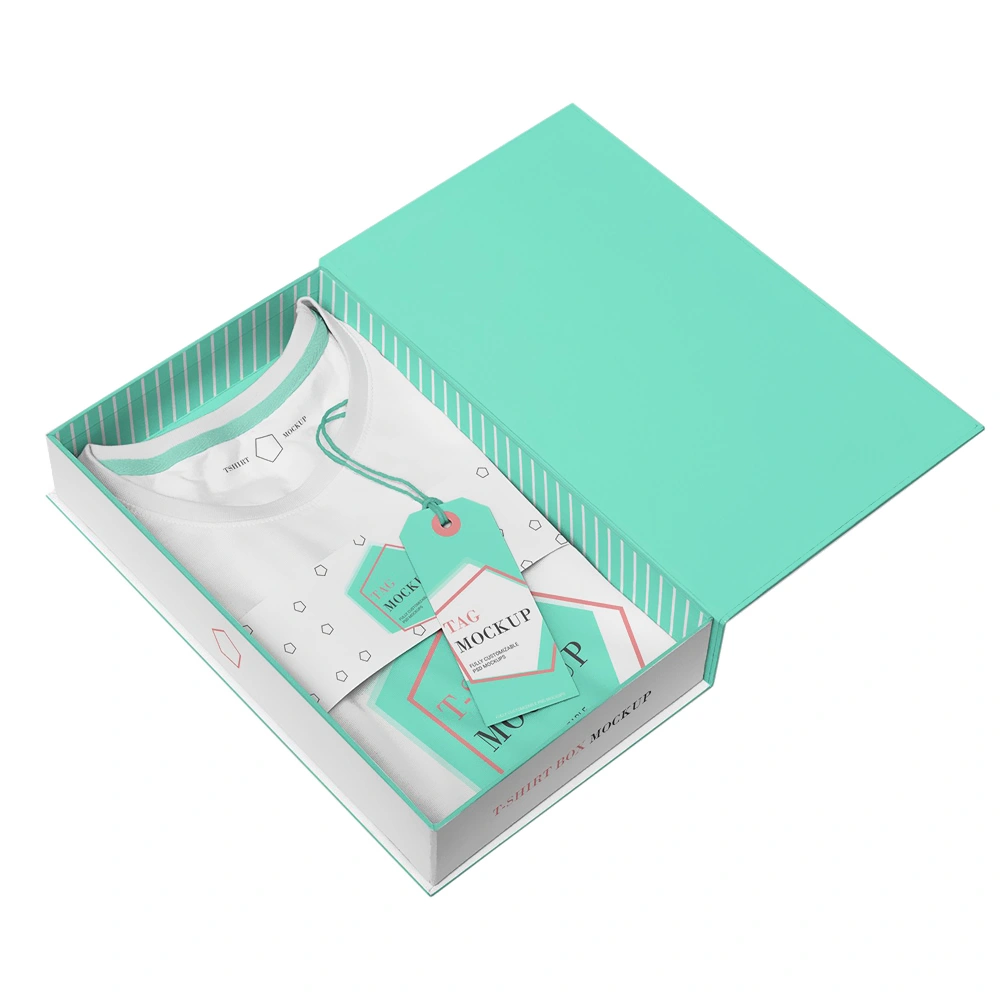
- Rigid Boxes (Rigid Box / Carton Box): Thick, sturdy, ideal for luxury clothing, gift sets, or limited editions. Enhances premium feel.
- Corrugated Boxes (Corrugated Box): Lightweight, shock-absorbent, suitable for e-commerce and budget brands. Customizable with logo or full-print designs.
- Paper Bags and Eco-Friendly Materials: Light, flexible, and aligned with sustainability trends. Can showcase social responsibility without compromising style.
Printing and Surface Finishes
- Printing Methods: Offset printing for large volumes, digital printing for small batches, and screen printing for special materials.
- Surface Treatments: Matte/gloss laminations, foil stamping, spot UV, and embossing enhance visual appeal and tactile experience.
Packaging Design Details and Functionality
Core Design Principles
- Brand Recognition: Prominent logo placement, consistent colors, and appropriate fonts/graphics.
- Visual Balance and Layering: White space, color contrast, and spot finishes create depth.
- Unboxing Experience: Drawer-style or magnetic closure boxes, sturdy handles for paper bags, and reusable packaging for added value.
Functionality and Practicality
- Protection: Inserts, compartments, or waterproof coatings.
- Size Appropriateness: Packaging dimensions should match clothing type to optimize space and shipping efficiency.
- Stackability & Sustainability: Stable, stackable designs using eco-friendly materials.
Practical Design Tips
- Maintain visual consistency across boxes, bags, tags, and stickers.
- Use interior space for product protection, exterior for branding.
- Include emotional touches, like thank-you cards or brand stories.
- For international shipping, consider folding structures, weight, and compression resistance.
Choose Packaging Types Based on Product
| Packaging Type | Best For | Key Features | Eco-Friendliness |
|---|---|---|---|
| Mailer Box | T-shirts, Jeans, Sweaters | Double-wall, highly protective for intl shipping | High (Recyclable corrugated cardboard) |
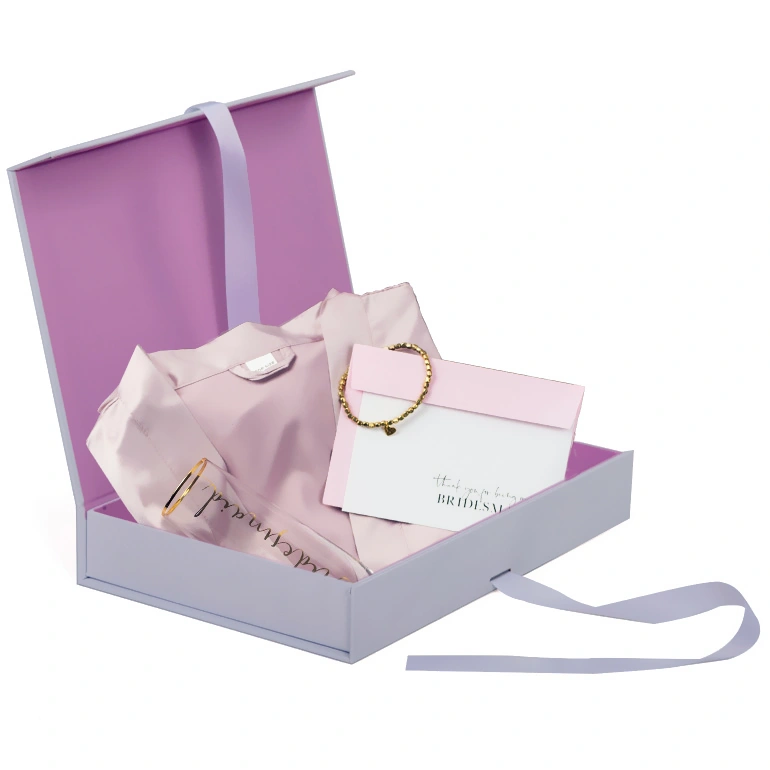
| Rigid Box | Luxury garments, Gift sets | Premium feel, magnetic/drawer closure | Medium (Requires high-quality paper) |
| Paper Bag | Retail, Pop-up shops | Lightweight, customizable handles | High (Biodegradable) |
| Eco Bag | Sportswear, Trendy brands | Reusable, non-woven fabric or cotton | Excellent (Long lifecycle) |
Mailer Boxes / Shipping Boxes
Strong and protective, suitable for T-shirts, sweaters, jeans, coats, and loungewear. Use single or double-wall construction with interior branding elements. Customizable exterior printing enhances brand recognition.
Gift Boxes / Rigid Boxes
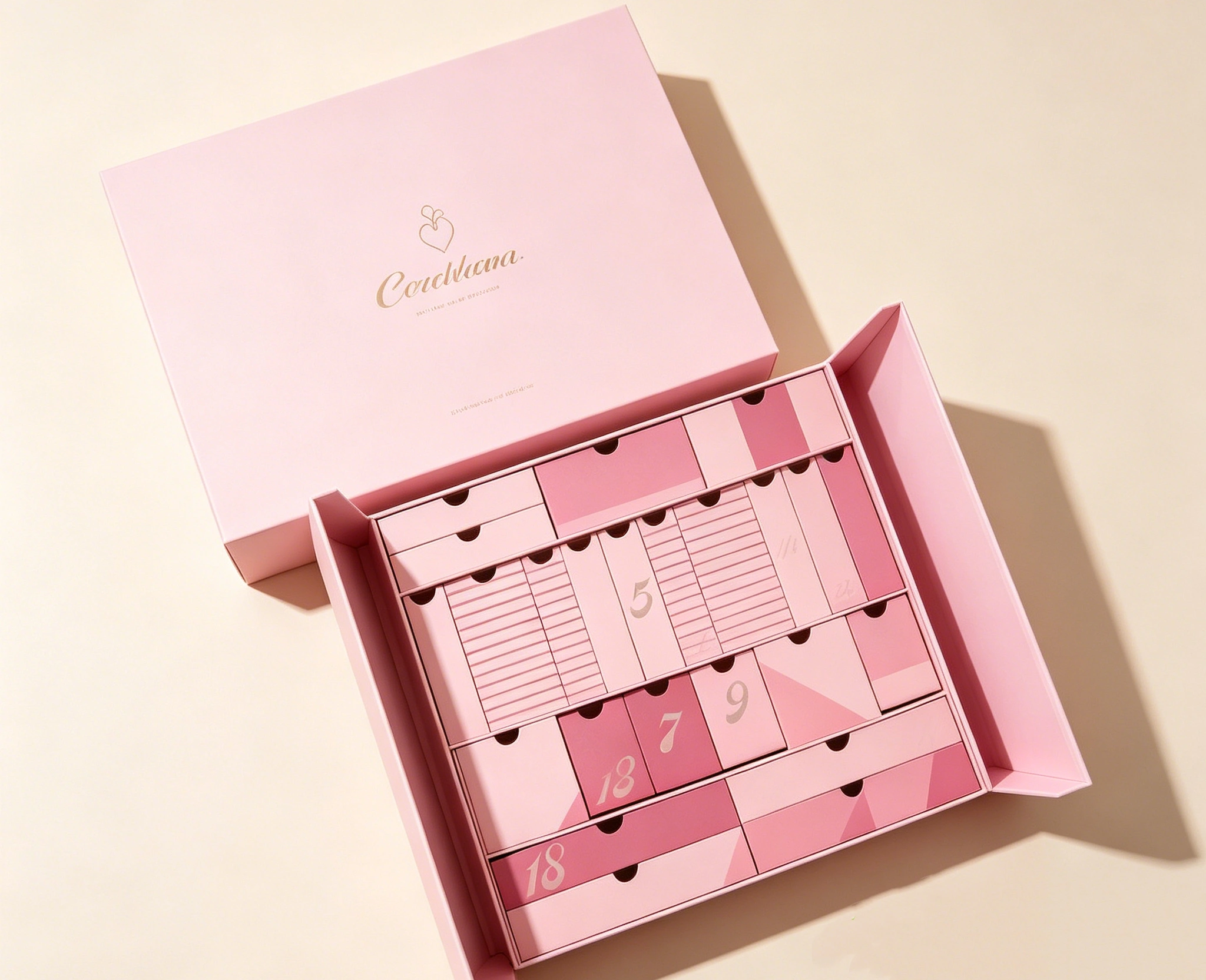
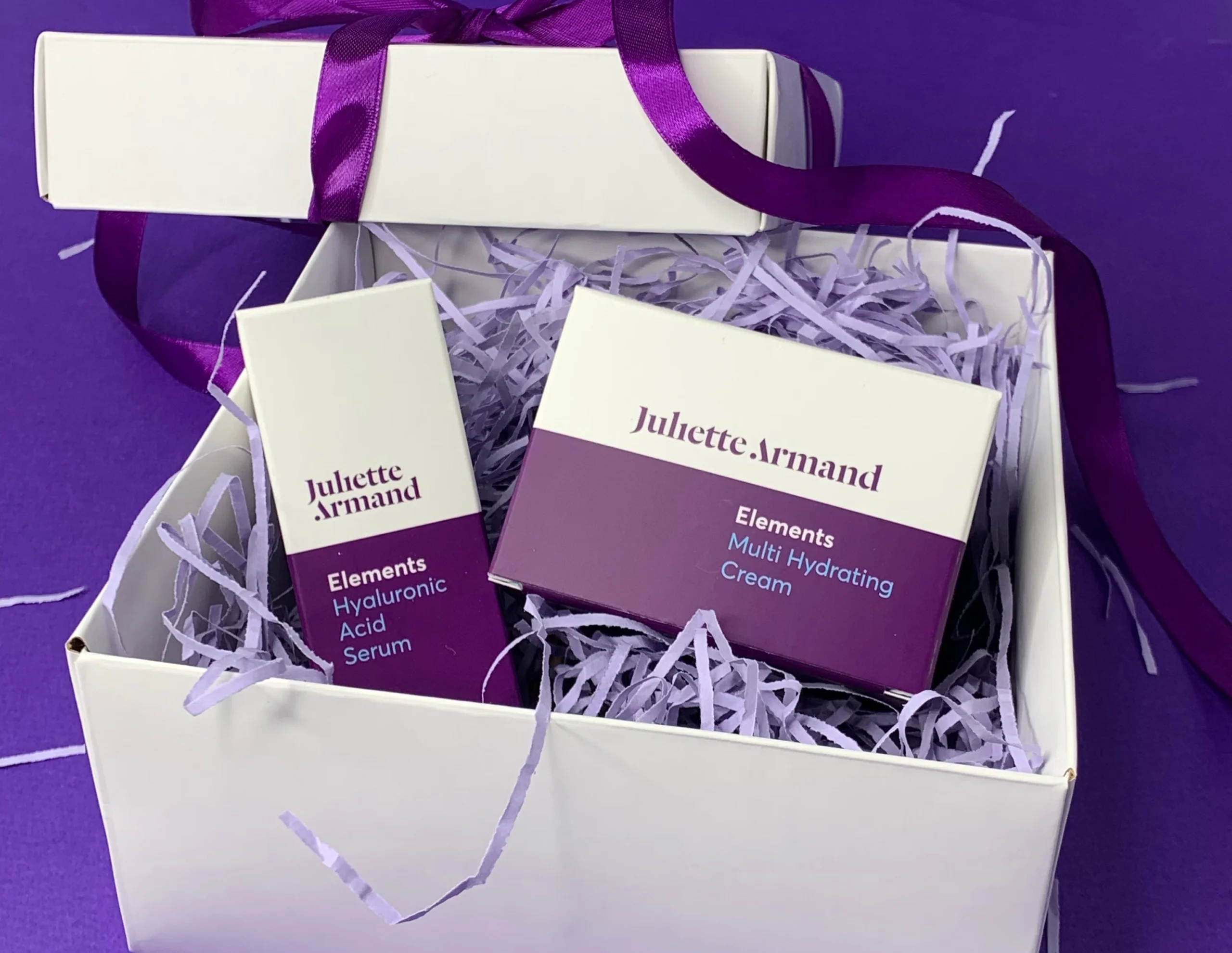
High-end gift boxes with drawer-style, magnetic, or flip-top structures. Silk ribbons, inserts, and printed designs reinforce premium feel. Use matte lamination, foil stamping, or embossing for elegance.
Paper Bags
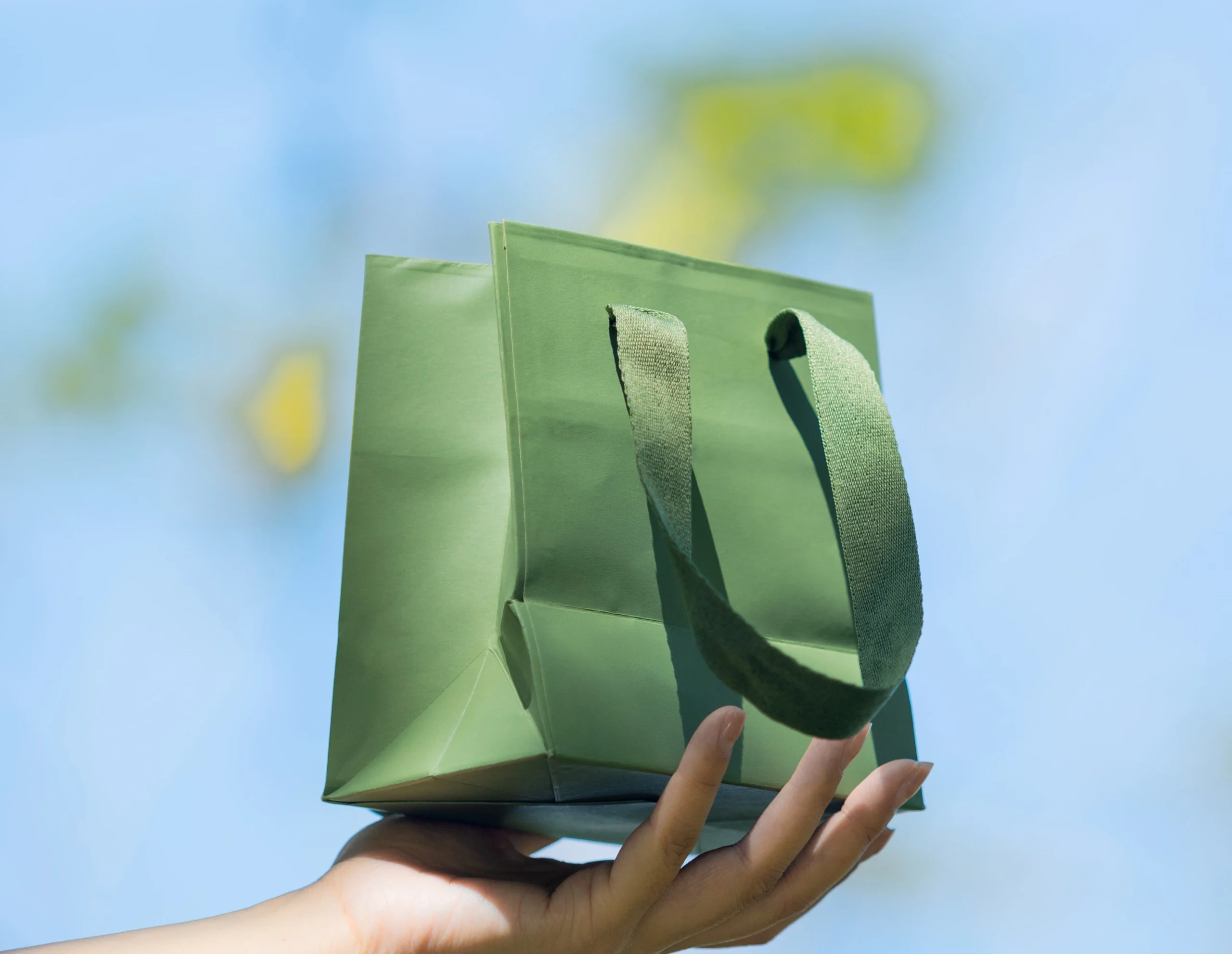
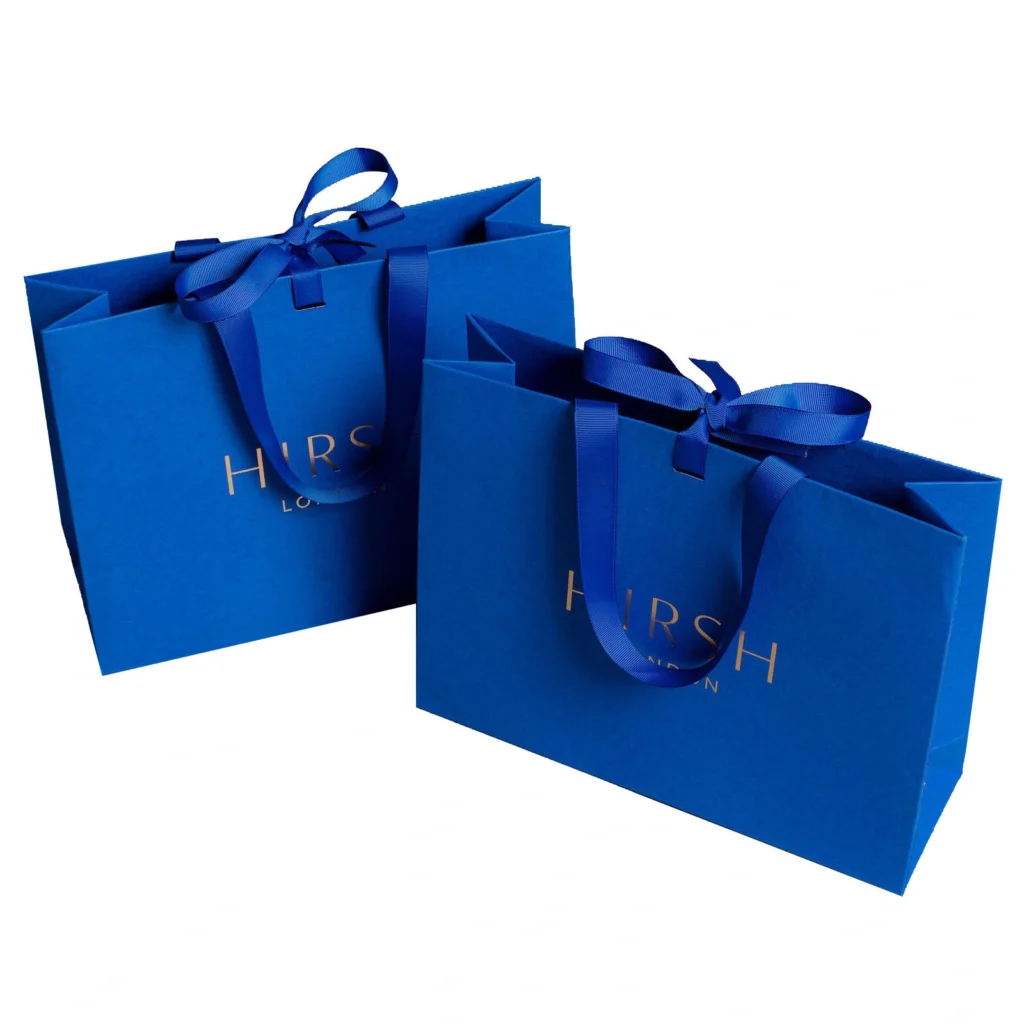
Portable and visually appealing for retail, pop-ups, or events. Materials: kraft, white card, or specialty paper. Handles: cotton, ribbon, or flat cord. Emphasize logo visibility and unified color palette.
Reusable / Eco Bags
Sustainable and practical, ideal for daily wear, sportswear, or trendy brands. Materials: non-woven fabric, cotton, or recycled paper. Custom printing strengthens eco-conscious brand image.
Combination Packaging Strategy
- Mailer boxes for e-commerce
- Paper bags for retail
- Gift boxes for special occasions
- Reusable bags for eco-conscious promotions
This ensures brand consistency, balances costs, and enhances customer experience.
Sustainability and Eco-Friendliness
With increasing attention to sustainability, using recyclable or biodegradable materials is essential. Compliance with international standards (EU, US) improves brand image and meets consumer expectations. Premium brands can maintain luxury feel with high-quality eco-friendly papers and sophisticated printing, ensuring touch and durability are not compromised.
Cost and Batch Ordering Strategy
- Bulk Orders: Lower per-unit cost.
- Small Batches: Suitable for testing new products, limited editions, or seasonal items.
Practical Tips: Confirm samples first, calculate total costs including shipping/customs, and use flexible batch strategies.
FAQ
1: What is the best custom packaging option for a startup e-commerce clothing brand?
For startup e-commerce apparel brands, custom mailer boxes or eco-friendly shipping bags are the best options. Mailer boxes (made of corrugated cardboard) offer excellent protection during international transit, are highly customizable with your logo, and present a premium unboxing experience. If you are on a tight budget, starting with standard mailer boxes paired with custom tissue paper and logo stickers is a highly cost-effective alternative.
2: How can we ensure our custom apparel packaging is sustainable and eco-friendly?
To ensure sustainability, look for materials that are recyclable, biodegradable, or made from post-consumer waste. Options include FSC-certified kraft paper bags, non-woven reusable tote bags, and corrugated mailer boxes printed with water-based or soy inks. Avoid excessive plastic laminations (like glossy plastic films) and choose matte finishes or soy-based coatings to ensure the entire package remains fully recyclable.
3: How do I choose the right box size for different types of clothing?
The key is to minimize empty space to reduce shipping costs while preventing garments from being tightly squeezed. Standard sizes like 10x7x2 inches work well for lightweight items like T-shirts, underwear, or swimwear. Medium garments like jeans, sweaters, and dresses typically require a 12x9x3 or 14x10x4 inch box. For heavy winter coats or suits, large rigid boxes or heavy-duty corrugated cartons are necessary to maintain structure. We recommend sending product samples to your packaging supplier to test the fit before bulk production.
4: Can luxury clothing brands use eco-friendly packaging without losing their premium feel?
Absolutely. Luxury and sustainability are no longer mutually exclusive. Premium fashion brands can use high-end rigid boxes made from 100% recycled greyboard, covered with specialty textured paper rather than plastic lamination. Combining these eco-friendly materials with premium printing techniques like debossing, blind stamping, or metallic foil stamping creates a highly sophisticated, tactile unboxing experience that aligns perfectly with modern sustainable luxury trends.
5: What is the typical Minimum Order Quantity (MOQ) for custom fashion packaging?
MOQs vary significantly depending on the packaging type and customization method. Generally, corrugated mailer boxes and paper bags have an MOQ starting at around 500 to 1,000 pieces for full custom manufacturing. High-end rigid gift boxes usually require an MOQ of 500 pieces due to the complex manual assembly involved. For lower quantities (e.g., 100–300 pieces), digital printing options are available, though the per-unit cost will be higher than bulk offset printing.
6: How do you protect apparel packaging from damage and moisture during international shipping?
International transit exposes packaging to high humidity and rough handling. To safeguard your products, we recommend utilizing single-wall or double-wall corrugated cardboard with high compression resistance for outer mailer boxes. Inside the box, apparel should be placed within a biodegradable poly bag or wrapped in moisture-resistant tissue paper to prevent water damage. For luxury rigid boxes, always ship them inside a sturdy, master shipping carton with corner protectors to avoid denting.
Conclusion
For effective fashion packaging, it’s essential to align the style with your brand positioning—whether luxury, budget, or trendy—while ensuring functional protection for international shipping through reinforced structures, proper dimensions, and moisture or pressure resistance. Prioritizing eco-friendliness with recyclable or biodegradable materials is also key. Before working with suppliers, prepare your brand assets, product details, and budget, and start by testing samples or small batches to optimize designs before moving to bulk production. Thoughtful packaging not only safeguards products but also enhances brand value, improves the customer experience, and fosters long-term loyalty in international markets.