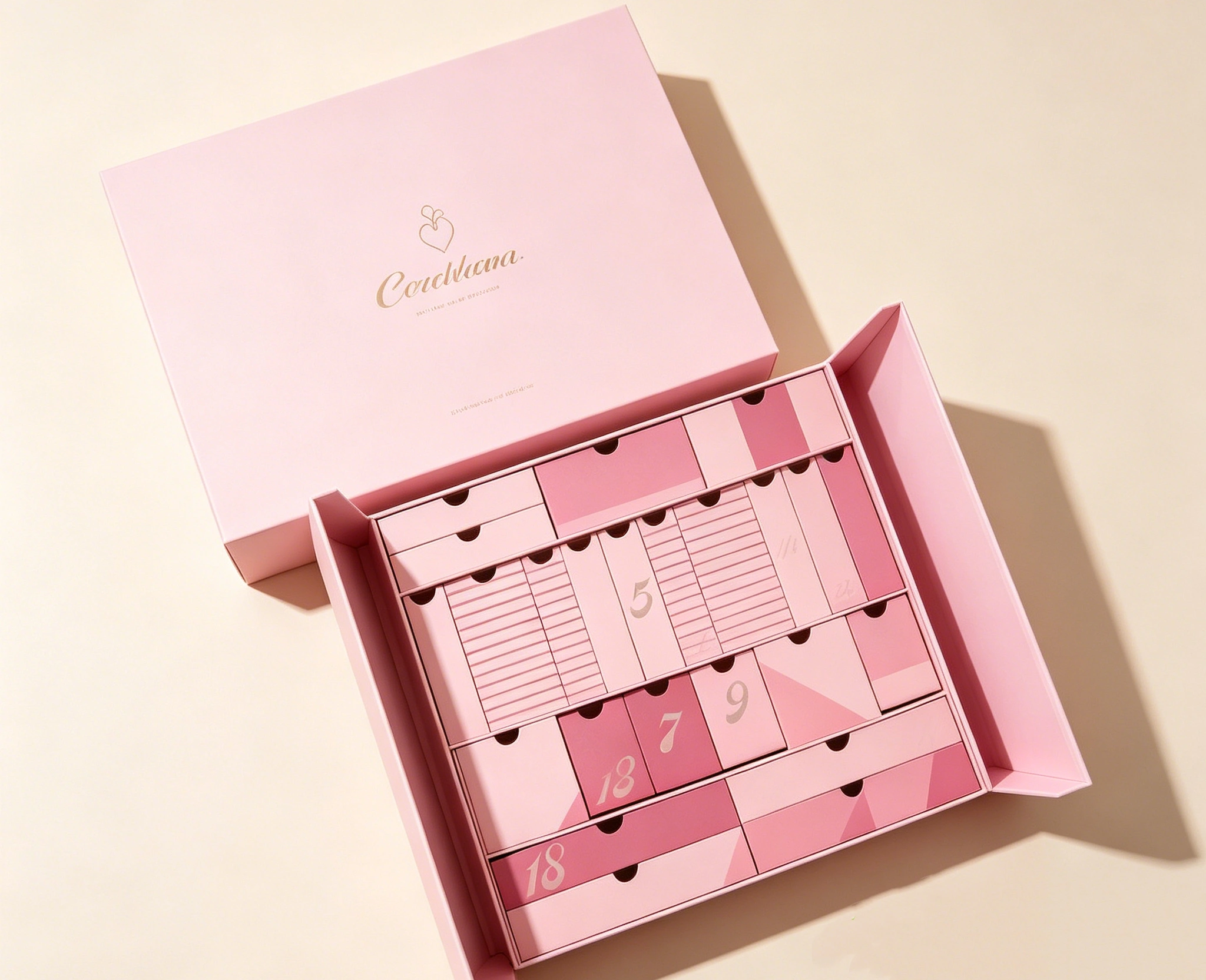
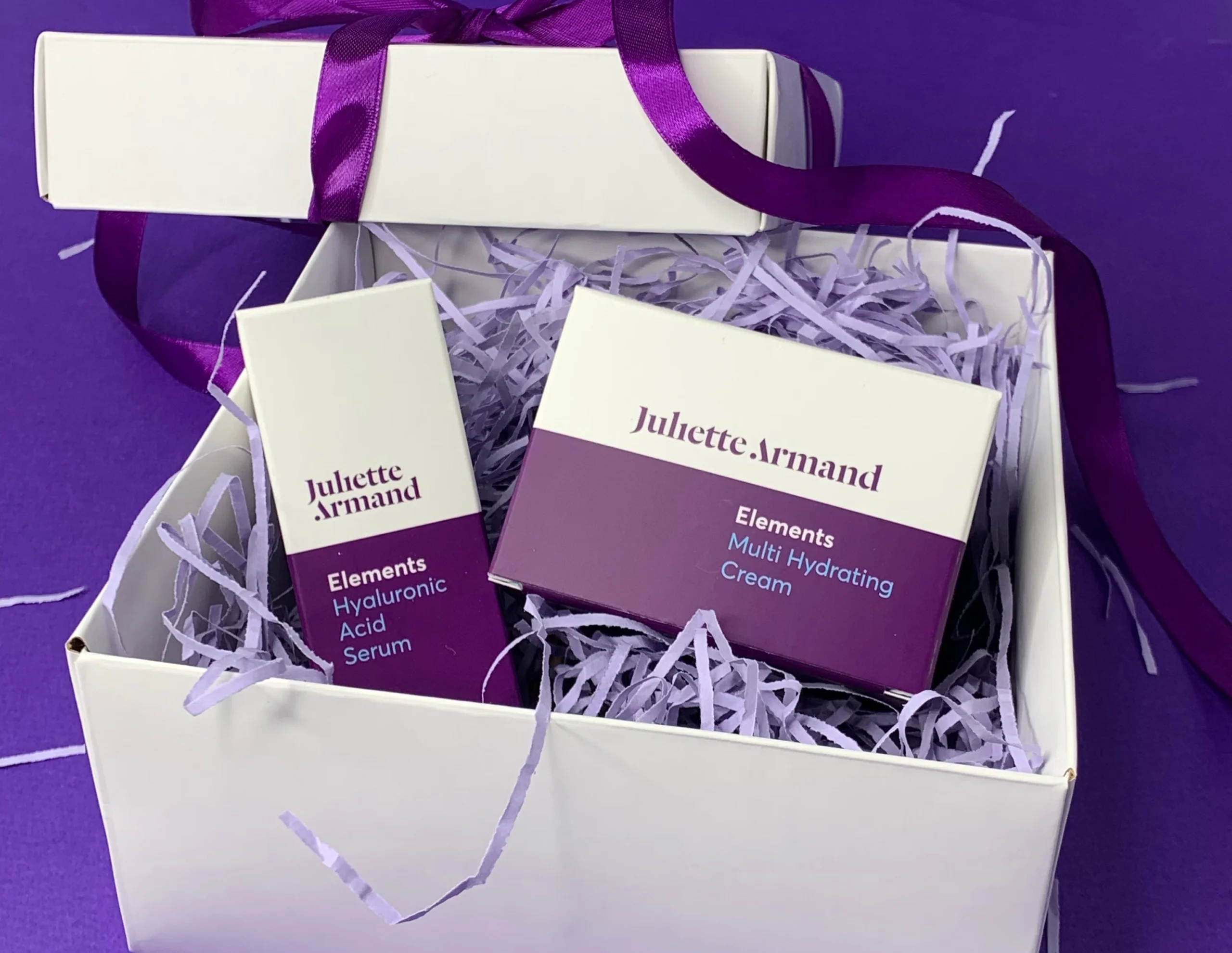
Choosing the right custom shopping bag manufacturer is an important decision for any brand ordering custom paper bags. The right manufacturing partner can help you maintain consistent quality, control production costs, and keep orders on schedule.However, comparing paper bag suppliers can be difficult. Two suppliers may offer similar-looking bags but have very different production capabilities, quality control processes, communication standards, and shipping options.
This guide explains how to evaluate a paper bag manufacturer and what to check before placing your first order.
Why Choosing the Right Custom Shopping Bag Manufacturer Matters
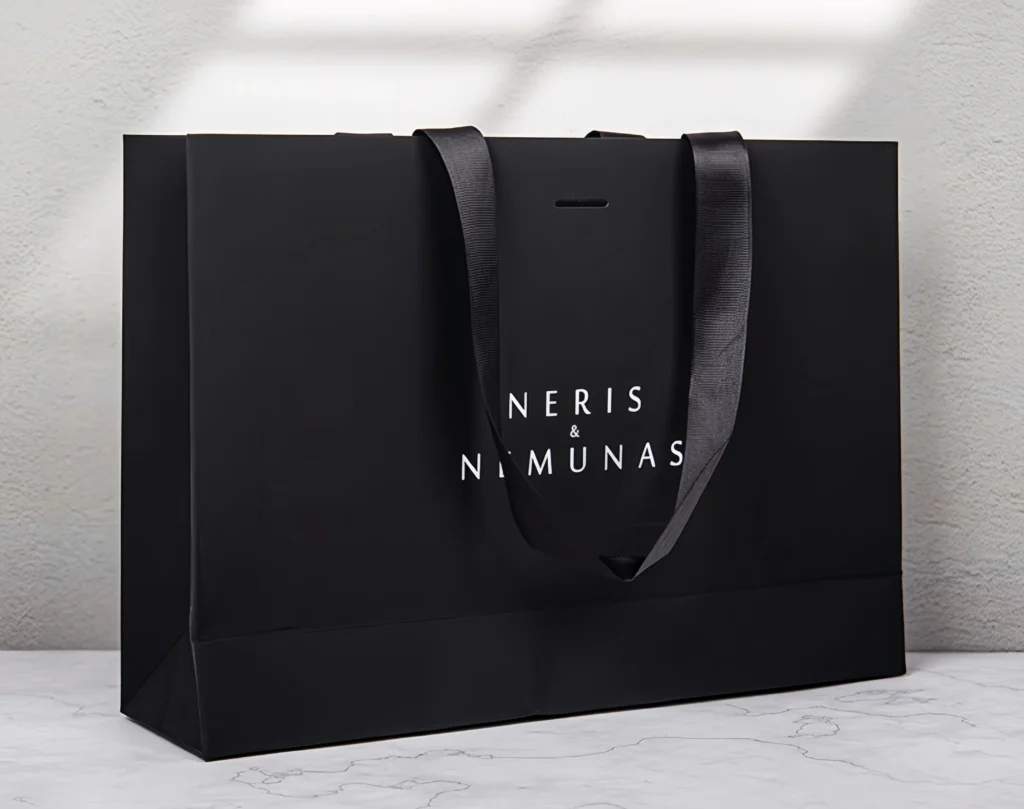
Custom shopping bags are part of your brand’s physical presentation. The paper quality, printing, handles, construction, and finishing all affect how the final bag looks and performs.A reliable custom paper bag supplier should do more than simply provide a low quotation. They should be able to understand your requirements, recommend suitable materials and construction, produce consistent quality, and communicate clearly throughout the order.
Choosing the right manufacturer can help you:
- Maintain consistent product quality between batches
- Avoid production mistakes and unnecessary rework
- Receive practical recommendations about materials and construction
- Keep production and delivery schedules on track
- Understand the real cost of your packaging
- Build a reliable long-term supply relationship
For this reason, the lowest quotation is not always the most important factor when selecting a paper shopping bag manufacturer.
Manufacturer vs. Trading Company: What Should You Check?
One of the first things to understand when sourcing custom paper bags is whether you are dealing directly with a manufacturer, a trading company, or a packaging company that works with production partners.A manufacturer or manufacturing-focused packaging company should be able to explain the production process clearly and answer technical questions about:
- Paper materials and GSM
- Bag construction
- Handle options
- Printing methods
- Surface finishes
- Sample production
- Quality control
- Production lead times
- Packaging and shipping
This does not mean every trading company is unreliable. A good sourcing company may provide useful project management and factory coordination.The more important question is whether the supplier can take responsibility for the complete packaging project and provide clear information about how your bags will be produced.When evaluating a potential supplier, ask where the bags will be produced and who will be responsible for quality control.
8 Steps to Choose a Custom Shopping Bag Manufacturer
1. Check the Manufacturer’s Experience
Start by looking at the supplier’s experience with custom paper packaging.A manufacturer that regularly produces paper shopping bags should be familiar with different paper types, bag structures, printing methods, handles, and finishing options.
Look for:
- Previous custom paper bag projects
- Experience with international customers
- Product photos or case studies
- Examples of different bag constructions
- Experience with your type of packaging
- Clear information about the company’s background
Do not rely only on the number of years a company claims to have been in business. Ask for examples of products they have actually produced.If possible, request photos or samples of previous projects that are similar to your requirements.
2.Check Customization and Production Capabilities
A good custom paper bag supplier should be able to work with your specific requirements rather than offering only standard products.Before placing an order, confirm whether the supplier can produce the specifications you need, including:
- Custom bag dimensions
- Different paper weights
- Kraft or white paper
- CMYK or Pantone printing
- Matte or glossy lamination
- Foil stamping
- Embossing or debossing
- Different handle styles
- Reinforced bottoms
- Custom logos and artwork
You should also ask which production requirements may affect the final price or lead time.For example, a simple paper bag with a printed logo may have a very different production process from a premium bag with foil stamping, ribbon handles, and special finishing.A capable paper bag manufacturer should be able to explain these differences clearly before you place the order.
3. Ask About MOQ Before Comparing Prices
Minimum order quantity is another important factor when comparing suppliers.Different manufacturers may have different MOQs depending on the bag size, printing method, materials, and production process.Before requesting a quotation, confirm:
- MOQ per size
- MOQ per design
- Whether different sizes can be combined
- Whether repeat orders have the same MOQ
- Whether smaller trial orders are possible
Do not automatically choose the supplier with the lowest MOQ.A very low MOQ may come with a higher unit price, while a higher MOQ may not be suitable for brands that are testing a new product.The goal is to find an order quantity that works for both your business and the manufacturer’s production process.
4. Request a Clear and Complete Quotation
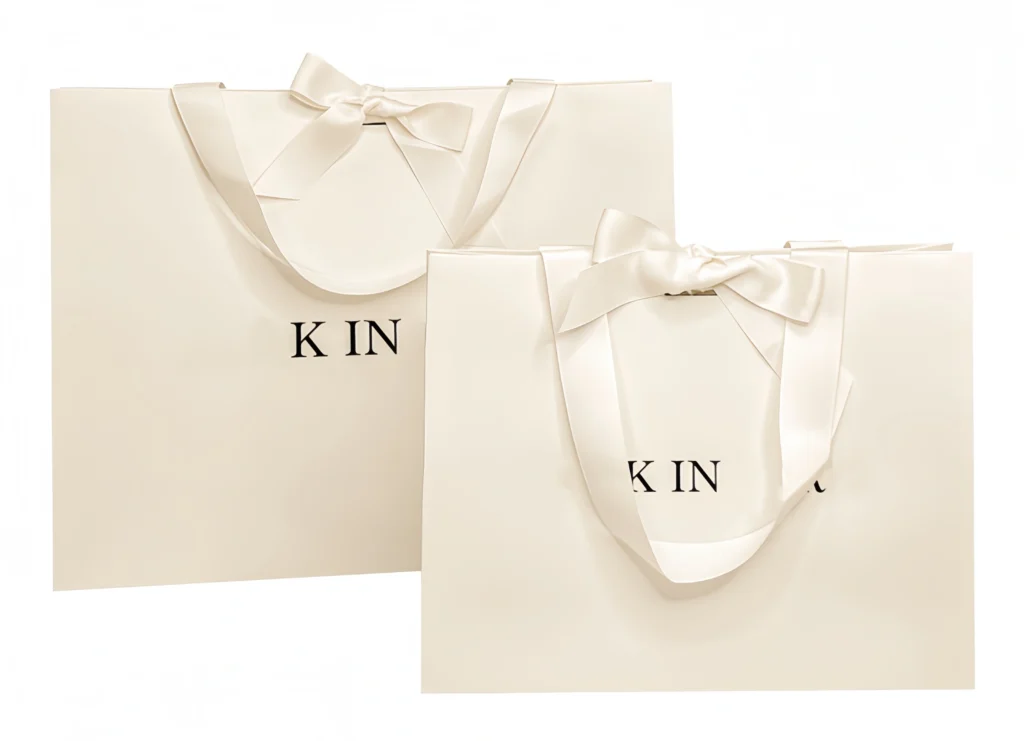
A professional packaging supplier should provide a quotation that is easy to understand.Instead of comparing only the unit price, ask what is included in the quotation.A useful quotation should clearly state:
- Bag size
- Paper material and GSM
- Printing method
- Printing colors
- Handle type
- Surface finishing
- Quantity
- Unit price
- Sampling cost, if applicable
- Production lead time
- Packaging method
- Shipping terms
- Shipping cost, if included
You should also confirm whether the price is based on EXW, FOB, DDP, or another Incoterm.For international buyers, comparing the total landed cost is often more useful than comparing the factory unit price alone.
5. Always Request a Physical Sample
A digital artwork proof can confirm the layout, but it cannot show you how the finished bag actually feels and performs.Before mass production, consider requesting a physical sample when the project involves important custom specifications.
Check the sample for:
- Paper thickness and texture
- Bag structure
- Handle attachment
- Bottom construction
- Printing quality
- Logo position
- Color accuracy
- Surface finishing
- Folding and creasing
- Overall appearance
For larger or more important orders, a physical sample can help identify problems before they affect the entire production run.A professional custom shopping bag manufacturer should be willing to discuss the sampling process and explain what can be adjusted before bulk production.
6. Evaluate Communication and Project Management
Communication is especially important when working with an overseas paper bag supplier.A supplier may have good production equipment, but poor communication can still create problems if specifications are misunderstood.Pay attention to how the supplier handles your inquiry.
A reliable supplier should:
- Answer questions clearly
- Confirm important specifications
- Point out potential production problems
- Ask for missing information
- Provide realistic lead times
- Confirm artwork before production
- Keep you updated when important issues arise
Good communication is not simply about replying quickly. It is about whether the supplier understands your requirements and helps prevent mistakes.For example, if you provide an unusually large bag size, a good supplier should tell you whether the construction, paper weight, or handle needs to be adjusted rather than simply accepting the specification without checking.munication is often a strong indicator of a supplier’s reliability and service quality.
7. Check Quality Control and Production Process
Quality control is one of the most important differences between suppliers.Ask how the manufacturer checks quality during production.Depending on the project, quality checks may include:
- Raw material inspection
- Printing inspection
- Size and construction checks
- Handle attachment checks
- Surface finishing inspection
- Carton packing inspection
- Final random inspection
You can also ask whether the supplier keeps an approved sample or production reference for comparison during mass production.This is particularly important for repeat orders. Your second or third order should remain consistent with the approved sample unless you request a change.A paper shopping bag manufacturer should be able to explain how quality is monitored rather than simply saying that quality is guaranteed.
8. Confirm Production Time, Shipping, and After-Sales Support
Before placing an order, confirm the complete timeline from sample approval to delivery.Ask the supplier to separate:
- Artwork approval
- Sample production
- Bulk production
- Quality inspection
- Export packing
- Shipping
- Final delivery
Production time can vary depending on the bag construction, quantity, printing, finishing, and current factory schedule.Shipping time will also depend on the destination and shipping method.For international orders, clarify whether the supplier can offer:
- EXW
- FOB
- CIF
- DDP
If you prefer a simpler purchasing process, DDP can provide a more straightforward door-to-door solution because the supplier coordinates the main shipping and import arrangements.However, always confirm exactly what is included in the quoted DDP price.

Questions to Ask a Custom Shopping Bag Manufacturer
Before choosing a supplier, you can send a short list of questions such as:
1. Where are the bags manufactured?
Ask whether production is handled in-house or through a production partner.
2. What materials and paper weights can you provide?
Confirm that the supplier can meet your required paper type and GSM.
3. What is your MOQ per size and design?
This helps you compare suppliers using the same order quantity.
4. Can you provide a physical sample?
Ask whether the sample can be made with your actual specifications and logo.
5. How long does sampling and bulk production take?
Make sure the supplier provides realistic production times.
6. How do you control quality during production?
Ask about inspection procedures and how the approved sample is used as a quality reference.
7. What shipping terms do you offer?
Confirm whether EXW, FOB, DDP, or other options are available.
8. What happens if there is a quality problem?
A professional supplier should be able to explain how quality issues are handled before you place the order.
Red Flags When Choosing a Paper Bag Supplier
Not every supplier is suitable for long-term cooperation. Watch for these warning signs during the sourcing process:
Vague Quotations
If a supplier gives you only a unit price without clearly listing the specifications, ask for a more detailed quotation.
Unrealistically Low Prices
A very low quotation may be based on a different paper weight, printing method, handle material, finishing specification, or shipping term.Always compare quotations based on the same specifications.
No Physical Samples
If your project requires custom construction or premium finishing, be cautious about placing a large order without checking a physical sample.
Poor Communication
Repeated misunderstandings, missing specifications, or unclear answers can create problems during production.
Unclear Production Responsibility
Ask who will manufacture the bags and who is responsible for quality control.
No Clear Lead Time
A supplier should be able to provide a reasonable production schedule after reviewing your specifications.
How to Compare Multiple Custom Shopping Bag Manufacturers
If you are comparing several suppliers, use the same specifications when requesting quotations.For example, send each supplier:
- Exact bag dimensions
- Paper type and GSM
- Printing requirements
- Handle type
- Finishing requirements
- Quantity
- Delivery destination
- Required delivery date
Then compare the suppliers based on several factors rather than price alone.
| Factor | What to Check |
|---|---|
| Product experience | Similar custom paper bag projects |
| Customization | Materials, printing, handles and finishing |
| MOQ | Minimum quantity per design or size |
| Sample | Physical sample availability |
| Quality control | Inspection and production checks |
| Communication | Clarity and response quality |
| Lead time | Sampling and bulk production |
| Shipping | Available Incoterms and delivery options |
| Quotation | Clear and complete pricing |
| After-sales support | Process for handling quality issues |
This makes it easier to identify the supplier that fits your actual requirements.

Should You Choose a Local or Overseas Manufacturer?
Both local and overseas suppliers can work well depending on your requirements.A local supplier may offer shorter communication and transportation distances, while an overseas manufacturer may provide different production capabilities or more competitive manufacturing costs.When comparing suppliers from different countries, consider the complete purchasing process rather than the factory price alone.
Important factors include:
- Product quality
- Manufacturing capability
- Communication
- Production lead time
- Shipping cost
- Import requirements
- Minimum order quantity
- After-sales support
The best supplier for your project is the one that can consistently meet your required specifications, timeline, quality level, and delivery requirements.
How to Choose a Long-Term Packaging Supplier
If you expect to reorder bags regularly, look beyond your first order.A good long-term packaging manufacturer should be able to maintain consistency across repeat orders and keep your specifications on file.Before starting a long-term relationship, consider whether the supplier can support:
- Repeat orders
- Multiple bag sizes
- New packaging designs
- Different printing requirements
- Seasonal production increases
- Consistent materials
- International shipping
- Ongoing quality control
A supplier that understands your packaging requirements can make future orders much easier to manage.
Conclusion
Choosing a custom shopping bag manufacturer is about more than finding the lowest quotation.Before placing an order, evaluate the supplier’s manufacturing experience, customization capabilities, MOQ, quotation structure, sampling process, communication, quality control, production schedule, and shipping options.Most importantly, compare suppliers using the same specifications and verify important details before mass production.
Taking a little time to evaluate a paper bag manufacturer before placing your first order can help reduce production problems and create a more reliable packaging supply chain for your brand.
Get a Free Quote for Your Custom Shopping Bags
Looking for a reliable custom shopping bag manufacturer? LucklinPak provides custom paper bags for brands and businesses, with custom orders starting from 500 pieces. Send us your bag size, quantity, artwork, and requirements for a quotation.
FAQs
1. How do I choose a custom shopping bag manufacturer?
Compare manufacturers based on production experience, customization capabilities, MOQ, sample quality, communication, quality control, lead time, and shipping options. Always compare quotations using the same specifications.
2. What should I ask a paper bag supplier before placing an order?
Ask about the manufacturing location, paper materials, MOQ, sample process, production time, quality control, shipping terms, and how the supplier handles quality issues.
3. Should I request a sample before mass production?
For custom paper bags, a physical sample is recommended when the project involves custom dimensions, special handles, premium finishing, or a large production quantity. It allows you to check the actual product before bulk manufacturing.
4. How can I compare quotations from different paper bag manufacturers?
Make sure every supplier quotes the same bag size, paper GSM, printing, handle type, finishing, quantity, and shipping terms. Then compare the total cost and service details rather than looking only at the unit price.
5. What is more important: price or manufacturer quality?
Price is only one part of the purchasing decision. Manufacturing capability, product consistency, communication, lead time, quality control, and shipping arrangements can also affect the total cost and reliability of an order.
Related Articles
Want to learn more about custom shopping bags?
How Much Do Custom Shopping Bags Cost? – Understand the factors that affect custom bag pricing.
Ultimate Guide to Shopping Bags (2026 Edition) – Learn about different shopping bag types and applications.
Custom Shopping Bags Wholesale – Learn more about bulk ordering.
Custom Shopping Bag Sizes: Standard Dimensions, Capacity & Size Guide – Choose the right dimensions for your products.
Eco-Friendly Paper Bags: Materials, Types and Uses – Explore sustainable paper packaging options.