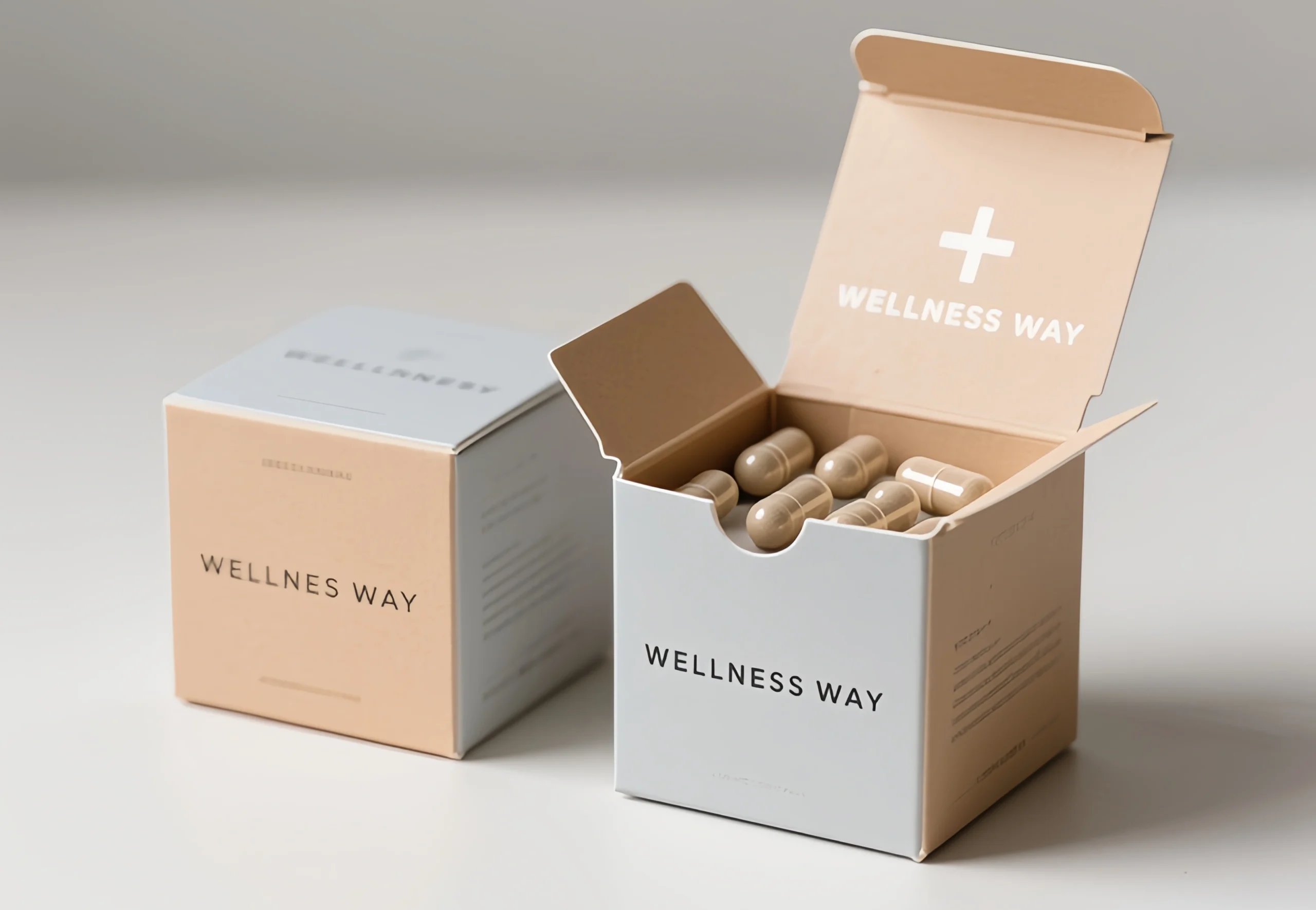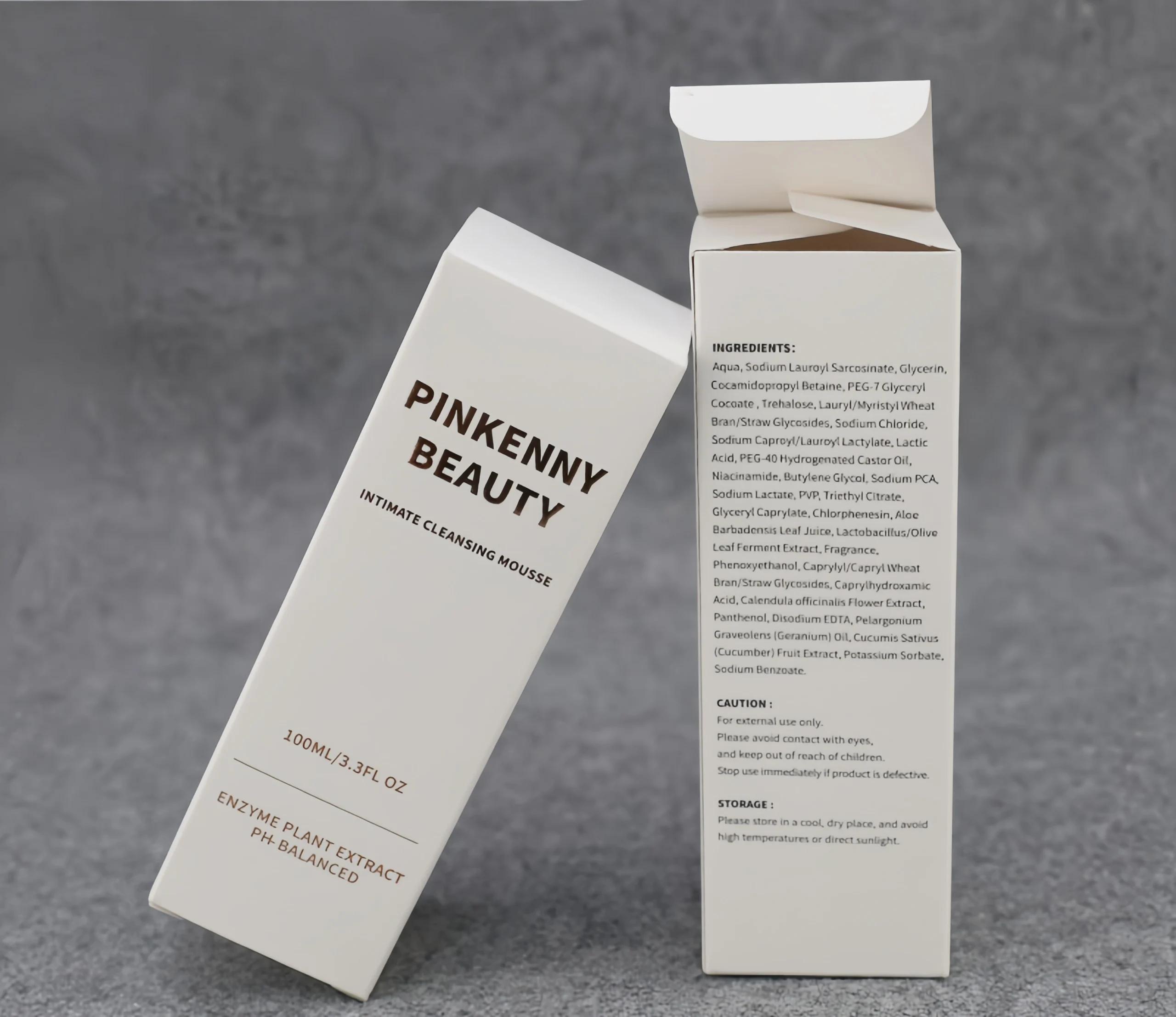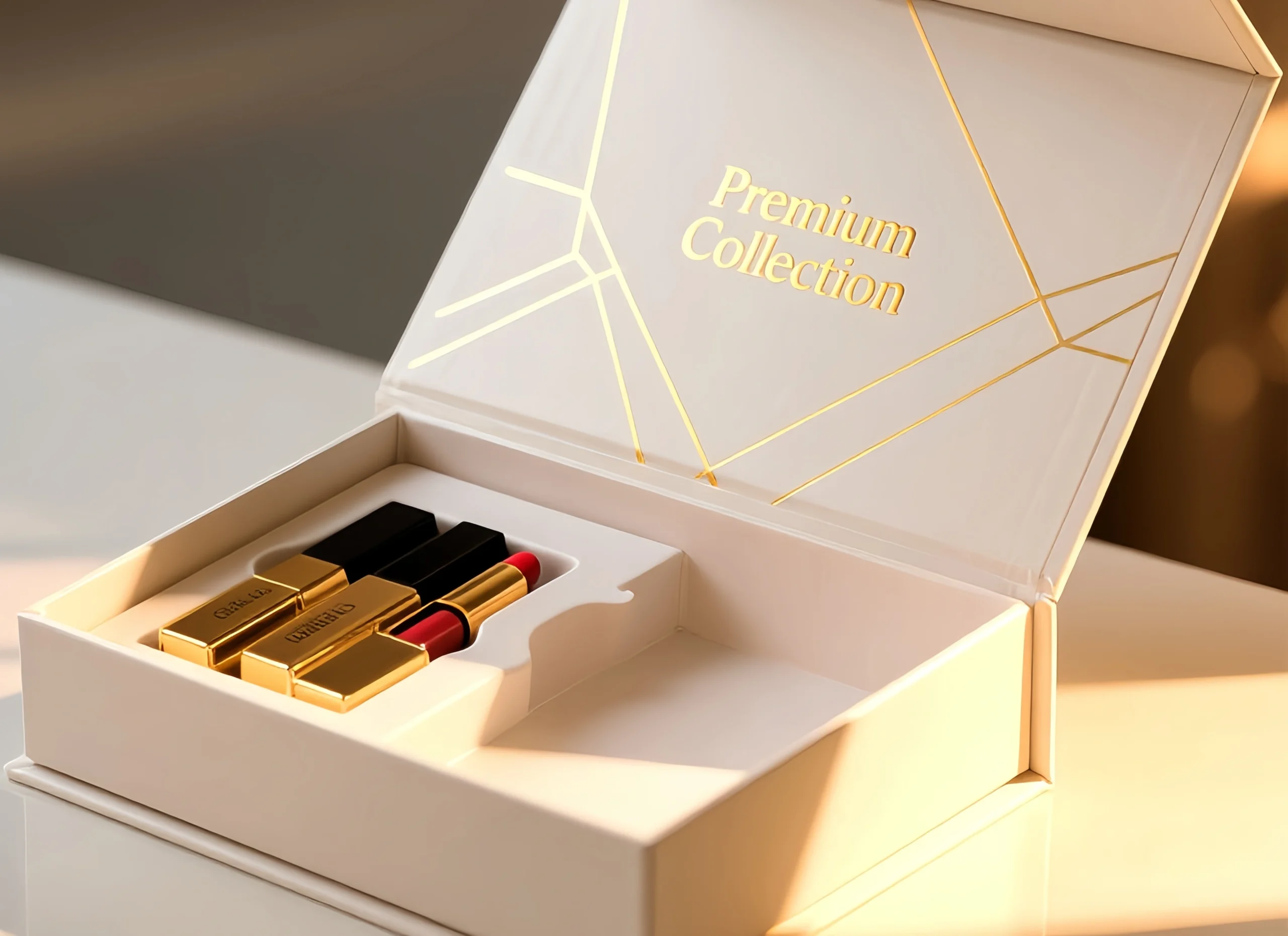
Custom packaging printing is the key factor that transforms ordinary paper bags and boxes into powerful branding tools. While structure and materials define the foundation, it is printing quality that determines how customers perceive your brand at first glance.
From color accuracy to surface finishing, every detail in packaging printing influences how premium, professional, and trustworthy your product feels.
In today’s competitive market, custom packaging printing is no longer optional—it is essential for brand positioning and customer experience.
👉 Explore our custom paper bags and boxes printing solutions designed for luxury brands and high-quality packaging production.
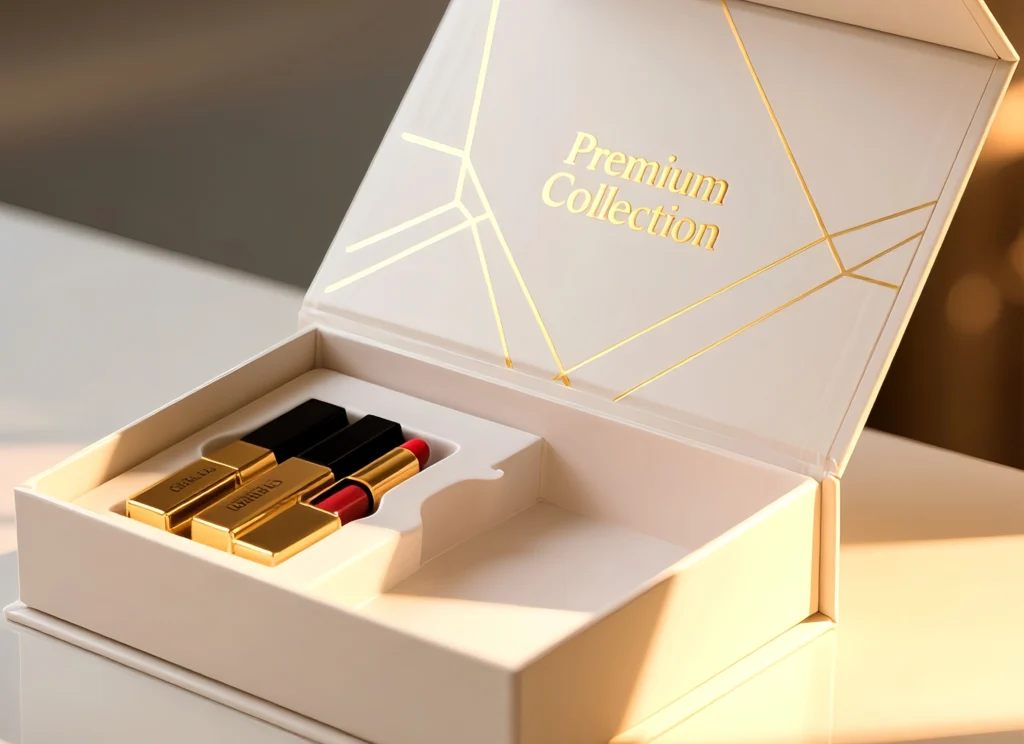
Why Custom Packaging Printing Matters for Branding
Custom packaging printing is more than decoration—it is a direct communication tool between your brand and your customers. It reflects your brand identity, quality standards, and overall positioning before the product is even used.
1. First Impression Defines Brand Value
Before customers physically interact with your product, they first judge it through visual appearance. At this stage, custom packaging printing plays a critical role in shaping perception.Sharp logo printing, accurate color reproduction, and clean finishing details immediately create a sense of professionalism and trust. On the other hand, poor printing quality can make even a high-quality product appear low-end.
In many cases, customers decide whether a brand feels “premium” or “average” within just a few seconds of seeing the packaging—making first impressions extremely important for brand positioning.
2. Printing Builds Brand Recognition
Consistent custom packaging printing across all packaging formats—such as boxes, paper bags, labels, and inserts—helps create a unified brand identity. When customers repeatedly see the same logo style, color palette, and typography, it strengthens visual memory and improves brand recall.
Color accuracy and consistency are especially important in maintaining a professional brand image. Understanding the difference between print and digital color systems can help ensure better results in production 👉 RGB vs CMYK: Accurate Color for Print & Digital Design
Over time, this consistency allows customers to recognize your products instantly, even without reading the brand name. Strong brand recognition not only improves customer trust but also increases the chances of repeat purchases in competitive markets.
3. It Increases Perceived Product Value
High-quality printing directly influences how customers evaluate product value. Even a simple packaging structure can appear premium when enhanced with professional custom packaging printing techniques such as foil stamping, embossing, or high-resolution offset printing.These visual and tactile details create a stronger sense of craftsmanship and quality, allowing brands to position their products at a higher price point without changing the actual product inside.
In this way, printing becomes a powerful tool for increasing perceived value and improving overall brand profitability.
4. It Turns Packaging Into Marketing
Well-executed custom packaging printing transforms packaging into an active marketing channel rather than just a protective layer.Visually appealing packaging is more likely to be photographed, shared on social media, and featured in unboxing content. This creates organic exposure and extends brand reach without additional advertising cost.
In the age of digital marketing, packaging is no longer just part of the product—it becomes part of the customer experience and brand storytelling, helping businesses gain visibility far beyond the point of sale.
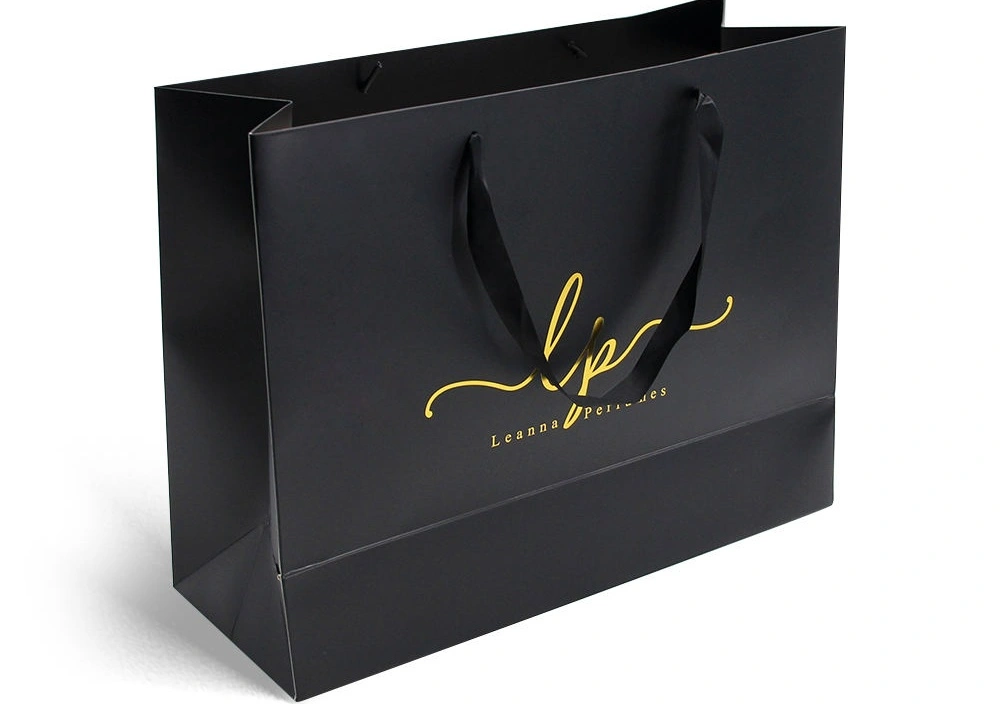
Main Custom Packaging Printing Methods Explained
Different printing methods create different visual effects and production outcomes. Choosing the right option depends on your order quantity, design complexity, budget, and overall brand positioning.
1. Offset Printing (Best for Premium Packaging)
Offset printing is one of the most commonly used methods in luxury paper box printing and high-end paper bag production due to its superior print quality and consistency. It delivers extremely sharp image reproduction, high color accuracy, and stable results across large production runs, making it ideal for brands that prioritize a refined and professional look.
This method is widely used for luxury gift boxes, cosmetic packaging, and fashion paper bags, where detail and color precision are critical.
Offset printing is widely used in luxury rigid box packaging and premium printed packaging boxes, where color accuracy and detail consistency are essential.
2. Digital Printing (Best for Small Orders & Customization)
Digital printing is a flexible and cost-effective solution, especially suitable for small batch production and highly customized designs. Since it does not require printing plates, it significantly reduces setup time and allows for faster turnaround, making it ideal for fast-moving product needs.
It supports personalized designs and is commonly used for sample packaging, e-commerce packaging, and limited edition products.It is commonly used for custom sample packaging and small batch packaging solutions for startups and e-commerce brands.
3. Screen Printing (Best for Textured & Artistic Packaging)
Screen printing is known for producing bold, vibrant, and tactile results with strong ink coverage. It creates a more handcrafted and artistic feel, making it a popular choice for brands that want a distinctive visual identity.
This method is often used for handmade packaging styles, cotton bags, eco paper bags, and minimalist design packaging, where texture and visual impact are important.It is widely used in eco-friendly paper bags and handmade packaging solutions that require a more artistic look.
4. Flexographic Printing (Best for High-Volume Packaging)
Flexographic printing is widely used in large-scale production, especially for eco-friendly and bulk paper packaging. It is known for its fast production speed, low unit cost, and ability to use water-based eco-friendly inks, making it both efficient and sustainable.
It is commonly applied to retail paper bags, food packaging boxes, and shipping cartons, where cost control and volume efficiency are key.It is commonly used for eco packaging for retail and bulk paper bag production, especially in food and shipping industries.
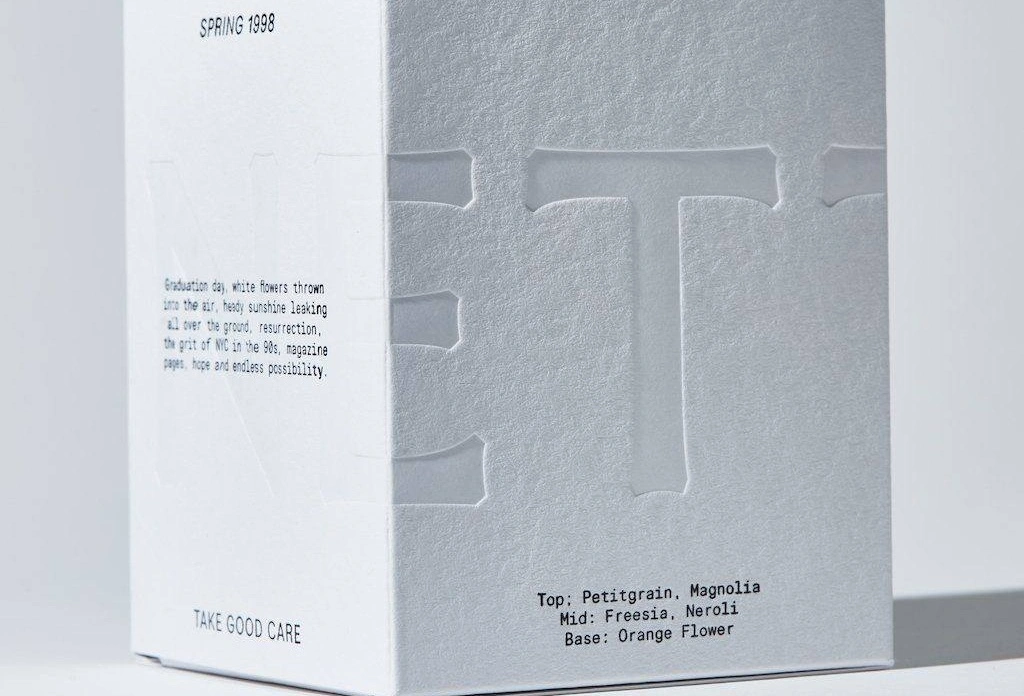
Luxury Packaging Finishing Techniques That Upgrade Value
Printing alone is not enough to create a premium impression—finishing techniques are what truly elevate packaging and give it a luxury feel. These details enhance both visual appeal and tactile experience, helping brands stand out in a competitive market.
For a deeper understanding of how these premium effects work together, such as foil stamping, embossing, and UV coating, you can also explore this guide 👉Foil Stamping, Embossing & UV for Premium Packaging
Foil Stamping (Gold / Silver / Metallic)
Foil stamping is a classic luxury finishing technique that applies a reflective metallic layer onto specific areas of packaging. It instantly enhances perceived value by adding shine, contrast, and sophistication. This technique is most commonly used for logos, brand names, and decorative accents, helping key design elements stand out and reinforce brand identity. It is especially effective for premium candle packaging, gift boxes, and high-end retail products.Foil stamping is a key part of foil stamping packaging and luxury embossing UV coating techniques used in premium branding.
Embossing & Debossing (3D Texture Effect)
Embossing and debossing create a three-dimensional texture that enhances both visual depth and tactile interaction. Embossing raises specific design elements above the surface, while debossing presses them inward for a subtle, elegant effect. These techniques provide a strong sensory experience and are often used to create a premium brand feel with a minimalist design approach. They work particularly well for logos, patterns, and fine detailing.These techniques are widely used in embossed logo packaging and textured luxury packaging boxes for premium brands.
UV Coating (Highlight & Protection)
UV coating is used to enhance selected areas of packaging with either a glossy or matte contrast, creating visual focus and depth. It is commonly applied to logos, key graphics, or important design elements to draw attention and improve overall aesthetics. In addition to its visual effect, UV coating also provides scratch resistance, helping maintain packaging quality during handling and transport.UV coating is commonly applied in spot UV packaging and premium printed packaging finishes to highlight brand elements.
Lamination (Surface Protection & Finish)
Lamination adds a protective layer to packaging while also improving its overall appearance and durability. It helps prevent moisture, scratches, and wear, ensuring the packaging stays in good condition for longer. There are two main types: gloss lamination, which creates a bright and vibrant finish, and matte lamination, which delivers a soft-touch, understated luxury feel. Both options are widely used in premium packaging depending on the desired brand style.Both options are widely used in matte laminated packaging and glossy paper box packaging for retail and luxury products.
How to Choose the Right Printing Method
Choosing the right custom packaging printing solution is not only a technical decision, but also a branding strategy. The right combination of printing method and finishing technique should align with your brand positioning, budget, order volume, and target customer expectations.
For luxury brands, the focus is on high-end presentation and consistency at scale. Offset printing is the preferred choice because of its sharp detail and excellent color accuracy. When combined with techniques like foil stamping, it further enhances the premium feel, making it ideal for luxury candles, cosmetics, and gift packaging.
For small businesses, flexibility and cost efficiency are more important. Digital printing is the best option as it supports short runs, fast turnaround, and easy customization without the need for printing plates. This makes it suitable for startups, seasonal collections, and fast-changing product lines.
For eco-friendly brands, sustainability is a key priority. Flexographic printing works well in combination with kraft materials because it supports water-based inks, high-speed production, and lower environmental impact. This approach is widely used for paper bags, retail packaging, and bulk eco packaging solutions.
For premium handmade brands, the goal is to create a distinctive, artisanal identity. Screen printing combined with embossing helps achieve a strong tactile and handcrafted look, making the packaging feel more unique and artistic.
Ultimately, the best results come from combining printing + finishing techniques strategically, rather than relying on a single method. This allows brands to balance cost, quality, and visual impact while creating packaging that truly reflects their identity.
FAQs
1. What is custom packaging printing?
Custom packaging printing refers to the process of printing logos, designs, and brand elements on paper bags and boxes to create branded packaging. It helps businesses enhance brand identity, improve product presentation, and increase perceived value.
2. What is the best printing method for paper bags and boxes?
The best printing method depends on your needs. Offset printing is ideal for high-quality and large-volume production, digital printing is best for small orders and customization, screen printing works well for textured designs, and flexographic printing is suitable for large-scale eco-friendly packaging.
3. What is the difference between offset and digital printing in packaging?
Offset printing offers higher color accuracy and is suitable for large production runs, while digital printing is more flexible and cost-effective for small batches. Digital printing also allows personalization, while offset is better for consistent mass production.
4. Can I customize printing on paper packaging with low MOQ?
Yes, digital printing allows low minimum order quantities (MOQ), making it ideal for startups, small brands, and sample production. Offset printing usually requires higher MOQ but offers better cost efficiency for bulk orders.
5. What finishing options can improve custom packaging printing?
Popular finishing options include foil stamping, embossing, debossing, UV coating, and lamination. These techniques enhance visual appeal, improve tactile experience, and help create a more premium and luxury packaging appearance.
Conclusion
Custom packaging printing is not just a production step—it is a core brand storytelling tool that directly influences how customers perceive your business. From the first visual impression to the final unboxing moment, printing quality and style shape the emotional and psychological connection between your brand and your audience.
The right printing method can significantly impact multiple aspects of brand performance. It helps elevate product value by creating a more premium and professional appearance, improves customer experience through better visual and tactile quality, strengthens brand recognition by maintaining consistent design across all packaging, and ultimately increases sales conversion by building trust and perceived quality at first glance.
Whether you choose offset printing for high-end consistency, digital printing for flexibility and customization, or eco-friendly flexographic printing for sustainable large-scale production, your packaging should always reflect your brand identity clearly and consistently. A well-aligned printing strategy ensures that every package reinforces who you are as a brand and what you stand for in the market.
Ready to Create Custom Printed Packaging?
We specialize in custom packaging printing services for paper bags and boxes, helping brands achieve premium visual identity and consistent production quality.:
- Luxury offset printing packaging
- Eco-friendly paper packaging
- Custom logo printing & finishing
- Full OEM/ODM packaging solutions
👉 Explore our luxury packaging solutions and OEM/ODM services for global brands.