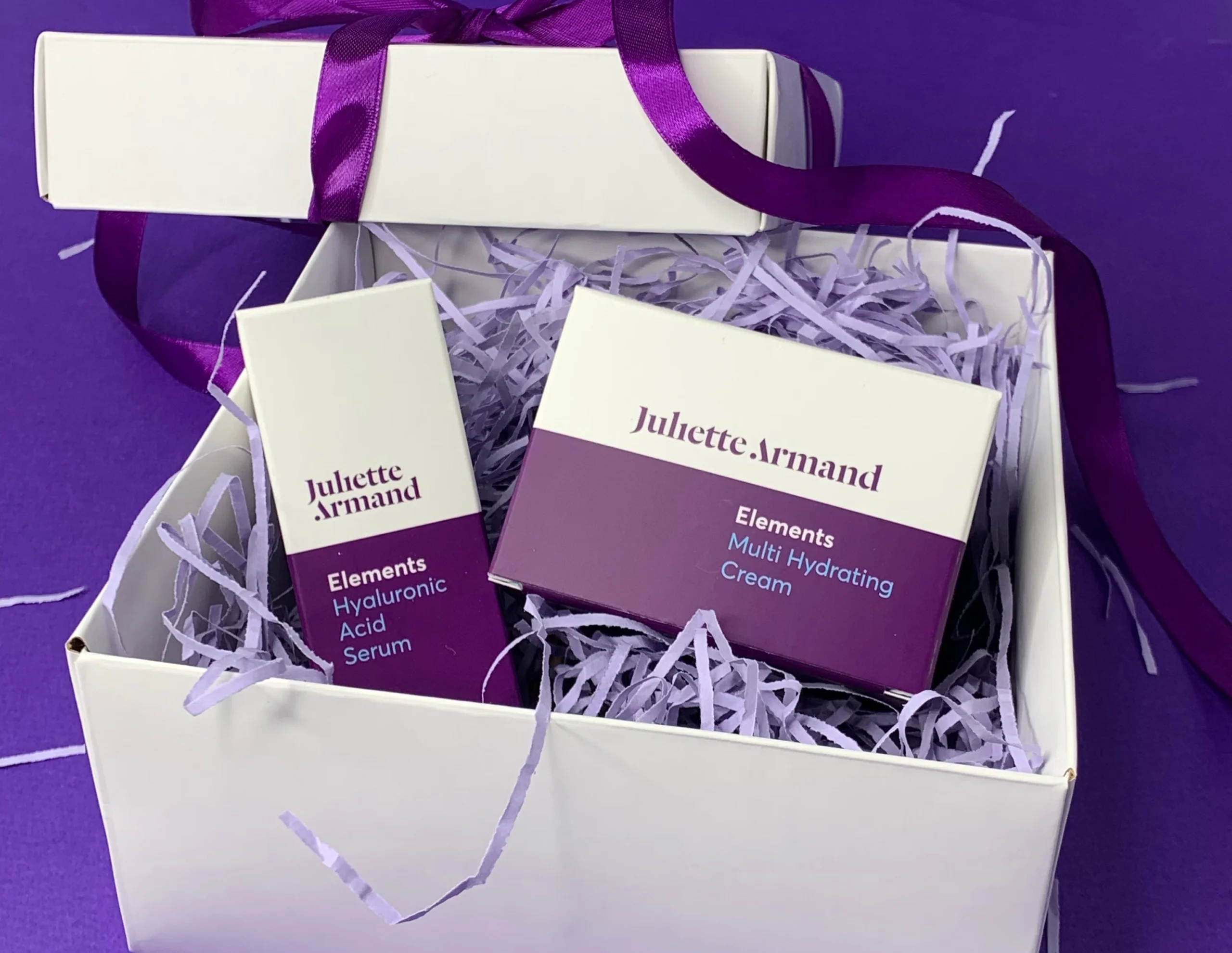
Folding cartons come in many structural styles, and the right structure depends on how the box needs to open, close, hold the product, and be assembled.Some cartons are designed for quick manual packing, while others are better suited to automated production. Some provide a simple tuck closure, while others offer a stronger locking bottom or a more premium opening experience.
In this guide, LucklinPak focuses specifically on the most common folding carton structures:
- Straight Tuck End (STE)
- Reverse Tuck End (RTE)
- Auto Bottom
- Snap Lock Bottom
- Sleeve & Tray
- Display Carton
If you are comparing paperboard materials, finishes, printing methods, or the general benefits of folding cartons, see our guide to Folding Carton Packaging: Types, Materials, and Benefits.
What Is a Folding Carton Structure?
A folding carton structure refers to the way a paperboard carton is cut, folded, and closed.Unlike rigid boxes, folding cartons are produced from flat paperboard and delivered flat. The die-cut shape contains the panels, flaps, locking tabs, and folding lines needed to form the finished box.
The structure affects several practical factors, including:
- How the carton opens and closes
- How the bottom is assembled
- How quickly the box can be packed
- How securely the product is held
- Whether the carton works with automated packing equipment
- How the finished package looks on the shelf
The six structures below cover many common applications, but custom folding carton structures can also be developed for products with specific requirements.

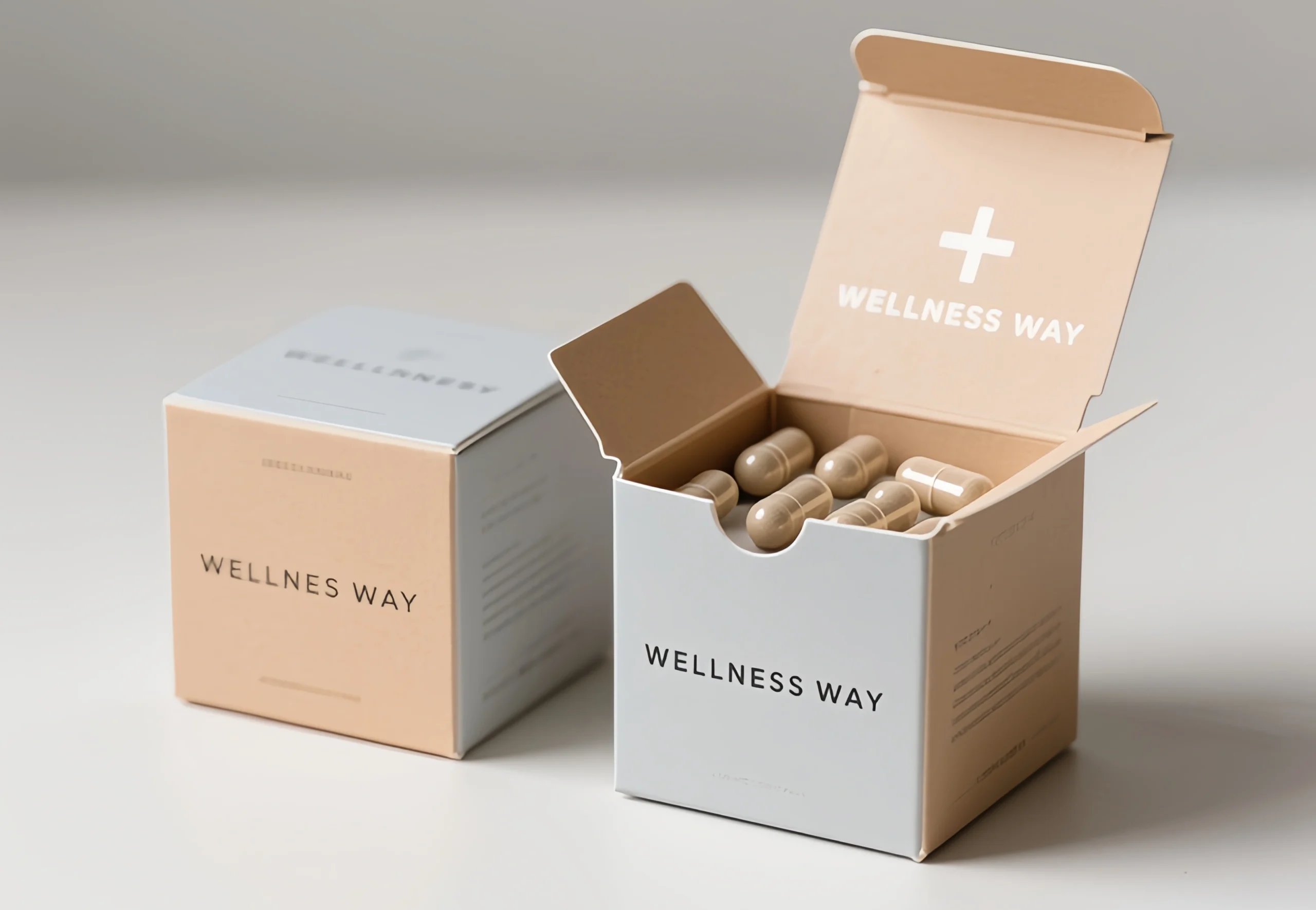
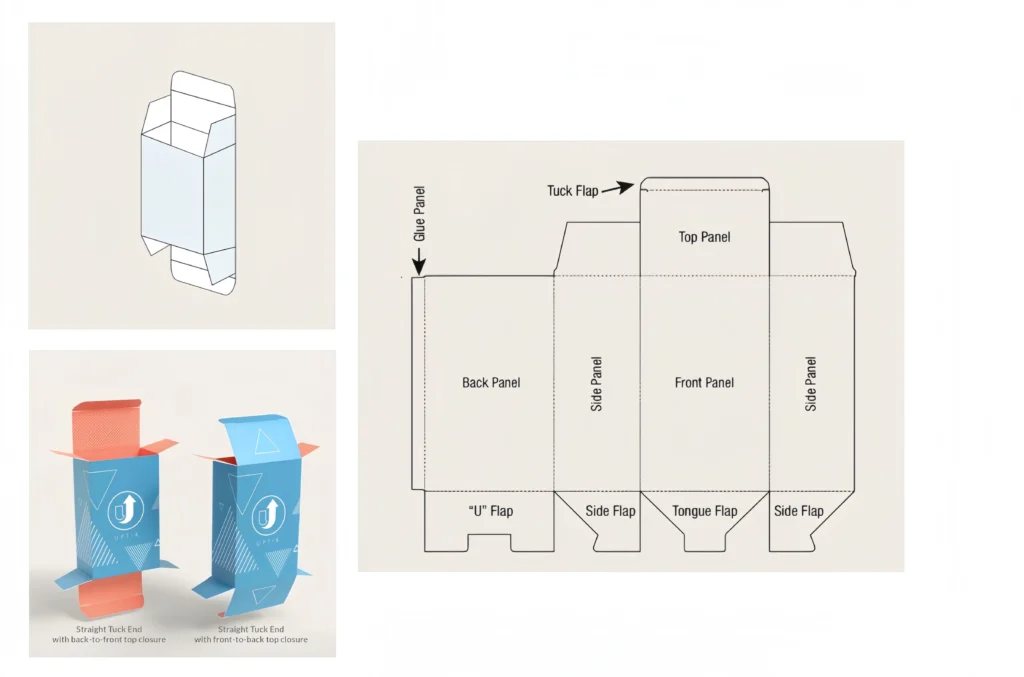
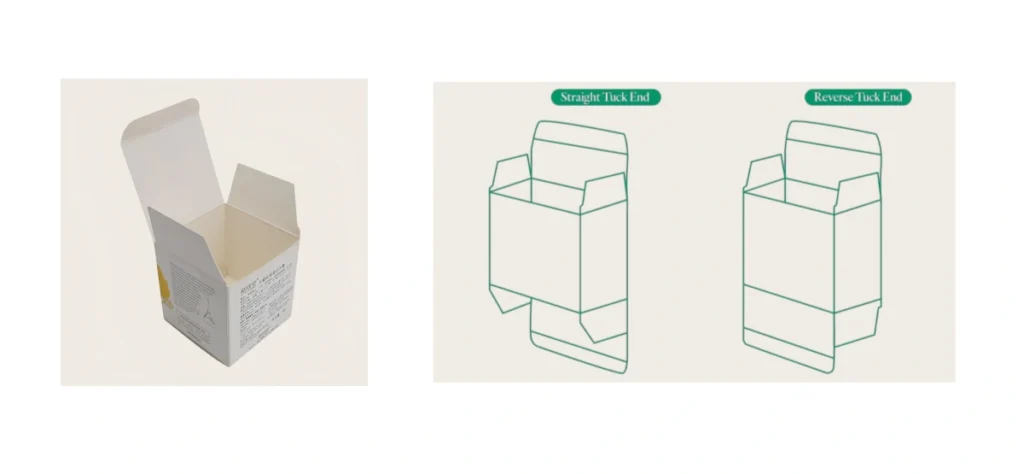
1. Straight Tuck End (STE) Cartons
Straight Tuck End (STE) cartons have top and bottom tuck flaps that fold in the same direction.This creates a clean and simple box structure with a consistent front-facing appearance. The tuck flaps can be opened and closed without glue during final packing.
Key Features
- Top and bottom tuck closures
- Both flaps fold in the same direction
- Simple to assemble
- Clean front-facing appearance
- Suitable for manual or automated packing
STE cartons are commonly used for products such as:
- Cosmetics and skincare
- Small electronics
- Health and wellness products
- Pharmaceutical products
- Retail accessories
When Should You Choose STE?
STE is a good choice when you want a simple folding structure with a clean retail appearance and the product does not require a heavy-duty bottom.For products that require a custom size or structure, see our custom folding boxes for more options.
2. Reverse Tuck End (RTE) Cartons
Reverse Tuck End (RTE) cartons have top and bottom tuck flaps that fold in opposite directions.This is one of the most commonly used folding carton structures because it provides a practical balance between easy assembly and efficient carton construction.
Key Features
- Top and bottom tuck flaps fold in opposite directions
- Simple opening and closing
- Easy to pack
- Suitable for many retail products
- Often used for high-volume packaging
RTE cartons are commonly used for:
- Skincare and cosmetics
- Supplements
- Small consumer goods
- Electronics accessories
- General retail products
When Should You Choose RTE?
Choose RTE when you need a straightforward and versatile carton structure for a relatively lightweight product.The opposite tuck direction can also make the structure efficient for die-cutting, which is one reason RTE is widely used for commercial packaging.
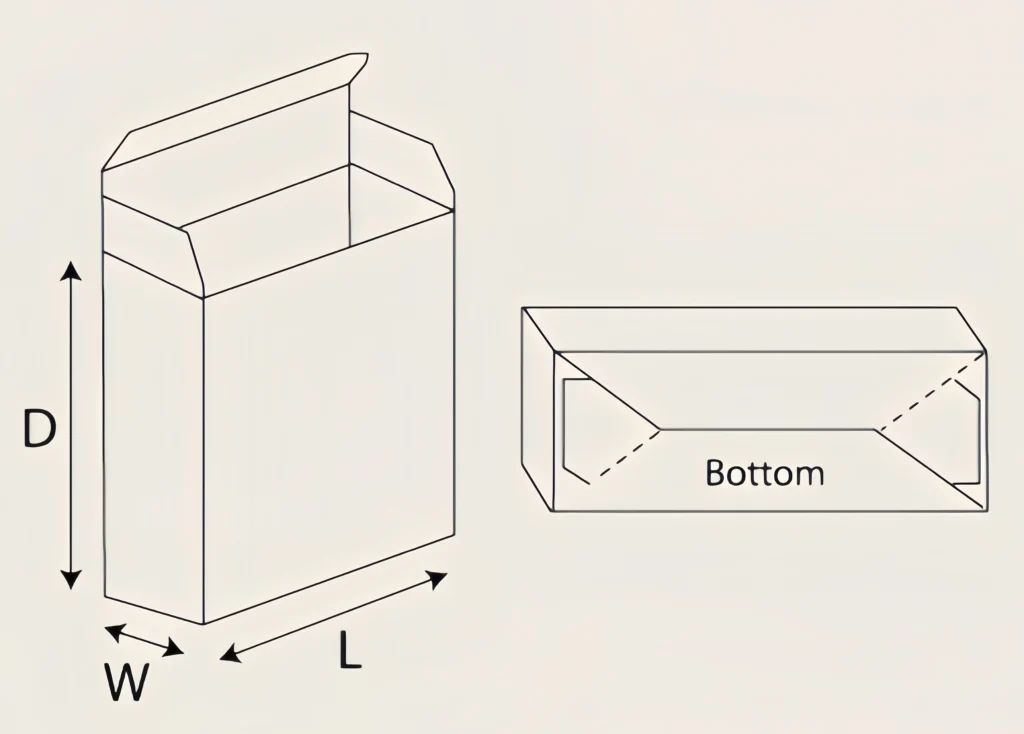
3. Auto Bottom Cartons
Auto Bottom Cartons, also called Crash Lock Bottom Cartons, feature a pre-glued bottom that automatically locks into position when the carton is opened.Unlike a standard tuck-end carton, the bottom does not need to be manually assembled panel by panel.
Key Features
- Pre-glued bottom
- Automatically locks when opened
- Fast to erect
- Strong bottom construction
- Suitable for heavier products
- Can be used with automated packing systems depending on the design
Auto Bottom cartons are commonly used for:
- Glass cosmetic bottles
- Skincare jars
- Candles
- Food products
- Beverage packaging
- Heavier retail products
When Should You Choose Auto Bottom?
Auto Bottom is a strong option when packing speed and bottom strength are important.It is particularly useful when the product is heavier or when the packaging operation needs to reduce the amount of manual box assembly.
4. Snap Lock Bottom Cartons
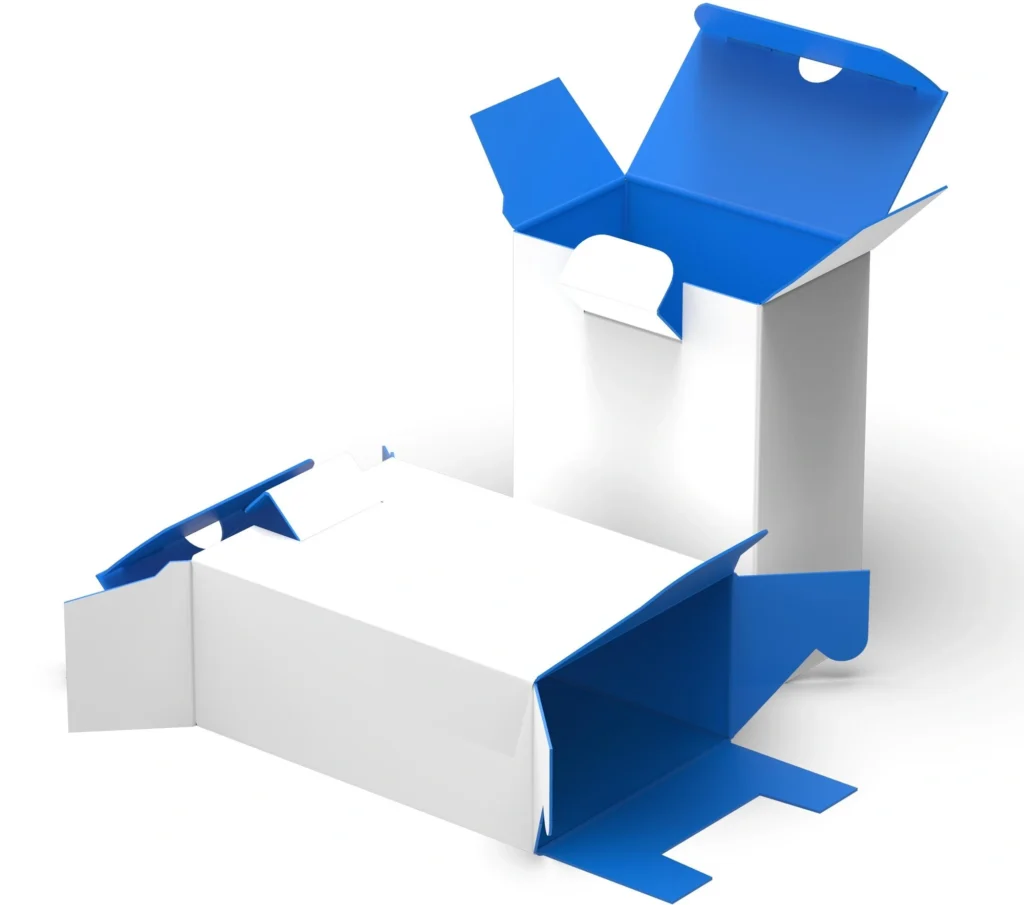
Snap Lock Bottom Cartons, also known as 1-2-3 Bottom Cartons, use interlocking bottom panels to create a secure base.The bottom is assembled manually by folding the panels into the correct sequence until they lock together.
Key Features
- Interlocking bottom panels
- No pre-glued bottom required
- Stronger base than a basic tuck-end structure
- Manual assembly
- Suitable for medium-weight products
Snap Lock cartons are often used for:
- Cosmetic jars
- Candles
- Supplements
- Food products
- Small electronics
- General retail packaging
When Should You Choose Snap Lock?
Snap Lock is a good option when you need more bottom support than a standard tuck carton, but do not necessarily need a pre-glued Auto Bottom.It can be particularly useful for products that have some weight but are still suitable for manual packing.
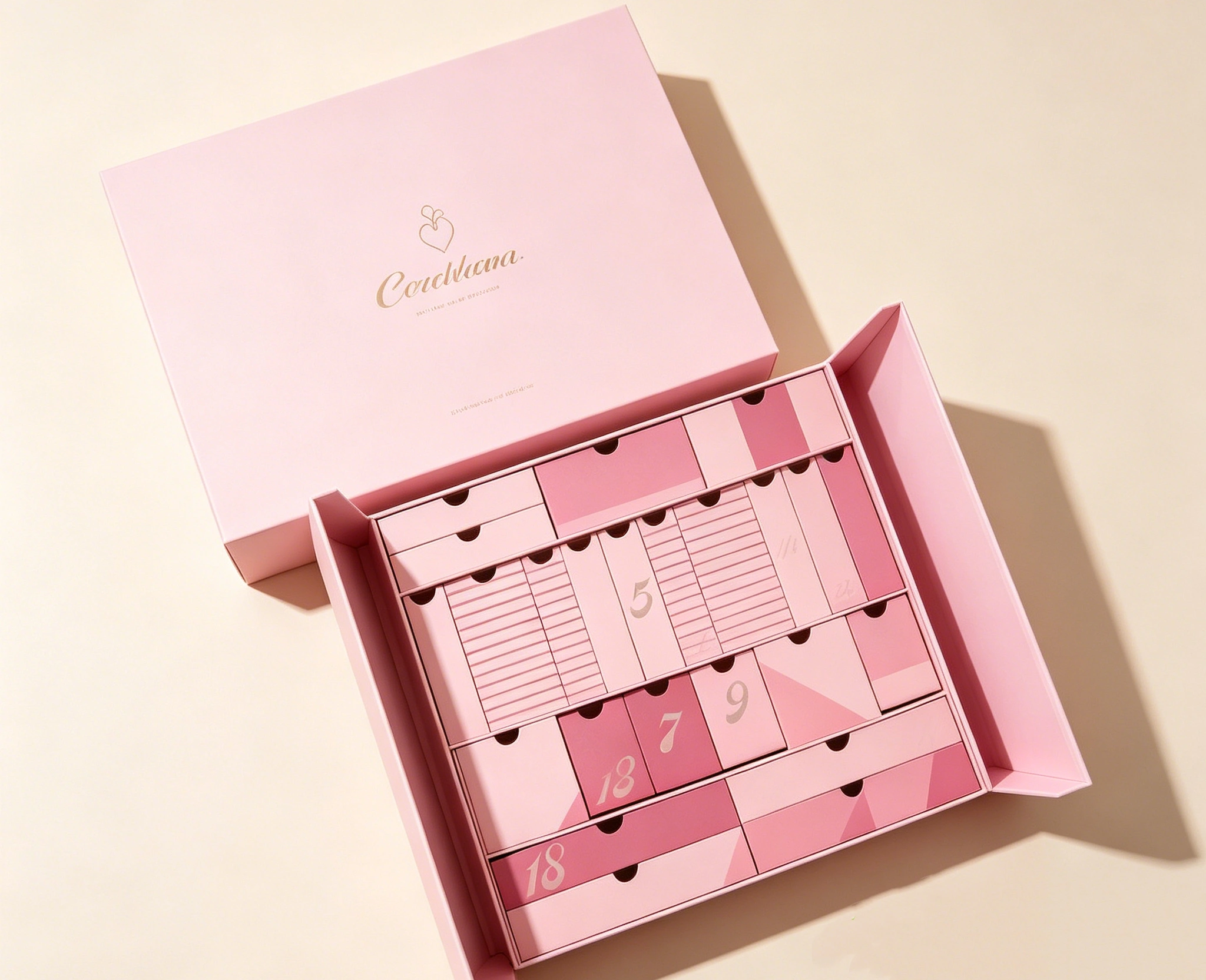
5. Sleeve & Tray Cartons
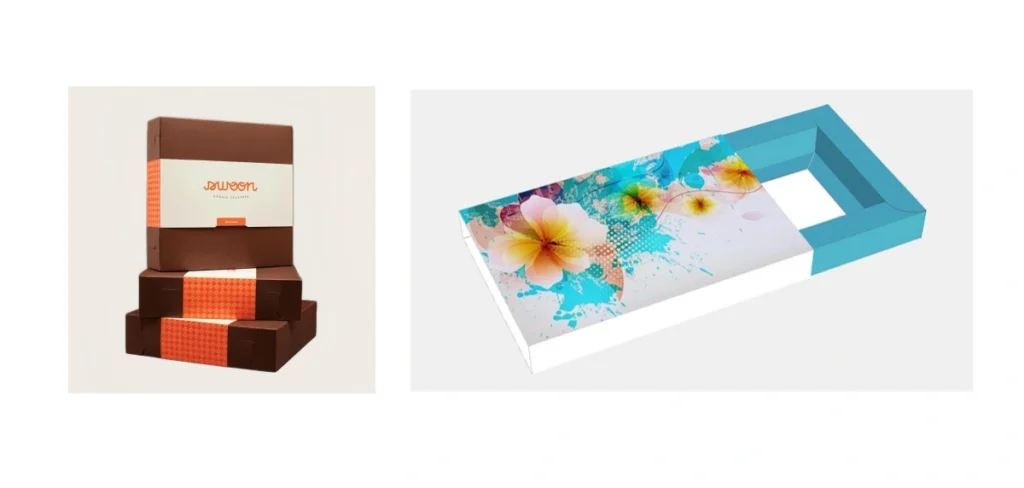
Sleeve & Tray cartons consist of two main parts: an outer sleeve and an inner tray.The tray slides in and out of the sleeve, creating a different opening experience from traditional tuck-end cartons.
Key Features
- Two-piece construction
- Sliding inner tray
- Outer sleeve protects and surrounds the tray
- Large branding area
- Easy product presentation
- Suitable for premium unboxing experiences
Sleeve & Tray cartons are commonly used for:
- Jewelry
- Cosmetics
- Chocolates and confectionery
- Gift sets
- Small accessories
- Premium retail products
When Should You Choose Sleeve & Tray?
Choose Sleeve & Tray when the opening experience and product presentation are important.The sliding structure can make the package feel more distinctive than a standard tuck-end carton, while still using a folding-carton-style construction.For products that require a thicker, non-collapsible box, you may also want to compare this structure with a rigid box. See our guide:
Folding Carton vs Rigid Box: Which Packaging Is Best for Your Brand?
6. Display Cartons
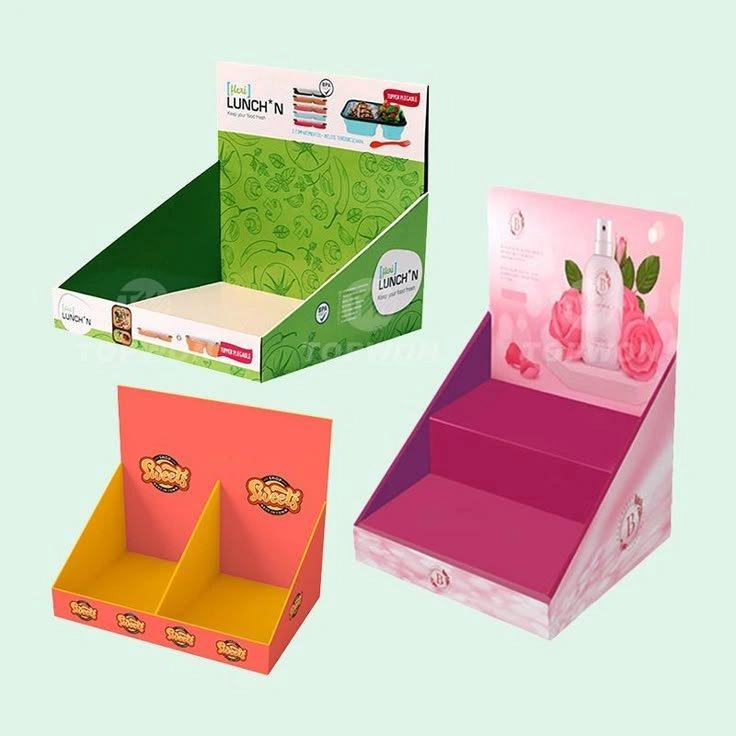
Display Cartons are designed to work as both packaging and a retail display.
Instead of simply protecting the product, the carton can be opened or partially removed at the store to expose the products inside.
Common structures include tear-away sections, perforated panels, open-front designs, and countertop display formats.
Key Features
- Designed for retail presentation
- Can include tear-away or perforated sections
- Products can remain inside the carton during display
- Helps reduce separate display fixtures
- Suitable for countertop or shelf presentation
Display cartons are commonly used for:
- Snacks and confectionery
- Cosmetics
- Small accessories
- Health and wellness products
- Promotional products
- Point-of-purchase merchandise
When Should You Choose a Display Carton?
Choose a Display Carton when the package needs to do more than transport the product.If the product will be sold from a shelf, counter, or point-of-purchase area, a display structure can allow the packaging itself to become part of the retail presentation.
Folding Carton Structures Compared
Each structure solves a slightly different packaging problem.
| Folding Carton Type | Closure / Structure | Best For |
|---|---|---|
| Straight Tuck End | Top and bottom tuck in the same direction | Lightweight retail products |
| Reverse Tuck End | Top and bottom tuck in opposite directions | General retail packaging |
| Auto Bottom | Pre-glued locking bottom | Heavier products and fast packing |
| Snap Lock | Interlocking bottom panels | Products needing extra bottom support |
| Sleeve & Tray | Inner tray slides into outer sleeve | Premium products and gift sets |
| Display Carton | Open, tear-away, or display structure | Retail shelves and counters |
How to Choose the Right Folding Carton Structure
The best structure depends mainly on the product and packing process, not simply on appearance.Consider these questions before choosing a carton style:
1. How heavy is the product?
Lightweight products can often use STE or RTE cartons.Heavier products may be better suited to Auto Bottom or Snap Lock structures.
2. How will the carton be assembled?
If the cartons will be assembled manually, several structures may work.If you use an automated packing line, the carton structure and dieline should be developed around the equipment.
3. Does the bottom need extra support?
For products that put more pressure on the bottom, consider Auto Bottom or Snap Lock instead of a basic tuck-end carton.
4. How should the product be opened?
A traditional tuck-end carton provides a simple opening.If you want a more distinctive opening experience, Sleeve & Tray may be a better choice.
5. Will the carton be used as a retail display?
If products need to be displayed directly inside the package, consider a Display Carton.
Can Folding Carton Structures Be Customized?
Yes. The six structures above are common starting points, but folding cartons do not have to follow a standard template.A carton can be customized with:
- Different panel dimensions
- Custom tuck flaps
- Locking tabs
- Hang tabs
- Die-cut windows
- Inserts
- Perforations
- Custom openings
- Special internal structures
For example, a brand may need a Reverse Tuck End carton with a hanger tab and die-cut window, or an Auto Bottom carton with a custom insert to hold a particular product.At LucklinPak, we can develop the dieline around the product dimensions, packing method, and required structure.
Frequently Asked Questions
What is the difference between STE and RTE cartons?
The main difference is the direction of the tuck flaps.Straight Tuck End (STE) cartons have top and bottom flaps that tuck in the same direction, while Reverse Tuck End (RTE) cartons have flaps that tuck in opposite directions.
Which folding carton is best for heavy products?
Auto Bottom and Snap Lock cartons generally provide stronger bottom support than standard STE or RTE cartons.For particularly heavy products, the carton structure should be tested with the actual product before mass production.
What is the difference between Auto Bottom and Snap Lock?
Auto Bottom cartons normally have a pre-glued bottom that locks automatically when the box is opened.Snap Lock cartons use interlocking panels that are folded into position manually.
What is a Sleeve & Tray carton?
A Sleeve & Tray carton has an inner tray that slides into an outer sleeve. It is often selected when product presentation and the opening experience are important.
Are folding cartons suitable for automated packing?
Many folding carton structures can be designed for automated packing, but compatibility depends on the specific structure, dimensions, machine, and packing process.If you use an automated line, provide the machine requirements before the dieline is finalized.
Conclusion
There is no single folding carton structure that works for every product.STE and RTE are practical choices for many lightweight retail products. Auto Bottom and Snap Lock provide additional bottom support. Sleeve & Tray offers a different opening experience, while Display Cartons combine packaging with retail presentation.The right choice should be based on your product weight, dimensions, packing method, assembly process, and retail requirements.
If you already know your product dimensions and preferred carton style, explore our custom folding boxes or contact LucklinPak to develop the right structure and dieline for your product.