In the fast-paced world of retail, product packaging is far more than just a protective shell—it is a silent brand ambassador and the critical “first touchpoint” in the consumer journey. Consequently, brands face a major strategic crossroads: Should they opt for the highly efficient Folding Carton, or invest in the premium Luxury Rigid Box?
While both paper-based packaging types dominate the modern retail industry, they operate on completely different manufacturing logics, cost structures, and brand value propositions:
- The Balance of Cost & Supply Chain: Folding cartons are the ultimate cost-control champions for fast-moving consumer goods (FMCG) due to their high-speed production and flat-shipping nature. In contrast, rigid boxes require a higher investment in craftsmanship, manual assembly, and dimensional logistics space.
- Structure, Durability & Protection: The flexibility of a single-layer paperboard versus the structural integrity of a multi-layer thick greyboard directly dictates how well they safeguard products of varying weights and fragilities during transit.
- Aesthetics & Brand Premium: The tactile feel of the material and the opening mechanism (such as the satisfying friction slide or magnetic closure of a rigid box) heavily influence consumer psychology. The right package instantly elevates the product’s perceived value, justifying a higher retail price tag.
Choosing the wrong packaging can lead to costly mistakes—either by cheapening a high-end product with a flimsy box, or by eroding profit margins with over-engineered, expensive packaging.
In this comprehensive guide, Lucklinpak will deeply analyze folding cartons versus rigid boxes across key dimensions—including material construction, production costs, shipping logistics, finishes, and market applications—to help your business make the most strategic, high-ROI packaging decision.

What Is Folding Carton Packaging?
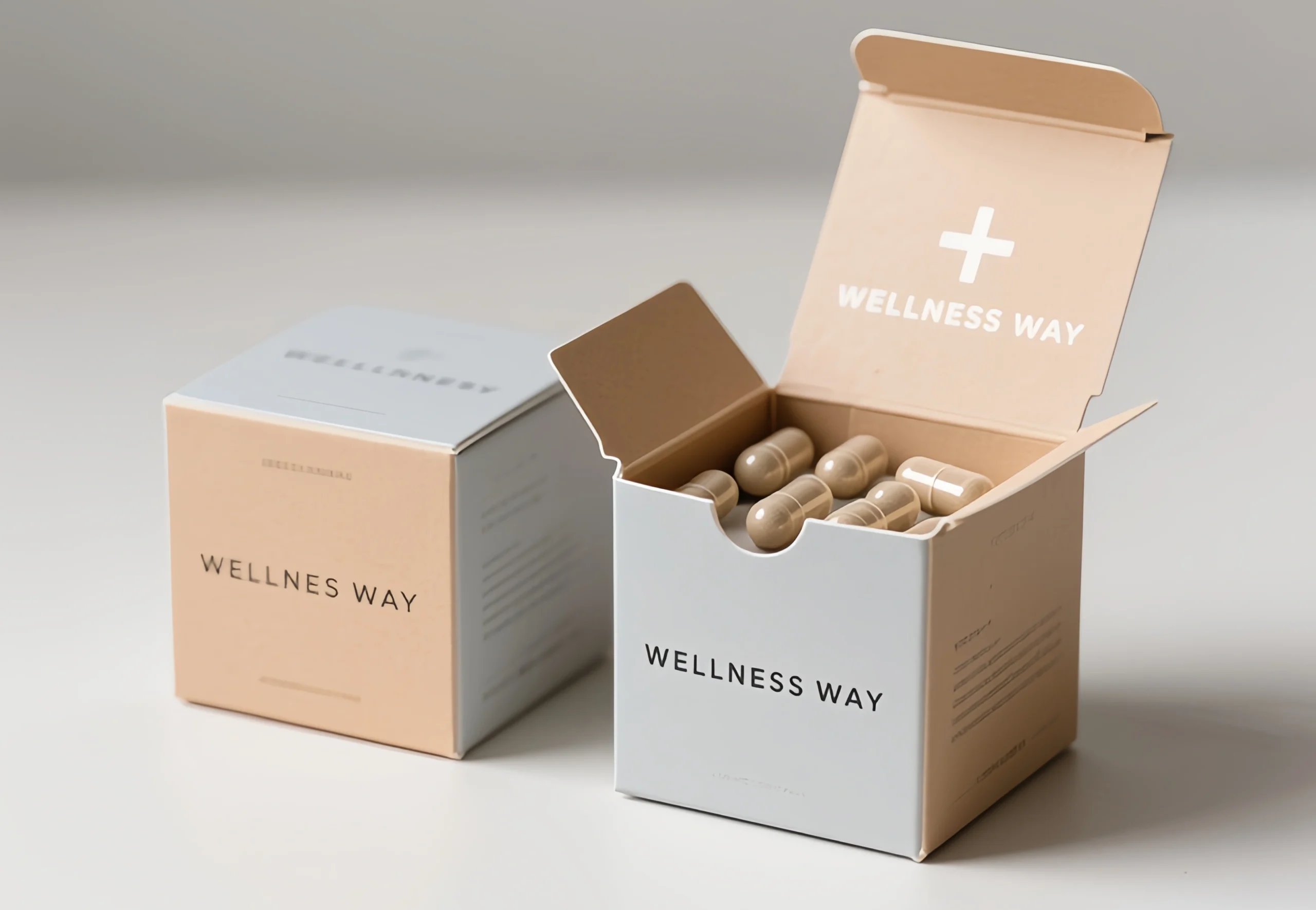
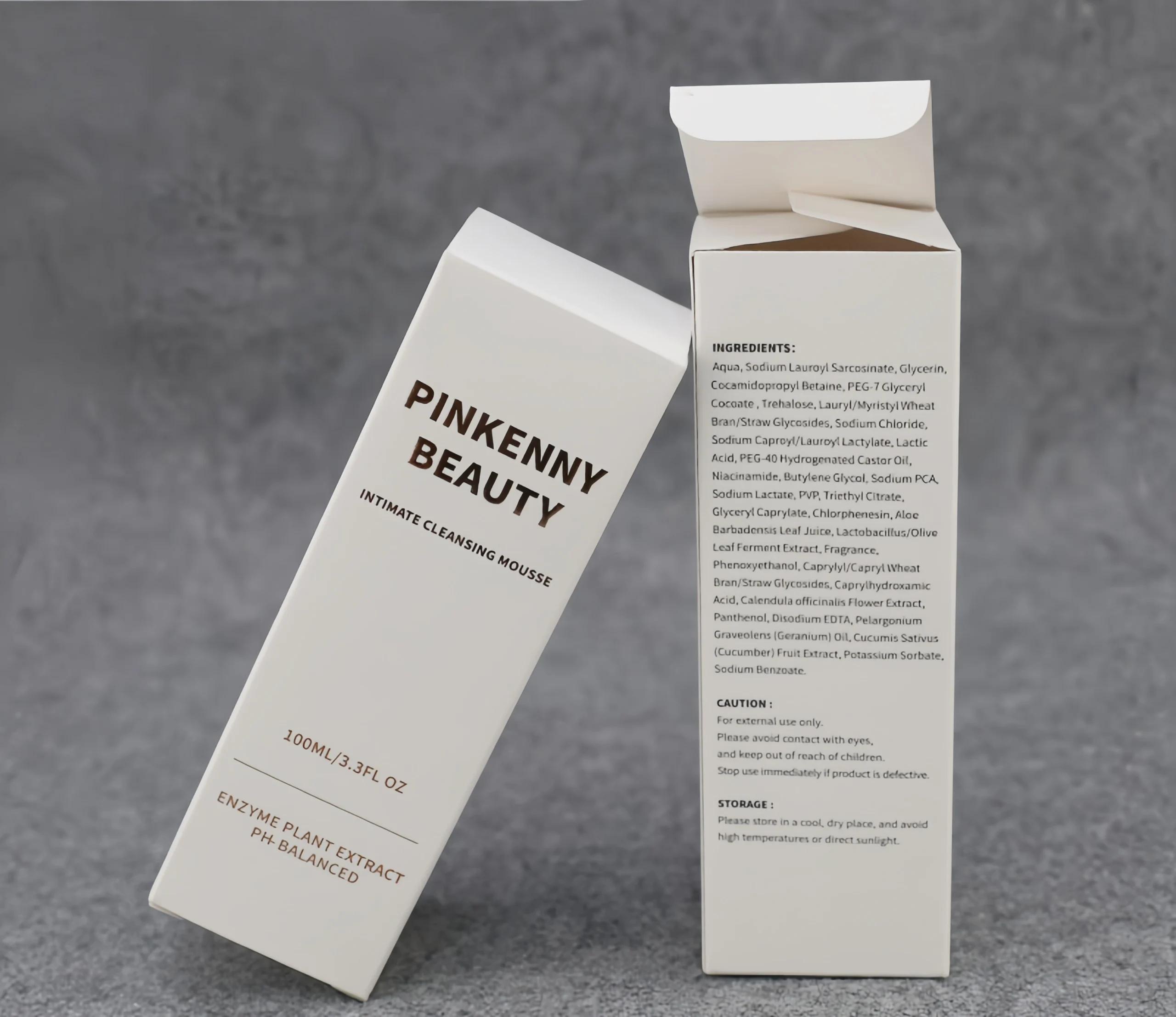
Folding carton packaging is a highly versatile and cost-effective retail solution crafted from single-layer paperboard materials like SBS, eco-friendly kraft, or recycled cardboard. Shipped completely flat to maximize storage and logistics efficiency, these lightweight boxes are easily folded into shape during final assembly. Despite their affordability, custom folding cartons compromise nothing on visual appeal; they support high-end printing techniques—including CMYK, Pantone colors, hot foil stamping, embossing, and UV coating—making them the go-to mass-production choice for industries ranging from cosmetics, skincare, and food to pharmaceuticals, electronics, and daily retail products.If you want to dive deeper into specific structural styles like reverse-tuck or auto-bottom, check out our comprehensive guide on
Folding Carton Packaging: Types, Materials, and Benefits.
What Is a Rigid Box?
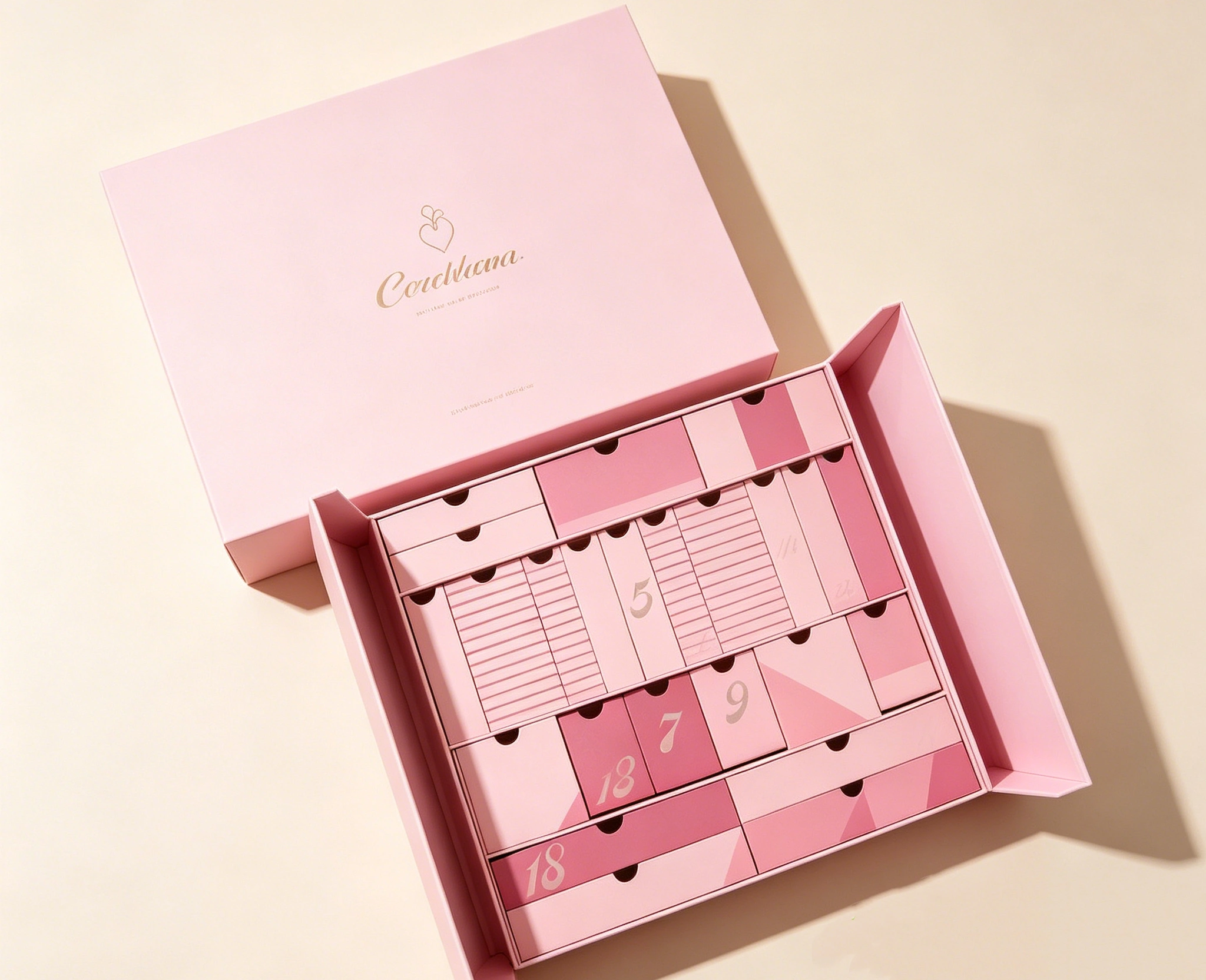
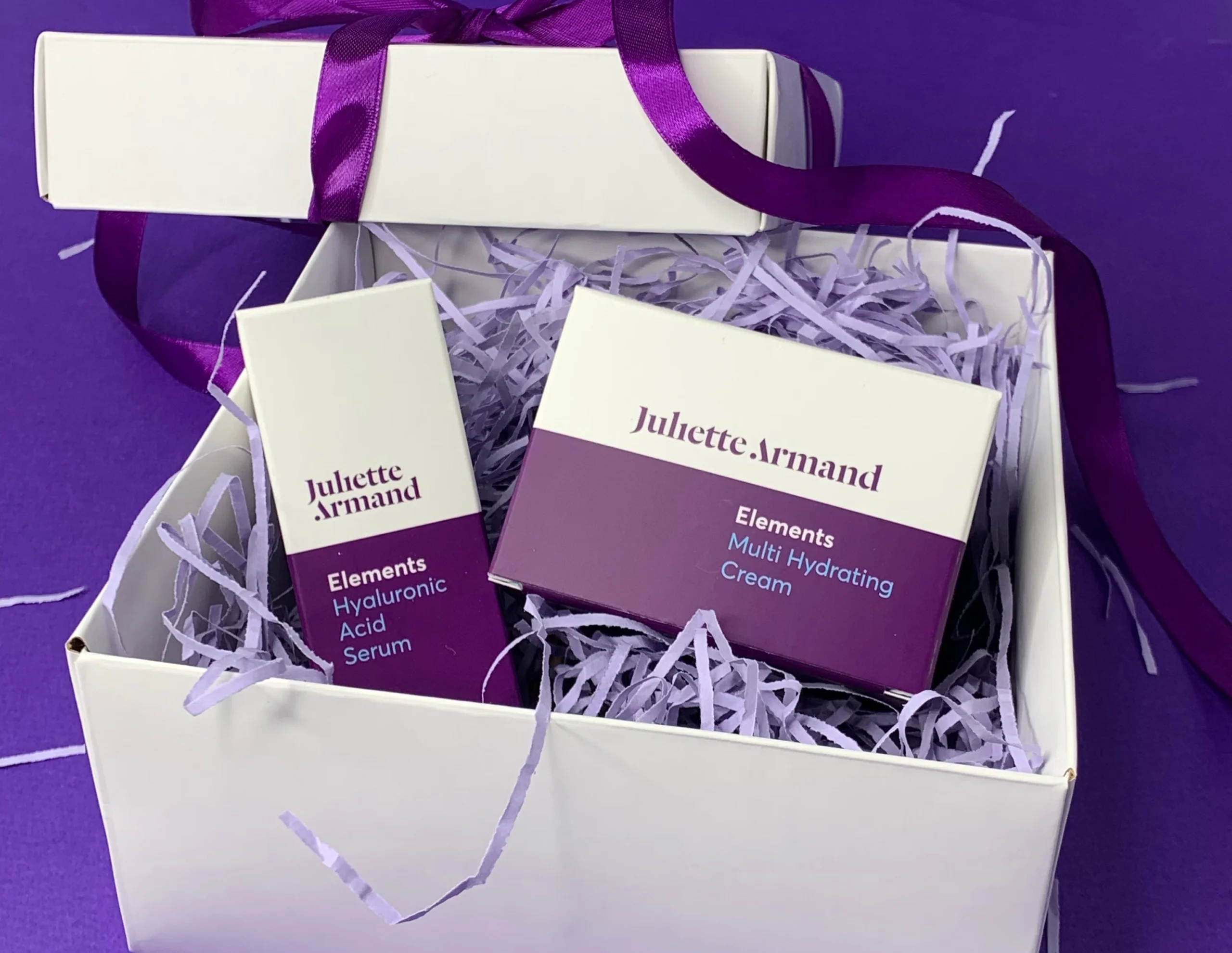
In contrast, a rigid box is a premium, non-collapsible packaging masterpiece engineered from thick, dense greyboard and wrapped in high-quality printed, specialty, leatherette, or fabric materials. Delivered fully formed and structural, these luxury boxes are designed to offer maximum product protection while creating an upscale, unforgettable unboxing experience that instantly elevates a brand’s perceived value. Because of their elite craftsmanship and superior durability, custom rigid boxes have become the gold standard for high-ticket and luxury sectors, including jewelry, premium electronics, watches, high-end cosmetics, perfumes, candles, and luxury gift sets.
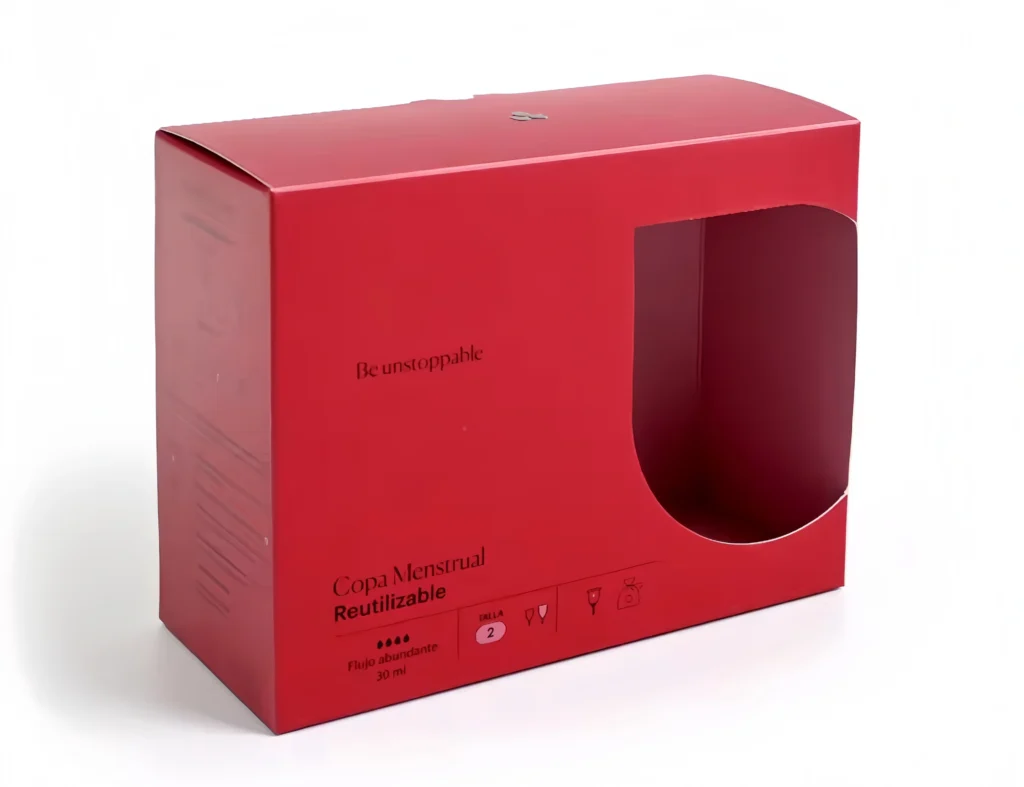
Folding Carton vs Rigid Box: Key Differences
When comparing folding cartons and rigid boxes, it is important to understand that both packaging types are designed for different purposes. Folding cartons focus more on cost efficiency, lightweight structure, and mass production, while rigid boxes emphasize premium presentation, durability, and luxury branding.
The right choice depends on your product type, budget, target market, and the customer experience you want to create.While a glance at the basic comparison table shows clear differences, making the right procurement decision requires diving into the specific engineering, logistical, and financial realities of both packaging styles. (Note: If you are looking for a step-by-step buyer’s checklist, you can also read our companion Rigid Box vs Folding Carton: Key Differences and Packaging Guide.) Here is how they compare head-to-head across key business pillars:
| Feature | Folding Carton | Rigid Box |
|---|---|---|
| Material | Made from paperboard such as SBS, kraft paper, or recycled board. Lightweight and flexible for efficient production. | Made from thick greyboard wrapped with printed or specialty paper for a stronger and more luxurious structure. |
| Structure | Foldable and shipped flat before assembly, helping reduce transportation and storage costs. | Non-foldable and pre-assembled, providing a solid and premium packaging appearance. |
| Cost | More affordable for large-volume production and retail packaging projects. | Higher production cost due to thicker materials, manual labor, and luxury finishing processes. |
| Shipping Cost | Lower shipping expenses because cartons can be packed flat and save container space. | Higher shipping costs since rigid boxes take up more volume during transportation. |
| Storage Space | Requires less warehouse space because boxes are stored flat before use. | Needs more storage space because the boxes maintain their assembled shape. |
| Durability | Provides moderate protection for lightweight and everyday retail products. | Offers excellent protection for fragile, premium, or high-value products. |
| Luxury Feel | Creates a clean and professional retail appearance suitable for most consumer goods. | Delivers a high-end unboxing experience with stronger premium and luxury perception. |
| Printing Quality | Supports high-quality offset printing, CMYK, Pantone colors, foil stamping, embossing, and UV finishing. | Also supports premium printing and luxury finishing with a more upscale presentation effect. |
| Best For | Ideal for cosmetics, food packaging, pharmaceuticals, electronics accessories, and retail consumer products. | Commonly used for jewelry, luxury cosmetics, gift boxes, premium electronics, watches, and fashion packaging. |
| MOQ | Higher (e.g., 3,000+ pcs): Due to high-speed automated setup and printing press running waste. | More Flexible (e.g., 500+ pcs): Lower setup waste allows for boutique or limited-edition runs. |
Both folding cartons and rigid boxes offer excellent customization possibilities, including custom sizes, printing, inserts, foil stamping, embossing, debossing, spot UV, and specialty paper options. However, they serve very different branding and business goals.
If your priority is affordable packaging, efficient shipping, and large-scale retail distribution, folding cartons are often the better choice. On the other hand, if your goal is to create a premium customer experience and elevate your brand image, rigid boxes provide a more luxurious and durable packaging solution.
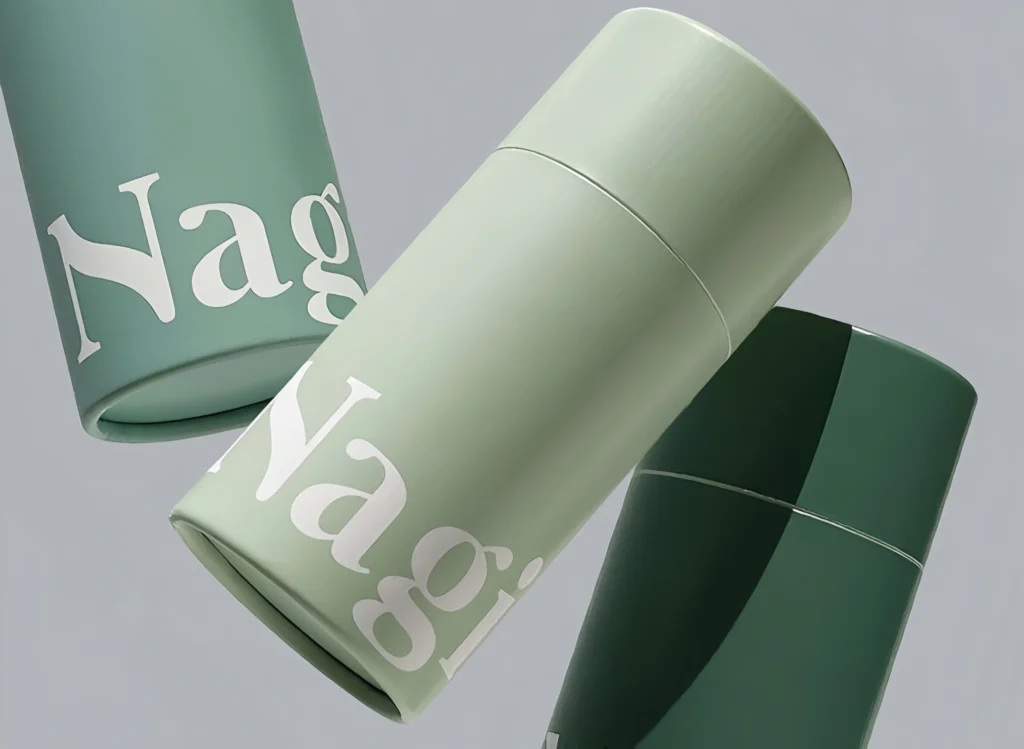
Best Industries for Folding Cartons vs Rigid Boxes
The choice between these two packaging styles heavily depends on your industry’s fast-moving nature and margin structures. Folding cartons are the gold standard for high-volume, fast-moving consumer goods (FMCG) sectors such as daily skincare, pharmaceuticals, food, and everyday retail. These industries prioritize rapid turnover, high-speed automated filling lines, and strict cost-per-unit controls, making lightweight paperboard the ideal choice to maintain high shelf-impact on a budget.
Conversely, rigid boxes dominate sectors driven by high product retail prices and emotional gifting experiences, such as luxury keepsakes, high-ticket consumer tech, premium fragrances, and boutique gift sets. In these markets, the packaging is an extension of the product itself. Brands in these niches willingly trade off production speed for elite structural craftsmanship to justify premium retail markups and reinforce their high-end market positioning.
Folding Carton vs. Rigid Box for Ecommerce Logistics
For direct-to-consumer (DTC) and ecommerce businesses, packaging directly impacts your bottom line, specifically influencing Third-Party Logistics (3PL) fees, fulfillment speed, and shipping overhead.
- Folding Cartons (The Logistics Maximizer): Since folding cartons occupy minimal dimensional space before assembly, they are the ultimate tool for reducing Amazon FBA and 3PL storage fees, which are heavily based on cubic volume. They allow your fulfillment team to store tens of thousands of units on a single warehouse rack, slashing your overhead. Furthermore, their lightweight profile keeps your final parcel weight low, protecting your margins against rising carrier dimensional weight (DIM) shipping costs.
- Rigid Boxes (The Viral Marketing Engine): While rigid boxes require more warehouse space and increase shipping costs due to their fixed volume, they solve a massive ecommerce challenge: customer acquisition cost (CAC). In the digital-first retail space, the unboxing moment is a critical marketing channel. A premium rigid box creates an irresistible “shareable moment.” When customers or influencers share high-quality unboxing videos on TikTok, Instagram, or YouTube, it generates free organic traffic, builds immense social proof, and significantly boosts repeat purchase rates.

Which Packaging Is Better for Strategic Branding?
Both packaging formats can establish a strong brand identity, but they communicate entirely different brand values to the consumer at the first physical touchpoint.
Balancing Scale and Design with Folding Cartons: For growing brands targeting a broader demographic, custom folding cartons offer a versatile canvas for modern brand storytelling without a heavy capital investment. Utilizing advanced post-press finishes—such as soft-touch lamination, holographic foil stamping, precision embossing, and raised spot UV—allows a folding carton to look incredibly premium on the retail shelf while keeping your capital free to reinvest in product development and digital marketing.
Elevating Perceived Value with Rigid Boxes: If your brand strategy is built around exclusivity, luxury, or professional gifting, a rigid box is irreplaceable. The tactile response of a heavy box, combined with premium opening mechanisms like an airtight friction slide or a satisfying snap of a magnetic closure, triggers a psychological perception of high quality.For high-end brands looking to weaponize their packaging aesthetics, we have unpacked the exact design secrets in our specialized article on Custom Rigid Boxes for Luxury Packaging. It transforms the purchase from a simple commodity into a premium experience, allowing your brand to establish a higher price floor in the market.
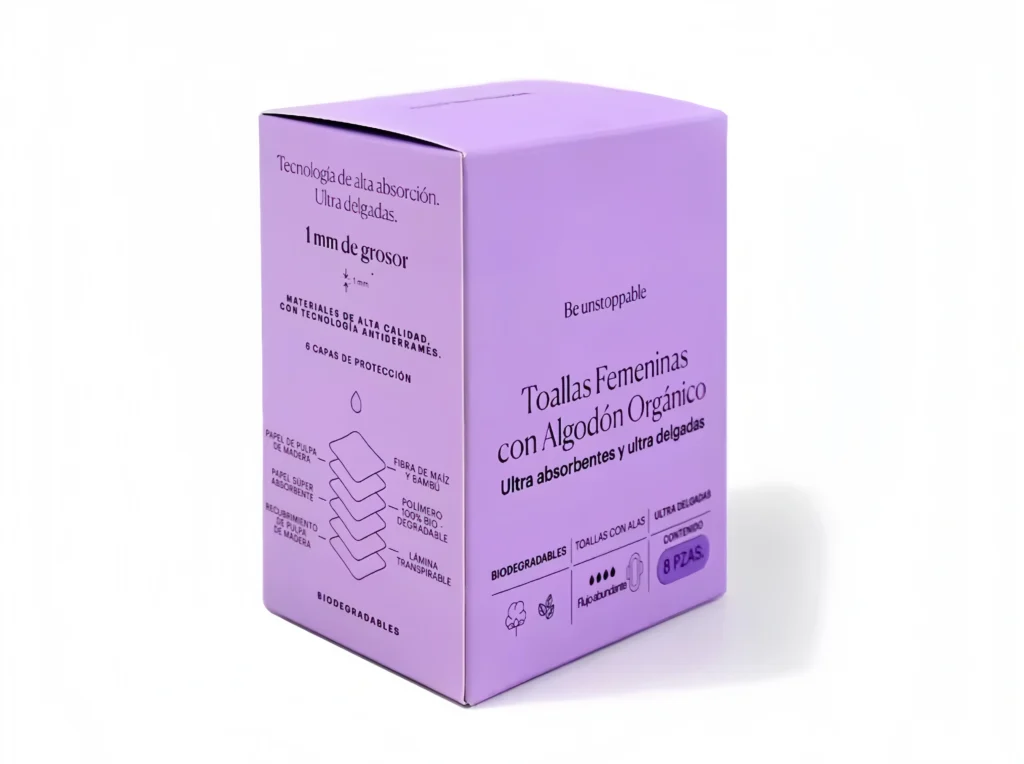
FAQ
1.What is the main structural difference between folding cartons and rigid boxes?
The fundamental difference lies in the thickness of the core material and collapsibility. Folding cartons are made from single-layer paperboard (0.4mm–0.7mm) and ship 100% flat. Rigid boxes are constructed from thick, dense industrial greyboard (1.0mm–3.0mm) wrapped in premium art paper, and they remain non-collapsible throughout their lifecycle.
2.Are rigid boxes better than folding cartons?
It depends on your brand positioning. Rigid boxes are better for luxury products and high-end branding, while folding cartons are more suitable for retail products that require cost efficiency and large-volume production.
3.Which packaging is more cost-effective: folding carton or rigid box?
Folding cartons are generally more cost-effective because they use less material, ship flat, and reduce storage and transportation costs. Rigid boxes are more expensive due to their structure and premium materials.
4.Can folding cartons look as premium as luxury rigid boxes?
While they cannot replicate the heavy physical weight of a rigid box, custom folding cartons can achieve a highly premium, retail-ready appearance. By applying advanced post-press finishes—such as soft-touch lamination, hot foil stamping, deep embossing, and raised spot UV—you can create a luxury aesthetic on a folding carton budget.
5.Which packaging is better for ecommerce products?
Folding cartons are usually better for ecommerce because they are lightweight and cost-efficient. However, rigid boxes are preferred when brands want to create a premium unboxing experience for high-value products.
6.What industries commonly use rigid boxes and folding cartons?
Folding cartons are widely used in cosmetics, skincare, food, pharmaceuticals, and retail products. Rigid boxes are commonly used in luxury industries such as jewelry, perfumes, watches, and premium gift packaging.
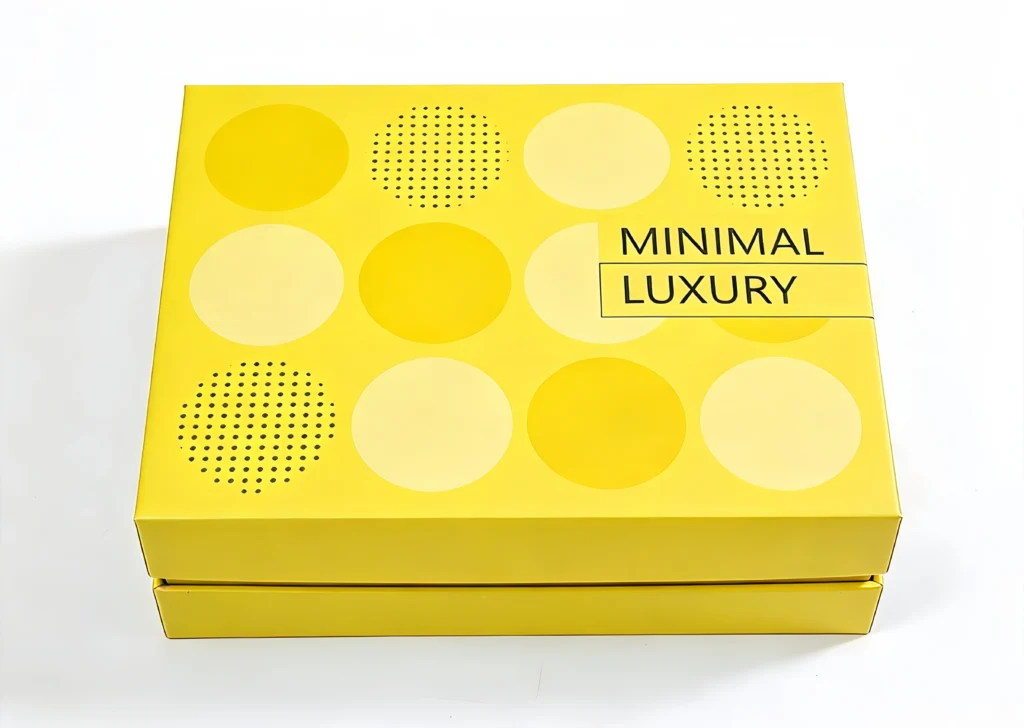
Conclusion
Both folding carton packaging and rigid box packaging play an important role in modern branding and product presentation, but they serve different business needs. Folding cartons are widely used for cost-efficient, high-volume production, making them ideal for retail and fast-moving consumer goods. Their lightweight structure, flat shipping format, and flexible customization options allow brands to reduce logistics costs while still maintaining a clean and professional appearance.
Rigid boxes, on the other hand, are designed to deliver a premium and luxury customer experience. With their solid structure, heavier feel, and advanced finishing options such as soft-touch lamination, foil stamping, and embossing, they significantly enhance perceived product value. Although the cost is higher than folding cartons, rigid boxes are often used by luxury brands because they improve unboxing experience, strengthen brand identity, and create a stronger emotional connection with customers.
Ultimately, the choice between folding cartons and rigid boxes depends on your product positioning, target audience, and budget strategy. Many successful brands use folding cartons for everyday product lines and rigid boxes for premium collections to balance cost efficiency and brand elevation. At LucklinPak, we offer custom folding carton and luxury rigid box packaging solutions for cosmetic, retail, ecommerce, and high-end brands worldwide, helping businesses choose the right packaging to enhance brand value and customer experience.
Get a Free Quote for Custom Folding Cartons & Rigid Boxes
Ready to upgrade your packaging? Whether you need cost-effective folding cartons or premium rigid boxes, LucklinPak can help you create custom packaging that fits your brand and budget.
Contact us today to get a free quote and start your custom packaging project.