In the fast-growing e-commerce landscape, packaging is no longer just about delivering products safely—it has become a key factor in shaping brand image, controlling costs, and enhancing customer satisfaction. Among all packaging decisions, choosing the right mailer box size is especially important. The correct size ensures that your product is well-protected during transit while also presenting it in a neat and professional way.
Selecting the appropriate mailer box size can significantly impact your overall shipping efficiency. A properly sized box reduces the need for excessive filler materials, lowers the risk of product damage, and helps avoid unnecessary dimensional weight charges from shipping carriers. On the other hand, using boxes that are too large can increase shipping costs, while boxes that are too small may compromise product safety.You can also explore more about our custom mailer box packaging solutions to better understand how tailored packaging can improve efficiency.
In addition to cost and protection, the right mailer box size also plays a vital role in creating a positive unboxing experience. A well-fitted package not only looks more premium but also reinforces your brand’s attention to detail. In this guide, we will explore standard mailer box dimensions and provide practical tips to help you choose the perfect size for your business needs.
What Are Mailer Box Sizes?
Mailer box sizes refer to the external and internal dimensions of a box, typically expressed as length × width × height (L × W × H). These measurements are usually provided in inches or millimeters, depending on the market and manufacturing standards. Understanding these dimensions is essential when selecting packaging, as it directly affects how well your product fits, how it is protected during shipping, and how efficiently space is utilized.
Each dimension plays a specific role in defining the box structure. The length (L) is the longest side of the box when viewed from the top. The width (W) is the shorter side that runs perpendicular to the length. The height (H), also referred to as depth, measures the vertical distance from the base to the top of the box when it is fully assembled. These three measurements together determine the overall capacity and usability of the mailer box.
Choosing the correct mailer box dimensions is critical for both product protection and cost efficiency. A box that is too large may require additional void fill materials, increasing packaging costs and the risk of product movement during transit. On the other hand, a box that is too small can place pressure on the product, potentially causing damage. By selecting the right size, you can ensure a snug fit, reduce shipping expenses, and deliver a better unboxing experience for your customers.
Standard Mailer Box Sizes Comparison Table
To help you quickly compare different options, here is a simple overview of the most common mailer box sizes and their typical uses:
| Size Category | Dimensions (L × W × H) | Best For | Key Advantages |
|---|---|---|---|
| Small | 4″ × 4″ × 2″ | Jewelry, samples | Lightweight, low shipping cost |
| Small | 6″ × 4″ × 2″ | Cosmetics, accessories | Compact, space-saving |
| Small | 6″ × 6″ × 3″ | Small retail items | Balanced protection & size |
| Medium | 9″ × 6″ × 3″ | Apparel, beauty | Most versatile size |
| Medium | 10″ × 8″ × 4″ | Subscription boxes | Ideal for branding & inserts |
| Medium | 12″ × 9″ × 4″ | Electronics accessories | Extra room for protection |
| Large | 14″ × 10″ × 5″ | Shoes | Strong protection |
| Large | 16″ × 12″ × 6″ | Gift sets | Fits multiple items |
| Large | 18″ × 14″ × 6″ | Bulk products | Maximum capacity |
How to Choose the Right Mailer Box Size
Selecting the right mailer box size is essential for ensuring product safety, controlling shipping costs, and delivering a great customer experience. Instead of guessing, you can follow this step-by-step method to determine the most suitable size for your packaging needs.
Step 1: Measure Your Product Accurately
Start by measuring your product’s length, width, and height. These measurements should reflect the product in its fully packed or final form (including any inner packaging if applicable).
Always use the maximum dimensions, especially for irregularly shaped items, to avoid fitting issues later. Accurate measurements are the foundation of choosing the correct box size.
Step 2: Add Extra Space for Safety
Once you have your product dimensions, add an extra 5–10 mm (or 0.2–0.4 inches) to each side of the box. This additional space ensures:
- Easy insertion and removal of the product
- Room for slight size variations
- Basic protection during handling and transit
Avoid making the box too tight, as this may cause pressure damage, especially for delicate items.
Step 3: Consider Packaging Inserts and Materials
If your packaging includes protective or decorative materials, you need to account for their thickness when choosing the box size.
Common inserts include:
- Foam inserts
- Paper fillers or tissue paper
- Cardboard dividers
- Custom trays or molded pulp inserts
These materials can take up significant internal space, so always increase the box dimensions accordingly to maintain a proper fit and protection level.
Step 4: Evaluate Your Product Type
Different types of products require different packaging approaches, so the ideal box size will vary depending on what you are shipping.
- Fragile items (e.g., glass, electronics): Require extra space for cushioning and shock absorption
- Clothing and textiles: Flexible and can fit into more compact boxes
- Luxury or gift items: Need additional space for presentation, branding elements, and a premium unboxing experience
Choosing the right size is not just about fit—it’s also about protection and brand perception.
Step 5: Test Before Mass Production
Before placing a large order, always validate your chosen box size through real testing.
Make sure to:
- Order sample boxes
- Pack your actual product inside
- Conduct basic drop or transit tests
- Evaluate overall fit, protection, and presentation
Testing helps you identify potential issues early and avoid costly mistakes in mass production.
By following these steps, you can confidently select a mailer box size that balances protection, cost efficiency, and customer experience—ensuring your packaging performs well both functionally and visually.
If you want to learn more about accurate measurement techniques, you can also read our detailed guide on how to measure a box correctly every time:
👉 How to Measure Custom Packaging Boxes | L x W x H Guide
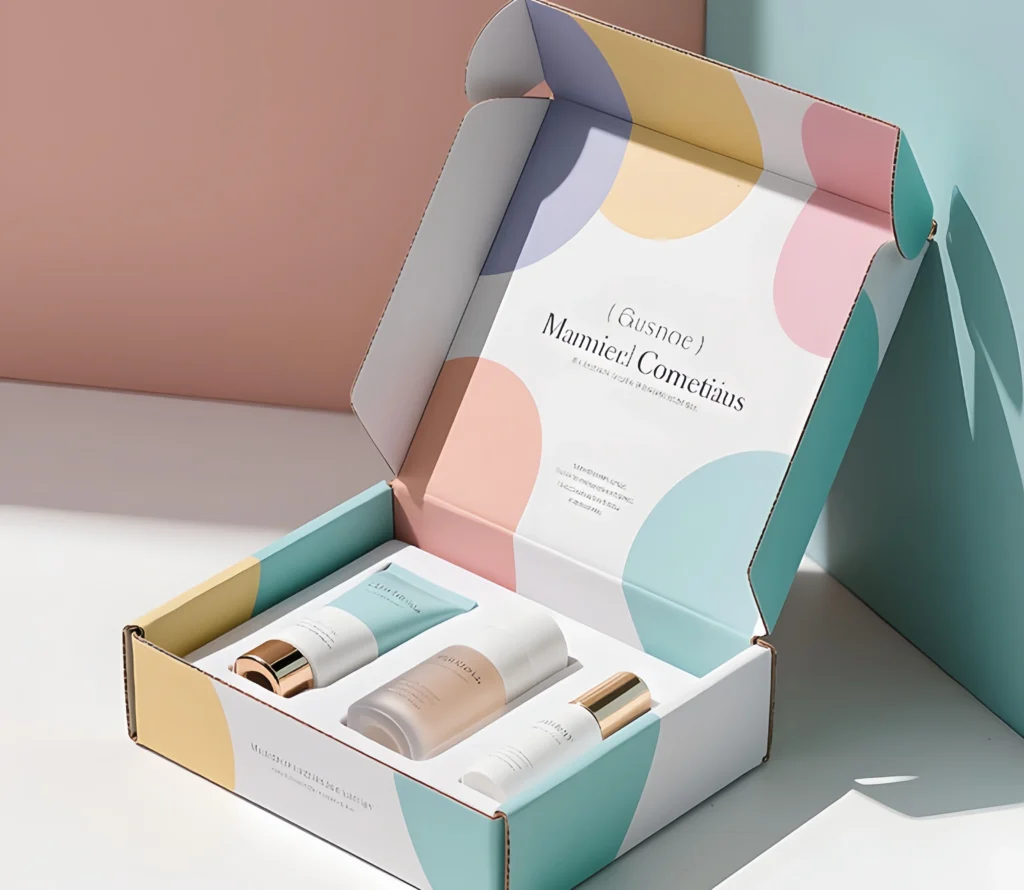
Custom vs Standard Mailer Box Sizes
When choosing mailer box sizes, businesses often face a key decision: whether to use standard sizes or invest in custom dimensions. Each option has its own advantages and limitations, depending on your product type, order volume, and branding goals.
Standard Sizes
Standard mailer box sizes are pre-defined dimensions that are widely used across industries. They are readily available and ideal for businesses looking for a quick and cost-effective packaging solution.
Pros:
- Lower cost: Mass production makes standard sizes more affordable
- Faster production: Shorter lead times due to existing die lines
- Suitable for general use: Works well for common product categories
Cons:
- Limited fit precision: May not perfectly match your product dimensions
- Less brand differentiation: Standard sizes can feel generic and less unique
Custom Sizes
Custom mailer boxes are tailored specifically to your product’s exact dimensions and branding requirements. They are especially valuable for businesses that prioritize presentation and long-term cost optimization.
Pros:
- Perfect product fit: Minimizes movement and reduces the need for fillers
- Better branding opportunities: Unique sizing enhances brand identity and unboxing experience
- Reduced shipping cost (long-term): Optimized dimensions can lower dimensional weight charges
Cons:
- Higher initial cost: Tooling and setup fees may apply
- Requires MOQ (Minimum Order Quantity): Not ideal for very small orders
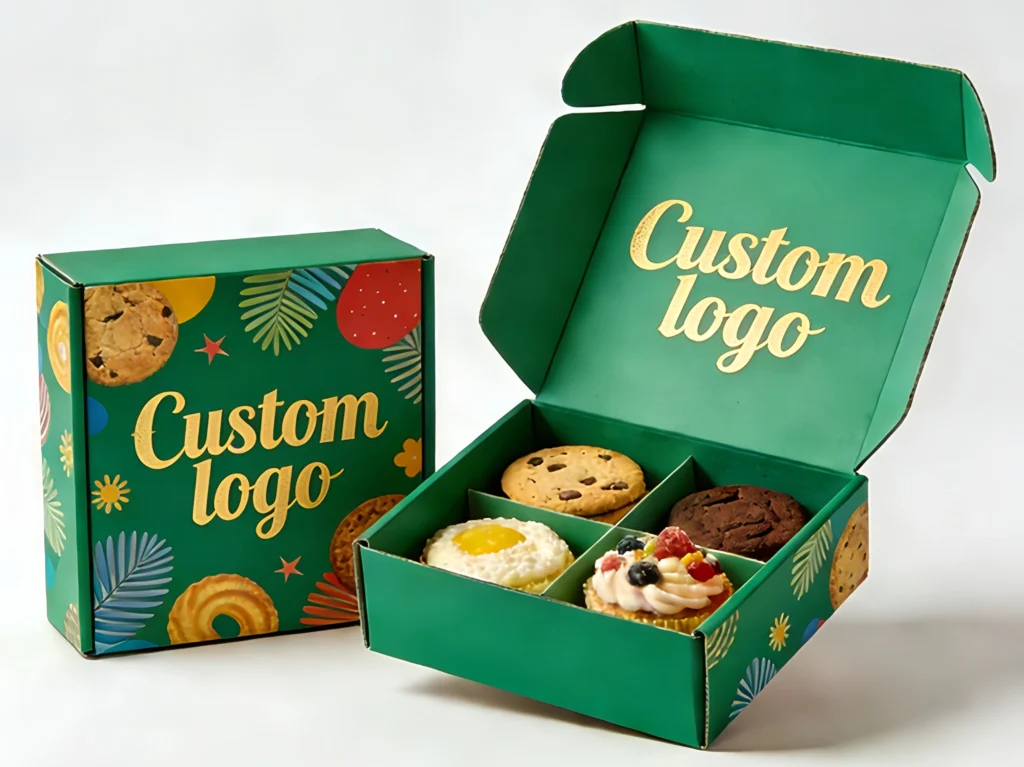
Industry-Specific Size Recommendations
Different industries tend to favor certain mailer box sizes based on product characteristics and shipping needs. Below are some commonly used size recommendations:
E-commerce Packaging
E-commerce businesses require versatile sizes that can accommodate a wide range of products while maintaining cost efficiency.
- 9″ × 6″ × 3″ – One of the most versatile and widely used sizes
- 12″ × 9″ × 4″ – Ideal for multi-product orders or slightly bulkier items
Subscription Boxes
Subscription boxes often need consistent sizing to streamline packing processes and maintain a uniform brand experience.
- 10″ × 8″ × 4″ – Suitable for monthly kits, beauty boxes, or curated products
- 12″ × 10″ × 5″ – Offers more room for multiple items and inserts
Retail & Gift Packaging
Retail and gift packaging focus more on presentation and perceived value, so box size plays an important role in the unboxing experience.
- 6″ × 6″ × 3″ – Perfect for small gifts, accessories, or premium samples
- 14″ × 10″ × 5″ – Commonly used for larger gift sets or luxury product bundles
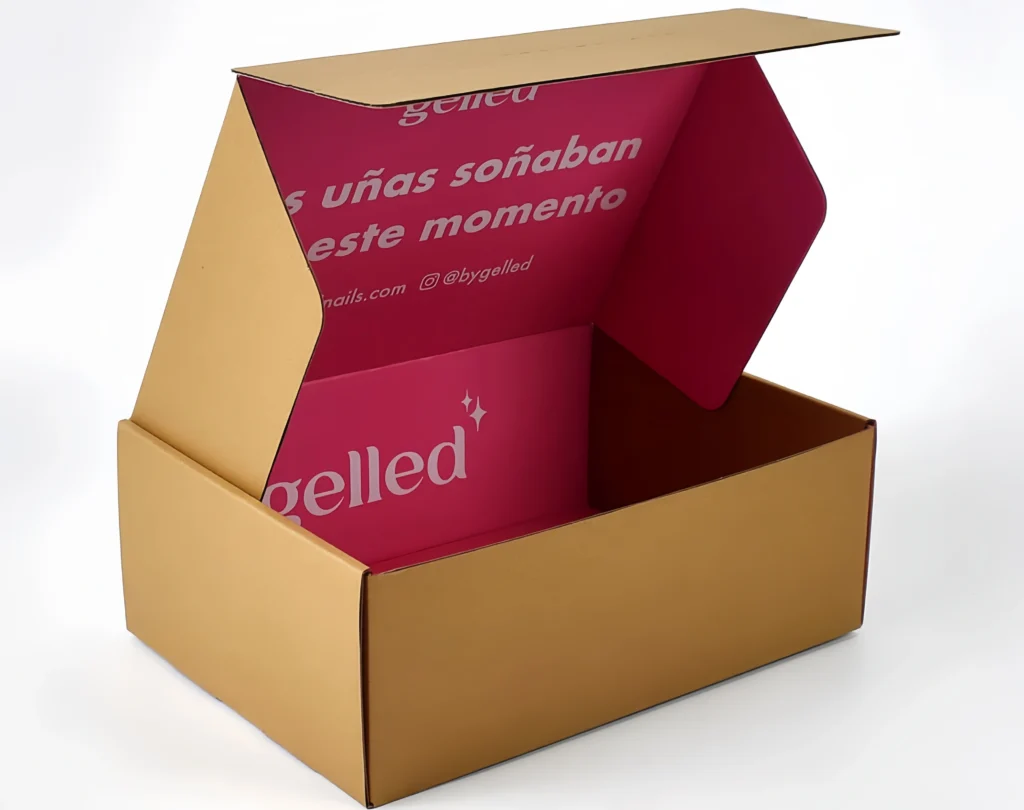
Pro Tips for Choosing Mailer Box Sizes
To make the best decision, keep the following practical tips in mind:
- Avoid oversized boxes: Larger boxes increase dimensional weight (DIM) charges and may lead to higher shipping costs
- Keep buffer space within 10–20%: Enough room for protection without excessive empty space
- Standardize sizes across product lines: Simplifies inventory management and reduces operational complexity
- Work with a professional packaging supplier: They can help optimize structure, material, and size for both cost and performance
- Always prioritize product safety over cost: Damaged products lead to returns, refunds, and poor customer experience
By understanding the differences between standard and custom sizes, as well as industry-specific requirements, you can make smarter packaging decisions that balance cost, protection, and brand impact.
Material selection also affects strength and sizing decisions:Corrugated vs Cardboard Mailer Boxes: Materials, Strength & Selection Guide – Custom Cardboard Packaging Boxes
FAQ
1. What is the most common mailer box size?
The most commonly used mailer box size is 9″ × 6″ × 3″, as it offers a good balance between space, cost, and versatility. It is widely used for e-commerce products such as clothing, cosmetics, and small accessories.
2. How do I measure a mailer box correctly?
Mailer box dimensions are measured as Length × Width × Height (L × W × H).
- Length: the longest side
- Width: the shorter side
- Height: the depth of the box
Always measure the internal dimensions if you want to ensure your product fits properly.
3. Should I choose a custom or standard mailer box size?
If your product has standard dimensions and you want to reduce costs, standard sizes are a good choice. However, if you want a perfect fit, better branding, and long-term shipping savings, custom sizes are more suitable.
4. How much extra space should I add to my box size?
It is recommended to add 5–10 mm (0.2–0.4 inches) to each side of your product dimensions. If you are using inserts or protective materials, you may need to add more space accordingly.
5. What happens if my mailer box is too big?
An oversized box can lead to:
- Higher shipping costs due to dimensional weight
- Increased need for filler materials
- More product movement, which may cause damage
6. What happens if my mailer box is too small?
A box that is too small can:
- Put pressure on your product
- Cause deformation or damage
- Make packing more difficult
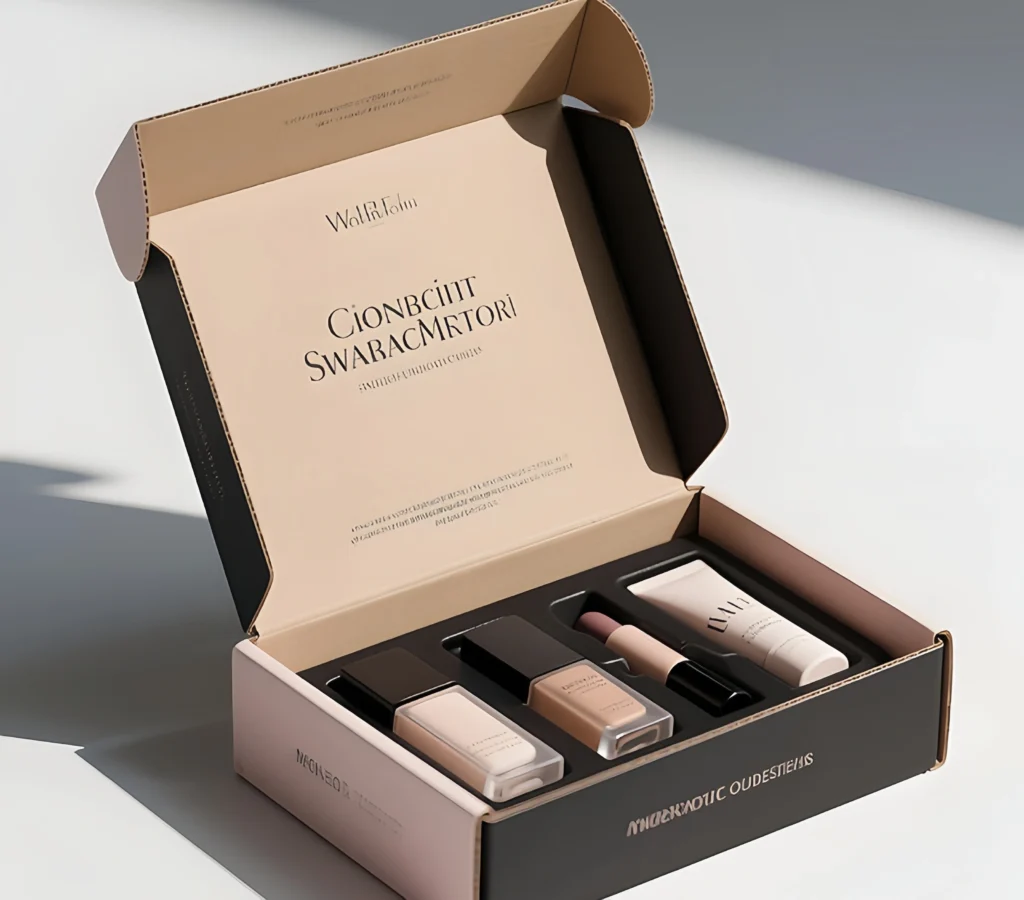
Conclusion
Choosing the right mailer box size is a crucial decision that directly impacts your overall packaging performance, including shipping efficiency, product protection, and brand perception. A properly selected box size helps ensure that your products are securely packed, reduces the risk of damage during transit, and minimizes unnecessary shipping costs caused by oversized packaging or excessive void fill materials.
While standard mailer box sizes offer a convenient and cost-effective solution—especially for businesses that handle common product dimensions or need fast turnaround times—they may not always provide the most optimized fit. In contrast, investing in custom-sized mailer boxes allows for a more precise match to your product, improved space utilization, and a more refined unboxing experience. Over time, this can lead to better cost efficiency, stronger branding, and higher customer satisfaction.
If you are unsure which mailer box size is most suitable for your products, it is highly recommended to test different sample sizes before making a bulk order. Working closely with a professional packaging manufacturer can also help you optimize both structure and dimensions. You can also explore our custom packaging solutions guide to better understand how to design packaging that is both practical and cost-effective, while aligning with your brand goals.
Need Help Choosing the Right Mailer Box Size?
At Lucklin Packaging, we specialize in custom paper packaging solutions tailored to your exact needs. From structural design to size optimization, our team can help you find the most cost-effective and visually appealing packaging for your products.
👉 Contact us today to get a free consultation and sample support
👉 Explore more: Custom Boxes | Wholesale, Retail & Branded Packaging