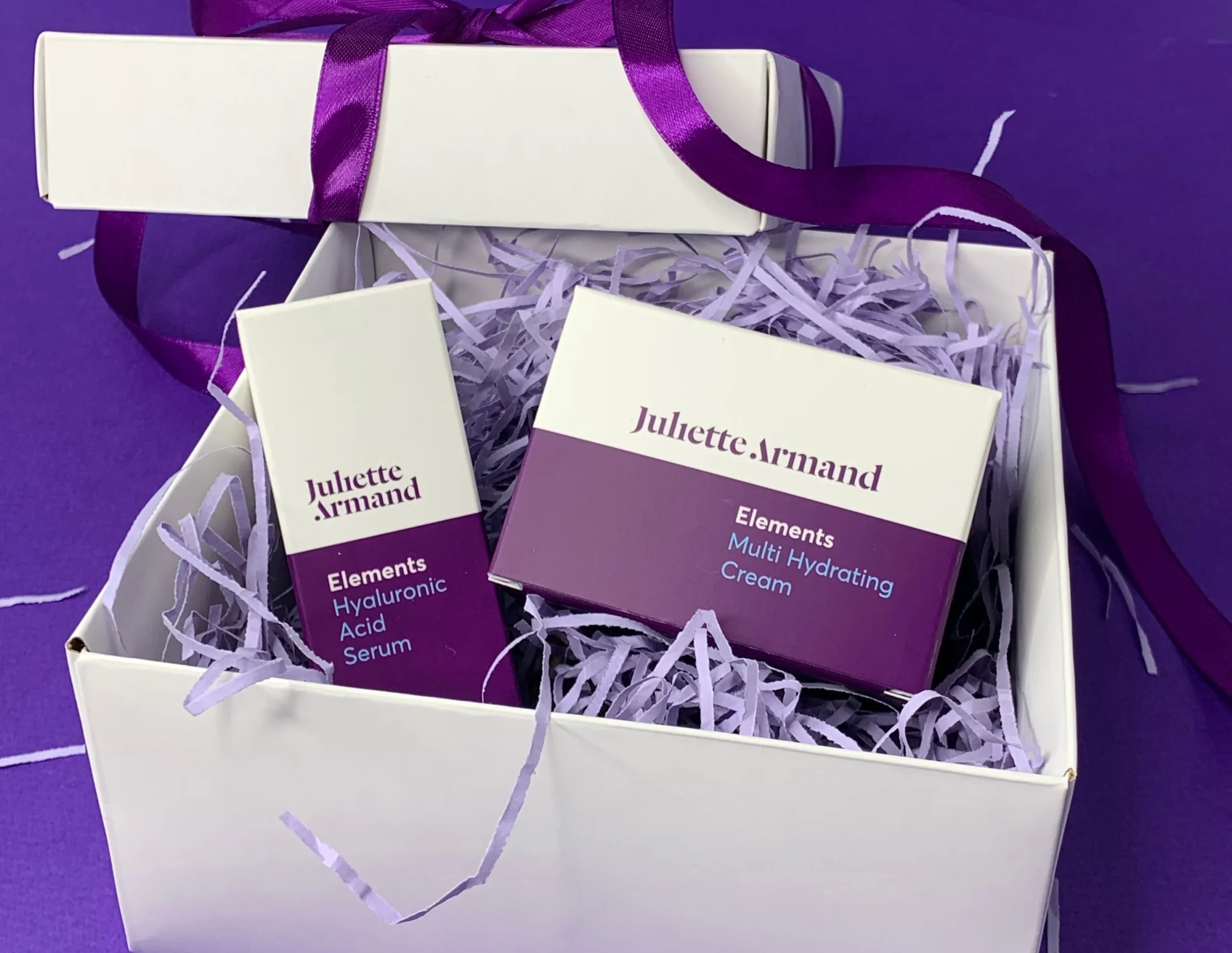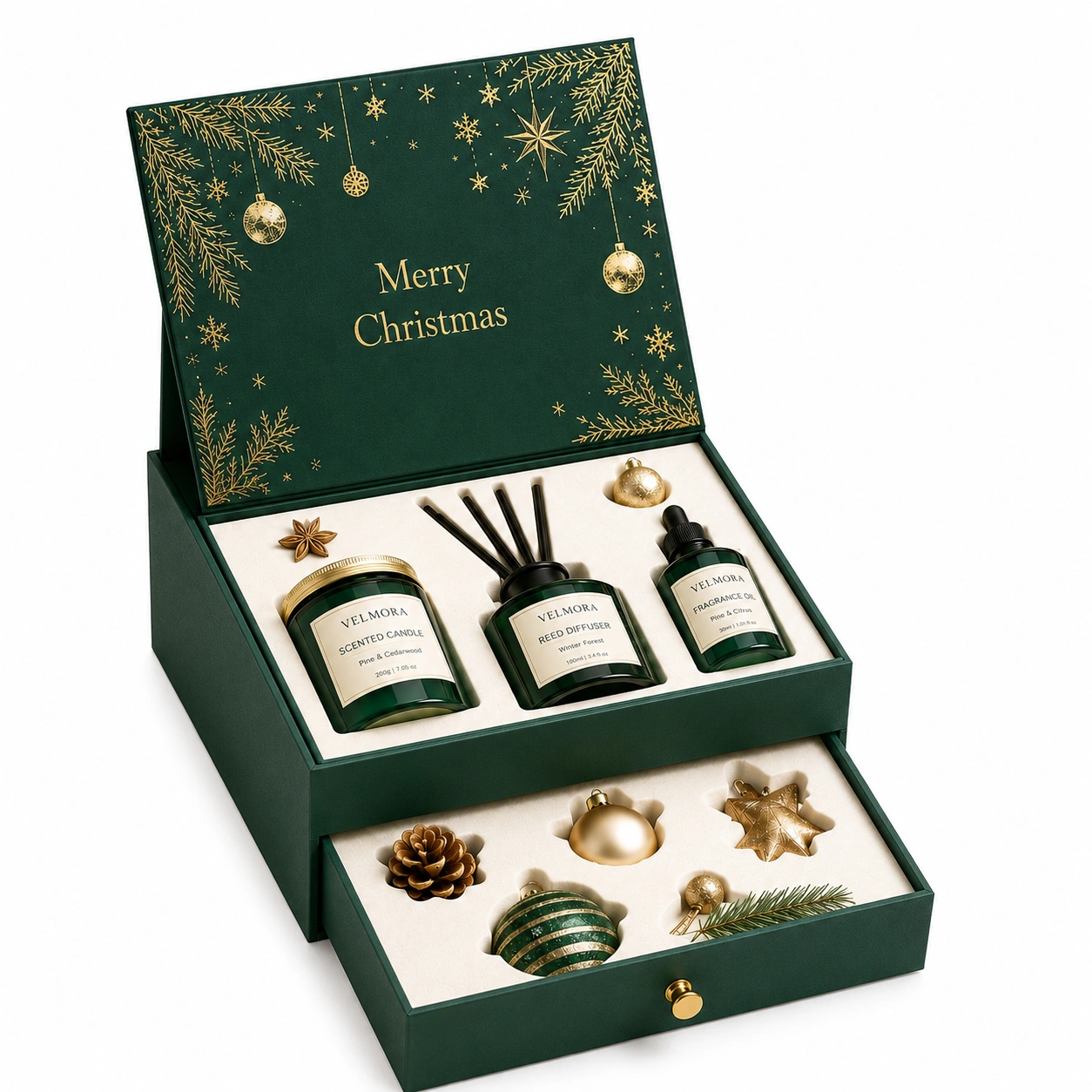
A premium product deserves packaging that does more than simply hold the item. It should protect the product, create a good first impression, and reflect the quality of the brand.This is why luxury rigid boxes are a popular choice for jewelry, cosmetics, watches, perfume, gift sets, and other premium products.
However, creating a luxury rigid box is not just about adding gold foil, magnetic closures, or special inserts. You also need to choose the right box structure, materials, and finishing options based on the product.
In this guide, we will look at different luxury rigid box styles, common materials, insert options, and design details to help you choose the right custom rigid boxes for your products.
What Is a Luxury Rigid Box?
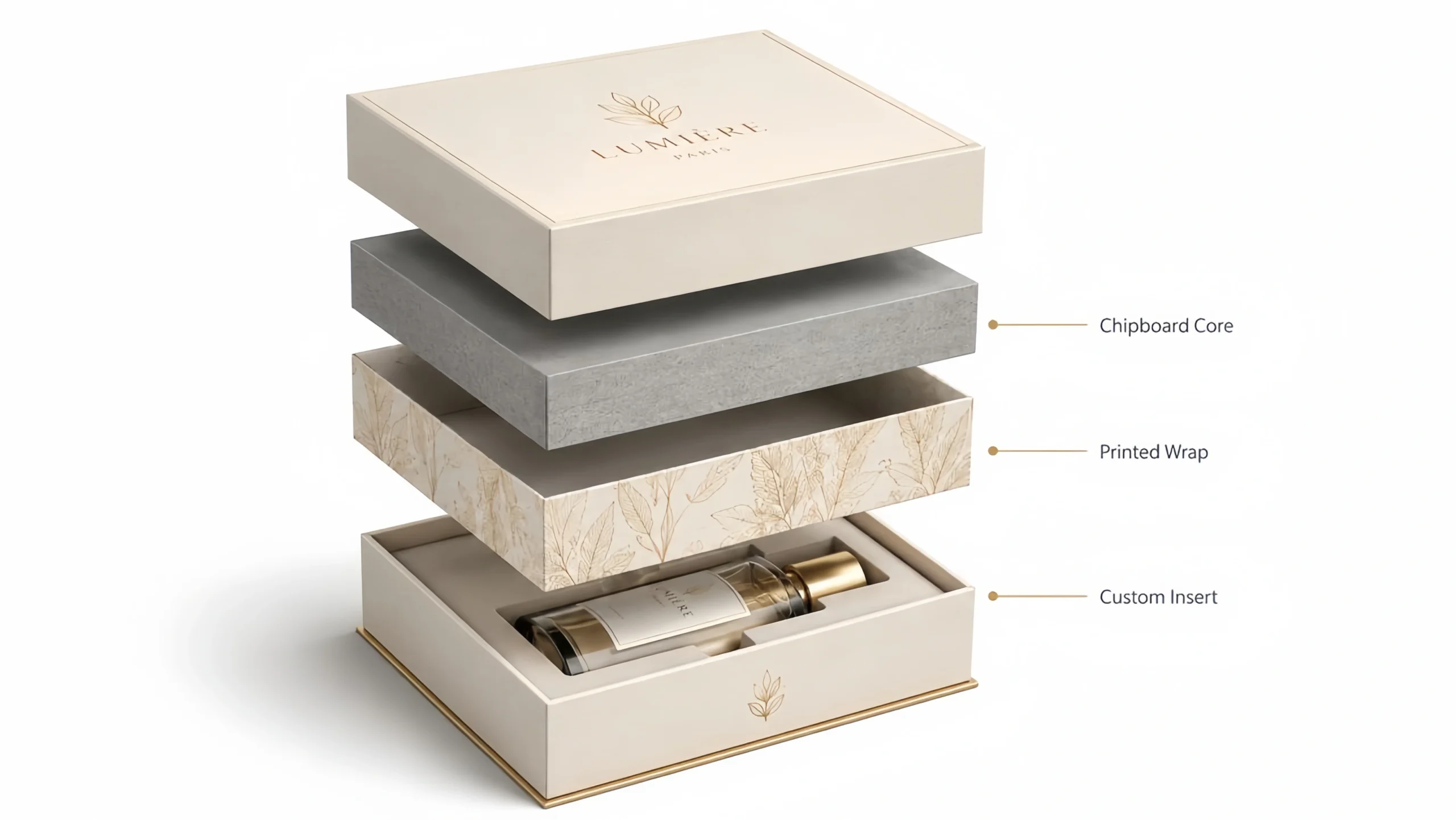
A luxury rigid box is a premium packaging box made from thick paperboard, commonly known as greyboard or chipboard. The board is wrapped with printed paper, art paper, kraft paper, or other decorative materials to create the finished look.
Unlike regular folding cartons, rigid boxes have thicker walls and a solid structure. They usually come pre-assembled rather than flat-packed, giving them a sturdy feel and a more premium appearance.
Luxury rigid boxes can be customized in different sizes, shapes, and styles. Common features include magnetic closures, ribbon pulls, custom inserts, hot foil stamping, embossing, debossing, and soft-touch finishes.They are often used for products that need both good protection and an attractive presentation.
Rigid Boxes vs. Folding Cartons vs. Mailer Boxes
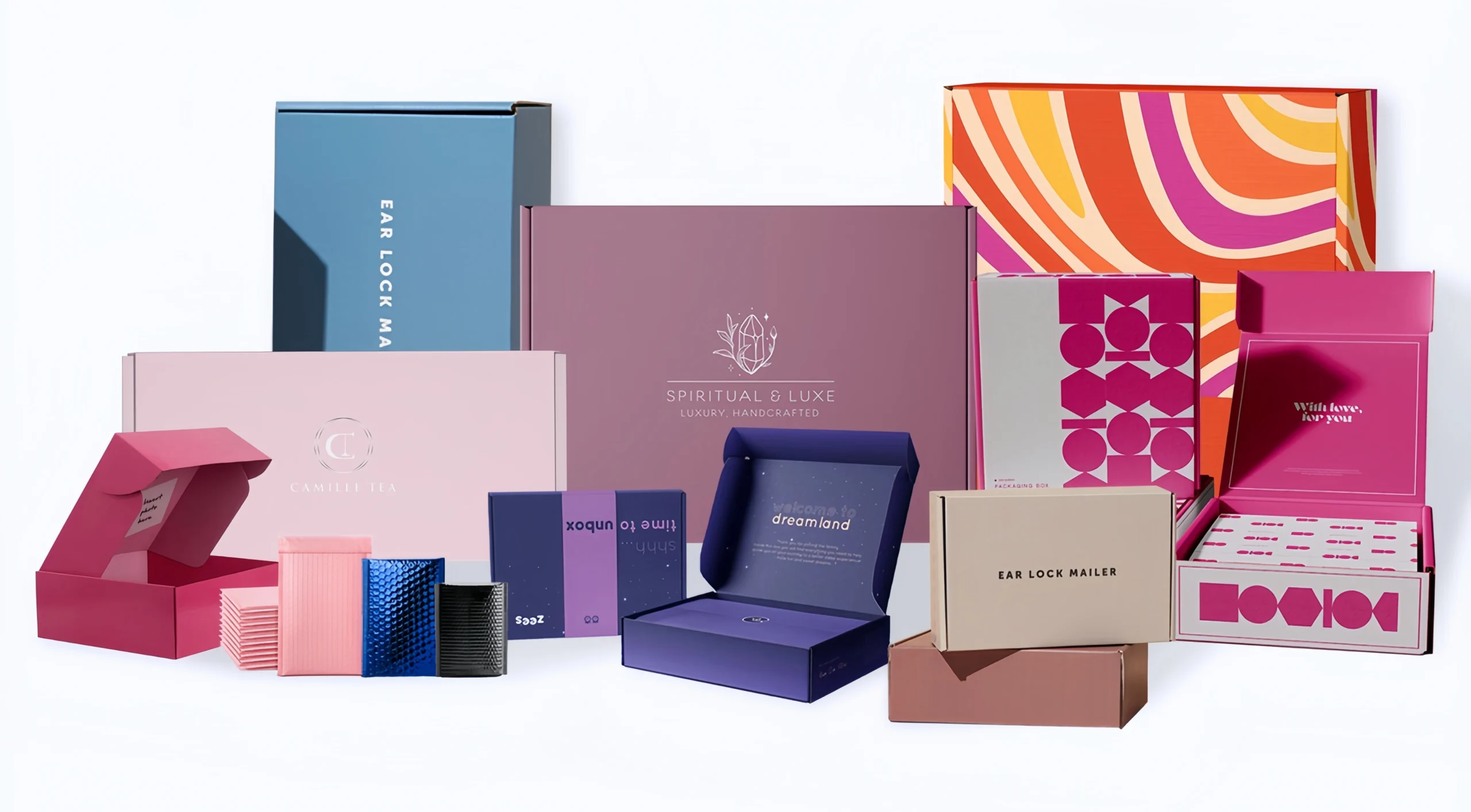
Different packaging boxes serve different purposes. The right choice depends on your product, budget, and how the packaging will be used. Explore our guide to different types of custom boxes to learn more about box styles, materials, and packaging options.
| Feature | Luxury Rigid Box | Folding Carton | Corrugated Mailer Box |
|---|---|---|---|
| Structure | Made from thick rigid board, usually pre-assembled and non-collapsible | Made from lightweight paperboard and shipped flat | Made from corrugated board with a fluted inner layer |
| Appearance | Solid, sturdy, and premium | Lightweight, clean, and suitable for retail packaging | Practical, simple, and designed for shipping |
| Main Purpose | Premium presentation, brand image, and product protection | Retail display and everyday product packaging | Shipping protection and e-commerce delivery |
| Common Uses | Jewelry, perfume, luxury cosmetics, watches, and gift sets | Cosmetics, food, small consumer products, and retail items | E-commerce orders, subscription boxes, and shipping packages |
Which box should you choose?
- Luxury rigid box: A good choice for jewelry, beauty products, gifts, and high-value items that need a premium look and feel.
- Folding carton: Suitable for lightweight products, retail packaging, and larger production quantities where cost is an important factor.
- Corrugated mailer box: Ideal for e-commerce orders and products that need extra protection during delivery.
Each box type has its own advantages. Choose one that fits your product, packaging needs, and overall budget.
Popular Rigid Box Structures
Choosing the right rigid box structure is an important part of packaging design. Different styles offer different ways to present and protect your product.Here are some common rigid box structures used for luxury packaging.
Two-Piece Lift-Off Lid Box
A two-piece rigid box consists of a separate lid and base. The lid fits over the base and can be lifted off to reveal the product inside. It is one of the most classic and widely used rigid box styles.
This structure works well for gift boxes, clothing accessories, cosmetics, jewelry, and small electronics. Its simple design creates a clean, elegant presentation and can be customized with different paper materials, inserts, and finishes.

Best for: Gift sets, fashion accessories, cosmetics, and premium retail products.
Magnetic Closure Rigid Box
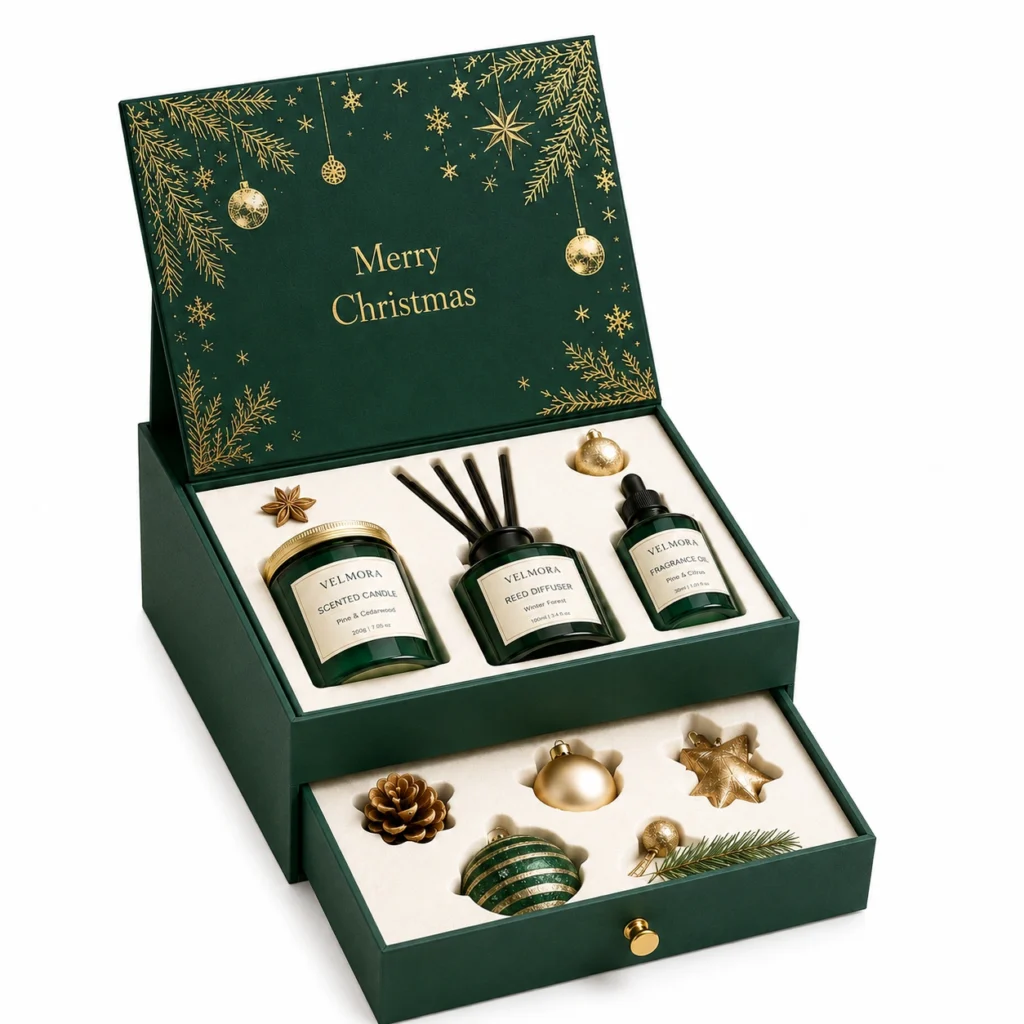
A magnetic closure rigid box often features a hinged lid or lift-off lid with small magnets hidden inside the front flap or lid edge. The magnets help keep the box securely closed while allowing customers to open and close it smoothly.
This style is popular for luxury gifts, electronics, beauty products, and VIP gift kits. It offers a neat appearance and a convenient opening experience. Customers can also reuse the box for storage after removing the product.

Best for: Luxury gift sets, electronics, skincare collections, and promotional gift kits.
Hinged Book-Style Box
A hinged book-style rigid box has a lid connected to the base through a spine, similar to the cover of a book. Instead of lifting the lid completely off, customers open it from one side.
This structure creates a more special unboxing experience and can provide additional space for branding or printed messages inside the lid. It is often used for watches, jewelry, collectibles, and premium gift packaging.
Best for: Watches, jewelry, limited-edition products, and luxury gift sets.
Drawer Rigid Box
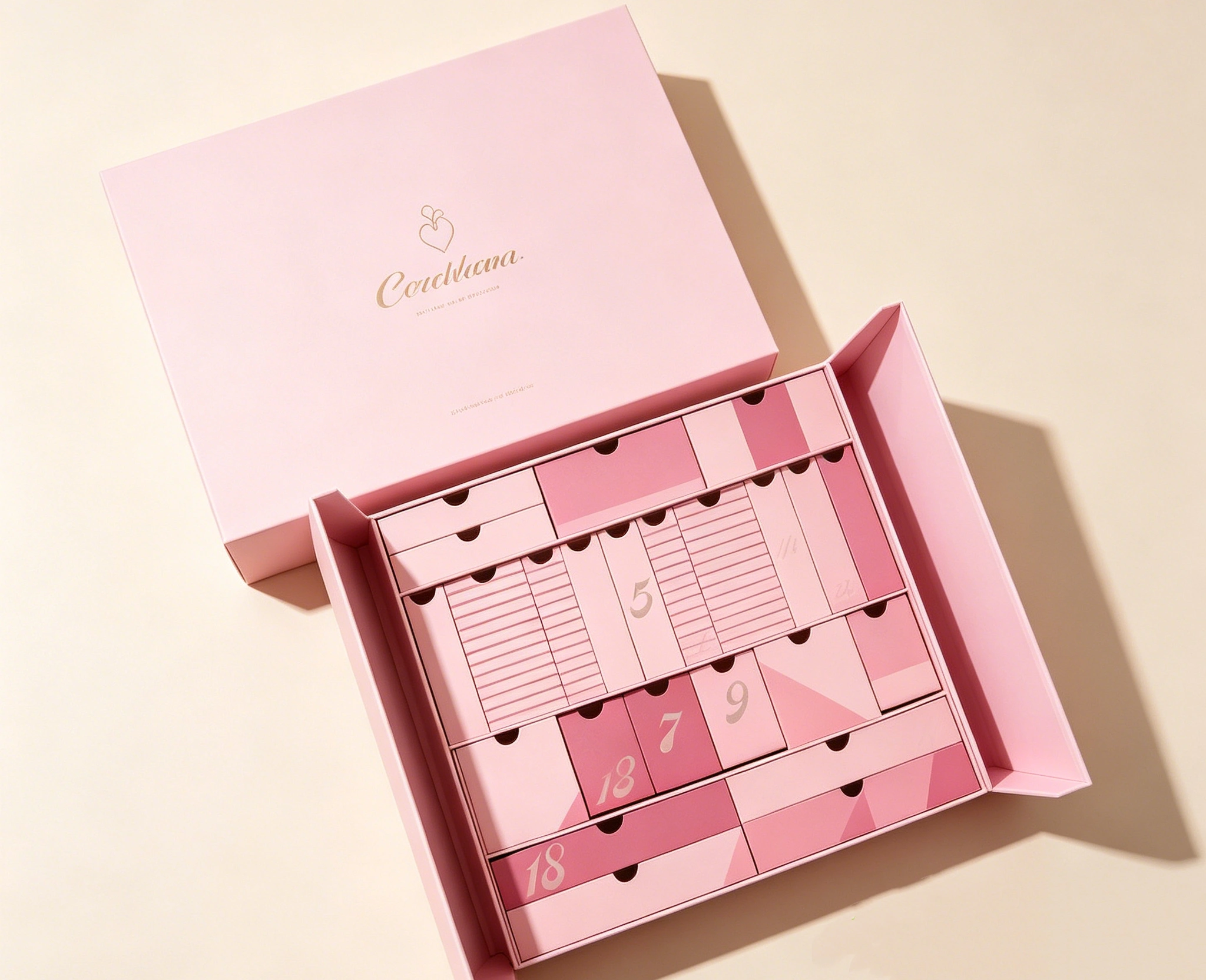
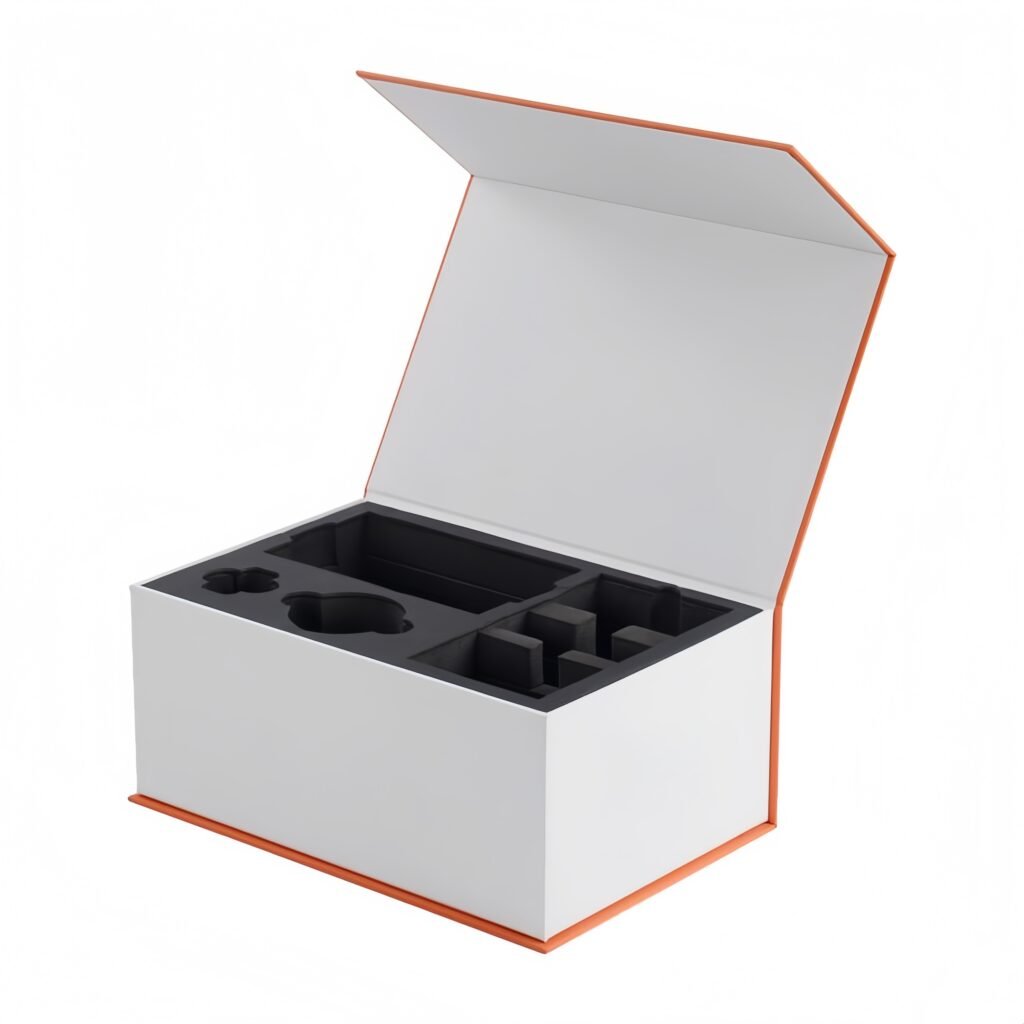
A drawer rigid box consists of an outer sleeve and an inner tray that slides out like a drawer. A ribbon pull or fabric tab is often added to make opening easier.
The sliding structure reveals the product gradually, creating a layered presentation. It is especially suitable for smaller items that need a neat and organized display, such as perfume, jewelry, and small gifts.

Best for: Perfume, jewelry, small accessories, and premium gift packaging.
Shoulder-and-Neck Rigid Box
A shoulder-and-neck rigid box includes a raised inner frame, known as the shoulder or neck, fitted inside the base. The lid rests over this raised section, controlling the lid depth and creating a clean, layered reveal.
This structure gives the box a solid feel and a more refined appearance. It is commonly used for premium gift packaging, perfume, spirits, watches, and other products that need a distinctive presentation.
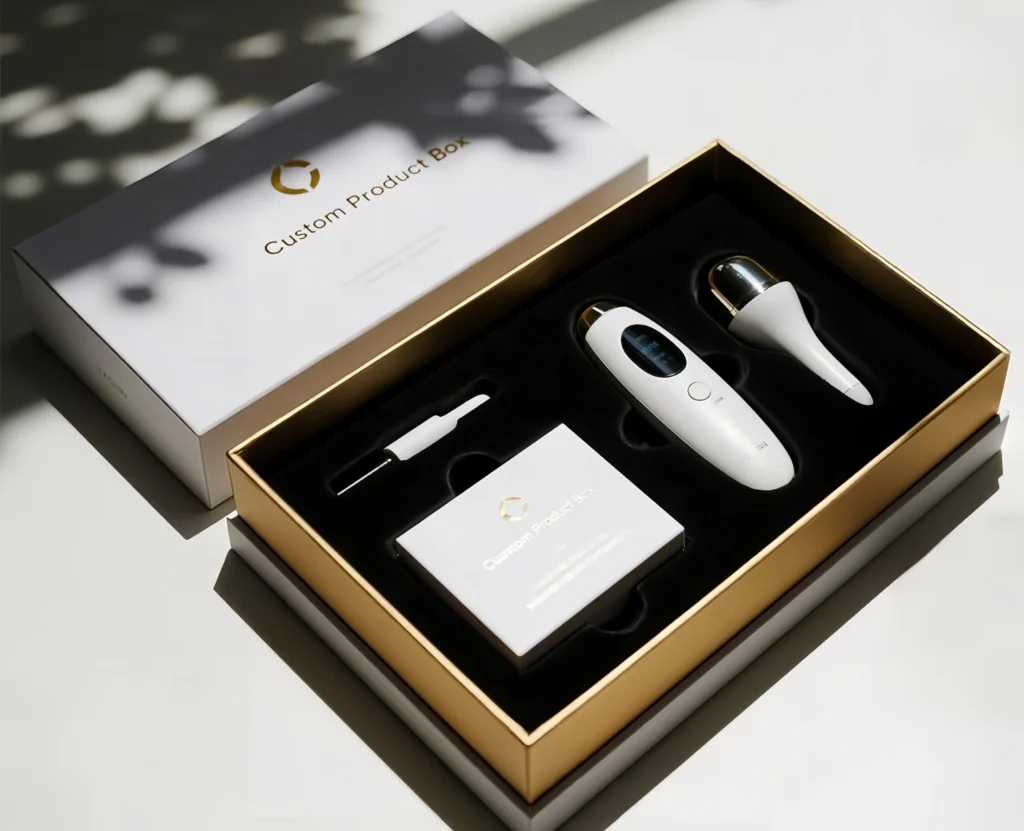
Best for: Perfume, spirits, luxury gifts, and premium product collections.
Window Rigid Box
A window rigid box features a transparent opening on the lid or side of the box, allowing customers to see part of the product without opening the package. The window is usually covered with clear PET or other transparent film to protect the product while keeping it visible.
This design works well when the product’s appearance is an important part of the buying decision. However, the product should be properly secured inside to prevent movement, especially during transportation.
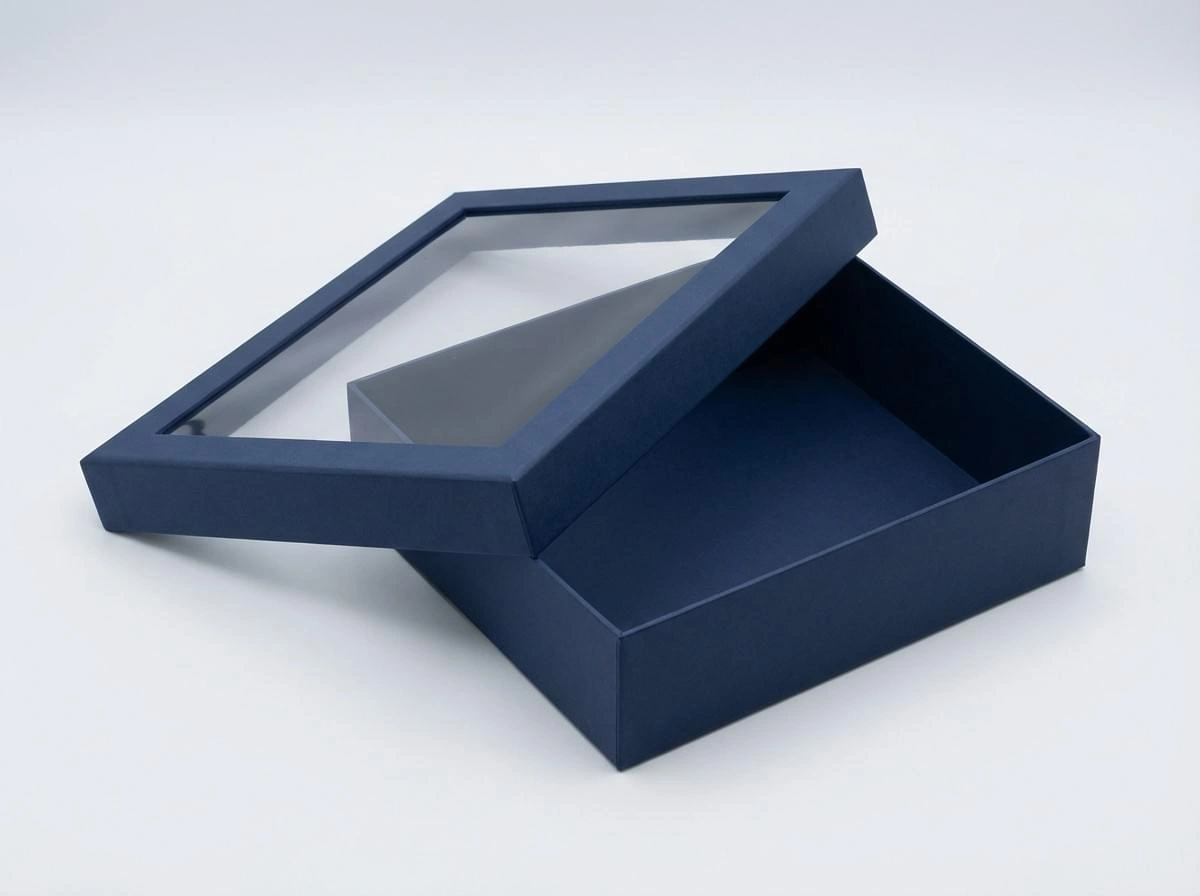
Best for: Display gifts, decorative products, accessories, and selected food gift packaging.
Slipcase Rigid Box
A slipcase rigid box consists of a rigid outer case with an open side, into which an inner box, book set, or product holder slides. The inner component can be removed from the sleeve, creating a neat and enclosed package.
This structure is often used for premium books, limited-edition collections, presentation sets, and luxury gift boxes. It provides extra space for printed branding and can create a more collectible appearance.
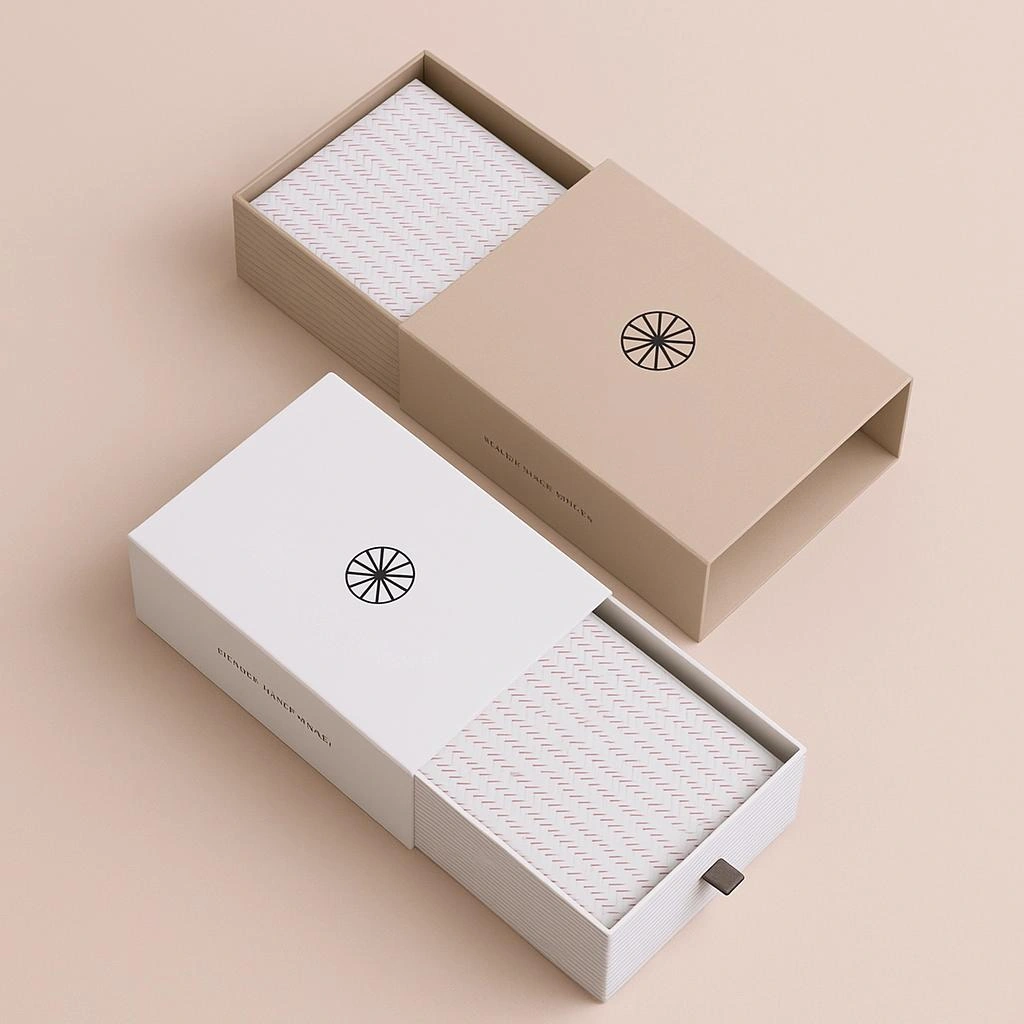
Best for: Premium books, limited-edition products, presentation kits, and gift collections.
How to Choose the Right Structure
Each rigid box structure offers a different look and opening experience.
- For a classic and simple design, choose a two-piece rigid box.
- For easy opening and closing, consider a magnetic closure rigid box.
- For a special unboxing experience, a hinged book-style or drawer box is a good option.
- For a more refined appearance, consider a shoulder-and-neck box.
- If customers need to see the product before opening, a window rigid box may work well.
- For presentation kits and collectible products, a slipcase rigid box is worth considering.
You should also consider production cost and shipping space. Some structures have more components and require more assembly work, which can affect the final price.
The best structure is one that looks good, fits the product, and is practical to produce.
Protection: Materials and Inserts
A luxury rigid box has a strong outer structure, but the box itself is not always enough to protect the product.
Good packaging protection depends on the materials, inner inserts, and additional cushioning used inside the box. For products that will be shipped, the outer shipping carton is also important.
Choosing the Right Materials
Different materials have different functions. Some provide strength, while others create the appearance and help keep the product in place.
| Packaging Layer | Common Materials | Main Purpose |
|---|---|---|
| Rigid Board | Greyboard, chipboard, rigid paperboard | Provides strength, stability, and support for the box |
| Outer Wrapping Paper | Coated art paper, kraft paper, textured paper | Creates the box’s color, texture, printed design, and overall appearance |
| Inner Inserts | Paperboard, molded pulp, EVA foam, velvet, satin | Holds the product in place and keeps different items organized |
| Cushioning Materials | Foam, molded pulp, corrugated inserts | Absorbs impact and adds protection for fragile products |
| Shipping Packaging | Outer cartons, mailer boxes, pallets | Provides extra protection during storage, handling, and transportation |
The right material combination depends on the product. For example, a jewelry box may need a soft insert to prevent scratches, while an electronics gift box may require a fitted foam insert to keep the product and accessories securely in place.
Custom Inserts: Keeping Products Secure
Custom inserts are an important part of rigid box packaging. They help hold products in place, prevent unnecessary movement, and keep different items organized.
Common insert materials include:
- Paperboard inserts: Suitable for lightweight products, gift sets, and boxes with multiple compartments.
- EVA foam inserts: A good choice for electronics, watches, and fragile items that need a close-fitting insert.
- Molded pulp inserts: Suitable for brands looking for paper-based packaging options, depending on the product and protection requirements.
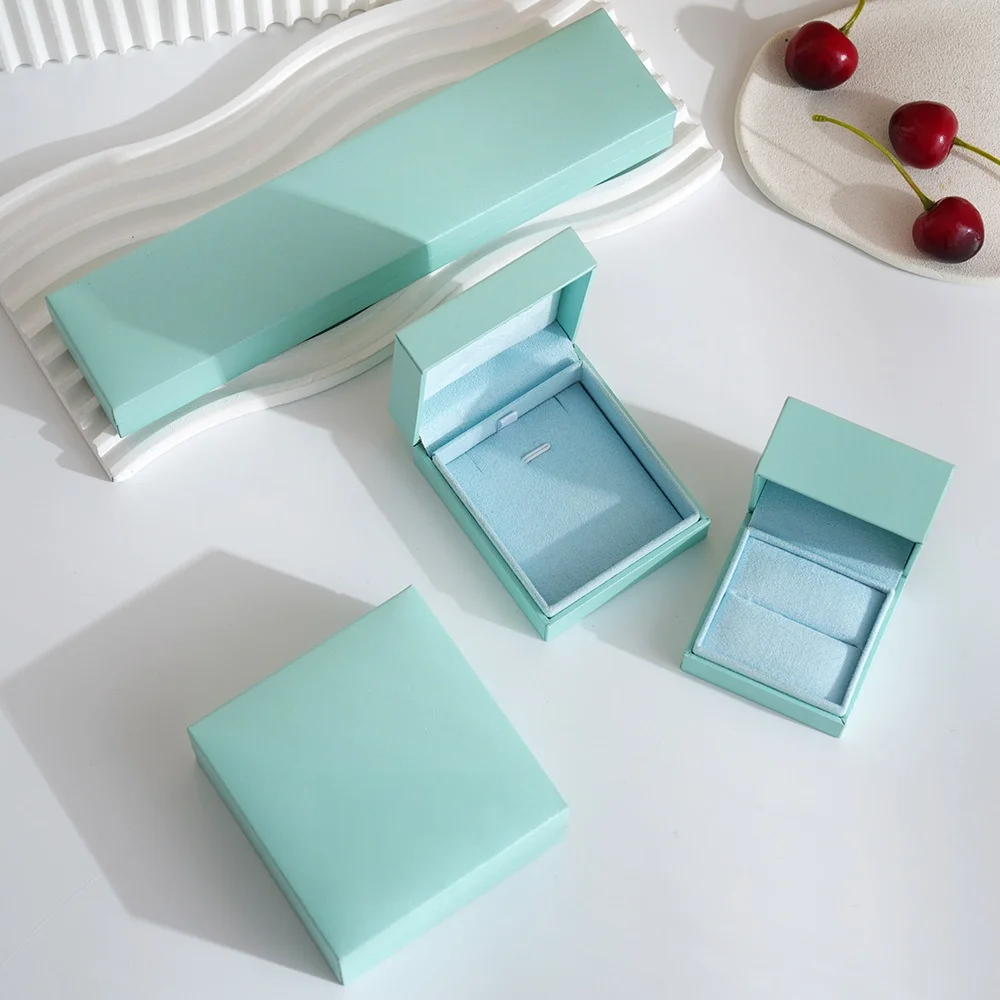
- Velvet or satin-covered inserts: Often used for jewelry, watches, and luxury gifts to create a softer, more premium presentation.
When designing custom inserts, consider the product’s exact size, weight, and shape. If the box contains accessories, make sure there is enough space for each item.
The insert should hold everything securely without making the product difficult to remove.
Protecting Products During Shipping
Even though rigid boxes are stronger than ordinary folding cartons, they can still be damaged by drops, pressure, or rough handling during transportation.
For better protection, consider the following:
- Use a well-fitted insert to stop the product from moving inside the box.
- Add foam or other suitable cushioning for fragile items.
- Place the finished rigid box inside a corrugated shipping carton for extra protection.
- Use separate compartments when packing multiple items to prevent them from hitting or scratching each other.
- For larger shipments, consider using pallets and stable carton arrangements to reduce damage during transportation.
The level of protection depends on the product and shipping conditions. For example, a decorative gift box may only need basic outer protection, while glass bottles and electronics may require more carefully designed inserts and cushioning.
The goal is to keep the product safe from packing to delivery.
Branding: Materials, Colors, and Finishes
The materials, colors, and finishes of a luxury rigid box help express your brand identity and create a memorable first impression. The right combination can make your packaging look elegant, feel premium, and stand out from ordinary boxes.
Choosing the Right Wrapping Paper
The outer paper affects both the appearance and feel of the box.
| Paper Type | Main Features |
|---|---|
| Coated Art Paper | Smooth surface, ideal for colorful printing |
| Uncoated Paper | Natural look with a simple, elegant feel |
| Kraft Paper | Natural appearance, suitable for eco-conscious brands |
| Textured Paper | Adds texture and a more distinctive feel |
The wrapping paper should support both the visual design and the practical requirements of the box. For example, a smooth coated paper may be ideal for detailed artwork, while a textured paper can create a more tactile and understated luxury effect.
Printing and Logo Design
Printing allows you to add your brand logo, colors, patterns, and other design details to custom rigid boxes.
Common printing options include:
- CMYK printing: Suitable for colorful designs, images, and detailed artwork.
- Pantone printing: Helps match specific brand colors more accurately.
- Interior printing: Adds logos, patterns, or brand messages inside the box.
MYK printing uses four ink colors — cyan, magenta, yellow, and black — to reproduce a wide range of colors. If you want to understand how CMYK works and how it compares with RGB and Pantone, read our guide to CMYK printing and color differences.
Before printing, check the artwork carefully. Make sure logos, text, and other important details are positioned correctly, especially around the box edges, corners, and folding areas.
Surface Finishing Options
Different finishes can make your logo and packaging more attractive.Surface finishes can make a logo or design stand out and change how the packaging looks and feels.
| Finish | Effect |
|---|---|
| Hot Foil Stamping | Adds metallic details such as gold or silver |
| Embossing | Raises the logo or design above the paper |
| Debossing | Presses the logo or design into the paper |
| Spot UV | Adds a glossy effect to selected areas |
| Matte Lamination | Creates a smooth, non-glossy surface |
| Gloss Lamination | Gives the box a shiny finish |
| Soft-Touch Lamination | Creates a soft, smooth feel |
| Anti-Scratch Lamination | Helps reduce scratches and scuff marks |
You do not need to use too many finishes to make a box look luxurious. Simple combinations can often create a cleaner and more attractive result.
For example:
- Matte black paper with a gold foil logo creates a classic luxury look.
- Textured paper with a debossed logo gives the box a natural and simple style.
- A soft-touch finish with an embossed logo creates a smooth surface with a raised design.
- White paper with a silver foil logo gives the packaging a clean and modern appearance.
Choose finishes that match your brand and product. Before mass production, checking a physical sample is a good way to make sure the colors, materials, and finishing effects look as expected.
How to Match the Box to Your Product
Choosing the right luxury rigid box starts with understanding the product you want to package.
Before deciding on the structure and design, consider the following points:
- Product Size and Weight: Make sure the box fits the product properly and provides enough support.
- Product Protection: Consider whether the product needs a custom insert or extra cushioning.
- Multiple Items: If the box contains several products or accessories, consider using separate compartments.
- Sales Channel: Retail packaging, gift packaging, and e-commerce packaging may need different structures.
- Brand Style: Choose materials, colors, and finishes that match your brand, whether the style is simple, modern, natural, or luxurious.
- Budget and Order Quantity: Consider your target budget, minimum order quantity, production time, and shipping costs.
- Sustainability: If environmental impact is important to your brand, consider recyclable paper materials and simpler insert designs.
Examples for Different Products
Here are some common combinations of rigid box structures and inserts for different products.
| Product | Suggested Box Structure | Recommended Insert |
|---|---|---|
| Jewelry | Hinged book-style box | Velvet or covered foam insert |
| Perfume | Shoulder-and-neck box | Custom paperboard or foam insert |
| Electronics | Magnetic closure rigid box | EVA foam or molded pulp insert |
| Gift Sets | Two-piece rigid box | Multi-compartment insert |
| Watches | Hinged book-style box | Custom foam or velvet insert |
The best packaging design is not always the most complicated one. It should fit the product, protect it properly, and match your brand.
Before mass production, making a physical prototype is a good way to check the product fit, insert placement, opening experience, and overall appearance. This helps identify any changes needed before producing the full order.

Conclusion
Luxury rigid boxes are more than just packaging. They help protect products, show the quality of a brand, and create a better unboxing experience for customers.Choosing the right box starts with the product itself. Its size, weight, shape, and protection requirements should guide your choice of box structure, materials, and inserts.The right combination of wrapping paper, printing, colors, and finishing options can also help create packaging that matches your brand without making the design too complicated.
At the end of the day, the best luxury rigid box is not necessarily the most expensive or decorative one. It is the one that fits the product, protects it properly, looks good, and works well for production and shipping.
If you are planning custom rigid boxes for your products, LucklinPak can help you choose suitable box structures, materials, inserts, and finishing options based on your packaging needs.
Contact us to discuss your custom rigid box project and get a packaging solution for your brand.