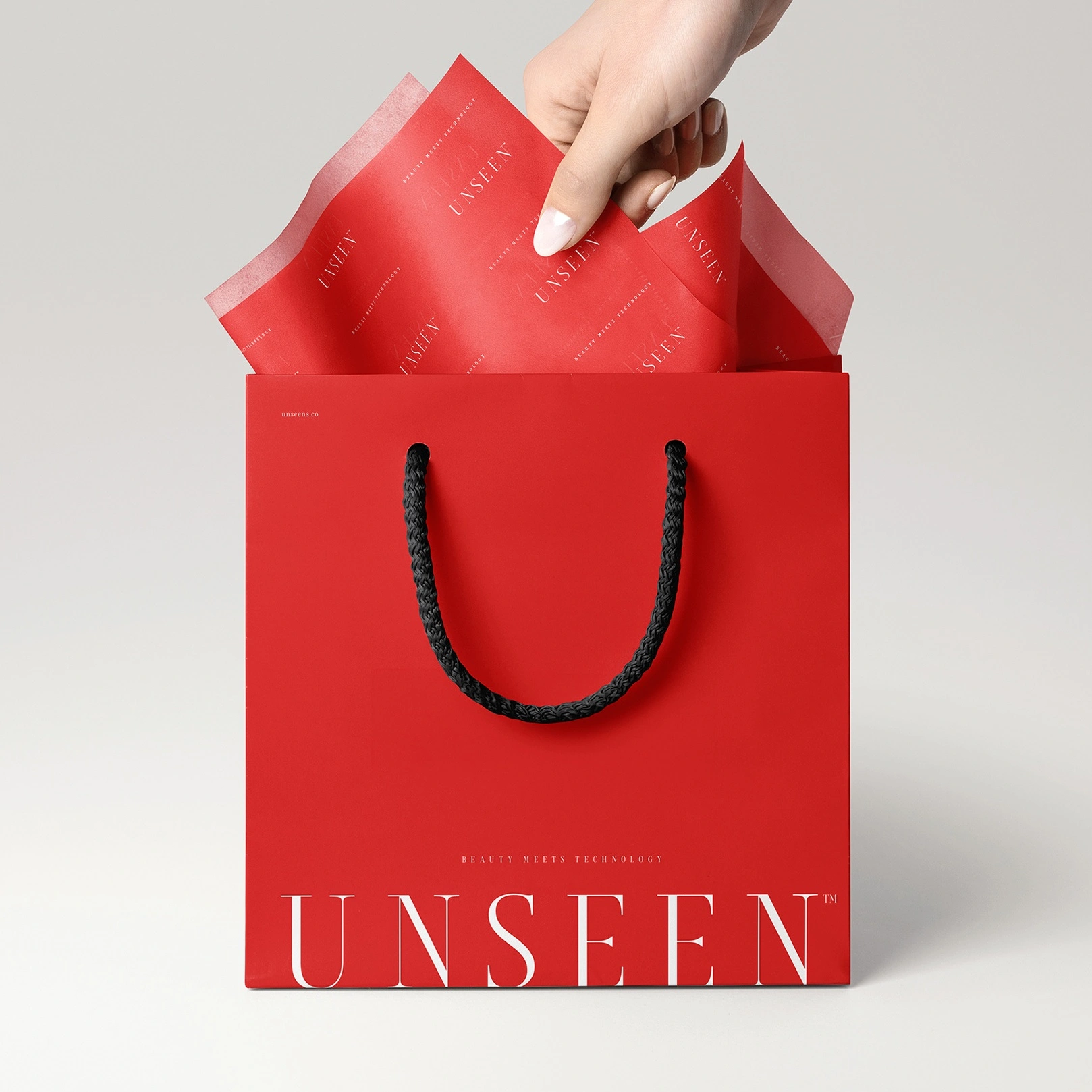
Ordering custom paper bags may seem simple, but many details need to be confirmed before production starts. The bag size, paper GSM, handle, printing, artwork, and shipping method can all affect the final product, cost, and delivery time.
This is especially important when ordering hundreds or thousands of bags. Once production has started, changing a specification can cause delays, additional costs, or even require part of the order to be remade.Before approving production, use this checklist to confirm the following 15 details with your paper bag supplier.
1. Product Requirements
Start by explaining what the bags will be used for.Your supplier should know:
- What products will go inside the bags
- Product dimensions
- Product weight
- Number of products per bag
- Whether the products are boxed
- How the bags will be used
Product requirements help determine the appropriate bag size, paper GSM, handle, and construction.For example, a bag for lightweight clothing may require different specifications from a bag carrying candles, bottles, or multiple boxed products.
The more information you provide at the beginning, the easier it is for the supplier to recommend a suitable bag structure. Choosing the right packaging material also depends on your product and its requirements.

2. Dimensions
Confirm the exact bag dimensions before production.For most paper shopping bags, the main dimensions are:
- Width
- Height
- Gusset
Make sure both you and your supplier use the same units, such as cm or inches.The bag should be large enough for the products without leaving excessive unused space. Learn more about custom shopping bag sizes and how to choose the right dimensions for your products.
If you already have the product packaging, provide the actual product dimensions to your supplier. A sample can then be used to confirm whether the products fit properly before mass production.For irregular or bulky products, don’t rely only on estimated dimensions. Test the actual product inside the bag.
3. Paper GSM
Paper GSM refers to the weight of paper per square meter. It is one of the key specifications affecting the stiffness, feel, and strength of a paper bag.Before production, confirm:
- Paper type
- Paper GSM
- Paper color
- Coated or uncoated paper
- Recycled paper requirements
- FSC-certified paper requirements, if applicable
A higher GSM does not necessarily mean that a bag is always better or stronger. Paper bag strength also depends on the bag size, construction, handles, and product weight.
The right GSM depends on the bag size, product weight, handle construction, bottom structure, and intended use.For premium retail bags, heavier paper can provide a more substantial feel. For lightweight products, a lighter paper may be sufficient and more economical.

4. Handle
The handle affects both the appearance and carrying performance of the bag.Common handle options include:
- Twisted paper handles
- Flat paper handles
- Cotton rope handles
- Ribbon handles
Confirm the following details:
- Handle material
- Handle color
- Handle length
- Handle thickness
- Handle attachment
- Reinforcement
For heavier products, the handle attachment area may require additional reinforcement.Don’t choose a handle based only on appearance. Consider the weight of the products and how customers will carry the bag.
5. Printing
Confirm exactly how your logo or artwork will be printed.Important details include:
- Printing method
- Number of colors
- Printing sides
- Printing position
- Logo size
- Inside or outside printing
- Full or partial printing
For a simple logo, one-color printing may be enough.If your design includes multiple colors, detailed graphics, photographs, or gradients, a full-color printing process may be more suitable.Before production, make sure the supplier has the correct artwork and understands exactly where each design element should appear.
6. Pantone
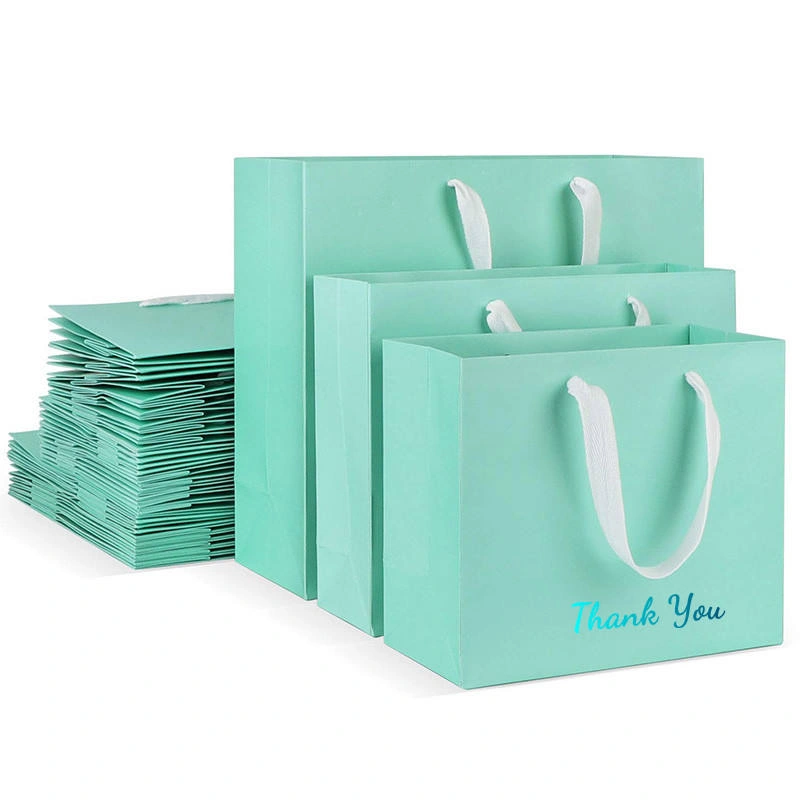
If your brand uses specific colors, provide the Pantone reference whenever possible.Instead of saying “dark green” or “bright red,” a Pantone reference gives the supplier a clearer color target.
However, the final color can still be affected by:
- Paper color
- Paper material
- Printing method
- Ink
- Surface finish
For example, the same Pantone color may look different on brown kraft paper and white paper.If color consistency is important, especially for a well-established brand, request a physical sample or color proof before mass production.
7. Finish
Decide whether the bag needs any special surface finish.Common options include:
- Matte lamination
- Gloss lamination
- Soft-touch lamination
- Foil stamping
- Embossing
- Debossing
- Spot UV
A finish can change the appearance and feel of the bag and may also affect its cost and production time.For example, a luxury fashion brand may choose a matte surface with a gold foil logo, while a natural skincare brand may prefer an uncoated kraft paper bag with simple printing.Confirm not only the type of finish but also where the finish should be applied.
8. Artwork
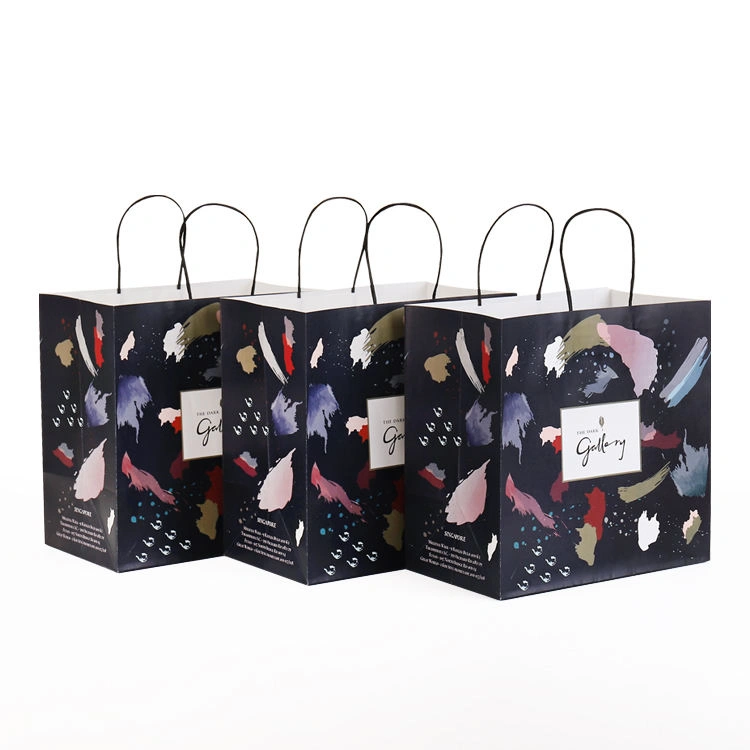
Artwork should be carefully checked before production approval.
Review:
- Logo
- Text
- Spelling
- Font
- Colors
- Pantone references
- Logo size
- Printing position
- Front and back designs
- Bleed
- Design orientation
Ask your supplier about the required artwork format. Depending on the printing process, they may request an AI, PDF, or other print-ready file.Make sure you are reviewing the final version of the artwork.If several versions have been exchanged by email, clearly identify which file is the approved production file.
9. Sample
A physical sample is one of the best ways to check a custom paper bag before mass production.
Use the sample to confirm:
- Dimensions
- Paper GSM
- Paper color
- Printing
- Pantone color
- Handle
- Handle attachment
- Bottom construction
- Finish
- Overall appearance
- Product fit
Digital artwork can show how the design should look, but it cannot fully show the actual feel, stiffness, size, or carrying performance of the finished bag.If the sample is not correct, make the changes before approving mass production.

10. MOQ
MOQ means Minimum Order Quantity.Before placing an order, confirm the MOQ for your specific bag.
MOQ can vary depending on:
- Bag size
- Paper material
- Printing method
- Number of colors
- Handle type
- Finishing
- Number of designs
Also ask whether different sizes or designs can be combined to meet the MOQ.Understanding the MOQ before production helps you avoid ordering more bags than you actually need. If you are placing a larger order, learn more about buying custom paper bags wholesale.
11. Quantity
Confirm the exact quantity for each size and design.
For example:
| Bag Size | Quantity |
|---|---|
| Small | 1,000 pcs |
| Medium | 2,000 pcs |
| Large | 1,000 pcs |
Make sure the quantity in the quotation, purchase order, and final production confirmation is the same.When deciding how many bags to order, consider your expected sales, storage space, and future demand.A larger quantity may reduce the unit price, but excessive inventory can also tie up cash and require more storage space.
12. Lead Time
Confirm the production lead time before placing the order.Ask your supplier:
- How many working days does production take?
- When does production officially start?
- Does the lead time begin after payment?
- Does it begin after artwork approval?
- Is sampling included?
- Will holidays affect the schedule?
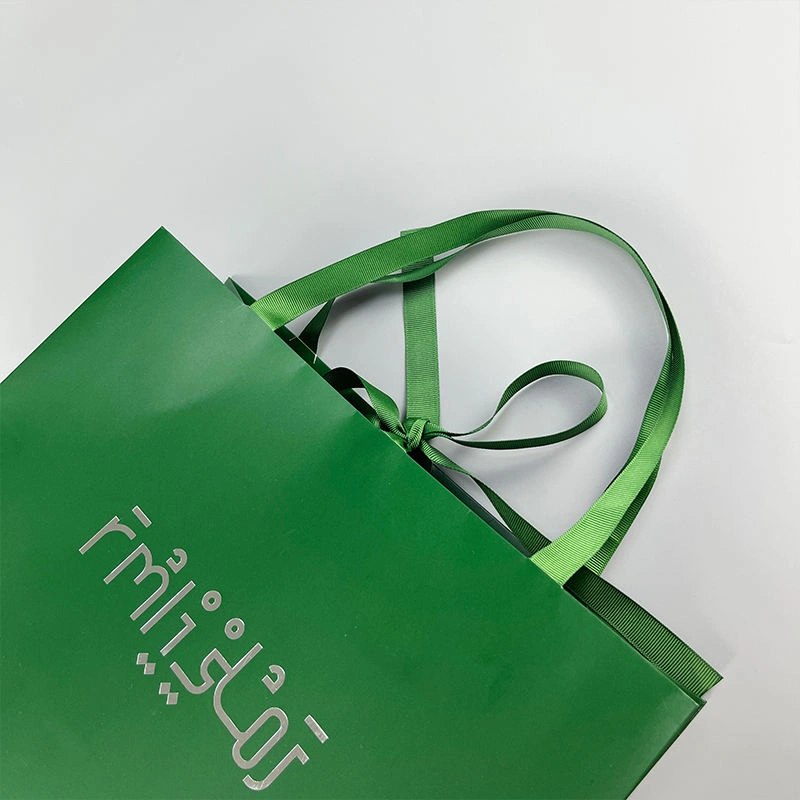
One important point is to separate production time from shipping time.For example, if production takes 15–20 working days and shipping takes another 20–30 days, the total delivery time will be longer than the production time alone.If the bags are needed for a product launch, holiday season, trade show, or store opening, allow enough time for the entire process.
13. Quality
Quality requirements should be confirmed before production, not after the bags arrive.
Discuss the standards for:
- Dimensions
- Paper GSM
- Printing
- Color consistency
- Handle attachment
- Bottom construction
- Surface finish
- Overall appearance
- Quantity
If your project requires specific tolerances, communicate them clearly before production.You can also ask how the supplier handles quality control during production and before shipment.For large orders, it is better to agree on quality expectations in advance than to resolve disagreements after delivery.

14. Packaging
The way the finished bags are packed can affect their condition during transportation.Confirm:
- Pieces per bundle
- Bundles per carton
- Carton dimensions
- Carton weight
- Protective materials
- Carton labels
- Pallet requirements, if needed
Paper bags should be protected from crushing, moisture, dust, and deformation during storage and transportation.Good carton packing also makes it easier to count and organize the bags when they arrive.
15. Shipping
Finally, confirm the shipping details before production begins.Check:
- Delivery address
- Shipping method
- Estimated transit time
- Shipping cost
- Incoterms
- Customs responsibilities
- Final delivery arrangements
Common international terms include EXW, FOB, CIF, and DDP.For international orders, the best option depends on your destination, order volume, budget, and delivery deadline.Also remember that paper bags can take up considerable carton space. Shipping costs are therefore an important part of the total landed cost.If you are comparing quotations from different suppliers, make sure you are comparing the same shipping terms rather than looking only at the unit price.
Final Pre-Production Checklist
Before giving your supplier final approval, make sure all 15 items have been confirmed:
- Product requirements
- Dimensions
- Paper GSM
- Handle
- Printing
- Pantone colors
- Finish
- Artwork
- Sample
- MOQ
- Quantity
- Lead time
- Quality requirements
- Packaging
- Shipping
What Should Be Included in the Final Order Confirmation?
Before production starts, all important specifications should be brought together in one final confirmation.
At a minimum, it should include:
Bag: dimensions, paper material, GSM, handle, and construction
Printing: printing method, colors, Pantone references, and printing position
Finishing: lamination, foil stamping, embossing, or other finishes
Artwork: final approved artwork version
Order: MOQ, quantity, and price
Production: sample approval and lead time
Quality: agreed quality requirements
Shipping: packaging, shipping method, delivery address, and shipping terms
This gives both the buyer and supplier one clear reference for production.
Common Mistakes to Avoid
Even experienced buyers can overlook small details when ordering custom packaging.Here are some common mistakes to avoid:
Only Confirming the Price
A low unit price does not always mean a lower total cost. Paper quality, finishing, packaging, shipping, and other specifications can affect the final price.
Skipping the Sample
If size, color, handle construction, or finishing is important, a sample can help identify problems before thousands of bags are produced.
Sending Unclear Artwork
Avoid sending multiple artwork versions without clearly identifying the final approved file.
Forgetting Shipping Time
Production lead time and shipping time are different. Always calculate the total time from order confirmation to final delivery.
Not Confirming Every Detail in Writing
Verbal agreements or scattered messages can easily lead to misunderstandings. Keep the final specifications in one clear order confirmation.
If you are still comparing bag materials, sizes, handles and finishing options, see our Ultimate Guide to Custom Paper Shopping Bags.
Conclusion
A custom paper bag may look simple, but many specifications need to work together to produce the right result.Before production, confirm the product requirements, dimensions, paper GSM, handle, printing, Pantone colors, finish, artwork, sample, MOQ, quantity, lead time, quality, packaging, and shipping.Taking the time to check these details before production can help prevent unnecessary changes, delays, and additional costs.
The goal is not simply to order paper bags at the lowest price. It is to make sure the bags have the right size, strength, appearance, quality, quantity, and delivery arrangement for your business.A clear specification and an approved sample give both the buyer and supplier a much better starting point for successful production.