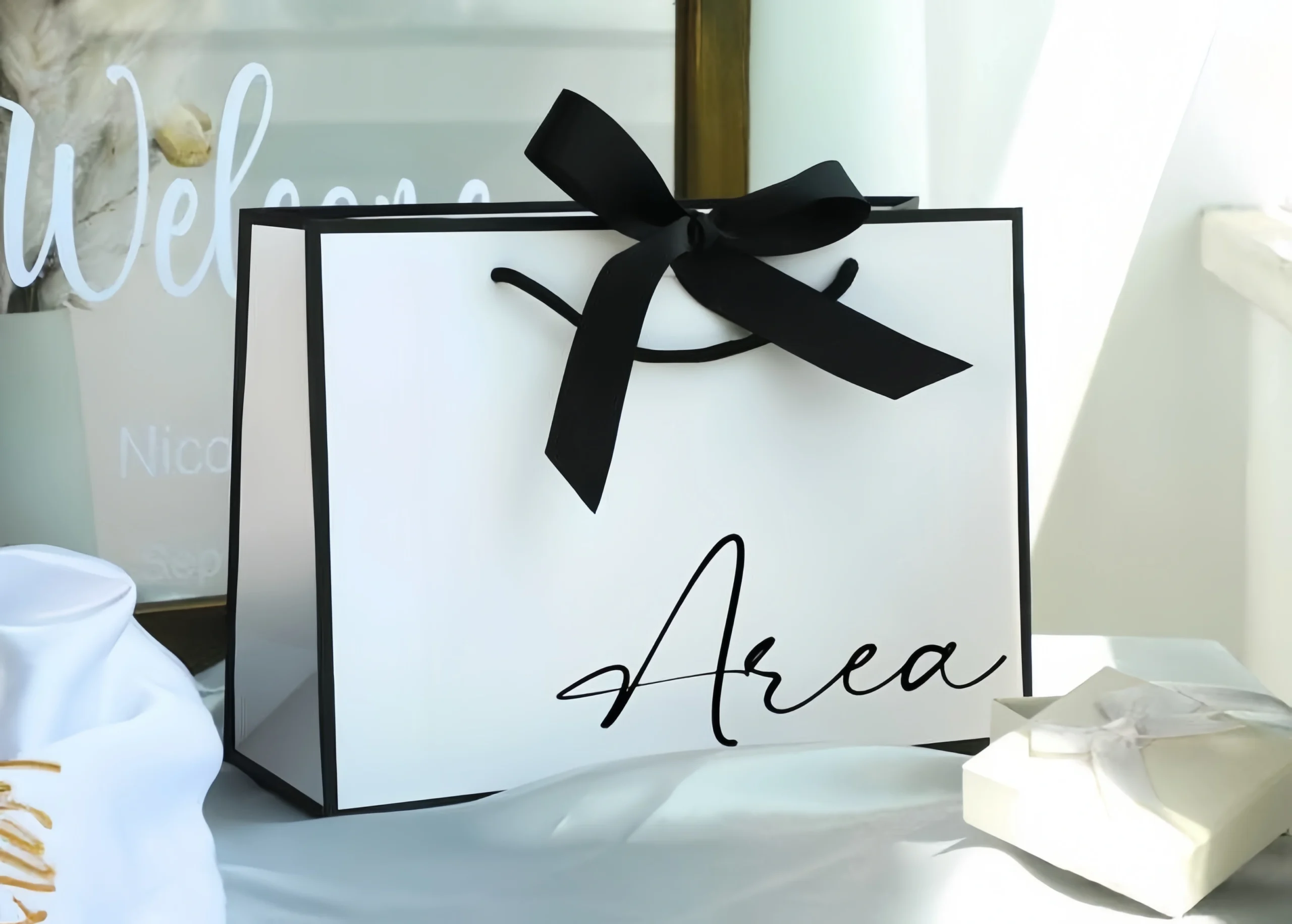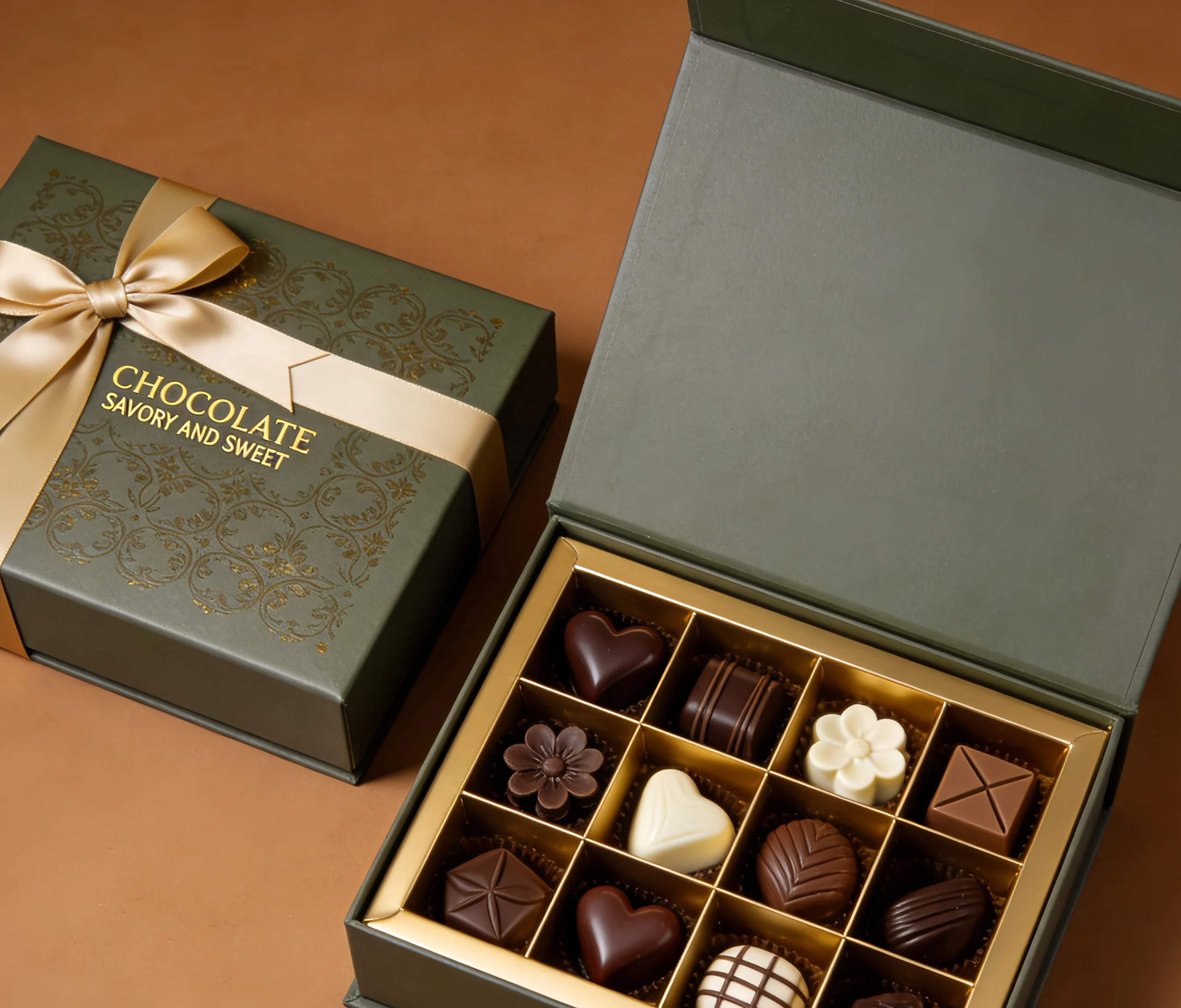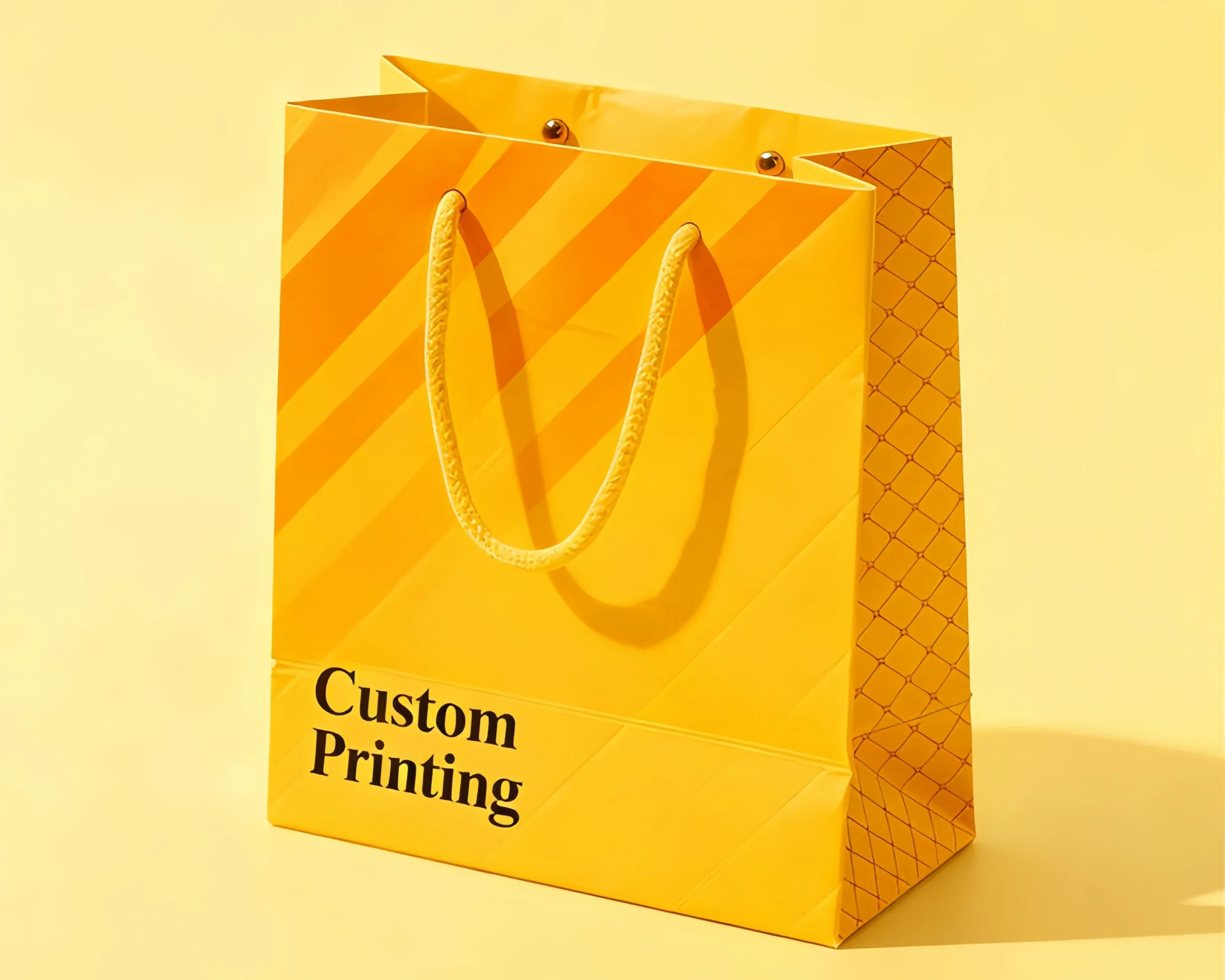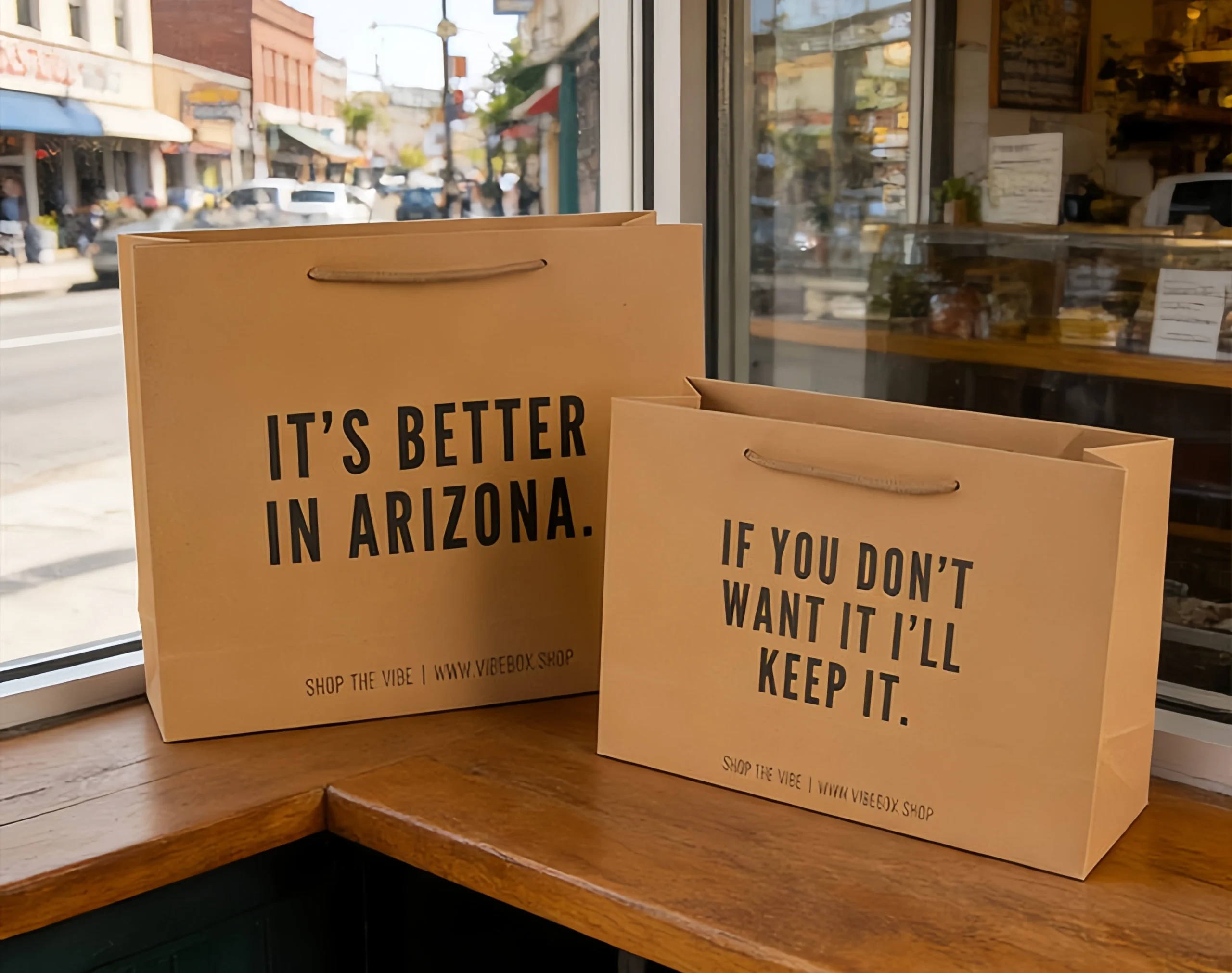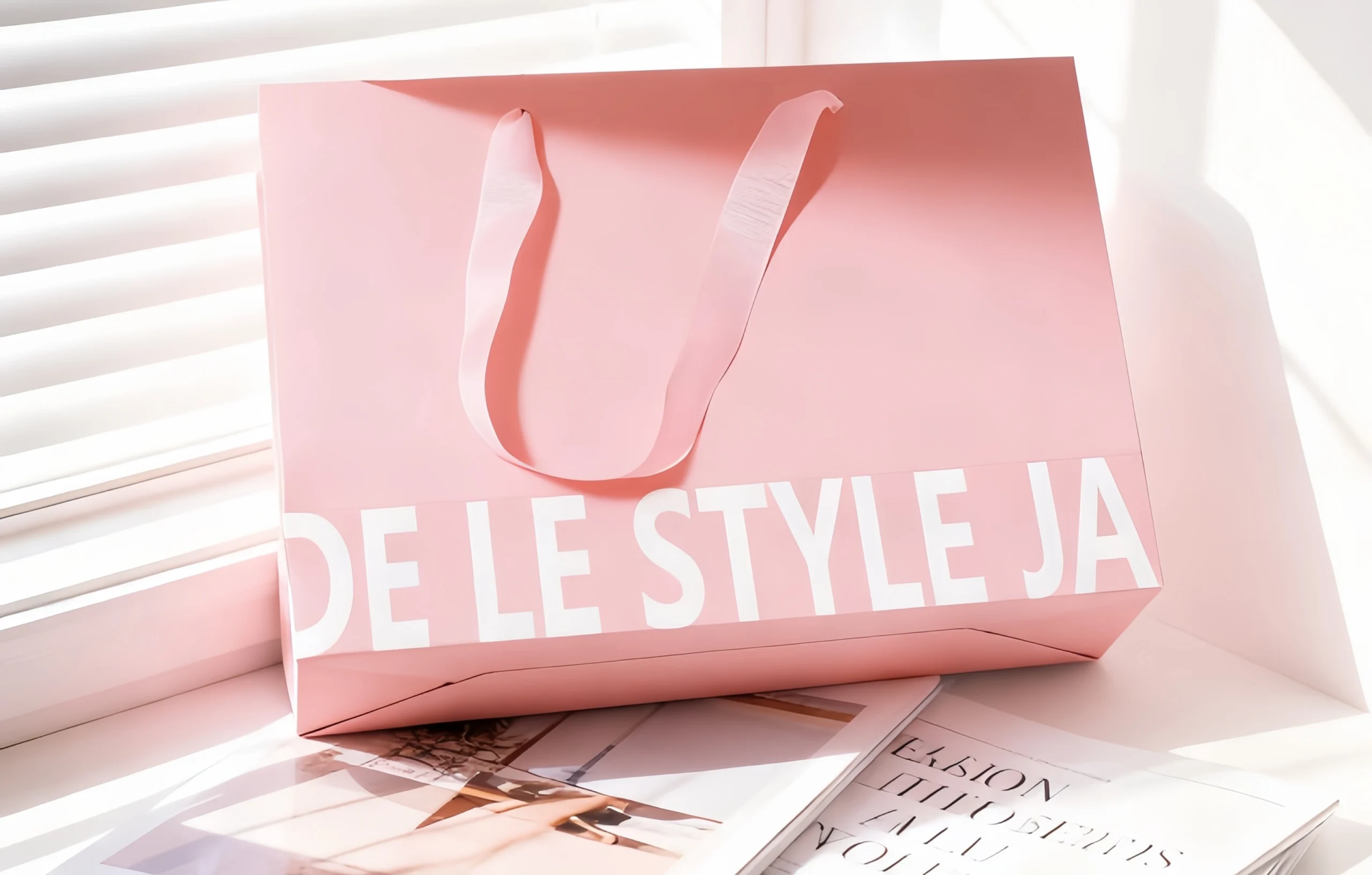
Shopping bags are more than just packaging. They are a powerful branding tool that shapes how customers perceive your business and product value. From retail stores to luxury brands and eCommerce businesses, well-designed branded shopping bags can enhance customer experience, increase brand recognition, and encourage repeat purchases.
With growing demand for sustainability, eco-friendly options such as paper shopping bags, kraft shopping bags, and reusable bags are becoming the preferred choice for modern brands.
This guide covers everything you need to know about shopping bags in 2026, including materials, printing methods, applications, custom processes, and cost structure—helping you choose the right packaging solution for your business.

1. Materials of Shopping Bags
The material directly affects durability, appearance, cost, and brand positioning. Choosing the right material is essential for both functionality and branding.
Paper Shopping Bags
Paper is the most widely used material for retail and gift packaging due to its strong branding potential and sustainable image.
Common types include:
- Kraft Paper: Strong, natural look, recyclable and eco-friendly
- Art Paper (Coated Paper): Smooth surface for high-quality printing
- White Cardboard: Thick structure for premium packaging
Paper shopping bags are widely used in fashion, cosmetics, candles, and luxury packaging. They offer excellent printability and help brands present a clean, professional, and eco-conscious image.

Non-Woven Polypropylene (PP) Bags
Non-woven PP bags are lightweight, durable, and reusable, making them a cost-effective alternative to single-use plastic.
Key advantages:
- Reusable and strong
- Suitable for large-scale promotions
- Large printing area for branding
They are commonly used in supermarkets, trade shows, and promotional campaigns where long-term brand exposure is important.
Sustainable Materials
Sustainability is a major trend in 2026. Many brands now choose eco-friendly shopping bags made from recycled or biodegradable materials.
Examples include:
- Recycled paper
- Recycled plastics (rPET)
- Biodegradable materials
These options help reduce environmental impact while strengthening brand reputation among eco-conscious consumers.

2. Printing Methods
Printing determines how effectively your brand identity is communicated through packaging.
Offset Printing
Offset printing is one of the most widely used methods for high-quality paper bag production. It is especially suitable for designs that include detailed graphics, gradients, and full-color artwork, as it delivers sharp and consistent print results.
This printing method is ideal for medium to large production runs because it maintains stable quality across high quantities while keeping the cost per unit relatively efficient. It is commonly used for branded shopping bags, luxury packaging, and retail products that require a premium visual presentation.
Flexographic Printing
Flexographic printing is a cost-effective solution designed for large-volume production with simpler designs. It is commonly used for kraft paper bags and basic branding elements such as logos, text, and simple patterns.
This method uses flexible printing plates and fast-drying inks, making it highly efficient for mass production. While it may not offer the same level of detail as offset printing, it is an excellent choice for brands that prioritize cost control and scalability.
Digital Printing
Digital printing is best suited for small order quantities, sample production, or highly customized designs. It does not require printing plates, which allows for faster setup and quicker turnaround times.
This method is especially useful for brands that need flexibility in design changes or short production cycles. Although it is generally more expensive per unit for large volumes, it provides excellent convenience and precision for small-batch or test orders.
Screen Printing
Screen printing is commonly used for fabric bags and non-woven polypropylene bags. It produces bold, vibrant colors with strong durability, making it ideal for promotional and reusable packaging.
This technique applies ink directly through a mesh screen, resulting in thick and long-lasting print layers. It is particularly effective for simple logos and solid-color designs, and is widely used in promotional campaigns, trade shows, and retail giveaways.
3. Finishing Techniques
Finishing enhances the visual appeal and perceived value of shopping bags:
- Hot Stamping (Foil): Adds metallic luxury effects
- Embossing/Debossing: Creates tactile texture
- UV Coating: Highlights specific design areas
- Matte/Gloss Lamination: Improves durability and appearance
These techniques are widely used in premium and luxury packaging.

4. Applications of Shopping Bags
Different industries require different packaging solutions based on product type and brand positioning.
Retail
Retail bags must balance cost and branding. Paper or plastic bags with simple logos are commonly used for high-volume daily use.
Luxury Brands
Luxury packaging focuses on premium materials and refined finishing to enhance the unboxing experience and brand value.
eCommerce
eCommerce shopping bags are designed for protection, lightweight shipping, and improved unboxing presentation.
Food & Takeaway
Food packaging prioritizes hygiene, durability, and grease resistance, often using food-grade paper materials.
Promotional Use
Reusable shopping bags are widely used in marketing campaigns due to their long-term brand exposure and high visibility.

5. Custom Shopping Bag Production Process
Understanding the production process helps ensure quality and cost control.
- Requirement Confirmation
Define size, material, quantity, and budget. - Design Development
Prepare artwork, logo placement, and color specifications (CMYK or Pantone). - Sampling
Approve digital or physical samples before production. - Mass Production
Includes printing, forming, finishing, and quality inspection. - Shipping & Delivery
Delivered via sea freight (FOB or DDP) for cost efficiency in bulk orders.
6. Cost Structure
The cost of shopping bags depends on several key factors:
- Material type (kraft, coated paper, fabric)
- Size and thickness
- Printing complexity
- Order quantity
- Handle type
- Shipping method
In general:
- Kraft paper bags: lowest cost
- Custom printed paper bags: mid-range
- Luxury shopping bags: highest cost due to premium materials and finishing
7. Estimated Price Range (2026)
- Kraft paper bags: $0.05 – $0.30
- Custom printed paper bags: $0.30 – $1.50+
- Luxury shopping bags: $1.00 – $5.00+
Bulk orders significantly reduce unit cost, while premium finishes increase pricing.
8. How to Choose the Right Shopping Bag
The right shopping bag depends on your brand positioning, product type, and budget.
Key considerations:
- Brand image (luxury vs. mass market)
- Product weight and durability
- Sustainability requirements
- Budget and order quantity
- Customer experience and unboxing value
Well-designed packaging not only protects products but also strengthens brand identity and improves customer loyalty.

9. Shopping Bag Trends in 2026
The industry is shifting toward:
- Eco-friendly and recyclable materials
- Minimalist luxury design
- Reusable packaging solutions
- Functional structural improvements
- Stronger branding integration
Modern shopping bags are no longer just packaging—they are part of the brand experience and marketing strategy.
FAQs
What are shopping bags used for?
Shopping bags are used for packaging and carrying products in retail, eCommerce, and promotional industries. They also serve as a branding tool to enhance customer experience and brand visibility.
What are the most common materials for shopping bags?
The most common materials include kraft paper, coated paper, rigid cardboard, non-woven polypropylene (PP), and eco-friendly recycled materials. Each material offers different durability, cost, and branding benefits.
Are paper shopping bags eco-friendly?
Yes, paper shopping bags are considered eco-friendly because they are recyclable and often made from renewable or recycled materials. They are widely used by sustainable and premium brands.
What printing methods are used for custom shopping bags?
The main printing methods include offset printing, flexographic printing, digital printing, and screen printing. Each method is chosen based on design complexity, order quantity, and material type.
How much do custom shopping bags cost?
The cost depends on material, size, printing, and order quantity. Basic kraft bags can start from $0.05, while premium custom shopping bags can exceed $5.00 per piece.
What is the best type of shopping bag for branding?
Paper shopping bags with custom printing and finishing are the most effective for branding. They provide a large printable surface and help create a premium unboxing experience.
How do I choose the right shopping bag for my business?
You should consider your brand positioning, product weight, sustainability goals, budget, and customer experience. Luxury brands prefer premium coated paper bags, while retail brands often choose kraft or cost-effective paper bags.
What industries use custom shopping bags?
Custom shopping bags are widely used in retail, fashion, cosmetics, luxury goods, food packaging, eCommerce, and promotional marketing.

Conclusion
Shopping bags are a critical part of modern branding strategy. They influence customer experience, brand perception, and even marketing performance.
By understanding the types, materials, printing methods, applications, customization process, and cost structure, businesses can make smarter purchasing decisions and build packaging that truly represents their brand in 2026.
If you are planning to develop custom shopping bags, now is the right time to turn your idea into reality. Whether you need eco-friendly kraft paper bags, luxury laminated shopping bags, or fully customized retail packaging, choosing the right manufacturing partner is key to achieving both quality and cost efficiency.
👉 If you are looking for a reliable supplier for custom paper shopping bags wholesale, feel free to contact us to get:
- Free quotation based on your design
- Material and structure recommendations
- Custom sample support
- Competitive factory pricing
We help brands worldwide create high-quality custom shopping bags that elevate branding and improve customer experience.