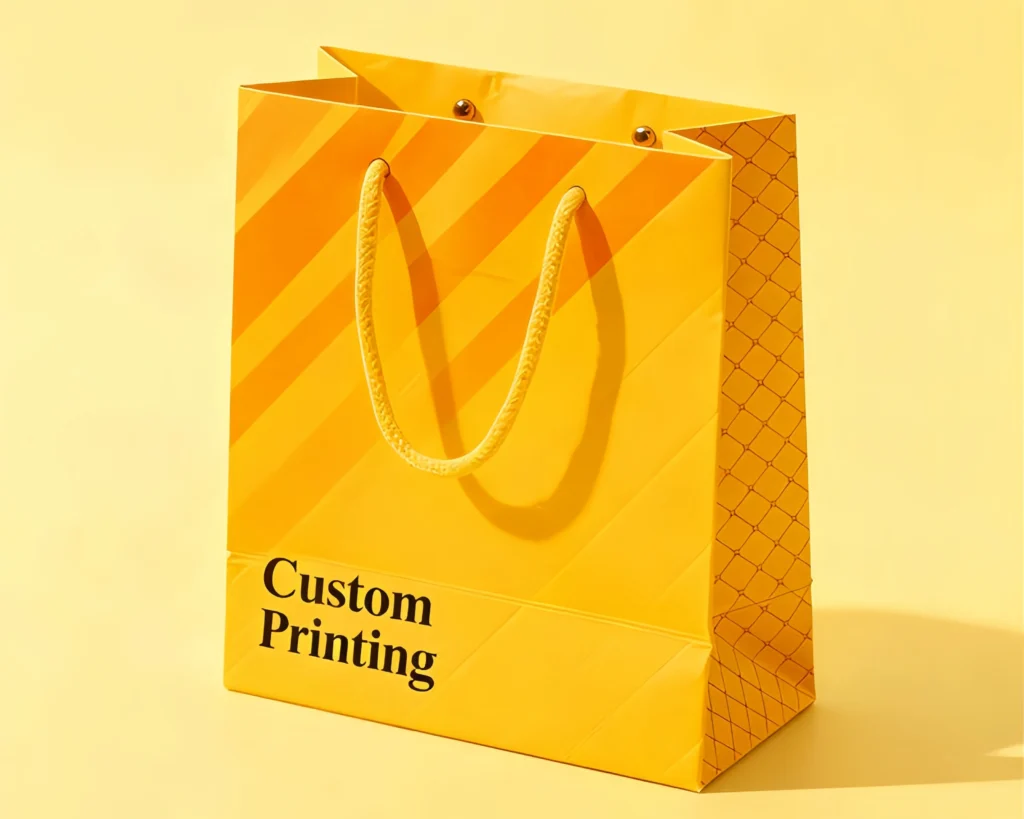
Custom shopping bags are more than just packaging—they are an extension of your brand identity and customer experience. From the moment a customer leaves your store or receives an order, the bag represents your brand by showcasing your logo, style, and values. Whether you run a fashion label, retail store, or e-commerce business, custom bags can help enhance brand perception, improve customer satisfaction, and serve as cost-effective marketing. A well-designed bag not only protects the product but also creates a memorable experience that encourages repeat purchases and stronger brand recognition.
However, one of the most common and practical questions buyers ask is:
👉 How much do custom shopping bags actually cost?
The answer isn’t always straightforward, as pricing can vary significantly depending on factors such as materials, size, printing methods, order quantity, and customization details.In this guide, we’ll break down the key pricing factors, typical cost ranges, and practical tips to help you get the best value for your budget—so you can make informed decisions for your packaging strategy.
You can Learn more in our complete guide to shopping bags and packaging options.
Average Cost of Custom Shopping Bags
The cost of custom shopping bags can vary widely depending on several key factors, including material choice, bag size, printing method, finishing options, and order quantity. Generally, the larger the order volume, the lower the unit cost.
Typical price range (bulk orders):
- $0.30 – $0.80 per piece → Simple kraft paper bags with basic printing (1–2 colors), ideal for high-volume wholesale orders
- $0.80 – $1.50 per piece → Mid-range custom bags with better paper quality, full-color printing, or added features like handles, lamination, or reinforced bottoms
- $1.50 – $3.00+ per piece → Premium or luxury shopping bags with high-end finishes such as hot stamping, embossing, textured paper, or specialty handles
Example:
A standard kraft paper shopping bag with 1-color logo printing, a normal handle, and a MOQ of around 3,000 pieces typically costs about $0.50 – $0.90 per unit, depending on paper thickness and printing complexity.
In most cases, pricing is also influenced by production details such as paper GSM, coating (matte or glossy), and whether the design requires multiple printing processes.
Key Factors That Affect Custom Shopping Bag Cost
1. Material Type
The material you choose has a major impact on overall pricing, as it affects both production cost and the final look and durability of the bag.
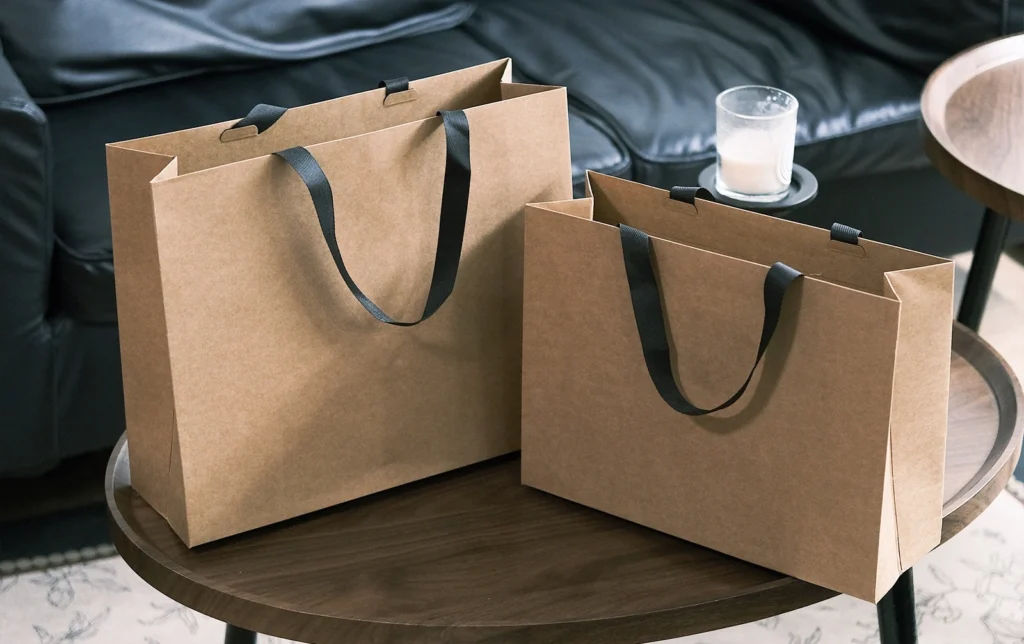
- Kraft Paper → The most cost-effective and eco-friendly option. It has a natural, recyclable look and is widely used for retail and takeaway packaging.
- Art Paper (Coated Paper) → Offers a smoother surface and better printing results, making colors appear more vibrant. It is slightly more expensive than kraft paper due to its coating process.
- White Card Paper (White Cardstock) → A stronger and more premium option with a clean, bright appearance. It provides excellent rigidity and is commonly used for fashion, cosmetics, and mid-to-high-end retail brands. The cost is higher than kraft paper due to its thickness and smooth finish.
- Specialty Paper → Premium materials with textured, metallic, or custom finishes. These are used for luxury packaging and come at a higher price point.
Learn more about materials in our eco-friendly paper bags guide.
Bag Size
Bag size is another important factor that directly affects both material usage and overall production cost. The larger the bag, the more paper, handles, and reinforcement materials are required, which increases the unit price.
- Small bags → Lower cost due to less material usage and simpler production. They are commonly used for jewelry, cosmetics, or small accessories.
- Medium bags → Standard pricing range. This is the most commonly used size for retail stores, fashion brands, and general shopping use.
- Large bags → Higher cost because they require more paper, stronger handles, and often additional reinforcement at the bottom or sides to support heavier products.
In addition, custom or non-standard sizes can also increase production costs. This is because they may require new cutting molds, adjusted production settings, and more precise manufacturing processes. Very large bags may also increase shipping costs due to higher volume weight, especially for international delivery.
Printing Method
Printing is one of the key factors that significantly influences the final cost of custom shopping bags, as it directly affects production complexity, setup time, and ink usage.
- 1-color printing → The most affordable option. It uses a single ink color, making production faster and simpler. This method is ideal for minimalist logos and basic branding designs.
- CMYK full-color printing → A higher-cost option that allows for detailed images, gradients, and multi-color designs. It requires more precise color control and longer production time, which increases the unit price.
- Pantone color matching (PMS) → A premium printing method used when exact brand color consistency is required. Each color is specially mixed, which increases setup costs but ensures highly accurate and consistent branding across all packaging.
Finishing Options (Luxury Features)
Finishing processes are used to enhance the visual appeal and tactile quality of custom shopping bags, especially for premium and luxury branding. These options require additional production steps, which increase overall cost but significantly improve brand perception.
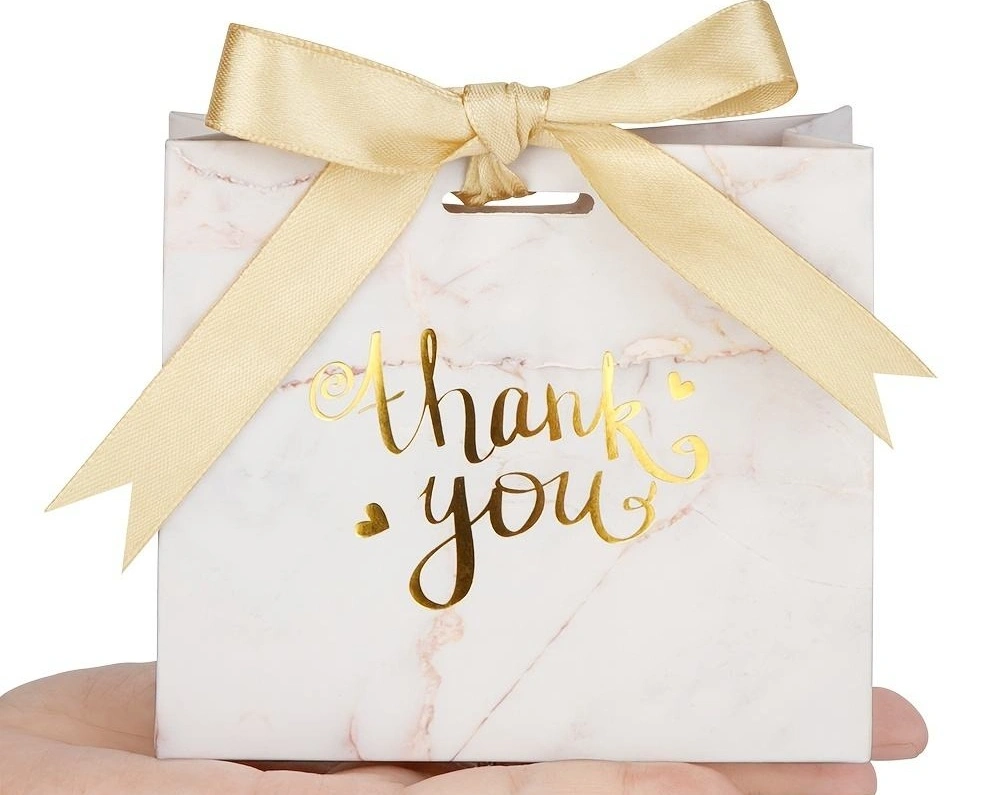
- Foil stamping (gold/silver logo) → A metallic finish applied using heat and pressure. It creates a shiny, reflective effect that highlights logos or key design elements, commonly used for luxury fashion and gift packaging.
- Embossing / debossing → A technique that creates a raised (embossed) or recessed (debossed) texture on the surface of the bag. It adds a subtle but premium tactile feel, often used for high-end branding with minimalist designs.
- Spot UV → A glossy coating applied to specific areas (such as logos or patterns) to create contrast against a matte background. It enhances visual impact and makes key design elements stand out.
- Matte / glossy lamination → A protective film applied over the printed surface. Matte lamination gives a soft, elegant finish, while glossy lamination provides a brighter and more vibrant look. Both also improve durability and water resistance.
Depending on the combination and complexity, these finishing options can increase the total cost by approximately 20%–80%, especially when multiple premium effects are used together.
Order Quantity (MOQ)
Order quantity plays one of the most important roles in determining the unit cost of custom shopping bags. This is because fixed costs—such as printing plate setup, machine setup, and design adjustments—are spread across the total number of pieces produced.
- 1,000 pcs → Higher unit cost
Small orders usually have the highest per-unit price because setup costs are divided among fewer bags. This option is typically used for sample testing, small businesses, or limited campaigns. - 3,000–5,000 pcs → Standard pricing
This is the most common production range for many brands. At this level, setup costs are better distributed, resulting in a more balanced and competitive unit price. - 10,000+ pcs → Best pricing
Large-volume orders benefit from economies of scale. Production becomes more efficient, material procurement costs are lower, and the unit price drops significantly.
In general, the higher the quantity, the lower the cost per bag, making bulk ordering the most cost-effective choice for long-term brand packaging needs.
Handle Type
The handle type not only affects the appearance and user experience of custom shopping bags, but also has a direct impact on production cost due to differences in materials and assembly methods.
- Twisted paper handle → A cost-effective and widely used option. It is made from recycled paper and glued into the bag, offering good strength while keeping production costs low. Commonly used for retail and takeaway paper bags.
- Flat handle → Slightly more economical in some cases, as it uses a simpler construction process. Flat paper handles are durable enough for light to medium-weight products and are often used in mass production.
- Cotton / ribbon handle → A premium option that significantly enhances the look and feel of the bag. Cotton handles are soft, durable, and reusable, while ribbon handles provide a more elegant and luxury appearance. These options require additional manual assembly and higher material cost.
Shipping & Delivery
Shipping and delivery costs are often overlooked, but they can significantly affect the final landed cost of custom shopping bags—especially for international orders. The total cost depends on shipping method, volume, weight, and destination.
- Sea freight → Most cost-effective for bulk orders
Sea shipping is the cheapest option when ordering large quantities. Although transit time is longer, it offers the lowest cost per unit, making it ideal for wholesale production and long-term inventory planning. - Air freight → Fast but more expensive
Air shipping is much quicker and suitable for urgent orders or small-to-medium quantities. However, the cost per kilogram is significantly higher, which increases the overall unit price. - DDP shipping (Delivered Duty Paid) → All-inclusive solution
DDP shipping includes freight, customs clearance, and import taxes, providing a door-to-door service with no additional hidden fees. It is convenient but usually priced higher than standard shipping methods due to the added service coverage.
Sample Cost Breakdown
Here’s a real-world example to help you better understand how custom shopping bag pricing is calculated. This breakdown shows how different cost components contribute to the final unit price.
Product: Custom kraft paper shopping bag
Size: Medium (e.g., 30 × 25 × 10 cm)
Printing: 1-color logo printing
Quantity: 3,000 pcs
| Cost Component | Estimated Cost | Details |
|---|---|---|
| Material & production | $0.45 | Includes kraft paper, bag forming, gluing, and basic structural processing |
| Printing | $0.15 | 1-color logo printing with standard plate setup and ink cost |
| Packaging | $0.05 | Inner packaging, carton packing, and basic protection materials |
| Shipping (average) | $0.10 – $0.30 | Based on sea freight allocation for bulk shipment, varies by destination and weight calculation |
| Total | $0.75 – $0.95 / bag | Final estimated landed cost per unit |
In this example, material and production usually account for the largest portion of the cost, while shipping can vary significantly depending on the destination country and logistics method. For larger orders, shipping and printing costs per unit can decrease further, improving overall cost efficiency.
How to Reduce Custom Shopping Bag Costs
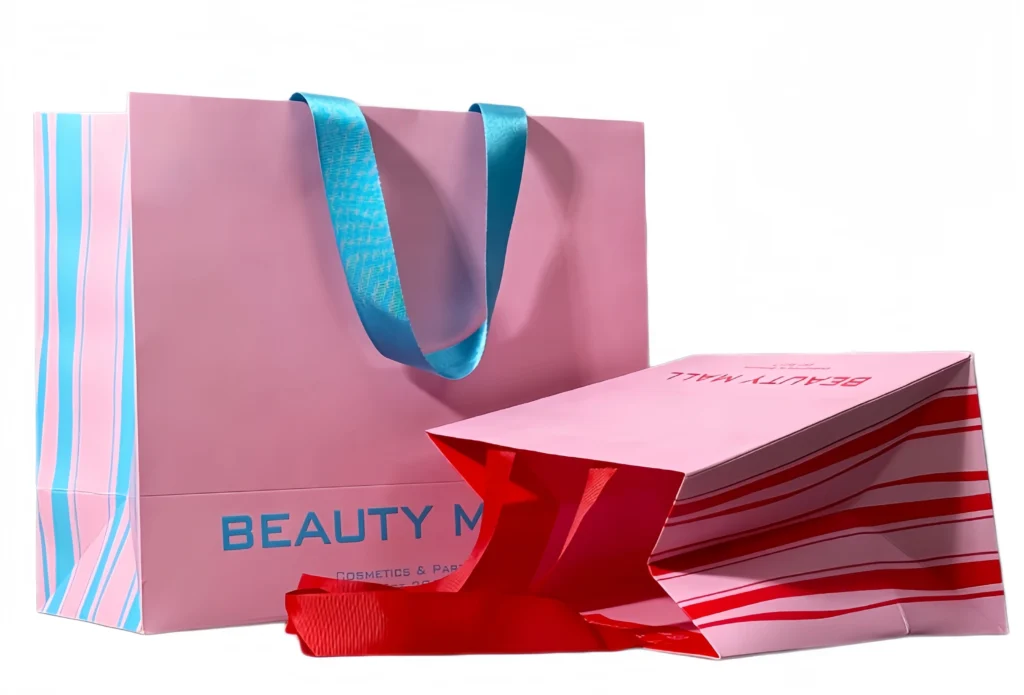
If you’re working within a limited budget, there are several practical strategies you can use to effectively reduce the overall cost of custom shopping bags without sacrificing too much quality or branding impact.
✔ Increase order quantity
Larger order volumes significantly reduce the unit price because fixed costs (such as printing plates, setup fees, and machine calibration) are spread across more pieces. Whenever possible, planning for bulk production helps achieve much better pricing.
✔ Simplify printing design
Keeping the design minimal—such as using 1-color or 2-color printing—can greatly reduce production complexity and cost. Avoid full-color gradients or multiple Pantone colors unless necessary for branding consistency.
✔ Choose standard sizes
Standard dimensions are more cost-efficient because they do not require special cutting molds or adjustments. Custom or irregular sizes often increase both production time and tooling costs.
✔ Use kraft paper
Kraft paper is one of the most economical and sustainable materials available. It offers a good balance between cost, durability, and eco-friendliness, making it ideal for most retail and e-commerce packaging needs.
✔ Optimize shipping method
Shipping can be a hidden cost driver. Whenever possible, combine orders to maximize container space and choose sea freight instead of air freight for bulk shipments. This can significantly lower the cost per unit, especially for international deliveries.
Are Custom Shopping Bags Worth the Investment?
Absolutely. Custom shopping bags are not just functional packaging—they are a powerful marketing asset that continues to promote your brand long after the purchase is made.
Instead of being discarded immediately, a well-designed bag is often reused in daily life, which means your brand gains repeated exposure at no additional cost. This makes custom bags one of the most cost-effective offline marketing tools available for retail and e-commerce businesses.
Custom bags help:
- Increase brand visibility → Every time a customer carries your bag in public, your logo and design are seen by potential new customers, expanding brand reach organically.
- Improve customer experience → High-quality packaging enhances the unboxing or shopping experience, making customers feel more valued and satisfied with their purchase.
- Create a premium brand perception → A well-designed, durable bag instantly elevates how customers perceive your brand, making even simple products feel more high-end.
- Encourage repeat purchases → A positive packaging experience strengthens emotional connection with your brand, increasing the likelihood of repeat orders and customer loyalty.
In many cases, a well-designed custom shopping bag becomes a “walking advertisement,” turning customers into brand ambassadors without any ongoing marketing cost.
FAQs
Q1: What is the cheapest type of custom shopping bag?
Kraft paper bags with simple 1-color printing are typically the most cost-effective option for bulk orders.
Q2: Why are custom paper bags so expensive?
Costs increase due to materials, printing complexity, finishing options, and smaller order quantities.
Q3: What is the MOQ for custom shopping bags?
Most manufacturers require a minimum order quantity of 1,000 to 3,000 pieces depending on customization.
Q4: How can I reduce custom packaging costs?
You can lower costs by increasing order quantity, simplifying design, and choosing standard sizes and materials.
Conclusion
So, how much do custom shopping bags actually cost?
The answer depends on several key factors such as materials, size, printing method, finishing options, and order quantity. Each of these elements can significantly influence the final unit price. However, for most businesses, a realistic cost expectation is:
$0.50 to $2.00 per bag for standard custom orders
Simple kraft paper bags with basic printing and higher order volumes tend to fall on the lower end of this range, while premium designs with luxury finishes, thicker materials, and smaller quantities usually fall on the higher end.
The most important takeaway is that cost should not be the only consideration. A well-designed custom shopping bag is both a packaging solution and a branding tool. The right balance between cost, quality, and brand presentation will ensure your packaging adds real value to your customer experience and marketing efforts.
Want to explore more?
Read our shopping bags guide, discover eco-friendly packaging materials, or check our wholesale custom bags solutions.
Get a Custom Quote
Looking for high-quality, eco-friendly custom shopping bags tailored to your brand?
At LucklinPak, we specialize in fully customizable packaging solutions, including paper shopping bags, gift boxes, and retail packaging. We offer competitive factory pricing, flexible MOQ options, and professional design support to help you create packaging that truly represents your brand.
Contact us today to get a free quote and expert recommendations for your project.