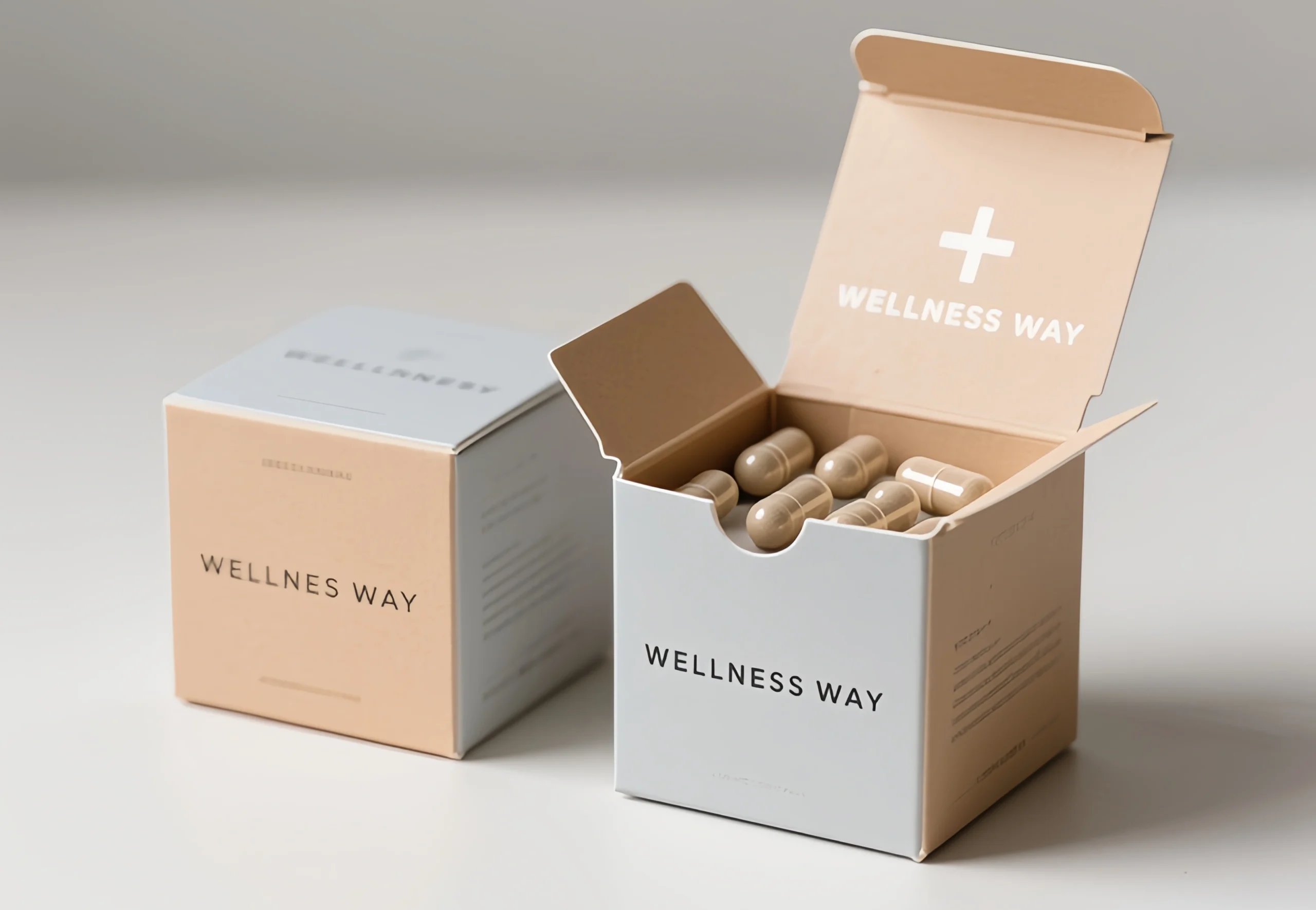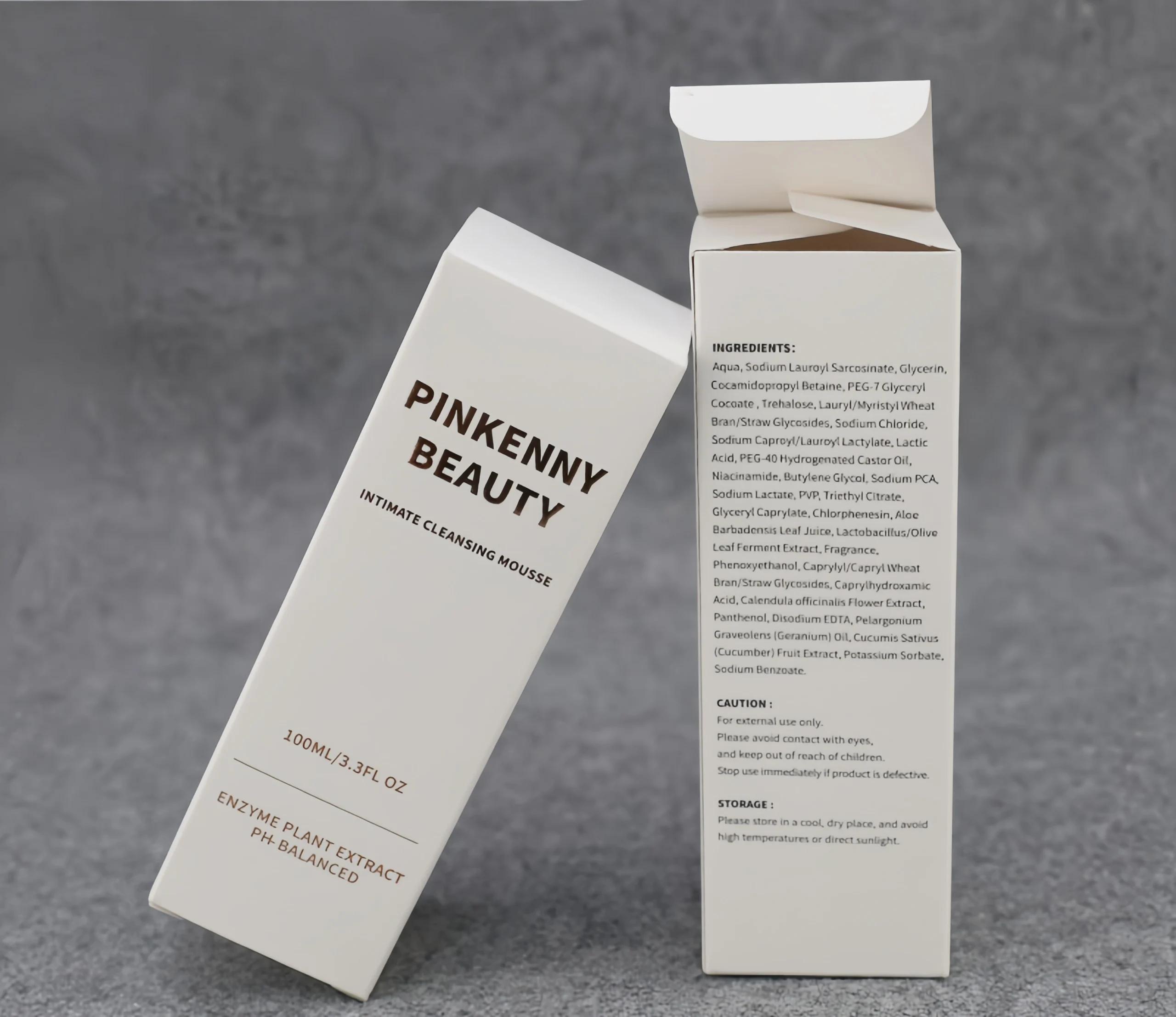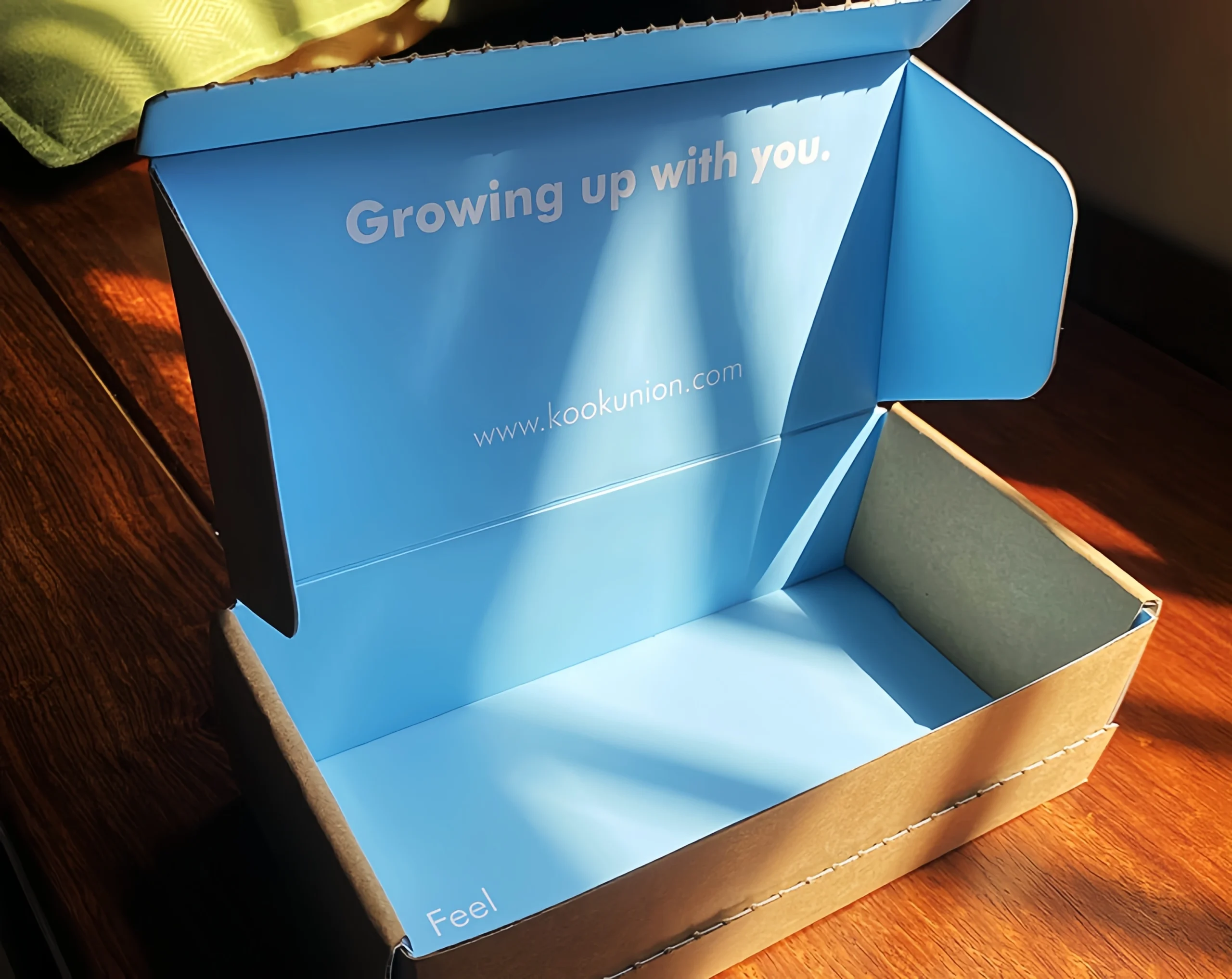
Eco-friendly packaging is no longer just a passing trend or marketing concept—it has become an essential requirement for modern brands that aim to stay competitive, responsible, and relevant in today’s global marketplace. As environmental concerns such as plastic pollution and carbon emissions continue to grow, more businesses are rethinking how their products are packaged and delivered.
Today’s consumers are far more environmentally conscious than before. Whether in retail or e-commerce, customers increasingly prefer brands that actively demonstrate sustainability and environmental responsibility. This shift in consumer behavior means that packaging is no longer just about product protection; it also plays a key role in shaping brand perception, building customer trust, and influencing purchasing decisions.
At the same time, governments and industries worldwide are introducing stricter environmental regulations, encouraging companies to reduce plastic use and adopt recyclable, biodegradable, or reusable materials. As a result, sustainable packaging has become both a responsible choice and a strategic business decision. In this guide, we will explore what eco-friendly packaging is, why it matters, the most common sustainable materials, and how businesses can successfully implement eco-friendly packaging solutions.
What Is Eco-Friendly Packaging?
Eco-friendly packaging refers to packaging materials and processes that have minimal environmental impact. This includes reducing waste, using recyclable or biodegradable materials, and lowering carbon emissions during production.
Unlike traditional plastic-heavy packaging, eco-friendly packaging focuses on:
- Reducing plastic usage
- Using recyclable or renewable materials
- Minimizing production waste
- Supporting circular economy principles
Today, eco-friendly packaging is widely used in industries such as food, cosmetics, fashion, and custom paper packaging.
If you want to explore real material applications in paper-based packaging, you can read our guide on eco-friendly paper bags materials, types, and uses in 2026.
🔗 Eco-Friendly Paper Bags: Materials, Types, and Uses (2026) – Custom Cardboard Packaging Boxes
Why Eco-Friendly Packaging Matters for Brands
1. It strengthens brand image
Eco-friendly packaging helps brands build a stronger and more positive image in the eyes of consumers. As environmental awareness continues to rise, packaging has become an important reflection of a company’s values. Using sustainable materials shows that a brand is responsible and forward-thinking, which naturally improves trust and enhances its overall market perception.
2. It influences buying decisions
Sustainable packaging can directly affect customer purchasing behavior. Many consumers now prefer products that use eco-friendly materials, and some are even willing to pay more for them. This makes packaging not only a protective layer for products but also a key factor that can increase conversion rates and drive sales.
3. It meets global market expectations
With stricter environmental regulations being implemented worldwide, eco-friendly packaging has become a practical necessity for many businesses. It helps companies comply with international standards, reduce compliance risks, and maintain smooth access to global markets, especially for export-oriented brands.
4. It enhances unboxing experience
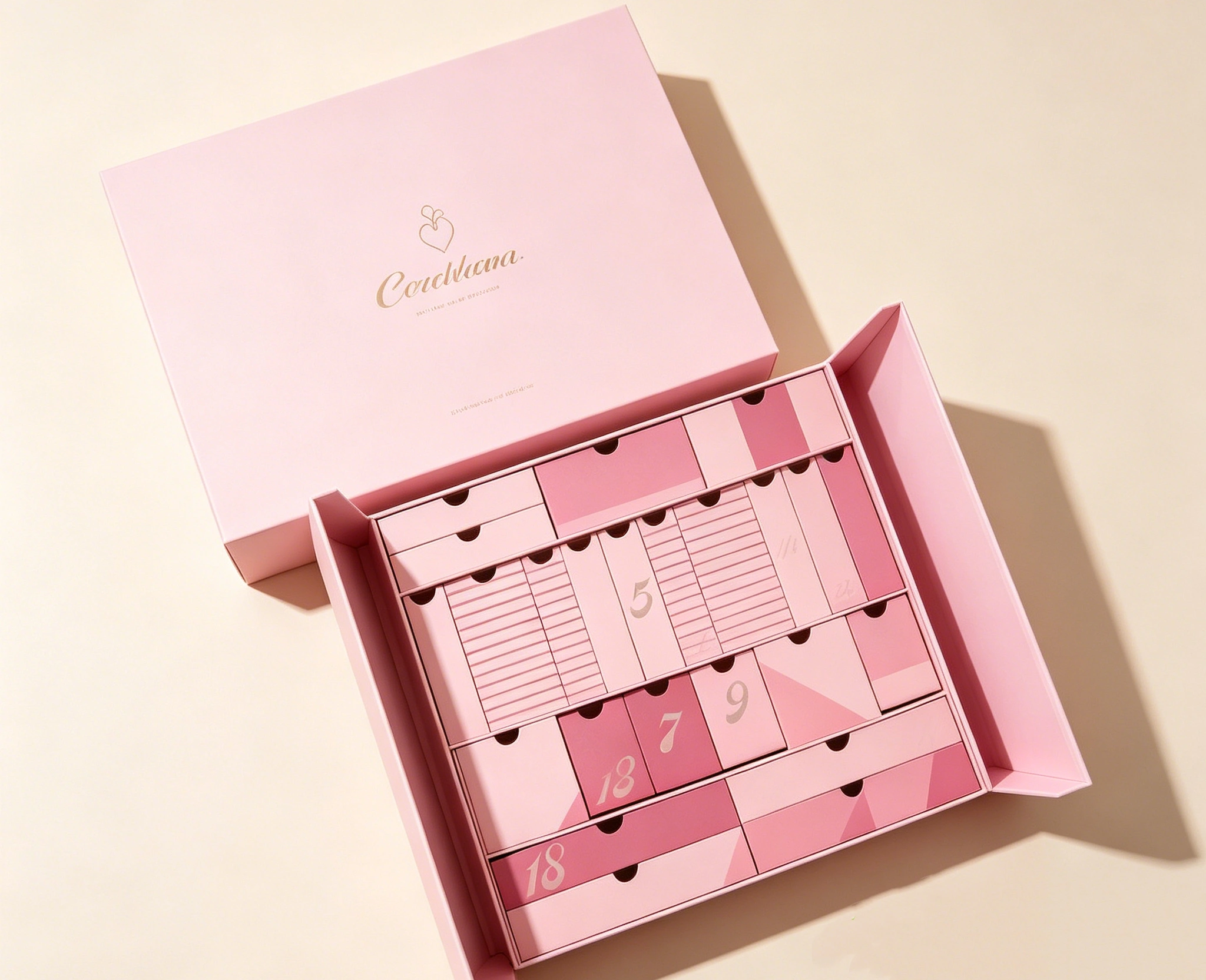
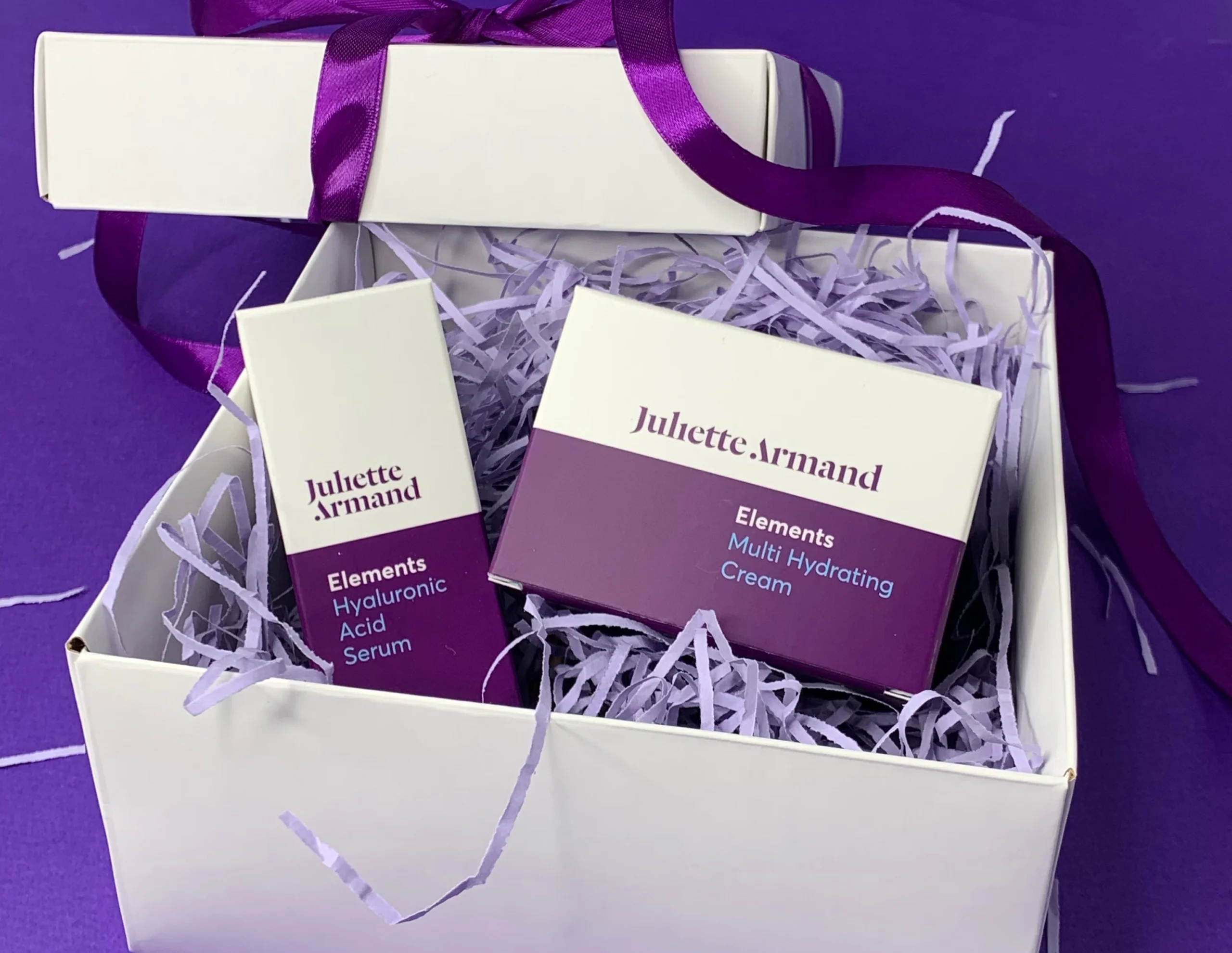
Eco-friendly packaging can still deliver a premium and memorable unboxing experience when designed properly. Natural textures, simple structures, and thoughtful design can create a clean and high-end feel, allowing brands to combine sustainability with strong visual and emotional appeal.
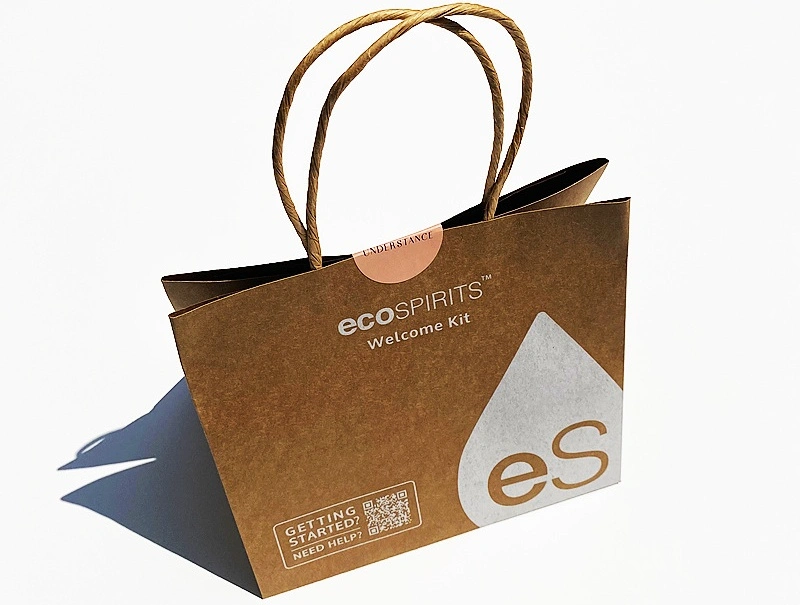
Common Eco-Friendly Packaging Materials
Common Eco-Friendly Packaging Materials play an important role in helping brands choose the right sustainable packaging solutions based on functionality, cost, and branding needs.To understand how to select the right paper for packaging design based on different applications and branding goals, you can refer to our definitive guide on how to choose paper for packaging design.How to Choose Paper for Packaging Design | Brand Guide
1. Kraft Paper
Kraft paper is one of the most widely used and recognizable materials in sustainable packaging. It is made from wood pulp and is known for its natural brown color and strong fiber structure, which gives it both durability and an eco-friendly appearance.
Benefits:
- 100% recyclable and biodegradable, making it a highly sustainable choice
- Natural and minimalist look that fits modern branding styles
- Strong tear resistance, suitable for carrying and protecting various products
Kraft paper is commonly used for paper bags, gift boxes, shopping packaging, and e-commerce mailers due to its balance of strength, simplicity, and environmental value.
2. Recycled Paperboard
Recycled paperboard is produced from post-consumer waste materials such as used paper and cardboard. By reprocessing existing materials, it helps reduce the demand for virgin fiber and significantly lowers environmental impact.
Benefits:
- Environmentally friendly production process that reduces waste and resource consumption
- Cost-effective compared to many virgin paper materials
- Highly suitable for custom printing and branding designs
This material is widely used in folding cartons, retail packaging, and product boxes, especially for brands that want to combine sustainability with flexible design options.
3. FSC-Certified Paper
FSC-certified paper comes from forests that are responsibly managed according to strict environmental and social standards set by the Forest Stewardship Council (FSC). This certification ensures that the material is sourced in a sustainable and ethical way.
Benefits:
- Guaranteed sustainable and responsible sourcing
- Helps improve brand credibility and transparency
- Suitable for premium and high-end packaging applications
Using FSC-certified materials not only supports environmental protection but also enhances a brand’s reputation, especially in international markets where sustainability certification is highly valued.
4. Soy-Based Ink Printing
Soy-based inks are an eco-friendly alternative to traditional petroleum-based printing inks. They are made from soybean oil and offer a more sustainable printing solution without compromising on visual quality.
Benefits:
- Lower environmental impact due to reduced use of harmful chemicals
- Easier de-inking process, improving recyclability of printed materials
- Bright and vibrant color performance suitable for high-quality branding
Soy-based inks are commonly used in packaging printing, labels, and paper-based branding materials, helping brands achieve both strong visual impact and environmental responsibility.
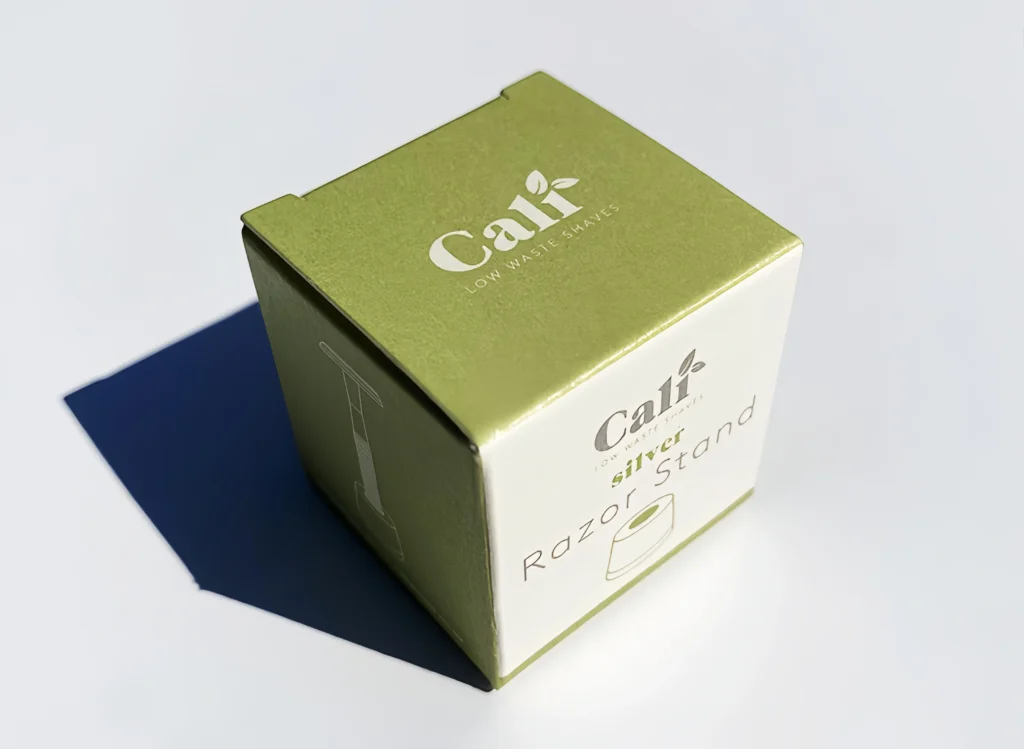
Eco-Friendly Packaging vs Traditional Packaging
| Feature | Eco-Friendly Packaging | Traditional Packaging |
|---|---|---|
| Material | Recyclable, biodegradable, renewable materials like kraft paper and recycled paperboard | Plastic or mixed materials that are harder to recycle |
| Environmental impact | Low carbon footprint and less waste | Higher pollution and landfill impact |
| Brand perception | Seen as responsible and premium | Viewed as standard or less sustainable |
| Customer preference | Increasingly preferred by modern consumers | Gradually declining demand |
How Eco-Friendly Packaging Improves Brand Value
Eco-friendly packaging is not only a sustainable choice, but also a strategic branding tool that helps businesses strengthen their overall market position. In today’s competitive environment, packaging plays an important role in how customers perceive a brand, often influencing their first impression before they even experience the product itself.
It helps brands clearly communicate their values, showing that they care about environmental responsibility and long-term impact. This transparency builds stronger emotional connections with customers, especially those who prefer to support brands that align with their personal beliefs and lifestyle choices. At the same time, sustainable packaging helps a brand stand out from competitors by offering a more modern, thoughtful, and responsible image in the marketplace.
In addition, eco-friendly packaging can increase the perceived value of a product. When designed well, simple and sustainable materials often feel more authentic and premium than overly complex or plastic-heavy packaging. For example, a minimalist kraft paper box with clean printing and natural textures can create a refined, high-end impression that enhances the overall product experience and reinforces brand quality.
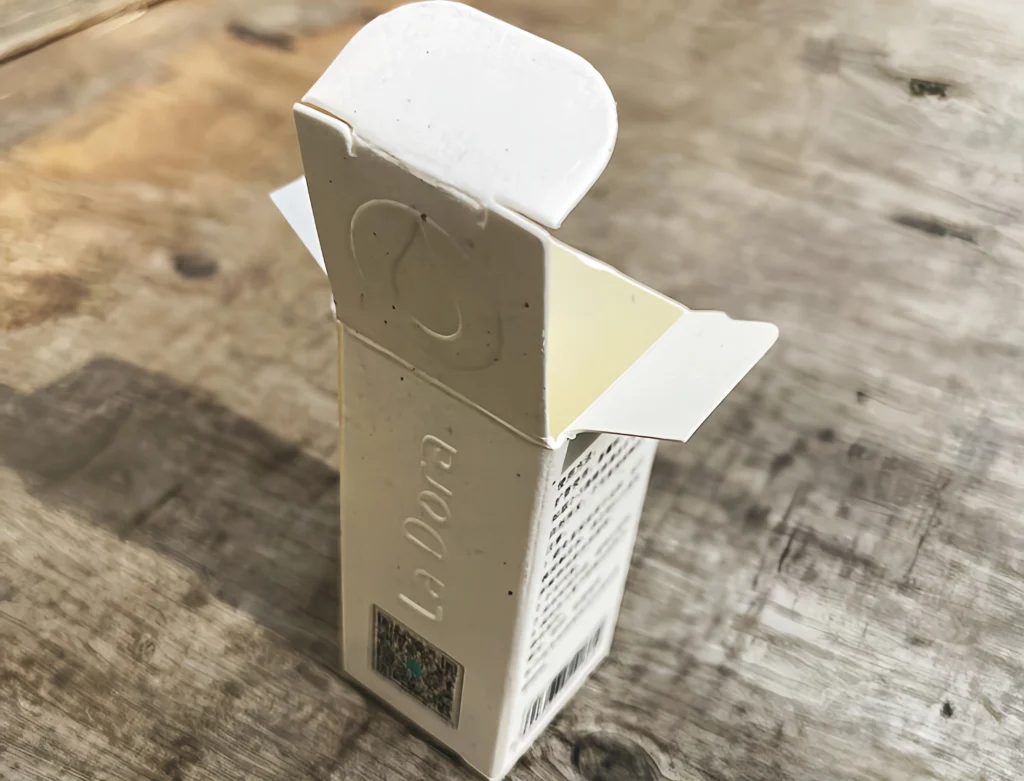
Eco-Friendly Packaging for Paper Bags & Boxes
Eco-friendly packaging plays a particularly important role in the custom paper packaging industry, where both functionality and brand presentation matter. As brands move toward more sustainable practices, paper-based packaging has become one of the most effective solutions for combining environmental responsibility with strong visual branding.
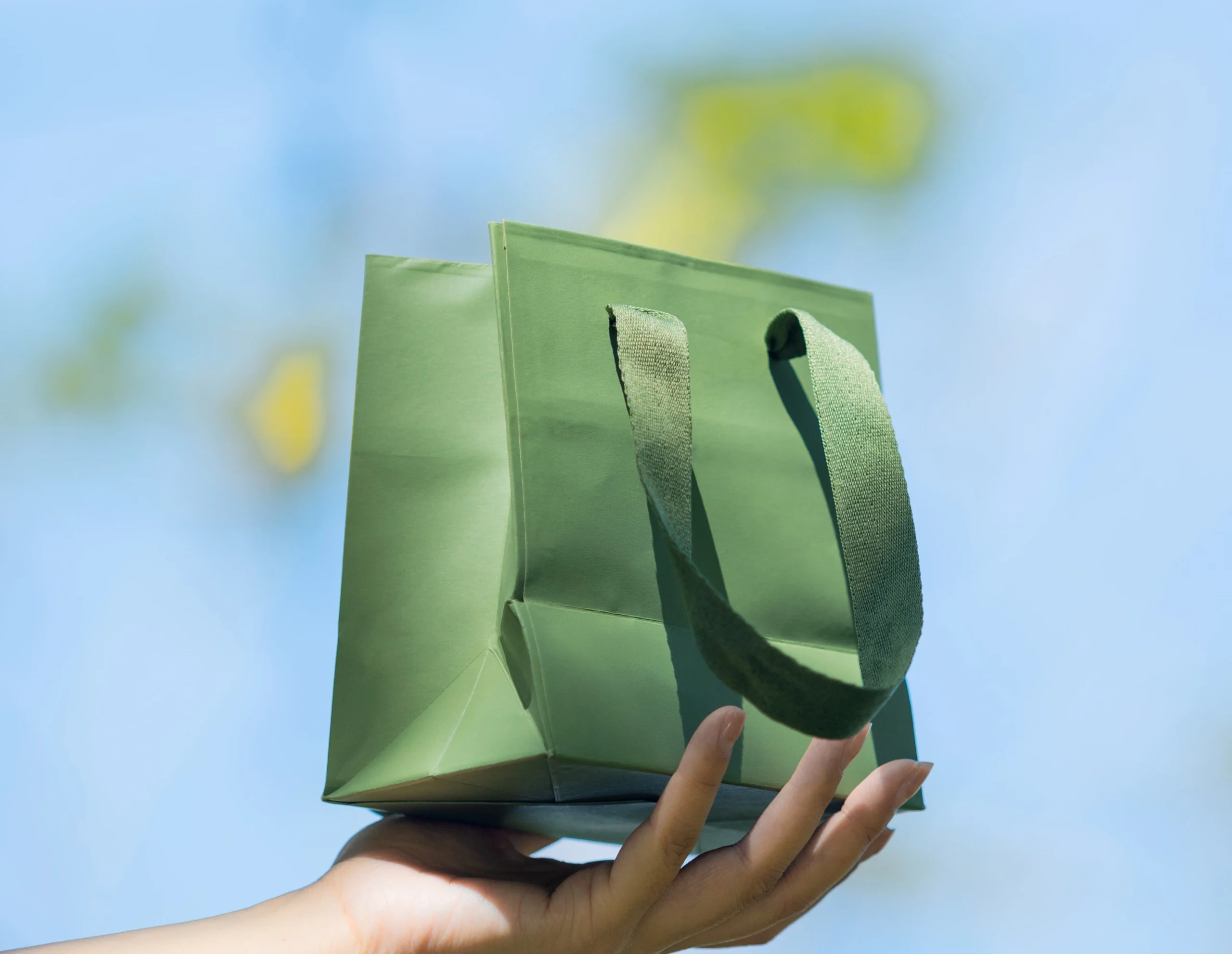
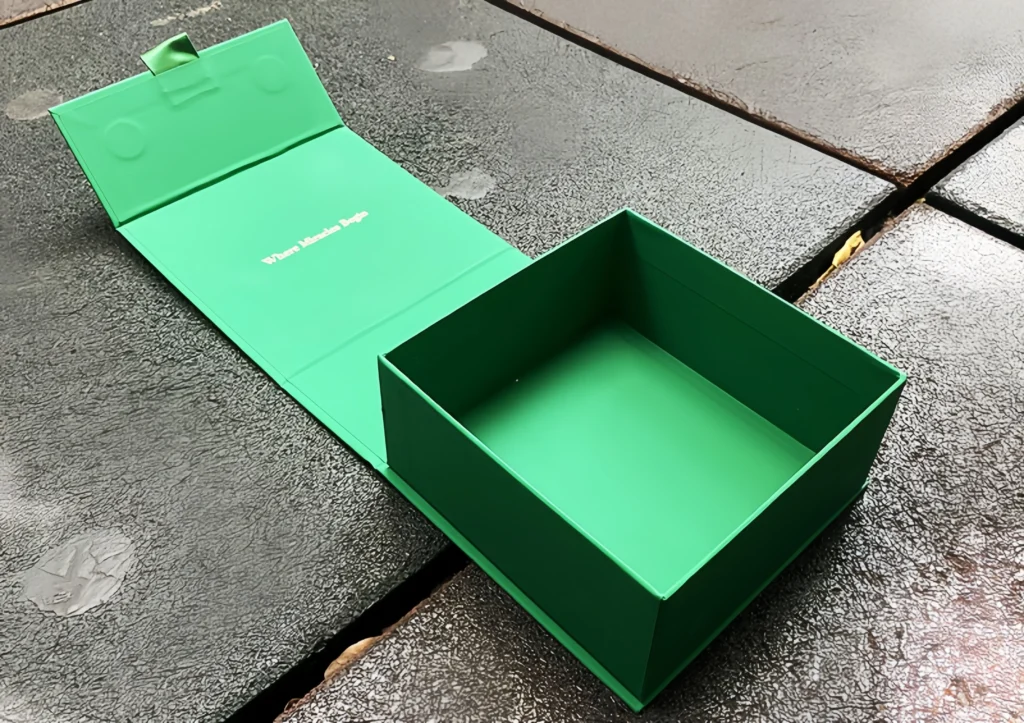
It is widely used across different industries because it is versatile, customizable, and environmentally friendly. Common applications include shopping paper bags for retail brands, luxury gift boxes that require a premium unboxing experience, cosmetic packaging that emphasizes clean and natural branding, candle packaging that supports lifestyle and home décor positioning, and e-commerce shipping boxes designed for safe and sustainable delivery. Each of these applications benefits from paper-based materials that are recyclable, biodegradable, and suitable for high-quality printing and design.
If you want to explore how sustainable packaging is applied across different industries, including fashion and apparel brands, you can also view our detailed guide on eco-friendly packaging solutions for clothing brands.Eco-Friendly Packaging Solutions for Clothing Brands
How to Choose the Right Eco-Friendly Packaging
Choosing the right eco-friendly packaging is not only about selecting sustainable materials, but also about matching packaging performance with your product needs, brand identity, and target market. A well-planned packaging decision can improve both customer experience and brand value.
✔ Product type
Different products require different levels of protection and structure. Fragile items may need stronger corrugated or reinforced packaging to ensure safety during transportation, while lightweight products can use simpler paper-based solutions. For luxury goods, packaging structure also plays an important role in creating a premium unboxing experience, so details like box rigidity, inserts, and finishing should be carefully considered.
✔ Brand positioning
Your packaging should reflect your brand identity. Luxury or high-end brands often choose FSC-certified paper combined with premium finishing techniques such as embossing, foil stamping, or soft-touch coatings to enhance perceived value. On the other hand, minimalist or eco-focused brands may prefer natural kraft paper designs to highlight simplicity and sustainability.
✔ Budget
Cost is another important factor in packaging selection. Among eco-friendly options, kraft paper packaging is usually the most cost-effective while still offering strong environmental benefits. More advanced materials or premium printing techniques may increase costs, so it is important to balance sustainability goals with overall budget planning.
✔ Customer expectations
Different markets have different levels of environmental awareness. In many regions, customers actively prefer sustainable packaging and may even associate it with higher product quality. Understanding your target audience’s expectations can help you choose packaging that not only meets environmental standards but also aligns with customer values and purchasing behavior.
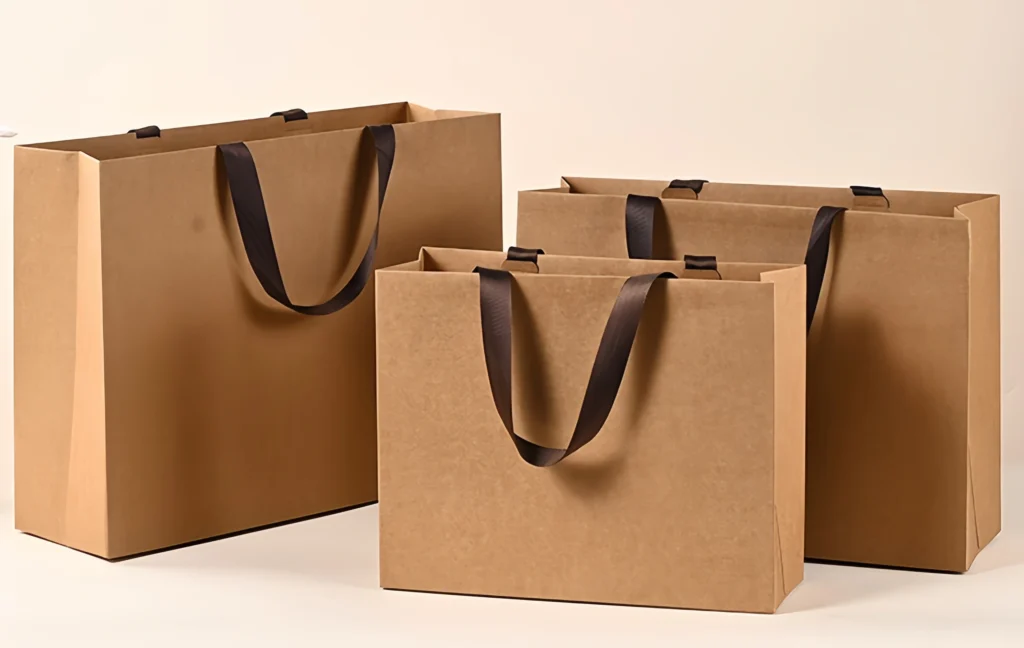
Future Trends in Eco-Friendly Packaging
The future of packaging is clearly moving toward sustainability, driven by stricter environmental regulations and increasing consumer awareness. One of the key directions is the shift toward plastic-free packaging solutions, where traditional plastic materials are being replaced with recyclable, biodegradable, or plant-based alternatives. At the same time, recyclable mono-material structures are gaining popularity because they simplify recycling processes and support a more efficient circular economy.
Design trends are also evolving alongside material innovation. Minimalist packaging aesthetics are becoming more widely adopted, using clean layouts, natural textures, and reduced ink coverage to create a modern and environmentally friendly appearance. In addition, reusable packaging concepts are emerging, where packaging is designed for secondary use, helping extend its lifecycle and reduce overall waste.
Another growing trend is the combination of sustainability and premium branding, often referred to as eco + luxury hybrid packaging. This approach allows brands to use eco-friendly materials while still applying high-end finishes such as embossing, foil stamping, and refined structural design. Companies that adopt these trends early can not only reduce their environmental impact but also gain a strong competitive advantage in an increasingly eco-conscious market.
FAQs
1.What is eco-friendly packaging?
Eco-friendly packaging refers to packaging made from recyclable, biodegradable, or renewable materials that minimize environmental impact. It reduces waste, lowers carbon emissions, and supports sustainable production practices.
2.What materials are commonly used in eco-friendly packaging?
The most common eco-friendly packaging materials include kraft paper, recycled paperboard, FSC-certified paper, and soy-based inks. These materials are widely used for paper bags, boxes, and retail packaging.
3.Is eco-friendly packaging more expensive than traditional packaging?
Not necessarily. While some sustainable materials may have a slightly higher cost, eco-friendly packaging can reduce long-term environmental fees and improve brand value, which often leads to higher customer conversion and loyalty.
4.Why is eco-friendly packaging important for brands?
Eco-friendly packaging improves brand image, builds customer trust, and aligns with global sustainability trends. Many consumers now prefer brands that demonstrate environmental responsibility through their packaging choices.
5.Can eco-friendly packaging still look premium?
Yes. Eco-friendly packaging can look highly premium when combined with proper design techniques such as minimalist printing, embossing, foil stamping, and high-quality kraft or FSC-certified materials.
6.What industries use eco-friendly packaging the most?
Eco-friendly packaging is widely used in industries such as cosmetics, fashion, food and beverage, candles, and e-commerce. Custom paper packaging is especially popular for sustainable branding solutions.
Conclusion
Eco-friendly packaging is no longer an optional choice or a simple trend—it has become a strategic necessity for modern brands that want to remain competitive in a rapidly changing global market. As sustainability continues to influence both consumer behavior and industry standards, packaging has evolved into a key factor in shaping how a brand is perceived.
By adopting sustainable packaging solutions, businesses can significantly improve their brand image and position themselves as responsible and forward-thinking. It also helps increase customer trust, as consumers are more likely to support brands that demonstrate genuine environmental commitment. In addition, eco-friendly packaging allows companies to meet growing sustainability expectations from both customers and regulatory bodies, while also enhancing the overall perceived value of their products through better design and material quality.
Whether you are a startup building your brand identity or an established company looking to upgrade your packaging strategy, switching to sustainable packaging is one of the most effective ways to future-proof your business and stay relevant in an increasingly eco-conscious world.
We provide custom eco-friendly packaging solutions including paper bags, gift boxes, and retail packaging tailored to your brand needs.
Ready to Upgrade to Eco-Friendly Packaging?
We specialize in custom eco-friendly packaging solutions, including:
- Kraft paper bags
- Recycled paper boxes
- FSC-certified packaging
- Custom printed sustainable packaging
👉 Contact us today to get a free quotation and build packaging that reflects both your brand and your environmental values.