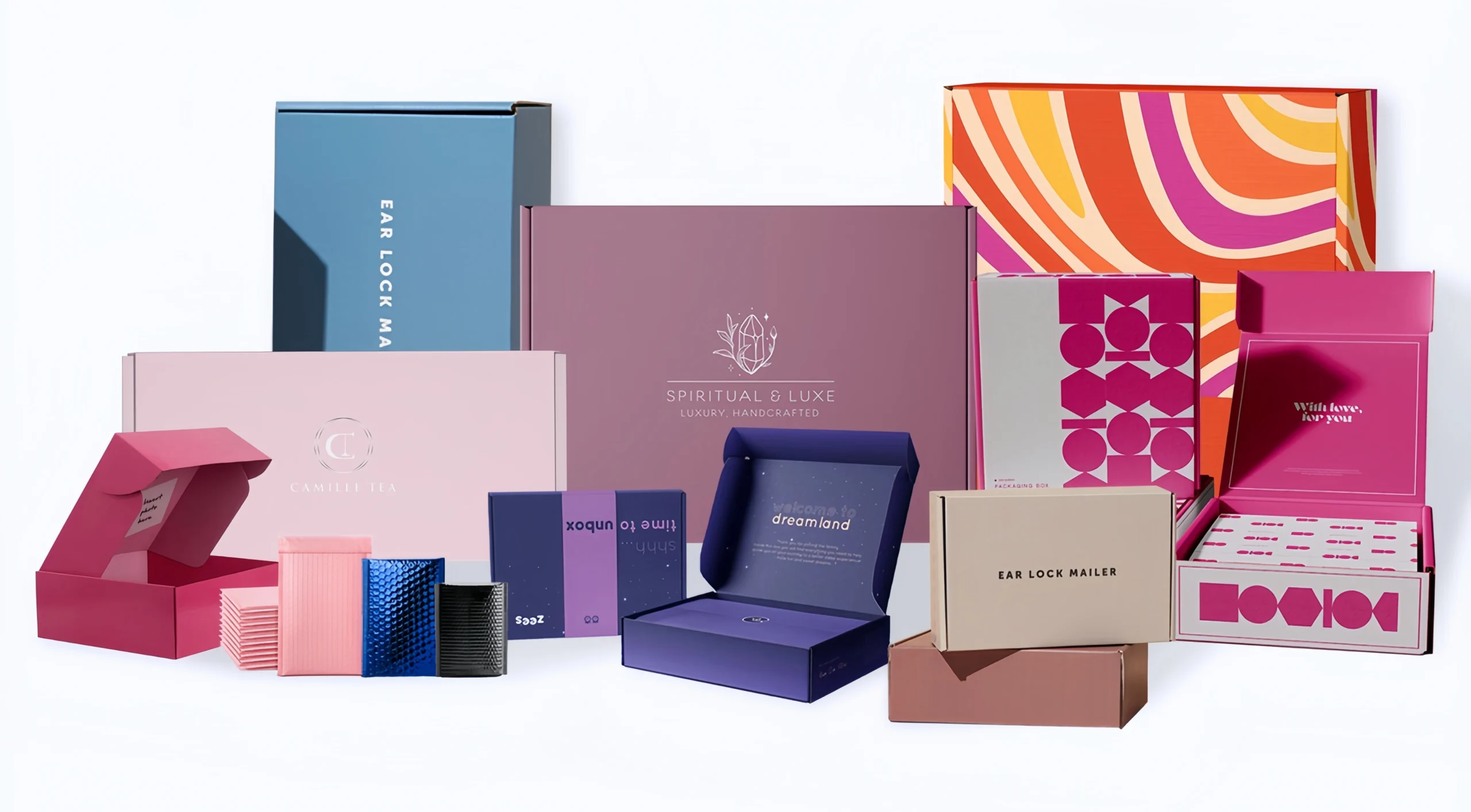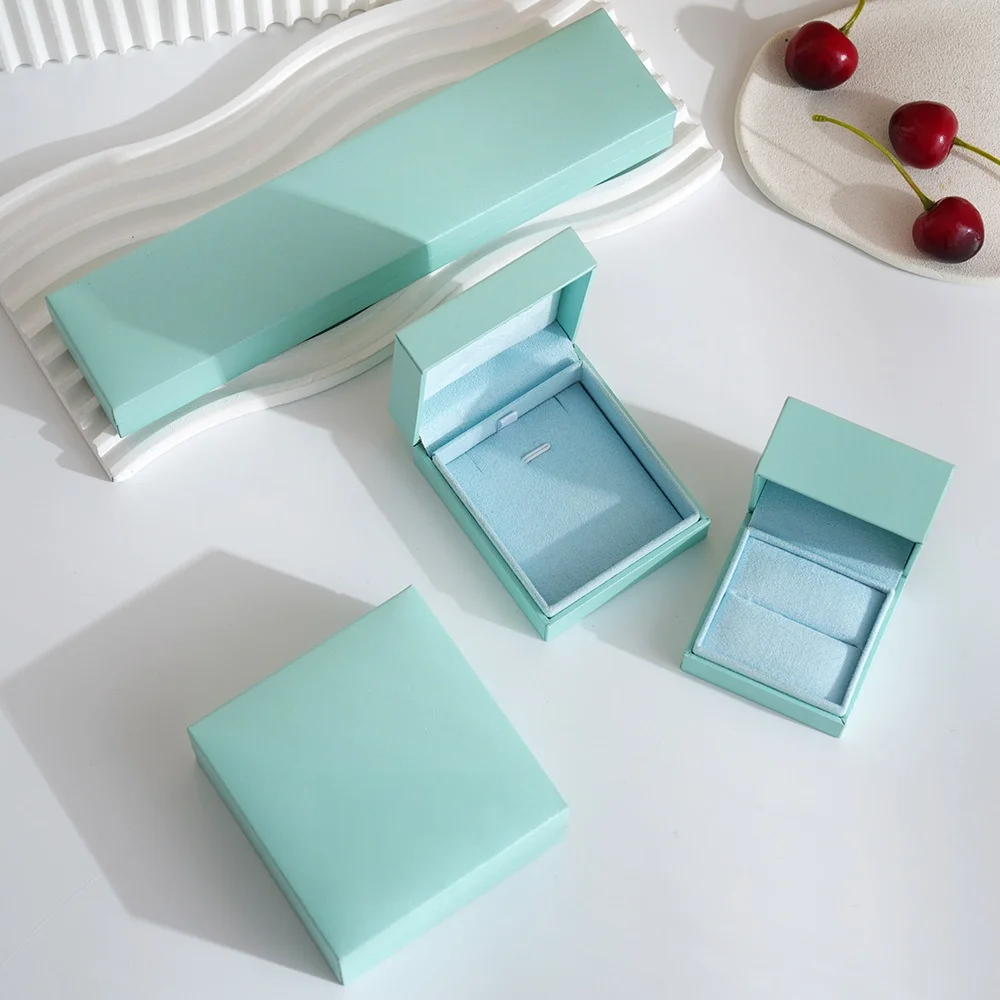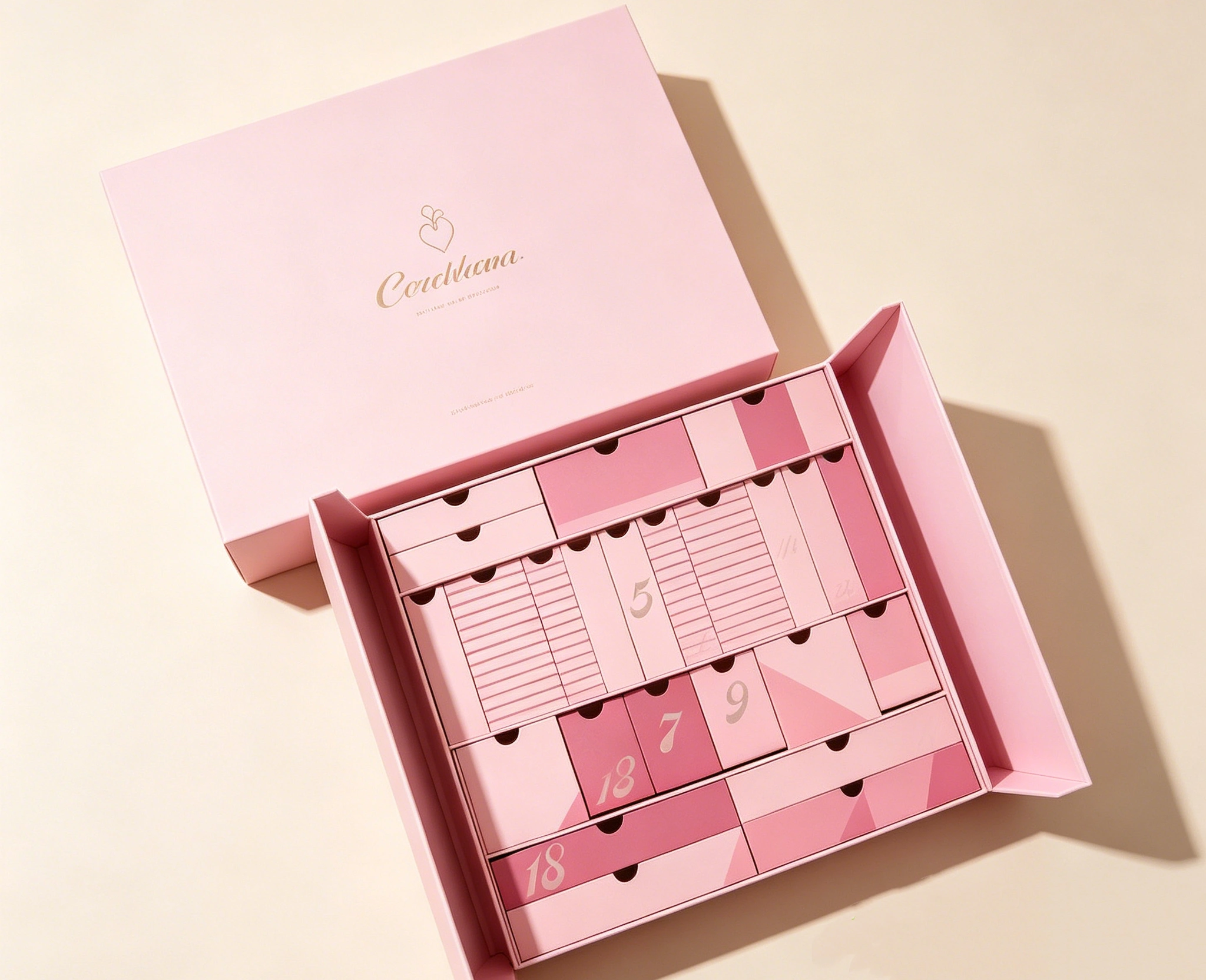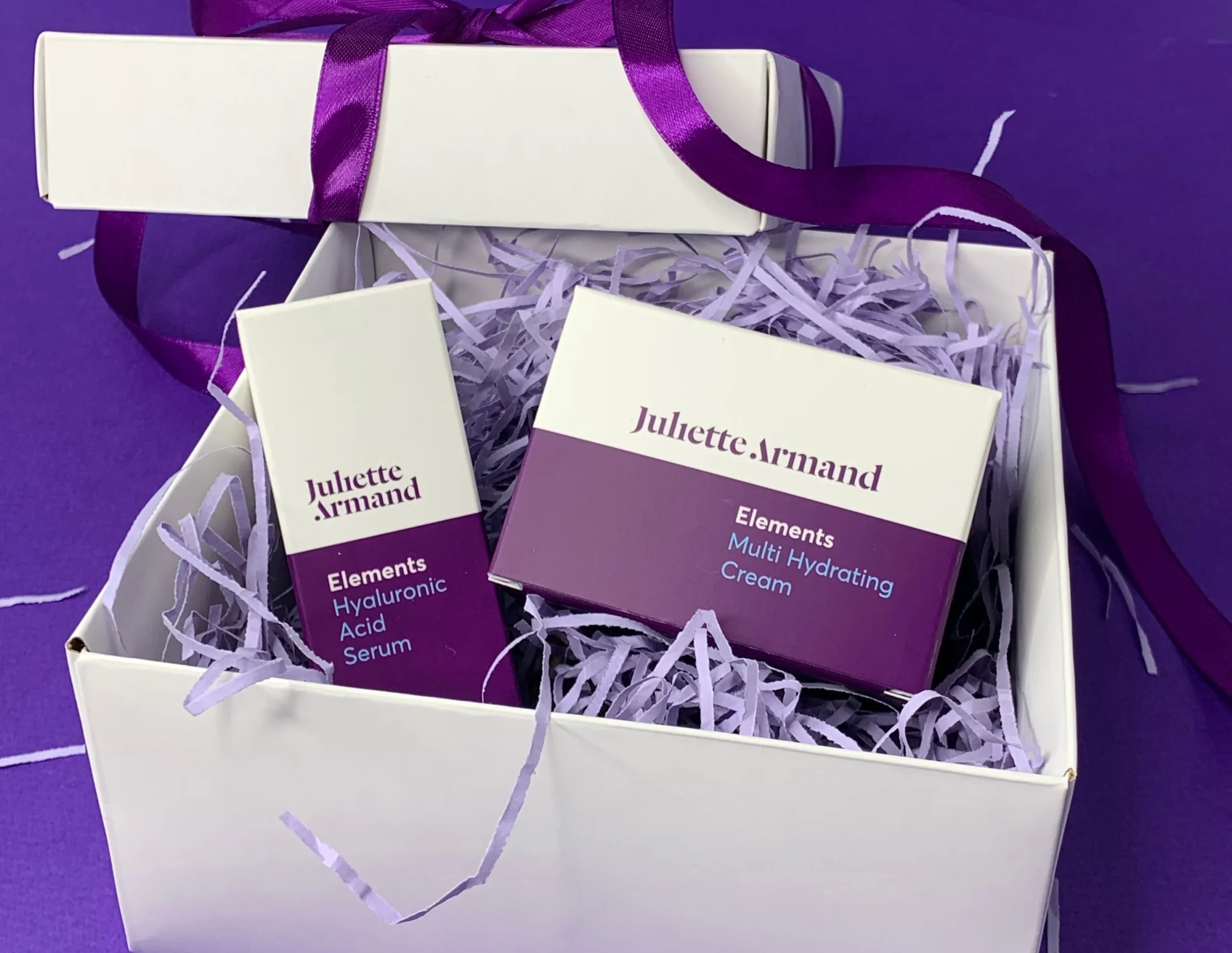
Rigid boxes are widely used for luxury products, gift sets, jewelry, cosmetics, electronics, and other premium items. Unlike folding cartons, they are made from thick paperboard that gives them a strong, solid structure.But a rigid box is more than its outer shape and printing. Its greyboard thickness, wrapping paper, inner lining, and insert all affect how the box looks, feels, and protects the product.
This guide explains the main rigid box materials, how to choose greyboard thickness, the difference between greyboard and chipboard, and which insert options work best for different products.
What Is a Rigid Box Made Of?
A rigid box is usually made of several layers of paper-based materials. Each layer has a different purpose, from providing strength to creating a clean appearance.
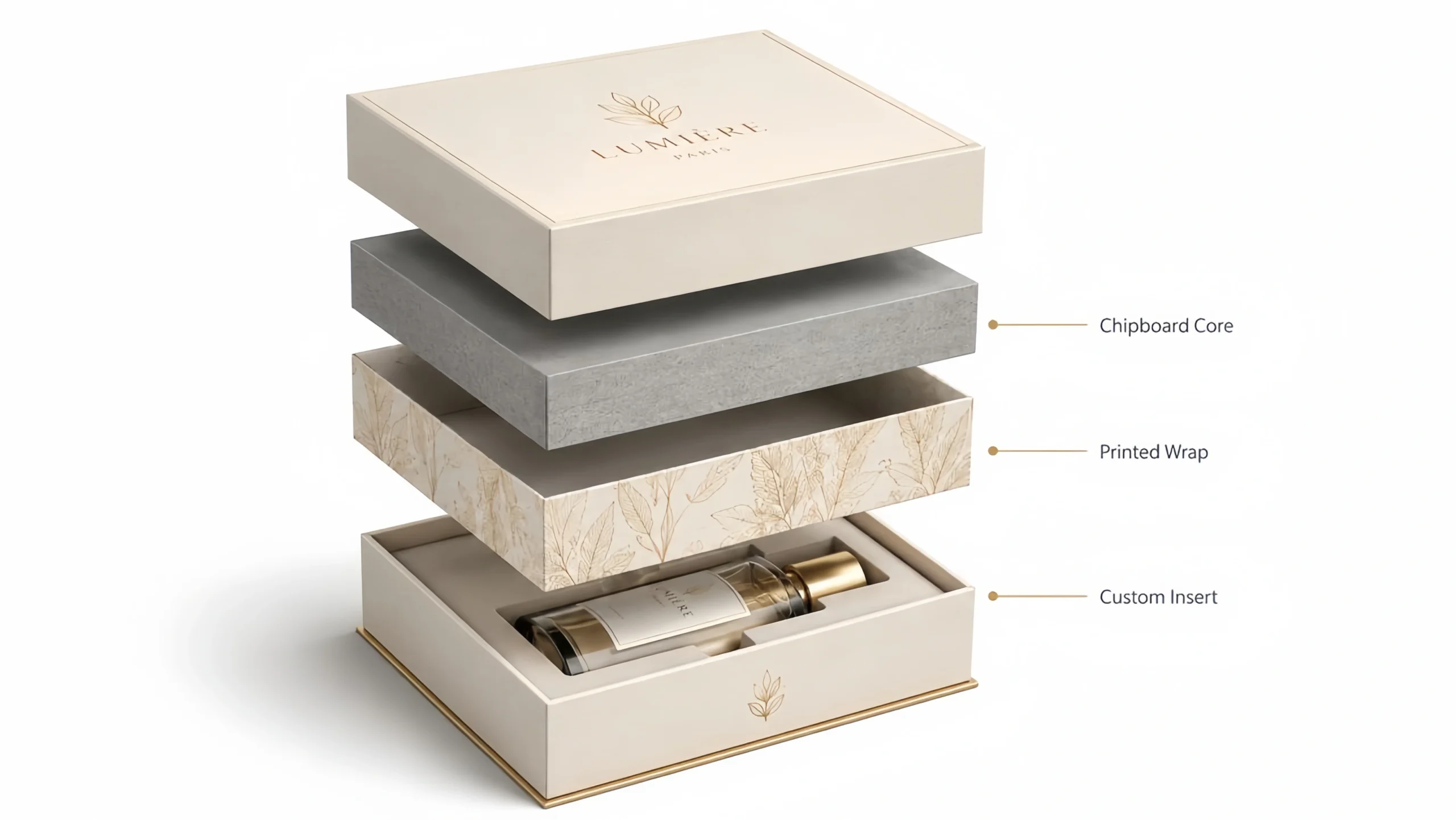
Most custom rigid boxes include five main parts:
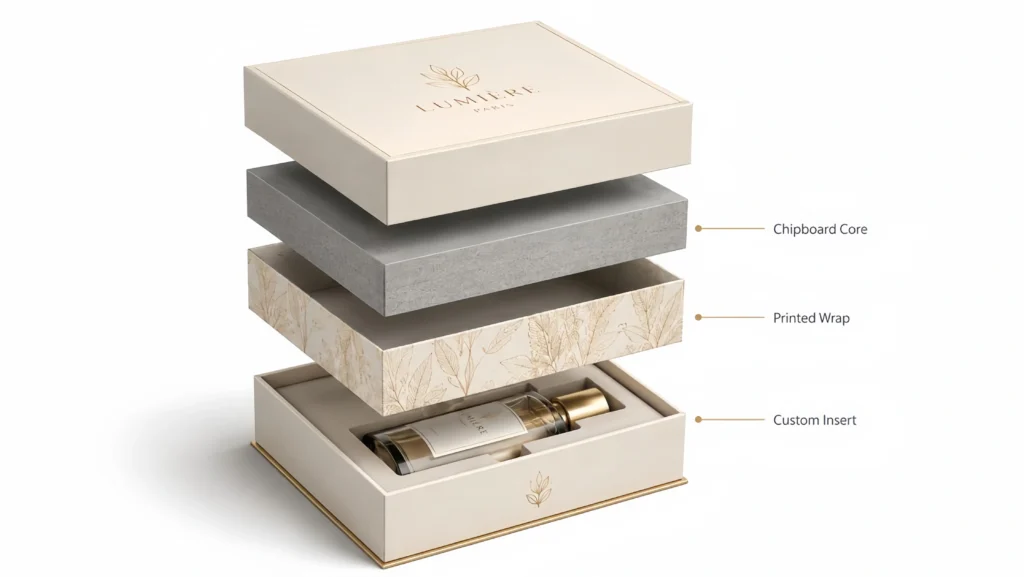
Structural core: Usually made from greyboard or another rigid paperboard. It gives the box its shape, strength, and support. A two-piece rigid box is a popular choice for premium gift packaging. Learn more about two-piece rigid box construction and its design features.
Outer wrap: The printed or specialty paper covering the outside of the box. It creates the color, texture, and visual identity.
Inner liner: Paper or another material applied inside the box to cover exposed board edges and create a cleaner finish.
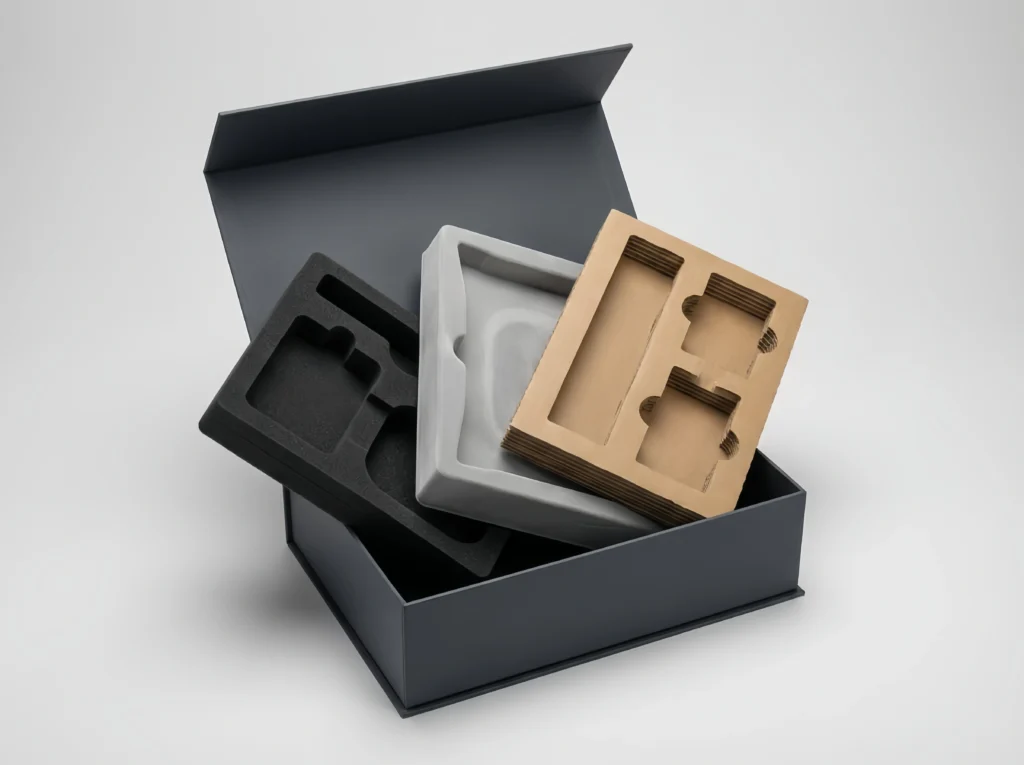
Custom insert: A foam, paperboard, molded pulp, velvet, or fabric-covered component that holds the product in place.
Cushioning and shipping protection: Additional materials, such as foam, molded pulp, corrugated inserts, or an outer shipping carton, used when the product is fragile, heavy, or shipped directly to consumers.
Greyboard Thickness: How to Choose the Right Board
Greyboard thickness is one of the most important factors in rigid box construction.It affects how strong the box feels, how well it holds its shape, and how suitable it is for different products.
Greyboard is commonly measured in millimeters (mm). For many custom rigid boxes, thicknesses around 1.5 mm to 3 mm are commonly used, although thicker or thinner options may be available depending on the design.
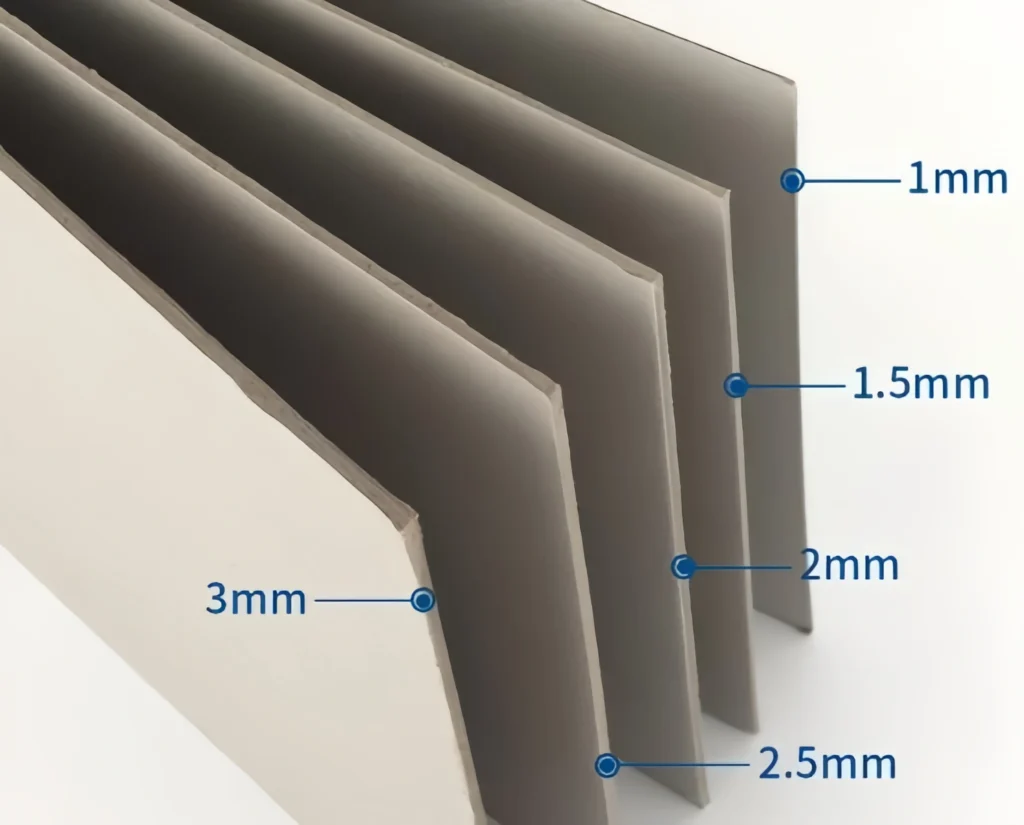
Common Greyboard Thicknesses and Their Uses
The following table provides general guidance for choosing greyboard thickness.
| Greyboard Thickness | Typical Applications | Why Choose It |
|---|---|---|
| 1.0–1.5 mm | Small gift boxes, lightweight packaging | Lighter and suitable for smaller products |
| 1.5–2.0 mm | Jewelry boxes, cosmetic boxes, small gift boxes | Offers a good balance of strength and weight |
| 2.0–2.5 mm | Perfume boxes, gift sets, retail packaging | Provides a solid structure for everyday premium packaging |
| 2.5–3.0 mm | Luxury gift boxes, larger rigid boxes | Creates a thicker and more substantial feel |
| 3.0 mm and above | Large or heavy-duty presentation boxes | Useful when additional structural support is needed |
These are general reference ranges, not fixed rules. The right thickness depends on the box dimensions, product weight, opening style, and overall construction.Explore our custom rigid boxes for different product sizes, structures, and packaging requirements.
How to Choose the Right Thickness
The right greyboard thickness depends on the product, box size, and intended use.
- Product weight: Heavier products may need thicker board for support.
- Box size: Larger boxes often need more structural support to prevent bending.
- Box style: Two-piece, magnetic closure, and hinged boxes may have different construction requirements.
- Desired feel: Thicker greyboard creates a more solid, premium feel.
- Shipping needs: Long-distance or e-commerce shipments may require stronger construction and an outer carton.
For example, a small jewelry box may work well with 1.5–2 mm greyboard, while a large gift box holding several products may need 2.5–3 mm board.
The final thickness should always be confirmed with the packaging manufacturer based on the actual box design and product requirements.
Greyboard vs. Chipboard: Which Should You Choose?
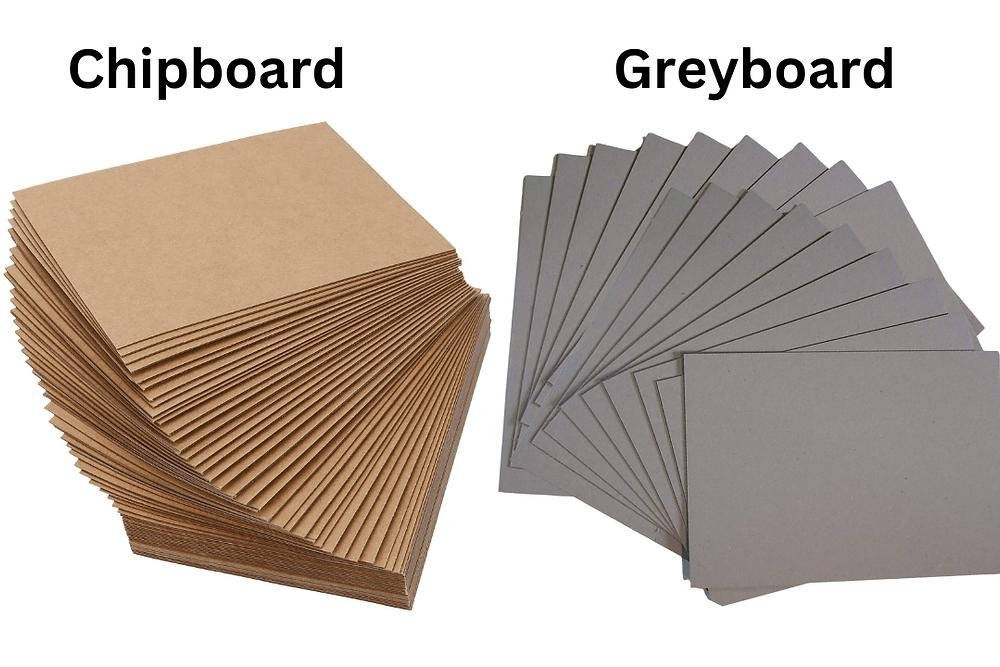
When sourcing custom rigid boxes, you may see the terms greyboard and chipboard used in similar ways. In many markets, they can refer to similar thick paperboard materials, but the exact meaning may vary between suppliers and regions.
Greyboard is a dense paperboard commonly used as the structural core of rigid boxes. It is often made from recycled paper fibers and is wrapped with printed paper, art paper, or specialty paper to create the finished box.
Chipboard is a broader term for thick paperboard made from compressed paper fibers. Depending on the supplier, it may be used for packaging, book covers, stationery, and other board products.
For custom rigid boxes, the material name matters less than the actual specification. When comparing quotations, do not only ask whether the box uses greyboard or chipboard. Confirm the following details:
- Board type and grade
- Board thickness in millimeters
- Density and surface quality
- Recycled content, if important to your brand
- Outer wrapping paper type and weight
- Whether the board is suitable for your box size and product weight
Clear specifications make it easier to compare suppliers and avoid misunderstandings during sampling and production.
Choosing the Right Wrapping Paper
The wrapping paper is one of the most visible parts of a rigid box. It affects the color, texture, printing quality, and overall appearance.Even when two boxes use the same greyboard thickness, different wrapping papers can create very different results.
Here are five common options for custom rigid box wrapping paper.
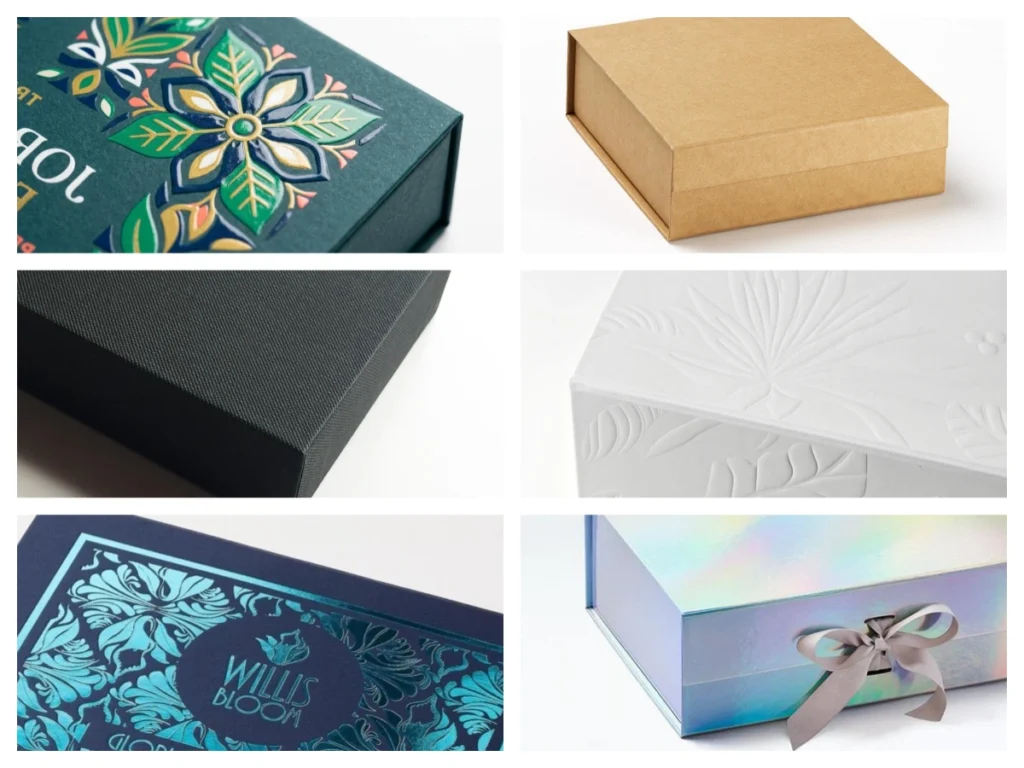
Coated Art Paper
Coated art paper has a smooth surface that works well for printing.It is a popular option for brands that want clear logos, colorful designs, product images, or detailed patterns.It can also be finished with matte or gloss lamination to change the surface appearance.
Uncoated Paper
Uncoated paper has a more natural, less glossy appearance.It is suitable for brands that prefer a simple and understated look. It can also work well with minimalist designs and certain specialty printing techniques.
Kraft Paper
Kraft paper is known for its natural brown color and paper-like appearance.It is often used for packaging that wants a simple, natural, or rustic style. White or black printing can create an attractive contrast on kraft paper.
Textured Paper
Textured paper has a special surface that customers can see and feel.Common options include linen-textured paper, leather-pattern paper, and other embossed textures.It is often chosen for jewelry boxes, perfume packaging, and premium gift boxes.
Specialty Paper
Specialty paper includes metallic paper, pearlescent paper, colored paper, and other decorative options.These materials can help a rigid box stand out without relying on complicated printing designs.
The wrapping paper should match both your brand style and printing requirements. Smooth coated art paper is usually better for detailed artwork and photographic images, while textured or uncoated paper may create a more natural, tactile look but can affect fine printing details and color consistency. When selecting wrapping paper, consider your brand style, printing requirements, budget, and the final appearance you want to achieve.It is also a good idea to check actual paper samples before approving production, because colors and textures can look different on a screen.
EVA and other foam inserts
Foam inserts can be cut or molded to fit the product shape. EVA foam is a common option for electronics, watches, tools, and gift items because it provides close-fitting support and cushioning. Different foam densities and thicknesses can be selected based on the product’s weight, fragility, and protection requirements.
How Rigid Boxes Are Made
The production process varies by box style. A two-piece lift-off lid box, magnetic closure box, hinged book-style box, drawer box, and shoulder-and-neck box may require different components, assembly steps, and quality checks.For example, magnetic closure boxes require accurate magnet placement and lid alignment. Drawer boxes need a smooth sliding fit between the outer sleeve and inner tray. Shoulder-and-neck boxes require precise inner frame dimensions to create a clean, controlled reveal.
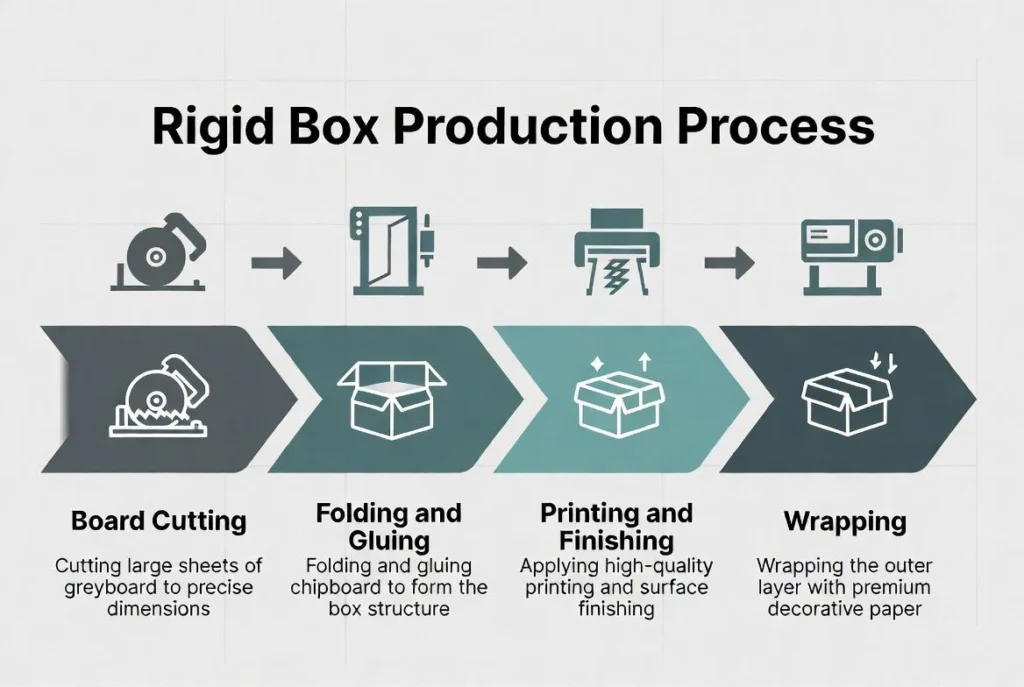
Although different box styles may require different steps, most rigid boxes follow a similar production process.
Step 1: Board Cutting
The greyboard is cut into the required pieces according to the box dimensions and design. Accurate cutting is important because it determines the final box size and shape.
Step 2: Grooving
Grooves are made in the board to create folding lines and help form the box structure. The position and depth of the grooves depend on the box design and board thickness.
Step 3: Corner Assembly
For many rigid box styles, the cut board pieces are joined at the corners to create the main box structure. This step helps the box maintain its shape.
Step 4: Gluing and Wrapping
The outer wrapping paper is printed or prepared, then applied to the greyboard structure using adhesive. The paper is carefully folded around the edges to create a clean finish.
Step 5: Inner Lining
The inside of the box is covered with lining paper or another selected material. This gives the box a neat appearance and covers the exposed board surfaces.
Step 6: Insert Fitting
The custom insert is placed inside the box. Its size and shape should match the product so that everything fits properly.
Step 7: Final Assembly and Quality Control
The box components are assembled and checked before packing.Quality checks may include:
- Box dimensions and overall shape
- Wrapping paper alignment
- Surface appearance and printing quality
- Corner finishing and glue marks
- Lid fit and closure performance
- Insert position and product fit
A sample should be checked and approved before mass production begins. This helps reduce mistakes and ensures that the final packaging matches the agreed specifications.
Rigid Box Specification Checklist
Before requesting a quotation or starting a custom rigid box project, it is helpful to prepare the main specifications.This gives the manufacturer a clearer understanding of your requirements and makes the quotation process more accurate.
Here is a practical checklist to use before sampling and production.
| Specification | What to Confirm |
|---|---|
| Box Style | Two-piece box, magnetic closure box, hinged box, or other design |
| Box Dimensions | Length × width × height, including internal or external measurements |
| Greyboard Thickness | Required board thickness, such as 1.5 mm, 2 mm, or 3 mm |
| Board Type | Greyboard or another suitable rigid paperboard |
| Wrapping Paper | Coated art paper, kraft paper, textured paper, or specialty paper |
| Inner Liner | Paper type, color, and printing requirements |
| Insert Material | EVA foam, molded pulp, velvet, paperboard, or other materials |
| Printing | Logo, colors, patterns, and artwork requirements |
| Surface Finishes | Matte or gloss lamination, foil stamping, embossing, or debossing |
| Closure | Removable lid, magnetic closure, hinged lid, or ribbon |
| Quantity | Order quantity and number of sizes or designs |
| Shipping Carton | Carton dimensions, packing method, and shipping requirements |
What Should You Prepare Before Sampling?
Before requesting a sample, prepare the following information:
- Product dimensions, weight, and a physical sample if available
- Box style and preferred opening experience
- Target internal or external box dimensions
- Logo, artwork, and brand color requirements
- Preferred wrapping paper, insert material, and finishes
- Expected order quantity
- Delivery country and shipping requirements
If you are unsure about the greyboard thickness, wrapping paper, or insert material, a packaging manufacturer can recommend suitable options based on your product, box size, budget, and design requirements.
Conclusion
Choosing the right rigid box materials is an important part of creating packaging that looks premium and protects your product. Greyboard provides the structure, wrapping paper creates the visual identity, inner lining gives the box a clean finish, and custom inserts keep the product secure and well presented.
There is no single material combination for every project. The best choice depends on the product, box dimensions, protection requirements, sales channel, and budget.
At LucklinPak, we support custom paper packaging projects from material selection and structural design to sampling, production, and quality control. Whether you need jewelry boxes, perfume boxes, gift boxes, or other luxury rigid packaging, we can help you choose a suitable combination of materials and construction.
Planning a custom rigid box project?Looking for other packaging options? Explore our guide to custom box types and materials to learn more about different packaging structures and solutions.
Contact LucklinPak with your product dimensions, box style, quantity, and design requirements for a material recommendation and packaging solution.