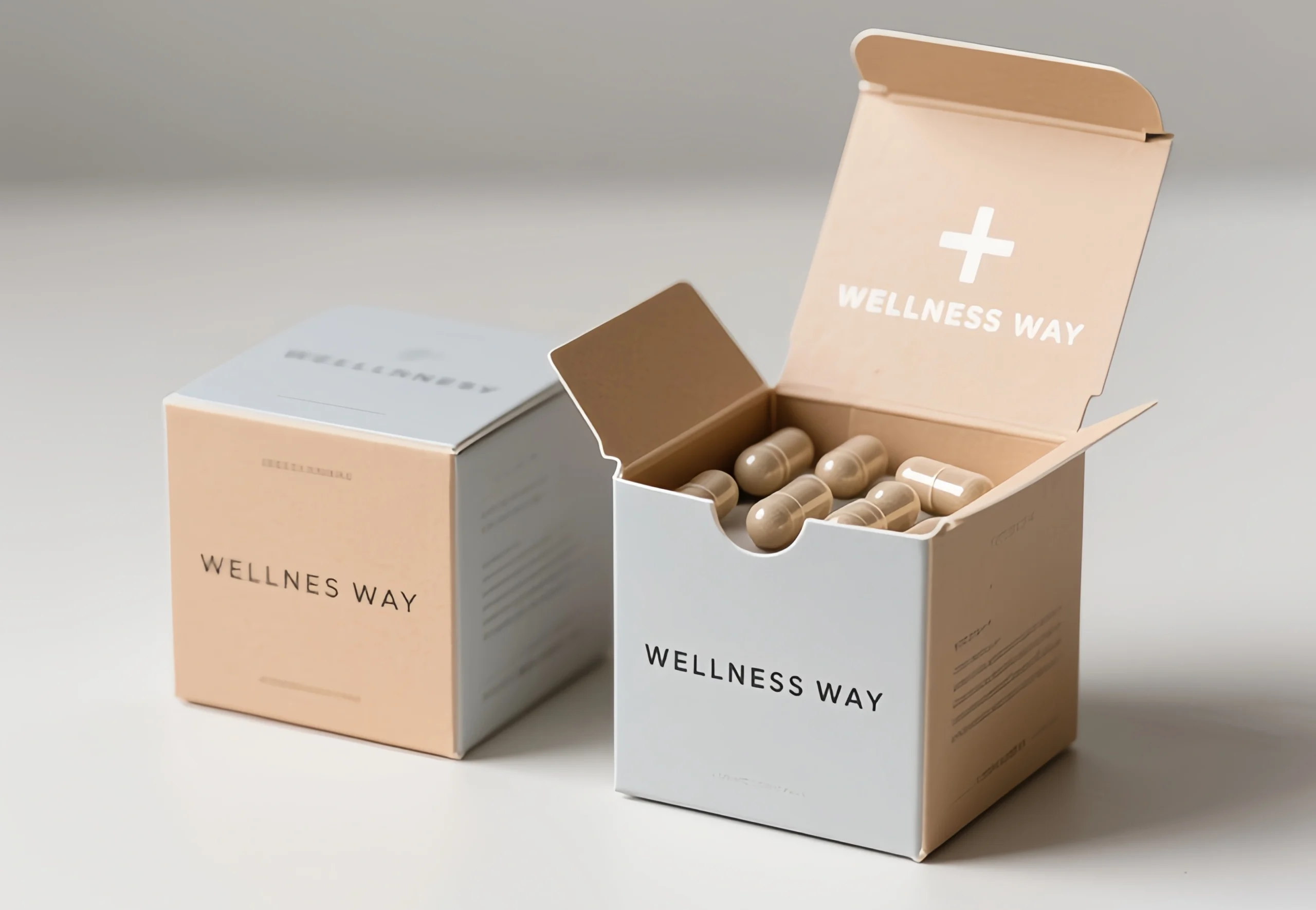
Jewelry packaging does more than protect jewelry. It also makes a good first impression, adds value to the brand, and gives customers a better unboxing experience.For jewelry brands, retailers, and wholesalers, choosing the right custom jewelry boxes means considering several things, such as box style, materials, inserts, size, printing, and order quantity. The right packaging helps keep jewelry safe and gives your products a consistent look.
In this guide, we’ll look at different types of custom jewelry boxes, common materials and inserts, customization options, and what to consider when placing bulk orders.If you are looking for packaging tailored to your jewelry collection, explore our custom jewelry packaging solutions to see how box styles, materials, and finishes can be adapted to your brand.
Why Choose Custom Jewelry Boxes?
Custom jewelry boxes help brands create packaging that fits their products and reflects their brand style. Instead of using standard boxes that may not suit every piece of jewelry, you can choose the right size, structure, material, and design for your needs.Different types of jewelry have different packaging requirements. Rings, necklaces, bracelets, earrings, and jewelry sets may need different box sizes and inserts to keep them secure and look their best. With custom packaging, you can make sure each piece has the right fit and presentation.
For jewelry brands, retailers, and wholesalers, custom jewelry boxes offer several benefits:
- Brand recognition: Add your logo, brand colors, and special finishes to make your packaging recognizable. Consistent packaging also helps customers remember your brand.
- Product protection: Choose suitable box structures and inserts to hold jewelry in place and reduce the risk of scratches, tangles, or damage during storage, handling, and shipping.
- Better presentation: Well-designed boxes make jewelry look more appealing, whether it is displayed in a retail store, given as a gift, or delivered to customers through online orders.
- Flexible product sizing: Create different box sizes and inserts for rings, necklaces, bracelets, earrings, and jewelry sets. This helps ensure that each product fits properly without wasting too much space.
- Wholesale consistency: For businesses ordering in bulk, custom jewelry boxes help maintain the same colors, logo placement, and overall appearance across larger quantities.
Custom jewelry packaging is also useful when a brand launches a new collection or updates its visual identity. You can keep the overall packaging style consistent while adjusting the size, insert, or finish for different products.For growing jewelry brands, investing in custom jewelry boxes can help create a more professional customer experience and make products feel more carefully presented, without requiring every item to use exactly the same box design.
Popular Types of Custom Jewelry Boxes
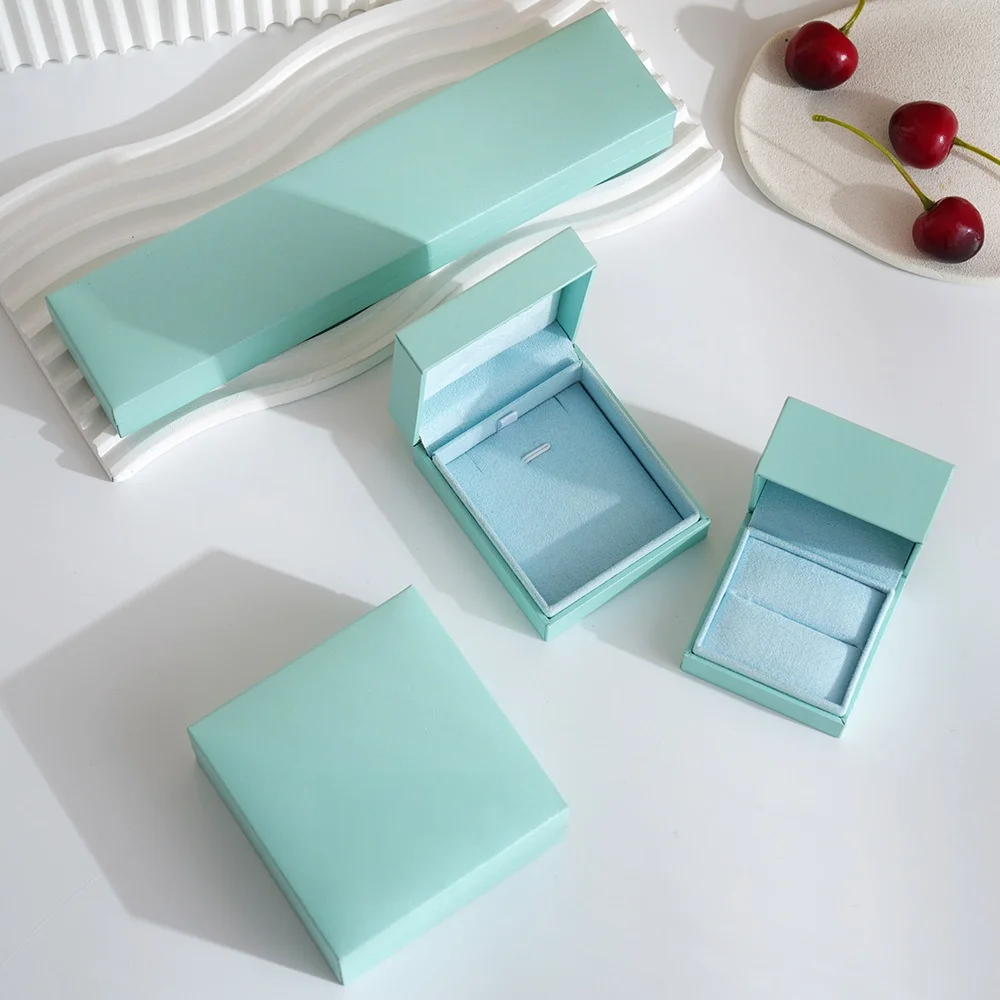
The best custom jewelry boxes depend on the type of jewelry you sell, your brand style, and how the products will be presented to customers. Some brands prefer sturdy boxes with a luxury look, while others need lightweight packaging for everyday jewelry or retail sales.Before choosing a box, consider the size and shape of your jewelry, the level of protection it needs, and your packaging budget. Here are some popular options to consider.
Rigid Jewelry Boxes
Rigid jewelry boxes are made from thick paperboard and covered with printed paper, specialty paper, or other decorative materials. They have a solid structure and a more substantial feel than standard folding cartons, making them a popular choice for premium jewelry packaging.
Common styles include:
- Lid-and-base boxes: A classic design with a separate lid and base, suitable for rings, earrings, necklaces, and gift sets.
- Magnetic closure boxes: These boxes close with a built-in magnet and offer a neat, modern look.
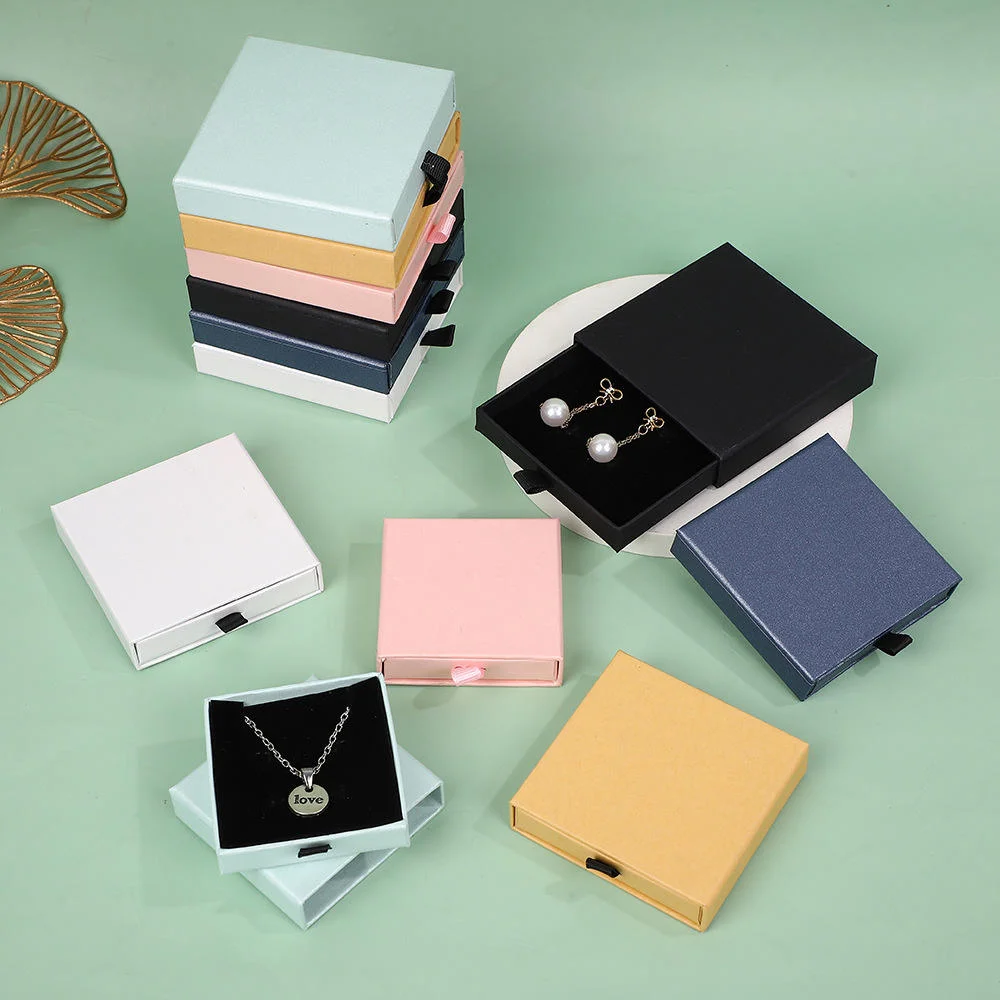
- Drawer-style boxes: A sliding drawer makes the packaging more interesting and works well for small jewelry pieces and gift sets.
- Book-style boxes: Designed to open like a book, these boxes provide space for jewelry and additional brand details.
- Foldable rigid boxes: These boxes can be folded flat before assembly, helping reduce storage space and shipping costs.
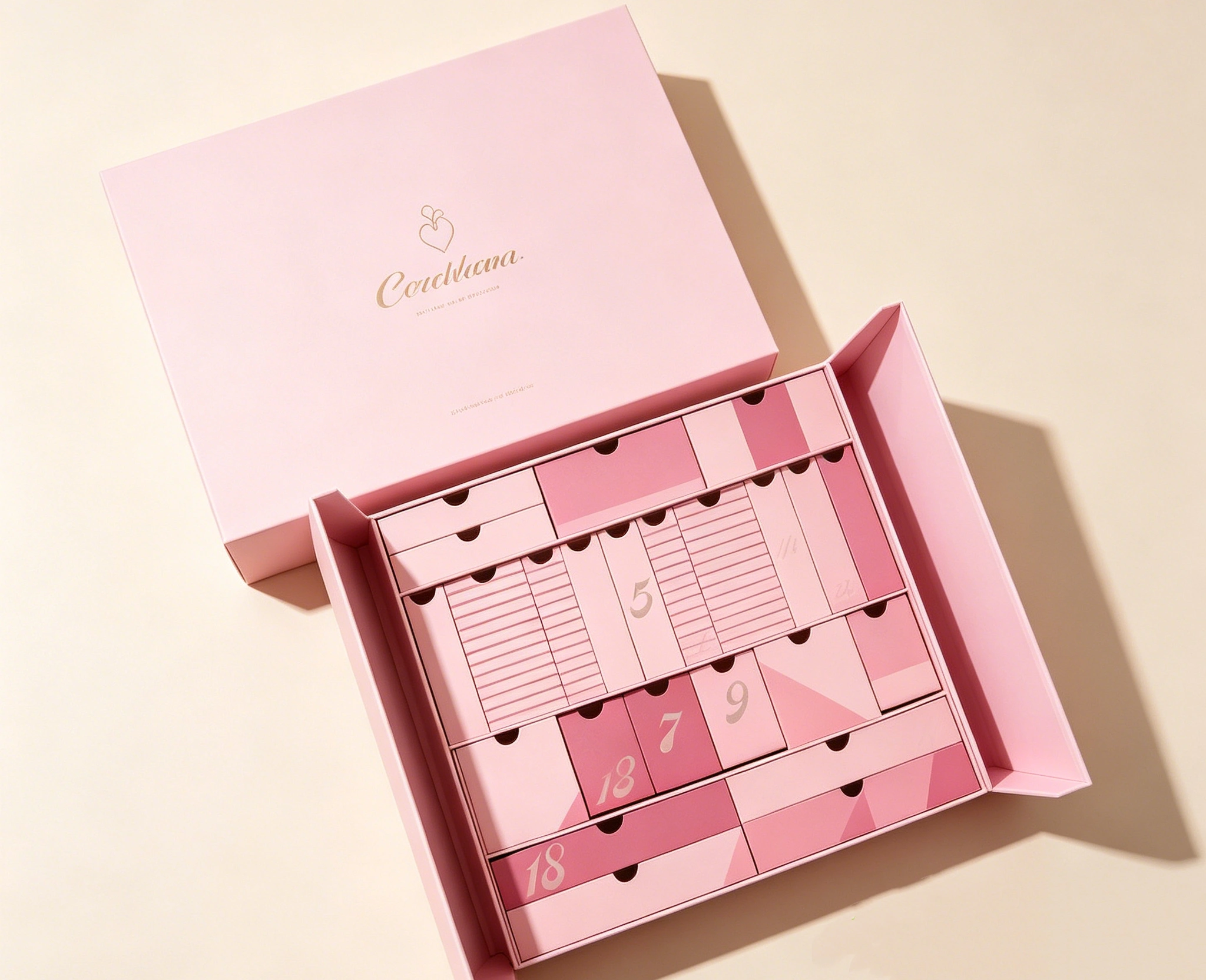
Rigid jewelry boxes can be customized with foil stamping, embossing, debossing, textured paper, and fabric-covered inserts. These details allow brands to create packaging that matches their visual identity.They are especially suitable for luxury jewelry brands, fine jewelry collections, and gift packaging where appearance and presentation are important.For more options, explore our custom rigid boxes in different structures, sizes, and finishes for premium product packaging.
Cardboard Jewelry Boxes
Cardboard jewelry boxes are a practical option for brands looking for packaging that is easy to customize and suitable for different budgets.Depending on the design, they can be made from folding carton board or thicker paperboard. Folding cartons are often used for lightweight jewelry, promotional collections, and retail packaging. Thicker cardboard structures can provide more support when the product requires a sturdier box.
Cardboard jewelry boxes can be printed with your logo, brand colors, product information, or decorative patterns. You can also choose different finishes, such as matte or gloss lamination, to create the look you want.When selecting cardboard jewelry boxes, consider the weight and shape of the jewelry, how the boxes will be stored or shipped, and the overall presentation you want to achieve. This will help you find a suitable balance between cost, appearance, and protection.
Necklace Boxes
Necklaces need packaging that keeps the chain in place and helps prevent tangling during storage, handling, and transportation. The right box should also provide enough space for the pendant without pressing against it.Custom necklace boxes can include a necklace card, slotted insert, or specially shaped insert to hold the chain and pendant securely. For longer necklaces or larger pendants, you may need a deeper or wider box with a suitable insert design.
When choosing a necklace box, consider the chain length, pendant size, and overall shape of the jewelry. You should also think about whether the necklace will be sold individually or packaged with matching earrings or other pieces.A well-fitted necklace box helps keep the jewelry organized and makes it easier for customers to see the design when they open the package.
Custom Ring Boxes
Rings are small, but they still need suitable packaging to keep them secure and present them properly. A good ring box should hold the ring firmly without making it difficult to remove.A custom ring box can include a slit insert, a velvet-covered insert, or a shaped cavity designed for a particular ring style. Different insert materials and colors can also change the overall look of the packaging.
For engagement rings, wedding bands, and other fine jewelry, a structured box with a carefully designed insert can help draw attention to the ring. For everyday rings or fashion jewelry, a simpler design may be more practical.When selecting a ring box, consider the ring size, setting height, insert material, and whether the packaging will be used for retail display, gifting, or shipping.
Bracelet Boxes and Jewelry Gift Boxes
Bracelets often need wider or longer inserts than rings, especially when they have a rigid shape, a large charm, or decorative details. A suitable bracelet box should provide enough room for the jewelry while keeping it from moving around too much.For brands selling matching collections, choosing coordinated bracelet boxes, necklace boxes, and ring boxes can create a consistent look across different products. The boxes can share the same exterior paper, logo placement, and colors while using different sizes and inserts.
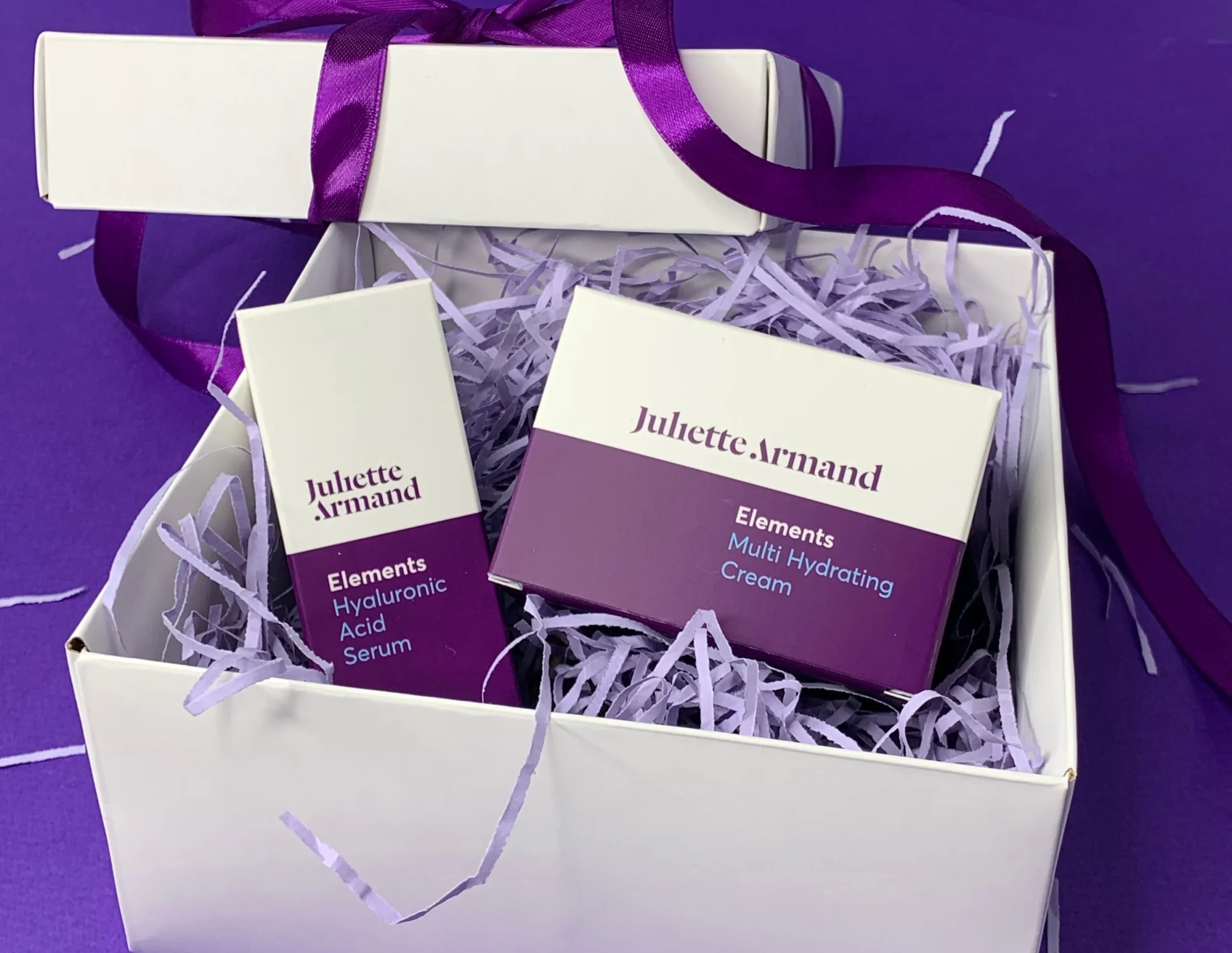
Jewelry gift boxes can also include additional details such as ribbons, printed sleeves, gift messages, or branded tissue paper. These options are useful for holiday collections, special occasions, and online gift orders.The final design will depend on your product range, target customers, and budget. By choosing the right box style and insert for each piece, you can create packaging that looks professional, protects the jewelry, and gives customers a consistent brand experience.
How to Choose Materials for Custom Jewelry Boxes
Choosing the right material is an important part of designing custom jewelry boxes. The material affects how the box looks and feels, how well it protects the jewelry, the quality of the printing, and the final cost.Different materials suit different jewelry products and brand styles. Some brands prefer a sturdy box with a premium finish, while others look for lightweight, practical packaging for everyday jewelry. Understanding the main material options can help you choose packaging that fits your products and budget.
Rigid Paperboard
Rigid paperboard is a popular choice for premium jewelry boxes because it provides a strong, solid structure. Compared with standard folding cartons, rigid boxes generally feel sturdier and offer a more substantial presentation.This material works well for lid-and-base boxes, magnetic closure boxes, drawer-style boxes, and book-style boxes. It can also be covered with different types of paper to create a variety of looks, from simple and understated to more decorative designs.
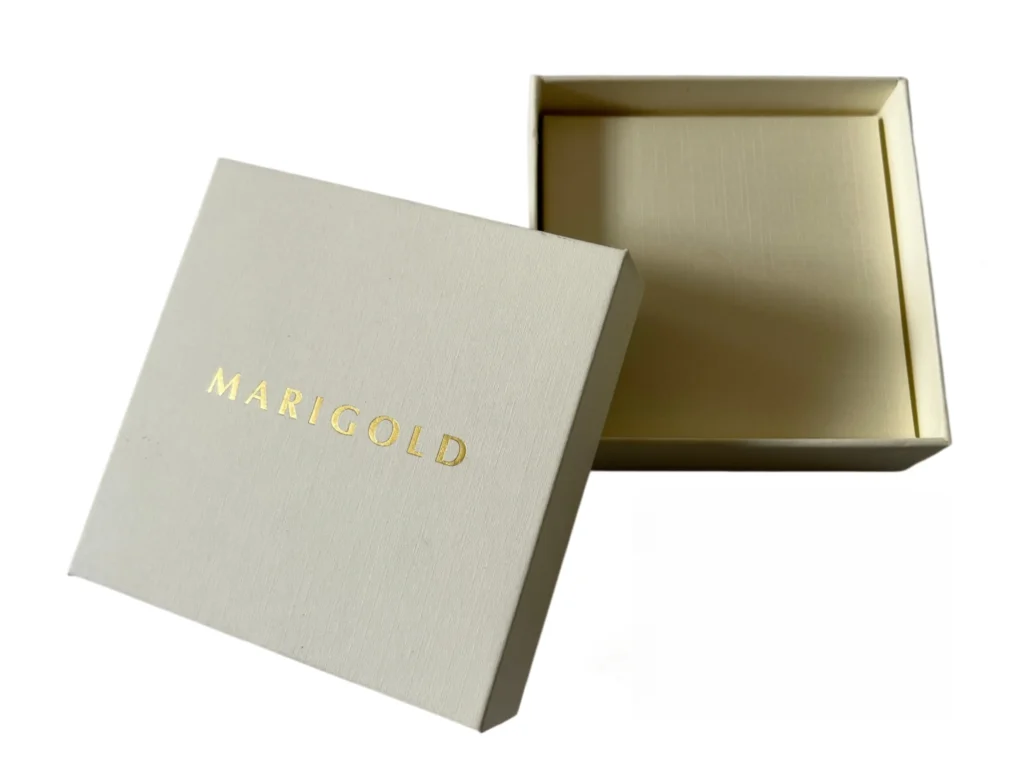
The final appearance depends on the thickness of the board, the exterior covering paper, and the finishing details. For example, a rigid box with a smooth surface and gold foil logo can create a classic luxury look, while textured paper and a simple logo can give it a more natural appearance.Rigid paperboard is particularly suitable for jewelry gift boxes, premium collections, and packaging that needs to maintain its shape during handling and storage.
Printed Paper and Specialty Paper
The paper used on the outside of a jewelry box has a big influence on its overall appearance. You can choose from coated paper, uncoated paper, textured paper, and specialty paper, depending on your brand style and budget.
- Coated paper: This type of paper has a coated surface that supports clear printing and detailed graphics. It is a good option for brands that want accurate brand colors, patterns, or printed designs on their packaging.
- Uncoated paper: With a more natural surface, uncoated paper creates a simple and understated look. It works well for brands that prefer clean designs and a less glossy finish.
- Textured paper: Textured paper adds visual interest and a different feel when customers touch the box. It can help make simple packaging look more distinctive without using too many decorative elements.
- Specialty paper: Specialty paper comes in different colors, textures, and decorative effects. It gives brands more options when creating packaging that matches their identity or a particular jewelry collection.
When choosing paper, consider your logo colors, the printing method, and any additional finishes you plan to use. Some papers work better with foil stamping or embossing than others, so it is worth checking how the design will look on the actual material before production.
Velvet and Fabric Finishes
Velvet and fabric finishes are popular choices for jewelry boxes because they create a soft texture and a more refined appearance. They are often used for premium jewelry packaging, especially for rings, necklaces, bracelets, and gift sets.These finishes are usually combined with a rigid box structure and a matching insert. For example, a box with a velvet exterior and a coordinated insert can create a classic look for fine jewelry. A fabric-covered insert can also help keep jewelry in place while making the inside of the box look more polished.
When selecting a fabric finish, consider the color, texture, and overall appearance alongside your brand logo. You should also check how easily the surface collects dust, whether it requires special care, and how well the logo application works with the chosen material.Velvet and fabric finishes can create a premium look, but they may cost more than some standard paper options. Comparing samples can help you decide whether the appearance and feel are worth the additional cost.
Choosing the Right Material
The best material depends on the type of jewelry you sell, your packaging design, and your target price. Before making a decision, consider the following factors:
- Jewelry type and value: Fine jewelry may need a sturdier box and a more refined finish, while everyday fashion jewelry may work well with simpler packaging.
- Box structure: The material should suit the box design and provide enough support for the intended use.
- Protection requirements: Consider how the boxes will be stored, handled, displayed, or shipped. The insert is also important for keeping the jewelry secure.
- Brand identity: Choose materials, colors, and textures that match your brand image and appeal to your target customers.
- Budget and order quantity: Different paper types, fabric finishes, and decorative treatments can affect the unit cost. Comparing options can help you find the right balance between appearance and price.
Before placing a bulk order, it is a good idea to request material samples or a physical box sample. This allows you to check the color, texture, structure, and finishing details in person rather than relying only on pictures.Taking the time to compare materials can help you choose custom jewelry boxes that suit your products, reflect your brand, and meet your budget requirements.
Jewelry Box Inserts: How to Protect and Present Jewelry
The insert is an important part of custom jewelry packaging. It keeps the product in position and helps customers see the jewelry clearly when opening the box.
The best insert depends on the jewelry shape, product weight, and presentation requirements.
Velvet-Covered Inserts
Velvet-covered inserts provide a soft surface and a premium appearance. They are commonly used for rings, earrings, pendants, and selected jewelry sets.The insert can include slits, shaped cavities, or other features designed to hold the product securely.
Foam Inserts
Foam inserts can be cut into specific shapes to accommodate different jewelry designs.They are useful when products need a defined position inside the box. The foam type, density, covering material, and cavity dimensions should be selected according to the product.
Paperboard Inserts
Paperboard inserts can provide a practical alternative for lightweight jewelry and coordinated packaging sets.They can be designed with slots or folded sections to hold jewelry cards, small accessories, or individual products.Paperboard may also suit brands that prefer paper-based packaging components, depending on the required protection and structure.
Custom Jewelry Box Inserts
When designing custom jewelry box inserts, provide accurate product dimensions and, if possible, a physical sample or clear product photographs.The insert should hold the jewelry securely without placing excessive pressure on delicate components. It should also allow customers to remove the product easily.Before mass production, confirm the insert fit with an actual sample. This is particularly important for rings, pendant necklaces, and sets containing multiple pieces.
How to Choose the Right Jewelry Box Size
There is no single standard size for every jewelry product. The correct dimensions depend on the jewelry itself, the insert design, and the desired presentation.The following are illustrative starting points for discussing box dimensions with a packaging manufacturer. They are not universal industry standards.
| Jewelry type | Example box dimensions (L × W × H) |
|---|---|
| Ring box | 5 × 5 × 4 cm |
| Earring box | 7 × 7 × 3 cm |
| Pendant or short necklace box | 9 × 9 × 3.5 cm |
| Bracelet box | 10 × 10 × 4 cm |
| Jewelry set box | 15 × 12 × 5 cm |
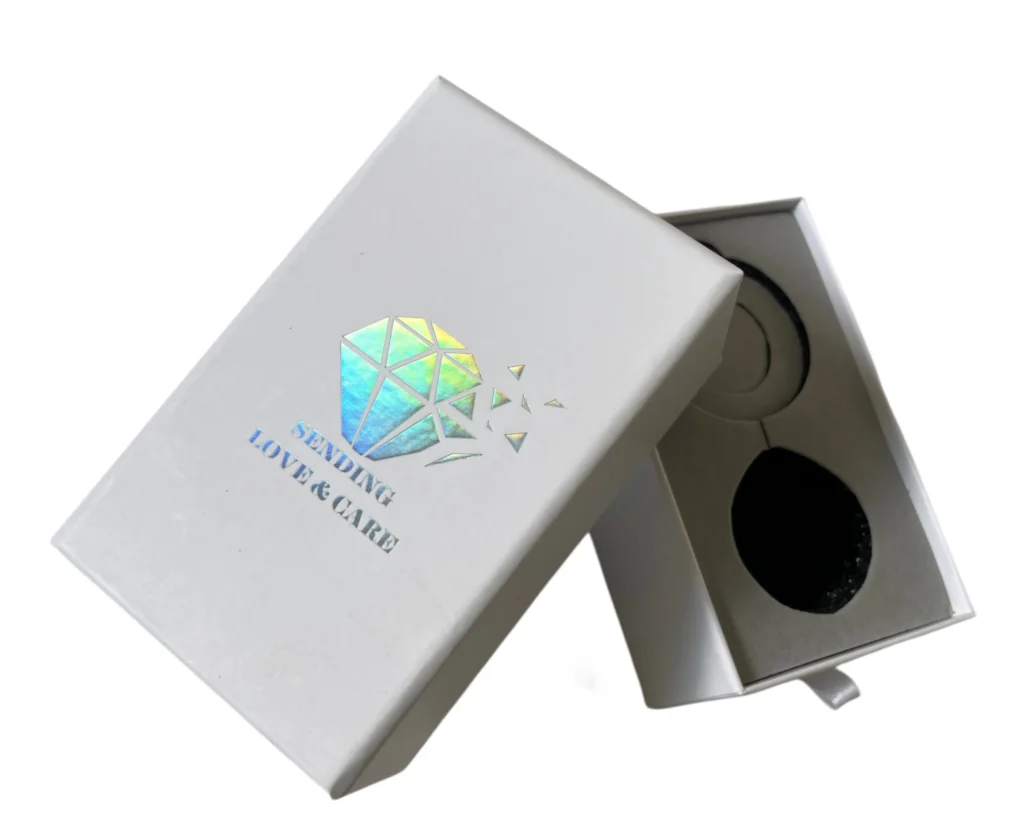
Actual dimensions should be confirmed based on the jewelry size, insert construction, and box structure.Cardboard jewelry boxes offer a practical and customizable packaging option.If you are considering a magnetic closure design, our guide to magnetic gift box sizes and dimensions explains how to plan the right box size for your product.
Measure the Jewelry Before Ordering
Before requesting a quotation, prepare the following information:
- The length, width, and height of the jewelry.
- The pendant, clasp, or other components that may require additional space.
- The number of jewelry pieces in each box.
- The insert type and thickness.
- Whether the box needs to fit inside an outer shipping carton or gift bag.
Remember that the finished box dimensions may differ from the available internal space. Ask your manufacturer to confirm the usable internal dimensions before approving the design.
Custom Jewelry Box Printing and Finishing Options
Printing and finishing help transform a standard box structure into packaging that reflects your brand.
Logo Printing
Your logo can be applied through several methods, depending on the material and desired appearance.
Common options include:
- Foil stamping: Creates a metallic or colored foil logo.
- Embossing: Raises the logo or selected design elements.
- Debossing: Presses the logo into the material.
- Silkscreen printing: Suitable for selected solid-color logo applications.
- Offset printing: Supports detailed graphics and larger printed areas.
The most suitable method depends on the box covering material, artwork, quantity, and budget.
Matte, Glossy, and Textured Finishes
Matte finishes offer a subtle appearance, while glossy finishes create more shine. Textured paper can add depth without relying on elaborate graphics.For luxury packaging, combining a restrained color palette with foil stamping or embossing can create a distinctive look.
Personalized and Branded Jewelry Boxes
Some businesses need individual personalization, while others need consistent branded packaging for every order.A personalized jewelry box may include a name, initials, date, or special message. For wholesale packaging, brands often prioritize a repeatable logo, brand color, and exterior design.
If you need personalized jewelry boxes for a specific collection or gifting campaign, confirm whether each unit requires different artwork. Variable personalization may affect production methods, lead time, and cost.
Custom Jewelry Boxes Wholesale: MOQ and Pricing Factors
For jewelry brands and retailers, ordering custom jewelry boxes wholesale can help maintain consistent packaging across product lines.However, the cost depends on more than the quantity ordered.
Key pricing factors include:
- Box structure: Rigid boxes generally require more material and processing than simple folding cartons.
- Dimensions: Larger boxes usually require more material.
- Exterior material: Specialty paper and fabric finishes may increase costs.
- Insert design: Custom-shaped inserts can require additional tooling or processing.
- Printing and finishing: Foil stamping, embossing, and multiple printing colors affect production costs.
- Order quantity: Larger quantities may reduce the unit cost, depending on the design and setup requirements.
- Packaging and shipping: Carton dimensions, order volume, destination, and shipping method affect the delivered cost.
For planning purposes, LucklinPak generally works with custom box and bag orders starting from 500 pieces per size and design. The final MOQ should be confirmed for your specific box structure, materials, and finishing requirements.If you need several sizes, ask whether each size is treated as a separate production specification. Combining quantities across different designs does not always mean they can share the same MOQ.
For an accurate quotation, provide your preferred box dimensions, quantity, logo artwork, insert requirements, and delivery destination.
The Custom Jewelry Box Sampling Process
A sample allows you to check the structure, appearance, and product fit before approving a bulk order.A typical process includes the following steps.
Step 1: Confirm the Requirements
Prepare the jewelry dimensions, box style, material preferences, logo artwork, quantity, and destination.If you are unsure which structure is suitable, ask your manufacturer to recommend options based on the product and target budget.
Step 2: Review the Design
Confirm the exterior artwork, logo placement, colors, insert layout, and box dimensions.For printed packaging, make sure the artwork and finishing specifications are clearly documented.
Step 3: Approve the Sample
Check the finished size, box opening and closing, insert fit, logo position, color, and overall appearance.Test the sample with the actual jewelry rather than relying only on a drawing.
Step 4: Confirm Mass Production
After approving the sample and quotation, confirm the order quantity, production schedule, packing requirements, and shipping terms.For planning purposes, allow time for sample production, sample approval, mass production, and transportation. The exact schedule depends on the complexity of the box and the order requirements.
How to Choose a Custom Jewelry Box Manufacturer
The right manufacturer should understand both the visual requirements of jewelry packaging and the practical details of production.Before placing an order, consider these points:
Product experience: Ask whether the manufacturer has experience producing similar jewelry boxes and inserts.
Material options: Confirm whether it can provide suitable paper, rigid board, fabric finishes, and insert materials.
Sampling capability: Request a sample or clear photographs of comparable products before approving a bulk order.|
Quality control: Ask how the manufacturer checks dimensions, printing, finishing, assembly, and packing.
Production planning: Confirm MOQ, sample lead time, mass-production lead time, and how changes are handled.
Shipping arrangements: Clarify shipping terms, destination costs, and how the goods will be packed for transportation.
A reliable supplier should be able to explain the trade-offs between materials, structures, appearance, and cost instead of simply offering the lowest price.
Custom Jewelry Packaging for Different Brands
Different jewelry businesses have different packaging requirements.
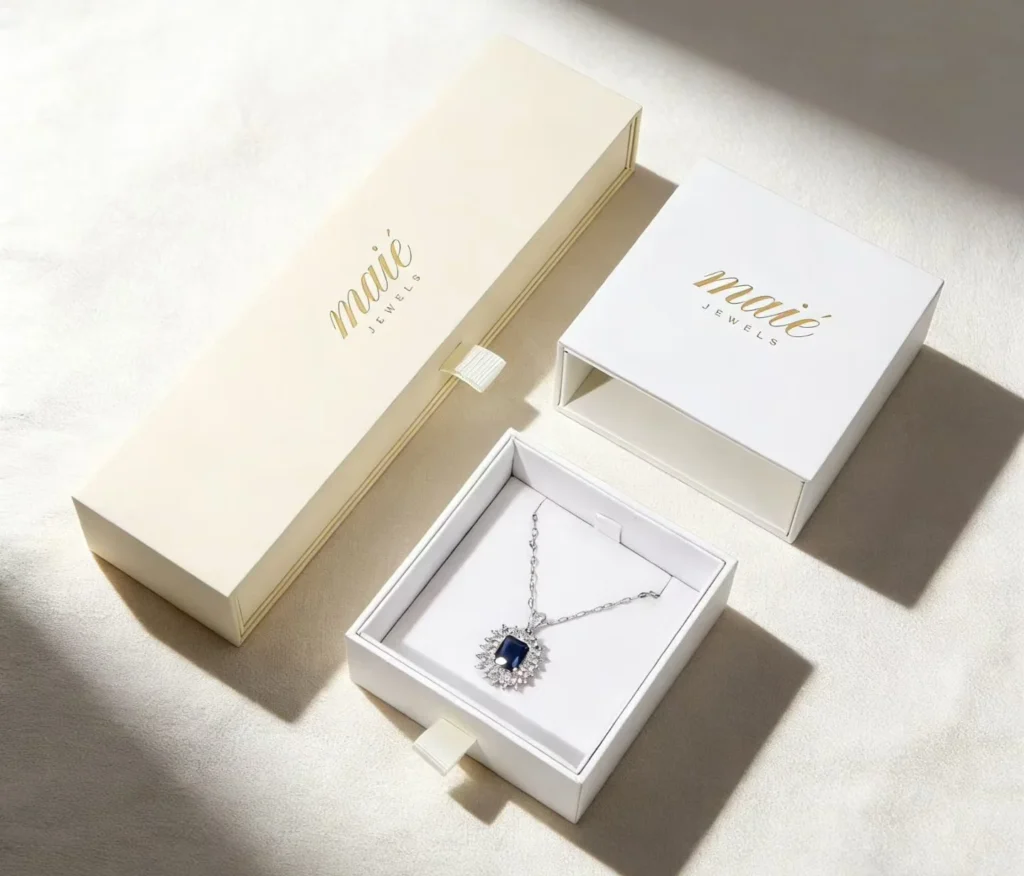
- Fine jewelry brands: Often prioritize rigid structures, premium covering materials, and carefully fitted inserts.
- Fashion jewelry brands: May need flexible designs across multiple styles and price points.
- Online jewelry stores: Need packaging that presents the product well and fits their shipping process.
- Jewelry retailers: May require coordinated boxes, bags, and gift packaging.
- Wholesale jewelry businesses: Often prioritize repeatable specifications, reliable production, and consistent branding.
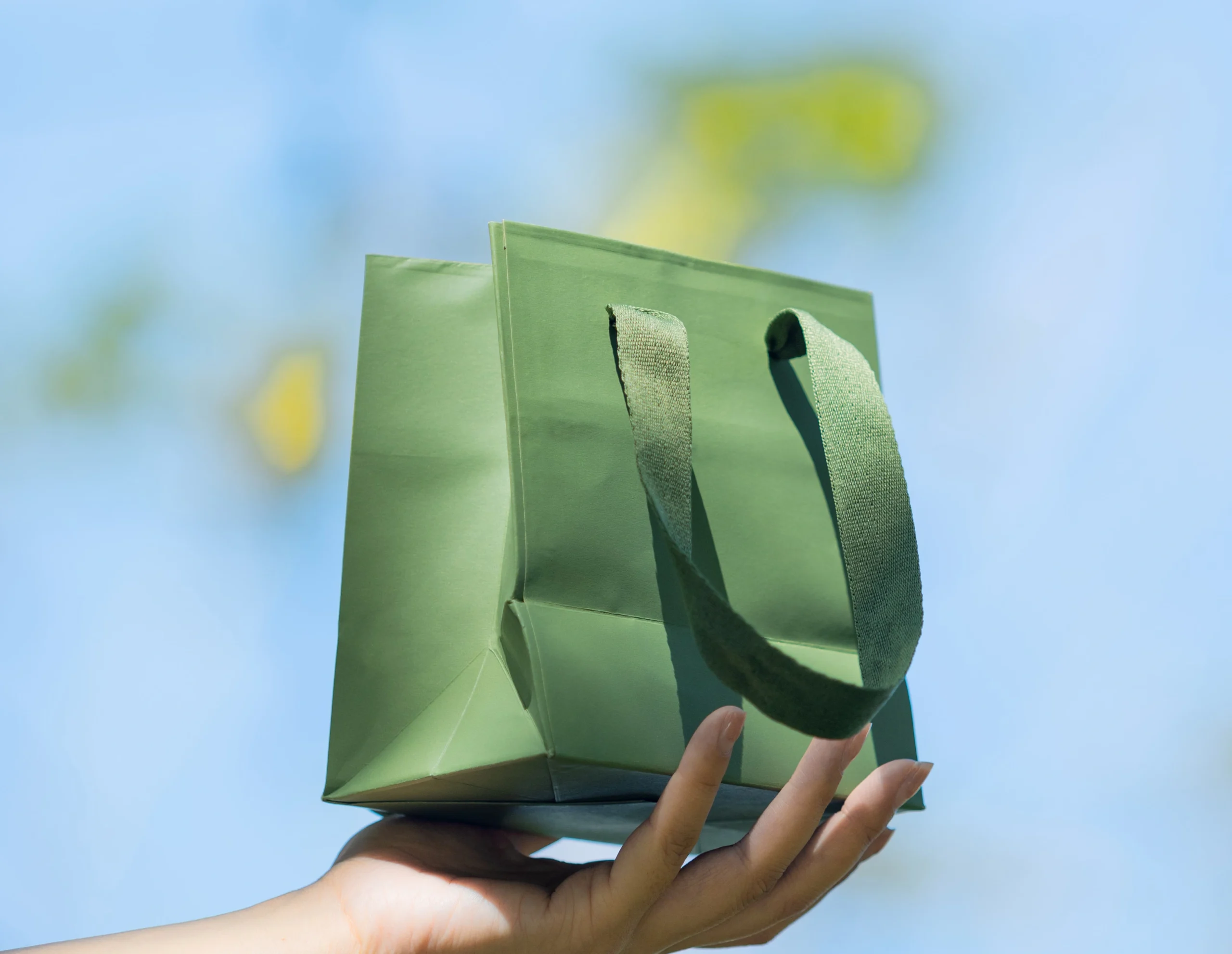
The best packaging solution is one that balances presentation, product protection, production requirements, and total cost.To create a coordinated retail packaging set, you can also explore our guide to custom paper bags for jewelry brands for ideas on matching jewelry boxes with branded shopping bags.
Conclusion
Choosing the right custom jewelry boxes involves more than selecting an attractive exterior. The box structure, materials, insert, dimensions, finishing, and order quantity all affect the final result.By confirming your jewelry measurements, selecting suitable materials, and approving a sample before mass production, you can create packaging that protects your products and presents your brand consistently.
LucklinPak provides custom paper packaging solutions for brands looking for tailored box structures, printed finishes, and packaging designed around their products.Explore our Custom Jewelry Packaging solutions to discuss your box requirements, or contact our team with your product dimensions, quantity, and design preferences to request a quotation.