When selecting packaging for your products, two of the most common options are rigid boxes (luxury rigid packaging boxes) and folding cartons (paper folding carton packaging). Both are widely used across industries such as cosmetics, electronics, fashion, jewelry, food, and other retail packaging. However, they serve very different purposes in terms of appearance, durability, cost, and customer experience.
Understanding the difference between rigid box packaging and folding carton packaging can help brands make more informed decisions based on product positioning, packaging budget, and overall brand strategy. Choosing the right packaging solution is an important step in enhancing both product presentation and market competitiveness.
In this guide, we provide a detailed comparison of rigid boxes vs folding cartons to help you determine which custom packaging solution is best suited for your business.
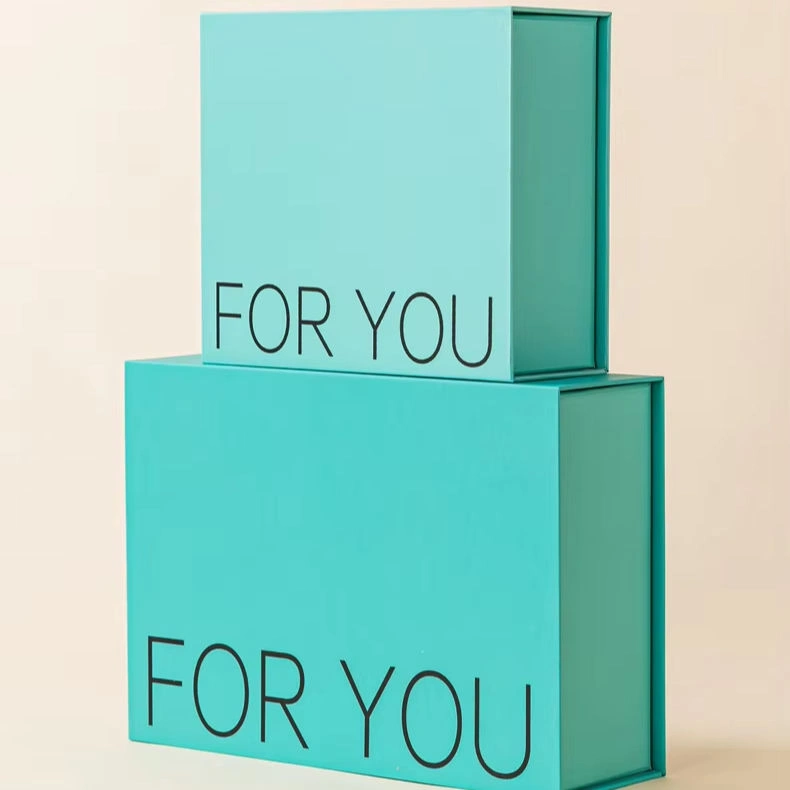
What Is a Rigid Box?
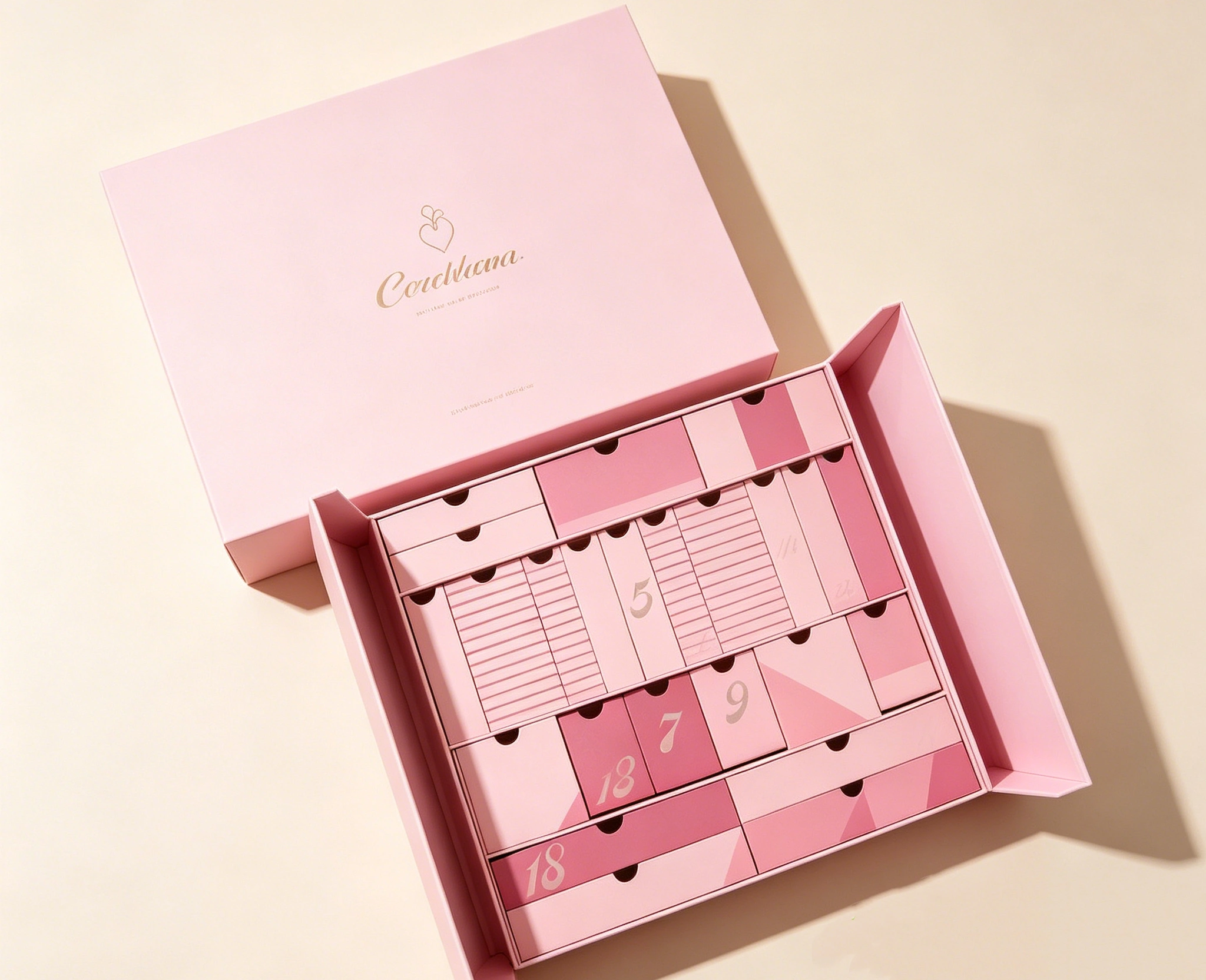
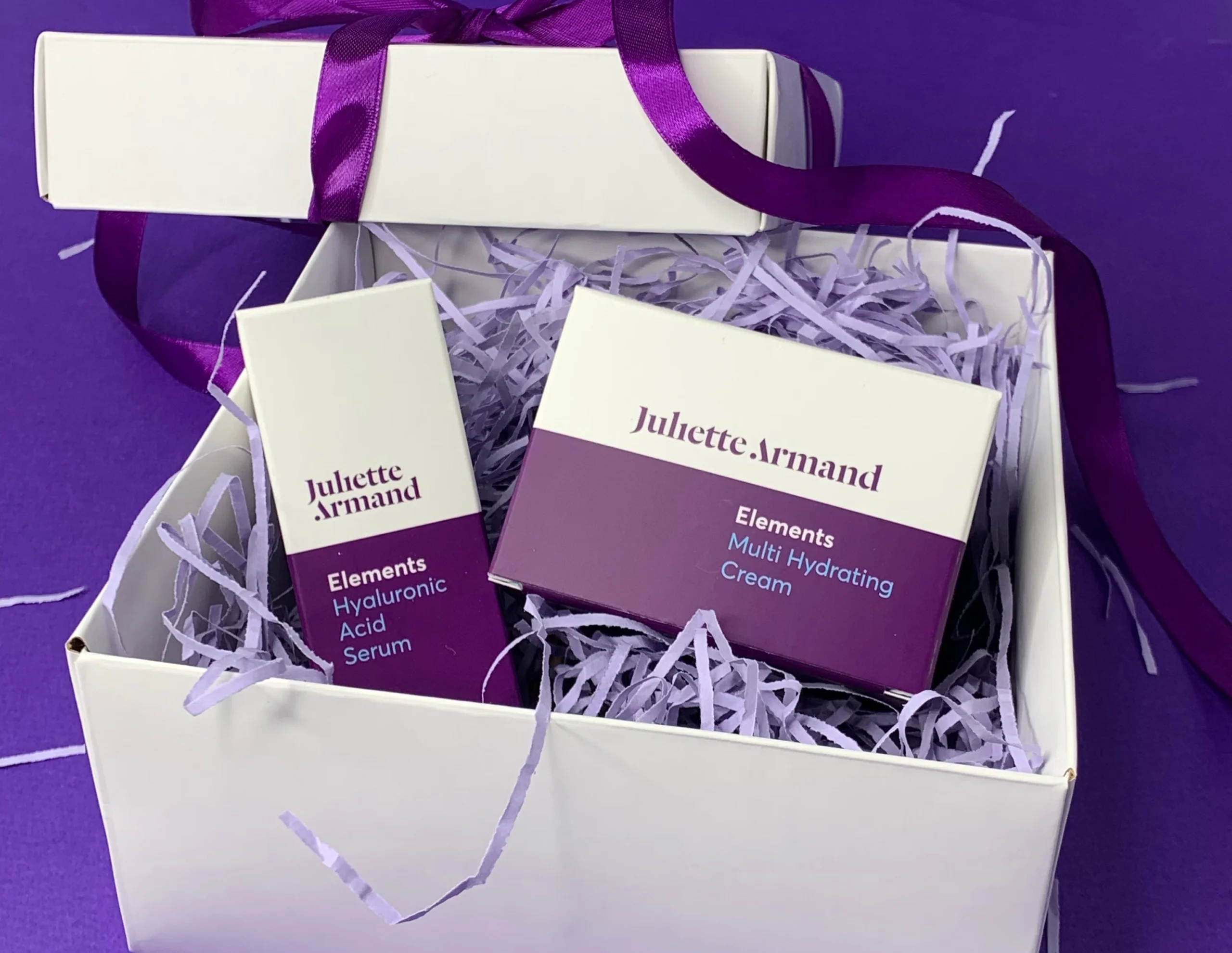
A rigid box is a high-end packaging solution made from thick paperboard or chipboard, typically wrapped with printed paper, textured paper, leather-like paper, or other decorative materials. Unlike folding carton packaging, rigid boxes feature a strong, solid structure that cannot be folded flat, which gives them superior durability, stability, and a more premium feel. Because of these characteristics, we offer custom rigid boxes for luxury packaging designed to enhance both product protection and brand presentation.
Rigid box packaging is designed not only to protect products but also to enhance the overall unboxing experience. Brands often use luxury rigid boxes with custom printing, foil stamping, embossing, spot UV, ribbon pulls, or magnetic closures to create a more refined and high-value presentation. Common types include magnetic closure boxes, drawer boxes, shoulder neck boxes, hinged lid boxes, collapsible rigid boxes, and luxury gift boxes. These premium packaging solutions are widely used in jewelry, cosmetics, perfumes, electronics, watches, candles, fashion accessories, and luxury gift packaging, making rigid boxes one of the most preferred luxury packaging options for high-end brands worldwide.
What Is a Folding Carton?
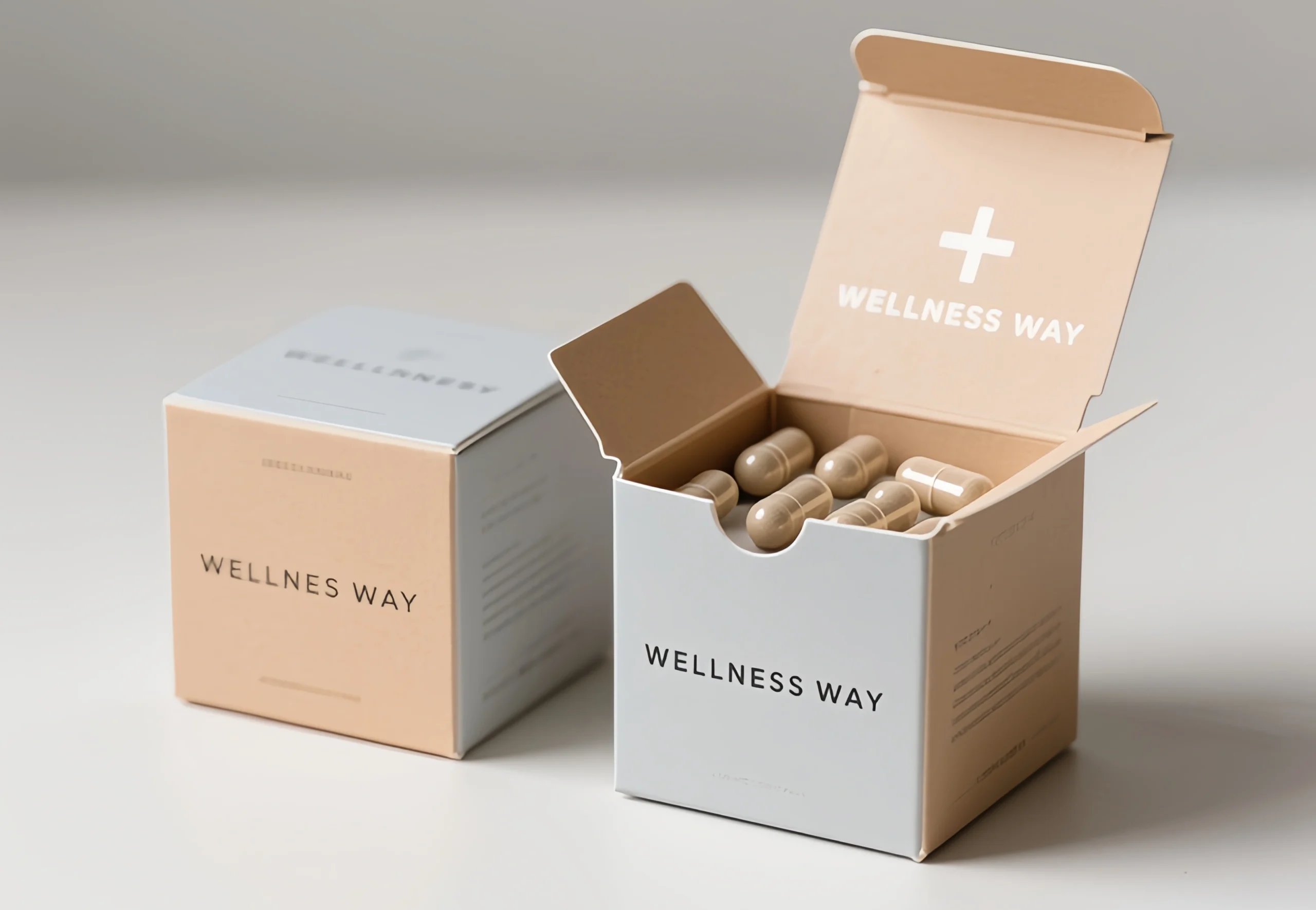
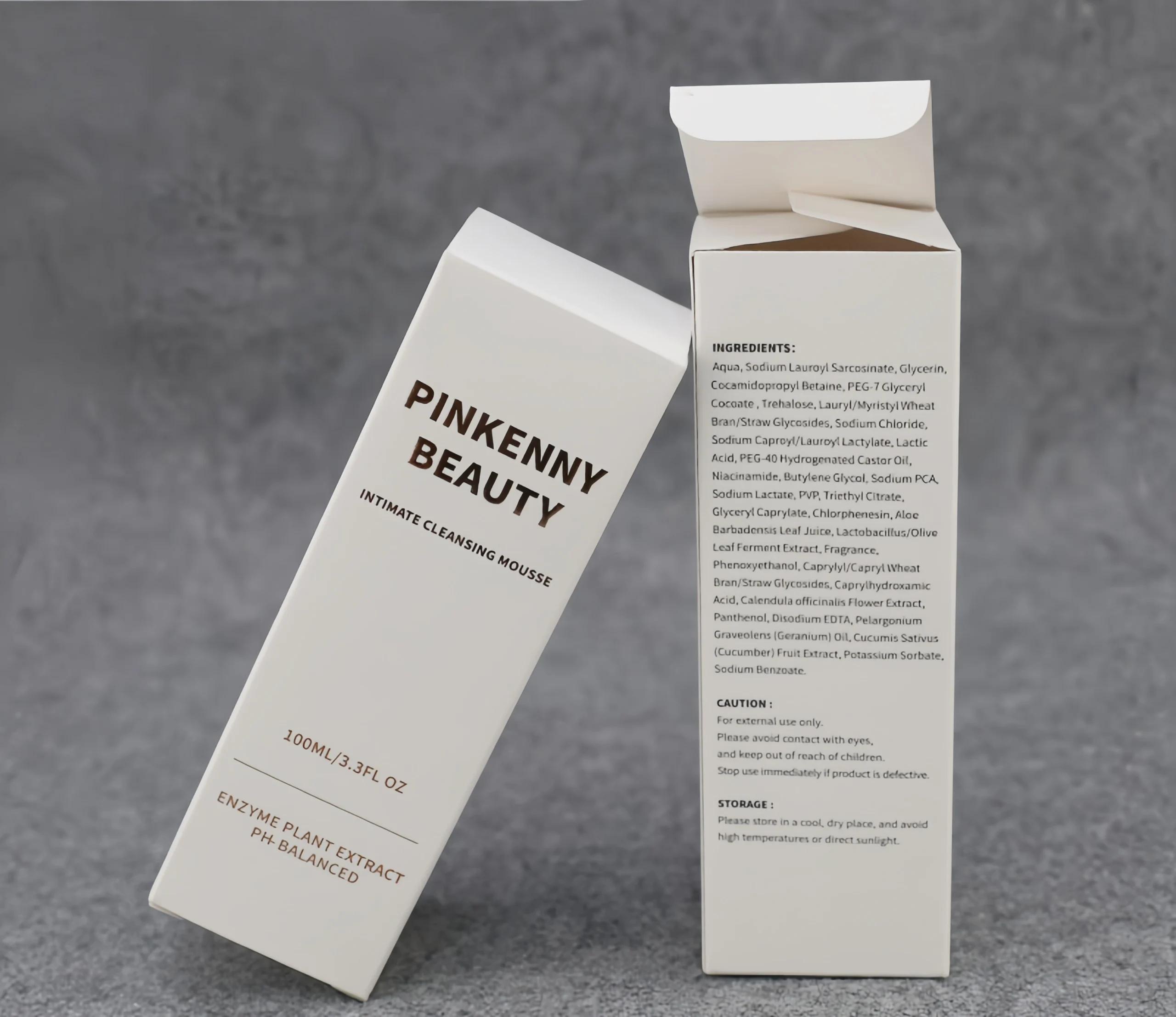
A folding carton is a lightweight and cost-effective paper packaging solution made from materials such as SBS paperboard, kraft paperboard, corrugated paperboard, or coated paper stock. Unlike rigid boxes, folding carton packaging can be shipped and stored flat, then easily folded and assembled when needed. This makes custom folding cartons highly efficient for mass production, retail distribution, and e-commerce packaging, especially for brands that require scalable and practical packaging solutions.
Custom folding cartons are widely used due to their excellent printability, flexible structural designs, and lower production costs. Brands can enhance folding carton boxes with high-quality printing, embossing, foil stamping, spot UV, window cut-outs, and eco-friendly materials to achieve attractive retail packaging while maintaining budget efficiency. Compared with luxury rigid boxes, folding cartons are lighter and more suitable for high-volume packaging projects, helping businesses reduce storage space, lower transportation costs, and improve overall supply chain efficiency. They are commonly used in food packaging, cosmetics, skincare, pharmaceuticals, personal care products, electronics accessories, and other small consumer goods, making them one of the most popular and versatile packaging solutions for global retail brands.
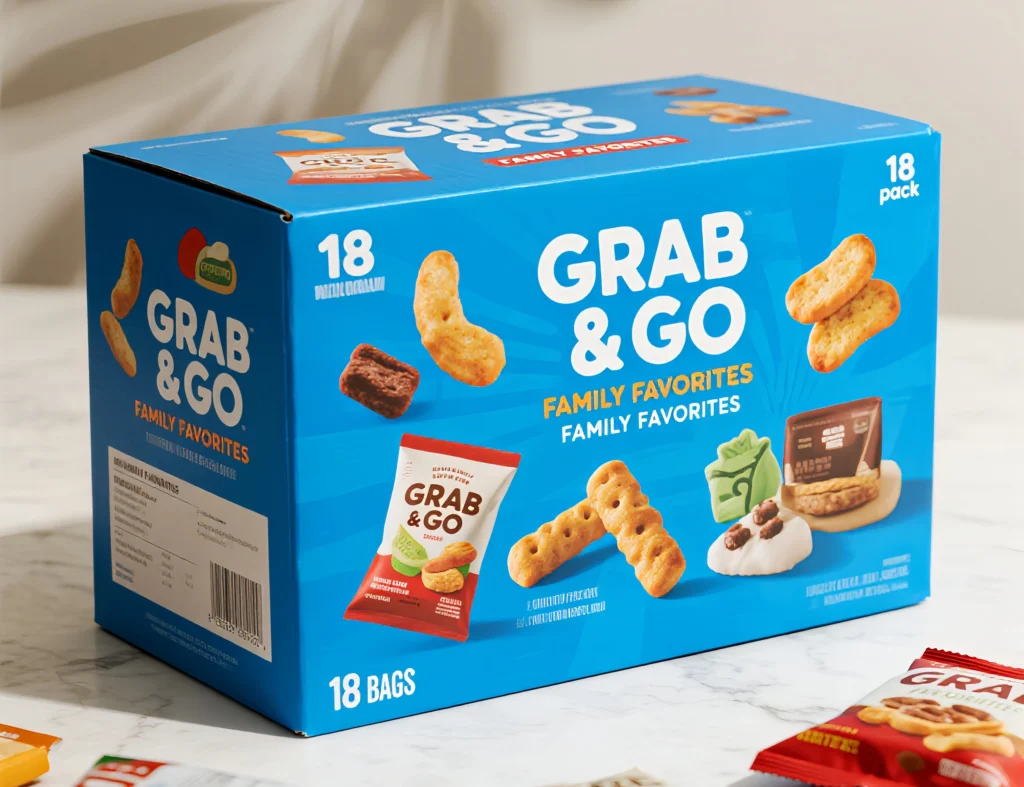
Rigid Box vs Folding Carton: Key Differences
Although both rigid boxes and folding cartons are paper-based packaging solutions, they differ greatly in structure, durability, production cost, and overall brand presentation. Choosing the right packaging depends on your product type, target market, branding strategy, and budget. Luxury brands often prefer custom rigid boxes for premium presentation, while folding carton packaging is more suitable for high-volume retail products and cost-effective packaging needs.
| Feature | Rigid Box | Folding Carton |
|---|---|---|
| Structure | Made from thick rigid board or chipboard with a solid, non-collapsible structure | Made from lightweight paperboard that can be folded flat |
| Appearance | Premium, luxury, and high-end presentation | Simple, practical, and retail-friendly appearance |
| Durability | Strong product protection for fragile or luxury items | Moderate protection for lightweight consumer goods |
| Shipping Method | Delivered pre-assembled and ready to use | Shipped flat for easier transportation and storage |
| Shipping Cost | Higher shipping cost due to weight and volume | Lower shipping cost because cartons ship flat |
| Storage Space | Requires more warehouse space | Space-saving and efficient for bulk storage |
| Unboxing Experience | Luxury unboxing experience with premium feel | Standard retail packaging experience |
| Best Applications | Luxury packaging, gift packaging, electronics, jewelry, cosmetics, watches | Food packaging, pharmaceuticals, personal care, retail packaging |
| Customization Options | Supports magnetic closures, embossing, foil stamping, ribbon pulls, soft-touch finishes | Excellent for high-quality printing, coatings, die-cut windows, and branding graphics |
| Production Cost | Higher manufacturing cost due to materials and manual assembly | More affordable and ideal for mass production packaging |
In general, rigid box packaging is best for brands that want to create a premium customer experience and increase perceived product value, while folding carton packaging is ideal for businesses looking for affordable, lightweight, and scalable custom packaging solutions.
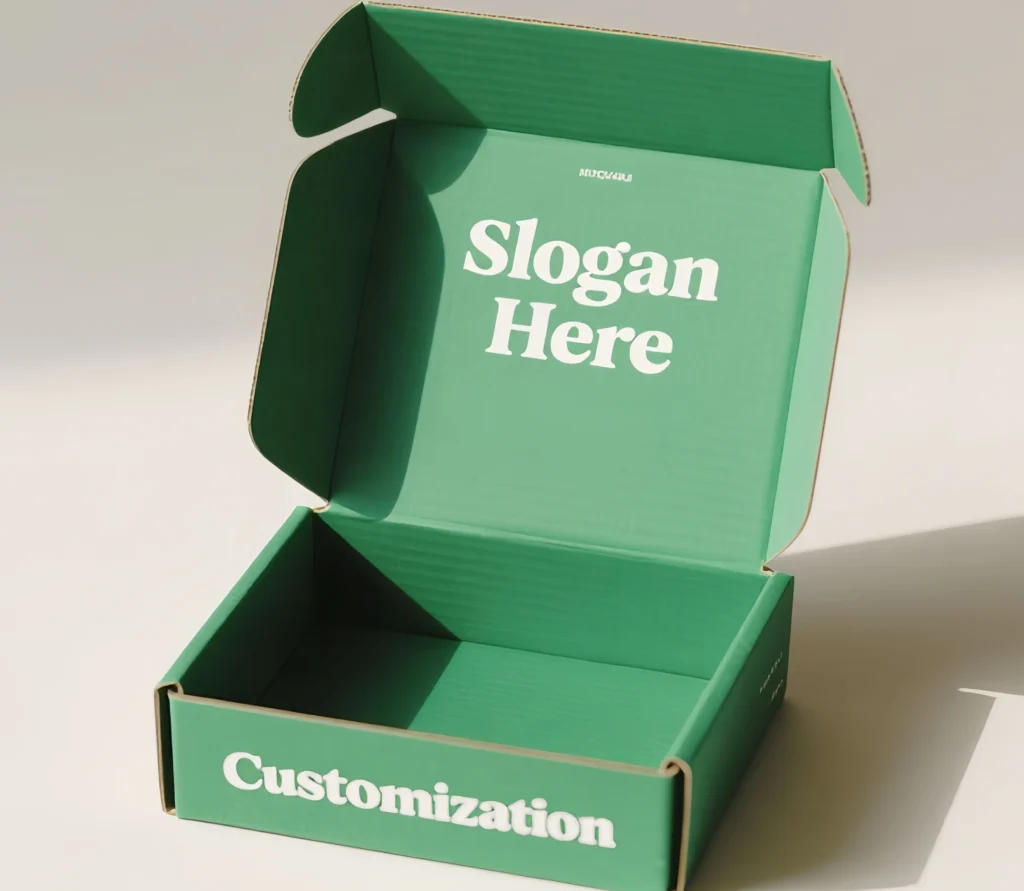
Which Packaging Option Looks More Premium?
When comparing rigid boxes vs folding cartons, rigid box packaging is widely recognized as the more premium and luxury packaging solution. Its thick chipboard construction, sturdy feel, and high-end appearance instantly create a stronger sense of quality and exclusivity. This is why many luxury brands choose custom rigid boxes for products such as cosmetics, jewelry, watches, electronics, perfumes, and premium gift packaging.
Luxury rigid boxes are designed to deliver a superior unboxing experience while enhancing perceived product value. Brands often add premium finishing options such as magnetic closures, ribbon pulls, foil stamping, embossing, debossing, spot UV, textured paper, and soft-touch lamination to create elegant custom packaging that reflects their brand identity. Compared with standard paper packaging, rigid setup boxes provide a more sophisticated presentation that helps products stand out in retail stores and e-commerce packaging.
Folding carton packaging, although highly customizable and cost-effective, is generally viewed as a more practical packaging solution for mass-market products. Custom folding cartons are ideal for retail packaging, food packaging, skincare products, pharmaceuticals, and lightweight consumer goods where affordability and production efficiency are more important than luxury presentation. If your brand focuses on premium packaging design, high-end branding, and creating a memorable customer experience, custom rigid box packaging is usually the better choice for building a stronger luxury brand image.
Which Packaging Option Is More Cost-Effective?
When comparing packaging costs, folding carton packaging is generally more affordable than rigid box packaging. Made from lightweight paperboard and shipped flat, folding cartons help reduce material usage, transportation costs, warehouse storage, and assembly expenses. Their efficient production process and scalability make them a cost-effective solution for high-volume retail packaging, especially in industries such as food, cosmetics, pharmaceuticals, skincare, and consumer goods, where both print quality and budget efficiency are important.
In contrast, rigid box packaging requires thicker chipboard, additional wrapping materials, and more manual assembly, which increases overall production and shipping costs. However, many luxury brands still choose rigid boxes because they enhance perceived product value, strengthen brand identity, and deliver a premium customer experience. For jewelry, gift packaging, luxury cosmetics, and high-end electronics, the higher investment is often justified by stronger brand positioning and improved customer perception.
Which Packaging Option Is More Eco-Friendly?
Both rigid boxes and folding cartons can be environmentally friendly when they are manufactured using sustainable materials and responsible production methods. Eco-friendly packaging options often include FSC-certified paper, recyclable paperboard, soy-based inks, and plastic-free structures. In many cases, even reusable rigid boxes are considered a sustainable choice because they can extend the lifecycle of the packaging beyond a single use, especially in luxury and gift packaging applications.
From a sustainability perspective, folding cartons generally have an advantage in terms of material efficiency and transportation impact, as they use less raw material and require less shipping space, which helps reduce overall carbon emissions during logistics. However, rigid boxes also support sustainability goals through durability and reusability, particularly in premium packaging strategies. As a result, many modern brands prefer custom paper packaging solutions that strike a balance between premium presentation and environmental responsibility.

How to Choose Between Rigid Boxes and Folding Cartons
Choosing between rigid boxes and folding cartons depends largely on your brand positioning, product value, and overall packaging goals. Rigid boxes are the preferred option when you want to emphasize luxury branding, deliver a premium customer experience, and enhance the perceived value of high-end products. They are also ideal when strong product protection and a gift-style presentation are important, especially for industries where packaging plays a key role in brand storytelling.
On the other hand, folding cartons are more suitable when your priorities are cost efficiency, large production volumes, and retail practicality. They work well for lightweight products, fast-moving consumer goods, and situations where logistics efficiency and faster turnaround are important. Ultimately, the best packaging solution depends on your product type, target audience, budget, and overall brand strategy, with each option serving different business needs effectively.
FAQ
1.What is the main difference between a rigid box and a folding carton?
The main difference is structure and durability. Rigid boxes are made from thick chipboard and provide a premium, sturdy packaging solution, while folding cartons are made from lightweight paperboard and are designed for cost-effective, large-scale packaging.
2.Which is more expensive, rigid boxes or folding cartons?
Rigid boxes are more expensive due to thicker materials, manual assembly, and premium finishing options. Folding cartons are more cost-effective and suitable for mass production.
3.Are rigid boxes suitable for retail packaging?
Rigid boxes are mainly used for luxury and gift packaging rather than mass retail products. However, they are often used in high-end retail environments for premium branding.
4.What products are best for folding carton packaging?
Folding cartons are ideal for food products, cosmetics, skincare, pharmaceuticals, and lightweight consumer goods that require cost-effective and scalable packaging solutions.
5.Can both rigid boxes and folding cartons be customized?
Yes, both packaging types can be fully customized with printing, embossing, foil stamping, coatings, and structural designs to match brand identity and product requirements.
6.Which packaging option is more eco-friendly?
Both can be eco-friendly when using recyclable and FSC-certified materials. Folding cartons generally use less material and are more efficient in transportation, while rigid boxes can be reusable and long-lasting.
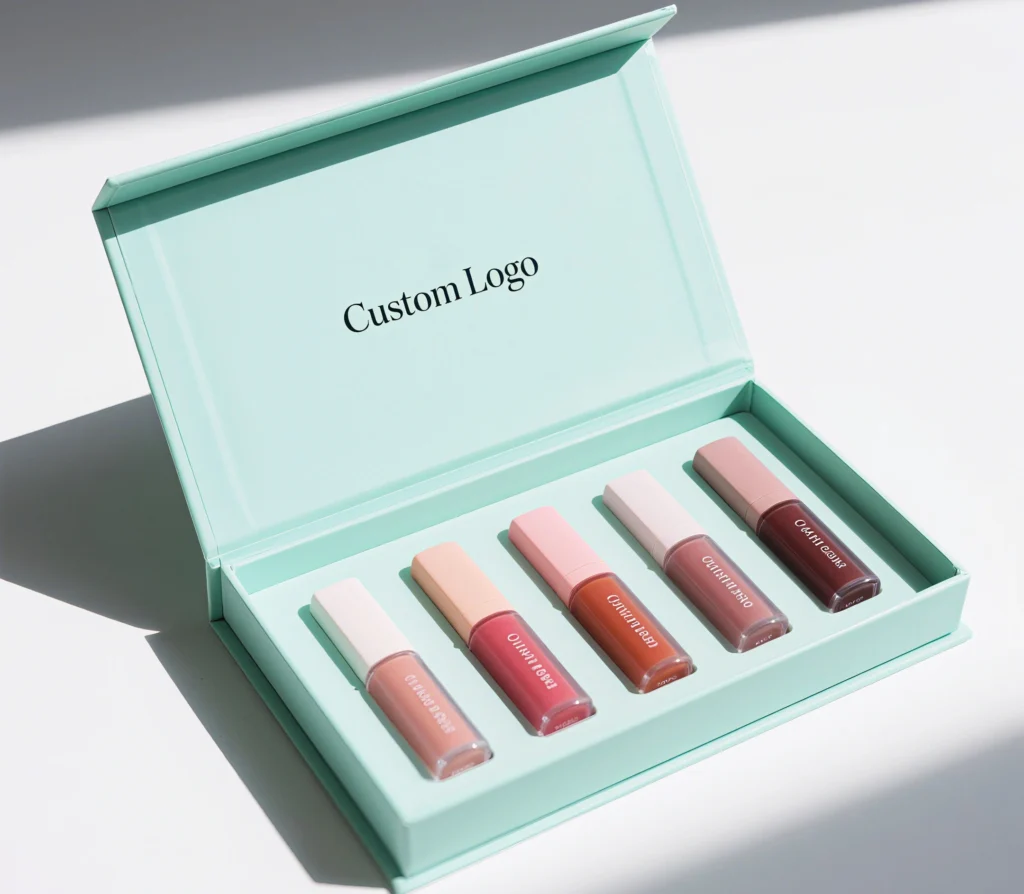
Conclusion
Rigid boxes and folding cartons are two widely used packaging solutions, each serving different brand and product needs. Rigid boxes are best suited for luxury and high-value products, offering a premium appearance, strong protection, and an enhanced unboxing experience that helps elevate brand perception. Folding cartons, on the other hand, are more cost-effective and practical, making them ideal for large-scale retail packaging where efficiency, storage, and transportation costs are key considerations.
Ultimately, the choice between rigid box packaging and folding carton packaging depends on your product positioning, budget, and branding goals. If your focus is on luxury presentation and brand experience, rigid boxes are the better option. If you prioritize affordability and scalability, folding cartons provide a more efficient solution. Both packaging types play an important role in modern packaging strategy, and selecting the right one can significantly impact your product success in the market.
Need Custom Packaging for Your Brand?
Whether you need rigid boxes or folding cartons, we provide fully custom packaging solutions to fit your product, budget, and brand needs.
Contact us for a free quotation and professional packaging support.