Eco-friendly paper bags are paper shopping bags designed with environmental considerations in mind, including the paper material, recycled content, printing, handles, coatings, and end-of-life disposal.For brands looking to reduce plastic packaging, eco-friendly paper bags can provide a practical option for retail, fashion, jewelry, beauty, gifts, and other products. If you are new to custom paper packaging, our guide to custom paper shopping bags covers materials, designs, handles, finishes, and other important considerations.But not every paper bag is automatically sustainable. The material, sourcing, recycled content, finishing, and overall bag construction all affect its environmental impact.
This guide explains the main eco-friendly paper bag materials, their benefits, common types, and what to consider when buying custom eco-friendly paper bags.
What Makes a Paper Bag Eco-Friendly?
A paper bag can be considered more environmentally friendly when its materials and construction support responsible sourcing, recycling, reuse, or reduced use of unnecessary materials.When evaluating sustainable paper bags, consider the following factors:
Recyclable Materials
Paper is widely recyclable, but actual recyclability can depend on local recycling systems and the materials used in the finished bag.Simple paper bags with limited coatings and mixed materials are generally easier to process through paper recycling systems.
Recycled Paper Content
Using recycled paper can reduce the need for virgin paper materials.Recycled paper bags are therefore an option for brands that want to include recycled content in their packaging.
Responsibly Sourced Paper
Paper sourcing is another important consideration. Some brands choose paper from responsibly managed sources and may request appropriate certification documentation from their packaging supplier.
Reusable Construction
A well-made paper shopping bag can often be reused several times, especially when the paper, handles, and bottom construction are selected according to the product being carried.
Fewer Unnecessary Materials
A more sustainable packaging design does not always require multiple finishes or complicated materials.Choosing an appropriate paper structure and avoiding unnecessary components can help simplify the packaging.
Eco-Friendly Paper Bag Materials
The material is one of the most important factors when choosing eco-friendly paper bags.
Kraft Paper Bags
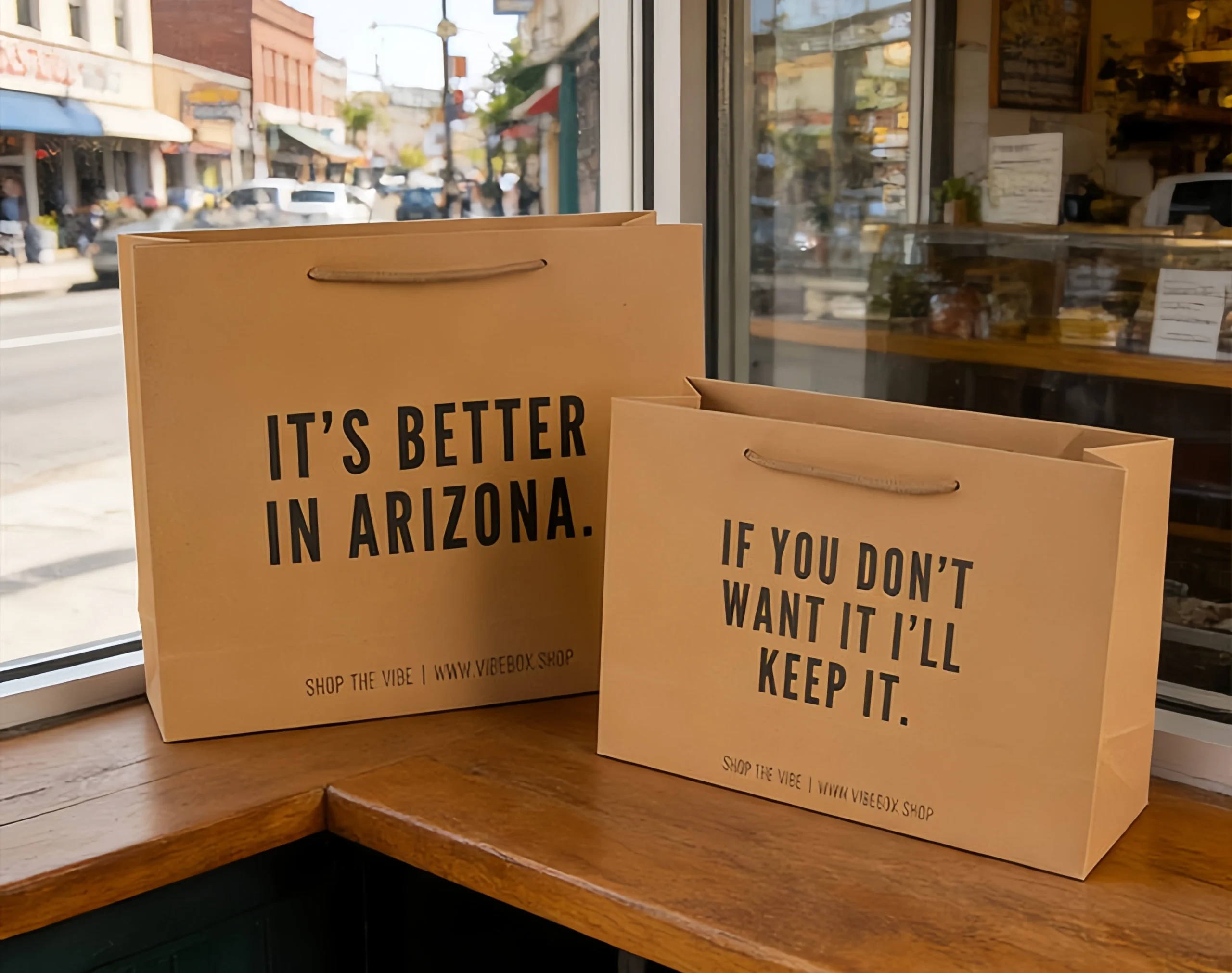
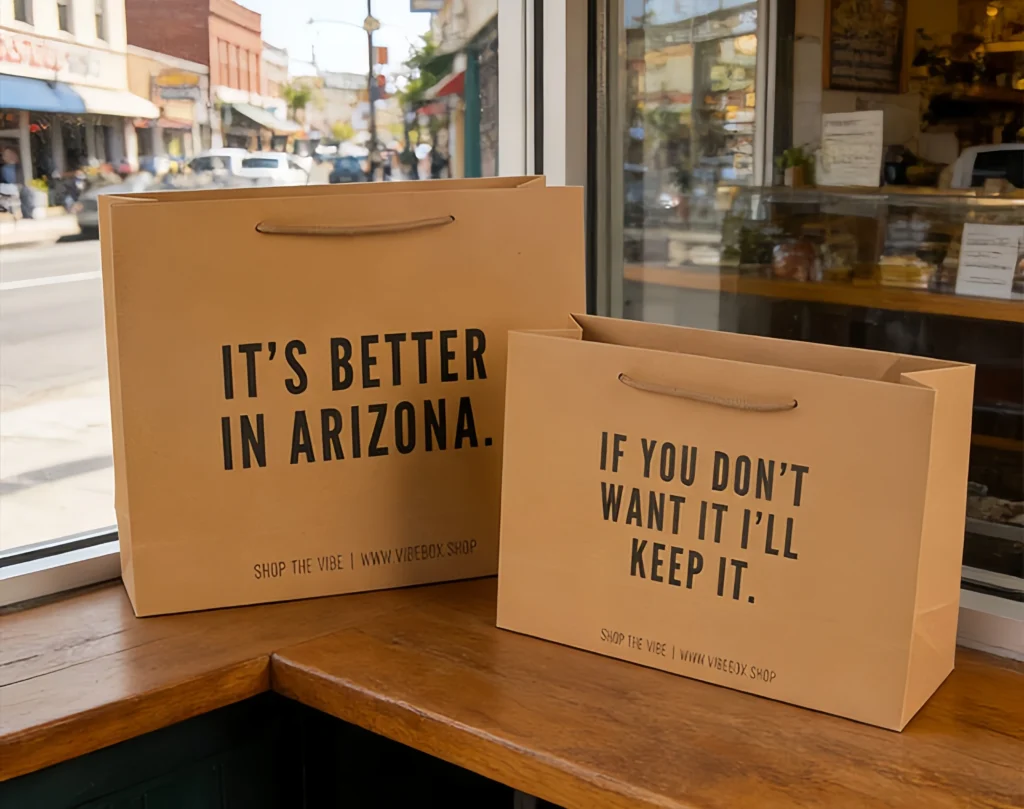
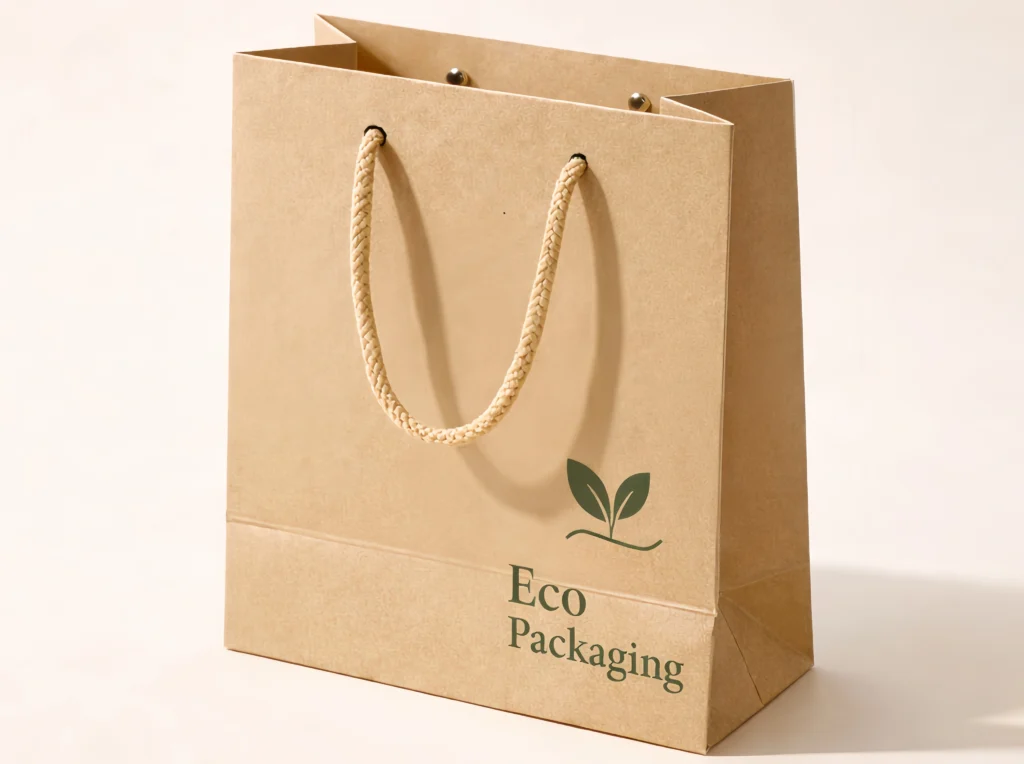
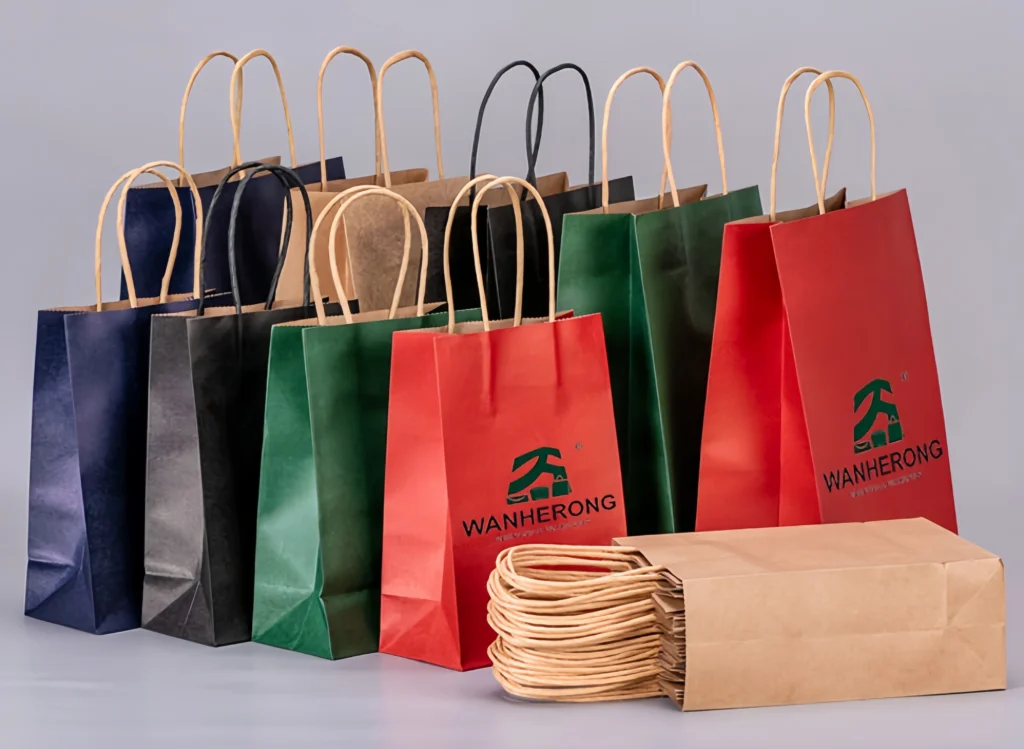
Kraft paper bags are widely used for shopping, retail, food, gifts, and other packaging applications.They are available in different paper weights and colors, including natural brown kraft and white kraft options.Kraft paper is often chosen for sustainable packaging because of its natural appearance and compatibility with paper-based packaging designs.For brands that want a simple, natural look, kraft paper bags can be a practical choice.
Recycled Paper
Recycled paper contains recovered paper fibers and can be used to produce different types of shopping bags.Recycled paper bags can help brands incorporate recycled content into their packaging.The final appearance can vary depending on the recycled paper used, so brands should consider color, texture, printing requirements, and the desired visual effect before production.
FSC-Certified Paper
Some brands prefer paper sourced from responsibly managed forests and may request FSC-certified paper for their packaging.If certification is important for your project, confirm the available certification and documentation with your packaging supplier before placing an order.
Specialty Fiber Papers
Some packaging projects use alternative or specialty fiber papers to create a different appearance or material story.These materials may be considered when a brand wants its packaging to communicate a specific sustainability concept.However, the environmental benefits should be evaluated based on the complete material system rather than the fiber name alone.
Benefits of Eco-Friendly Paper Bags
Choosing sustainable paper bags can provide several benefits for brands and retailers.
1. Paper-Based Packaging
Paper bags provide a paper-based alternative to many plastic shopping bags.For brands trying to reduce their reliance on plastic retail packaging, paper bags can be part of a broader packaging strategy.
2. Recyclability
Many paper bags can enter paper recycling systems, depending on their construction, coatings, handles, and local recycling facilities.When recyclability is a priority, ask your supplier about the complete finished bag rather than looking only at the paper itself.
3. Recycled Content Options
Brands can choose recycled paper when they want their packaging to contain recycled material.This can be particularly useful for companies that already have sustainability requirements for their packaging materials.
4. Natural Brand Appearance
Kraft and recycled papers can create a natural, simple appearance that works well for brands with an eco-conscious positioning.They can be used for clothing, beauty, gifts, food-related packaging, and general retail applications.
5. Reusable Shopping Bags
Paper shopping bags with suitable construction can often be reused for additional purchases.The appropriate paper weight, handle structure, and bag construction depend on the products being carried.For more information about paper bag durability and carrying capacity, see our guide to paper bag strength and weight capacity.
Are Paper Bags Really Eco-Friendly?
The answer depends on how the paper bag is made and what happens to it after use.A paper bag made with recyclable paper may have different environmental characteristics from a bag that combines paper with difficult-to-separate materials or extensive coatings.When evaluating whether a bag is truly eco-friendly, look at the complete packaging system:
- Paper material
- Recycled content
- Paper sourcing
- Printing inks
- Coatings and finishes
- Handle materials
- Adhesives and other components
- Reusability
- Local recycling options
- End-of-life disposal
This is why choosing eco-friendly paper bag packaging should involve more than simply selecting brown kraft paper.
Types of Eco-Friendly Paper Bags
Different paper bag structures can be used for different brands and products.
Kraft Paper Shopping Bags
Kraft shopping bags are commonly used by retail and lifestyle brands.They can be printed with logos, brand colors, and simple graphics while maintaining a natural paper appearance.
Recycled Paper Bags
Recycled paper bags are suitable for brands that want recycled content to be part of their packaging material selection.The paper can be customized with different printing and handle options depending on the project.
Paper Bags with Twisted Paper Handles
Twisted paper handles provide a paper-based handle option for shopping bags.They are commonly used for retail bags and can work well with kraft or other paper bag structures.
Die-Cut Paper Bags
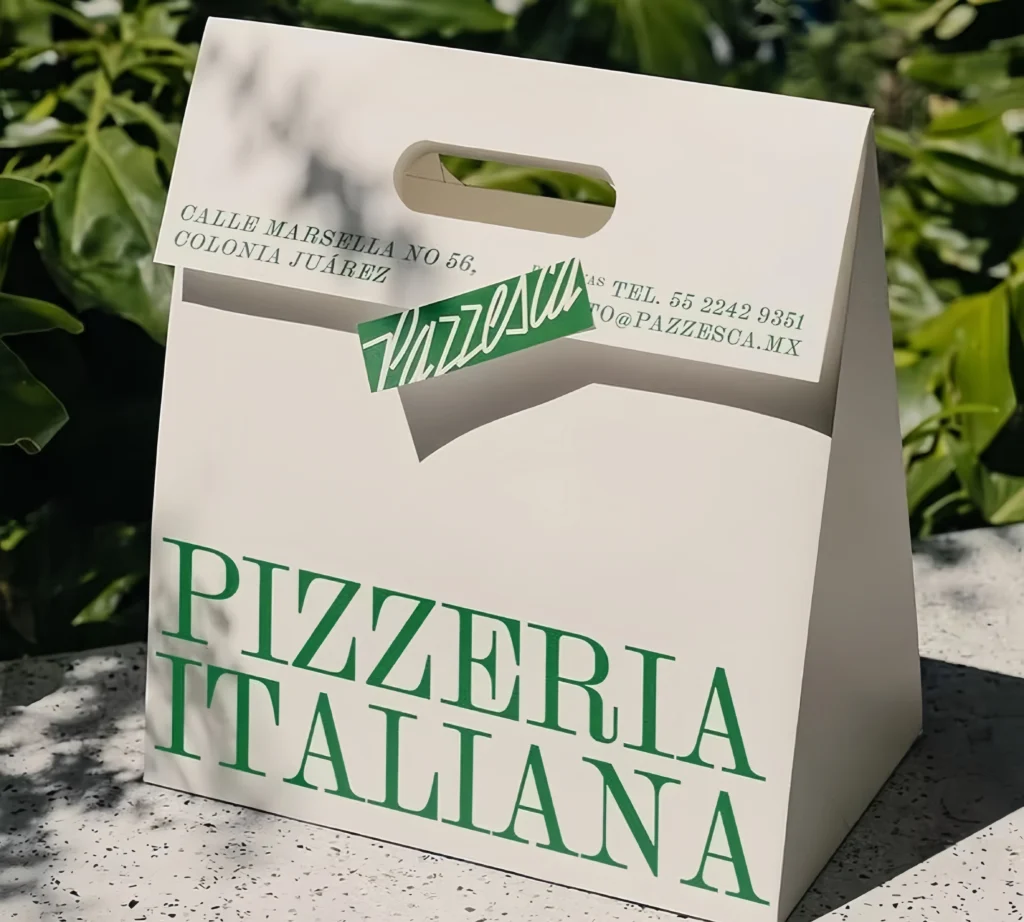
Die-cut bags use a cut-out handle rather than a separate handle attachment.They can provide a simple appearance and may be suitable for lightweight products.
Luxury Eco-Friendly Paper Bags
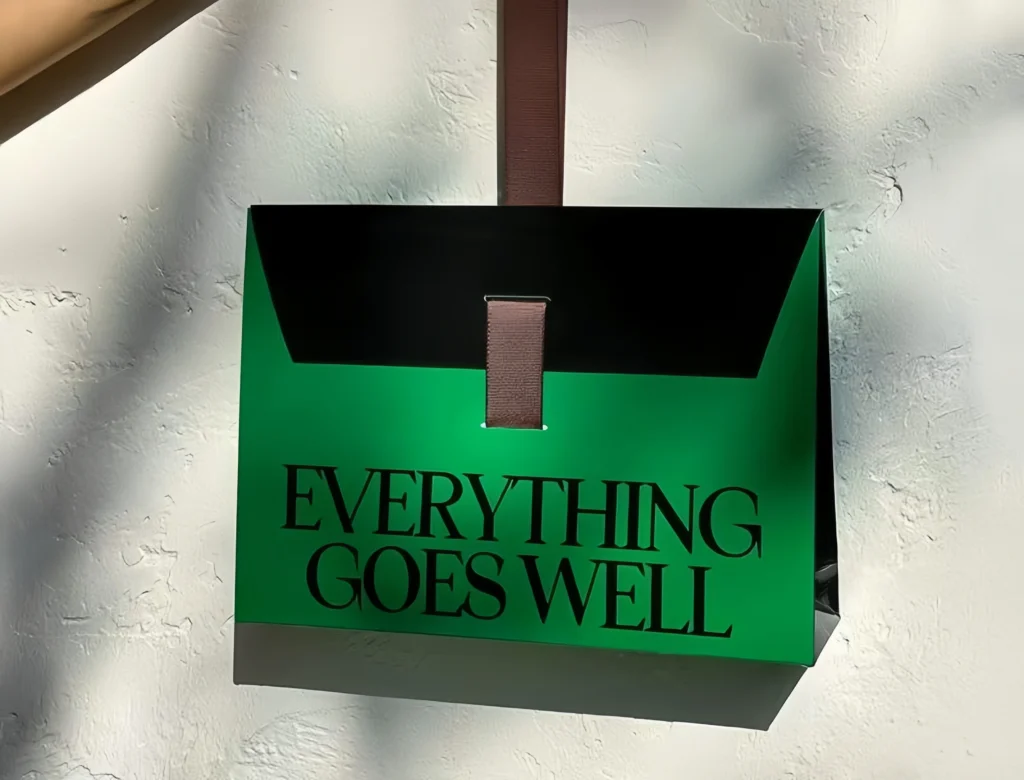
Luxury packaging does not necessarily have to use plastic-based materials.Brands can combine high-quality paper, carefully selected printing, suitable handles, and a clean design to create premium eco-friendly paper bags.
Custom Eco-Friendly Paper Bags for Brands
Brands often need packaging that matches both their sustainability goals and their visual identity.Custom eco-friendly paper bags can be developed around the following specifications:
Paper Material
Choose kraft paper, recycled paper, or another suitable paper according to the desired appearance and packaging requirements.
Paper Weight
The paper weight should match the products being carried and the intended bag construction.A heavier paper is not automatically better if the packaging does not require it.
Printing
Custom paper bags can be printed with:
- Brand logos
- Brand colors
- Product information
- Patterns
- Graphics
- Promotional messages
For sustainability-focused projects, brands can also discuss suitable printing options with their packaging supplier.
Handles
Possible handle options include:
- Twisted paper handles
- Flat paper handles
- Die-cut handles
- Other handle structures suitable for the bag design
The handle should be selected based on the bag’s intended use and carrying requirements.
Finishes
If environmental considerations are important, carefully consider whether coatings and special finishes are necessary.A simpler finish can make the overall material structure easier to evaluate for recycling.

How to Choose Eco-Friendly Paper Bags
When choosing eco-friendly paper bags, consider the following points before production.
1. Product Weight
Start with the products the bag needs to carry.Heavy clothing, shoes, bottles, gift boxes, or jewelry packaging may require different paper and handle specifications.
2. Bag Structure
Consider how the bag will be used and whether it needs a flat bottom, reinforced construction, or other structural features.
3. Paper Material
Compare kraft paper, recycled paper, and other available materials based on appearance, performance, recycled content, and sourcing requirements.
4. Paper GSM
GSM is one factor that affects the feel and structure of a paper bag.Instead of selecting GSM based only on a standard number, discuss the complete bag construction with your supplier.
5. Handle Type
Choose a handle that matches both the product weight and the overall design.Paper handles can be a suitable choice when a brand wants to maintain a paper-based packaging structure.
6. Printing Requirements
Decide whether you need a simple logo, full-color printing, or a more detailed design.The printing method should be considered together with the paper material and sustainability requirements.
7. Coating and Finishing
Ask whether a coating or special finish is necessary.If recyclability is a priority, discuss how the selected finish affects the finished bag and its end-of-life options.
8. Quantity
For larger orders, confirm the required quantity for each size and design before production.If you are ordering eco-friendly paper bags wholesale, planning the quantities in advance can help simplify production and logistics.
9. Certifications
If your company requires FSC or other certification, confirm what documentation your supplier can provide before production.
10. End-of-Life
Ask how the finished bag should be disposed of and whether its materials are compatible with recycling systems in your target market.
Eco-Friendly Paper Bags Wholesale
Brands, retailers, and distributors that need larger quantities can purchase eco-friendly paper bags wholesale.
Before placing a bulk order, confirm:
- Material type
- Recycled content
- Paper specifications
- Bag structure
- Handle type
- Printing requirements
- Finishing
- Quantity per design
- MOQ
- Sample requirements
- Production lead time
- Shipping method
- Certification requirements
For custom projects, it is also useful to approve a physical sample before starting mass production.The goal is to confirm the material, printing, construction, and overall appearance before committing to a larger quantity.
Eco-Friendly Paper Bags for Different Industries
Different industries may have different packaging requirements.
Clothing Brands
Eco-friendly paper bags for clothing brands can combine kraft or recycled paper with custom printing and paper handles.They are suitable for retail stores, fashion brands, boutiques, and apparel packaging.
Jewelry Brands
Eco-friendly paper bags for jewelry brands can use a more refined paper finish and customized printing while maintaining a paper-based packaging concept.For jewelry packaging, paper bags are often used together with rigid jewelry boxes or other protective packaging.
Beauty and Skincare Brands
Beauty brands can use custom paper bags for retail purchases, gift sets, and promotional packaging.The paper, printing, and finishing can be selected to match the brand’s visual identity.
Retail Stores
Retailers can use branded paper bags to provide customers with reusable shopping packaging while maintaining consistent brand presentation.
Gift Packaging
Paper bags are also commonly used for gifts, seasonal promotions, events, and special product launches.
FAQ About Eco-Friendly Paper Bags
What are eco-friendly paper bags?
Eco-friendly paper bags are paper bags designed with environmental considerations such as recyclable materials, recycled content, responsible sourcing, reusable construction, and reduced unnecessary materials.
Are paper bags eco-friendly?
Paper bags can be an environmentally friendly packaging option, but their overall environmental characteristics depend on the paper source, recycled content, coatings, handles, printing, construction, reuse, and disposal.
What makes a paper bag eco-friendly?
Common factors include recyclable paper, recycled content, responsible paper sourcing, suitable printing and finishing, reusable construction, and a packaging structure that avoids unnecessary mixed materials.
Are recycled paper bags recyclable?
Recycled paper bags can generally be designed as recyclable paper packaging, but the final recyclability depends on the complete bag construction and the recycling systems available in the local market.
Are kraft paper bags eco-friendly?
Kraft paper bags can be an eco-friendly packaging option, particularly when the paper and other components are selected with recyclability, sourcing, and end-of-life considerations in mind.
How do I choose eco-friendly paper bags?
Consider the product weight, bag construction, paper material, GSM, handles, printing, coatings, certifications, quantity, and end-of-life requirements.
Can I order custom eco-friendly paper bags wholesale?
Yes. Brands can order custom eco-friendly paper bags in bulk with customized materials, printing, handles, construction, and other specifications. Before mass production, confirm the MOQ, sample requirements, production time, and shipping method with your supplier.
Conclusion
Choosing eco-friendly paper bags is not simply about choosing brown paper.The material, recycled content, sourcing, printing, handles, coatings, construction, reuse, and end-of-life options all matter.
For brands looking for sustainable paper bags, recyclable paper bags, or recycled paper bags, the best approach is to define the packaging requirements first and then select the material and construction that fit those requirements.For custom projects, custom eco-friendly paper bags can combine environmental considerations with your brand’s logo, colors, printing, handles, and overall packaging design.
If you are planning a retail, fashion, jewelry, beauty, or gift packaging project, discuss your product requirements with your packaging supplier before production so the final bag is designed for both practical use and your sustainability goals.