In today’s fiercely competitive scented candle market, packaging has far surpassed its basic protective function. A beautifully designed box serves as the first conversation between the brand and the consumer, instantly conveying the brand’s value proposition and product quality. As consumers increasingly pursue a refined lifestyle, high-end candle packaging has become a key factor influencing purchasing decisions. This article reveals innovative ideas for creating impressive high-end scented candle packaging to help your brand stand out in a crowded market.
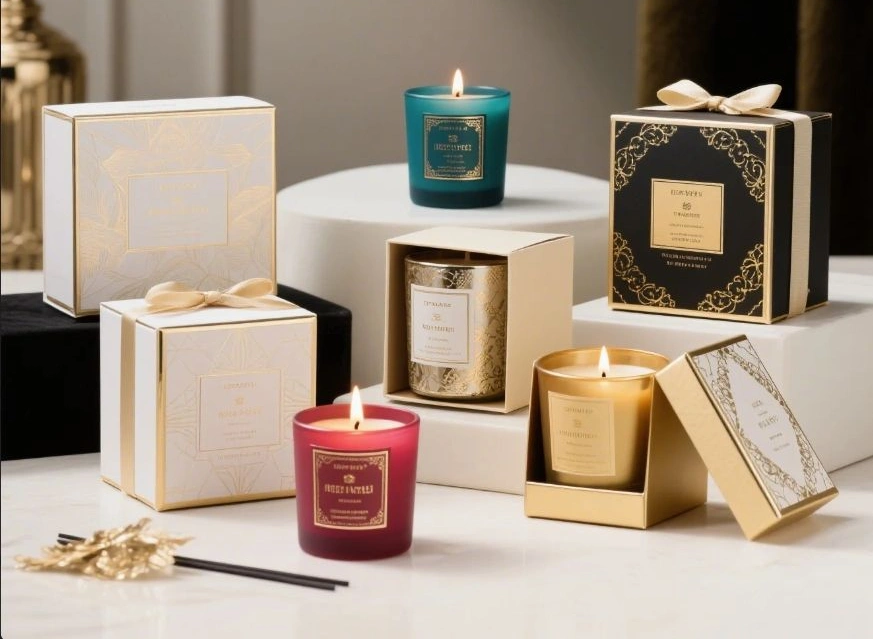
Why Candle Packaging Is Vital for Brand Recognition
Before consumers even smell the fragrance, their expectations are shaped by visual and tactile impressions. Candle packaging is the physical embodiment of a brand story and the first emotional bridge connecting consumers with the brand.
Case Studies: How DNNA and Azure Build Brand Recognition Through Packaging
Take for example, tennis player Donna Vekić’s luxury home fragrance brand DNNA, which aims to showcase the emotional ups and downs behind success. The packaging cleverly incorporates tennis-inspired elements, using a steel ball as the candle snuffer container — perfectly expressing the brand’s unique proposition, “Not Another Donna.” Such thoughtful design not only attracts the target audience but also establishes strong brand recognition in the saturated scented candle market.
Another excellent example is Azure, whose packaging design features Klein Blue as its signature color, symbolizing tranquility, depth, and purity. This color choice creates a calm, relaxing atmosphere that complements the candle’s soothing qualities. Adhering to the design philosophy of “simple but not simplistic,” Azure’s smooth, elegantly curved candle containers forgo excessive decoration — fitting seamlessly into modern minimalist interiors while highlighting the brand’s unique temperament.
Research shows that 75% of consumers are more likely to purchase from brands with strong storytelling elements, and packaging provides the perfect medium to tell those stories.
Adding a Sense of Luxury Through Material Choices
Rigid Cardboard, Textured Paper, and Linings
When people talk about “luxury packaging,” it’s easy to think it’s all about how it looks. But in reality, true luxury is something you can feel. From the moment a customer picks up the box, every detail — the weight, the surface texture, even the sound when it opens — quietly communicates the value of what’s inside.
High-end packaging materials work together to create a multisensory experience, appealing not just to sight, but also to touch and emotion. This is what separates premium brands from ordinary ones.
Rigid boxes: weight, structure, and confidence
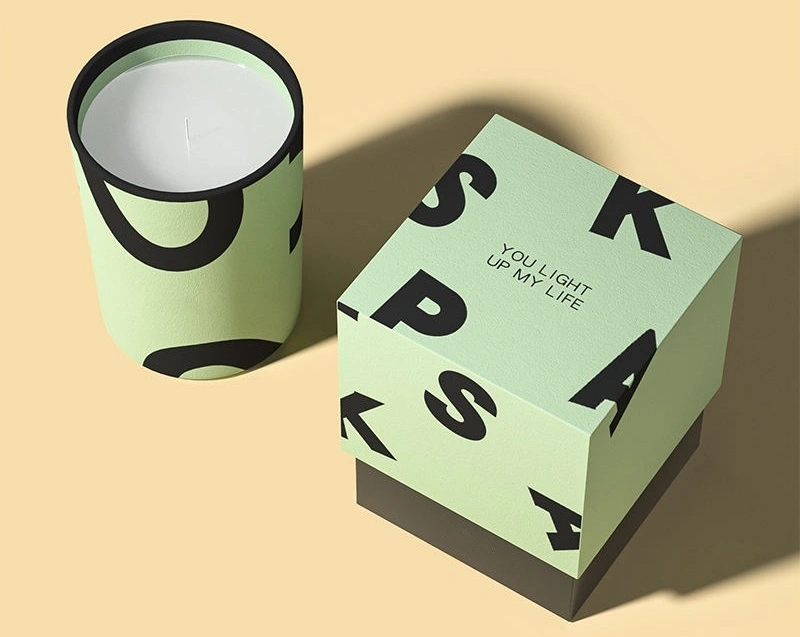
Rigid cardboard boxes are a timeless choice for luxury packaging, and for good reason. Unlike folding cartons, rigid boxes feel solid and substantial in the hand. That extra weight instantly gives customers the impression that the product is important and worth paying attention to.
Beyond protection, rigid boxes also suggest care and craftsmanship. When a box doesn’t bend or collapse easily, it subconsciously tells the customer that the brand values quality — not only in the product itself, but in how it is presented.
A good example is Azure’s scented candles. Their candles come in specially fired matte Klein Blue ceramic containers, which already feel premium. To match this, the outer packaging uses a rigid lid-and-base flower-box style structure, paired with a Klein Blue sleeve. The paper chosen is a 300g HYACINTH art paper, known for its naturally refined texture. Even before opening the box, customers can sense that this is a carefully designed, high-quality product.
Textured paper: luxury you can touch
Texture plays a huge role in how people perceive packaging. Smooth, flat paper can look nice, but textured paper adds another layer of experience. It encourages people to slow down, run their fingers across the surface, and engage more deeply with the product.
This tactile interaction matters more than many brands realize. When customers physically connect with packaging, they tend to associate the product with higher value — and studies have shown that this kind of engagement can positively influence purchasing decisions.
Creating luxury without overspending
Luxury doesn’t always mean using the most expensive materials. Thanks to modern printing and finishing techniques, brands can now replicate the look and feel of premium materials in more cost-effective ways.
Design project manager Tara Johns shared one such example:
“The client wanted high-end leather packaging, but that would have been prohibitively expensive. Instead, we printed on paper and incorporated embossed patterns with a soft-touch coating, making it look and feel like leather.”
This approach delivers the same emotional impact — softness, richness, and depth — without the high cost or sustainability concerns of real leather.
The role of linings and interior details
Luxury isn’t only about the outside of the box. Linings, inner wraps, and inserts also play an important role. Soft-touch linings, molded inserts, or textured inner paper make the unboxing feel intentional and refined. When customers open the box and see that the inside is just as thoughtfully designed as the outside, it reinforces trust in the brand.
In the end, material choices are about storytelling. Rigid cardboard signals durability and importance. Textured paper adds warmth and personality. Carefully chosen linings complete the experience. Together, they turn packaging from a simple container into a moment customers remember — and that’s where true luxury begins.
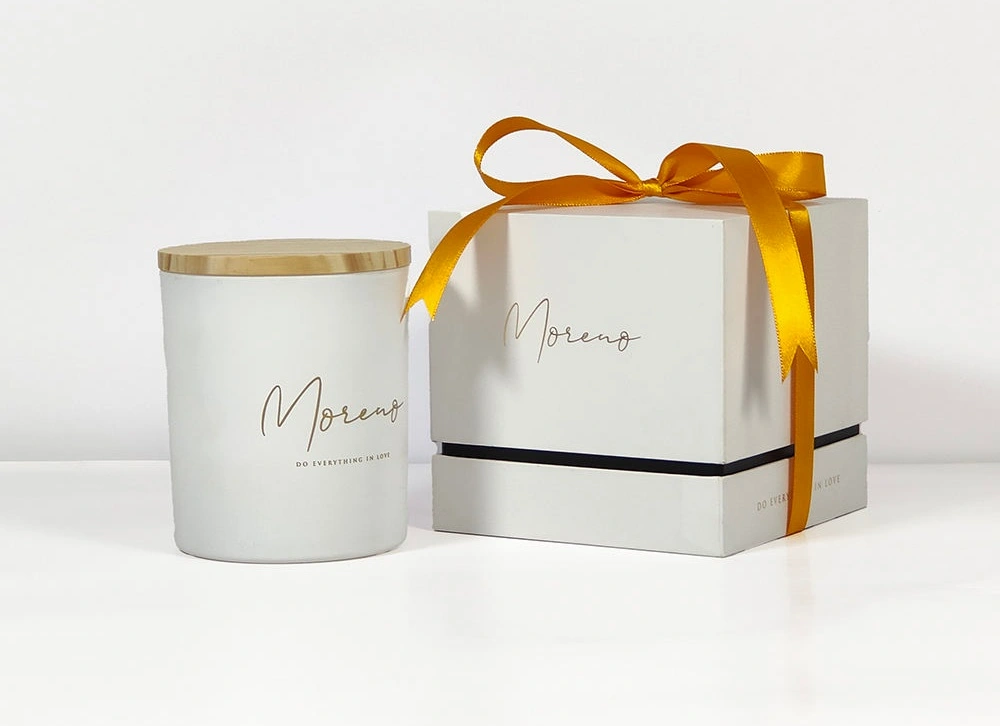
Here are several material options that help create a sense of luxury:
- Art paper: lightly textured paper, like Azure’s, enhances tactile quality.
- Eco-friendly materials: recycled paper, soy-based inks, and biodegradable plastics are becoming standard in premium packaging.
- Metal accents: subtle metallic embellishments elevate sophistication but must not compromise recyclability.
- Tactile coatings: soft-touch finishes that imitate leather, silk, or other premium textures.
Design Details: The Connection Between Color, Scent, and Emotion
Creating a Multisensory Experience
Successful packaging design seamlessly connects visual, tactile, and even olfactory elements to create a unified brand experience.
Jo Malone London’s artist collaboration series of dual-layer candles expertly matches colors with scent themes. The English Pear & Freesia paired with Lime Basil & Mandarin uses bright yellow packaging, evoking liveliness and freshness, while Black Pomegranate paired with Peony & Blush Suede features a pink-purple gradient, reflecting its sweet, floral charm. This color–scent coordination enhances the overall sensory experience.
Another example, the “Ink Breath, Gentle Touch” fragrance series, takes a more poetic approach. Themed around “a lifestyle in the study,” its spring visuals feature magnolia flowers shaped like open books — symbolizing “the fragrance of knowledge.” Green tones represent renewal and hope, evoking a calm, artistic lifestyle that resonates deeply with consumers.
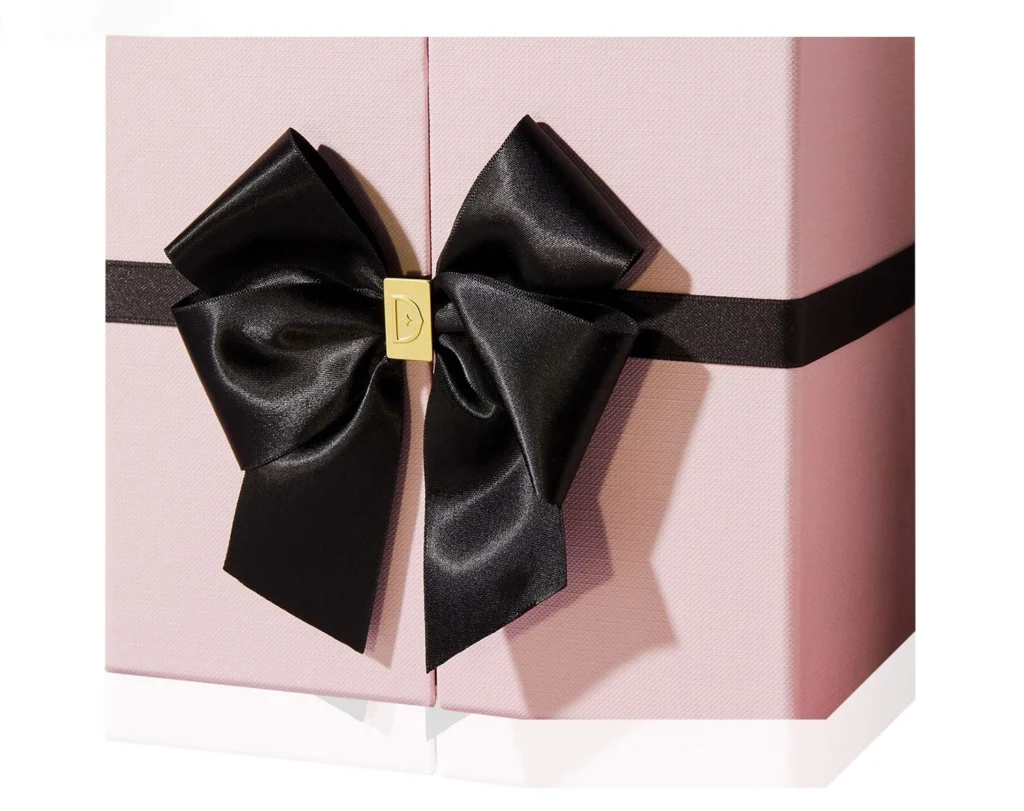
Color psychology plays a crucial role in packaging design:
- Blue: tranquility, depth, and purity — ideal for relaxation and meditation scents.
- Green: renewal, nature, and hope — perfect for botanical or fresh fragrances.
- Metallic tones: luxury, refinement, and prestige — suitable for formal or evening scents.
- Earth tones: warmth, comfort, and groundedness — great for woody or cozy fragrances.
Creative Unboxing Experience Design
Turning Unboxing Into a Memorable Moment
In the age of social media, unboxing has become an extension of brand marketing. A surprising and delightful unboxing experience not only impresses consumers but is also likely to be shared online, generating organic exposure.
Data shows that YouTube videos with “unboxing” in the title garnered over 25 billion views in 2023. Moreover, 87% of people use social media to inform purchase decisions, and 82% say videos influence their buying behavior. A well-designed, camera-worthy unboxing moment can directly drive sales.
Packaging design director Dan Davis observed:
“Brands are adding multiple layers you must remove to access the product, deepening the unboxing experience. It’s like opening a set of Russian nesting dolls — every layer adds excitement.”
Strategies to create a memorable unboxing experience include:
- Layered design: multi-layer structures that build anticipation step by step.
- Hidden messages: surprise notes or illustrations inside compartments.
- Interactive elements: for example, BeCandle’s collaboration with Lane Crawford, inspired by traditional tea boxes, uses wooden packaging that lets consumers mix scents for a DIY experience.
- Storytelling packaging: like Starbucks’ “Ambiguous Earth Coffee Grounds Candle,” which tells a full sustainability story through its design.
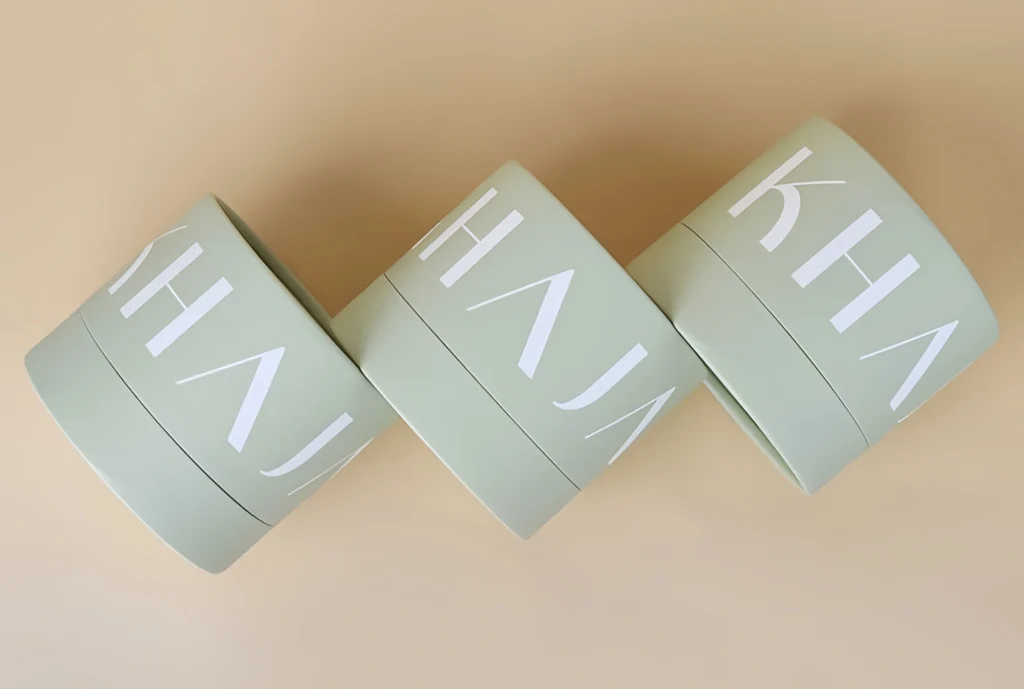
Balancing Sustainability with Elegance
Sustainable Packaging as a New Expression of Luxury
Today’s consumers — especially Millennials and Gen Z — have higher expectations for environmental responsibility. Fortunately, sustainability no longer means sacrificing beauty or sophistication.
Studies indicate that 75% of consumers are more likely to choose brands that offer sustainable products. Eco-friendly materials and recyclable designs have become essentials in the luxury market, not optional extras.
DNNA’s scented candles exemplify this approach: their containers are made from Murano glass — hand-blown, cooled, personalized, and signed. The packaging and product are entirely eco-friendly, natural, and recyclable. Once the candle is used up, the jars can be repurposed as flower vases, while other components are biodegradable or reusable.
Jo Malone London’s collaboration candles also highlight sustainability, using FSC-certified packaging made from over 70% recyclable materials. Even established luxury brands are now committed to reducing their environmental footprint.
Key strategies for balancing sustainability and luxury include:
- Material innovation: using recycled paper, soy-based inks, and biodegradable plastics.
- Upcycling design: repurposable packaging, like DNNA’s glass jars as vases.
- Eco-printing: water-based inks and metallic effects compatible with recycling.
- Plastic reduction: replacing magnets or foam inserts with corrugated paper.

See our custom candle packaging boxes
Conclusion
Creating impressive high-end scented candle packaging requires thoughtful design that balances aesthetics, functionality, and storytelling. Through premium material selection, emotional color connections, innovative unboxing experiences, and sustainable practices, exceptional packaging communicates brand values and quality at first glance.
In an increasingly competitive market, brands that craft a full sensory experience — beyond the product itself — will build stronger emotional connections and lasting loyalty. Even after the candle’s scent fades, a beautifully designed package remains in consumers’ minds, serving as an enduring emotional link between brand and customer.
Packaging is no longer just the product’s “clothing” — it is the very embodiment of brand value. With the design ideas above, your scented candle brand can stand out — touching customers not only through fragrance but through a complete, memorable experience.