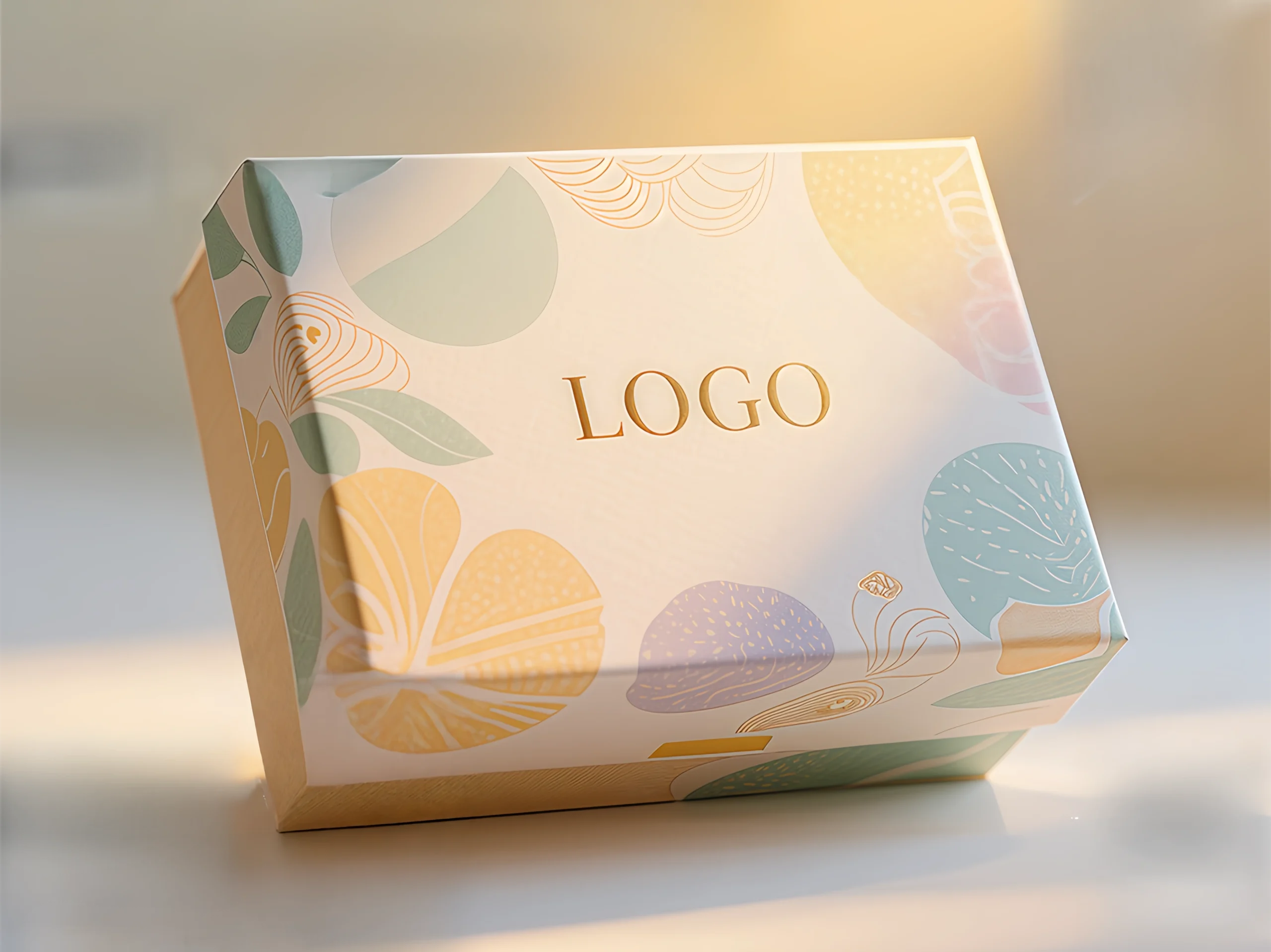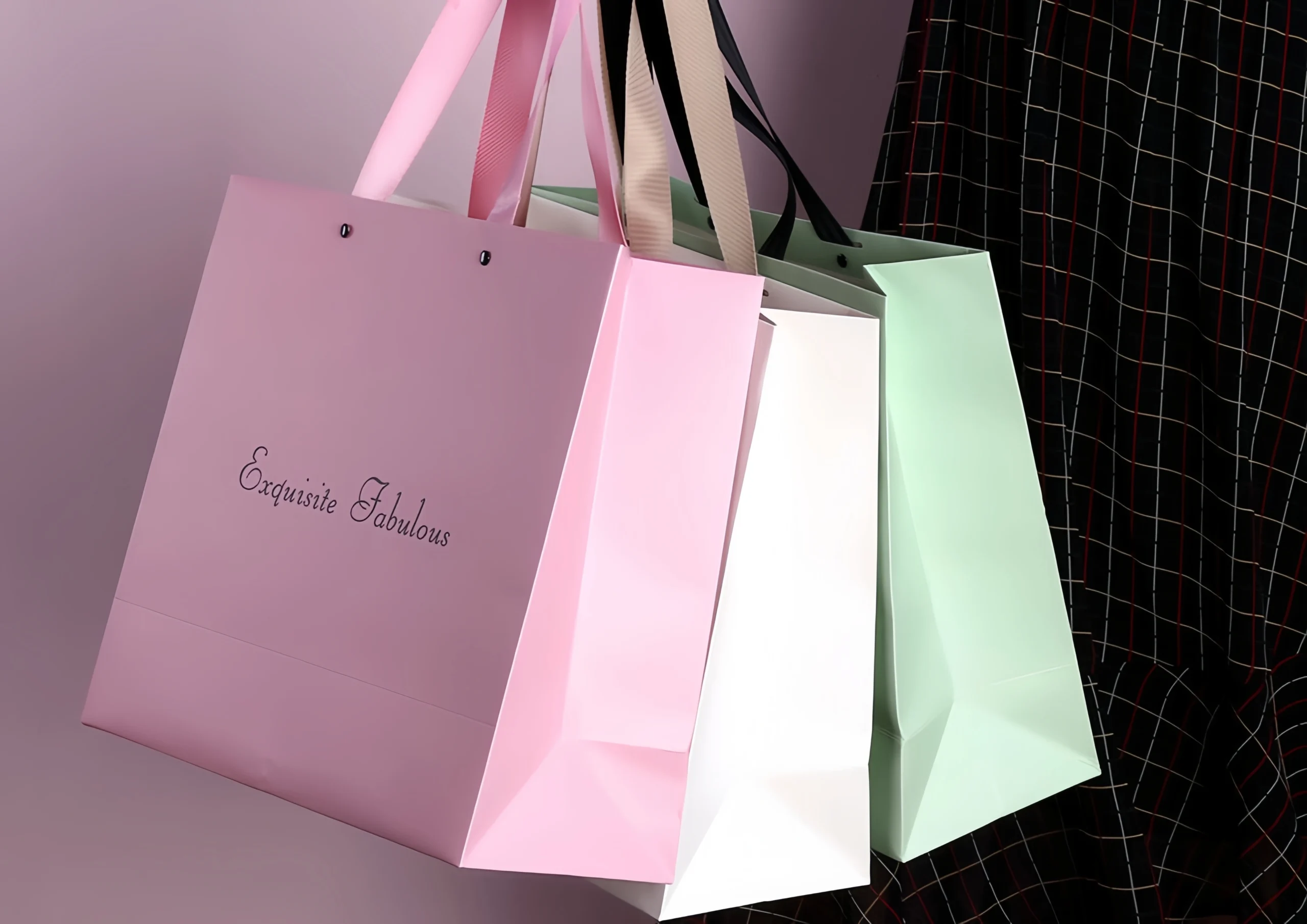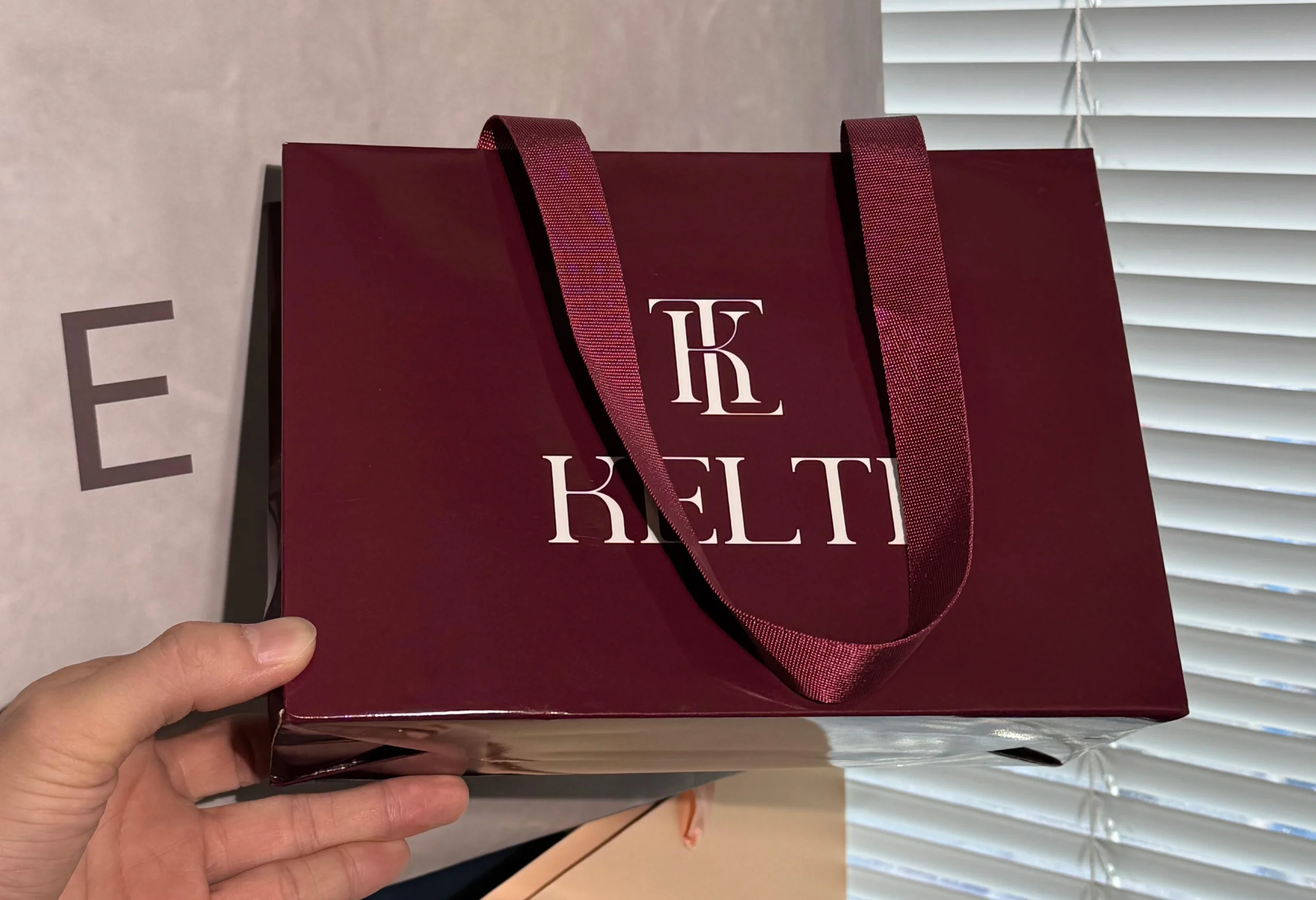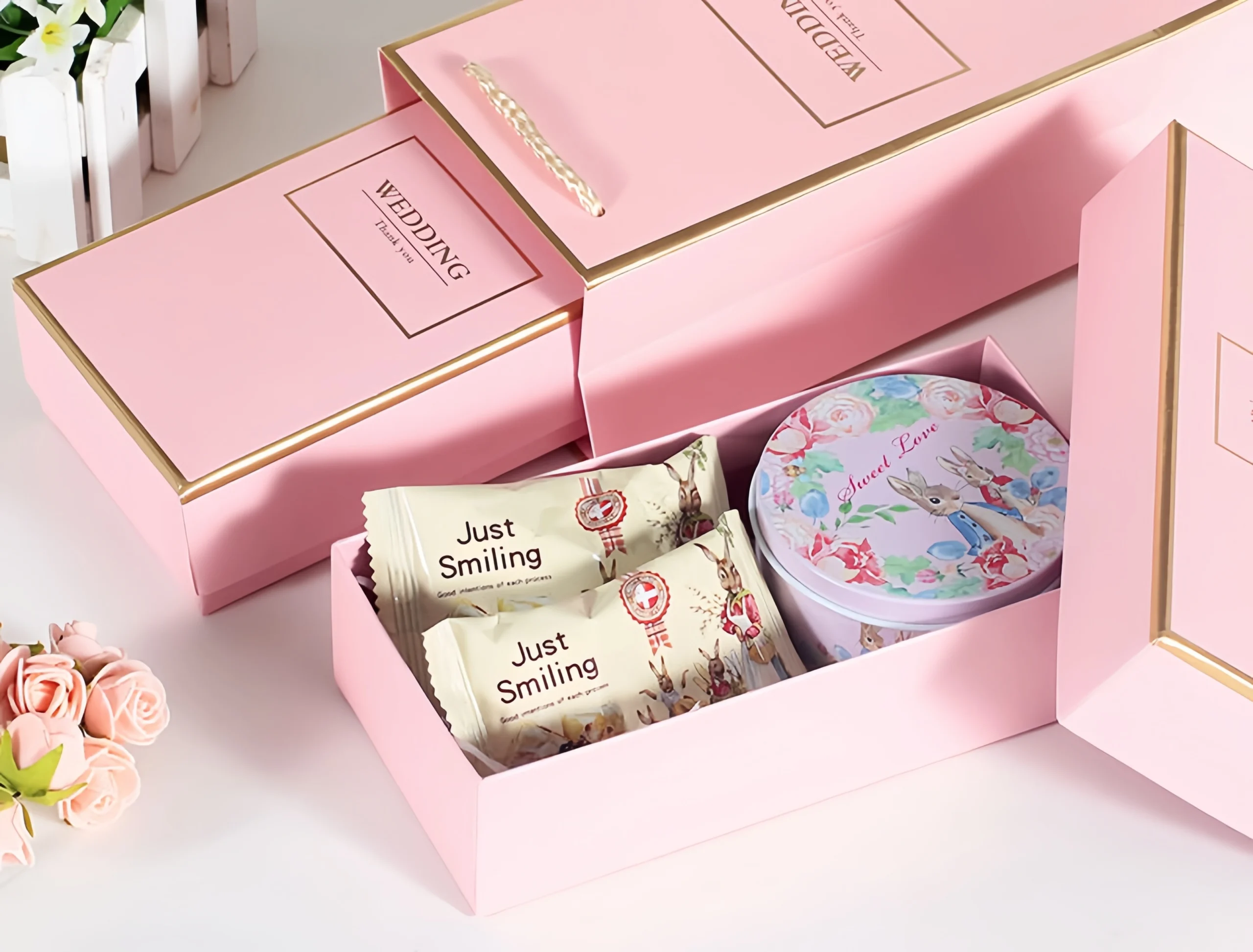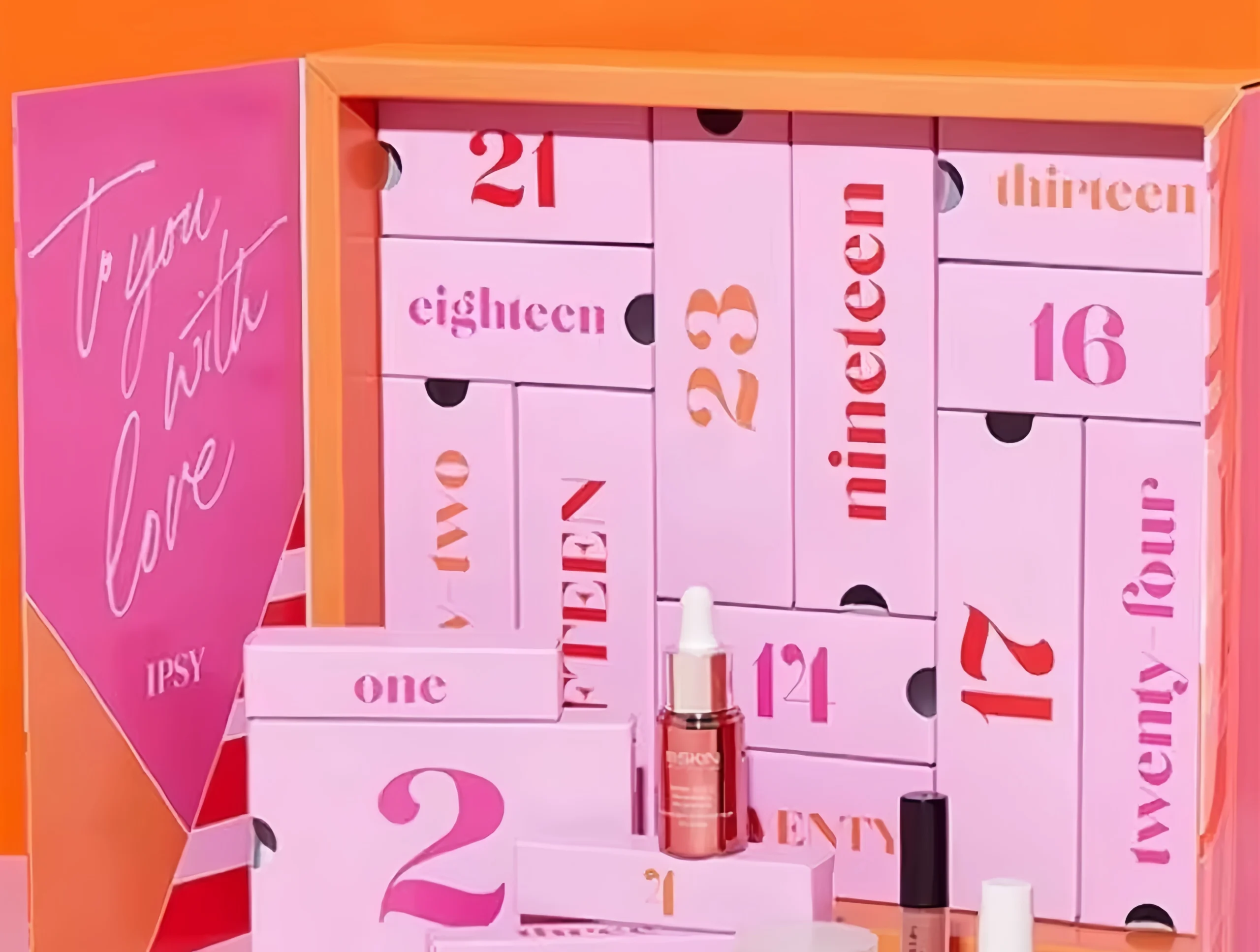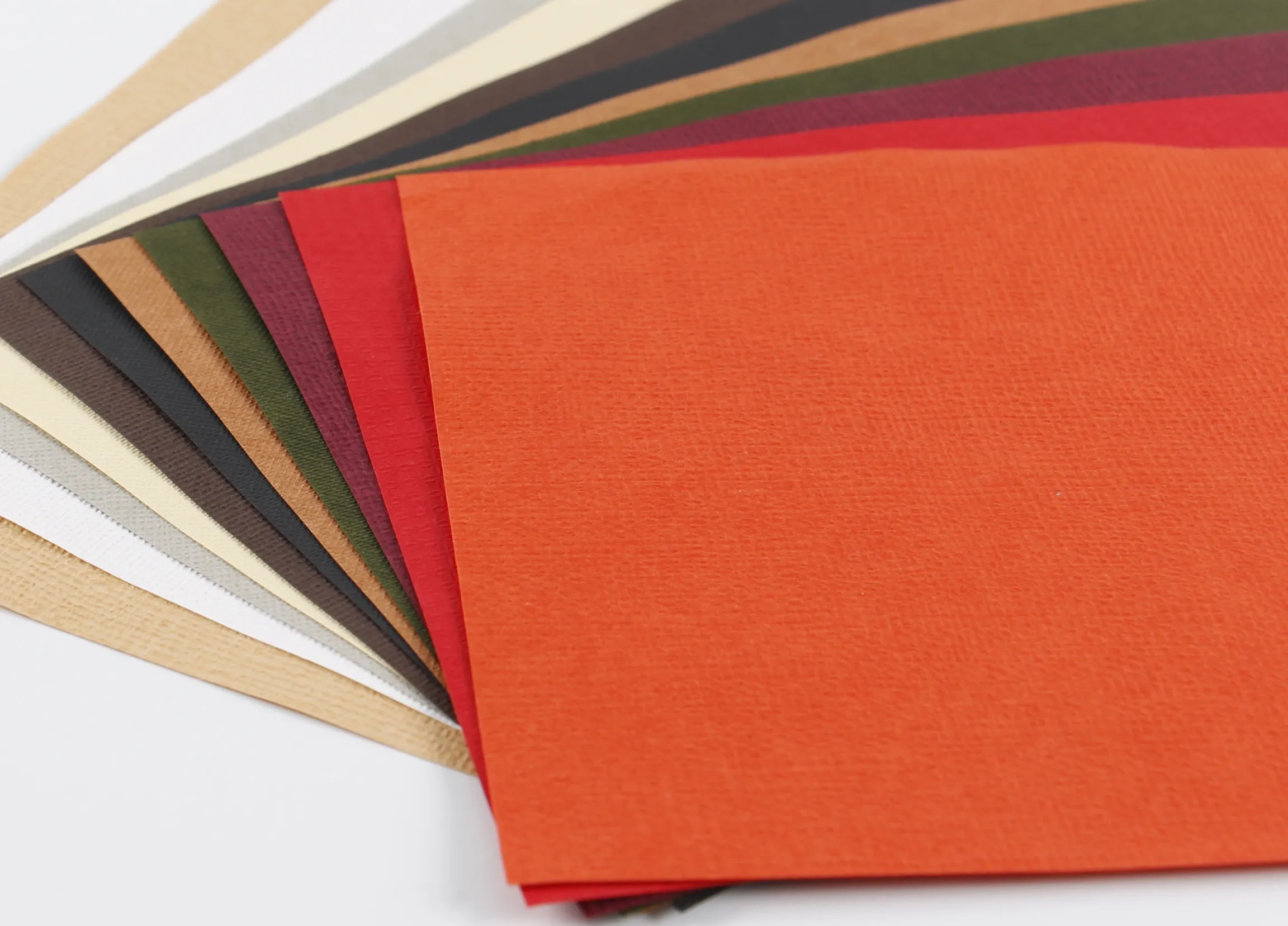
Packaging boxes are more than just containers—they are the first thing customers see and touch when they receive a product. The quality and appeal of a custom packaging box depend heavily on the type of surface paper (face paper) used. Choosing the right paper affects not only the box’s appearance and print quality but also its strength, durability, and overall customer experience. In this article, we’ll explore the most common types of surface paper for packaging boxes, key design and production processes, and how different packaging box types serve various functions for your brand.
1. Types of Packaging Box Surface Papers
The type of surface paper used for packaging boxes greatly affects both their appearance and printing quality. Each paper type comes with its own texture, finish, and special features, designed to meet different packaging needs. Next, we’ll introduce several common types of packaging paper and explain how they are used in box design and production.
1) Coated Paper (Copperplate Paper)
Coated paper, also called copperplate paper, is popular because it has a super smooth surface and prints really well. There are several kinds:
- Grey Copperplate (Gray Back Coated Paper)
- White Copperplate (White Back Coated Paper) – also called “white bottom white board,” with a bright, clean front surface perfect for high-quality printing.
- Single Coated and Double Coated Papers – single coated has one smooth side for printing and a rough back; double coated has both sides smooth.
- Specialty Variants like Gold Card, Silver Card, and Laser Card
The smooth front makes colors pop and gives sharp, professional visuals, making it great for premium packaging.

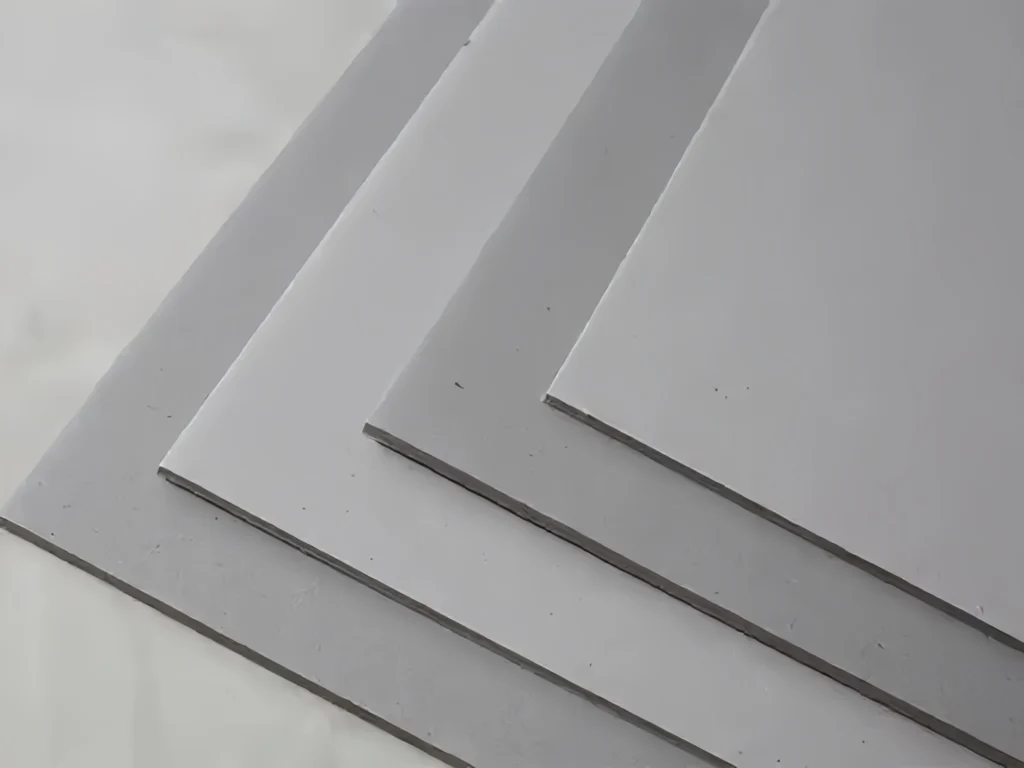
2)Grey Board Paper
Grey board paper is a more budget-friendly option, often used as the core or inner structure of boxes. There are two main types.
- Grey Back Grey Board: Both sides grey; usually not printed on.
- Grey Back White Board: White front for printing, grey back hidden inside the box.
This type strikes a good balance between cost and print quality, making it common in mid-range packaging.
3) White Cardboard
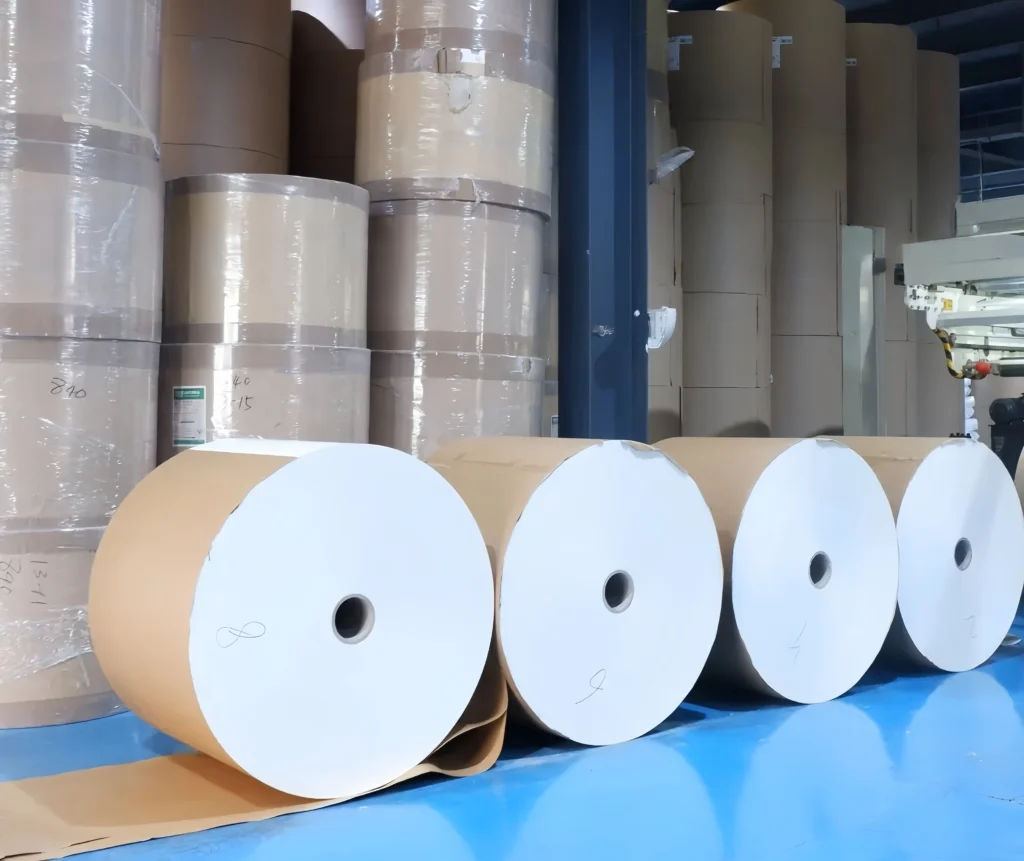
Also called folding boxboard (FBB) or solid bleached sulfate (SBS), white cardboard is a premium option. It’s smooth, stiff, and very white, making it ideal for high-end packaging. Benefits include:
- Excellent print quality and color reproduction
- High rigidity and foldability
- Clean, bright appearance that enhances brand perception
You’ll often see white cardboard used for cosmetics, pharmaceuticals, luxury food items, and other products that need a refined, high-quality look.
4)Specialty Papers
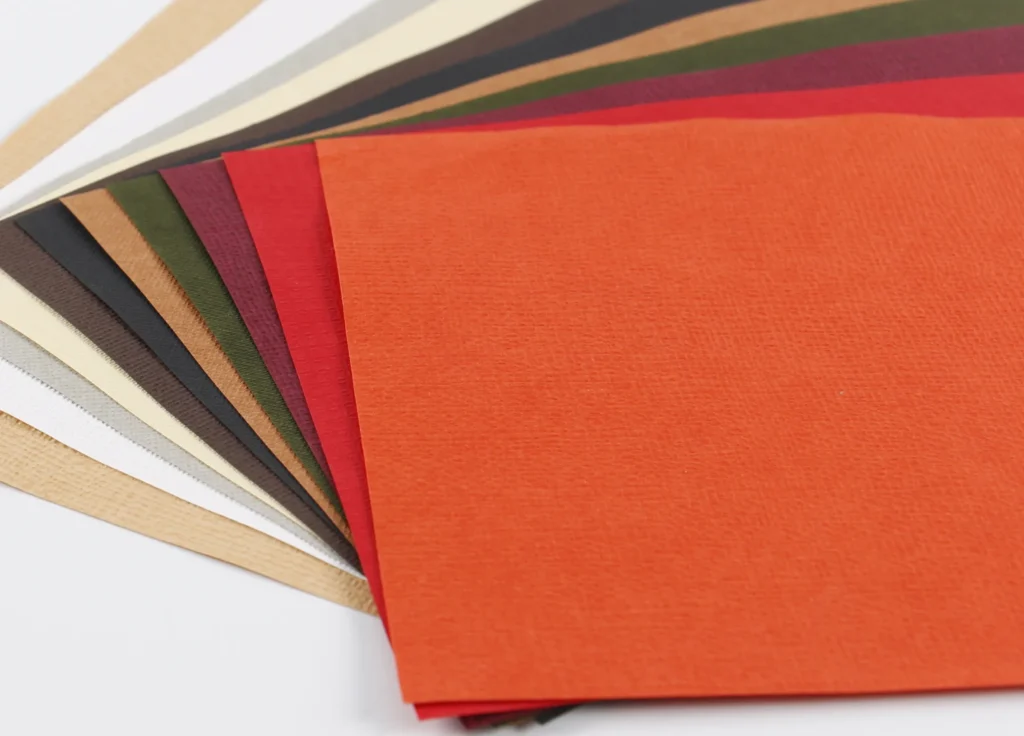
Specialty papers are chosen for their unique textures, finishes, and “wow factor.” Common types include:
- Velvet and Suede Papers: Soft, tactile feel for luxury packaging
- Pearlescent and Metallic Papers: Shiny or reflective surfaces for premium gift boxes
- Embossed or Textured Papers: Adds depth and sophistication
- Duplex Board: White coated front with grey back, often used in cartons or food packaging
- Laminated Papers: Glossy or matte finishes for extra durability and a polished look
These papers help brands stand out and give customers a memorable first impression when they touch or see the packaging.
2. Packaging Box Design and Production Process
Designing and making a packaging box involves several important steps to make sure it looks great, protects the product, and works well for customers. Here’s a simple breakdown:
1)Design Phase
It all starts with understanding your product, target audience, and brand style. Designers create both the artwork and the structure of the box, balancing how it looks with how it functions. They consider things like:
- Cultural or market preferences
- How fragile or heavy the product is
- Printing requirements and special finishes
2)Proofing and Sampling
Before producing boxes in large quantities, prototypes or sample boxes are made. This helps check that the colors look right, the paper feels good, and the box is strong enough. Any design issues can be fixed at this stage.
3)Choosing the Right Paperboard
Picking the right type of paperboard is key. Options include:
- Rigid cardboard: Strong and sturdy, great for premium boxes
- Folding boxboard: Lightweight, easy to print, used for cartons
- Grey board: Cost-effective, often used for mid-range packaging
The choice depends on the product’s weight, how it will be handled, and your budget.
4)Printing Techniques
Good printing makes a big difference in how attractive the packaging is. Common methods include:
- Offset Printing: Sharp, vibrant images; best for coated papers
- Flexographic Printing: Eco-friendly, works well on corrugated or kraft papers
- Screen Printing: Adds special textures or effects
- Hot Stamping & UV Coating: Adds a luxurious finish and protection
- Digital Printing: Fast and great for small batches or custom designs
5)Surface Finishing
After printing, surface treatments improve both look and durability:
- Glossy or Matte Lamination: Protects the print while adding shine or softness
- Varnishing: Gives a smooth glossy or matte look without lamination
- Embossing/Debossing: Creates raised or recessed textures
- Foil Stamping: Adds shiny metallic accents
6)Die-Cutting and Folding
Boxes are shaped using precise die-cutting, and folding lines are scored so the box assembles neatly. Accuracy here ensures the box is strong and looks professional.
7)Paper Mounting and Assembly
For high-end boxes, surface paper is often manually mounted onto the rigid board. Skilled hands make sure there are no bubbles, wrinkles, or misalignment, resulting in a polished, high-quality product.
3. Functions and Types of Packaging Boxes
Packaging boxes do much more than just hold products—they protect them, tell your brand story, and make the customer’s experience easier and more enjoyable. Here’s a closer look:
1)Core Functions of Packaging Boxes
Packaging boxes usually serve several important purposes:
- Protection: Keep products safe during shipping, handling, and storage.
- Branding: Showcase your brand and attract consumers with eye-catching designs.
- Information: Provide product details, instructions, and any necessary regulatory information.
- Convenience: Make it easy for customers to handle, open, and use the product.
2)Material-Based Classification
Boxes come in different materials depending on their use and budget:
- Paperboard (Folding Cartons): Lightweight and easy to print on, perfect for retail packaging.
- Corrugated Board: Strong and durable, ideal for shipping and bulk packaging.
- Rigid Boxes: Thick and sturdy, usually for luxury items or premium products.
- Others: Wood, metal, acrylic, or fabric-covered boxes for special purposes.
- Kraft Paper: Natural brown paper, great for eco-friendly packaging and craft-style designs.
3)Packaging Boxes by Usage
Different products require different types of boxes:
- Gift Boxes: Focus on aesthetics and premium feel to impress customers.
- Food Packaging Boxes: Use food-safe materials and barrier layers to keep contents fresh.
- Cosmetic Boxes: High-quality printing and luxurious finishes to match the product inside.
- Electronics Boxes: Include cushioning and tamper-evident features for protection.
- E-commerce Boxes: Durable yet cost-effective for shipping products safely to customers.
Conclusion
Choosing the right surface paper for packaging boxes might seem complicated, but it’s a really important decision. The type of paper affects not only how well your product is protected, but also how your brand looks and how much it costs to produce. From smooth coated copperplate papers to specialty textured or metallic papers, each kind has its own strengths and is suitable for different packaging needs.
When combined with thoughtful design, careful production, and attention to how the box will be used, the right paper can turn packaging from a simple protective shell into a powerful marketing tool. It can make your product feel premium, attract customers’ attention, and leave a lasting impression.
For brands that want to stand out in a competitive market, investing in quality surface papers and working closely with skilled designers and manufacturers is key. This ensures your packaging not only looks amazing but also performs well from production to delivery, giving customers a great first impression every time.