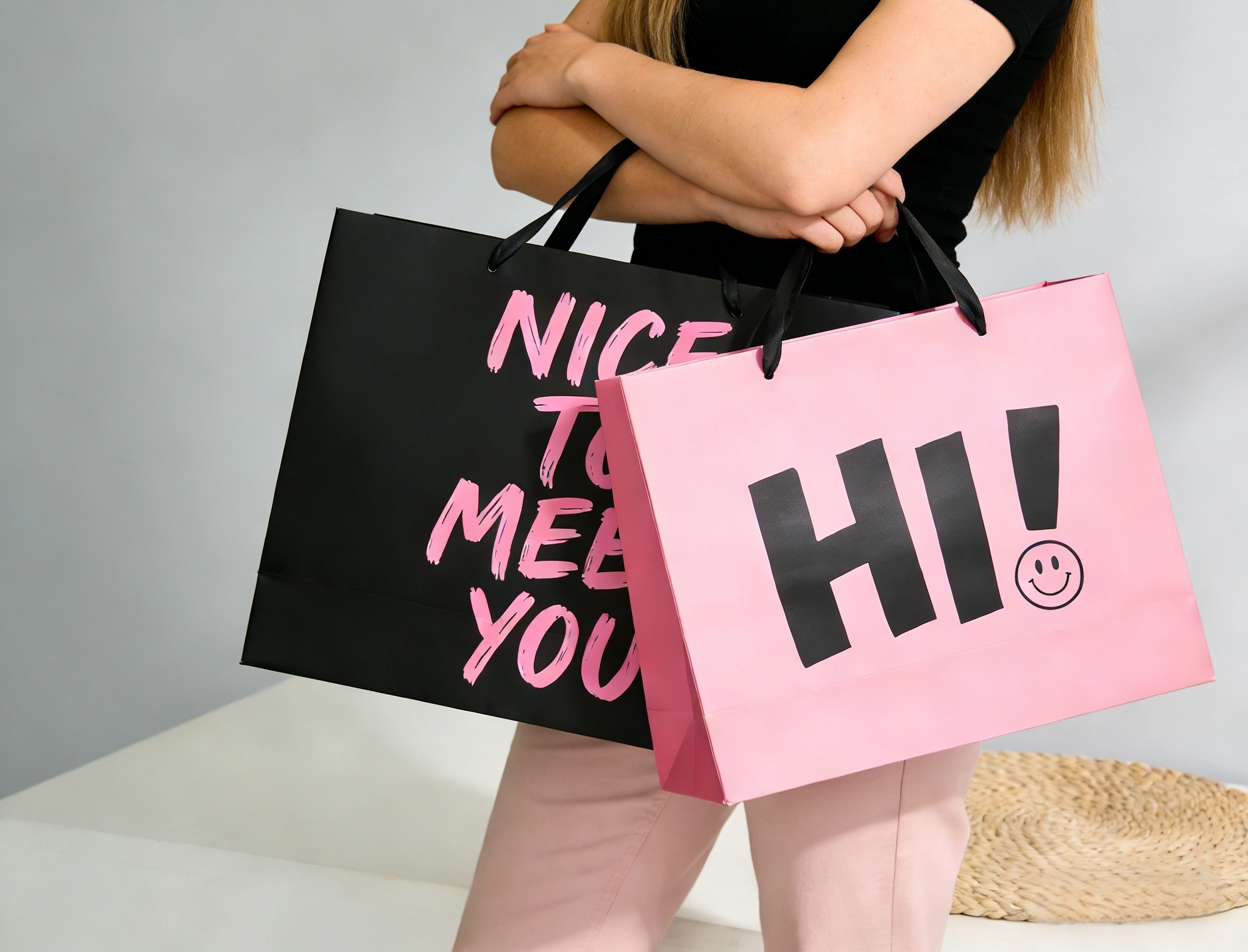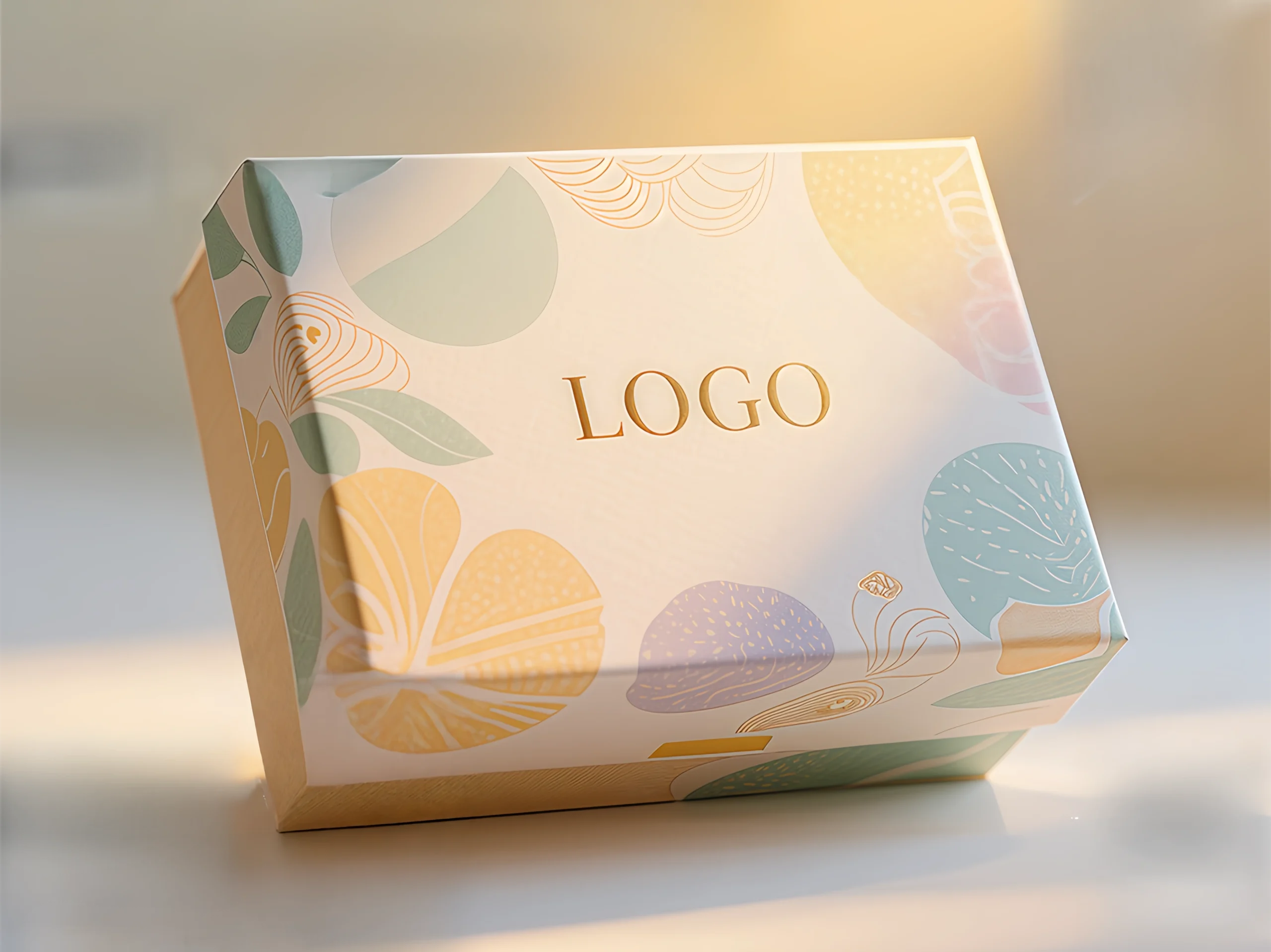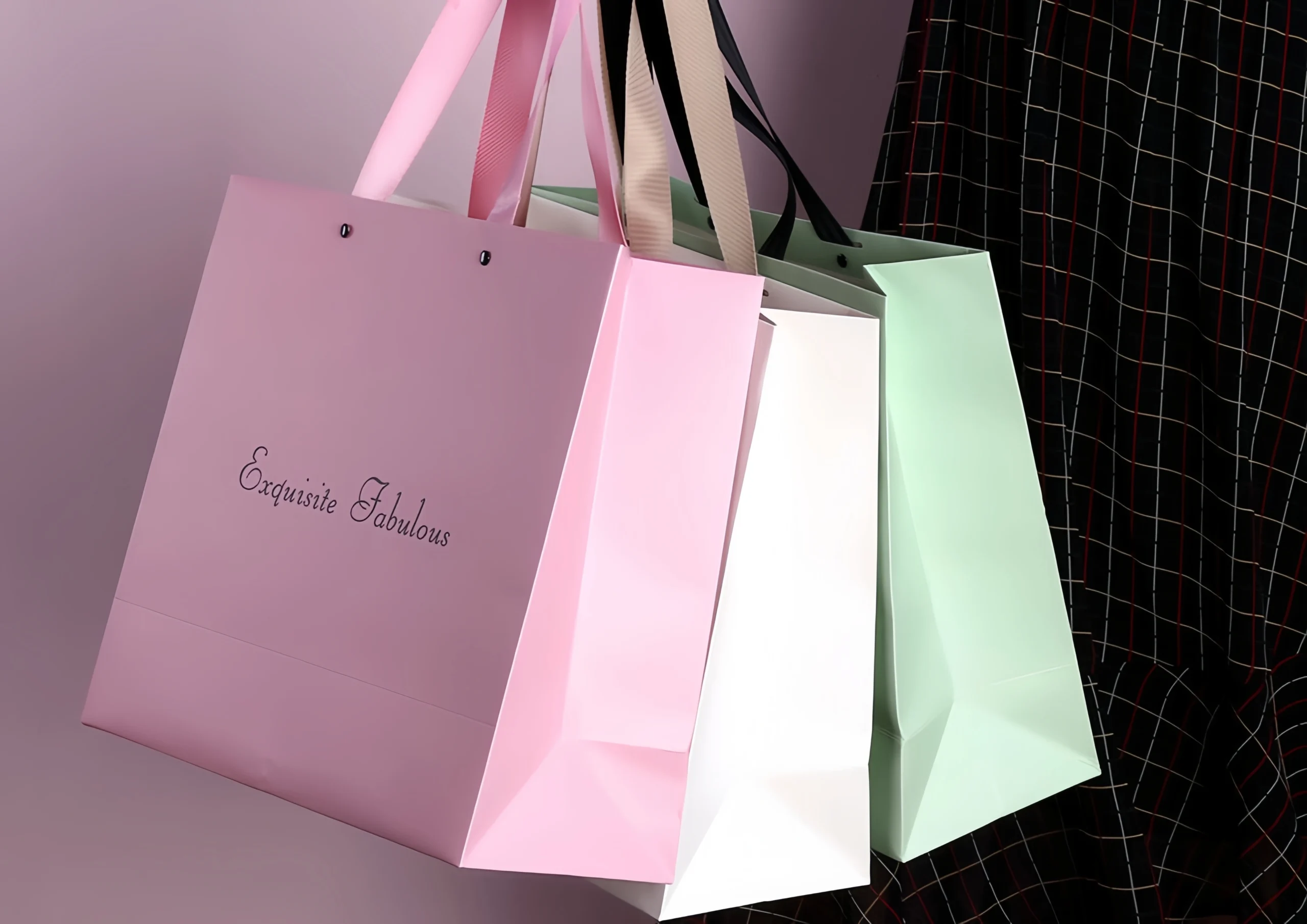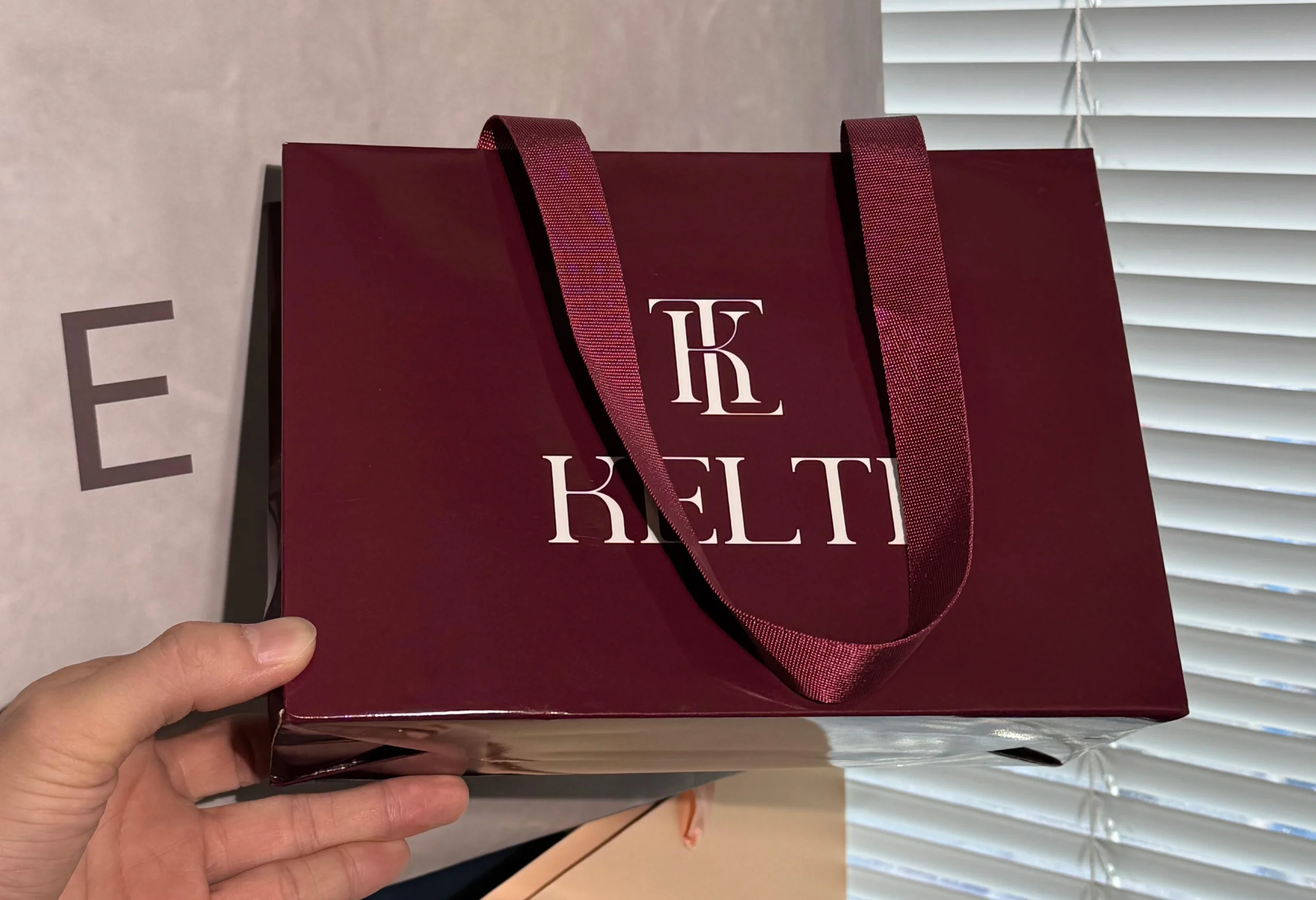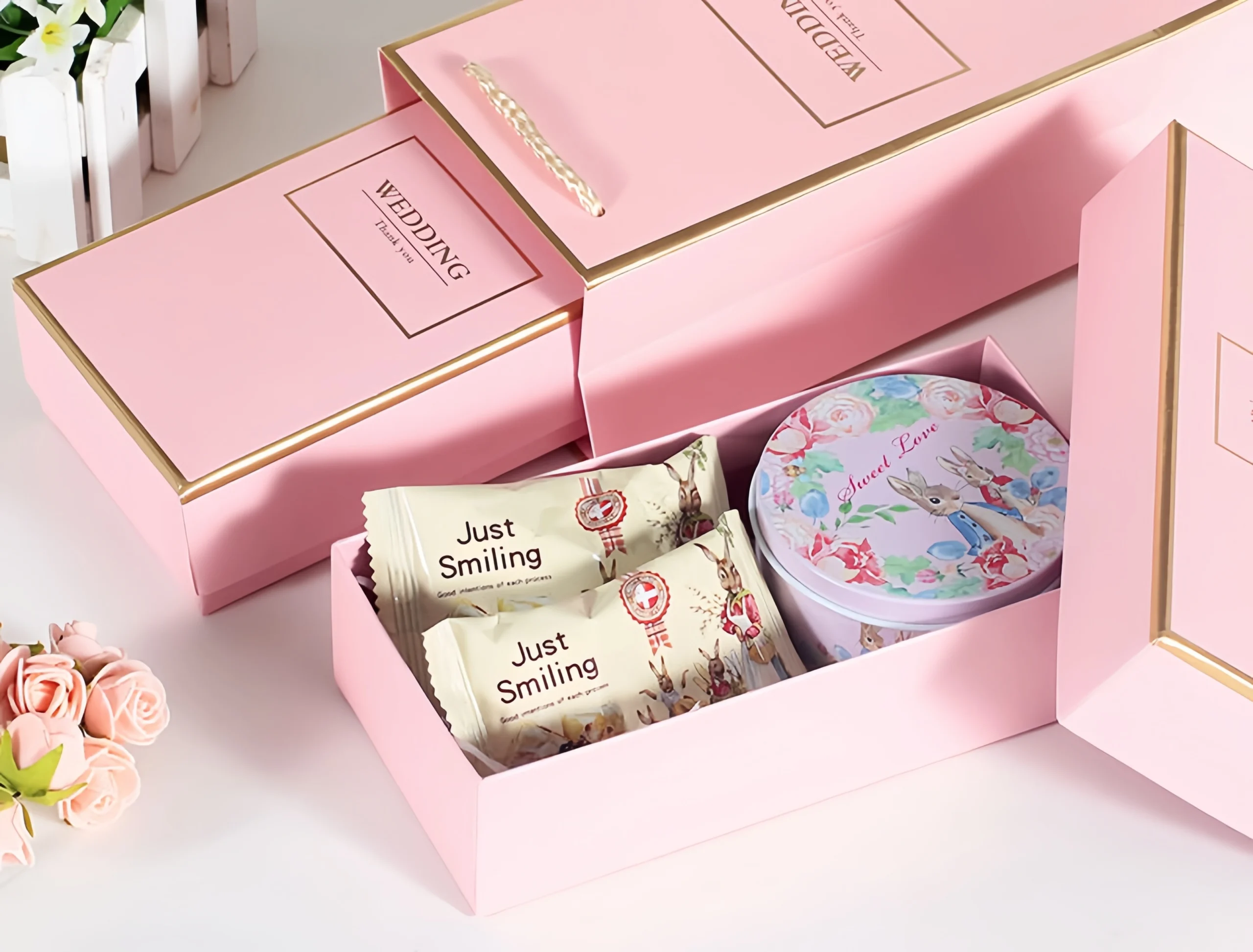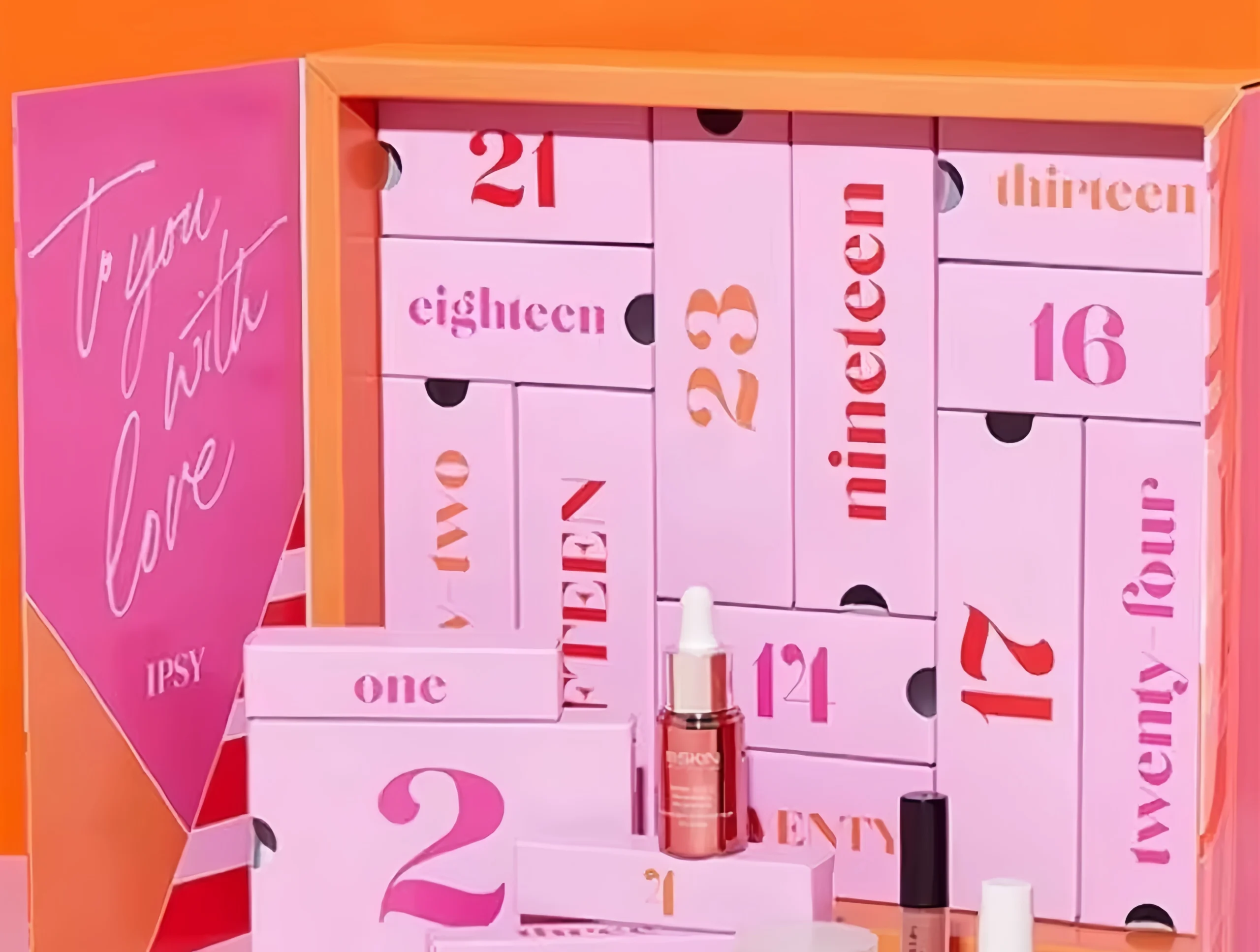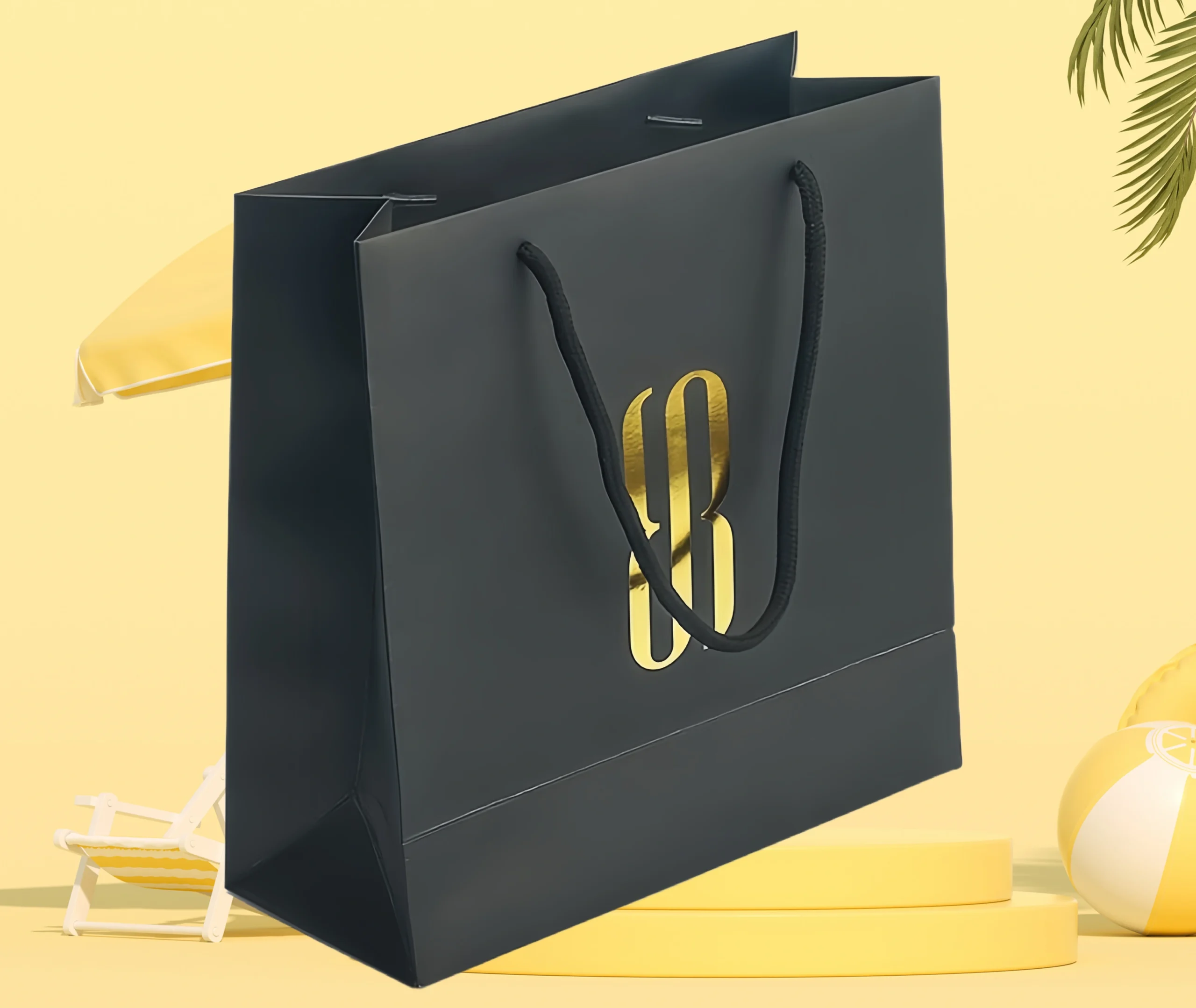
In the world of luxury goods, the story of the product itself is just the prologue. The true luxury experience begins the moment fingertips touch the packaging. The subtle sound when opening the box lid, the dazzling shine that catches the eye, the unique texture felt when running your hand over the surface — all these silent dialogues convey the brand’s exclusivity, craftsmanship, and uniqueness.
For luxury brands, packaging is far from a simple container; it is the brand’s first physical showroom, the customers’ first physical interaction with the product, and the source of ritual that sets the foundation for the entire luxury experience. In today’s attention economy, how can brands win consumers’ hearts before the unboxing even begins? The answer lies in timeless, captivating premium surface finishing techniques: foil stamping, embossing, and UV coating.
Today, we explore how these three masterful techniques transform quality paper materials into breathtaking works of art, endowing your brand with a tangible sense of luxury.
The Poem of Touch — Embossing
In a visually dominated world, touch is the most direct path to emotion. Embossing is the writer of this “poem of touch.”
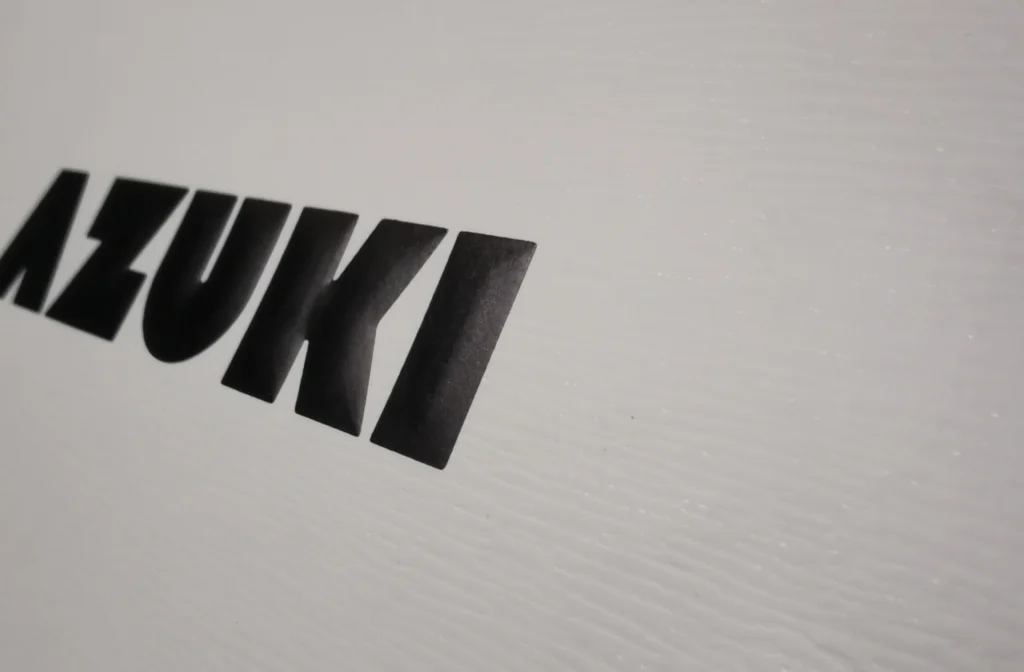
What is Embossing?
Embossing is a technique that creates raised textures on the paper surface through pressure. It relies solely on physical deformation without ink, giving the paper a three-dimensional vitality and rich expressiveness. This process requires precisely matched male and female dies, which under great pressure reshape the paper fibers to form permanent 3D patterns.
How Embossing Creates a Premium Feel
- Three-dimensional storytelling, a luxurious first touch: When customers first hold the packaging, fingertips brushing delicate leather textures, vintage relief patterns, or exclusive brand emblems evoke an experience beyond visuals. This tactile signal conveys solidity, weight, and meticulous craftsmanship — a physical message flat prints can never match. It silently declares: the riches inside are equally refined.
- Enhanced brand recognition: A unique embossed pattern can become a hallmark of the brand, so recognizable that customers can identify it by touch alone. Many luxury brands emboss their iconic Monogram patterns, making this tactile memory more lasting and intimate than visual memory.
- Increased design layers: Embossing can cleverly combine with other techniques like foil stamping, where light striking the raised areas creates rich shadows and highlights, making patterns strikingly dynamic and elegantly understated.
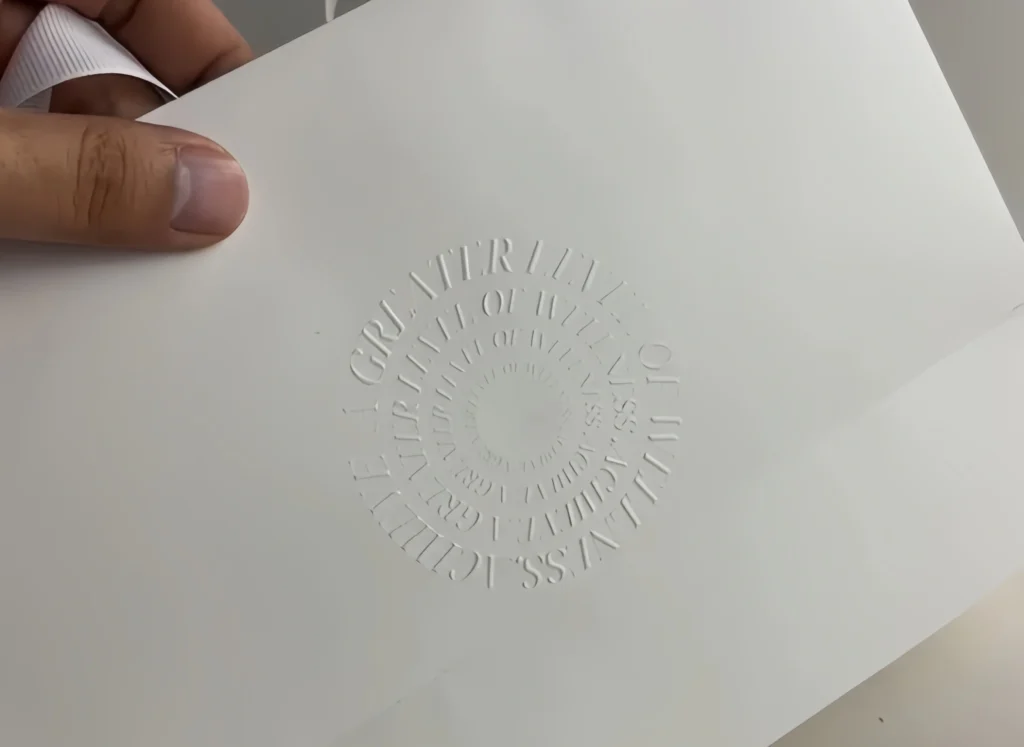
Common Types and Applications
- Flat Embossing: Basic raised effect.
- Deep Embossing: Stronger layering akin to sculpting, often used for logos or key patterns.
- Carved Embossing: Fine, deep lines simulating carving, highly artistic.
- Textured Embossing: No specific design, but large-area textures like leather, fabric, cracked ice, or wood grain, perfect for creating understated luxury atmospheres.
Ode to Light — Foil Stamping
If embossing is subtle restraint, foil stamping is a brilliant declaration. It is the most eye-catching element on packaging, the “highlight” that lights up the entire design.
What is Foil Stamping?
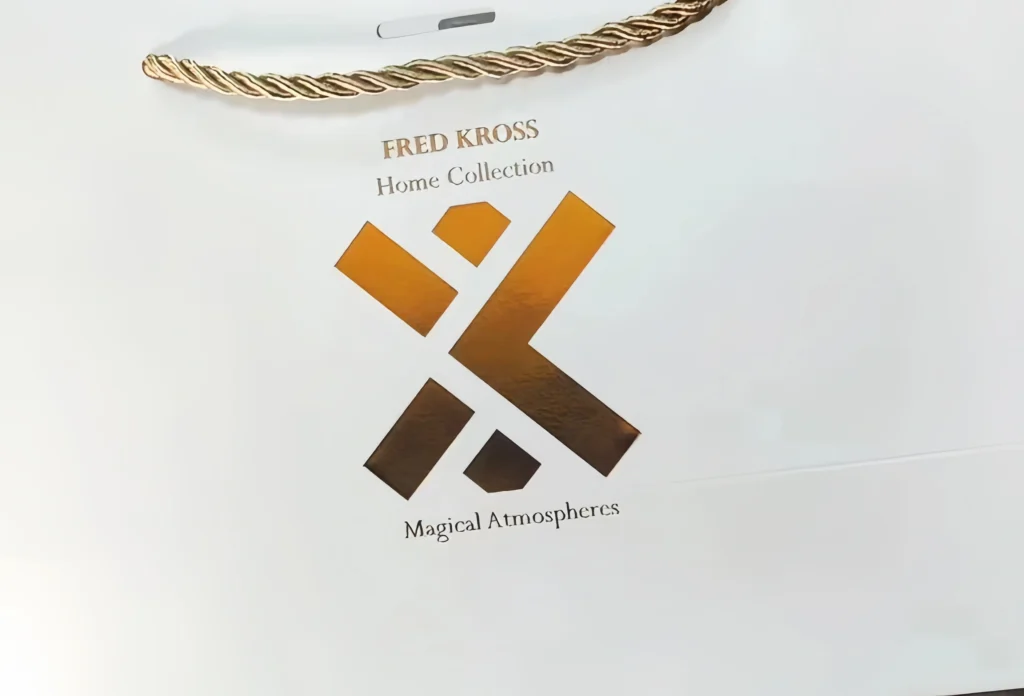
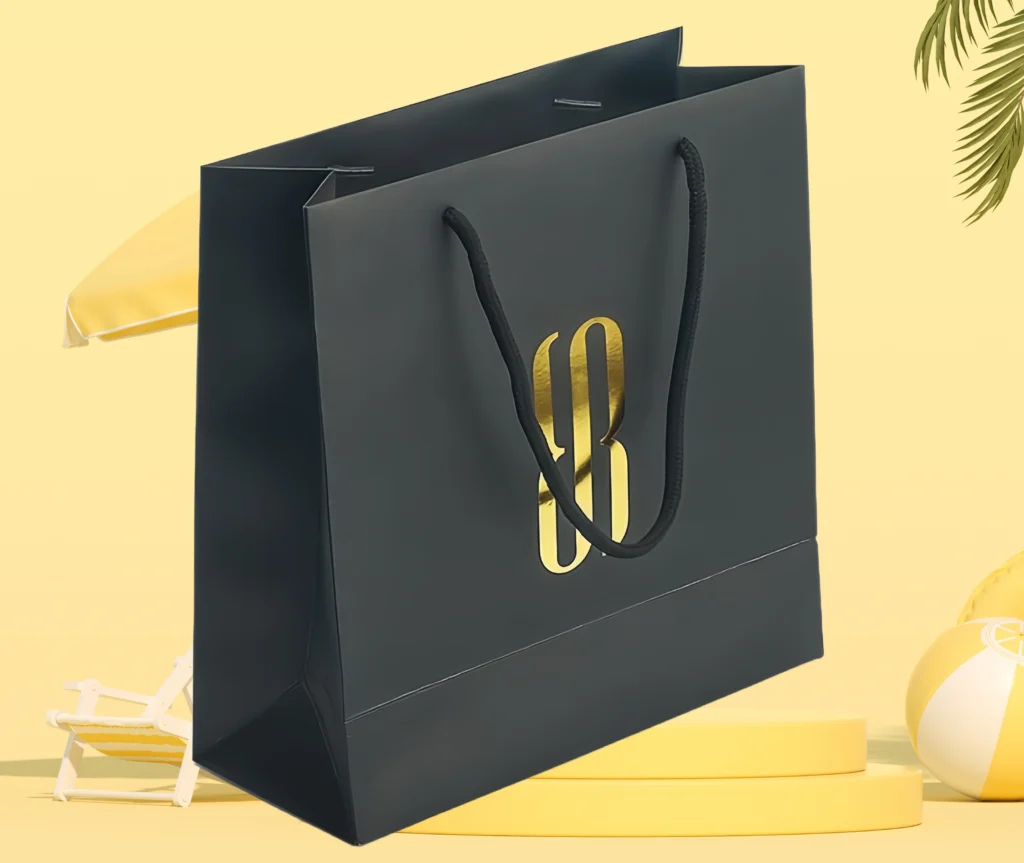
Foil stamping, technically called hot stamping, uses a pre-made embossed metal die to press and transfer metal foil (commonly “gold foil”) onto the surface with heat and pressure. The types of foils go far beyond gold.
How Foil Stamping Creates Luxury
- Extreme visual attraction: The metallic shine strongly reflects light, instantly catching the eye as the visual centerpiece, echoing luxury brands’ desired preciousness and uniqueness. It is a celebration, a coronation, a highlight moment for the product.
- Unmatched delicacy: High-quality foil stamping demands sharp lines, clean edges, and smooth surfaces. A perfect foil-stamped piece has the precision of fine jewelry, able to withstand close scrutiny, embodying the spirit of luxury.
- Rich expressiveness and customization: Modern foils range beyond traditional gold to luxurious red gold, platinum silver, romantic rose gold, plus holographic, matte, and textured foils (like marble or leather patterns). Brands can even customize colors for unique brand identity.
Advanced Foil Stamping Techniques
- 3D Foil Stamping: Combining foil and embossing in one step creates metal shine with tactile depth, producing stunning effects.
- Die-cut Foil Stamping: Using special foils to create translucent “windows,” often combined with printed layers for magical visual effects.
- Multi-color Foil Stamping: Applying two or more foil colors in the same area, requiring high technical difficulty but offering exquisite, luxurious outcomes.
The Magic of Light and Shadow — UV Coating
Amid the grand narratives of foil stamping and embossing, UV coating plays the role of a subtle lighting designer. It does not compete loudly, but with delicate shifts in light and shadow, it greatly amplifies design depth and modernity.
What is UV Coating?
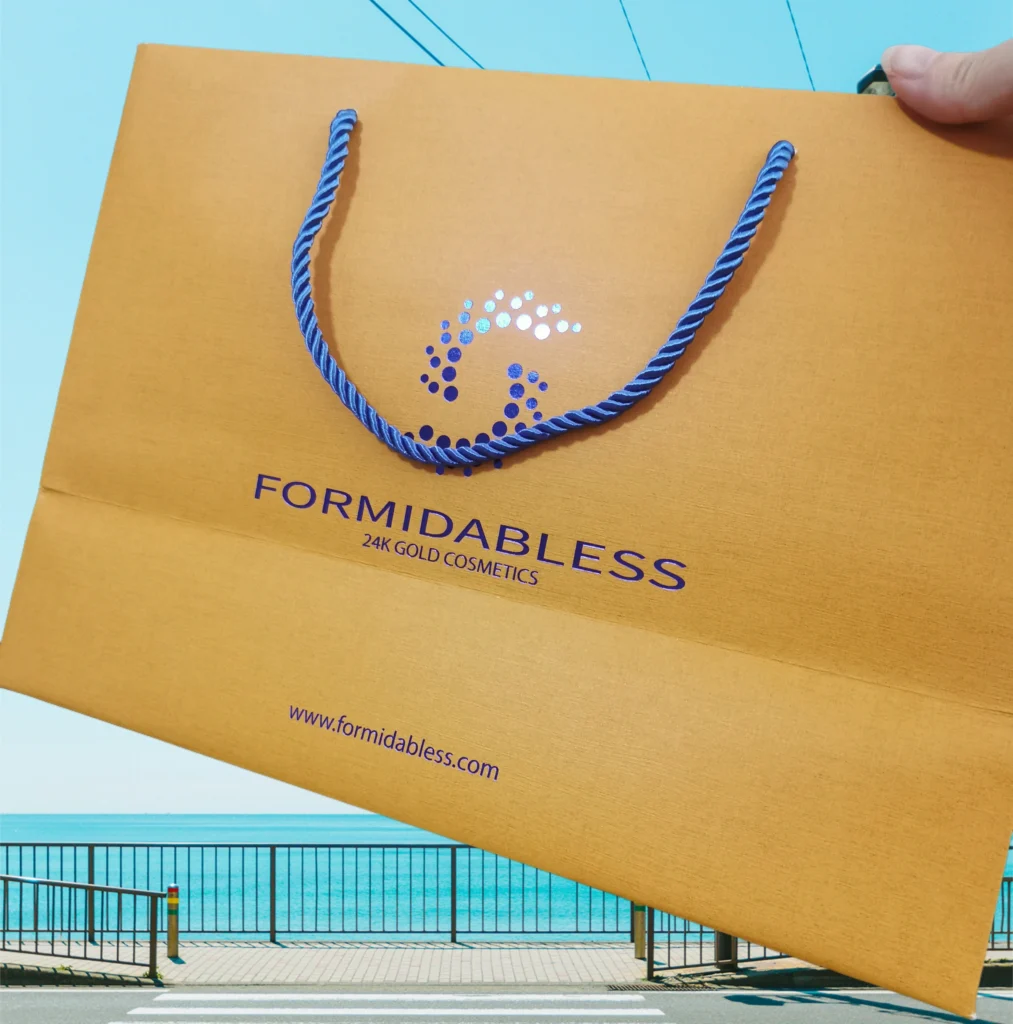
UV (Ultraviolet) coating refers to a local application of transparent UV-curable varnish on specific areas of the printed surface. This varnish is instantly cured by UV light and may be glossy, matte (flat), or textured.
How UV Coating Creates Luxury
- Subtle light and shadow contrast: The essence of UV coating is creating strong contrast between glossy and matte effects on the same plane. Designers can guide viewers’ eyes to focus on key elements (like logos and slogans) while adding visual interest and layers. Matte UV imparts a velvet-like softness; glossy UV is crystal clear and sparkling.
- Unique tactile experience: Local UV layers usually have noticeable thickness, enabling users to feel the contours of the pattern—“touchable images” that invite tactile exploration, such as a signature created with thick UV that lets users feel the pen’s strokes.
- Enhances modernity and artistry: UV coating suits modern, minimalist, and abstract designs well. Unlike the traditional exuberance of foil stamping, it offers a quiet sophistication that rewards careful appreciation, increasing the joy of discovery.
Creative UV Applications
- Tactile UV: Thick layers for clear touch sensation.
- Wrinkle or frost UV: Produces artistic textured effects after curing.
- Colored UV: Transparent tints added to UV varnish for both gloss and subtle color changes on details.
The Crescendo of Harmony — Craft Synergy
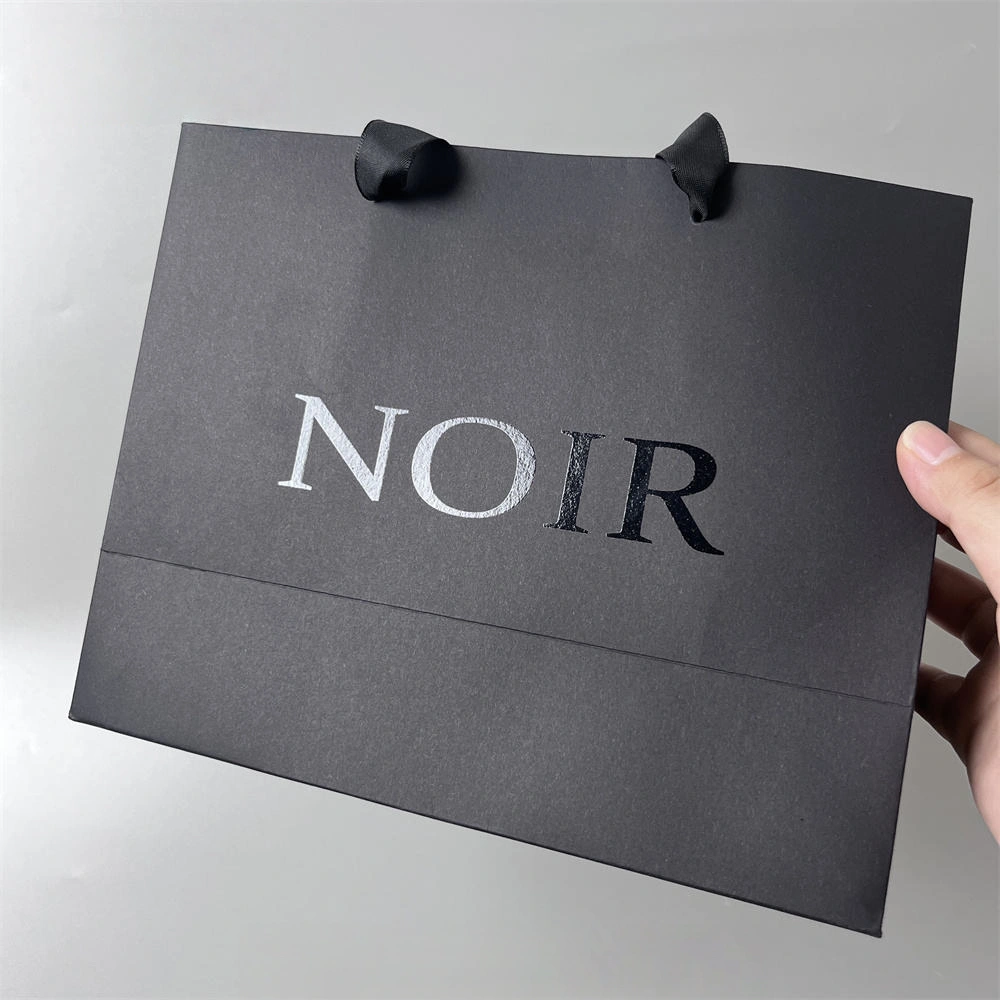
True top-tier luxury never relies on a single technique’s showmanship. Like a symphony, only when all instruments play in perfect harmony can the most moving masterpiece emerge. The fusion of foil stamping, embossing, and UV coating is the “orchestra” of packaging craftsmanship.
Imagined Case: A High-end Perfume Gift Box
- Material: A pearl-finish pure white thick cardstock with a heavy, solid feel.
- Embossing: Brand’s classic vine pattern deeply embossed on the lid as an elegant relief backdrop; logo area recessed flat.
- Foil Stamping: Matte deep rose gold foil precisely stamped on the recessed logo area. The matte gold contrasts with the pearl white base, making the logo like a precious badge embedded with exquisite touch.
- UV Coating: A very thin glossy UV layer covers the foil logo, not changing its matte gold color but creating a sharp, glittering highlight that flows like water as the box rotates.
This packaging ceases to be a “box.” It becomes an artwork combining visual, tactile, and light-shadow experiences. Customers naturally touch, turn, admire, and eagerly share their “unboxing moment” on social media. The packaging itself has elevated from “container” to “word-of-mouth vehicle.”
How to Choose the Right Techniques for Your Brand?
After understanding these techniques’ charms, how do you make wise choices for your brand? Here are key considerations:
- Brand temperament: Is your brand classic luxury (fit for traditional foil + deep embossing), modern minimalism (matte UV + subtle foil), or natural eco-conscious (texture embossing + plain surface)? The techniques must serve the brand personality.
- Budget and costs: These special techniques increase cost and production time with each added step. Finding a balance between luxury effect and production cost is essential.
- Design integration: The goal is to “add the finishing touch,” not “overdo it.” The best design makes techniques and artwork feel naturally inseparable, as if meant to be there.
- Early communication with suppliers: This is critical. Before finalizing designs, consult deeply with your packaging suppliers. Experienced craftsmen can evaluate technical feasibility and suggest even better-looking, cost-saving solutions you might never have considered.
Conclusion: Beyond Packaging, Building a Legend
In today’s fiercely competitive luxury market, Custom packaging is no longer a supporting actor. It is the brand story’s prologue, the emotional trigger for users, and a free billboard in the social media era. Foil stamping, embossing, and UV coating—ancient crafts revitalized by modern technology—shine with new vitality.
Investing in these exquisite techniques is not about superficial glamour but a substantial investment in brand value. It invests in that heartbeat moment at customers’ fingertips, in the exclamation at unboxing, and in the beautiful experience they cherish forever.
When your packaging itself becomes a coveted artwork, what you sell is no longer just a product but a complete, intoxicating legend.