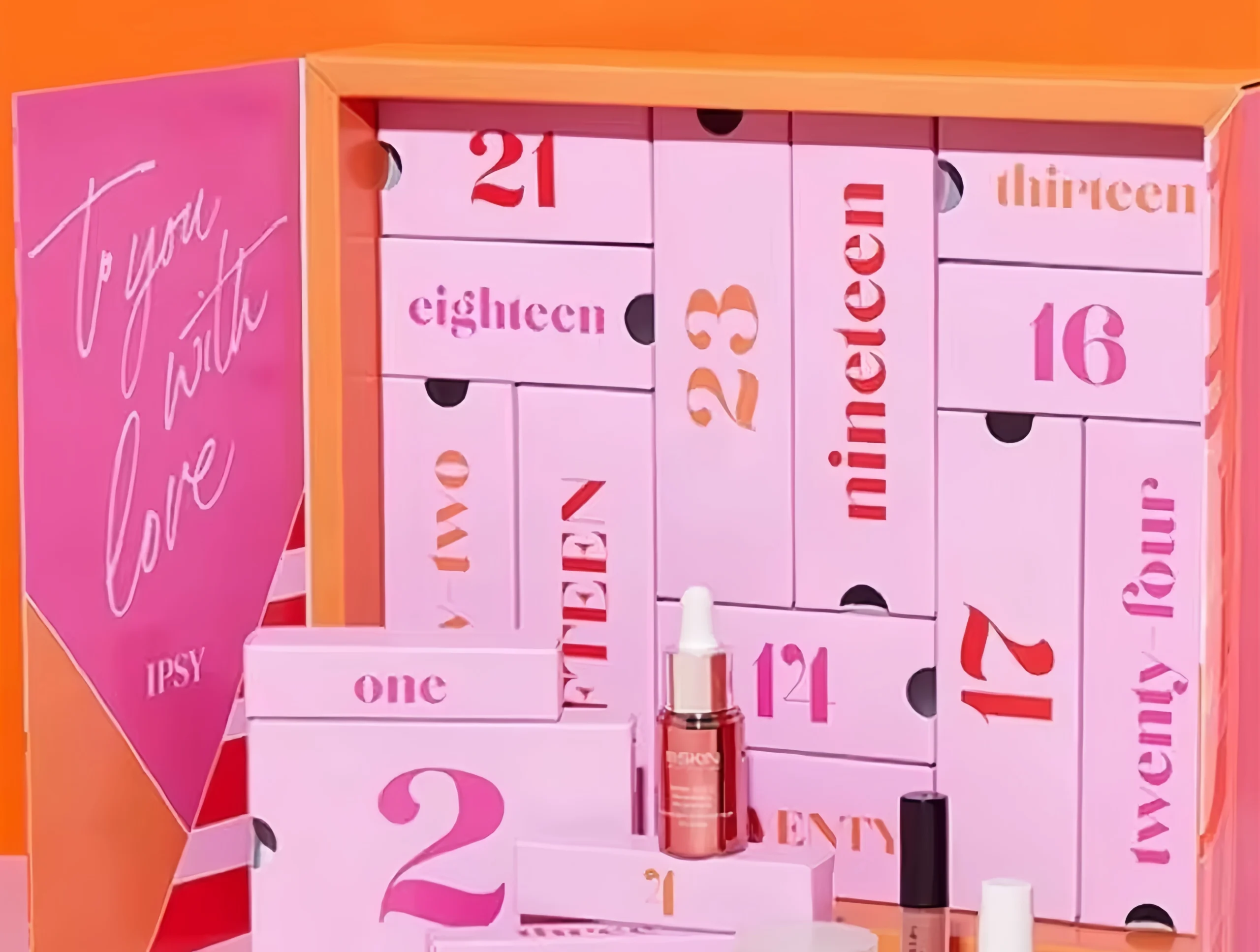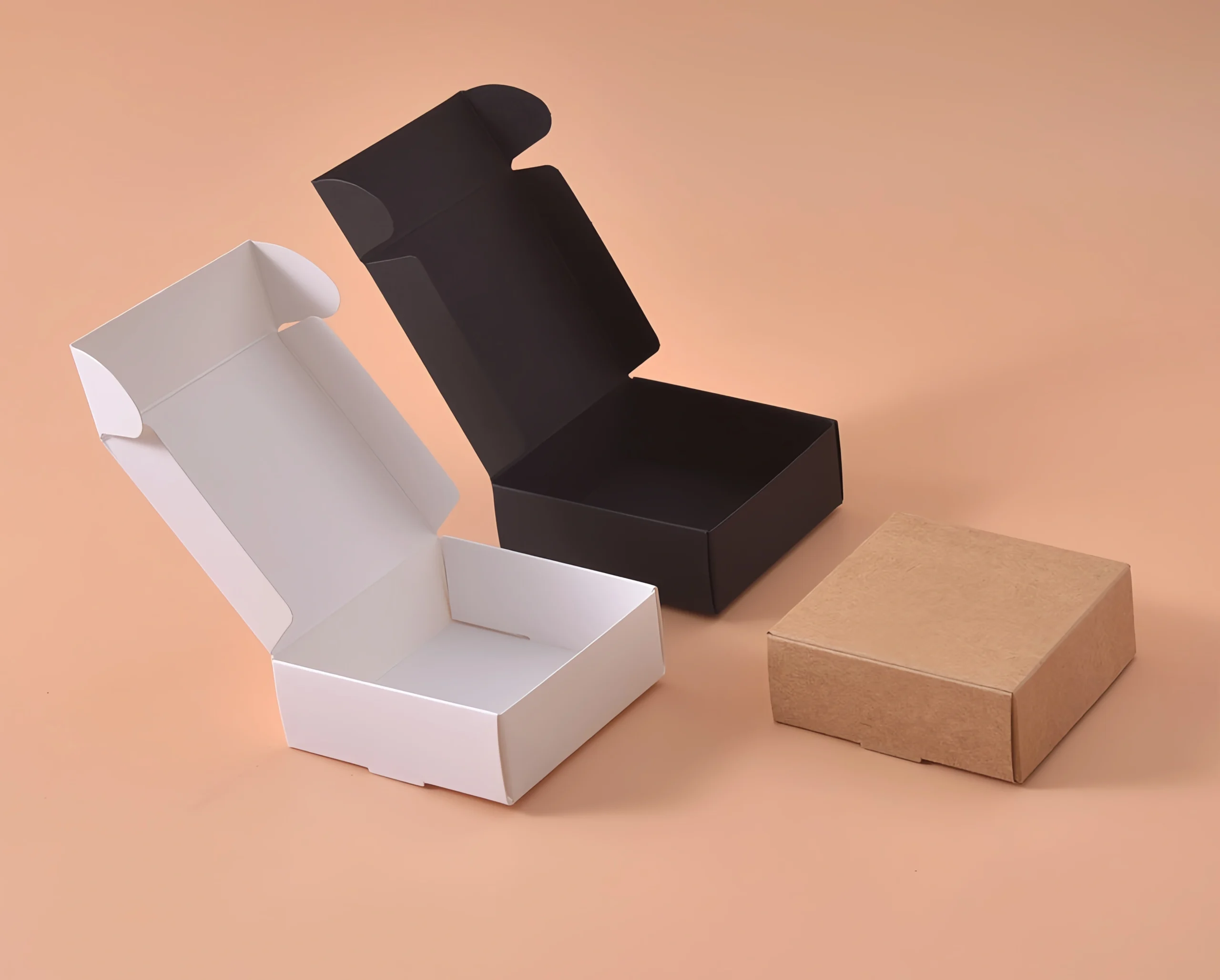
Today, unboxing has become a meaningful part of shopping. The moment your customer receives a parcel, anticipation begins — before they even touch the product. Packaging is the first physical connection with your brand. Its texture, color, and material quietly shape your customer’s first impression.
Among all sustainable materials, kraft paper stands out for its eco-friendliness, strength, and simple yet premium look. However, when it comes time to choose, many brands struggle with one question:
Brown or white kraft paper — which one should we use?
This choice is not just about aesthetics. It’s about what your brand wants to communicate and who you want to attract. The right color tells your brand’s story before a single word is spoken.
Let’s dive deeper into how to choose between brown and white kraft paper — and help your brand find the perfect “outer coat.
What Is the First Feeling You Want Your Packaging to Convey?
Color speaks before your customer even opens the box.
A parcel wrapped in brown kraft paper, tied with twine and sealed with wax, feels natural, handmade, and down-to-earth — perfect for artisanal or outdoor brands.
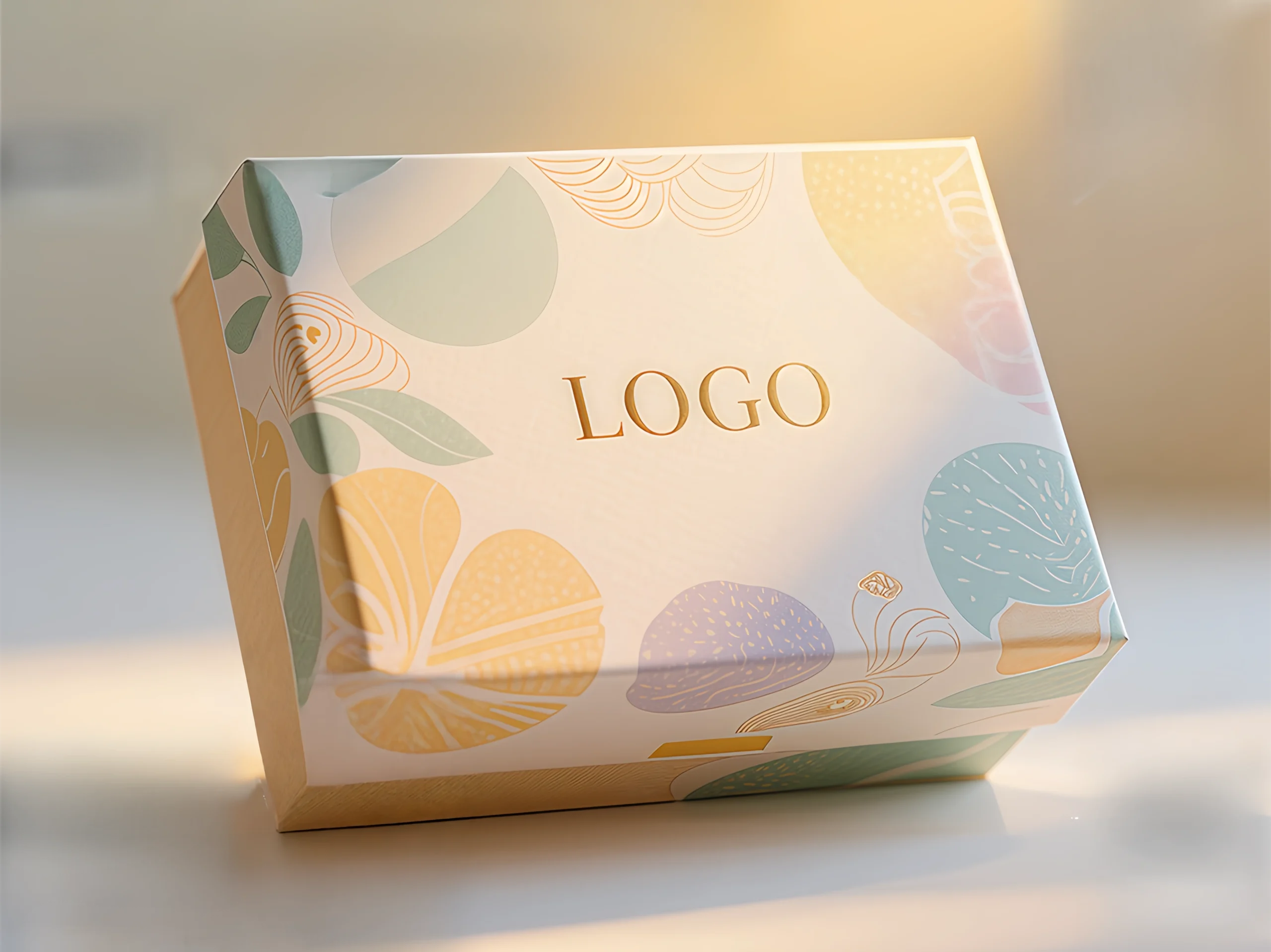
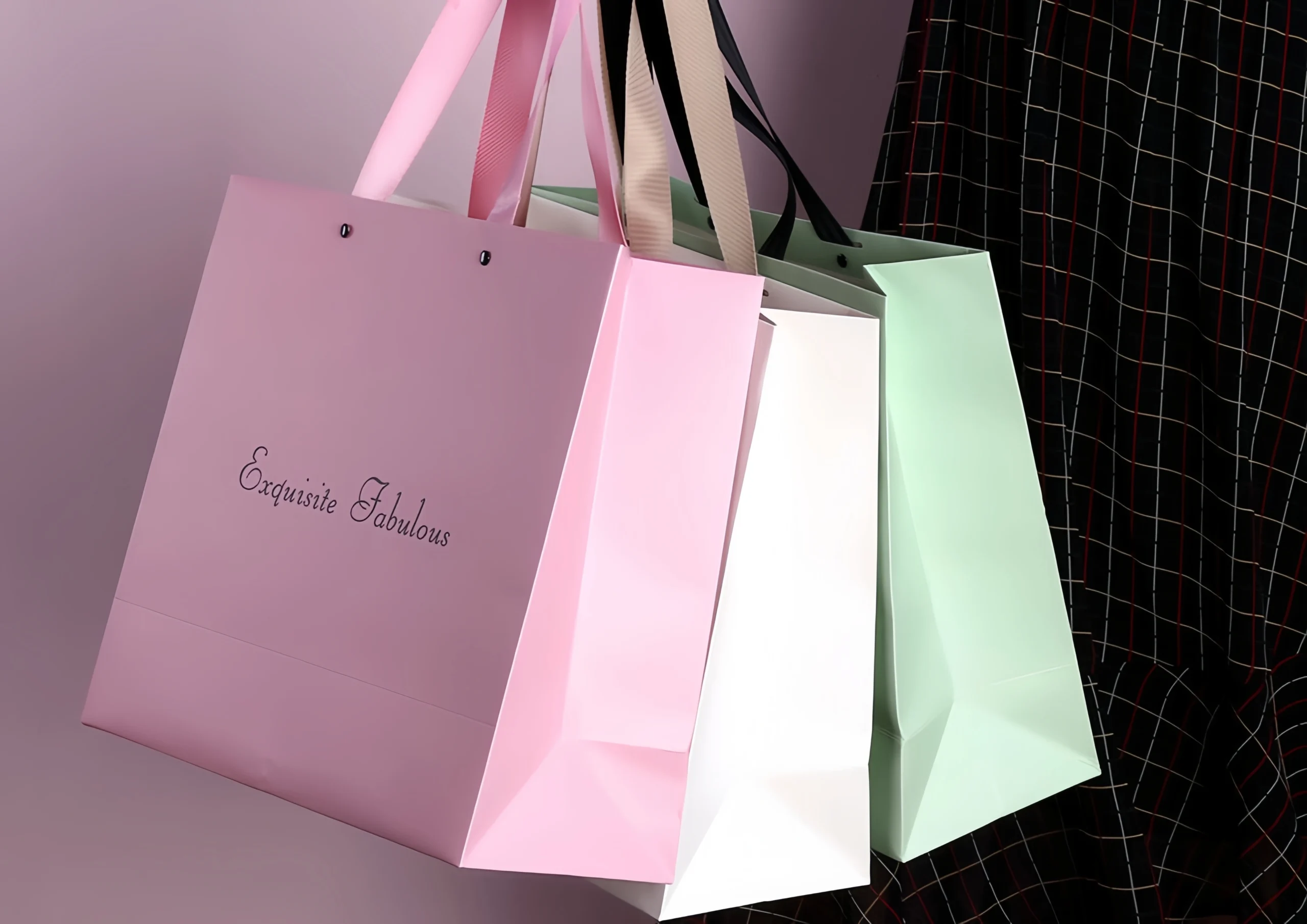
Switch it to white kraft paper with minimalist grey typography and a gold-foil logo, and the feeling changes completely — now it’s modern, clean, and sophisticated, like high-end skincare or a luxury gift.
Before the customer even touches the product, the packaging has already told them who you are.
Ask yourself: Do you want your brand to feel natural and honest, or sleek and elegant?
The answer may lie in whether you choose brown or white kraft paper.
Brown Kraft Paper – The Poet of Nature
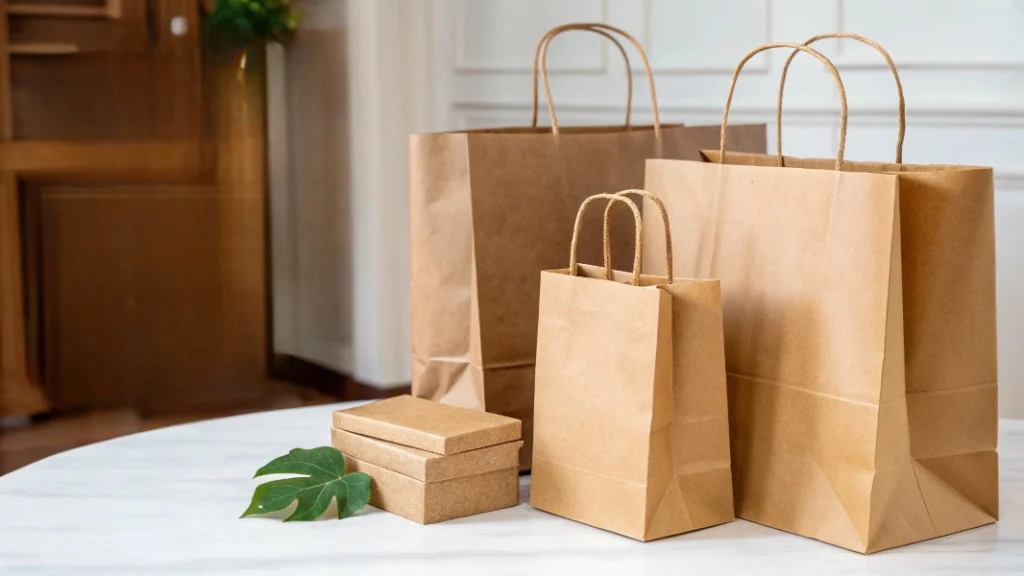
Brown kraft paper looks and feels authentic. It’s unbleached, raw, and natural — quietly saying, “I’m recyclable, biodegradable, and eco-friendly.”
As consumers become more environmentally conscious, this choice reflects shared values. Brown kraft paper signals honesty and sustainability, helping customers trust your brand.
Its slightly rough texture gives it an old-fashioned charm — like vintage grocery bags or handwritten letters. That nostalgic tone is perfect for brands that value craftsmanship and tradition.
Best for:
- Natural or organic products — coffee beans, honey, tea
- Handcrafted goods — soaps, leather items, pottery
- Outdoor & rugged brands — camping gear, gardening tools
- Honest, practical brands — those that emphasize function over flash
Things to Keep in Mind:
Printing limitations:
Bright, full-color printing doesn’t pop as well on dark paper. Brown kraft works best with simple monochrome or spot-color designs.
Avoid looking “cheap”:
Without thoughtful design, it can resemble plain shipping paper. Use quality materials, embossing, or gold foil to enhance refinement.
Distinct style:
Its strong natural tone fits rustic or vintage aesthetics but isn’t ideal for tech, luxury, or playful designs.
White Kraft Paper – Minimalist and Modern
White kraft paper brings a clean, refined, and contemporary feel. It’s like a blank canvas — versatile and elegant, suitable for any design direction.

What story does it tell?
- Modern & minimal: The crisp, neat look speaks to a sleek, design-forward lifestyle.
- Clean & safe: The color white evokes purity and hygiene — perfect for skincare or baby products.
- Elegant & premium: White surfaces beautifully showcase special finishes like hot stamping, embossing, or spot UV, creating a high-end look effortlessly.
Best for:
- Cosmetics & personal care — skincare, fragrance, beauty sets
- Tech & stationery brands — gadgets, journals, accessories
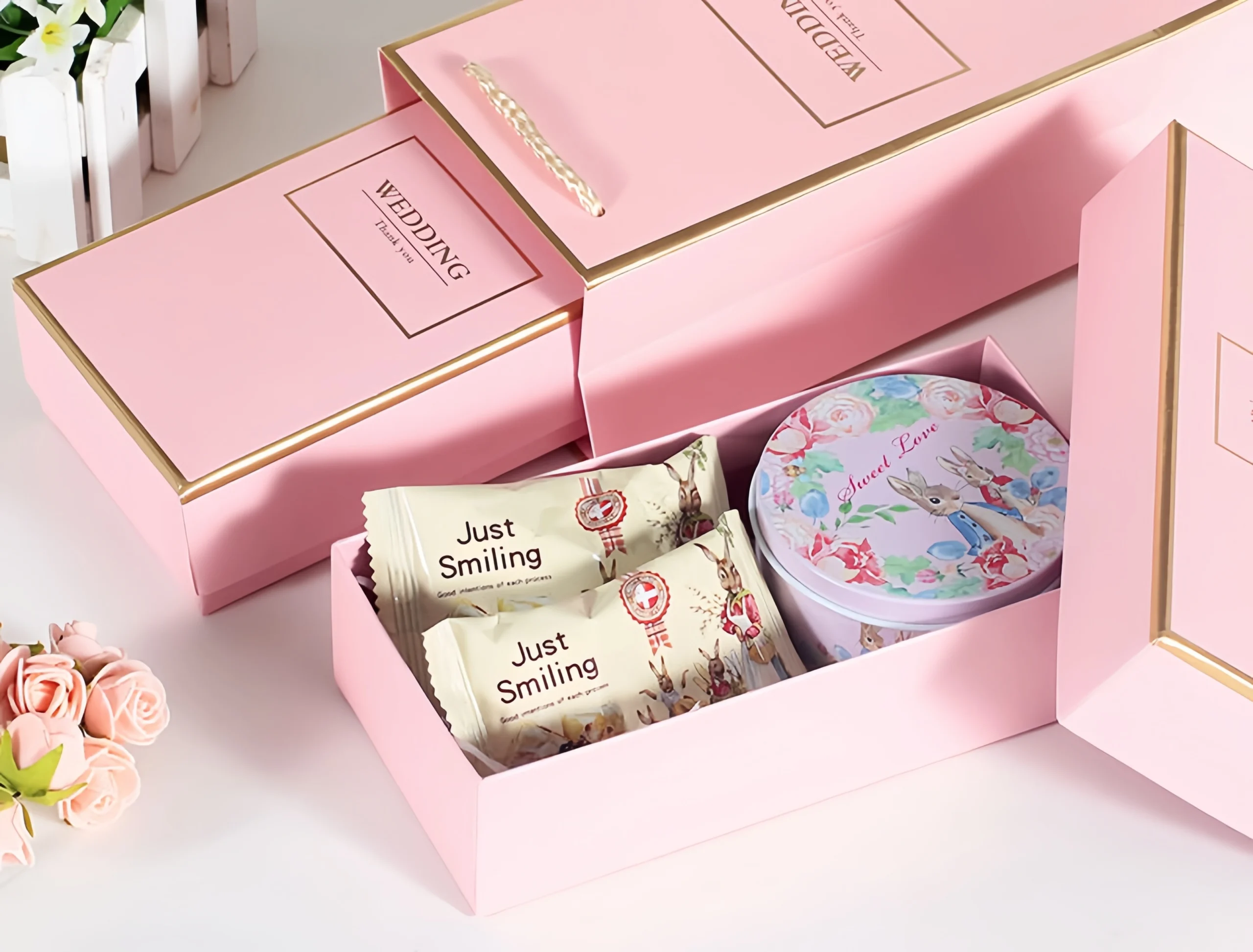
- Wedding & luxury gifts — invitations, chocolates, premium items
- Baked goods & desserts — cakes, pastries, or handmade chocolates
Things to Watch Out For:
Eco concerns:
White kraft paper goes through a bleaching process. Choose chlorine-free bleached or FSC-certified paper to assure eco-conscious buyers.
Easily stained:
White packaging gets dirty more easily during shipping — extra protection may be needed.
Common look:
Minimalist white packaging is popular, so brands need unique details to stand out — like creative textures, embossing, or bold logo placement.

Quick Comparison: Brown vs White Kraft Paper
| Category | Brown Kraft Paper | White Kraft Paper |
|---|---|---|
| Brand Feel | Natural, rustic, honest | Clean, modern, refined |
| Eco Image | ★★★★★ – highly sustainable | ★★★★☆ – sustainable but may require certification |
| Printing | Best for simple, vintage looks | Ideal for vibrant, multi-color designs |
| Cost | Usually lower | Slightly higher due to processing |
| Durability | Hides dirt and scratches well | Requires extra care to stay clean |
| Customer Appeal | Eco-lovers, nature-inspired, handmade brands | Minimalist, lifestyle-focused, design-conscious buyers |
| Premium Feel | Needs enhanced finish to elevate | Naturally looks elegant with foil or embossing |
| Unboxing Emotion | Warmth, nostalgia, trust | Freshness, joy, sophistication |
How to Choose the Right One for Your Brand
Start by asking:
- What message do you want to send?
- Who is your core audience?
- What emotion do you want customers to feel when they open your package?
If your brand stands for authenticity, sustainability, and craftsmanship, brown kraft paper is your match.
If you aim for modern elegance, purity, and sophistication, white kraft paper will highlight that image.
Of course, you don’t have to pick just one.
Try mixing both — a white exterior with brown inner filling for contrast, or a brown box with a clean white label for balance. The combination feels both natural and stylish, giving your packaging a distinctive identity.
Conclusion
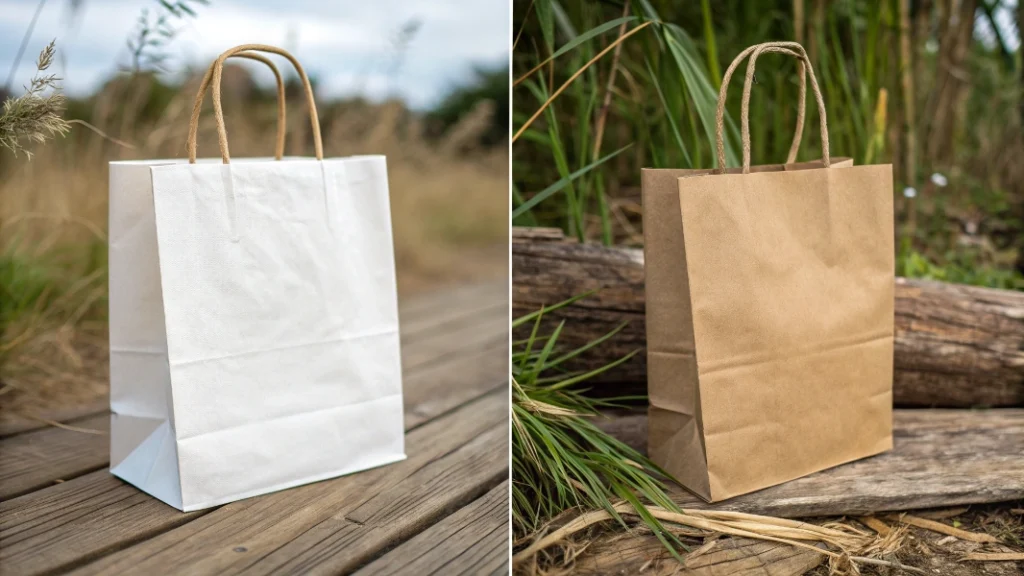
There’s no absolute right or wrong choice between brown and white kraft paper — it’s about what fits your brand best.
Brown kraft paper speaks the language of nature — simple, honest, and sustainable.
White kraft paper conveys sophistication — clean, elegant, and modern.
Touch both materials in person. Feel their textures, see their tones under natural light, and trust your instincts.When you find the one that makes you think, “Yes, this feels like us,” — you’ve found the perfect match.Because great packaging doesn’t just hold a product — it tells your brand’s story before a single word is read.