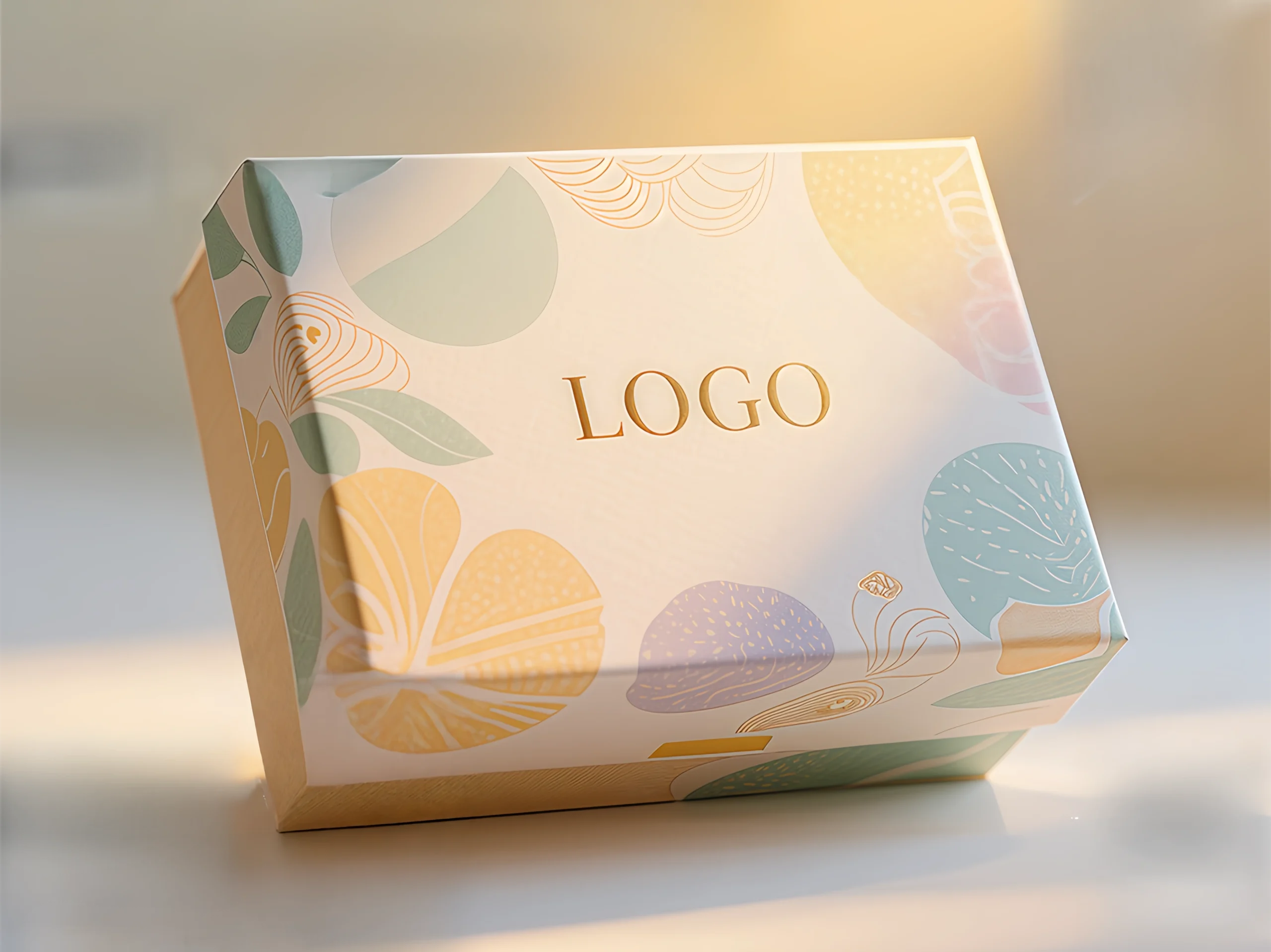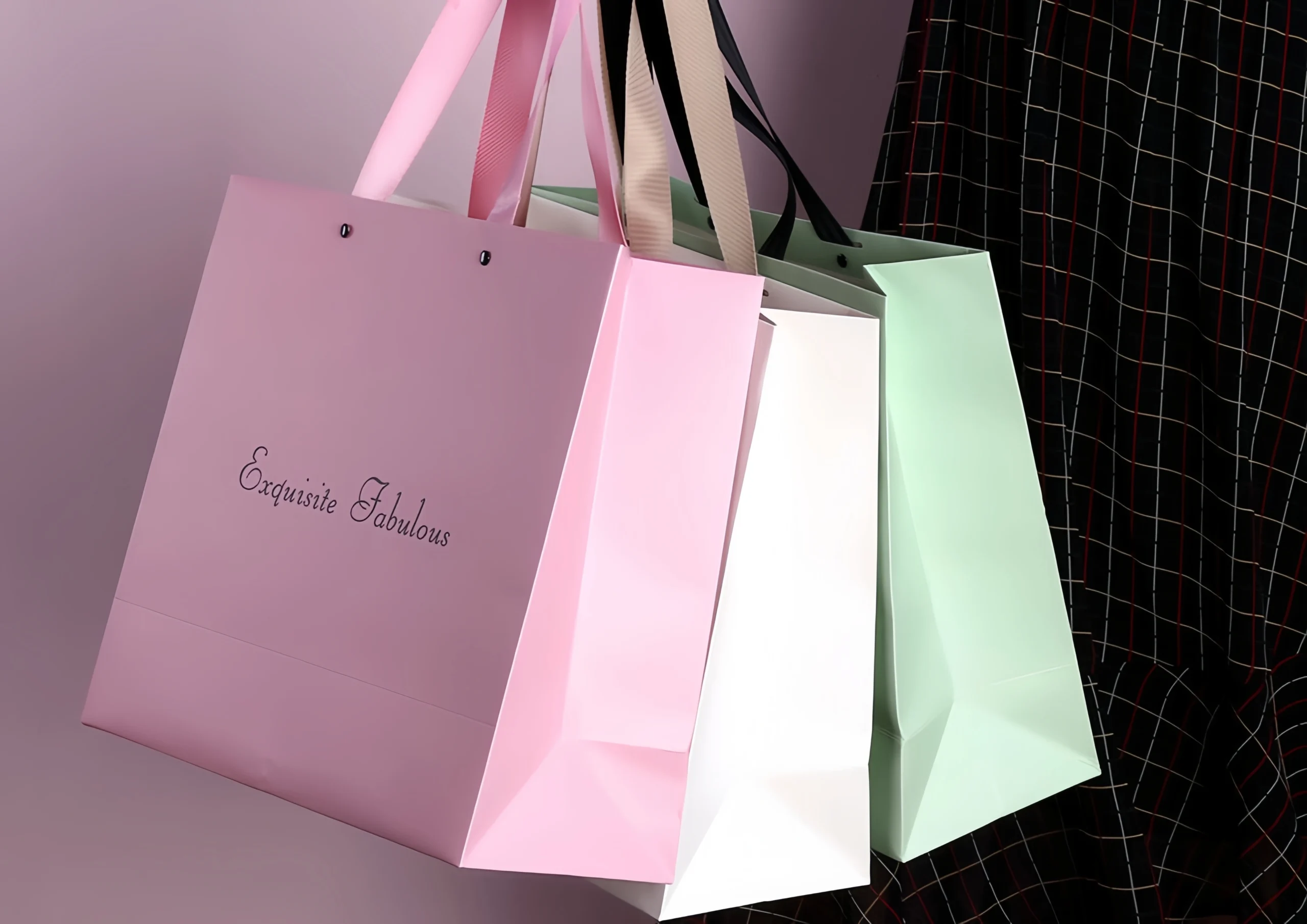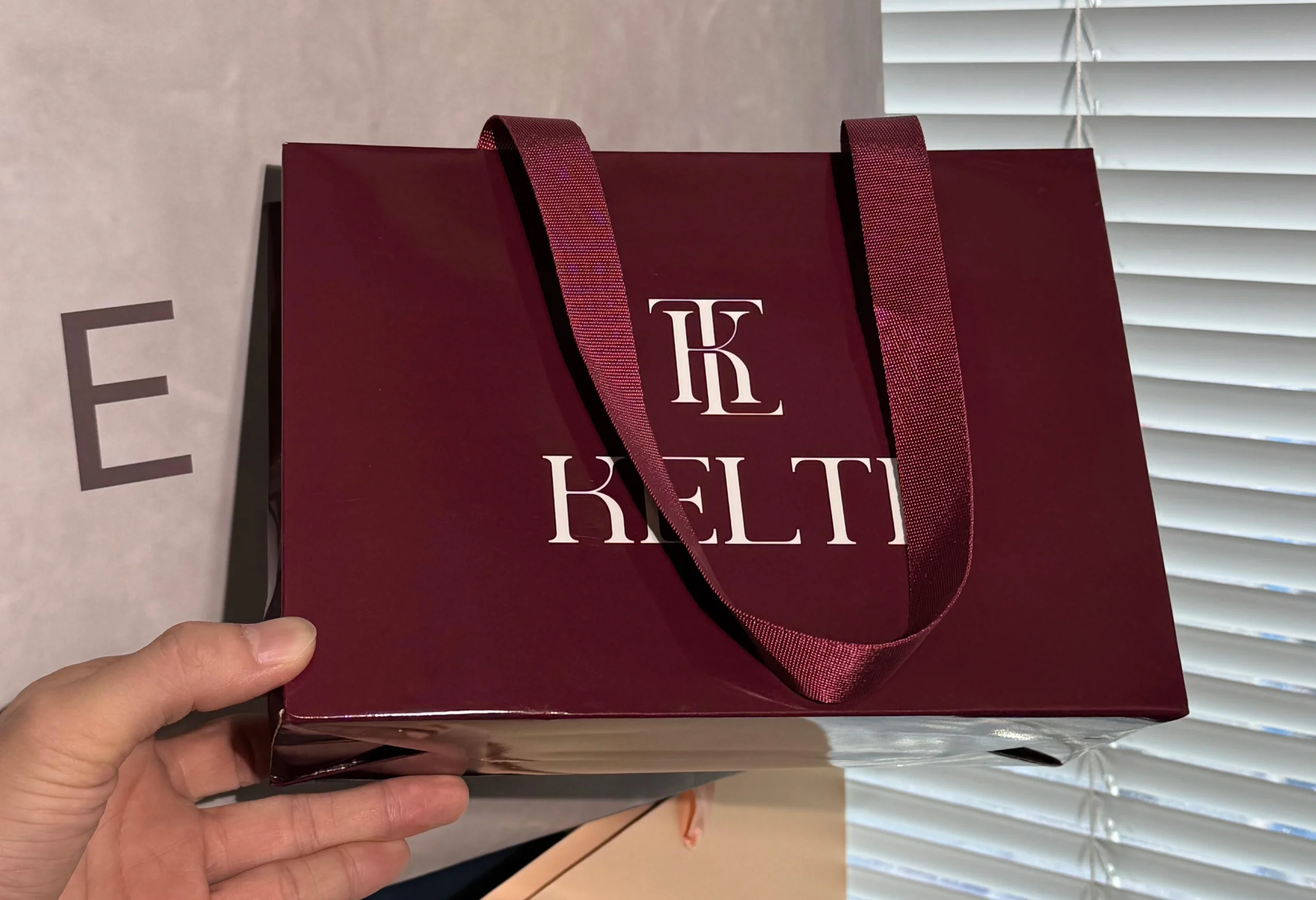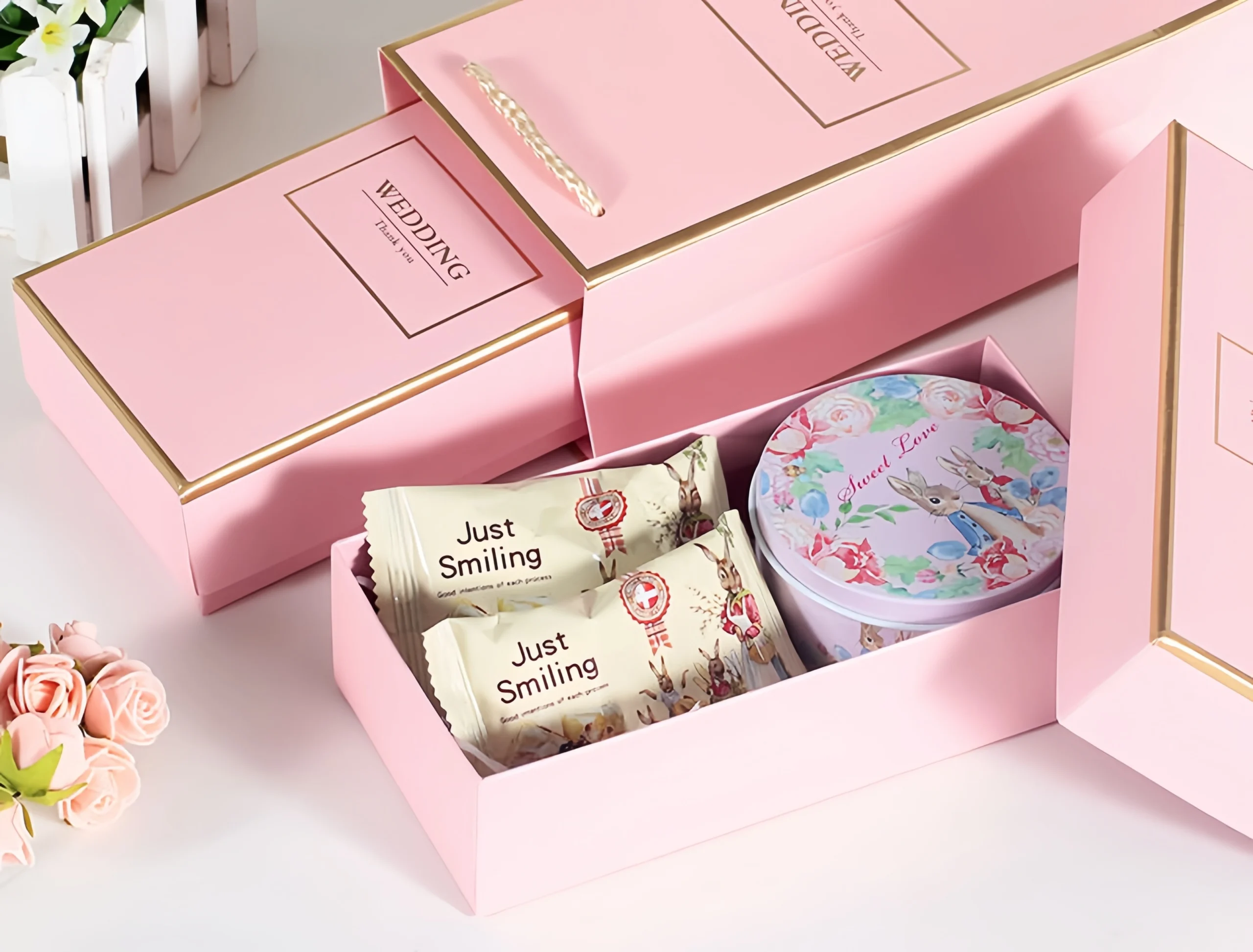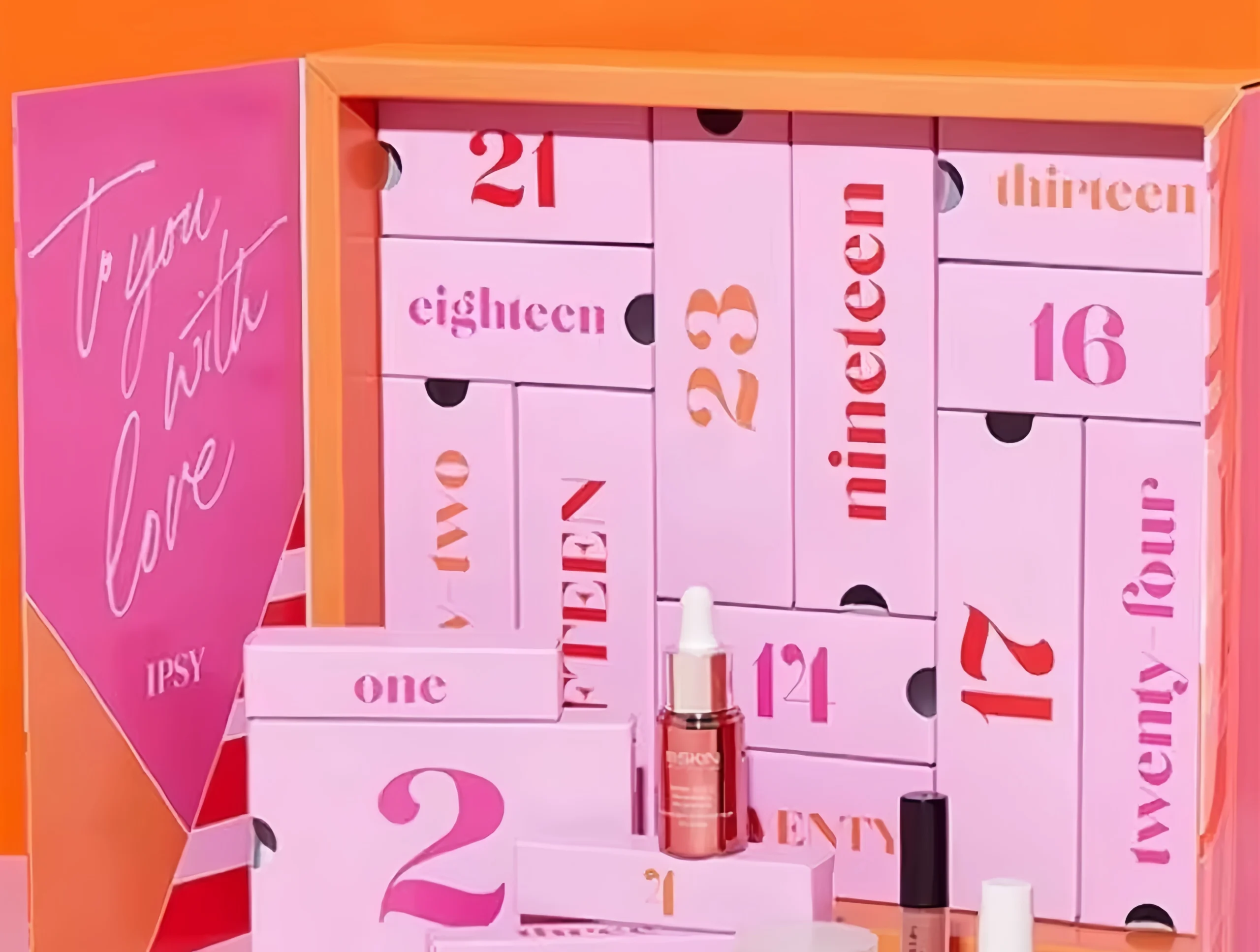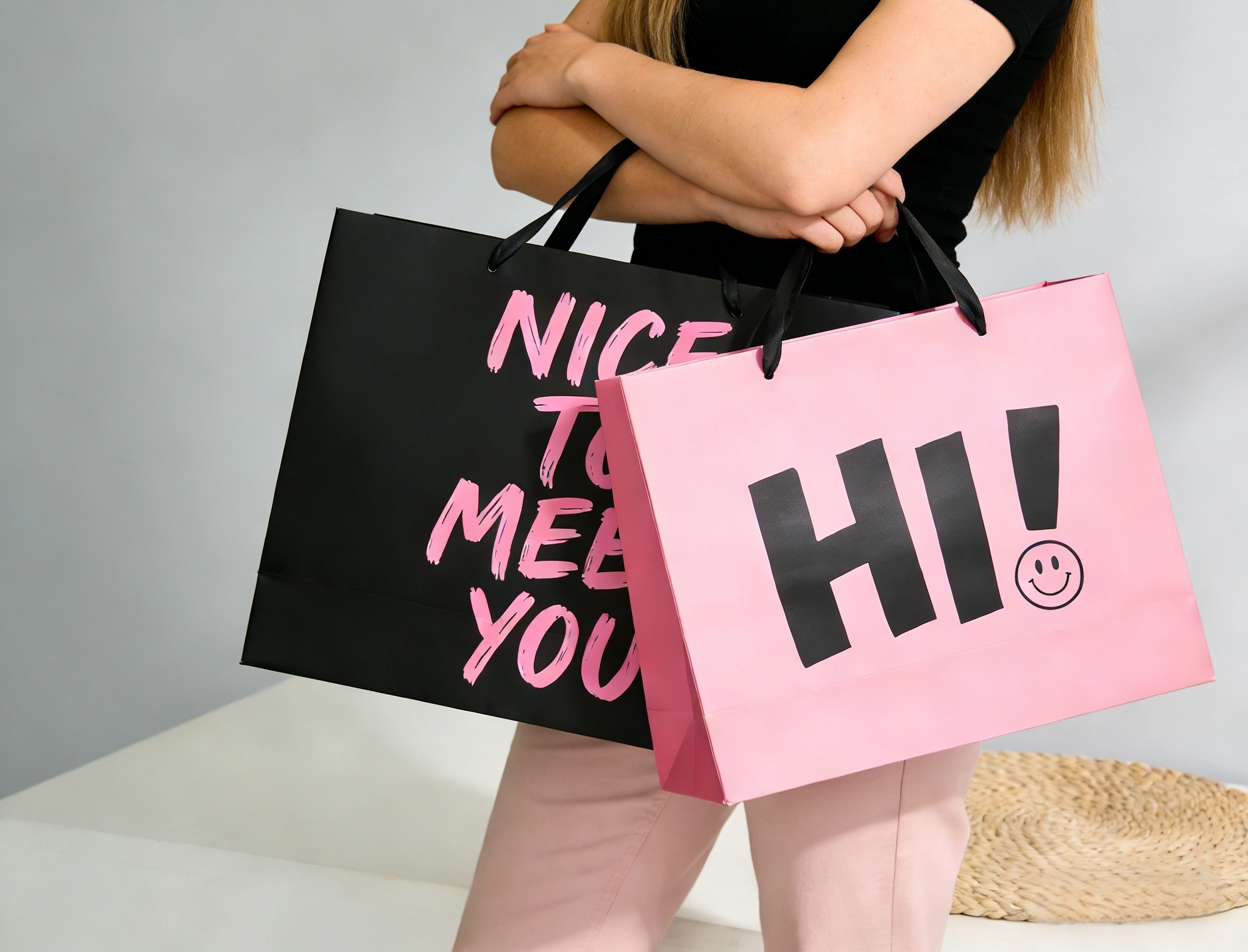
Have you noticed that online shopping is no longer just about buying things? The moment you open a package, you can feel the little touches and surprises a brand puts in. By 2026, this unboxing experience has become even more important—because just having low prices and good products isn’t enough anymore. Customers care about the whole shopping experience, and packaging is often the first impression they get of a brand.
Imagine receiving a beautifully designed package: the box is carefully made, and opening it reveals small, thoughtful details. Wouldn’t you feel that the brand really cares about you and understands you? On the other hand, if the packaging is sloppy or the product gets damaged during shipping, it can seriously affect your mood and leave a negative impression of the brand.
That’s why in 2026, e-commerce brands need to focus on a few key things with their packaging: make it practical and convenient (protect the product and make it easy to open or reuse), cost-effective (smart material, printing, and structure choices), eco-friendly (recyclable, biodegradable, or reusable materials), and expressive of the brand personality (unique designs, colors, logos, or small surprises). Thoughtful packaging isn’t just about wrapping the product—it’s a bridge to connect with customers, make them happy, encourage repeat purchases, and help the brand stand out in a crowded market.

Why Packaging Is More Important Than Ever for E-commerce Brands
In traditional physical stores, customers can see, touch, and even try out products before making a purchase, giving them a direct sense of the product’s quality and design. In e-commerce, however, customers can only view products on a screen, and it’s not until the package arrives at their doorstep that they truly “see” the product. This is why packaging has become more important than ever—it now plays multiple key roles.
First, packaging must protect the product. E-commerce items often go through long-distance shipping and multiple handling stages, including sorting, transport, and delivery. Without proper packaging, products can easily get scratched, bent, or damaged. This not only disappoints customers but can also lead to returns, adding extra costs and complications for the brand.
Second, packaging helps reduce returns and complaints. Everyone knows that handling returns and after-sales issues takes time and can hurt a brand’s reputation. Many e-commerce brands have realized that, in the long run, investing in stronger and safer packaging is more cost-effective than dealing with frequent returns and complaints. In other words, good packaging acts as a proactive “protection measure,” safeguarding both the product and the brand’s image.
Third, packaging is a powerful tool for building brand recognition. Custom packaging featuring a brand’s logo, signature colors, or thoughtful details helps customers remember the brand. Over time, these small impressions accumulate, fostering trust and customer loyalty.
Finally, packaging has a direct impact on the unboxing experience. By 2026, more and more customers enjoy sharing their unboxing moments on social media. Thoughtfully designed packaging not only delights customers but can also encourage user-generated content, naturally promote the brand, and boost repeat purchases. Beautiful and unique packaging, in this sense, becomes almost a free marketing tool.
In short, packaging is no longer just about “holding the product.” In e-commerce, it has become a crucial element for protecting products, reducing risk, conveying brand value, and creating a memorable customer experience. For e-commerce brands, putting care into every package allows customers to feel the brand’s sincerity the moment they receive it, helping the brand stand out in a highly competitive market.

Best Packaging Ideas for E-commerce Brands in 2026
As e-commerce continues to grow, packaging is no longer just a way to protect products. It has become an important tool for brands to communicate with customers and enhance the overall shopping experience. By 2026, smart e-commerce brands will focus on packaging that not only keeps products safe but also makes customers fall in love with the brand. Here are some practical and popular packaging ideas.
Custom Mailer Boxes for Strong Brand Identity
Custom mailer boxes are still one of the most popular packaging solutions for e-commerce brands. They are commonly used by DTC brands, subscription box companies, and online retailers.
Mailer boxes are lightweight, durable, and easy to assemble. They protect products during shipping while keeping costs relatively low. More importantly, they offer a large surface area for branding, which helps your brand stand out.
In 2026, many e-commerce brands choose custom-printed mailer boxes with:
Brand logos
Unique brand colors
Short and memorable slogans
Surprise elements inside the box
With this kind of packaging, customers feel the brand’s thoughtfulness the moment they open the package, leaving a lasting impression and reinforcing brand identity.

Sustainable and Eco-Friendly Packaging Solutions
Sustainability is no longer just a trend; it’s an expectation. By 2026, more customers will actively choose brands that care about the environment. Using eco-friendly packaging has therefore become an essential strategy for e-commerce brands.
Common eco-friendly options include:
Recyclable corrugated boxes
Kraft paper packaging
FSC-certified paper materials
Plastic-free packaging solutions
Many brands also reduce unnecessary packaging layers and replace plastic fillers with paper alternatives.
Using sustainable packaging not only helps the environment but also improves brand image. Customers are more likely to trust and support brands that align with their values.
Minimalist Packaging Design That Feels Premium
Minimalist packaging continues to be a strong choice in 2026. Simple, clean designs often feel premium and professional, making them popular among beauty, fashion, and lifestyle brands.
Typical minimalist packaging features:
Neutral colors
Clean typography
Minimal printing
Simple brand logos
This approach not only looks modern but also reduces printing costs and material waste. For many brands, minimalist packaging is a smart balance between aesthetics and budget. Customers often associate clean, simple packaging with quality and reliability, making it a very effective choice for building a professional brand image.

Protective Inner Packaging to Prevent Damage
Even a strong outer box can’t fully protect products without proper internal packaging.
In 2026, more brands are investing in custom inner packaging, such as:
Corrugated paper inserts
Molded pulp trays
Custom cardboard dividers
These solutions keep products stable during transportation and prevent them from moving inside the box. Compared to plastic foam, paper-based inserts are more environmentally friendly and easier to recycle.
Using protective inner packaging helps reduce customer complaints, returns, and replacement costs, making it a worthwhile investment for brands.
Smart Packaging Sizes to Reduce Shipping Costs
With shipping costs rising, optimizing package size is more important than ever. Smart packaging in 2026 means choosing boxes that fit products closely.
Oversized packaging can lead to:
Higher shipping fees
More filler material
Greater environmental impact
Custom-sized packaging allows brands to:
Reduce dimensional weight charges
Improve packing efficiency
Lower overall logistics costs
Many brands now work with packaging suppliers to create multiple box sizes to match their product range instead of using one-size-fits-all boxes. This not only saves money but also makes packaging look more professional.
Branded Inserts to Enhance the Unboxing Experience
Small details can make a big difference. Adding branded inserts to your packaging is a simple and effective way to enhance the unboxing experience.
Common insert ideas include:
Thank-you cards
Brand story cards
Discount codes for future purchases
Care instructions or usage tips
These inserts help build an emotional connection with customers and encourage repeat purchases. In 2026, many brands also use inserts to guide customers to social media pages or loyalty programs.
Branded inserts are cost-effective, flexible, and easy to update for different campaigns, making them a powerful tool to improve the customer experience.

Packaging Designed for Easy Returns
Returns are a natural part of e-commerce. Instead of avoiding them, smart brands design packaging that makes returns easier for customers.
Easy-return packaging features include:
Tear strips or easy-open designs
Reusable boxes
Double-sided adhesive strips for resealing
Customers appreciate hassle-free returns, and positive return experiences often increase trust in the brand. By 2026, the overall customer experience is just as important as the product itself, making easy-return packaging a key factor in maintaining brand loyalty.
In summary, by 2026, e-commerce packaging is more than just a way to protect products. It is a crucial part of enhancing brand image, reducing costs, and improving customer experience. From custom mailer boxes and eco-friendly materials to minimalist design, protective inner packaging, and easy-return solutions, every detail shows that a brand cares. Thoughtful packaging helps customers feel valued and allows brands to stand out in a competitive market.
Packaging Trends E-commerce Brands Should Focus on in 2026
As e-commerce continues to grow, packaging is no longer just a way to “wrap” products. By 2026, several trends are shaping the industry, and smart e-commerce brands will pay attention to these trends to enhance customer experience and strengthen their brand.
Sustainability has become a major factor in customers’ purchasing decisions. More and more shoppers in 2026 are choosing brands that care about the environment. Many e-commerce brands are placing sustainability at the core of their packaging strategy, using recyclable materials, reducing plastic, choosing biodegradable options, and cutting unnecessary packaging layers. These efforts not only help the planet but also show customers that the brand is responsible, increasing trust and loyalty.
Packaging waste has long been an environmental concern. The 2026 trend is toward streamlined packaging, reducing extra filler materials and unnecessary layers. Using boxes that fit products precisely, replacing plastic foam with paper alternatives, or optimizing design to use fewer materials overall not only cuts costs but also makes customers feel that the brand is thoughtful and professional.
With the growth of e-commerce, brands are handling a wide range of products and order sizes. A 2026 trend is custom packaging for small and medium-sized orders. These boxes can be designed to fit product sizes and quantities, saving shipping space and improving packing efficiency. Personalized packaging also enhances the unboxing experience, showing customers that the brand pays attention to details.
Cross-border e-commerce continues to grow, and international shipping often involves long distances, multiple handling stages, and different logistics standards. Packaging designed specifically for cross-border shipping is extremely important. Brands need durable, lightweight boxes that protect products while meeting international regulations. This reduces damage, minimizes returns, and ensures the brand maintains a strong reputation globally.
Many e-commerce brands sell not only online but also through physical stores or offline experiences. A 2026 trend is packaging that supports both online and offline sales. Attractive, reusable boxes can protect products during shipping while also being displayed in stores or given as gifts, extending the brand’s value beyond online channels.
Choosing the right packaging isn’t just about picking a box—it requires balancing multiple factors, including product size, shipping method, brand positioning, budget, order volume, and sustainability goals. There’s no one-size-fits-all solution. Working with experienced packaging suppliers can help e-commerce brands find the best packaging that protects products, reinforces the brand, reduces costs, and aligns with eco-friendly practices, making the brand look professional and customer-focused in 2026.

Conclusion: Future-Proof Your E-commerce Packaging in 2026
By 2026, packaging is no longer just a way to deliver products from one place to another. It has become an essential part of the overall brand experience. When customers receive a package, it’s often the first physical interaction they have with your brand, and the impression your packaging creates can influence how they feel about your products and your business.
The best packaging ideas for e-commerce brands focus on several key areas. First, product protection is still fundamental. Well-designed packaging keeps items safe during shipping, reduces damage, and prevents unnecessary returns. Second, sustainability has become a top priority for many customers, and using eco-friendly materials can show that your brand cares about the environment. Third, packaging must be cost-effective—you want something that protects your products and looks great without blowing your budget. Finally, customer satisfaction is closely tied to the unboxing experience. Thoughtful packaging, little surprises, or branded inserts can make customers feel valued and create a lasting positive impression.
Investing in custom, well-designed packaging has many benefits. It not only reduces product damage and shipping issues but also helps build brand recognition. A unique box, a well-chosen color palette, or an engaging unboxing experience can make your brand memorable. Over time, these small details help customers remember your brand and even encourage them to share their experience with friends or on social media, which gives you free marketing exposure.
No matter what stage your business is in—whether you are a growing online store or a large, established global brand—choosing the right packaging today can have long-term benefits. Smart packaging decisions now will future-proof your business, helping you stand out in a crowded market, build trust with customers, and keep them coming back for more.
In short, packaging in 2026 is more than just boxes and tape—it’s a tool to protect your products, tell your brand story, and create an experience your customers will love. Investing in packaging that works for your products and your brand can make a real difference for your business, both now and in the years to come.