You’re getting ready to pack, ship a product, or design your packaging. In your search, you’ve undoubtedly come across the terms “cardboard box” and “corrugated box.” Many people use these words interchangeably, assuming they mean the same thing. But this is a common misconception!
In reality, all corrugated boxes are made of cardboard, but not all cardboard boxes are corrugated. Choosing the wrong type can lead to damaged products during shipping, blown-out budgets, or a poor customer experience.
So, which one do you actually need? This guide will break down the key differences in detail, empowering you to make the smartest choice for your next packaging project.

The Core Difference: Anatomy
The distinction all comes down to their materials and construction.
1. Cardboard Box
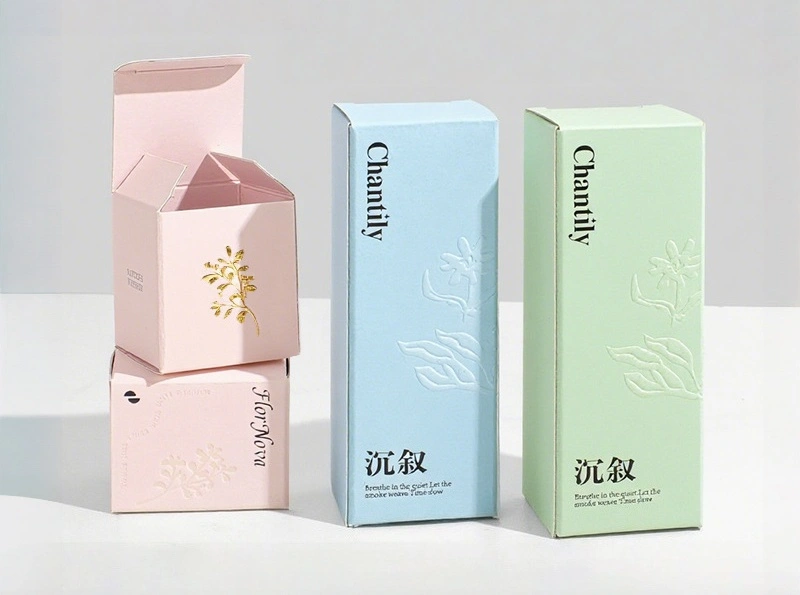
- What is it? “Cardboard” is a broad, general term often used to describe any heavy, stiff paper-based material. In everyday language, when people say “cardboard box,” they are often referring to what is more accurately called a paperboard box or chipboard box.
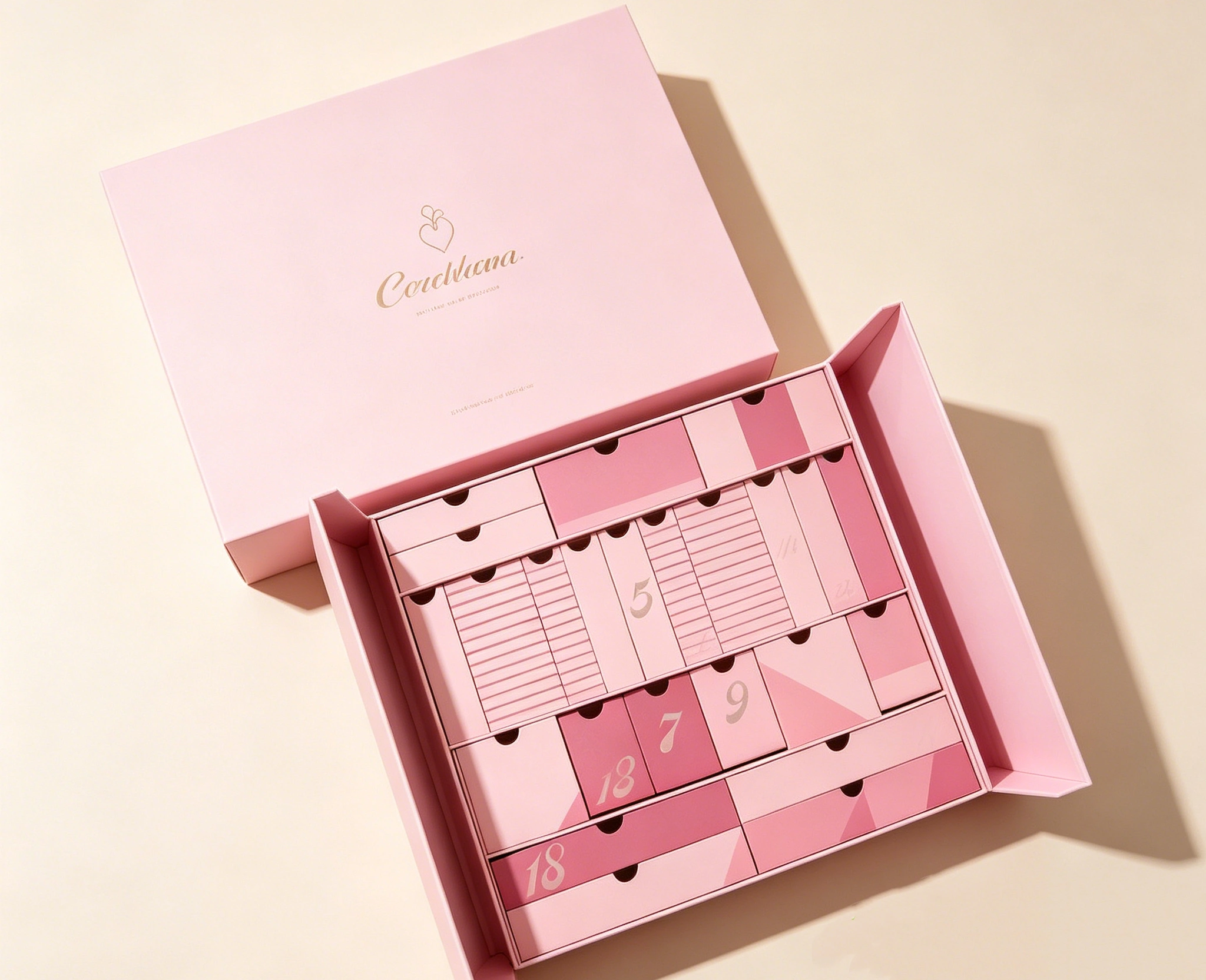
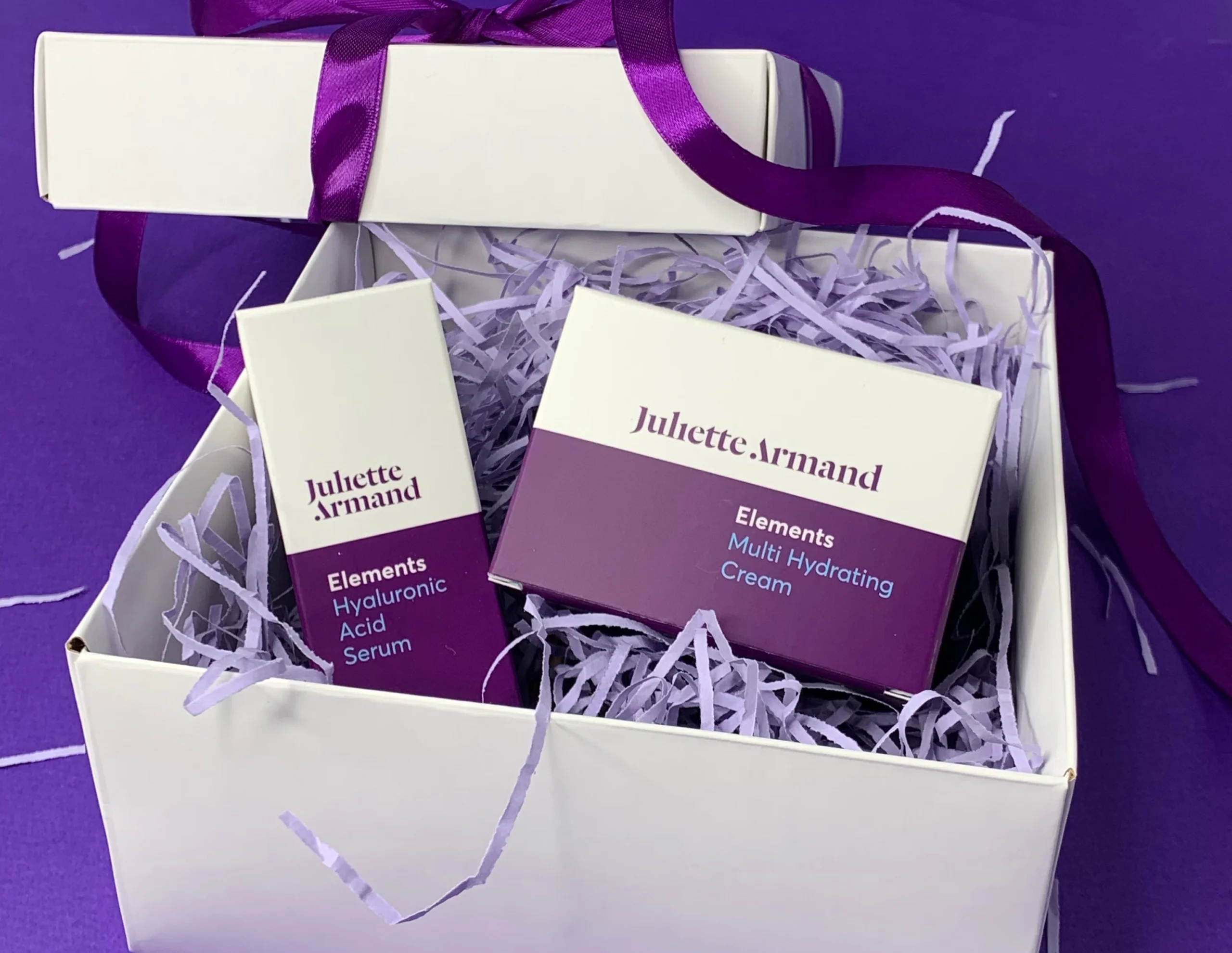
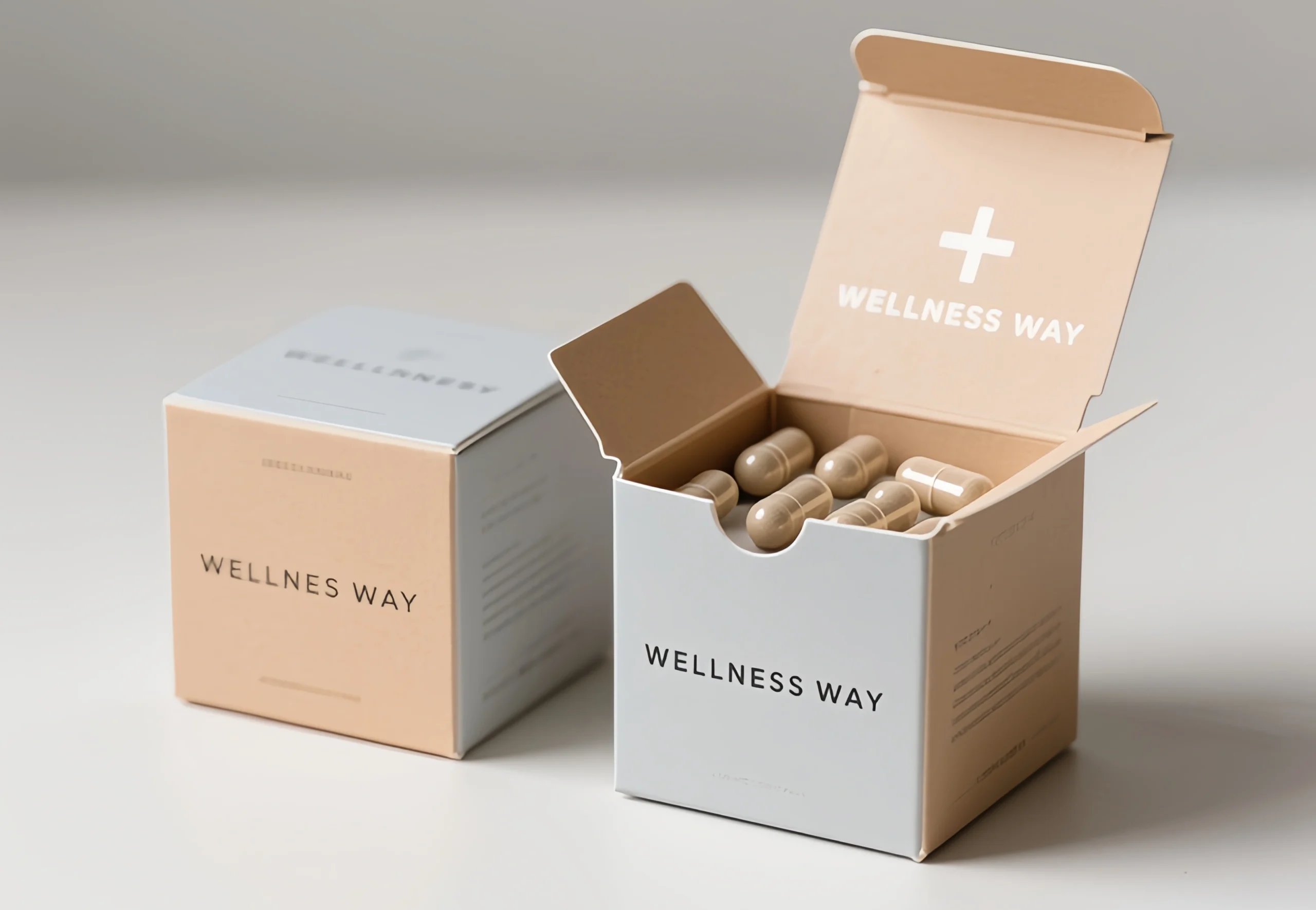
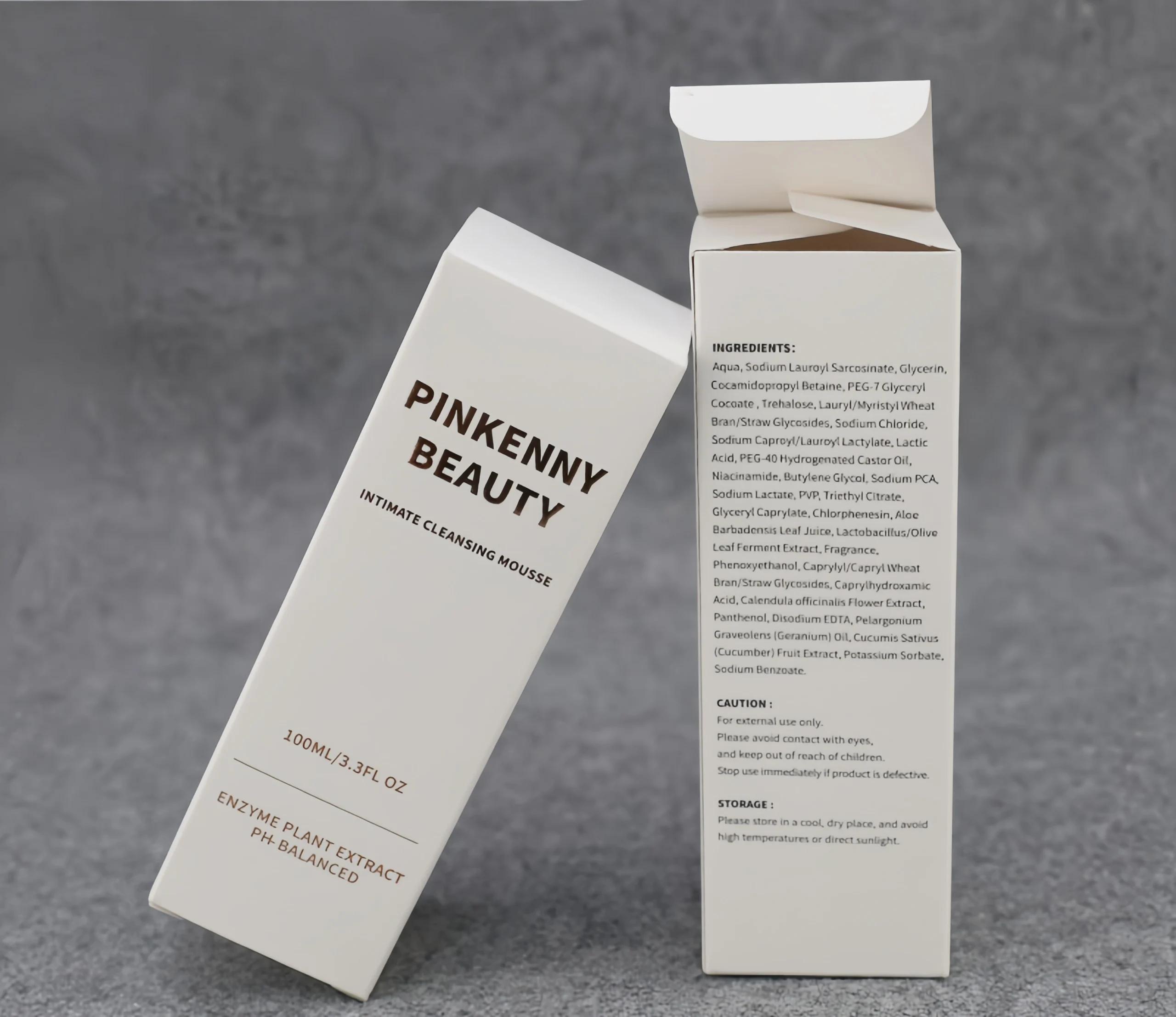
- Material & Structure: It is made from a single layer of thick, dense paper pulp, pressed flat. There is no fluted inner layer. Think of a cereal box, a toy box, a shoe box, or a fancy gift box. They have a relatively smooth surface, perfect for high-quality printing.
- Pros:
- Excellent Aesthetics: Smooth surface ideal for high-quality printing, providing superior brand presentation and unboxing experience.
- Lightweight: The single-ply construction makes it very light.
- Easy to Assemble: Many are pre-formed and don’t require complex folding.
- Cons:
- Poor Protection & Cushioning: Lacks internal support, making it easy to bend, crush, or dent. It offers very little shock absorption.
- Low Weight Capacity: Only suitable for very light items.
2. Corrugated Box
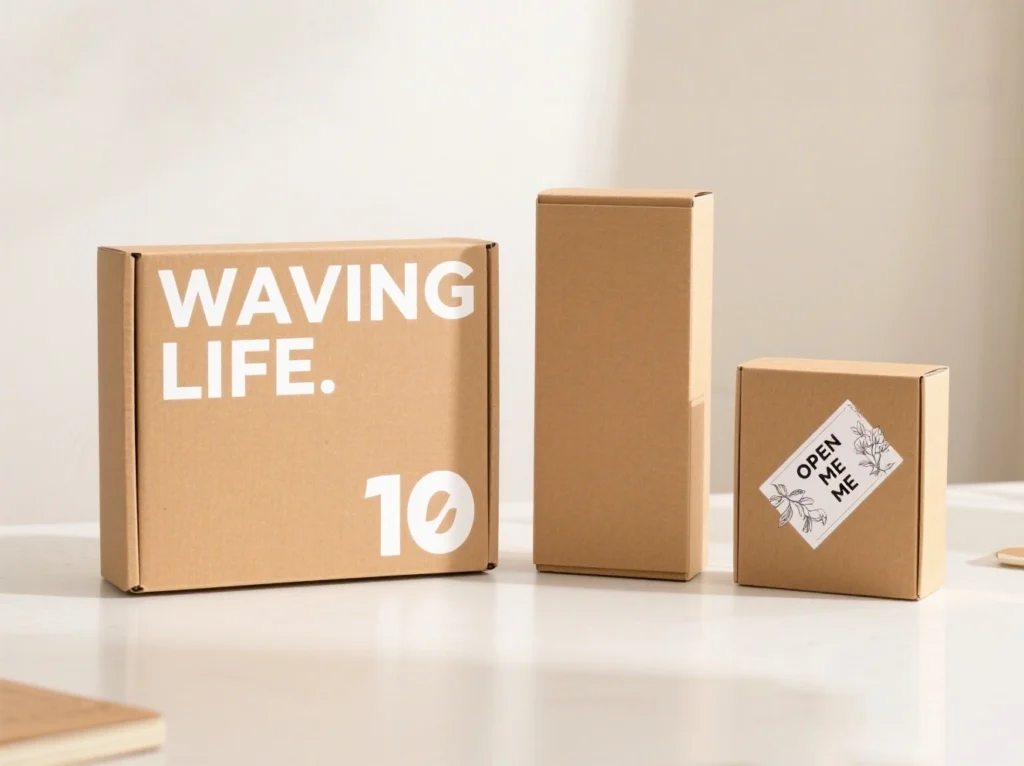
- What is it? This is the true workhorse of the shipping, moving, and logistics industry. Almost every mailer box you receive is a corrugated box.
- Material & Structure: It is made from multiple layers of material glued together. Its core is the fluted medium—a wavy, arched paper layer—sandwiched between two flat liners (the outer and inner walls). This “sandwich” structure gives it incredible strength.
- Flute Types: The arches come in different sizes and densities, such as A-flute (thickest), B-flute (densest), C-flute (all-purpose), and E-flute (micro-flute, feels like thick paper), allowing for customization based on strength and printing needs.
- Pros:
- Superior Strength & Durability: The arched flutes create a rigid structure that distributes force evenly, providing excellent resistance to crushing, impacts, and punctures.
- Excellent Cushioning: The air circulating in the flutes acts as a buffer, making it ideal for protecting fragile, delicate, or valuable items.
- High Weight Capacity: A well-designed corrugated box can hold dozens of kilograms.
- Highly Customizable: They are shipped and stored flat, saving massive amounts of space. They can be custom-ordered in virtually any size, strength, and style.
- Cons:
- Rougher Aesthetics: While printing technology has advanced, the surface is not as inherently smooth as paperboard, and high-detail graphics may not print as crisply.
- Heavier: The multi-ply construction adds weight.
How to Choose? A Quick-Reference Chart
| Feature | Cardboard Box (Paperboard) | Corrugated Box |
|---|---|---|
| Structure | Single, flat layer of thick paper | Multi-layered (liner-flute-liner) |
| Best For | Retail packaging, gift boxes, consumer product boxes (e.g., electronics, cosmetics), display boxes | Shipping, moving boxes,mailer boxes, storage |
| Strength/Durability | Low | High |
| Cushioning/Protection | Poor | Excellent |
| Weight Capacity | Low (a few pounds/kilograms at most) | High (can hold dozens of lbs/kgs) |
| Printing & Appearance | Excellent, smooth, perfect for high-quality graphics | Good, but texture is visible; best for logos and simple info |
| Cost | Higher (especially for small runs) | Lower (highly cost-effective in bulk) |
So, Which One Do YOU Need? Scenario-Based Advice
Choose a 【Cardboard Box】(Paperboard):
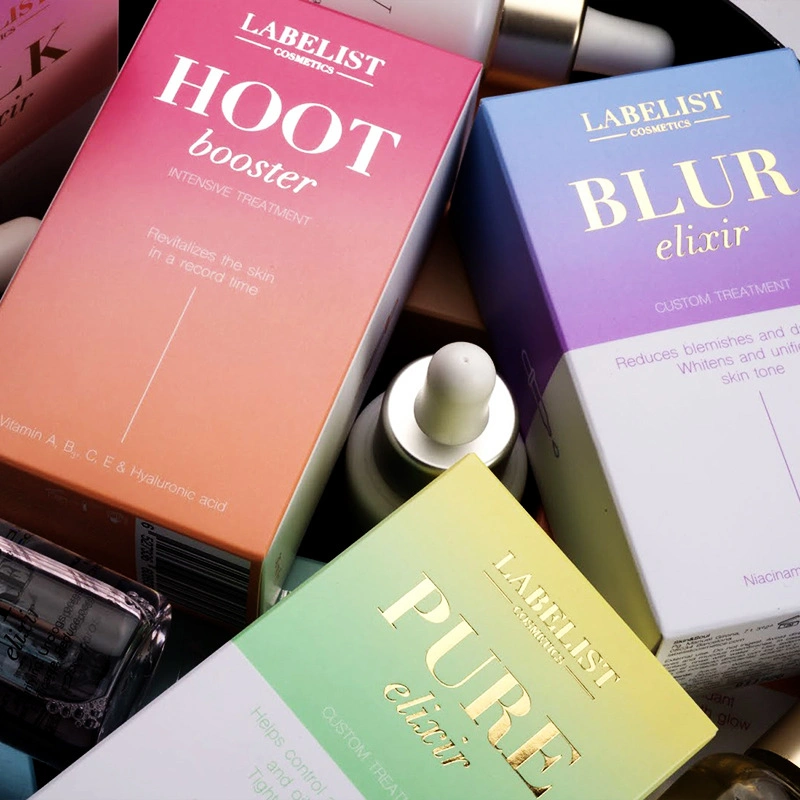
- You are a retail brand: Your product needs an all-in-one retail-ready package. Think luxury watches, perfume, smartphones, toys, or apparel. The box is part of the product itself and needs elegant design and feel to provide a “premium unboxing experience.”
- No significant shipping is involved: The product moves from a store shelf directly to the customer’s home with minimal rough handling.
- The item is very light: Like greeting cards, small jewelry, or a single hardback book.
- Brand image is paramount: The packaging is a marketing tool that needs to communicate high quality through sight and touch.
Choose a 【Corrugated Box】:
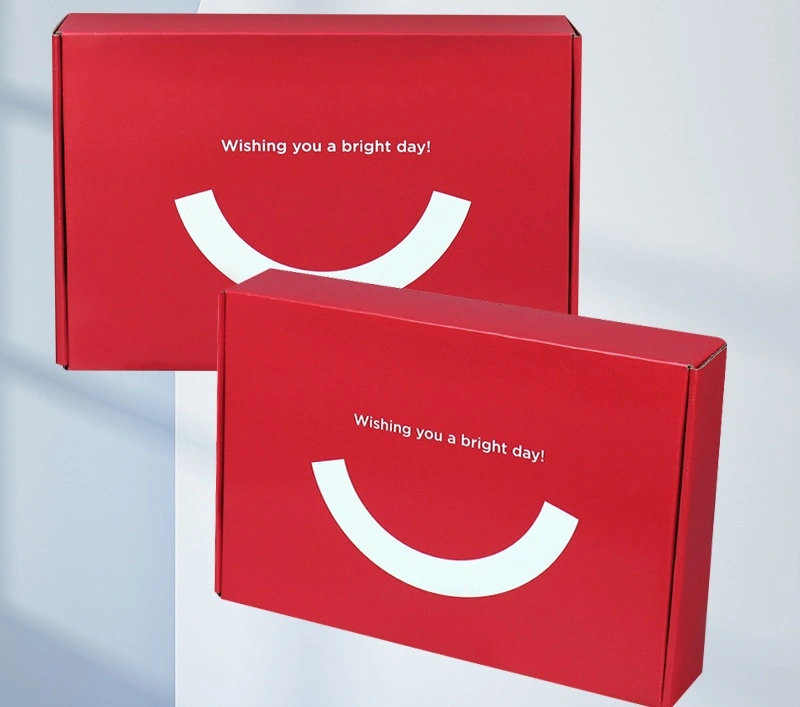
- You need to ship something: Whether it’s e-commerce fulfillment, a company move, or sending a gift to a friend, if the item will go through a courier or postal system, a corrugated box is the only reliable choice.
- You need to protect the product: The items are fragile (glass, ceramics),(electronics), or valuable. The structure absorbs shock and impact.
- The items are heavy: Such as books, tools, bottled liquids, or machine parts.
- You need to stack and store: Their exceptional stacking strength (Edge Crush Test) allows them to be safely piled high in warehouses or trucks without collapsing.
- You need cost-efficiency: For large quantities, corrugated boxes offer the best value for money.
A Common Winning Strategy: Combine Both
Often, you’ll see brands use both types together in a strategy known as primary and secondary packaging:
- Primary Packaging (Cardboard Box): An elegant paperboard box holds the product directly, providing the brand experience.
- Secondary Packaging (Corrugated Box): One or more primary boxes are then placed inside a sturdy corrugated shipping box to ensure they arrive safely at the customer’s door.
This strategy perfectly marries the benefits of both: aesthetics and protection.
Conclusion
The next time you need a “cardboard box,” stop and ask yourself one simple question: “What is its primary mission?”
- Is it for “Show” and “Experience”? -> Choose a Cardboard Box (Paperboard).
- Is it for “Ship” and “Protect”? -> Choose a Corrugated Box.
Understanding this fundamental difference will ensure your items arrive safely, help you manage your packaging budget smarter, and allow you to craft a more effective brand strategy. Now, you can confidently make the right choice!