The Importance and Evolution of Packaging Trends in 2026
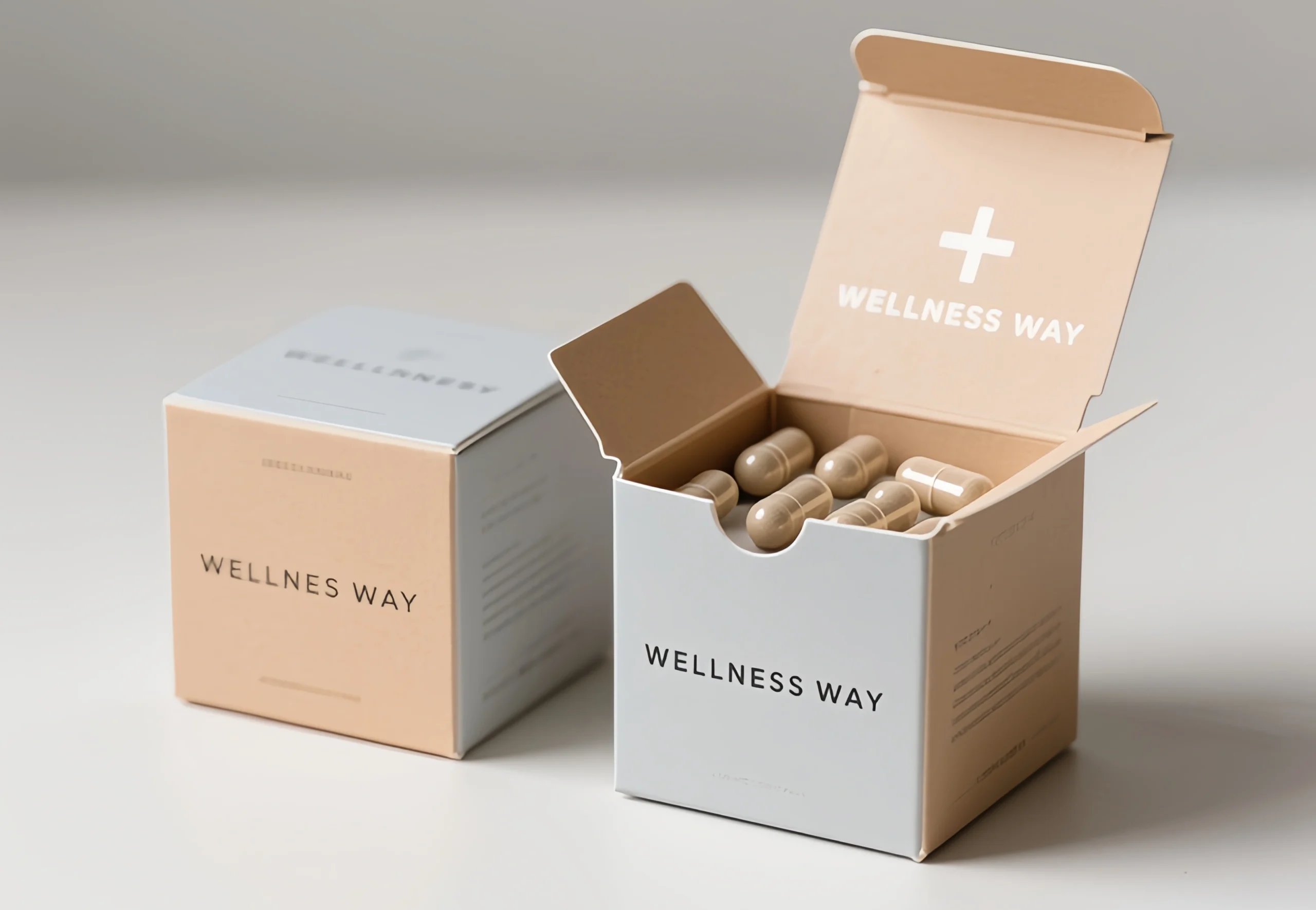
Packaging in 2026 is no longer limited to product protection. It has become a powerful branding tool that influences customer perception, purchasing decisions, and overall brand experience. Eye-catching designs, custom structures, and sustainable materials help products stand out on shelves and online, creating stronger emotional connections with consumers.
Several key forces are driving packaging trends this year. Consumers increasingly demand premium aesthetics, convenience, and memorable unboxing experiences that encourage social sharing and brand loyalty. At the same time, sustainability has shifted from a competitive advantage to an expectation, with recyclable, biodegradable, and eco-friendly materials becoming standard. Technological innovation, such as QR codes, augmented reality, and digital customization, is also enhancing engagement and storytelling through packaging.
Looking ahead, brands that embrace these trends early will gain a competitive edge. By combining sustainable materials, premium finishes, and smart packaging solutions, companies can deliver better customer experiences, reinforce their brand identity, and adapt to the growing demands of e-commerce and eco-conscious consumers in 2026.
Sustainability-Driven Packaging Trends Shaping 2026
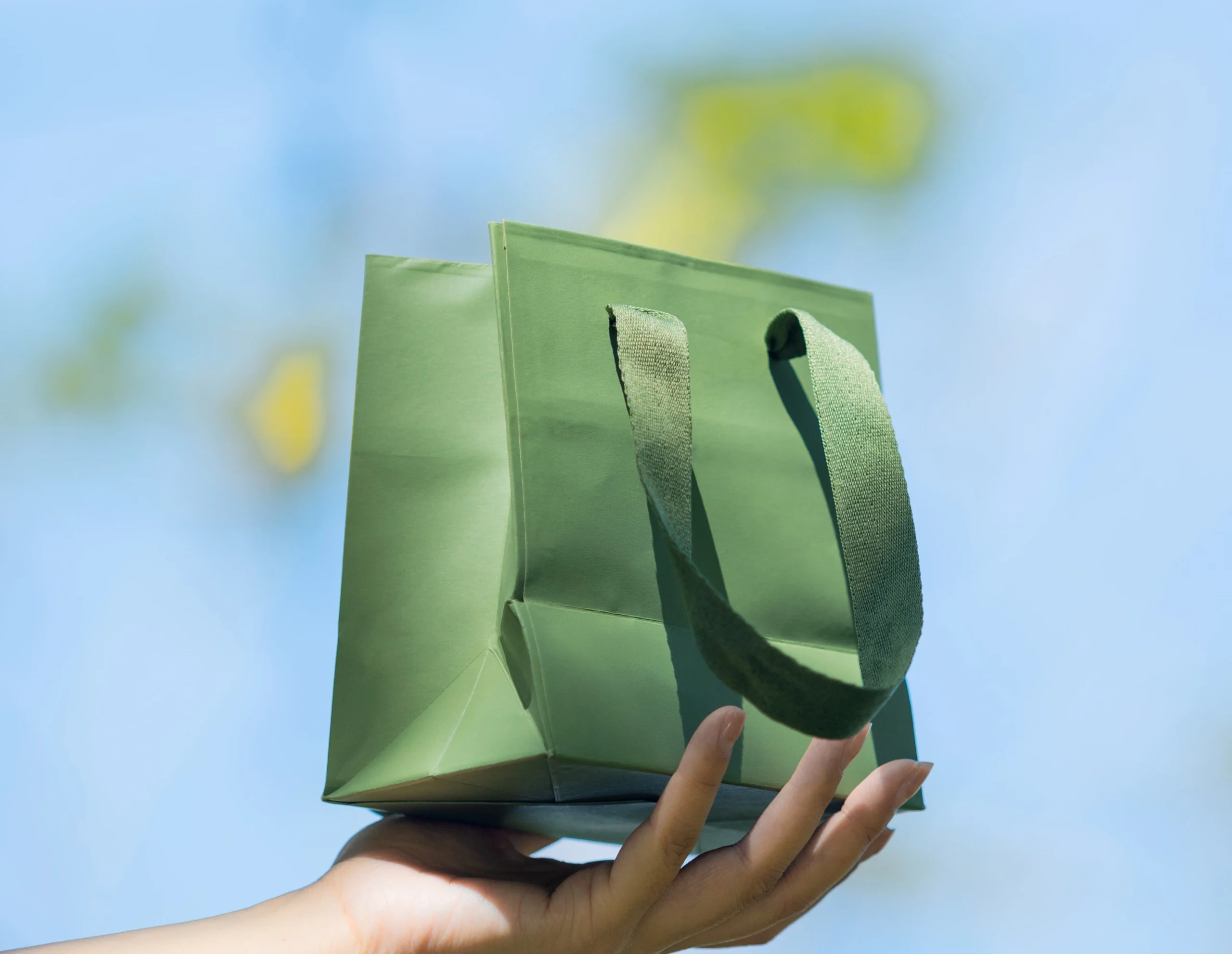
Sustainability continues to dominate packaging trends in 2026 and has become a fundamental expectation rather than a competitive advantage. Consumers increasingly favor packaging that balances functionality, visual appeal, and environmental responsibility. Brands that invest in eco-friendly paper packaging not only reduce their environmental footprint but also build stronger trust, credibility, and long-term customer loyalty. As global regulations tighten and sustainability awareness grows, eco-conscious packaging is shaping the future direction of the industry.
Eco-friendly materials are at the core of sustainable packaging innovation. In 2026, recycled paper, FSC-certified paperboard, biodegradable coatings, and compostable materials are widely adopted to reduce dependence on virgin resources. Plastic-free laminations, plant-based films, and water-based inks are replacing traditional plastic and solvent-based alternatives. These material choices enhance recyclability, lower carbon emissions, and maintain premium print quality, making sustainability a key influence on consumer purchasing decisions.
Circular packaging design is evolving from a recycle-first mindset to a reuse-focused strategy. Brands are developing packaging systems with extended life cycles, including refillable solutions, take-back programs, and reusable paper-based packaging. This approach minimizes waste while increasing customer engagement and perceived brand value. Beauty, personal care, and luxury brands are leading this shift by combining refill models with premium, reusable packaging and memorable unboxing experiences.
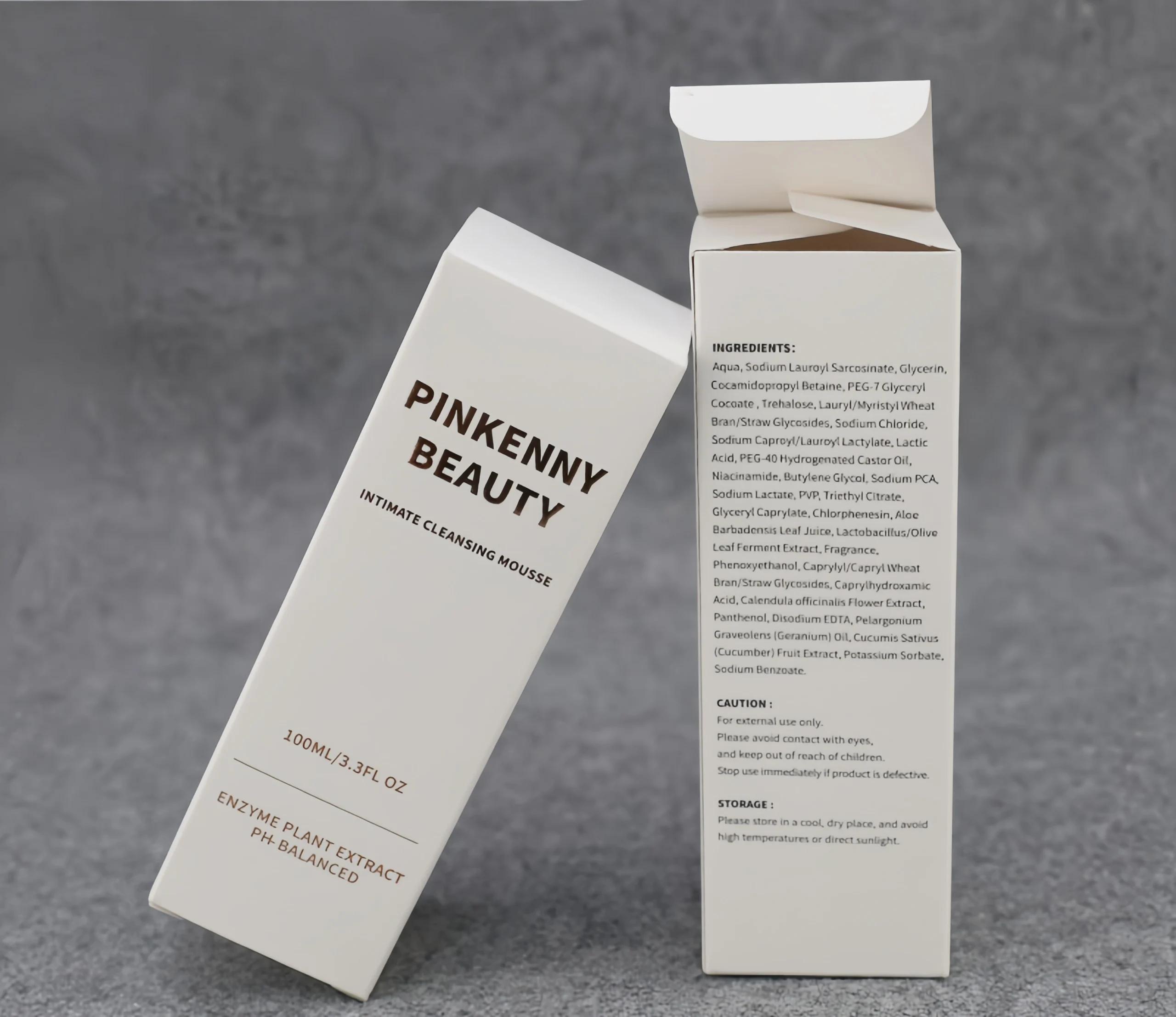
Transparency and certifications play a critical role in building consumer trust. Recognized certifications such as FSC and PEFC help verify responsible sourcing and validate sustainability claims. At the same time, consumers expect clear, honest communication about materials, recyclability, and disposal methods. This information is often shared directly on packaging or through QR codes, empowering consumers to make informed and environmentally responsible purchasing decisions.
Premiumization of Paper Packaging
In 2026, premiumization continues to reshape paper packaging design. Premium packaging goes far beyond basic protection — it delivers a high-end, memorable brand experience that influences how consumers perceive product quality and value. As competition increases across both online and offline retail channels, brands are using premium paper packaging to stand out, build emotional connections, and justify higher price points.
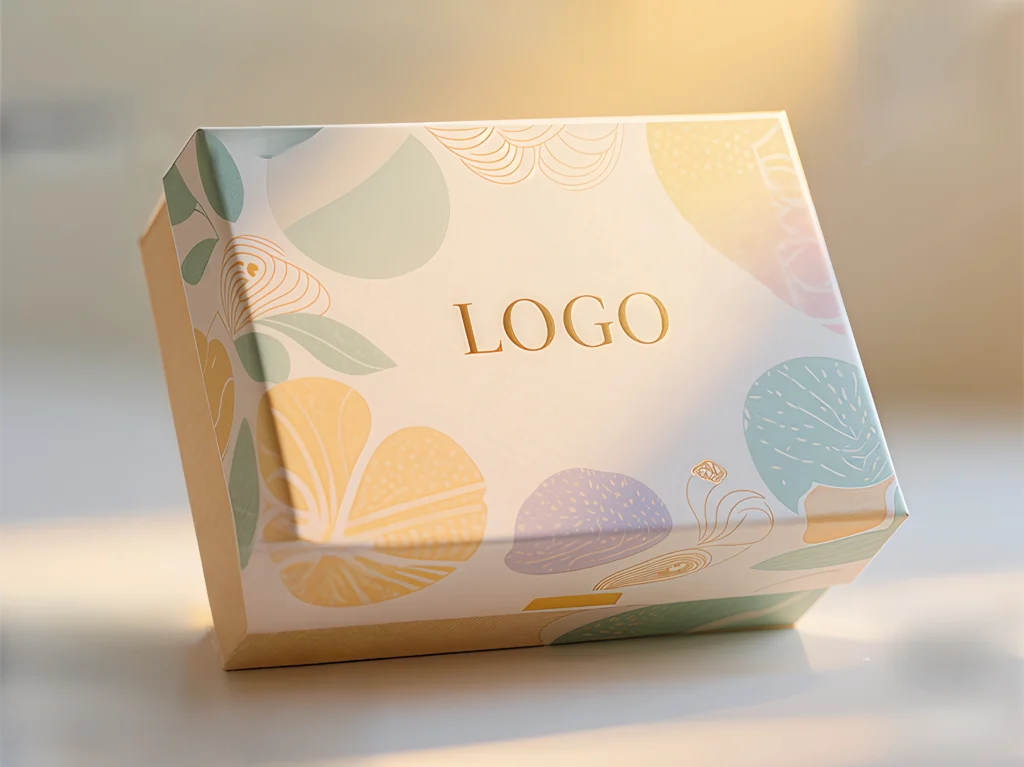
High-End Finishes That Elevate Perceived Value
High-end finishing techniques play a crucial role in creating premium paper packaging. Finishes such as soft-touch lamination, foil stamping, embossing and debossing, spot UV, textured coatings, and metallic accents add both visual sophistication and tactile appeal.
These details invite customers to touch and interact with the packaging, enhancing sensory engagement. Soft-touch coatings convey elegance and smoothness, while foil stamping and embossing create contrast and depth that catch the light. In digital retail environments where first impressions often happen on screens, premium finishes help packaging stand out in product photos and reinforce a sense of luxury.
Elevated Unboxing Experiences
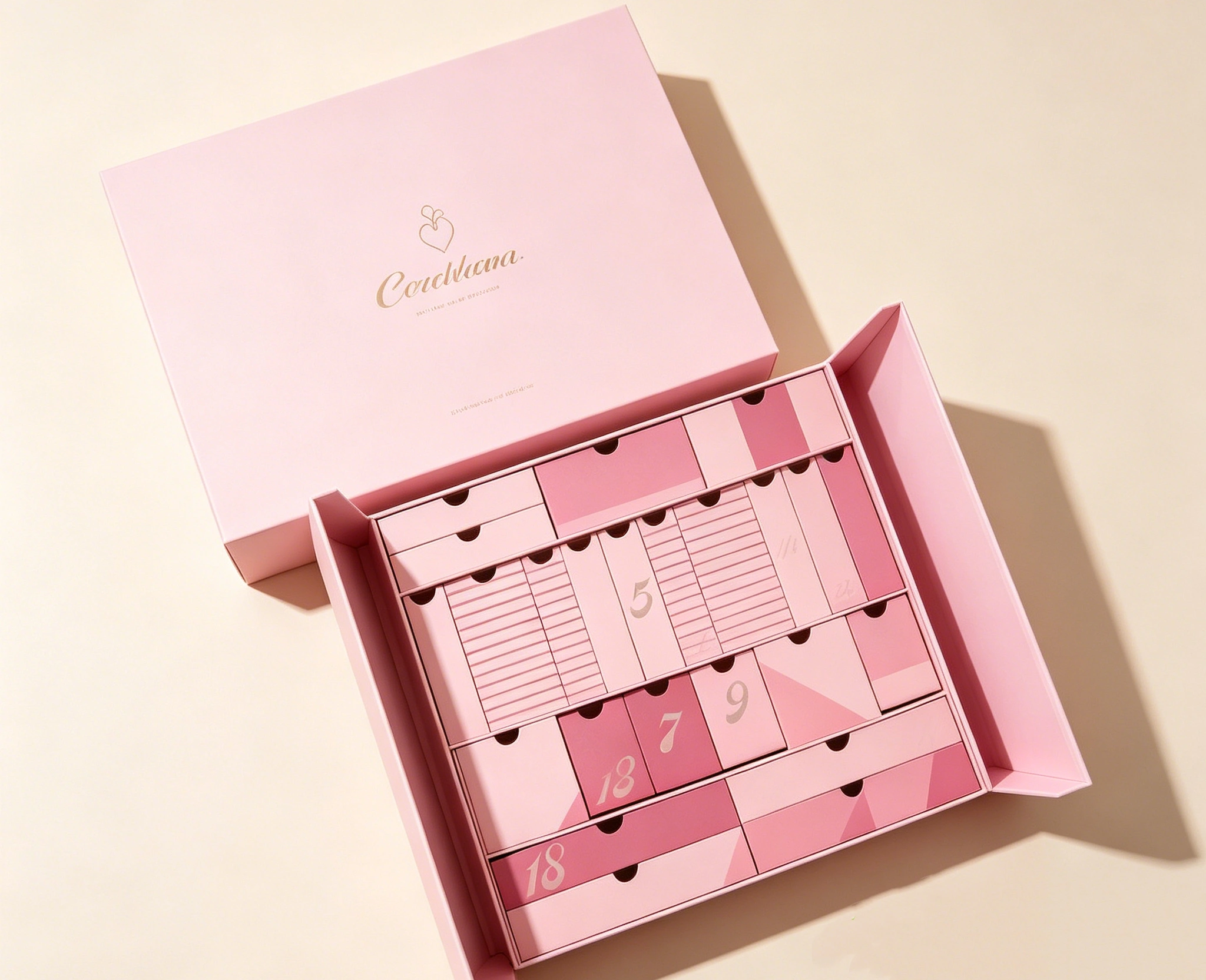
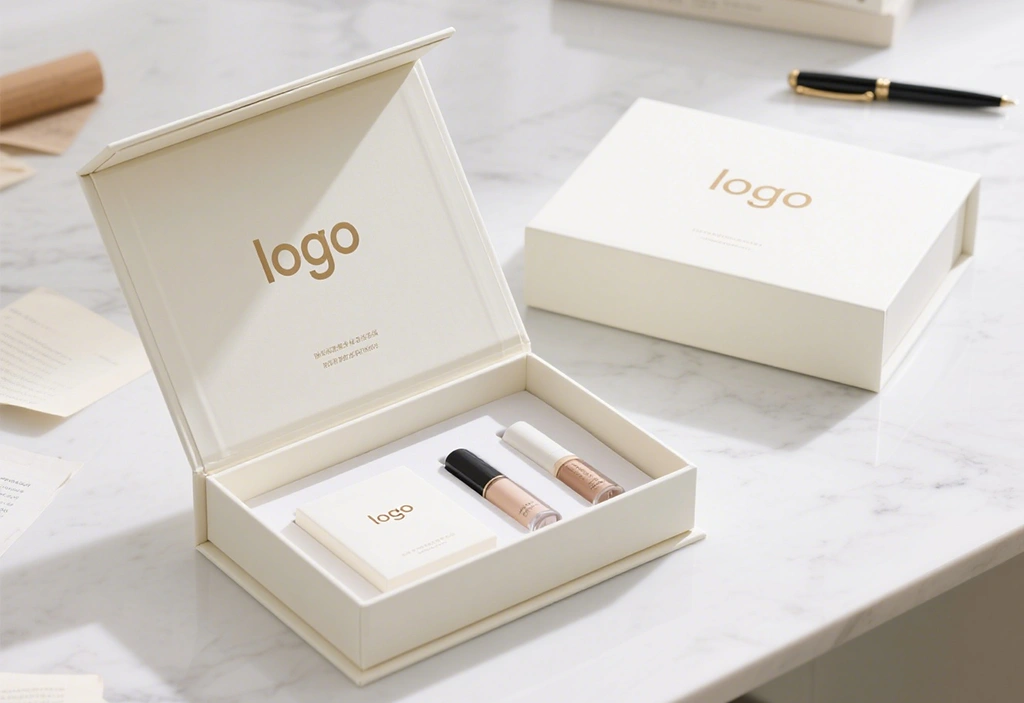
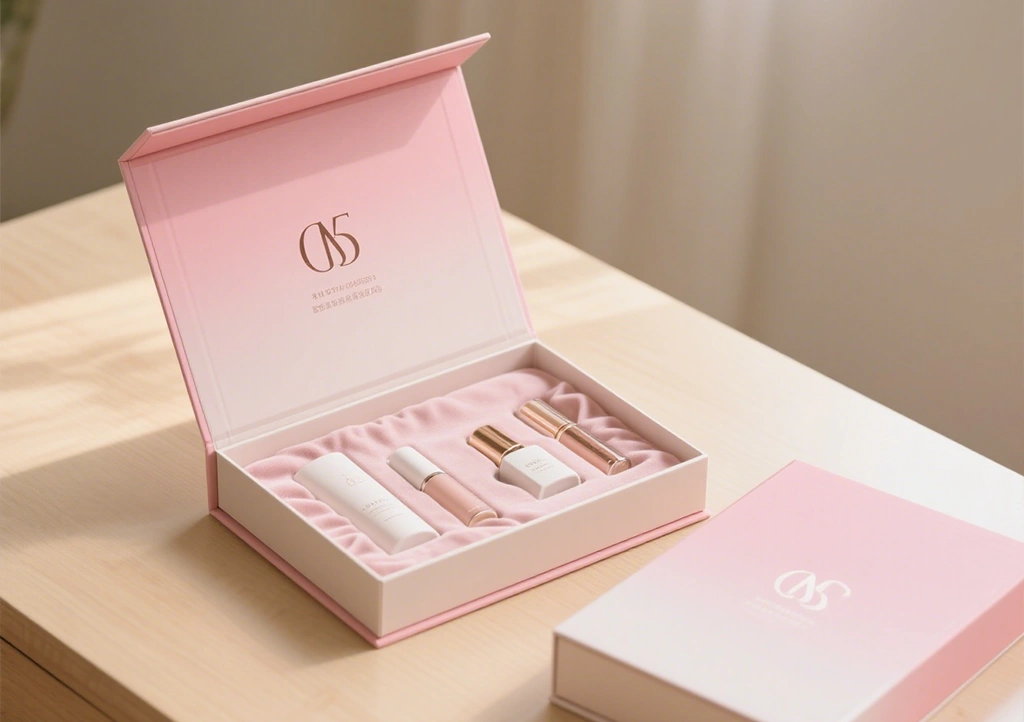
The unboxing experience has become a powerful extension of brand storytelling. In 2026, brands are investing more in thoughtful structural design to make unboxing feel intentional and rewarding. Features such as magnetic closures, drawer-style boxes, nested inserts, and layered packaging structures transform packaging into an experience rather than just a container.
Well-designed unboxing moments encourage social sharing, user-generated content, and word-of-mouth marketing, especially on platforms like Instagram and TikTok. At the same time, premium structures improve product protection and organization, combining aesthetics with functionality. This approach helps brands strengthen customer loyalty and create lasting impressions beyond the initial purchase.
Minimalism Meets Luxury
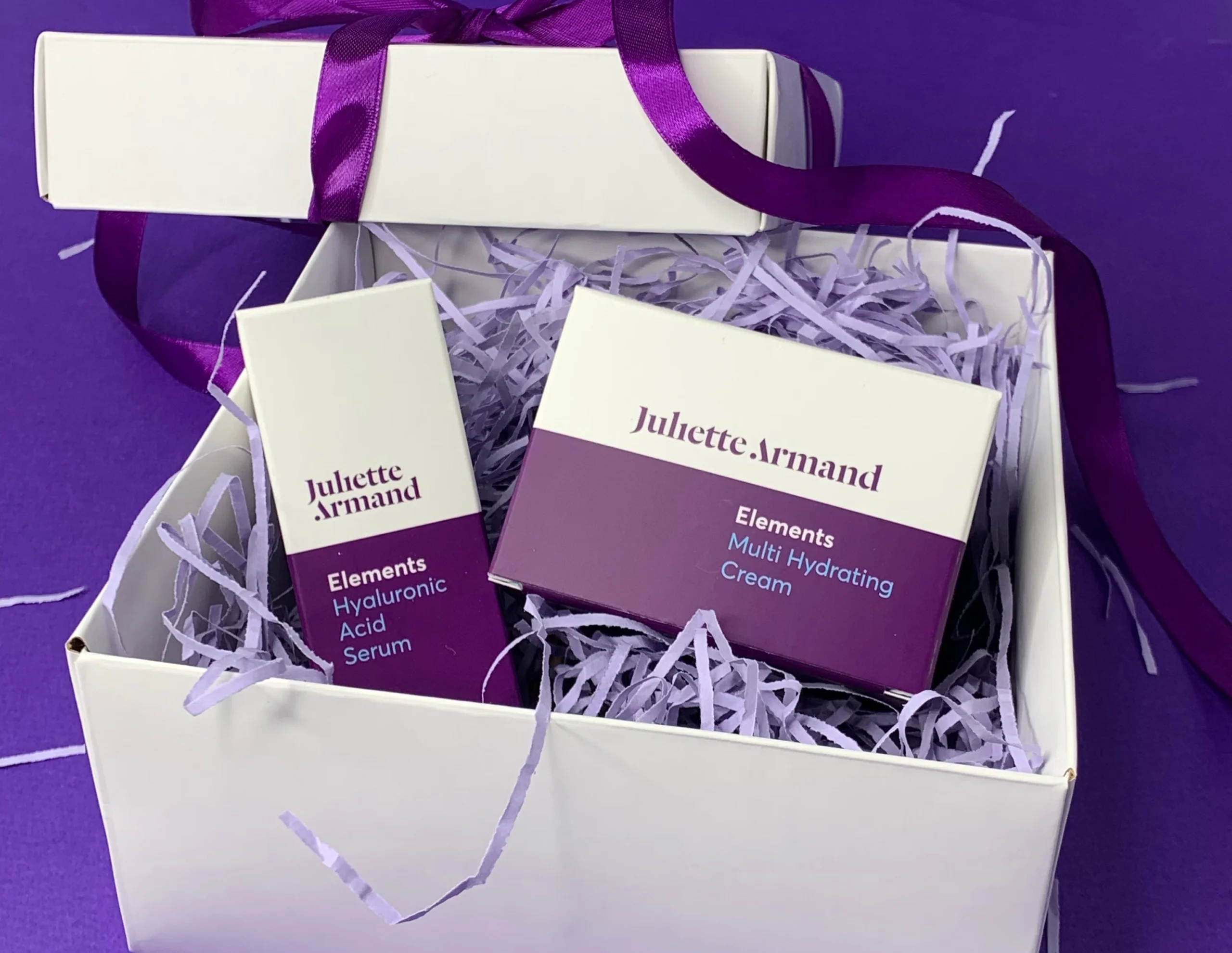
Minimalism remains a defining element of luxury packaging in 2026. Clean layouts, balanced white space, subtle textures, and restrained use of finishing techniques convey confidence and sophistication. Instead of overwhelming customers with excessive graphics, minimalist luxury packaging focuses on clarity, precision, and material quality.
By using fewer but more intentional design elements, brands communicate refinement and authenticity. Simple color palettes combined with premium paper stocks and understated finishes prove that less can truly be more. This design philosophy aligns especially well with premium lifestyle, beauty, and high-end consumer brands seeking timeless, elegant packaging solutions.
Functional & Smart Packaging
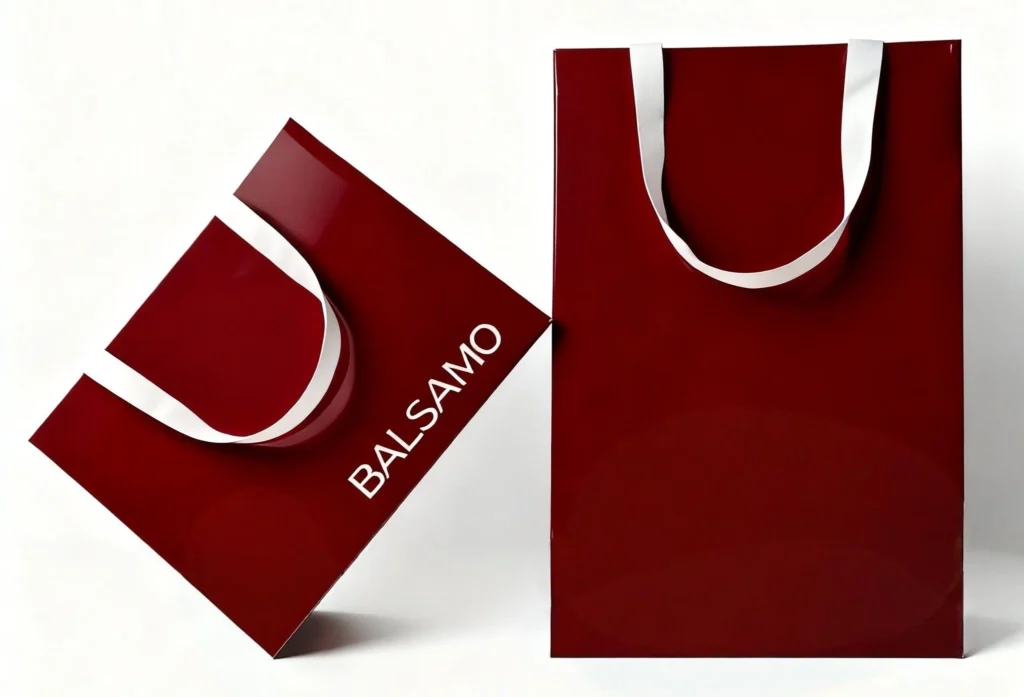
In 2026, functional and smart packaging is transforming packaging from a passive container into an interactive, protective, and engaging brand experience. Technologies such as QR codes and AR-enabled packaging allow consumers to access product stories, authenticity verification, usage instructions, or immersive digital content directly through their smartphones, making packaging more informative and memorable. At the same time, freshness and safety technologies, including temperature indicators, freshness sensors, and tamper-evident or anti-counterfeit features, help protect both products and consumers while building trust. For e-commerce, intelligent shipping packaging focuses on optimized structural design, shock-absorbing paper materials, and right-sized packaging to reduce damage, minimize waste, and improve overall delivery efficiency. Together, these innovations reflect a growing demand for packaging that is not only visually appealing but also smart, secure, and purpose-driven.
Customization & Personalization
In 2026, customization and personalization have become powerful tools for brands seeking deeper connections with their customers. Personalized packaging transforms standard packaging into a one-to-one brand experience, helping brands stand out in competitive markets and build long-term loyalty. As consumers increasingly value individuality and emotional engagement, customized packaging plays a key role in enhancing brand perception and encouraging repeat purchases.
Variable Data Printing for Personalized Packaging
Advances in variable data printing make it possible to print unique elements on each individual package without slowing production. Brands can incorporate custom names, personalized messages, batch numbers, QR codes, or seasonal graphics, allowing every unit to feel special and exclusive.
This level of personalization increases customer engagement and makes packaging more shareable on social media platforms. Personalized packaging is especially effective for direct-to-consumer brands, gifting products, and promotional campaigns, where emotional connection and uniqueness strongly influence purchasing decisions.
Limited-Edition & Seasonal Packaging
Limited-edition and seasonal packaging continues to be a strong trend in 2026. Special designs created for holidays, brand anniversaries, collaborations, or product launches generate excitement and urgency. These time-limited packaging designs encourage faster purchasing decisions and help brands differentiate products without changing the core product itself.
Seasonal packaging also drives social buzz and repeat purchases, as consumers are more likely to collect or share visually distinctive designs. When combined with premium finishes or unique structural elements, limited-edition packaging can significantly increase perceived value and brand visibility.
Creating a Personalized User Experience
Personalization goes beyond printing names on packaging. In 2026, brands are focusing on creating a fully personalized user experience through thoughtful details such as custom inserts, tailored messages, personalized thank-you cards, or region-specific design elements.
Even small, well-executed personal touches can make customers feel recognized and appreciated, strengthening emotional bonds with the brand. This approach not only enhances the unboxing experience but also builds trust, brand loyalty, and long-term customer relationships.

Bold Colors & Artistic Design Trends
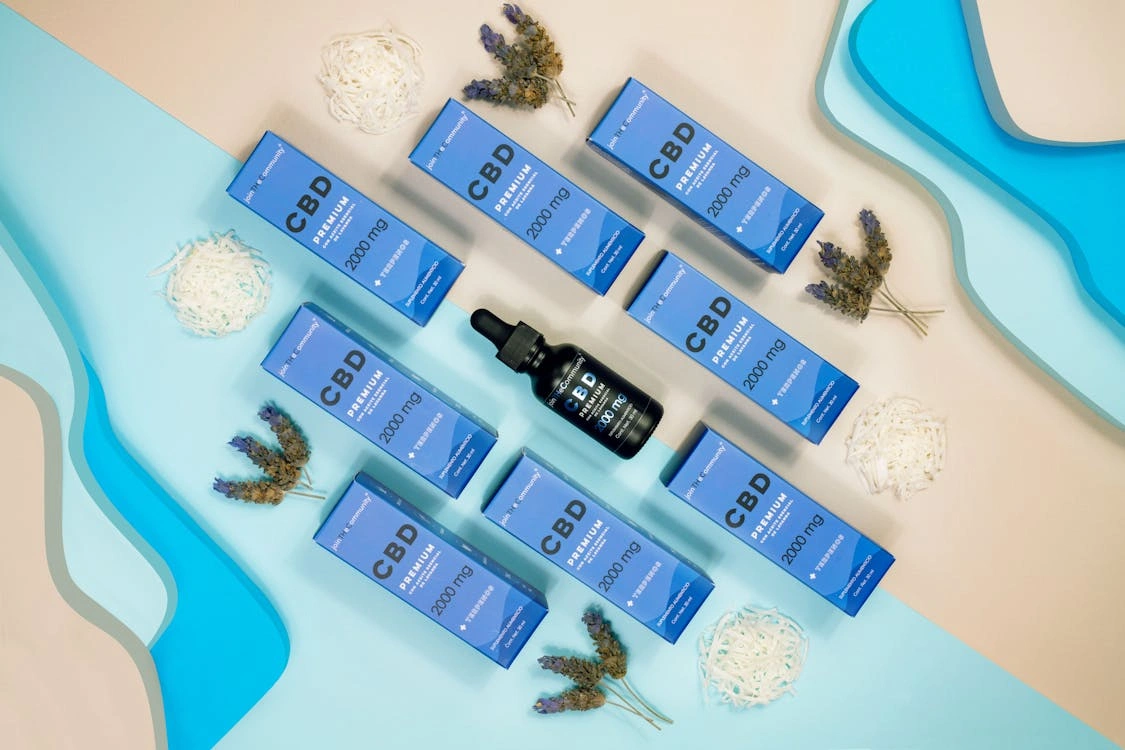
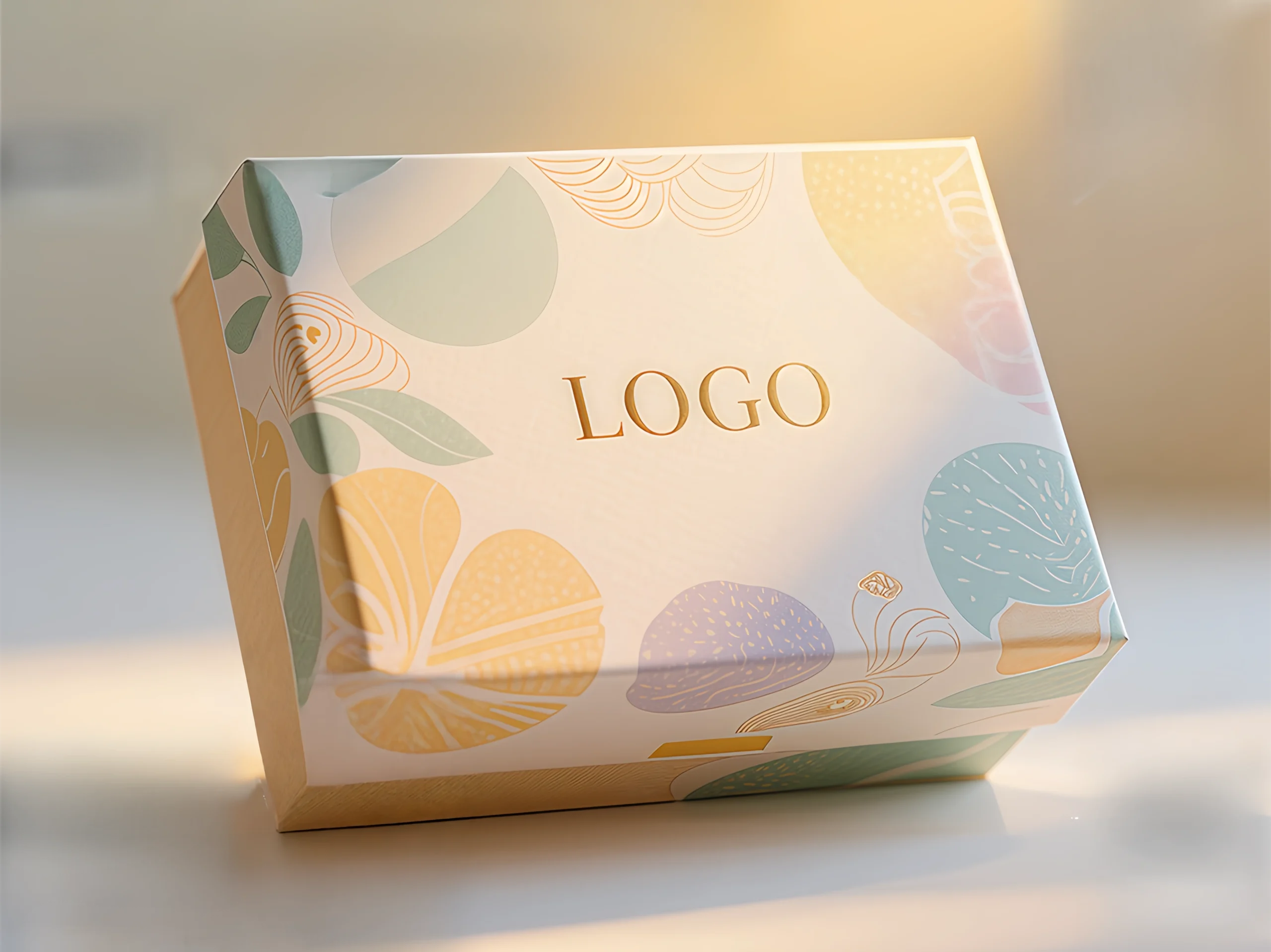
In 2026, bold colors and artistic design are playing a key role in helping brands stand out in crowded markets. Vibrant color palettes inspired by fashion, art, and lifestyle trends are increasingly used to capture attention and express energy, creativity, or luxury. At the same time, both maximalism and minimalism are shaping modern packaging design — some brands embrace bold patterns, layered graphics, and expressive visuals, while others focus on clean lines, subtle textures, and restrained elegance. Many successful designs blend these two approaches to create a balanced yet eye-catching aesthetic. In addition, hand-drawn illustrations, textured finishes, and handcrafted details such as embossing bring warmth and authenticity to packaging, making it feel more personal and refined. These artistic elements not only enhance visual appeal but also elevate perceived value and help products leave a lasting impression.
E-Commerce Driven Packaging Innovation
As online shopping continues to grow, e-commerce driven packaging innovation focuses on delivering solutions that are protective, functional, and sustainable. In 2026, brands are increasingly using smart paper-based structures that provide strong protection while reducing the need for excess fillers such as bubble wrap or foam peanuts, helping lower both material waste and environmental impact. At the same time, easy-open and resealable features are becoming essential, improving convenience and enhancing the overall unboxing experience, which can lead to better reviews, increased repeat purchases, and greater social sharing. For subscription-based models, packaging must balance durability, consistency, and clear brand recognition across every delivery. Well-designed subscription packaging reinforces a premium feel, builds familiarity, and plays a key role in encouraging long-term customer retention.
Cost-Efficient Solutions Without Compromising Quality
In 2026, smart packaging proves that high-quality design does not have to come with high costs. Through optimized structural design, brands are using efficient dielines, nested packaging, and intelligent paper structures to reduce material waste while maintaining protection, functionality, and visual appeal. At the same time, lean editing of packaging elements allows brands to achieve a premium look by focusing on a few impactful finishes, such as selective foil stamping or spot UV, rather than overusing costly treatments. In addition, strong supplier partnerships and accurate demand forecasting help streamline production, improve material planning, and control costs, especially for seasonal launches or high-volume projects. Together, these strategies enable brands to balance affordability with consistent quality and performance.
Regional & Cultural Trends Influencing Global Packaging
In 2026, packaging trends are increasingly influenced by regional and cultural preferences, and global brands must balance local adaptation with consistent brand identity. In the Asia-Pacific (APAC) region, interactive, colorful, and tech-enabled packaging is leading innovation, with seasonal and limited-edition designs driving engagement and social sharing. In North America and Europe, stricter regulations and heightened consumer expectations emphasize eco-friendly, recyclable, and circular packaging, making certifications such as FSC essential for credibility and trust. Successful global brands tailor colors, messaging, and unboxing experiences to align with local tastes and cultural expectations while maintaining a cohesive brand identity, ensuring that packaging resonates with consumers across diverse markets.
What’s Next After 2026
Looking beyond 2026, the packaging industry is poised for transformative innovation, driven by technology, sustainability, and personalization. Emerging biotech-based materials promise biodegradable, renewable, and even edible packaging solutions that reduce environmental impact while opening new creative possibilities for brands. Similarly, advanced coatings and edible layers will enable packaging that is both functional and safe for direct food contact, supporting both convenience and sustainability goals.
At the same time, smart and digitally integrated packaging will become increasingly common. Packages may include sensors for freshness, interactive QR/AR experiences, or even blockchain-based authentication, providing consumers with real-time product information and enhancing trust. Personalization will also reach new levels, with customized structures, messaging, and finishes tailored to individual consumers, making each unboxing a unique experience.
Sustainability will continue to evolve, with fully circular packaging systems designed for multiple life cycles, reuse, and easy recycling. Together, these innovations will allow brands to reinforce their identity, deliver premium experiences, and build deeper connections with customers, setting the stage for the next era of packaging innovation in the late 2020s.
Conclusion — How Brands Should Prepare
The year 2026 is set to be a pivotal moment for custom packaging that is bold, creative, and sustainable. Brands that want to stay ahead of the curve must approach paper packaging solutions as more than just a protective layer — they need to treat packaging as a strategic brand tool that communicates quality, brand identity, and core values.
Creativity remains at the forefront of premium packaging design. Vibrant color palettes, premium finishes such as soft-touch lamination, foil stamping, and embossing, along with artistic illustrations or handcrafted details, can transform luxury paper packaging into a memorable visual and tactile experience. Thoughtful design not only helps products stand out on retail shelves and online marketplaces but also reinforces brand personality and perceived value.
Sustainability is no longer optional; it is a core expectation from both consumers and regulators. Brands should adopt eco-friendly paper materials, biodegradable coatings, and circular packaging design, while ensuring transparency in sourcing, recycling, and disposal practices. Sustainable paper packaging that supports environmental responsibility builds consumer trust, strengthens brand reputation, and contributes to a long-term sustainability strategy.
Consumer engagement is equally critical in 2026. Personalized packaging, smart packaging solutions with interactive features such as QR code packaging or AR packaging, and functional structures that enhance convenience and the unboxing experience all help create stronger connections with customers. Subscription packaging, limited-edition packaging, and variable data printing are practical ways to make every package feel unique, personal, and memorable.
By balancing creativity, sustainability, and user experience, brands can transform custom printed packaging into a true brand statement — one that not only protects the product but also tells the brand’s story, creates emotional engagement, and positions the company for success in an increasingly competitive and eco-conscious market. Thoughtful investment in premium sustainable packaging in 2026 is a decisive step toward a future that is innovative, responsible, and digitally connected, resonating strongly with modern consumers.