In today’s retail and e-commerce world, packaging is more than just protection—it’s a key part of your brand image and often the first impression your customers get. Choosing the right box size helps keep your product safe during shipping and also creates a pleasant unboxing experience that adds value to your brand.
For businesses that need custom boxes, selecting the correct size is crucial. A box that’s too big makes the product move around and look poorly packaged; a box that’s too small may squeeze the product or leave no room for inserts like manuals or accessories. When designing a custom box, you should consider the product’s size, shape, weight, and whether you need extra space for filling materials or add-ons. At the same time, transport cost and logistics should also be factored in.
The following guide will walk you through how to choose the best box size for your product—practical, attractive, and brand-friendly.
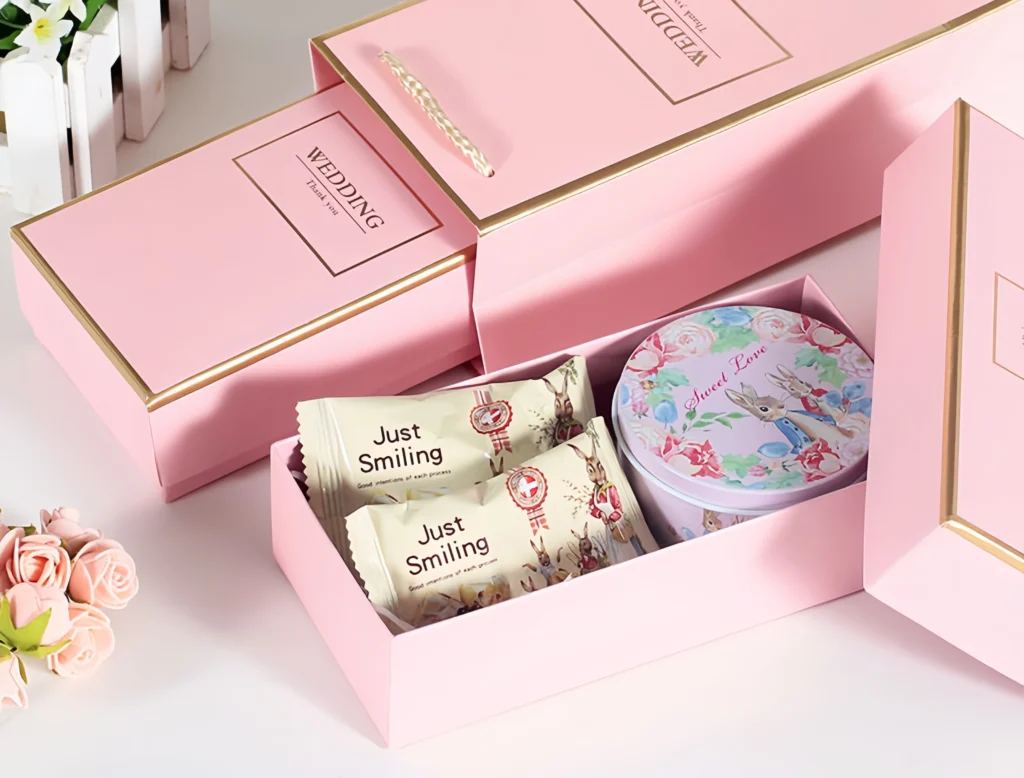
1. Start by Understanding Your Product Dimensions
1) Measure Length, Width, and Height Correctly
The first step is to measure your product accurately. Using centimeters is generally more precise and is commonly used in packaging design.
When measuring:
- Measure the widest, longest, and tallest points—not just one flat side.
- Include any raised areas like handles, buttons, or decorative parts.
- If your product comes with small accessories (like tools, caps, or extra pieces), measure them as well.
Accurate measurements help you determine the inner size of the box so the product fits properly without being too tight or too loose.
2) Consider Shape and Fragility
Different product shapes and materials require different box sizes.
- Regular shapes: Rectangular or square items are the easiest—just match the L × W × H.
- Irregular or cylindrical items: Allow extra space so nothing gets squeezed or deformed.
- Fragile products: Items like glass, electronics, or handmade goods need enough room for protective materials like foam, EVA, or molded inserts.
Understanding the product’s size and fragility helps ensure the box design works well in real use.
2. Allow Space for Cushioning Materials
1) Plan for Internal Protection
Packaging safety doesn’t depend on the box alone—you’ll need cushioning inside. Common materials include foam, EVA, paper trays, paper inserts, shredded paper, or bubble wrap. These usually require about 0.5–1 cm of extra space on each side.
If the box is too small, both the product and protective material won’t fit properly; if the box is too big, the product will move during shipping. Both situations increase the risk of damage.
2) Find the Right Balance
Aim for a fit that’s snug but not overly tight. In most cases, designing the inner box size about 0.5–1 cm larger than the product works well. This gives you both protection and a clean, professional unboxing experience.
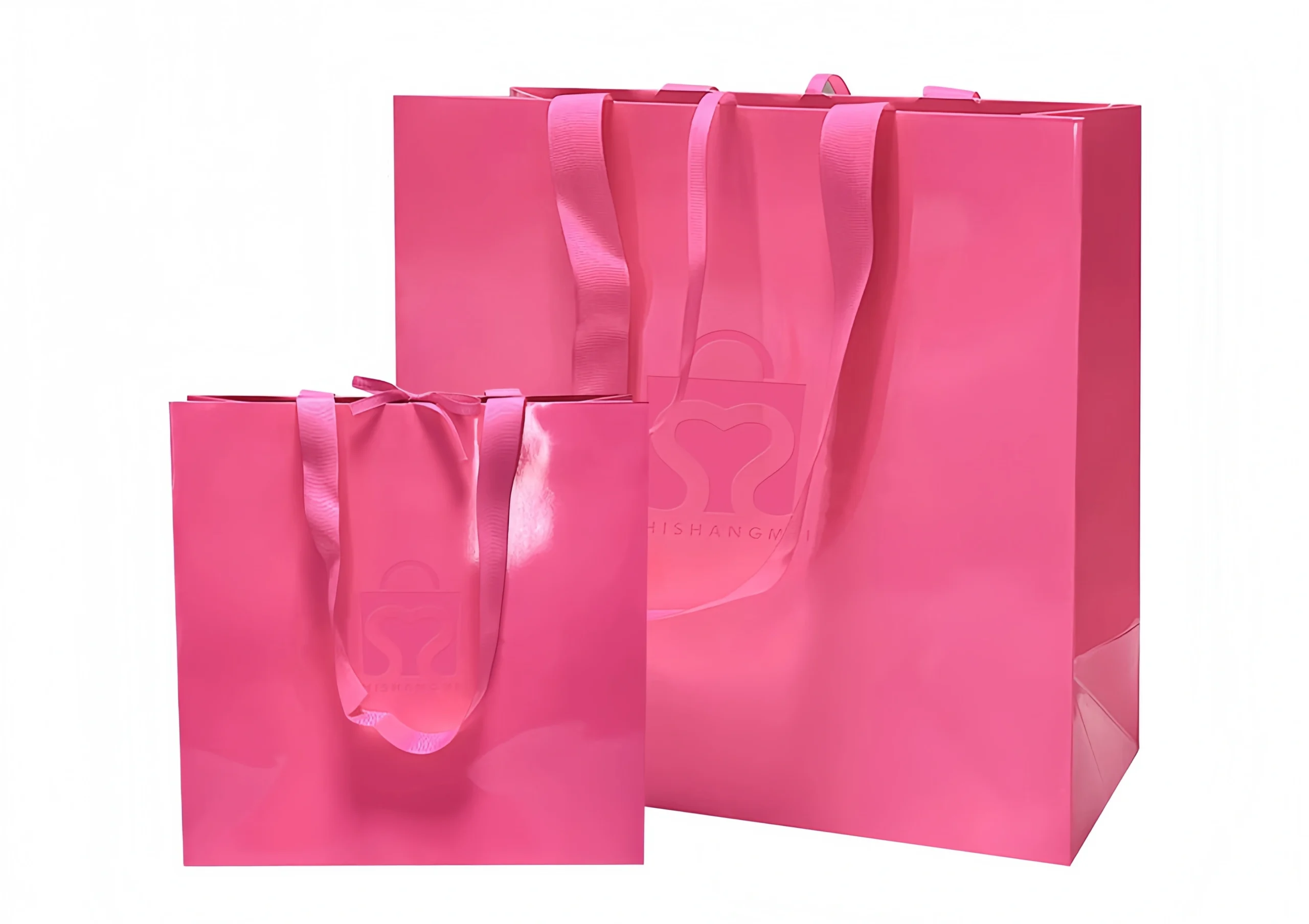
3. Box Structure Also Affects Size
1) Different Box Styles Require Different Space
Each box structure has its own space requirements:
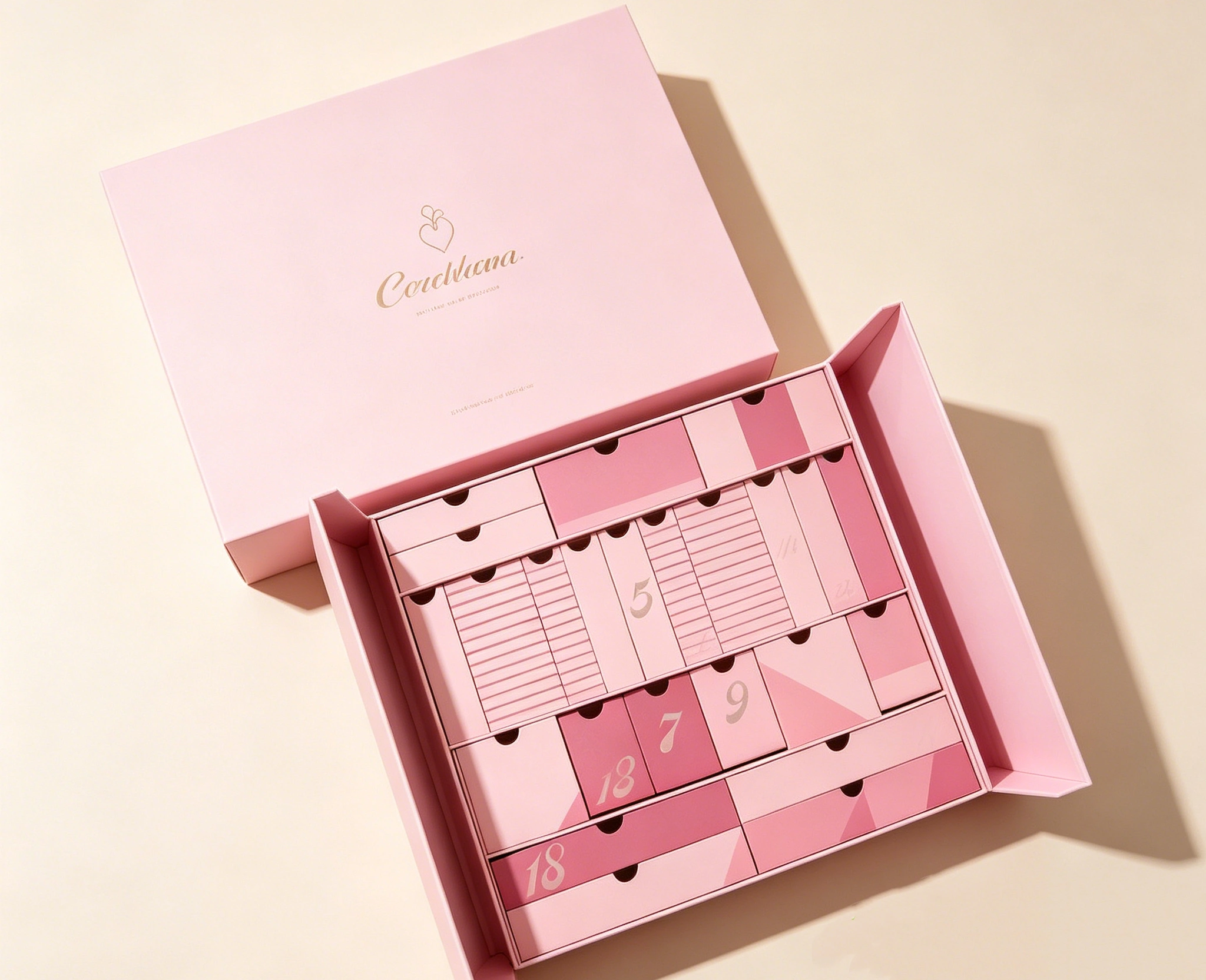
- Rigid lid-and-base boxes: The lid needs slight clearance, so the internal size should be a bit larger.
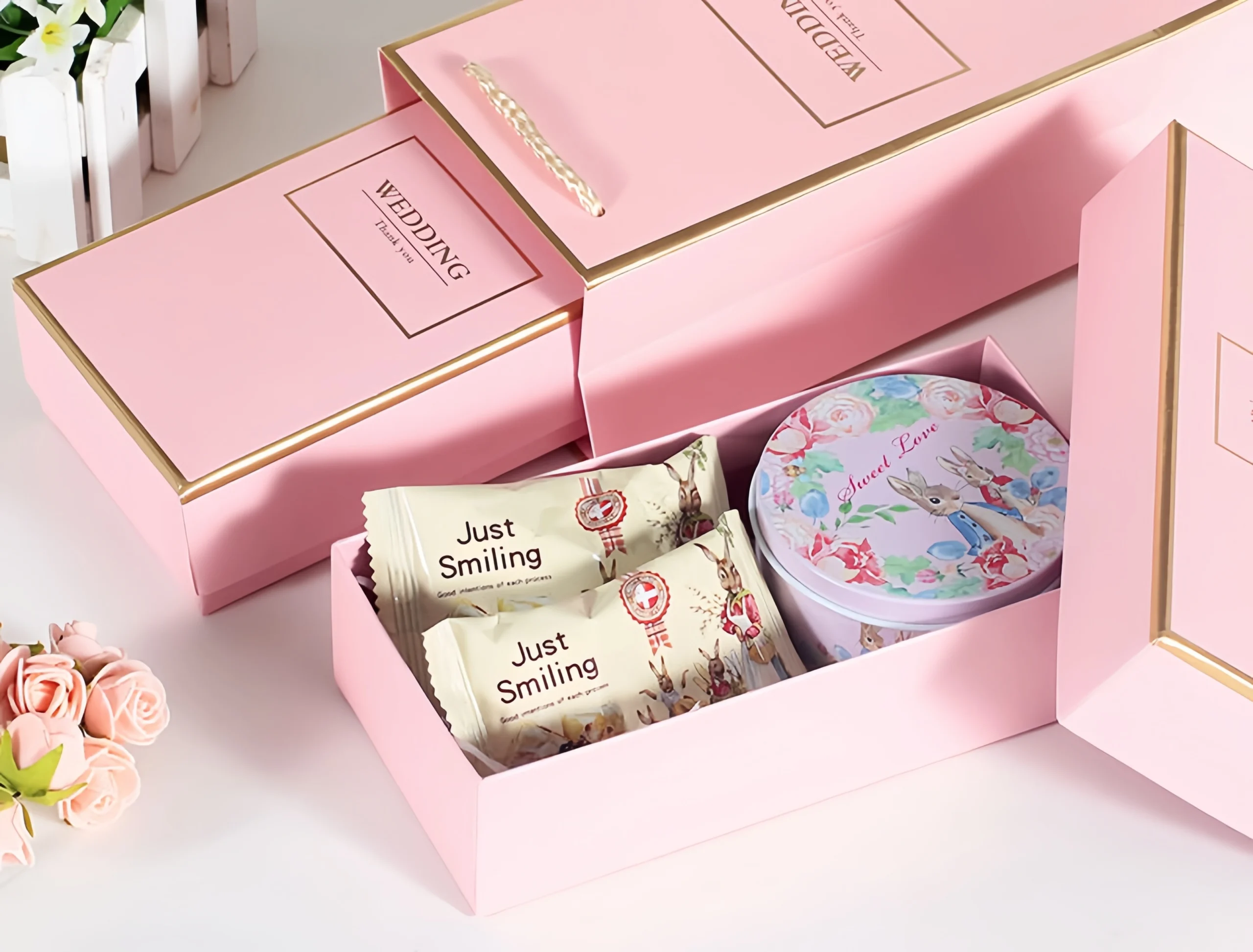
- Drawer boxes: The inner drawer needs smooth sliding space, typically 0.3–0.5 cm extra.
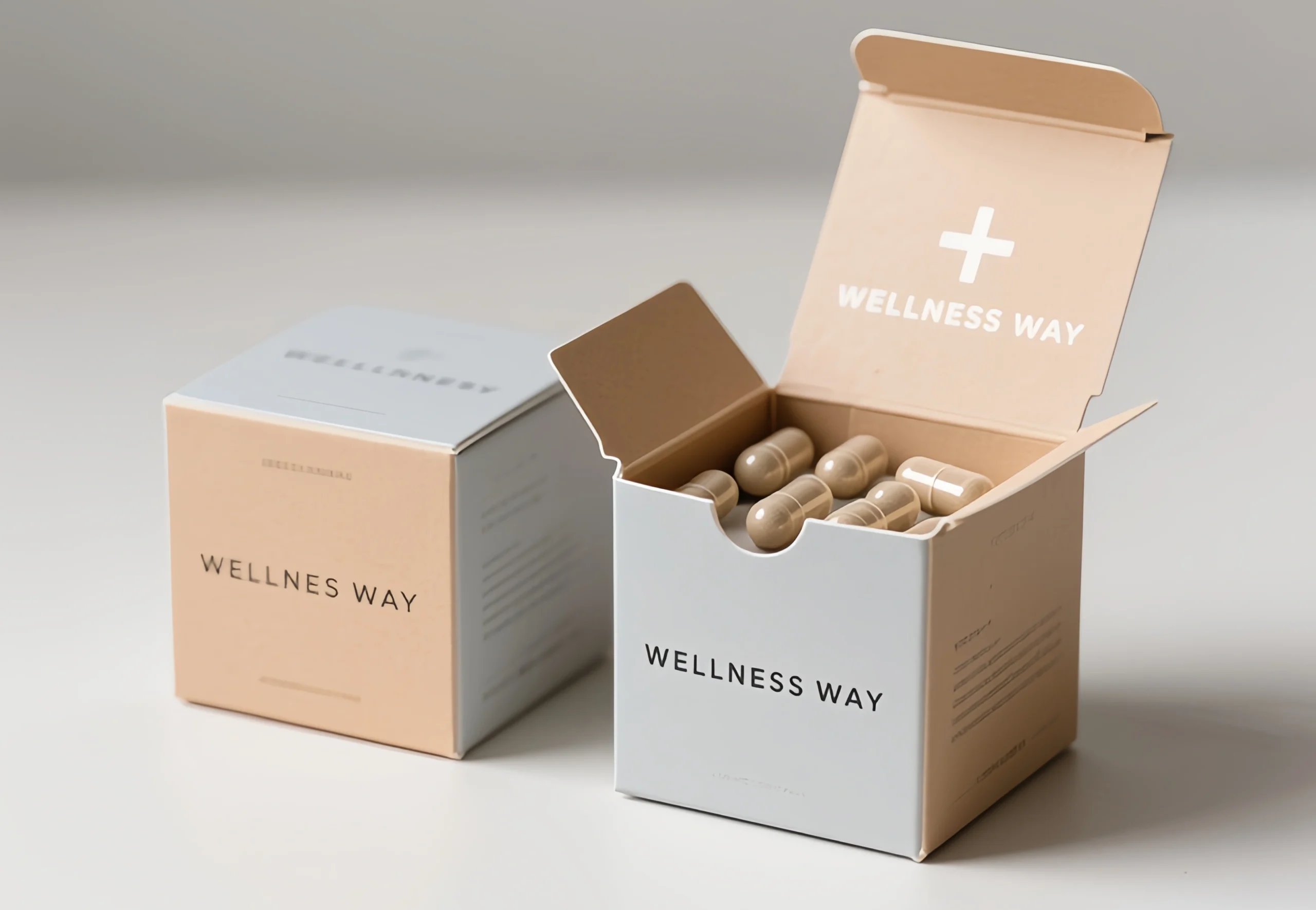
- Folding cartons: Paperboard thickness affects internal space, so measurements must consider folding lines and board thickness.
2) Material Thickness Matters
Paper material thickness also affects the internal space:
- 250–350gsm kraft paper: Thin and takes little space.
- Rigid greyboard (like 1200gsm): Much thicker, so internal space must be adjusted.
- Corrugated paper: Has inner flute thickness that needs to be accounted for.
Ignoring material thickness may result in a box that doesn’t fit the product properly.
4. Consider the Unboxing Experience and Visual Appeal
1) Proper Fit Creates a Better Impression
The right box size makes the product look organized and premium.
A box that is too large looks empty and cheap, while one that is too small looks cramped and unprofessional.
2) Leave Space for Add-ons
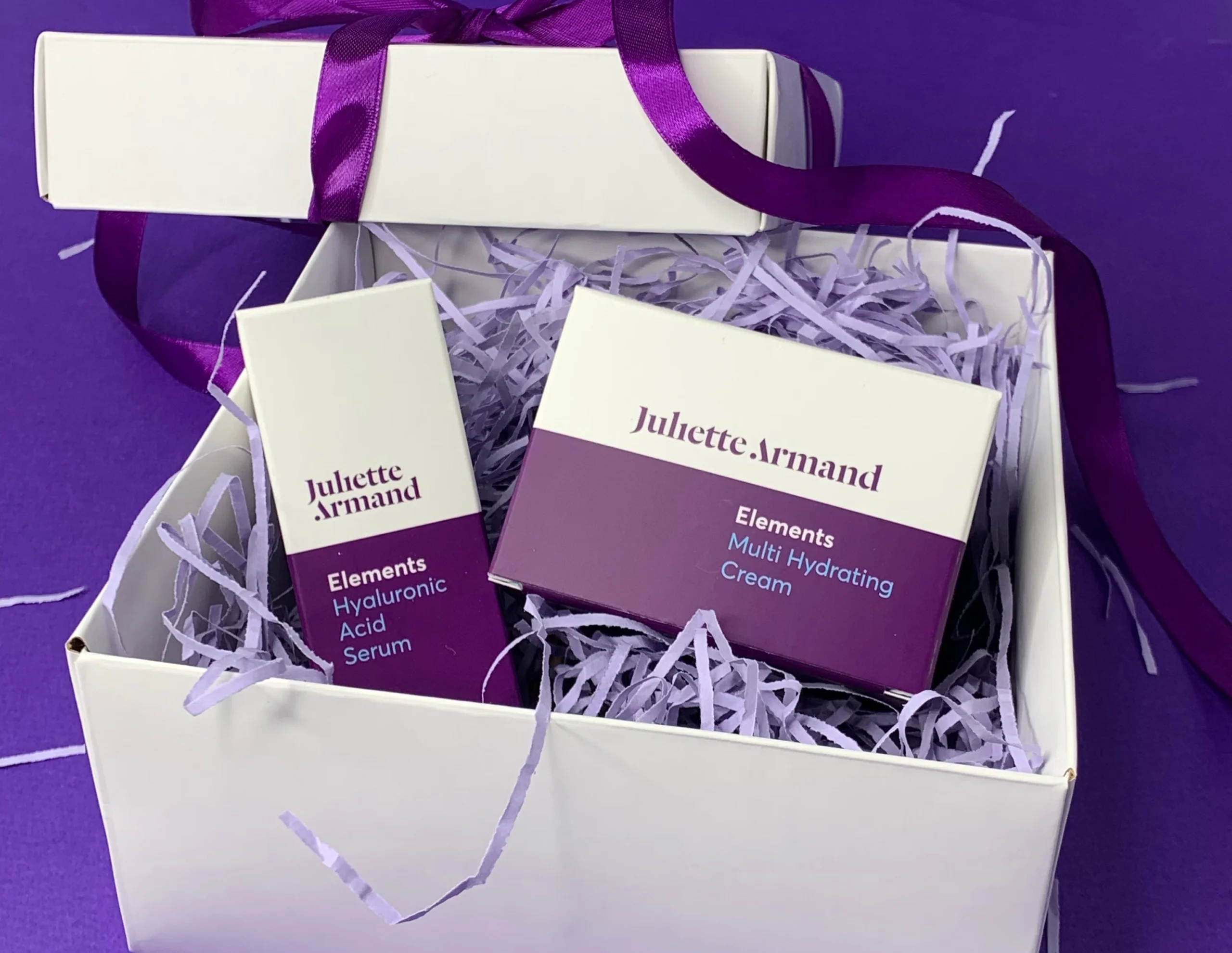
If you include thank-you cards, brochures, shredded paper, or ribbons, make sure there’s extra room for these items. Proper placement makes the entire package look thoughtful and enhances the unboxing moment.
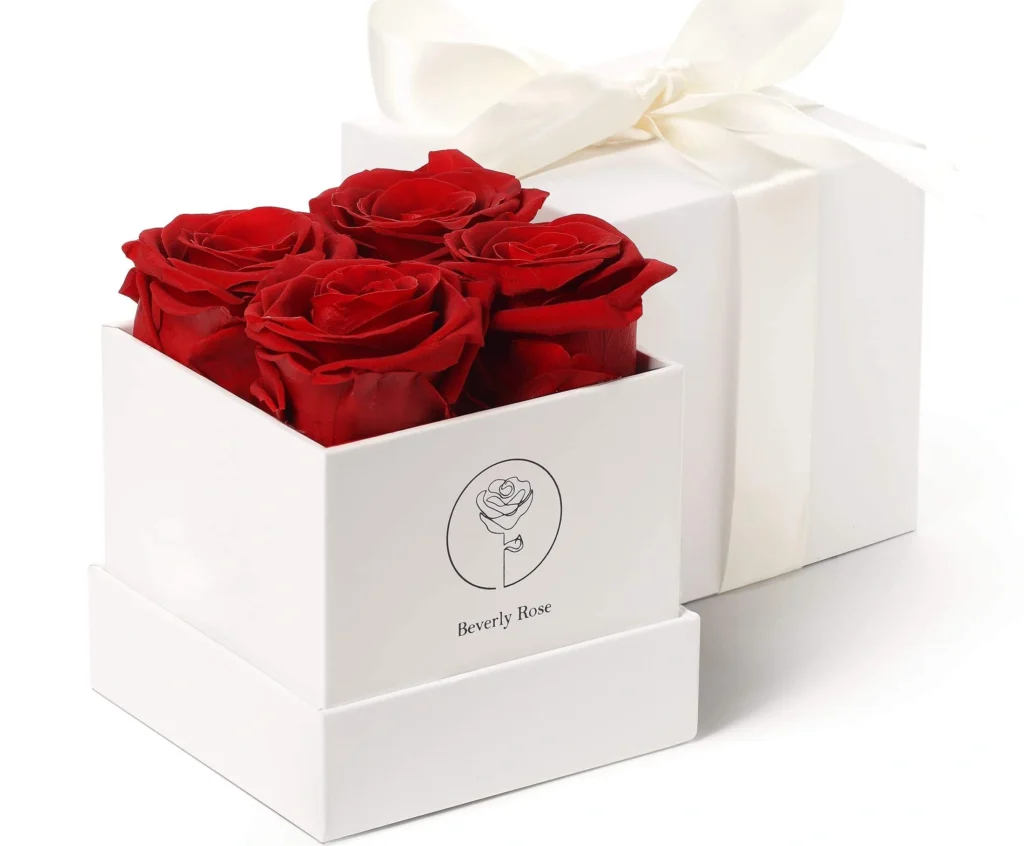
5. Think About Transportation and Logistics
1) Optimize for Shipping Cost
Shipping costs are often based on both weight and volume.
A box that is too large wastes space and increases shipping fees, while one that is too small may compromise protection and lead to damage or returns.
2) Stacking and Protection
Suitable box sizes stack better in warehouses and during transport. Oversized boxes may not meet courier size limits, especially for international shipping.
6. Choose Standard or Near-Standard Sizes When Possible
1) Reduce Production Cost
Using standard or near-standard sizes helps reduce mold fees, material waste, production time, and overall cost. Factories already have many existing die-cuts that can speed up the process.
2) Confirm with a Sample
Before finalizing the size, always check a white sample or a 3D digital sample. This helps confirm fit, space for inserts, and overall structure. Doing so prevents unnecessary adjustments and ensures the final production is accurate.
7. Communicate Clearly with Your Supplier
1) Provide Detailed Info
To help your supplier recommend the most accurate box size, share:
- Product dimensions (L × W × H)
- Shape details and any raised areas
- Product material and fragility
- Planned packaging method
- Whether inserts, cards, or fillers will be added
- Shipping requirements or special logistics concerns
Good communication reduces trial errors and speeds up sampling.
2) Ask for Professional Advice
Experienced packaging manufacturers can help you determine the best size and structure. They consider product fit, inserts, printing, strength, and brand appearance to offer a practical and beautiful solution.
Companies like Lucklin specialize in custom box design and can recommend the most suitable dimensions based on your product.
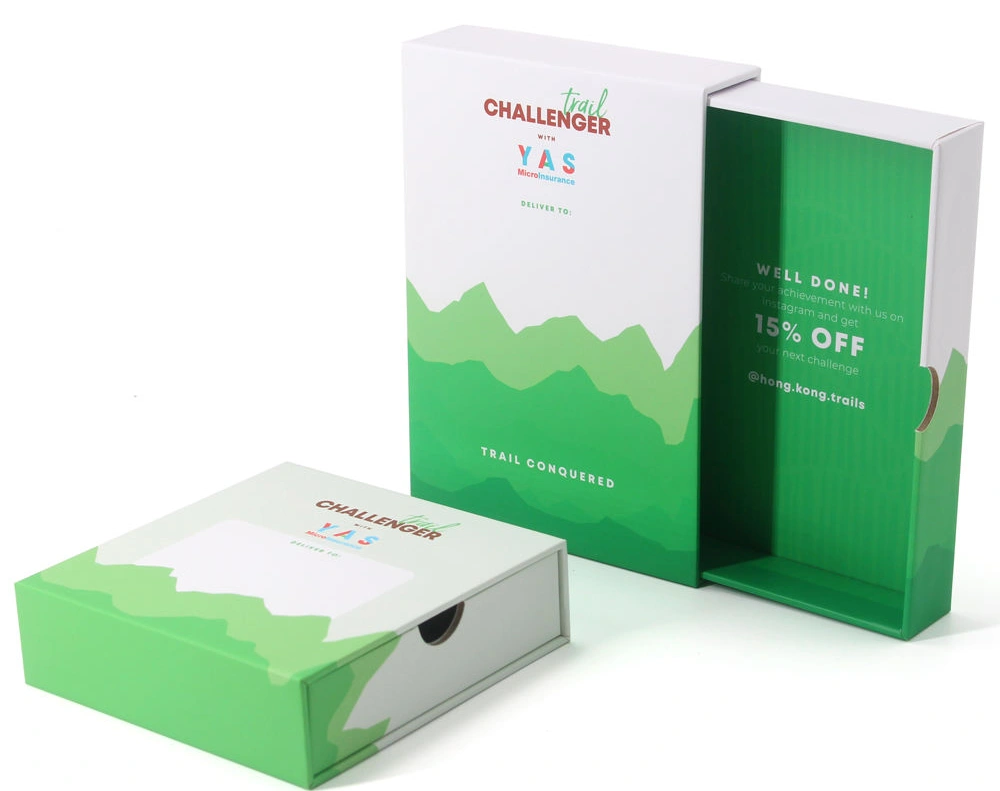
8. Final Tips and Recommendations
Choosing the right custom box size requires considering product dimensions, cushioning materials, box structure, material thickness, unboxing experience, and shipping needs.
To get the best results, follow these three steps:
- Measure your product accurately
- Create a sample to test the fit
- Get advice from a professional supplier
A well-fitted box not only protects your product but also enhances the customer experience and strengthens your brand image.
If you need a reliable packaging partner, Lucklin offers one-stop custom packaging services—from design and material selection to structure development and production. We supply gift bags, shopping bags, rigid drawer boxes, folding cartons, mailer boxes, and corrugated packaging tailored to your product.
We’re here to help you create packaging that is protective, beautiful, and aligned with your brand.