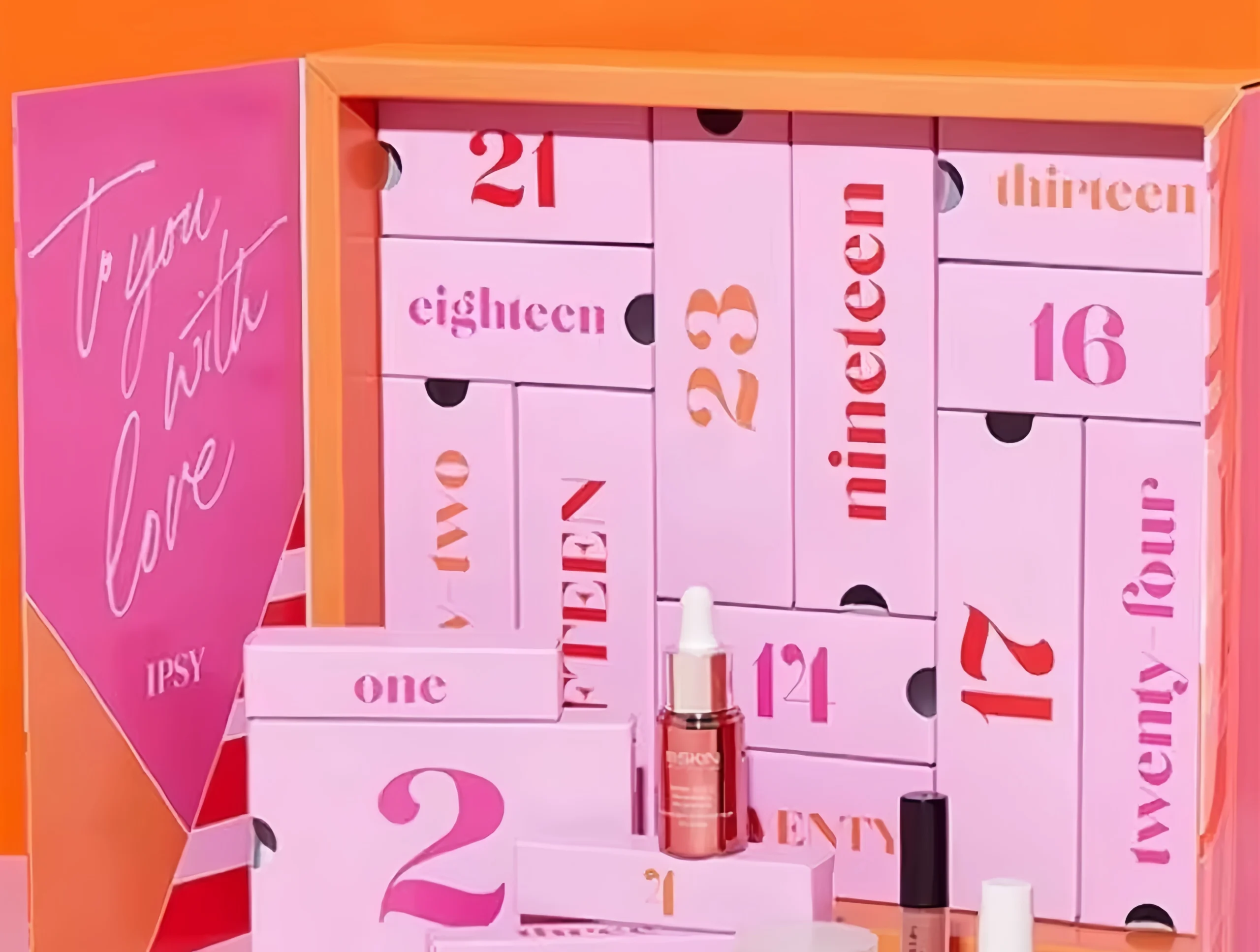
Why Choosing the Right Packaging Materials Can Protect Your Products and Boost Your Brand
In today’s competitive market, packaging is more than just protecting a product—it shapes the first impression customers have of your brand. Selecting the right packaging material grades and paper weight (GSM) not only safeguards products from transit damage but also defines your brand identity. Fragile items require high-strength corrugated liners; cosmetics demand oil-resistant coating boards; while luxury apparel thrives on premium textured specialty papers.
When selecting packaging, it’s also essential to consider your brand goals and practical needs. If you want a premium look, opt for thick paper with embossing or foil stamping. If sustainability matters, choose recyclable or recycled materials. For easy and safe shipping, pick strong, durable papers that resist damage. Cost and printing effects are also key—high-end papers and finishes can be pricey, but bulk orders lower unit costs, while standard cardboard or kraft paper is economical. Glossy paper suits vibrant, complex designs, whereas matte or textured paper feels sophisticated. Thick, soft paper conveys luxury and sturdiness, while smooth, glossy paper looks modern and clean.
By balancing protection, aesthetics, cost, and sustainability, you can choose packaging materials that are both visually appealing and practical, leaving a lasting, positive impression on your customers while reinforcing your brand’s value.
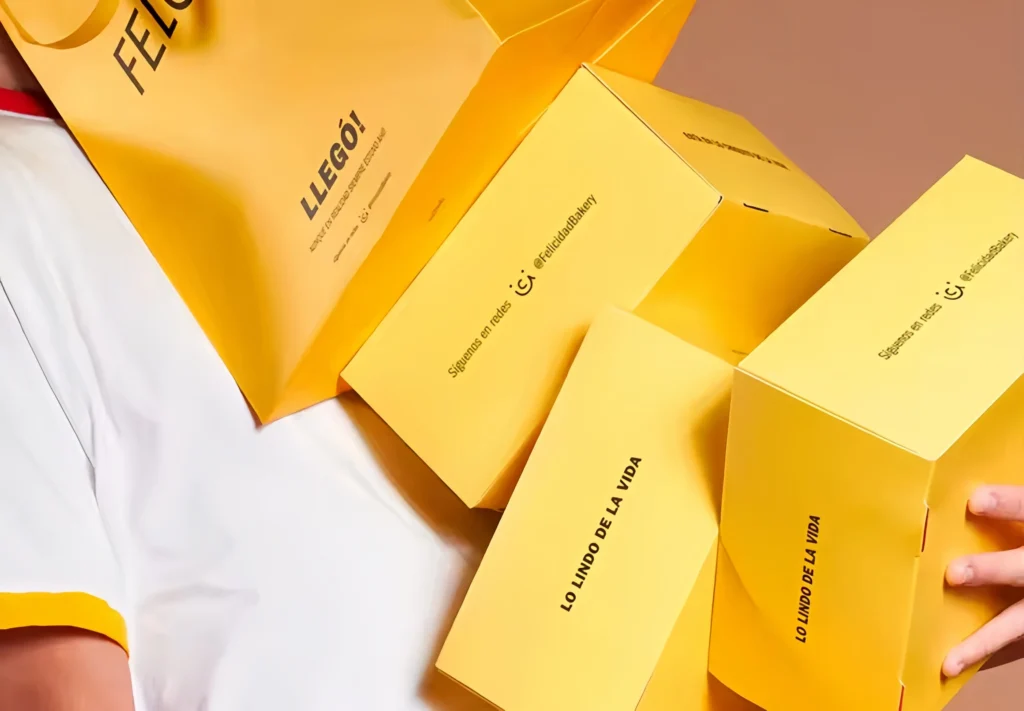
Choosing Packaging Materials Based on Product Type
When it comes to product packaging, one size does not fit all. Different types of products have very different requirements for packaging materials, and choosing the right one is essential for protecting your goods, enhancing the customer experience, and reinforcing your brand image.
Lightweight Products
For lightweight items such as cosmetics, stationery, or small accessories, light paper or thin film packaging is ideal. These materials are cost-effective, easy to handle, and reduce shipping weight, which can lower logistics costs. At the same time, proper packaging ensures that your products reach customers in perfect condition without unnecessary bulk.
Fragile Items
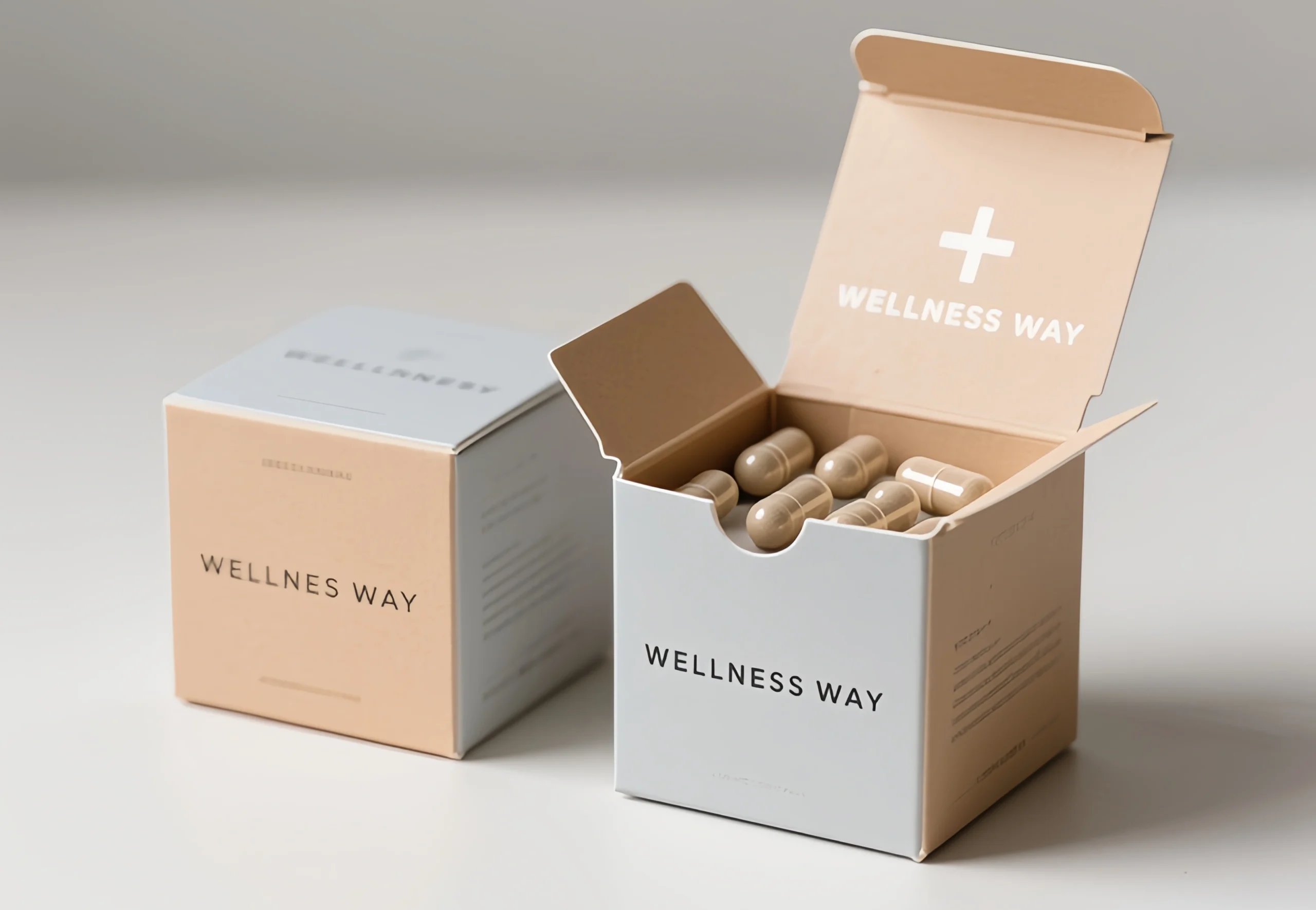
Fragile products, including glass bottles, ceramics, or delicate electronics, require protective packaging to prevent damage. Materials like thick cardboard, corrugated boxes, or cushioned inserts provide the necessary support and shock absorption during transit. Investing in high-quality protective packaging reduces the risk of returns and builds customer trust.
Premium Gifts
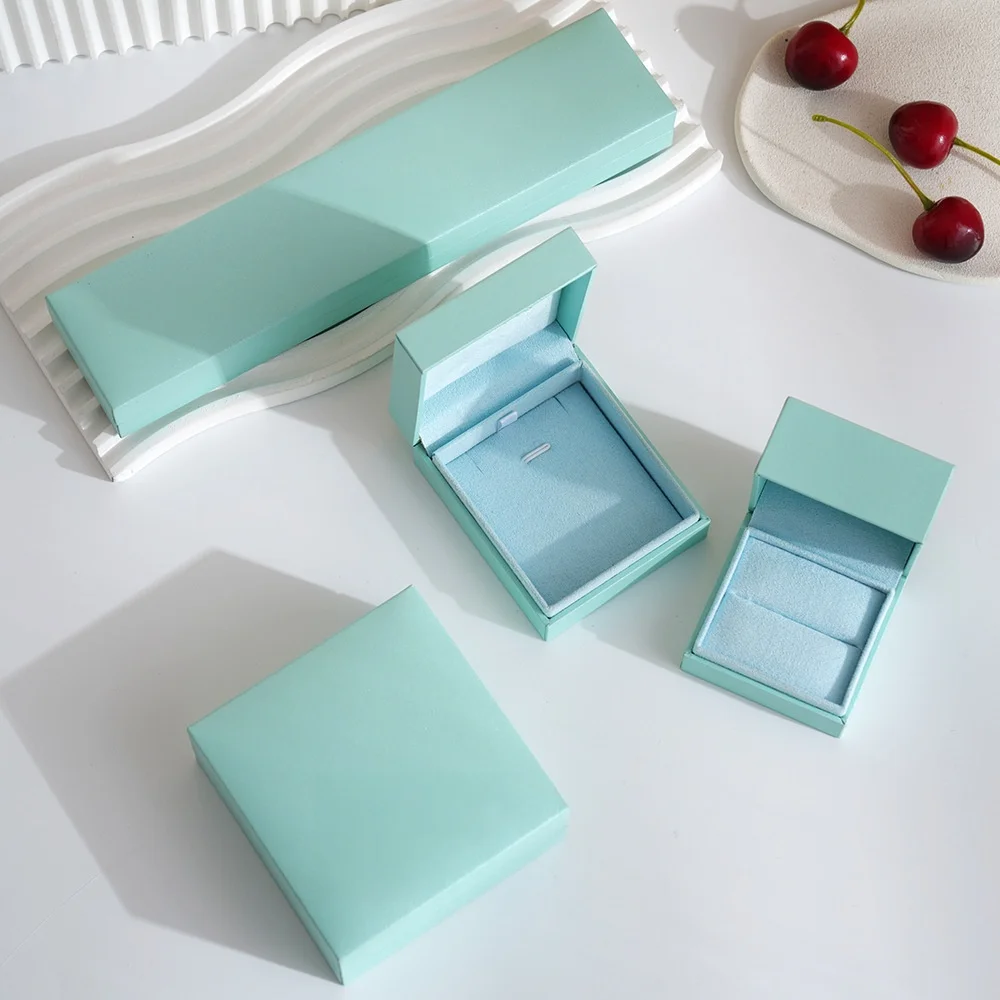
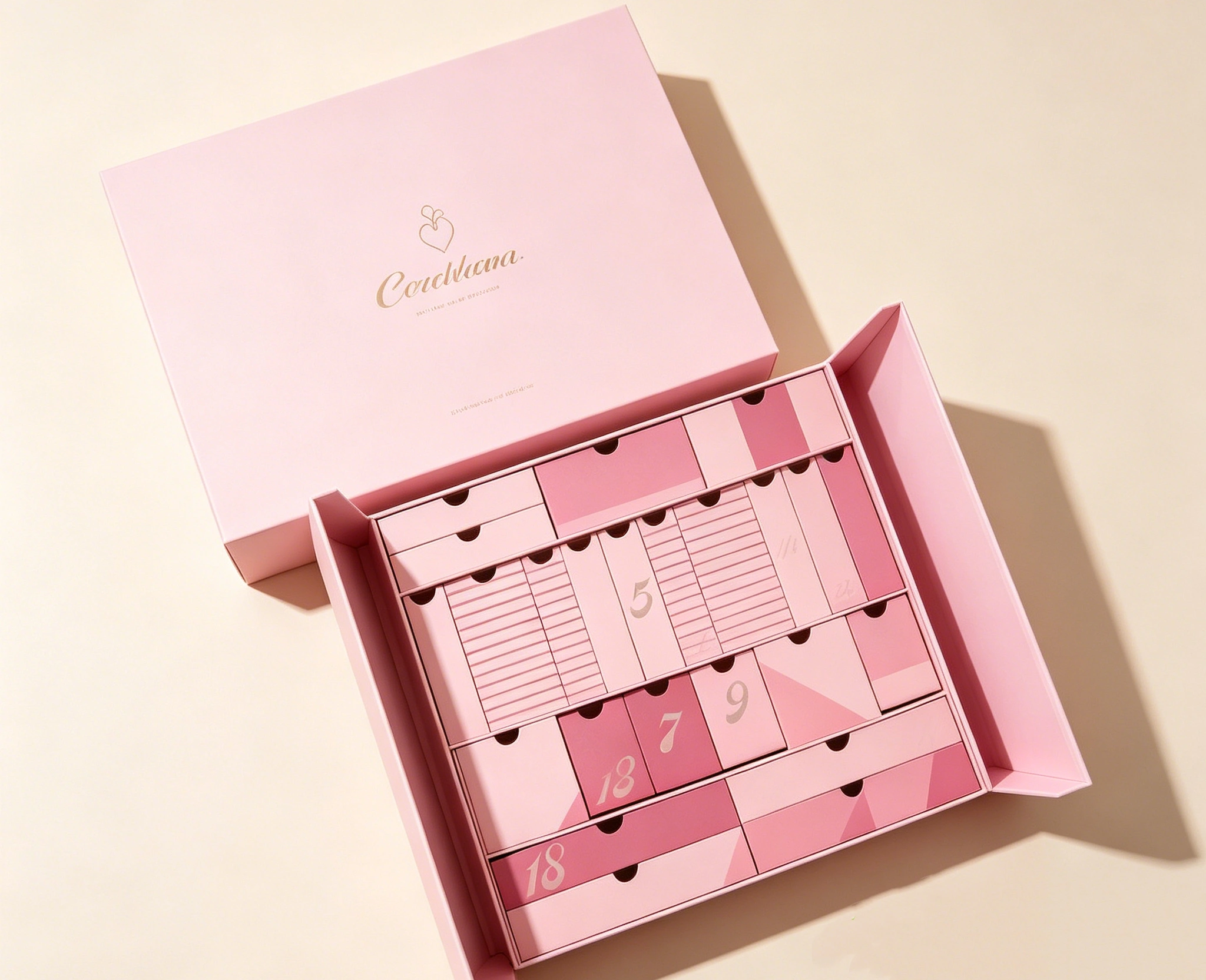
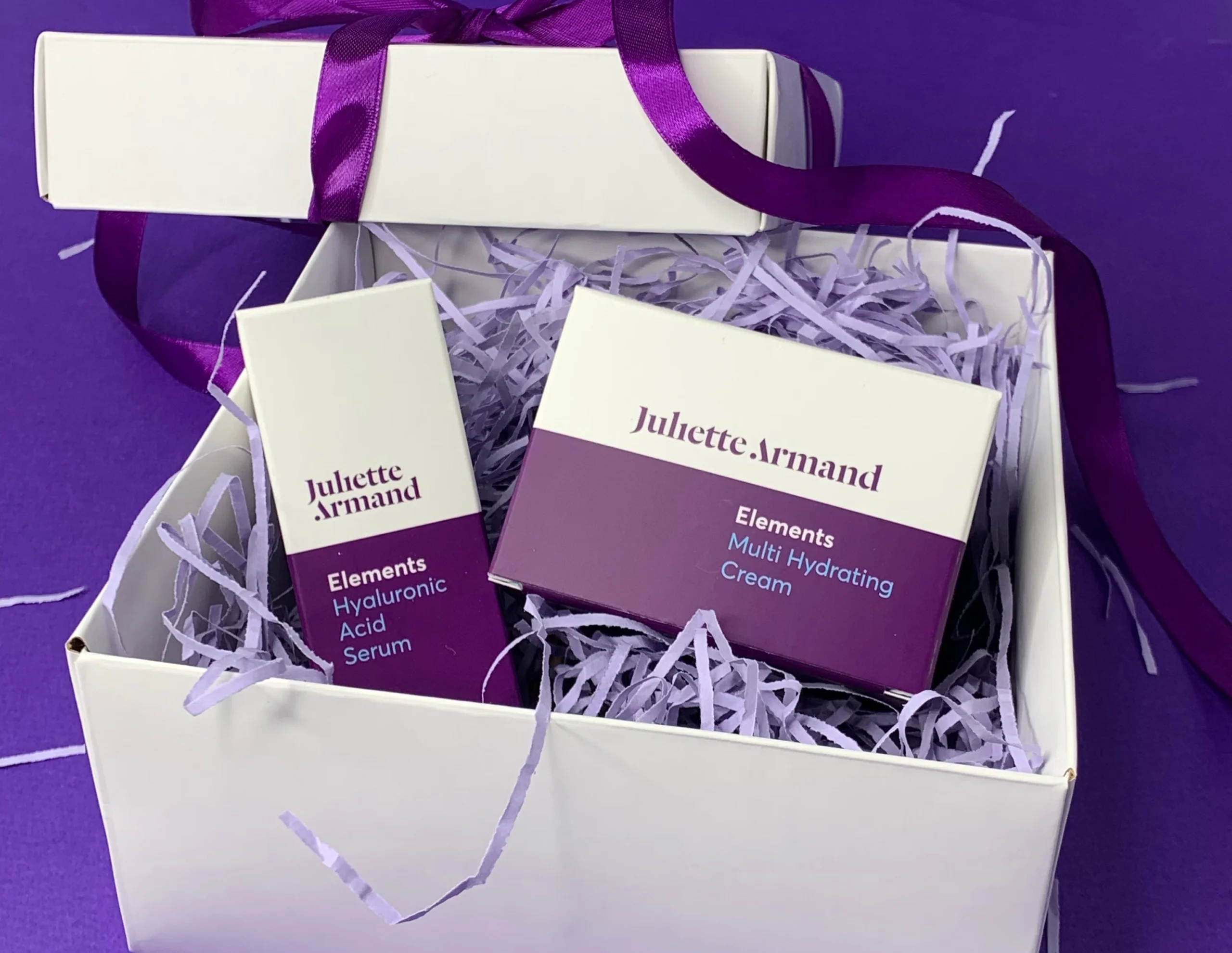
High-end gift items benefit from packaging that not only protects but also enhances the unboxing experience. Hard boxes, textured or specialty papers, and eco-friendly materials create a luxurious feel while remaining sturdy. Well-chosen packaging for premium products strengthens brand perception and leaves a lasting impression on customers.
Food and Beverages
For food and beverage products, packaging must prioritize safety and hygiene. Moisture-resistant, oil-resistant, and odor-proof materials ensure that products remain fresh and uncontaminated. Using food-safe packaging materials also communicates quality and care to consumers, reinforcing trust and brand credibility.
By carefully selecting packaging materials according to product type, businesses can ensure product protection, cost efficiency, and an enhanced customer experience. Whether you are shipping lightweight goods, fragile items, premium gifts, or food and beverages, the right packaging materials are essential for both functionality and brand presentation.
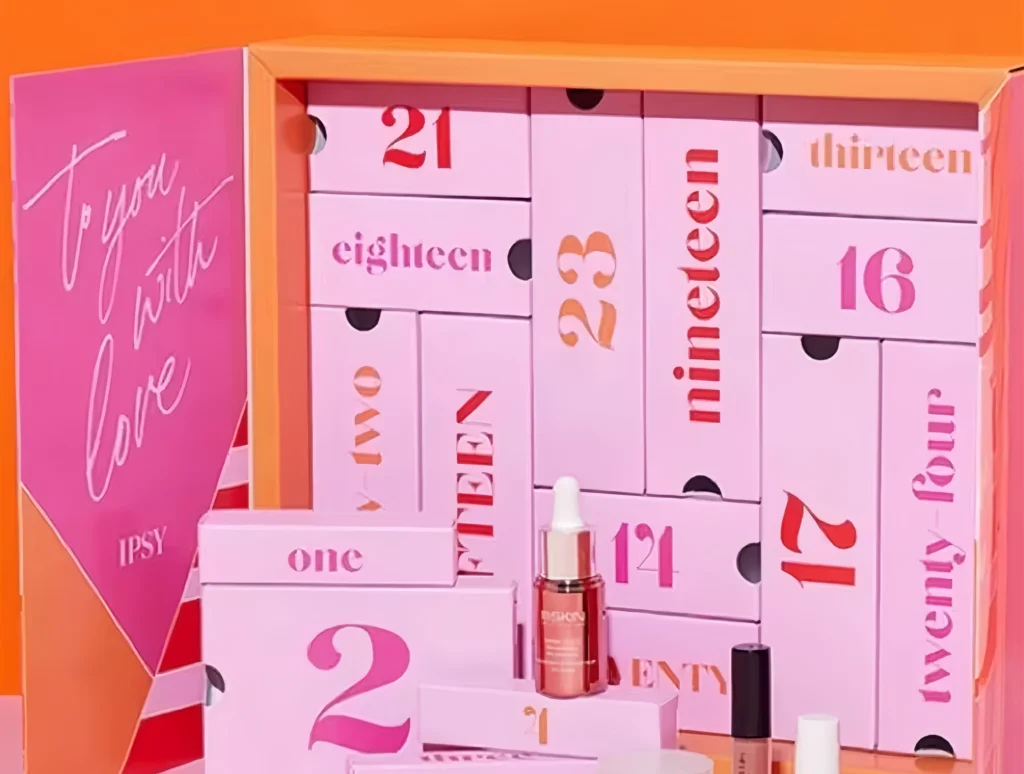
Common Packaging Materials and Their Features
Master Cheat Sheet: Common Packaging Paper Materials & Specs
| Material Name | Common Weight (GSM) | Key Features & Strengths | Ideal Industry Applications |
| White Cardboard / FBB (Folding Boxboard) | 250g- 400g | High brightness, multi-layer, ultra-smooth surface for premium offset printing | Cosmetics, pharmaceuticals, high-end electronic retail boxes |
| Kraft Paper / Kraftliner | 120g- 350g | High tear resistance, eco-friendly burst strength, vintage aesthetic | Sustainable subscription boxes, heavy-duty shopping bags, industrial packaging |
| Coated Art Paper | 128g- 300g | Available in glossy/matte; delivers vivid colors and sharp image contrast | Rigid box wrapping, luxury product brochures, custom sleeves |
| Duplex Board (Grey Back) | 230g – 450g | Cost-effective, rigid, made from recycled fiber with one bleached smooth side | Matchboxes, shoe boxes, everyday consumer goods outer packaging |
Choosing the right packaging materials is key to protecting your products, presenting your brand professionally, and creating a great customer experience. Different materials have unique properties and are suitable for different types of products. Here’s a breakdown of the most common options:
Coated Paper / White Cardboard
Coated paper and white cardboard are smooth and sturdy, providing excellent printing quality. They are perfect for colorful printed packaging, such as cosmetics, small gifts, or promotional items. The smooth surface ensures clear logos, images, and text, giving your packaging a polished and professional look.
Kraft Paper / Brown Paper
Kraft paper, also called brown paper, is natural, eco-friendly, and highly versatile. It works well for minimalist designs or brands focused on sustainability. Using kraft paper can immediately communicate an environmentally conscious brand image while keeping your packaging simple yet elegant.
Corrugated Cardboard / Rigid Boxes
For items that require extra protection during shipping, corrugated cardboard or rigid boxes are ideal. These materials are strong, durable, and resistant to pressure, making them the go-to choice for protective packaging of fragile or heavy products. They help prevent damage during transport and reduce product loss.
Plastic / PP / PET
Plastic packaging, including polypropylene (PP) and polyethylene terephthalate (PET), is waterproof and shock-resistant, making it suitable for liquids, food, or items sensitive to moisture. These materials are versatile and durable, helping ensure products arrive safely while maintaining their quality.
Eco-Friendly Alternative Materials
Sustainable packaging options, such as bamboo fiber, biodegradable films, or recycled paper, are becoming increasingly popular. They not only protect your products but also boost your brand’s eco-conscious image and appeal to environmentally aware consumers. Choosing sustainable materials is a great way to align your packaging with global environmental trends.
By understanding the features of each packaging material, you can choose the most suitable option for your products. Whether you need high-quality printed packaging, protective shipping materials, or eco-friendly solutions, selecting the right material ensures your products are safe, attractive, and aligned with your brand’s values.
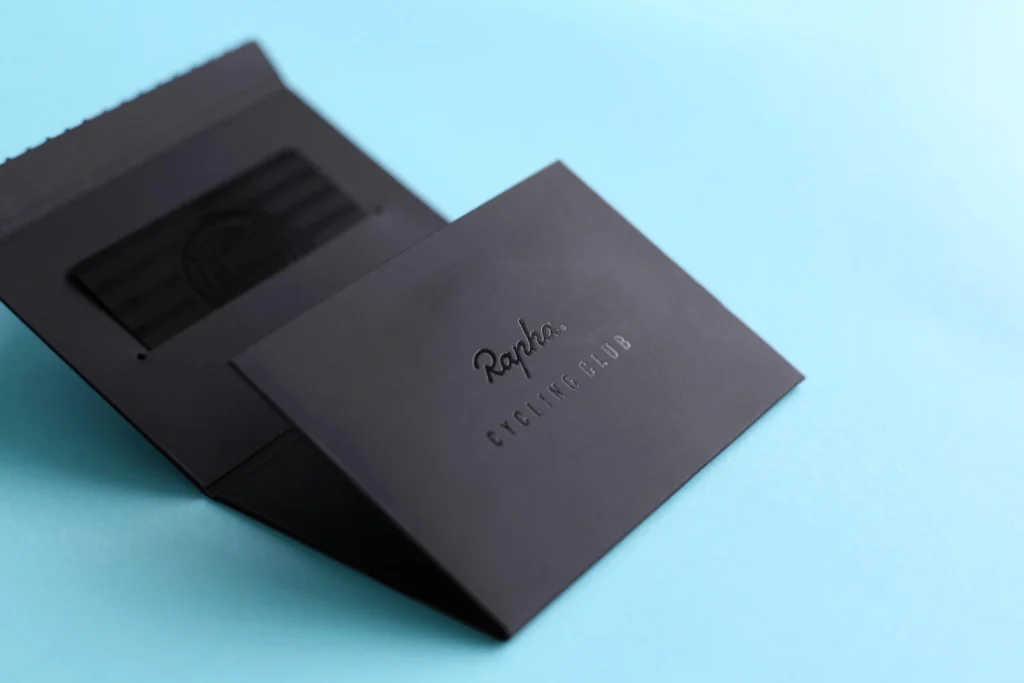
How to Choose Packaging Materials That Actually Work
When it comes to product packaging, it’s not just about looking good—function matters just as much. The right packaging materials protect your products, make them easy to use, and show off your brand the right way.
First, think about protection. Your packaging should be strong enough to handle bumps, pressure, and moisture. Fragile items like glass or ceramics need sturdy boxes and cushioning, while waterproof films or sealed bags keep liquids and food safe. Good protective packaging reduces returns, avoids damage, and keeps customers happy.Pro-Tip for B2B Buyers: When balancing cost and protection, pay attention to the GSM (Grams per Square Meter). For a standard cosmetics folding carton, a $300\text{g}-350\text{g}$ White Cardboard (FBB) offers the sweet spot of stiffness without cracking at the scores. If your product is over $1\text{kg}$, do not rely on standard cardstock—switch to an E-flute corrugated board or a $1200\text{g}$ rigid greyboard wrapped in art paper to avoid bottom-bursting during shipping.
Next, consider appearance. Materials with the right texture, gloss, or printing quality make a big difference. Smooth coated paper, textured kraft, or special finishes like embossing and foil can make your packaging look premium and professional. Great-looking packaging enhances the unboxing experience and strengthens your brand image.Don’t forget convenience. Easy-to-open, resealable, or reusable packaging makes life simpler for customers—and they’ll remember it. Packaging that’s practical encourages repeat purchases and improves user experience.
Finally, make sure your materials match your brand identity. Luxury brands might choose thick, textured paper with high-end finishes, while eco-conscious brands benefit from sustainable packaging like recycled or biodegradable materials. Packaging that aligns with your brand reinforces your values and helps your products stand out.
In short, the right packaging materials balance protection, style, convenience, and brand identity. Thoughtful packaging keeps your products safe, delights customers, and leaves a lasting impression—boosting both sales and loyalty.
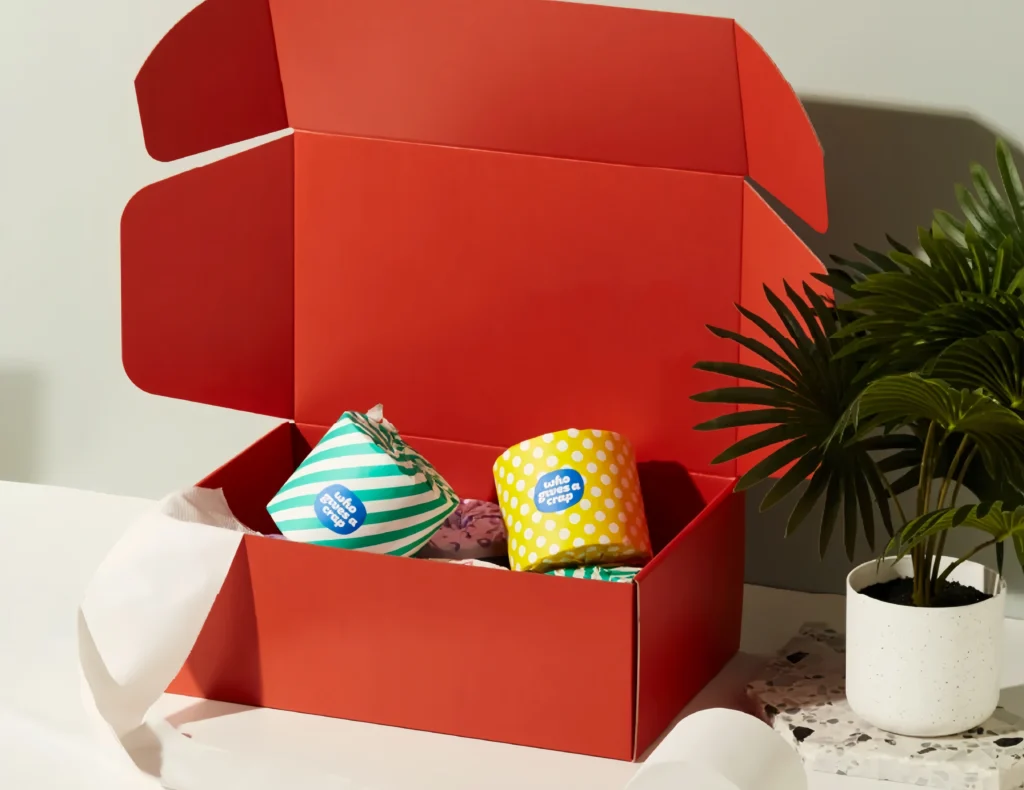
Balancing Cost and Budget in Packaging Procurement
Optimizing your packaging budget requires a strategic balance between per-unit manufacturing costs and perceived brand value. High-end materials elevate your product’s market positioning, but they must align with your operational margins. Managing these expenses effectively comes down to understanding how your order volume impacts structural design and printing techniques.
- For Small-Batch & Boutique Production: When producing limited editions or launching a new SKU, tooling and setup fees (like die-cutting molds and printing plates) heavily impact your margins. To maintain a premium tactile experience without overspending, opt for standard 300g-350g coated or kraft paperboards enhanced with high-impact, single-element finishes—such as a localized spot UV or clean blind embossing. This delivers luxury aesthetics while bypassing complex, multi-layered material costs.
- For Large-Scale & Volume Production: High-volume runs unlock significant economies of scale, driving down the per-unit cost of premium packaging. At this stage, you can optimize expenditures by fine-tuning material thickness (GSM), streamlining to automated high-speed offset printing, or engineering a hybrid packaging structure (e.g., using a premium rigid box for the exterior lid, but standard folding paperboard for internal product cell dividers).
Ultimately, cost-effective packaging is a product of integrated engineering—where material selection, surface finishing, and structural design are calculated simultaneously. By planning your packaging architecture around your exact production scale, you can maximize unboxing impact and protection without bleeding your bottom line
Eco-Friendly and Sustainable Packaging: Why It Matters
Sustainable packaging is no longer just a premium marketing choice; it is a core pillar of modern brand equity and consumer trust. Transitioning to eco-friendly materials demonstrates environmental responsibility before the customer even opens the box, transforming your sustainable values into a tangible, high-quality touchpoint that differentiates your products on crowded retail shelves.
Integrating materials like FSC-certified recycled paperboard, bamboo fiber, and compostable barriers has also evolved from a trend into a strict regulatory requirement. As global markets enforce rigorous plastic-free packaging mandates and Extended Producer Responsibility (EPR) regulations, shifting to 100% curbside recyclable paper solutions secures your supply chain against compliance risks while drastically lowering your brand’s carbon footprint.
Furthermore, eco-conscious packaging directly drives consumer purchasing decisions and long-term retention. Modern shoppers actively align their spending with sustainable brands. By investing in circular, thoughtfully engineered paper materials, you don’t just protect your product—you future-proof your regulatory compliance, appeal to high-value consumer demographics, and build a deeply trusted brand identity.

Final Recommendations for Choosing the Right Packaging Materials
Choosing the right packaging materials shouldn’t be guesswork. The key is to evaluate your product specs, target audience, budget, and shipping logistics as an interconnected system. By aligning structural integrity (for heavy or fragile items) with visual branding (such as premium finishes or eco-friendly kraft options), you ensure your packaging is engineered to be functional, impactful, and cost-effective.
Before committing to mass production, ordering physical sample prototypes is a critical risk-mitigation step. Testing small sample batches with your exact artwork and finishes allows you to evaluate color accuracy, tactile texture, and structural performance under real-world conditions. This quality-assurance process eliminates costly mistakes and guarantees the final unboxing experience meets both your quality control standards and customer expectations.
To streamline this process, smart brands leverage advanced digital tools and consult directly with professional structural packaging engineers. Partnering with industry experts helps you cut through the complexity of paperboard grades, finishes, and manufacturing constraints. This collaborative approach combines data-driven design with manufacturing expertise—ultimately delivering an optimized packaging solution that cuts logistics costs, elevates brand equity, and drives long-term customer loyalty.

FAQ
1: What does GSM mean in paper packaging, and why does it matter?
GSM stands for Grams per Square Meter. It measures the weight and thickness of the paper. A higher GSM means thicker, stouter, and more durable packaging. For example, business cards or premium box wraps usually use 150g-300 paper, while folding cartons require 300g-400g to maintain structural integrity.
2: What is the difference between SBS (Solid Bleached Sulfate) and FBB (Folding Boxboard)?
SBS is made entirely of bleached chemical pulp, offering a clean white look inside and out, perfect for luxury goods. FBB has mechanical pulp layers sandwiched between chemical pulp, providing higher stiffness per thickness at a more economical price point.
3: Can kraft paper boxes achieve high-quality color printing?
Because kraft paper is naturally brown or unbleached, it absorbs ink differently than coated white paper, leading to muted, earthy tones. If you want vibrant, highly accurate colors on a sustainable look, we recommend White Kraft Paper or using screen printing with opaque inks.
4: How do I prevent my paper boxes from cracking at the edges when folded?
Creasing and cracking usually happen when the paperboard is too dry or too thick without proper scoring lines. Working with a professional manufacturer ensures the paper fibers run in the correct grain direction and the humidity levels are controlled during production.
5: What is the most cost-effective packaging material for subscription boxes?
E-flute or F-flute corrugated cardboard is the most cost-effective solution. They provide the perfect blend of structural cushioning for e-commerce shipping while offering a smooth enough outer surface for high-quality custom branding.
6: Are specialty textured papers recyclable?
Most uncoated specialty textured papers are 100% recyclable. However, if the packaging involves heavy foil stamping, plastic lamination, or embedded magnetic closures, those components must be easily separable to comply with standard recycling streams.
In Summary: Why the Right Packaging Materials Make a Difference
Picking the right packaging materials isn’t just about keeping your products safe—it’s about showing your brand in the best light and creating a great experience for your customers. The right materials protect fragile items, reduce returns, and make sure products arrive looking perfect, while also reflecting the quality and care behind your brand.Good packaging also communicates your brand values. Premium finishes, eco-friendly materials, or specialty papers can make your packaging feel high-end and professional, while sustainable packaging appeals to environmentally conscious customers and strengthens brand loyalty.
In short, investing in the right product packaging is a smart move for the long term. When you balance protection, design, usability, sustainability, and cost, your packaging does more than just hold your products—it boosts your brand, delights customers, and leaves a lasting positive impression from the very first moment they see or touch it.
Source Your Perfect Packaging Materials Today
Finding the balance between material cost, product safety, and brand aesthetics requires technical expertise. Let us handle the complexity for you.
👉 Contact Our Structural Experts for Free Material Samples & Custom Quotes!