In today’s competitive fashion industry, eco-friendly packaging for clothing brands is no longer just a nice branding choice—it has actually become something brands need to take seriously if they want to build a strong image, win customer trust, and grow in the long term.
As sustainability becomes more important worldwide, packaging waste from the apparel and retail industries is also increasing. According to the United Nations Environment Programme (UNEP), billions of packaging units are produced every year, and the fashion and beauty industries are among the biggest contributors.
At the same time, consumer expectations are changing quite fast:
- 82% of consumers now expect recyclable packaging
- 77% prefer biodegradable or eco-friendly materials
- More than 60% are willing to pay more for sustainable packaging
This clearly shows that packaging is no longer only about protecting products. It has also become an important way for brands to communicate their values, especially their commitment to sustainability and environmental responsibility.
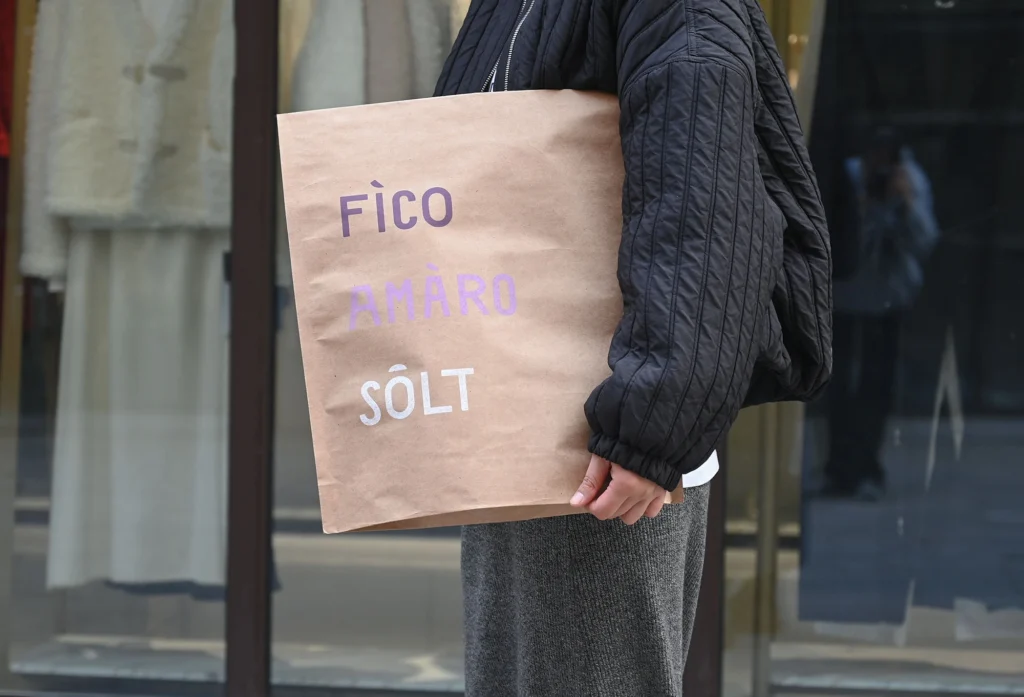
Why Eco-Friendly Packaging Matters for Clothing Brands
Sustainable packaging has moved from being a trend to something that’s increasingly expected. It’s now driven by environmental concerns, government regulations, and what consumers actually want from brands.
1. Environmental Pressure
Traditional plastic packaging plays a big role in landfill waste and ocean pollution. The fashion industry, because of its fast production and turnover cycles, creates a large amount of packaging waste. This makes eco-friendly packaging for clothing brands especially important in reducing environmental impact.
2. Regulatory Compliance
New policies like the EU Packaging and Packaging Waste Regulation (PPWR) are pushing brands to switch toward recyclable, reusable, or compostable packaging systems by 2030. Brands that don’t adapt may face higher costs and possible restrictions in certain markets.
3. Consumer Expectations
Today’s consumers—especially Gen Z and millennials—prefer brands that care about the environment. For many customers, packaging is the first physical touchpoint with a brand, so sustainable packaging plays a big role in building trust and shaping brand perception.
In short, sustainability is no longer just a marketing advantage—it has become a basic requirement for staying competitive in the market.
Eco-Friendly Packaging Materials for Clothing Brands
The foundation of sustainable packaging lies in selecting the right materials that balance environmental impact, cost, and functionality.
Recycled Kraft Paper Packaging
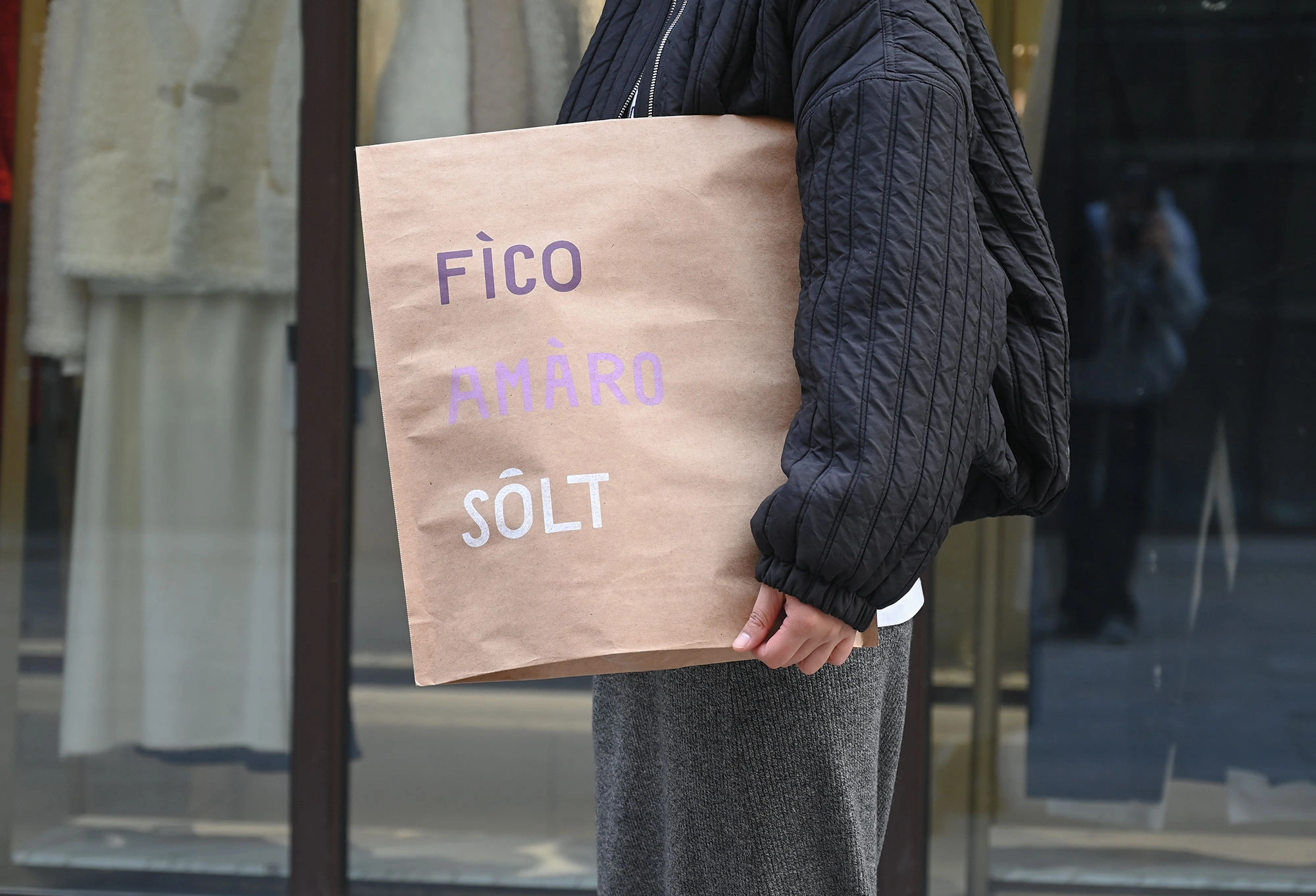
Recycled kraft paper packaging is one of the most commonly used eco-friendly packaging materials for clothing brands because it offers a good balance between sustainability and practicality.It is made from post-consumer recycled paper waste, which helps reduce deforestation and lowers the demand for new raw materials. At the same time, it is strong and durable enough for apparel shipping and retail packaging, and it is fully recyclable and biodegradable in standard waste systems.
This type of packaging is widely used for shopping bags, mailer boxes, gift packaging, and retail boxes. Overall, recycled kraft paper packaging is also considered a cost-effective eco-friendly packaging option, making it suitable for both emerging and established clothing brands.
If you want to explore different paper bag materials, structures, and applications in detail, you can read our complete guide:
Eco-Friendly Paper Bags: Materials, Types and Uses (2026)

FSC-Certified Hang Tags
FSC-certified packaging materials ensure that paper products come from responsibly managed forests. This certification is widely used in clothing hang tags, product labels, as well as brand instruction cards and inserts.
Although these components are small in size, they play an important role in reinforcing a brand’s sustainability message. For premium fashion brands, FSC certification helps build credibility and ensures alignment with global sustainability standards.
Bio-Based Packaging Bags
Bio-based and compostable packaging materials are reshaping the future of clothing packaging. These innovative sustainable options include corn starch-based (PLA) mailers, cassava-based biodegradable bags, and plant fiber materials such as pineapple leaf fiber.
Compared with conventional plastics, these materials significantly reduce decomposition time. Under industrial composting conditions, they can break down within months or a few years, making them a much more eco-friendly alternative. They are particularly suitable for brands targeting premium eco-conscious markets or seeking strong environmental differentiation.

Sustainable Packaging Design for Clothing Brands
Sustainability is not only about materials—it also depends heavily on design decisions.
Minimalist Packaging Design
Minimalist design has become a core principle of eco-friendly packaging for clothing brands, as it reduces both environmental impact and production costs.
Key characteristics include:
- Reduced ink coverage and printing complexity
- Clean and functional layouts
- Simple typography and brand messaging
- Elimination of unnecessary decorative elements
In practice, less material and fewer print layers directly translate into lower waste and a more refined brand identity.
Eco-Friendly Branding Techniques
Instead of relying on heavy ink printing, many brands are shifting toward alternative finishing methods such as:
- Hot stamping logos
- Embossing and debossing techniques
- Eco-friendly foil applications
These methods reduce chemical ink usage while maintaining a premium and tactile brand experience, especially for high-end fashion packaging.

Sustainable Packaging Solutions for Shipping Apparel
Shipping is one of the largest contributors to packaging waste in the apparel industry, making it a key area for improvement.
Compostable Mailers
Compostable mailers made from PLA or PBAT materials offer a sustainable alternative to traditional plastic mailers. Under proper composting conditions, they can break down within a short environmental cycle, significantly reducing long-term waste impact.
Reusable Packaging Systems
Some advanced clothing brands are implementing reusable packaging models where shipping boxes or bags can be returned and reused multiple times.
This system can reduce overall packaging consumption by up to 80% over time, making it one of the most impactful long-term sustainability strategies.
Optimized Packaging Size
Right-sizing packaging is a simple but highly effective sustainability improvement:
- Reduces unnecessary material usage
- Lowers shipping costs and carbon emissions
- Improves warehouse and logistics efficiency
Even small reductions in empty space can lead to significant environmental and cost benefits at scale.

Case Studies: Leading Fashion Brands Using Sustainable Packaging
Zara (Inditex Group)
Zara has implemented large-scale sustainability initiatives across its supply chain:
- Reusing packaging boxes multiple times
- Reducing paper consumption by up to 80%
- Increasing recyclable material usage across operations
The brand also encourages customer participation through recycling and reusable packaging programs.
Patagonia
Patagonia is widely recognized as a pioneer in sustainable fashion:
- Uses recycled materials in product manufacturing
- Converts plastic waste into usable textile fibers
- Actively promotes packaging recycling initiatives
Their strategy demonstrates that environmental responsibility and strong brand growth can coexist successfully.
Eco-Friendly Packaging Solutions for Small Clothing Brands
Small and emerging brands can also adopt eco-friendly packaging for clothing brands without significant financial pressure.
Step 1: Start with Core Packaging Components
Begin by replacing the most impactful elements:
- Plastic mailers → kraft paper or compostable mailers
- Standard tags → FSC-certified hang tags
Step 2: Optimize Purchasing Strategy
Buying in bulk through suppliers or platforms such as Alibaba allows brands to achieve lower unit costs while maintaining sustainable material choices.
Step 3: Reduce Printing Costs
Digital alternatives can significantly reduce waste:
- QR codes instead of printed manuals
- Online care instructions instead of paper inserts
Step 4: Communicate Sustainability Clearly
Transparency is essential. Clearly explaining your sustainable packaging choices helps build trust and strengthens your brand positioning in competitive markets.
1. What is eco-friendly packaging for clothing brands?
Eco-friendly packaging for clothing brands refers to packaging made from sustainable materials that reduce environmental impact. This includes recyclable, biodegradable, or compostable options such as kraft paper, FSC-certified paper, and bio-based materials.
2. Why is sustainable packaging important in the fashion industry?
Sustainable packaging helps reduce waste, lower carbon footprint, and meet growing consumer demand for environmentally responsible products. It also improves brand image and builds customer trust.
3. What materials are commonly used in eco-friendly clothing packaging?
Common materials include recycled kraft paper, FSC-certified paper, biodegradable plastics like PLA, and plant-based fibers such as bamboo or pineapple leaf fiber.
4. Is eco-friendly packaging more expensive?
It depends on the material and design. Some options like recycled kraft paper are cost-effective, while advanced materials like compostable plastics may cost more. However, they can add value by enhancing brand perception and customer loyalty.
5. Can eco-friendly packaging be customized for branding?
Yes, sustainable packaging can still be fully customized with logos, colors, and finishes. Many brands use techniques like embossing or hot stamping to reduce ink usage while maintaining a premium look.
6. How can clothing brands transition to sustainable packaging?
Brands can start by switching to recyclable materials, reducing packaging size, simplifying design, and working with suppliers that offer eco-friendly solutions. Gradual changes can help control costs while improving sustainability.
Conclusion
Eco-friendly packaging for clothing brands is no longer a passing trend—it is a long-term strategic direction that defines modern brand competitiveness.
From recycled kraft paper packaging and FSC-certified materials to compostable mailers and minimalist packaging design, every sustainable decision contributes to:
- Stronger brand identity
- Higher customer trust and loyalty
- Reduced environmental footprint
Whether you are a global fashion brand or a growing startup, investing in sustainable packaging is now essential for long-term success in the apparel industry.
Get Custom Eco-Friendly Packaging for Your Brand
Looking for reliable and cost-effective clothing packaging solutions?
We provide:
- Custom kraft paper bags & mailer boxes
- FSC-certified packaging
- Low MOQ & factory pricing
- Fast sampling (3–5 days)
👉 Get a free packaging solution & quotation within 24 hours.
👉 Contact us today to request samples and start your sustainable packaging journey.