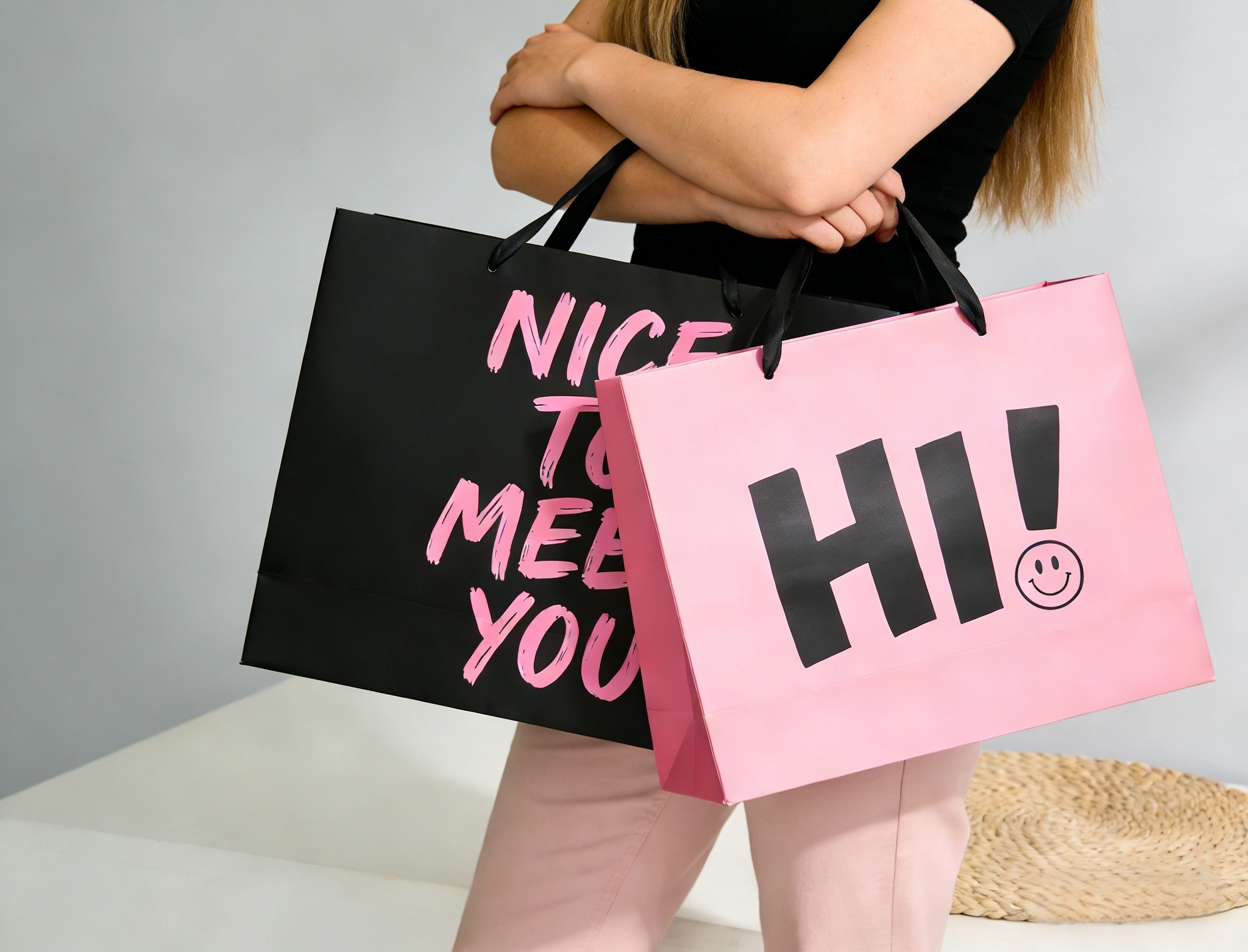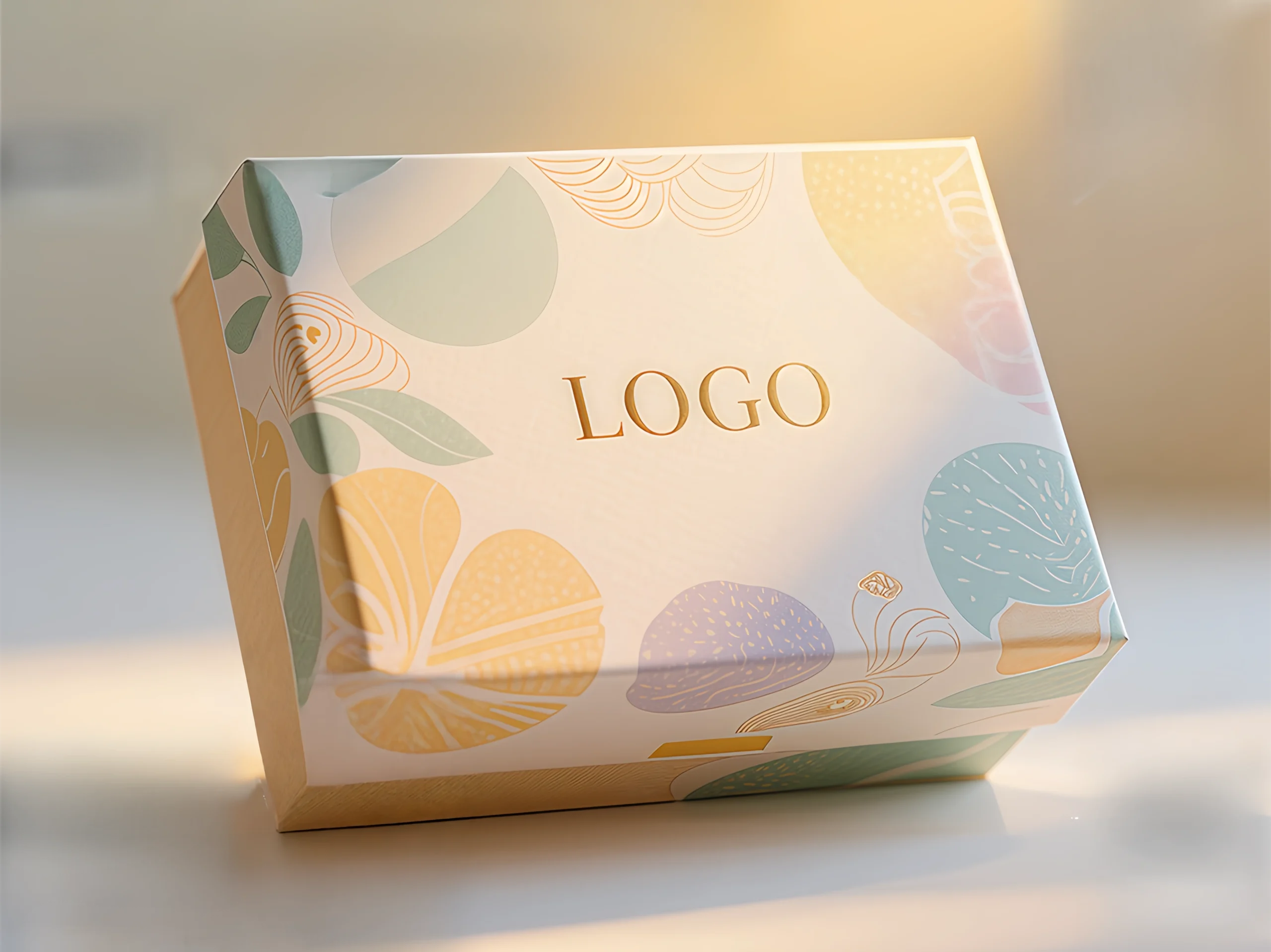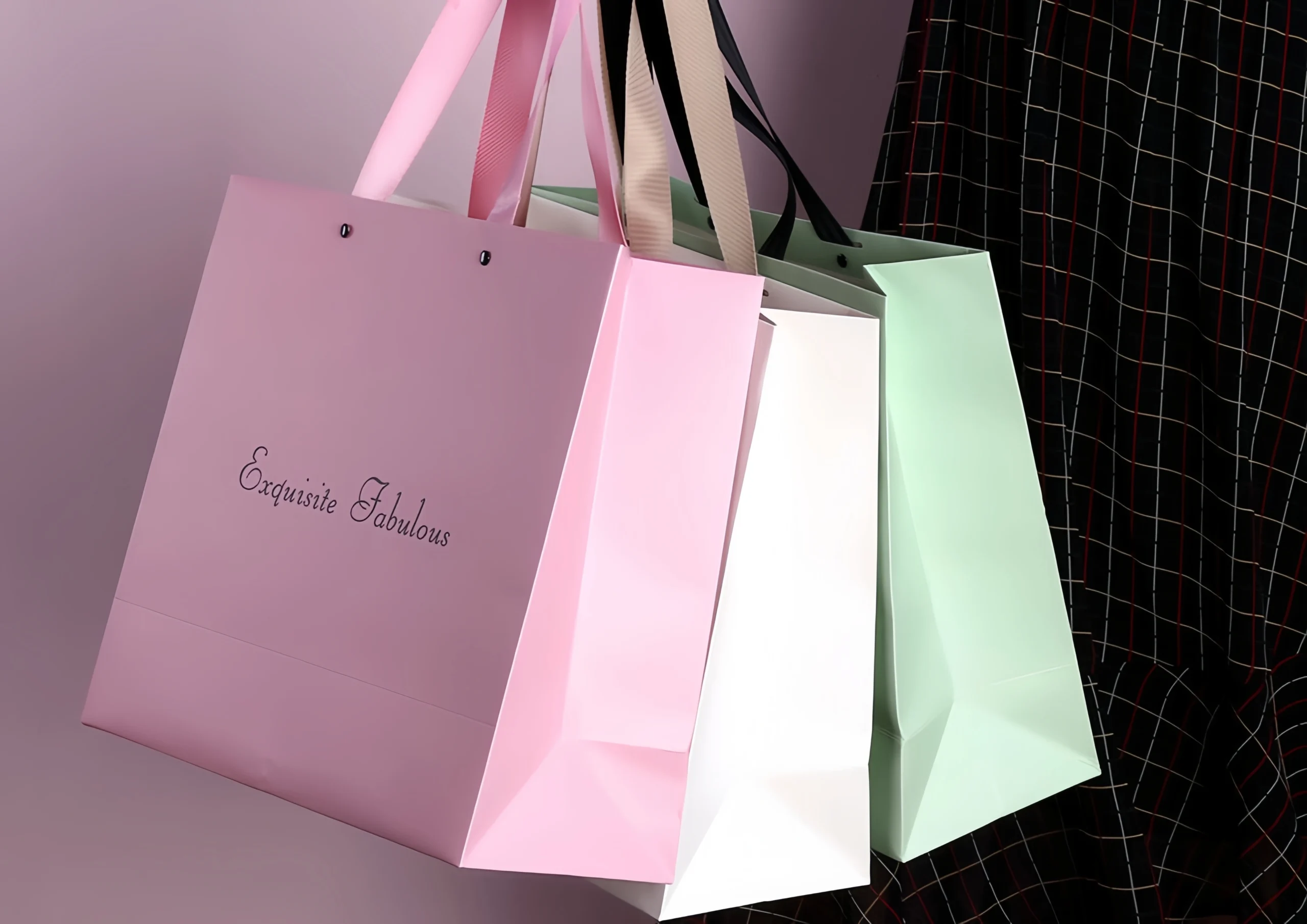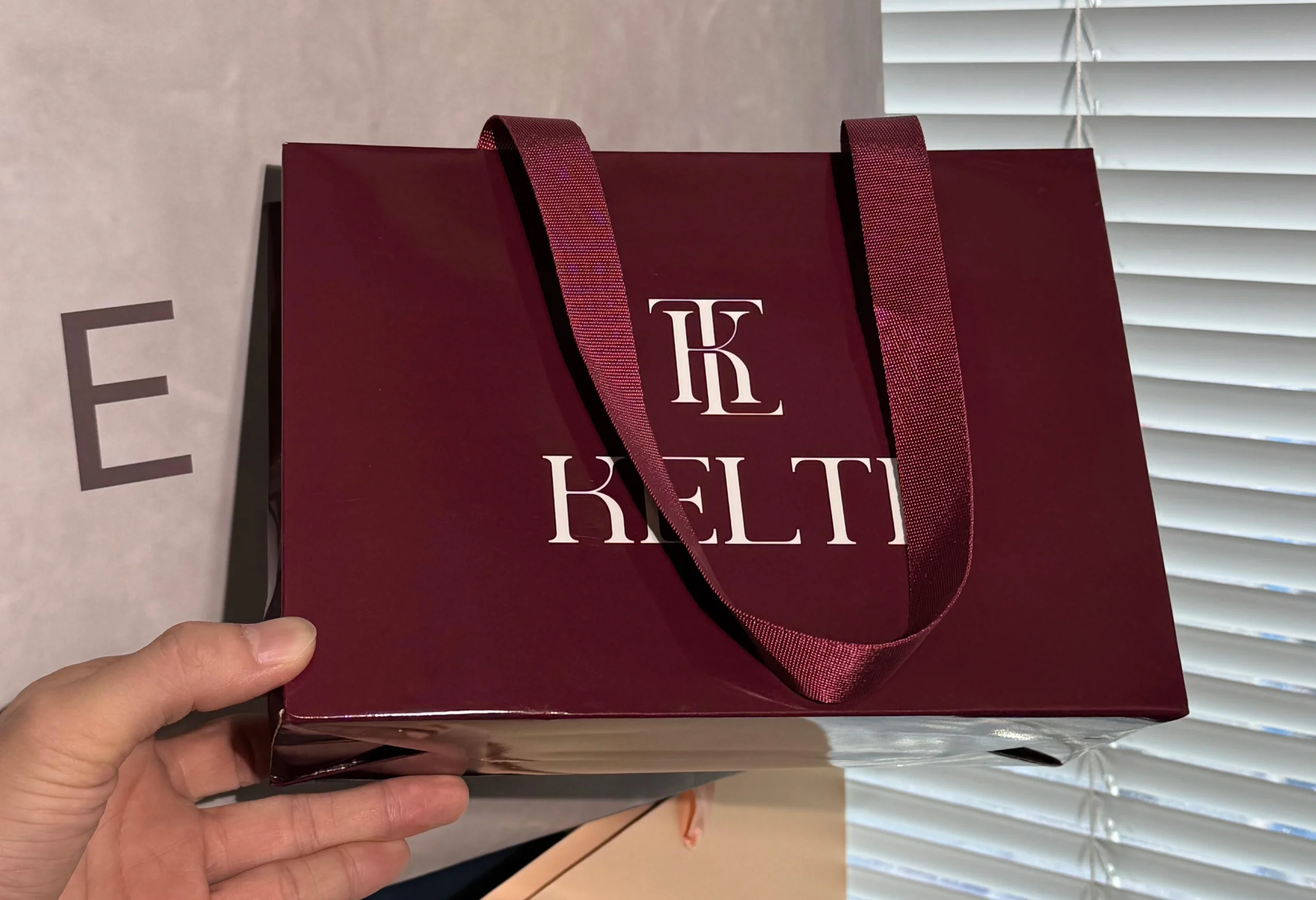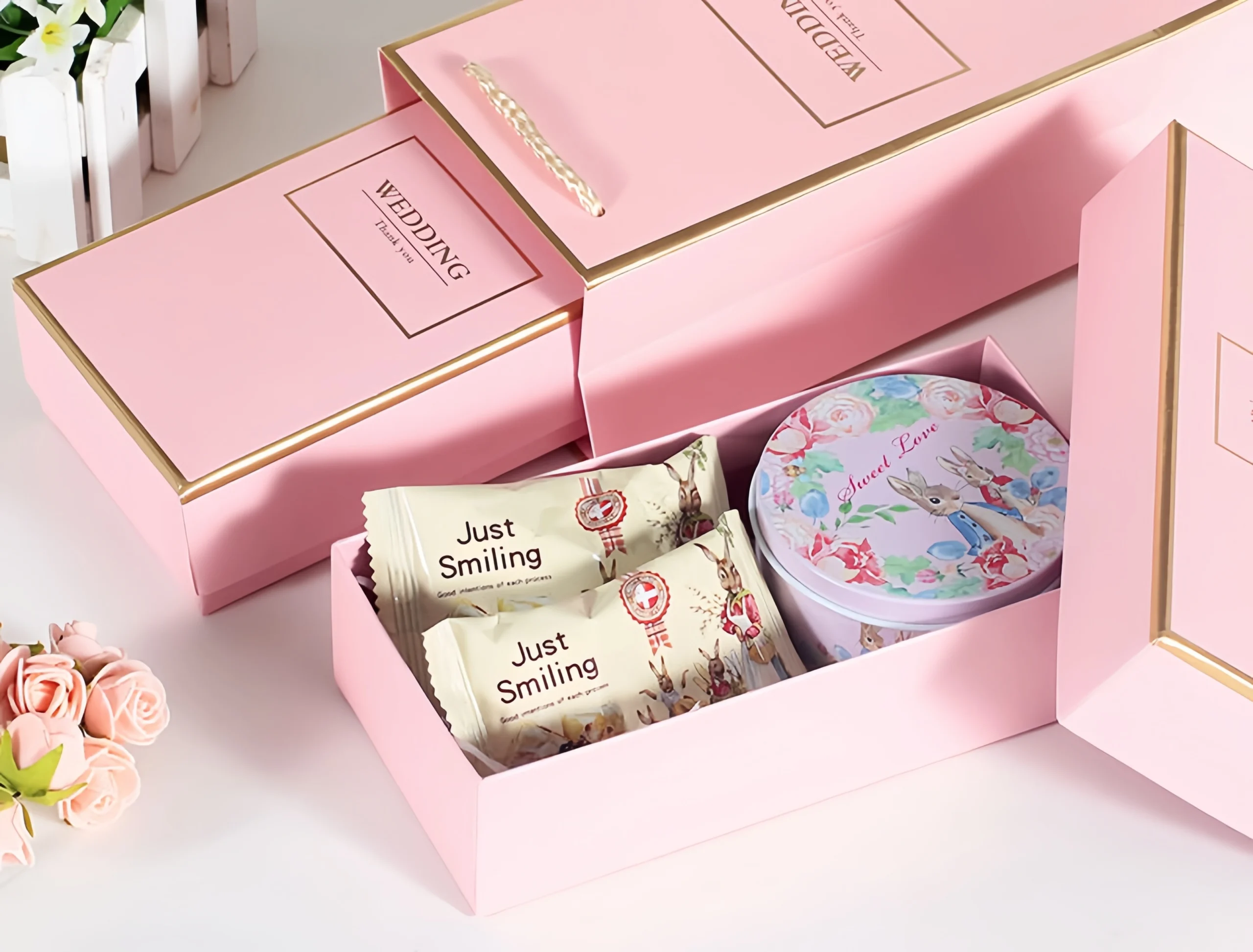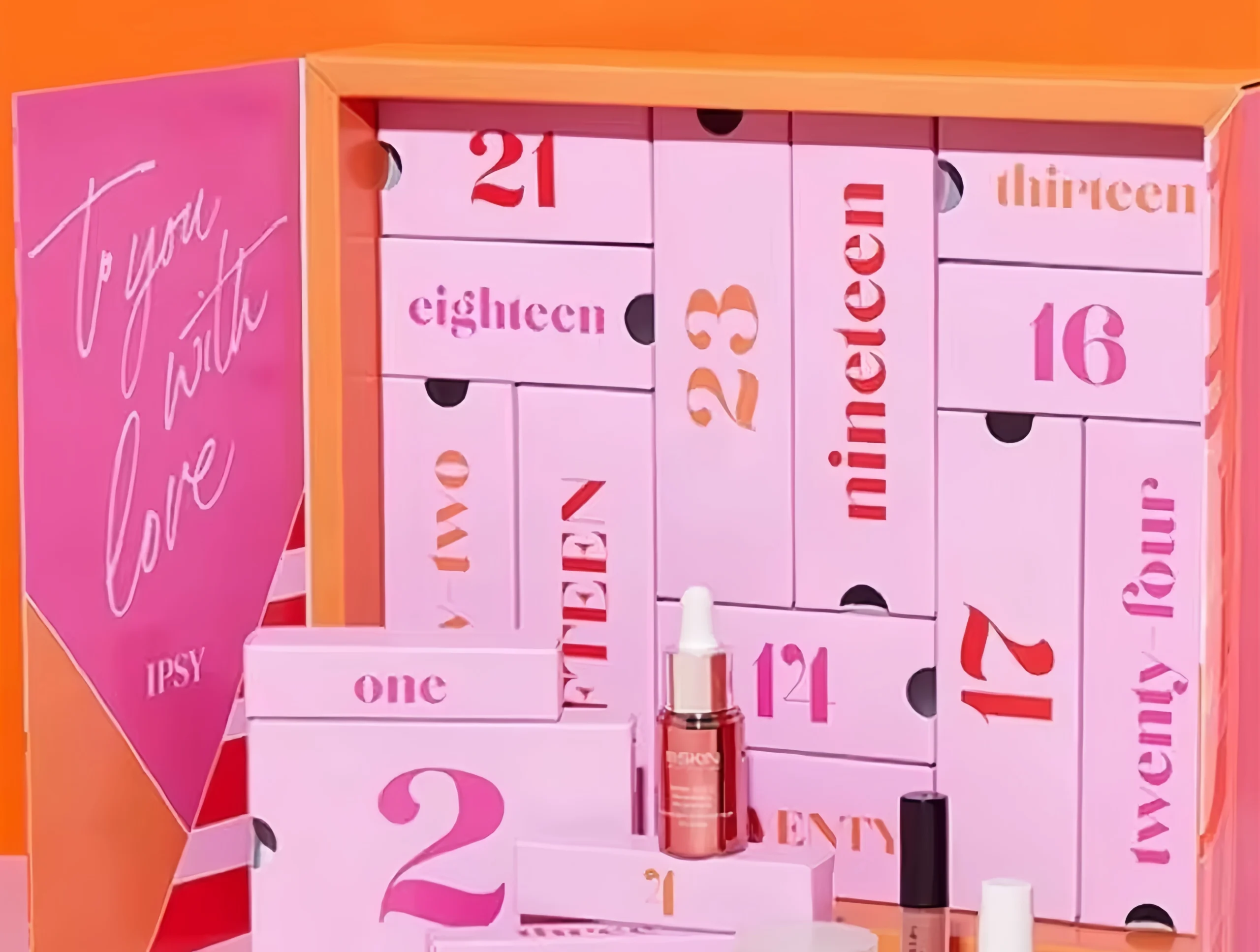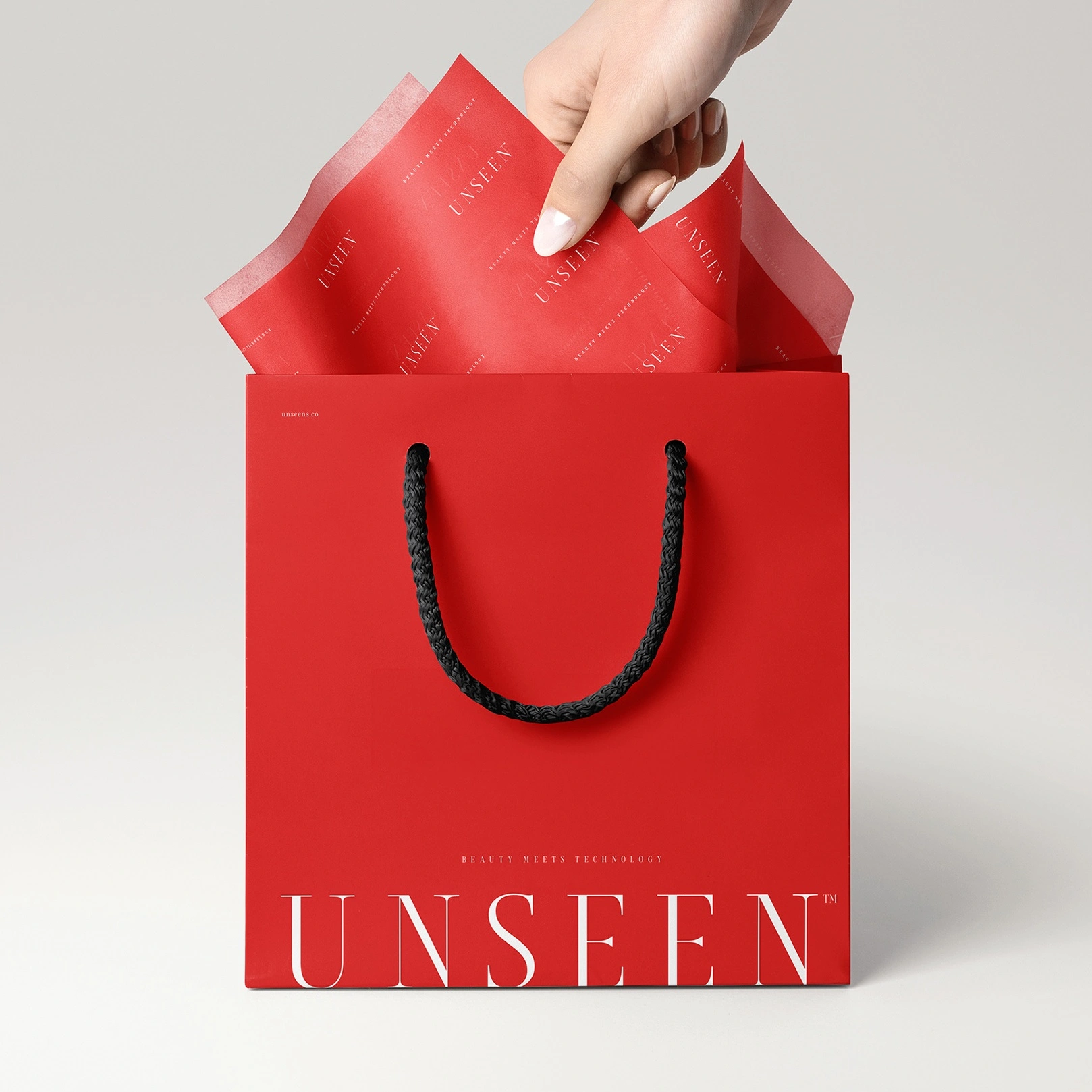
Custom paper bags have come a long way — they’re no longer just simple packaging. Today, they’re an important part of your brand image. Whether you run a luxury boutique, café, retail store, or host brand events, the right paper bag can show your quality, style, and values.
Before you place an order, it’s important to understand what really matters. Here’s a practical guide to 15 key things you should know before ordering custom paper bags — so you can make the right choices, avoid common mistakes, and create bags that truly represent your brand.
1. Define the Purpose of Your Paper Bags
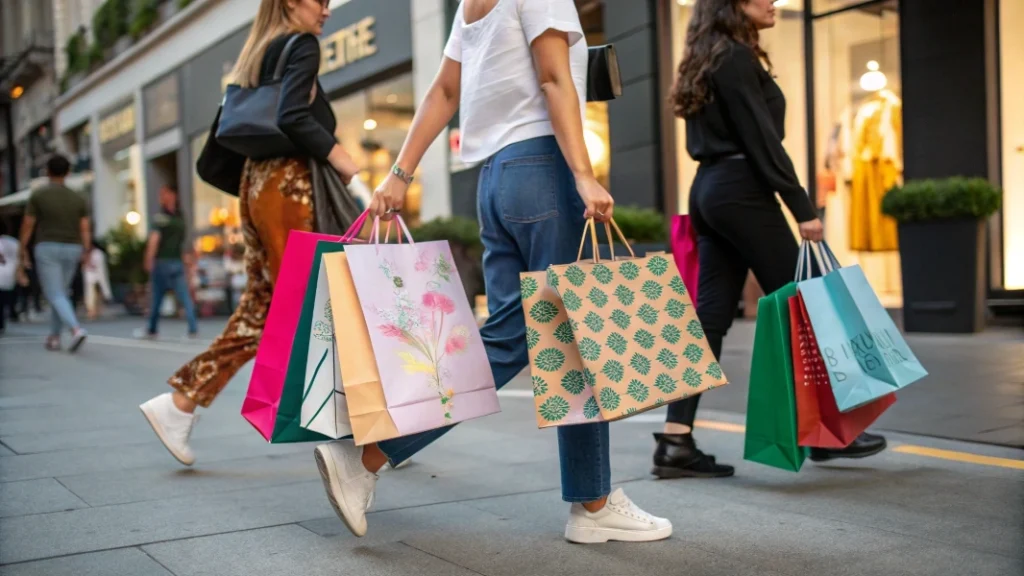
Before you start designing your paper bags, it’s important to be clear about their purpose. Are they for luxury gifts, retail shopping, events, promotions, or food packaging? Knowing this upfront will guide your choices in paper type, thickness, and finishing options. For example, luxury gift bags benefit from thicker, high-quality paper with foil stamping or embossing, while retail shopping bags need to focus on strength, durability, and cost-efficiency.
The purpose also affects colors, design style, and material requirements. Event or promotional bags can be bold and eye-catching, while food packaging must use greaseproof or laminated paper that meets safety standards. Keeping your intended use in mind ensures your paper bags are not only functional but also visually appealing and suitable for the products or occasions they’re meant for.

2. Know Your Target Customers
It’s important to know who will be using your paper bags. Different customers have different preferences, and understanding this helps you design bags that truly appeal to them. Young and trendy buyers often love bold colors and eco-friendly paper, while luxury customers usually prefer minimal designs, matte finishes, and refined details.
Eco-conscious shoppers, on the other hand, are drawn to recycled or FSC-certified paper bags. By designing your bags with your target audience in mind, you create a stronger emotional connection, making your brand more memorable and impactful.
3. Set a Realistic Budget
The price of custom paper bags is determined by factors such as materials, printing methods, order quantity, and shipping costs. Keep in mind that while ordering in larger quantities can lower the cost per bag, the total order amount will be higher. When budgeting, be sure to include an extra 10–15% as a contingency to cover potential additional expenses like sample fees, plate-making costs, or other unexpected adjustments.
4. Choose a Reliable Paper Bag Supplier
A supplier has a big impact on your project’s results. Check their past work, client reviews, and certifications (like FSC or ISO). A good supplier communicates clearly, asks smart questions, and gives a transparent quote.
5.Get the Size Right
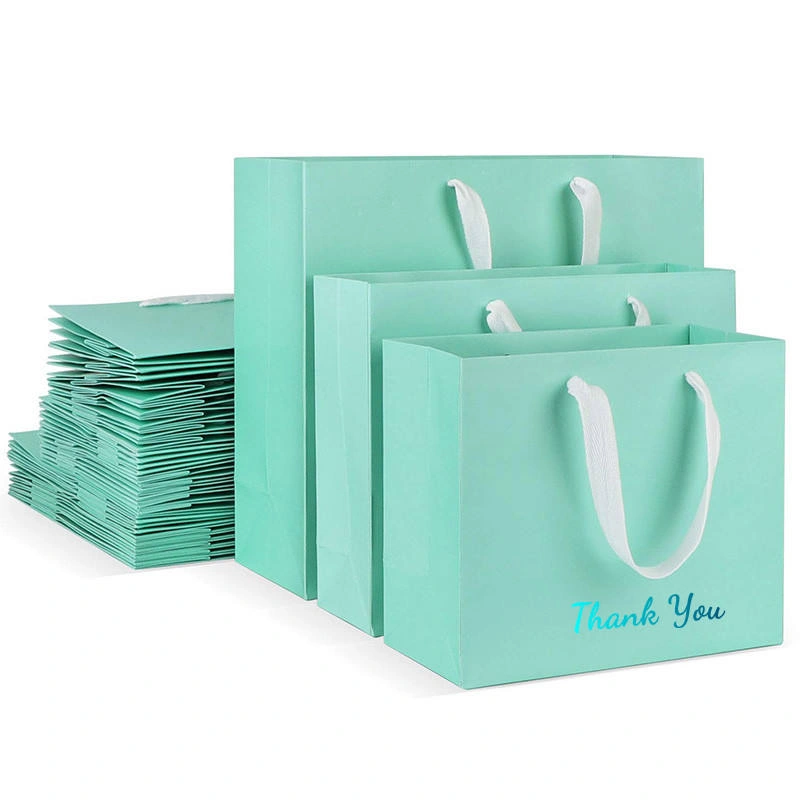
When customizing packaging for your products, getting the size right is the key to both function and appearance. Be sure to measure your product’s length, width, and height accurately, and leave a little extra space—not just for easy handling, but also to fit internal supports like bottom inserts to keep your product safe during shipping. Work closely with your supplier and test sample bags or boxes with your actual products to see how well they fit and protect them. Doing this simple check early on can save you from costly redesigns later.
6. Pick the Right Paper Material
Choosing Paper type
The type of paper you pick is the foundation of your packaging—it affects strength, cost, and the final print quality. Common white card stock has a smooth surface that shows bright colors accurately, making it perfect for colorful printing. Coated art paper adds a glossy finish, making colors richer and more vibrant for a striking visual effect. If you want a more natural, eco-friendly look, kraft paper with its raw color and texture gives a simple, earthy feel.
Understanding Paper Weight
Paper weight, or thickness, is just as important as the type. Usually, 120–210 gsm works well for lightweight promotional bags or inner packaging. 210–250 gsm is a solid choice for everyday retail shopping bags, balancing sturdiness with comfort. Heavier paper over 300 gsm is often used for luxury packaging, giving a thick, premium feel that highlights the value of your product.
7. Prepare Design Files According to Printer Specifications
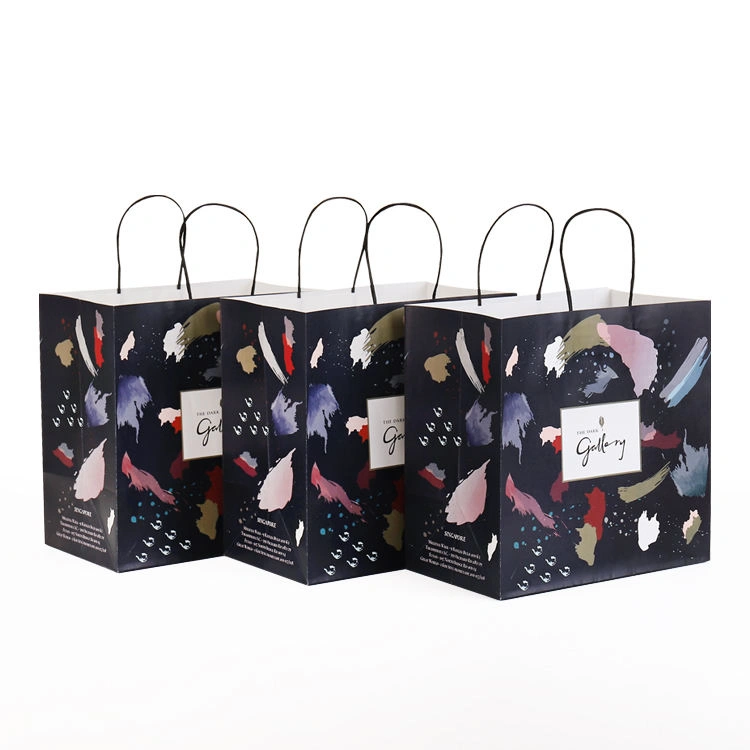
To avoid printing errors, submit carefully prepared files:
- Use vector formats like AI or EPS, outlining all fonts to prevent substitutions.
- Supply Pantone color codes to ensure precise brand color reproduction.
- Include 3mm bleed areas around edges, and keep critical text and graphics within safe margins to avoid unwanted cropping.
- Providing a high-resolution PDF proof helps suppliers fully grasp your intended design.
8. Understand Printing and Finishing Techniques
The chosen printing method affects visual appeal and tactile quality:
- Offset printing excels at producing smooth gradients and complex imagery.
- Screen printing offers thick ink layers and brilliant solid colors with textural depth.
- Foil stamping adds luxurious metallic accents that catch light and attention.
- Embossing and debossing create raised or recessed designs adding tactile interest and sophistication.
- UV coating and lamination improve durability and color intensity, where matte finishes elevate elegance and gloss enhances vibrancy.
9. Choose Suitable Handle Materials and Fixing Methods
Handles influence both user comfort and bag strength.
- Paper cord handles are affordable and eco-friendly but less durable.
- Cotton or jute handles provide better grip and withstand heavier loads, adding a premium touch.
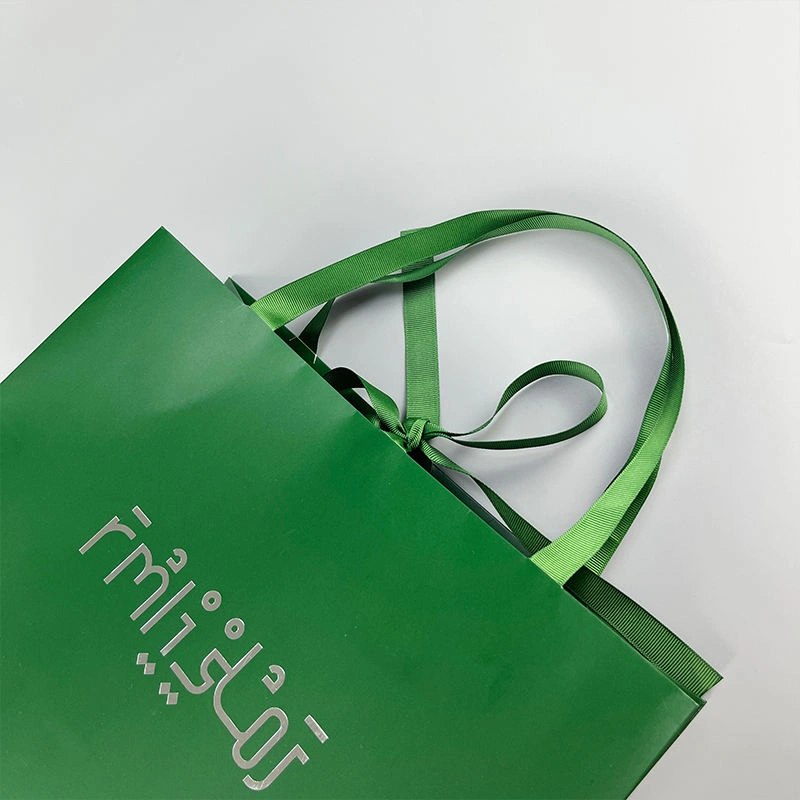
- Ribbon handles suit delicate, gift-centered products.
- Reinforced (patched) handle mounting is superior to simple punched holes, especially for heavier merchandise.

10. Conduct Durability and Quality Tests
Before full production, test your sample bags:
- Check paper strength and weight capacity
- Pull on handles to simulate real use
- Reinforce bottoms or add inner support for heavy loads
Hands-on testing is your last and most important line of defense against quality issues.
11. Add Brand Elements Thoughtfully
Beyond logos, leverage your bag as a marketing tool:
- Print website URLs, social media handles, and QR codes linking to promotions or campaigns.
- Feature slogans or brief messages to reinforce brand identity.
- Maintain a balanced design that prioritizes readability and aesthetic appeal.
12. Clarify Minimum Order Quantities
Most manufacturers enforce minimum order counts, usually from 500 to 2000 units.
- Larger orders reduce unit prices but increase inventory costs.
- For first-time orders, consider a smaller batch to test quality and consumer response before scaling.
13. Plan Realistic Production Timelines
Understanding the full workflow helps avoid rush fees and disappointments:
- Processes include design finalization, plate making, sampling, raw material procurement, printing, assembly, quality checks, and shipping.
- Typical lead times range from 2 to 6 weeks, possibly longer during peak seasons.
- Buffer time for unforeseen delays ensures your schedule stays on track.
14. Coordinate Efficient and Cost-Effective Shipping
Shipping logistics significantly affect cost and delivery reliability.
- Discuss packaging methods with suppliers—compact, compressed packing saves volume and cost.
- Confirm shipping timelines and track shipments closely.
- Inspect batches upon receipt to verify quantity and quality against samples.

15. Prioritize Sustainability and Eco-Credentials
Environmental responsibility enhances brand reputation and appeals to conscious buyers:
- Choose FSC or PEFC certified papers guaranteeing forestry sustainability.
- Use recycled and biodegradable materials whenever possible.
- Opt for eco-friendly inks like soy or vegetable-based alternatives.
- Clearly display sustainability certifications and claims on the bag to communicate your brand’s commitment.
Conclusion
Comprehensively understanding these 15 essential factors empowers you to smoothly navigate the custom paper bag ordering process, avoiding common pitfalls and ensuring your packaging delivers both functionality and brand elevation. Every successful bag originates from thorough planning and clear communication—this guide aims to help you create packaging solutions that perfectly reflect your brand’s essence and meet your product needs.